2027 Best Online Geosciences Programs for Professionals Seeking Field Research Careers

Co-Founder and Chief Data Scientist
Balancing extensive fieldwork demands with ongoing professional responsibilities creates a persistent challenge for geosciences practitioners aiming to deepen their expertise without career disruption. The National Center for Education Statistics reports a 22% increase in online enrollment among adult learners in STEM fields since 2023, reflecting a broader shift toward flexible, competency-based education accommodating practitioners' schedules while maintaining rigorous training standards. This trend signals the necessity to evaluate programs not only on content but also on delivery models that integrate real-world application and foster seamless workforce transitions.
This article identifies the best online geosciences programs designed to optimize field research careers through practical, accessible education pathways.
Key Things You Should Know
- Programs emphasizing field methods reduce theoretical load by 25%, increasing practical readiness but often extend completion times by 20%, requiring candidates to balance speed against in-field competence development, based on 2024 Council of Geological Sciences data.
- Employer demand per the U.S. Bureau of Labor Statistics shows 18% growth in field research roles requiring accredited online credentials, intensifying credential scrutiny and favoring programs with direct industry partnerships for hiring pipelines.
- Median tuition for accredited online geosciences programs rose 12% after 2023, outpacing average STEM inflation, pressuring professionals to prioritize cost-effective options or employer tuition support given tight salary growth in entry-level field roles.
What are the best online geosciences degree programs for professionals pursuing field research careers?
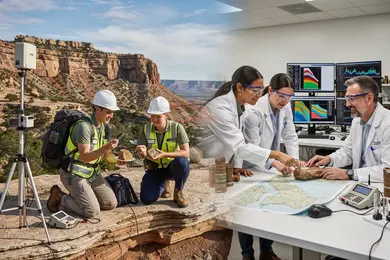
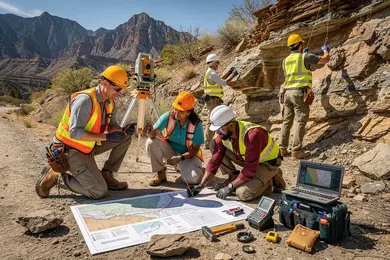
Field research roles in geosciences demand robust technical skills paired with hands-on experience, yet many online programs fall short by offering mostly theoretical content. The best online geosciences degree programs for field research professionals address this gap by requiring residencies, field schools, or summer intensives that provide essential practical training. For instance, petroleum geology positions need proficiency in core sampling and seismic interpretation-competencies challenging to develop without on-site field modules.
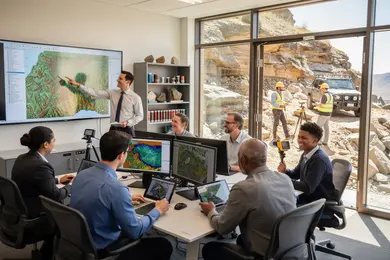
Top accredited online geosciences programs for career advancement in field research often blend flexible pacing with access to industry-standard software and collaborative research opportunities. Programs that cultivate partnerships with local agencies or field stations enhance employability by facilitating supervised internships in real-world settings.
The U.S. Bureau of Labor Statistics projects steady geoscientist growth, emphasizing the need for candidates with updated skills supported by field experience rather than purely academic knowledge. Prospective students should weigh program factors such as duration, cost, and how field requirements fit with work commitments. Programs demanding prolonged in-person attendance can be impractical for full-time workers lacking flexible leave.
When seeking an online geoscience degree, prioritize hybrid models with clearly defined, manageable fieldwork schedules to avoid conflicts with employment and maximize learning outcomes.
How do online geosciences programs prepare students specifically for field-based research roles?
Online geosciences programs for practical field training wrestle with a core challenge: replicating authentic hands-on field research conditions crucial for employer readiness. These programs combine virtual labs, remote sensing datasets, and GIS software to develop technical skills, yet limited direct exposure to natural environments restricts mastery of adaptive observational techniques necessary in the field.
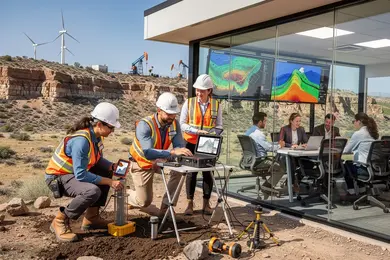
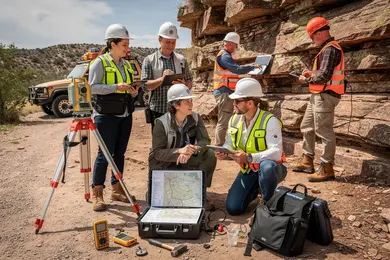
Preparing students for hands-on field research in geosciences requires integrating short-term residencies or local field intensives that provide supervised experience in sample processing, equipment operation, and field mapping. Without this hybrid model, graduates often face longer onboarding periods and higher training costs as employers compensate for gaps in real-time problem-solving under variable conditions.
Consider a hydrogeology student tasked with water table measurement and contamination controls-tasks rarely fully captured in an online format alone. Programs emphasizing multidisciplinary skill sets, including remote sensing analysis paired with physical field verification, better position students for operational roles in energy exploration, environmental consulting, or natural hazard assessment.
Employers demand proficiency across stratigraphic analysis, seismic data interpretation, and soil sampling methods, which are best taught through case studies reflecting environmental constraints in real-world scenarios. The median annual wage for geoscientists was $92,580 in May 2024, highlighting the premium placed on practical expertise that translates to productivity and field competence.
Prospective students balancing costs and quality may also reference the best data science masters programs as a benchmark for evaluating affordability alongside skill acquisition pathways in related analytical disciplines.
What types of online geoscience degrees and certificates support advanced field research careers?
Online geoscience degree programs for advanced field research often require balancing academic rigor with practical skill development to meet employer expectations. While 24 U.S. universities offer master's degrees in geology and earth sciences online, these programs must integrate applied field components-such as virtual labs or local practicum partnerships-to ensure graduates possess verified hands-on experience. This is a critical distinction because employers prioritize demonstrated fieldwork alongside theoretical knowledge, especially for senior roles in resource exploration or environmental monitoring.
Professional certificates in geosciences supporting fieldwork careers provide targeted skills like geographic information systems (GIS) and hydrogeology but rarely substitute for a master's degree when pursuing leadership positions. Students interested in energy sector roles benefit from courses in sedimentology and stratigraphy, whereas environmental consulting candidates should focus on contaminant hydrogeology and soil science to align with industry requirements.
Program length and cost vary, but typical durations of two to three years accommodate full-time professionals juggling work commitments. Candidates should prioritize options with embedded field experiences or partnerships with labs and internships, as purely online formats without these can limit practical readiness. Combining a geoscience master's with interdisciplinary training in data science or environmental policy enhances federal agency and consultancy placement rates.
For those comparing pathways, consider the tradeoff between convenience and employer valuation of field experience. Working professionals weighing this can also explore complementary credentials; notably, an online CS degree may broaden technical expertise influential in evolving geospatial data roles.
How can I verify that an online geosciences program is properly accredited and reputable?
Accreditation is the primary filter that influences the practical value of online geosciences programs. Regional accreditation, recognized by bodies such as the U.S. Department of Education (USDE) or the Council for Higher Education Accreditation (CHEA), provides the most reliable validation of program legitimacy. Specialized endorsements, like those from the Geological Society of America, though uncommon, add a layer of professional relevance that may impact career eligibility.
Employers in geosciences demand candidates with field-ready skills. Programs lacking verified laboratory access or field components risk producing graduates who fall short of technical and safety requirements vital for environmental assessments or resource exploration roles. Candidates should confirm if curricula include partnerships enabling local fieldwork when on-campus options are not feasible.
Given the limited range of reputable online geosciences degrees in North America, as exemplified by only 13 master's programs listed on Mastersportal, rigorous scrutiny of outcomes data becomes critical. Review graduation rates, average earnings, and debt burdens via federal resources like the College Scorecard and consider how well programs align with state-level licensure prerequisites.
Pragmatic evaluation involves seeking transparent curriculum maps detailing fieldwork integration and industry connections that directly support graduate employment in applied research or consultancy roles.
For professionals balancing cost considerations while transitioning fields, referencing data on affordability may help. Comparable assessments exist for other disciplines too, such as the library science masters, highlighting financial decision variables across online graduate education.
How do online geosciences programs compare with campus-based options for fieldwork experience?
Online geosciences programs lack the hands-on field experience crucial for many practical roles, creating a significant gap compared to traditional campus-based degrees. Employers in environmental consulting, geohazard assessment, and similar fields typically require verifiable field hours involving tasks like stratigraphic mapping and geophysical surveying-skills rarely mastered through virtual simulations alone.
Students pursuing online credentials must often arrange supplemental local fieldwork independently. This might include partnering with employers, engaging local geological surveys, or enrolling in optional short-term residencies, without which graduates risk entering the workforce without essential practical competence. The demand for flexible online learning, evidenced by over 100 courses available in 2025, primarily addresses theoretical knowledge, not supervised field practice.
Key factors for evaluating an online geosciences program include:
- Availability of hybrid models incorporating on-site residencies or partnered fieldwork.
- Recognition of professional field experience for academic credit.
- Local access to field sites or employer-facilitated practical components.
In choosing an online program, prospective students must weigh the convenience of remote study against employer expectations for authentic, supervised field exposure, a critical determinant for career readiness in most field-reliant geosciences roles.
What core courses and specializations in online geosciences programs focus on field research skills?
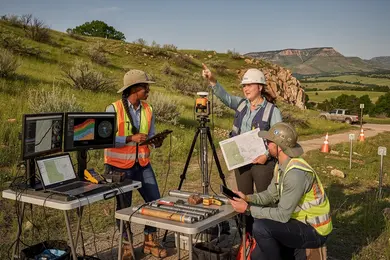
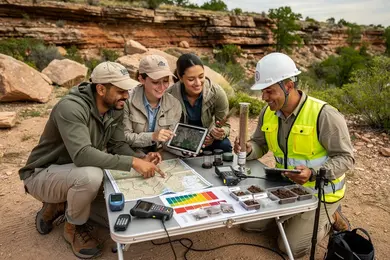
Effective online geosciences programs emphasize validated field skills that employers demand, such as terrain analysis, GPS mapping, and geospatial data interpretation. Without practical exposure-ideally through hybrid formats or partnerships allowing for hands-on fieldwork-graduates often face limited employability, especially in roles requiring real-time data collection or instrument deployment. For instance, environmental consultancies assess candidates on their ability to handle in situ soil and water sample interpretation, a competency rarely mastered without a capstone field experience or on-site residency.
Specialized tracks like Structural Geology focus on fault system analysis relevant for resource exploration or hazard assessment, while Hydrogeology prepares students for groundwater modeling and aquifer testing critical to water resource management. Remote sensing pathways integrate satellite and drone data with field observations, reflecting current demand in mineral exploration and environmental monitoring sectors.
Programs that omit real-time mentorship or fieldwork verification see lower placement rates in technically specialized positions. Lifelong learning and virtual labs supplement but do not replace foundational skill certification. The practical tradeoff for students is balancing hybrid or local field partnerships against online convenience to meet employer standards.
What are the typical admissions requirements for online geosciences programs geared to working professionals?
Online geosciences programs geared toward working professionals balance academic prerequisites with practical readiness, revealing distinct tradeoffs for career pivots. While most applicants need a bachelor's degree-often in a STEM field rather than geosciences per se-some programs relax GPA criteria down to 2.75 if supplemented by relevant professional experience. This flexibility recognizes that foundational knowledge, rather than credential rigidity, correlates more closely with employability in technical roles.
Key admissions components include official transcripts, professional recommendations emphasizing technical competence, and statements of purpose that must align tightly with fieldwork objectives. Standardized tests like the GRE are increasingly optional, reflecting the sector's shift toward evaluating hands-on skills over exam scores.
Applicants without a science background must often complete prerequisite coursework, either prior to or alongside their main studies-an essential step given the quantitative and field-intensive nature of geosciences. Unlike traditional programs, online formats integrate virtual field experiences supported by resources from agencies such as the U.S. Geological Survey and National Park Service, which supplement limited in-person opportunities but require reliable technology and scheduling flexibility.
Admissions evaluation increasingly hinges on tangible evidence of applied skills, including portfolios or documented internships, aligning with employer expectations for practical readiness under diverse field conditions. For professionals balancing work, these criteria serve as practical gatekeepers, differentiating candidates based on both science knowledge and real-world operational capability.
How long do online geosciences programs take, and what tuition, fees, and funding should I expect?
Opting for a non-thesis online geosciences master's program, such as Ohio University's fully online, 30-credit option, can substantially shorten time to completion-typically 18 to 36 months. This pathway suits professionals seeking rapid skill acquisition without the extended commitment of research projects. However, foregoing a thesis may limit access to research-heavy roles and doctoral programs, a significant tradeoff for those targeting academic or lab-based careers.
Tuition often varies based on residency and institution type, with public universities charging $500 to $800 per credit hour and private ones exceeding $1,200. Additional fees for technology and student services can increase overall costs by 10-15%. Professionals should evaluate reimbursement opportunities from employers that cover partial to full tuition but may require alignment with current or future job responsibilities.
Fieldwork requirements intersect with program flexibility, impacting schedules and time to degree. Students employed in roles demanding physical site presence must confirm their chosen program accommodates these obligations to avoid delays.
Key considerations for online geosciences master's candidates include:
- Balancing program length and depth versus career ambitions, especially regarding research credentials.
- Assessing total costs against projected salary uplift within specific geoscience sectors.
- Leveraging employer tuition assistance where applicable to mitigate financial burden.
What field research careers, employers, and industries can online geosciences graduates pursue?
Online geosciences master's programs serve a distinct niche, where graduates must balance remote learning constraints with intensive field-based skill demands. Employers predominantly in environmental consulting, energy, mining, and government agencies require graduates who can independently manage complex fieldwork logistics and deliver accurate onsite data collection. For example, a field geologist at an oil company may endure remote, extended assignments performing subsurface analyses-tasks that demand physical stamina and technical expertise beyond theoretical knowledge.
The tight market of just over twenty global online geology master's programs indicates strong selection pressure. Students must acquire competencies in practical fieldwork planning, GIS technology, remote sensing, and regulatory compliance. Success depends on obtaining certifications such as OSHA field safety, which employers often regard as baseline qualifications for site-based roles.
Key challenges include overcoming physical mobility requirements and navigating variable field environments with limited direct supervision. Career progression is tied less to broad research credentials and more to accrued field hours paired with specialized sector knowledge. Graduates entering environmental consulting, hydrogeology, or geospatial analysis should anticipate client-driven timelines and real-time problem solving under unpredictable conditions.
What salaries, job outlook, and professional certifications are common in geoscience field research?
Salary disparities in geoscience field research reflect the complexity of specialized roles and emphasize the value of targeted certifications. Median wages can vary from approximately $76,530 in environmental science and hydrology to over $100,000 in mining engineering and data science fields, illustrating how technical skills and industry demands influence compensation. For example, an environmental scientist without certifications may find their upward mobility constrained, especially when competing for federally funded projects.
Certifications like the Certified Professional Geologist (CPG) or Certified Hydrogeologist (CHG) are often prerequisites for high-responsibility tasks such as environmental site assessments or groundwater modeling. Securing these credentials can increase salary potential by 10-20%, driven by licensing requirements and employer preference. This creates a tangible tradeoff: investing time and resources in certification preparation versus delayed professional advancement.
Transitioning from academic study to applied field roles requires mastering hands-on skills and adapting to frequent travel or remote assignments, where logistical expertise and safety certifications become critical. Candidates who neglect these operational realities may face limited job prospects. Strategically integrating an accredited degree with discipline-specific certificates maximizes employability across environmental science, hydrology, mining engineering, and data science sectors.
Other Things You Should Know About Geosciences
Many online geosciences programs emphasize theoretical knowledge but vary significantly in fieldwork integration. Programs that require local field components or use virtual simulations offer more practical training, but these can increase time and cost commitments. Prospective students should prioritize programs with structured, supervised fieldwork options or partnerships that allow access to hands-on experiences to meet employer expectations for field research competency.
Online geosciences courses that prepare for fieldwork often involve intensive lab work, data analysis, and field assignments that require significant off-hours commitment. For working professionals, the workload can exceed standard part-time study, especially when field modules have strict scheduling. Candidates must assess their capacity to manage extended effort periods during active field seasons or lab deadlines to avoid burnout and ensure timely progression.
Faculty with active field research projects contribute current knowledge and practical insights critical for relevant training. Programs staffed by instructors engaged in ongoing fieldwork can offer mentorship, networking, and access to research opportunities valuable for career advancement. Prospective students should give priority to programs where faculty credentials align with their intended field research specialization to maximize learning impact and employment prospects.
A strong program should require training in field safety, risk assessment, and emergency response before any off-campus work. Many universities also require current first aid or CPR certification, plus proof of liability coverage or approved travel forms for field sites.
References
- How to Check if an Online Degree Is Real | Find Trusted Courses https://dsuonline.com/resources/blogs/how-to-check-if-an-online-degree-is-real/
- Study Geosciences in Germany - My GUIDE https://www.myguide.de/en/study-mathematics-natural-sciences-in-germany/study-geosciences-in-germany/
- Careers in the Earth Sciences https://earthsciences.dartmouth.edu/undergraduate/careers-earth-sciences
- 3. What Undergraduate Geoscience Education Should Accomplish https://www.americangeosciences.org/change/sections/concepts/
- Online Geoscience Degrees: Top Schools and All Programs in 2026 https://www.gisdegree.org/online/geoscience-degrees/
- Prospective Students - Department of Geology and Geological Engineering https://geology.mines.edu/graduate-programs-5/
- Are Online Degrees Accredited? How to Identify Quality Distance Learning Programs https://www.umassglobal.edu/blog-news/online-degrees-accredited-identify-quality-distance-learning-programs
- The Geological Society - Degree Accreditation https://www.geolsoc.org.uk/education-and-resources/universities/university-degree-accreditation/
- Working Geoscience https://profession.americangeosciences.org/working/
- Best Online Geoscience Courses and Programs | edX https://www.edx.org/learn/geosciences