2027 Environmental Agency Roles You Can Target With a Geosciences Degree

Co-Founder and Chief Data Scientist
Environmental agencies face an acute shortage of qualified geoscientists capable of managing complex issues like groundwater contamination and climate resilience planning, where delayed expertise can exacerbate ecological damage and regulatory noncompliance. This gap is pronounced as workforce data from the U. S. Bureau of Labor Statistics indicates a projected 7% growth in geoscience-related environmental roles over the next decade, reflecting increased federal and state investment but also rising entry barriers for non-traditional candidates. Concurrently, adult learners' enrollment in flexible, accredited geosciences programs surged 15% in 2024, emphasizing a shift toward accessibility that influences career-timing decisions.
This article clarifies targeted roles within environmental agencies accessible through geosciences degrees and how to strategically navigate these pathways to meet workforce needs efficiently.
Key Things You Should Know
- Federal environmental agencies increased geosciences roles by 12% between 2022-2025, yet 40% require advanced technical certifications, imposing additional 18-24 month credentialing delays post-degree completion.
- Regional offices prioritize geoscientists with hydrogeology specialization due to 2024 EPA data showing a 34% rise in groundwater contamination cases demanding faster regulatory response.
- State agencies face a 28% geosciences workforce turnover rate, pushing demand for cross-disciplinary practitioners but creating job stability tradeoffs as agencies underfund long-term career development.
What environmental agency careers are available with a geosciences degree in the United States?
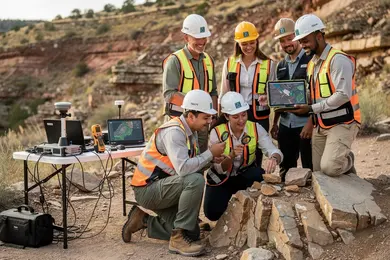
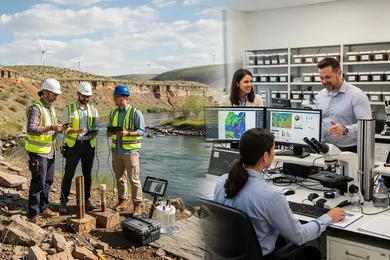
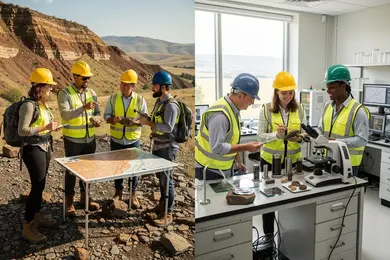
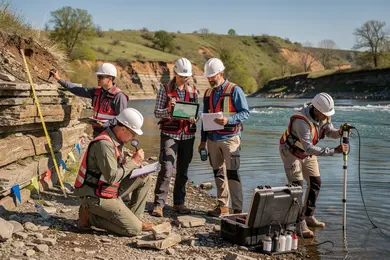
Employment in environmental agencies for geosciences graduates in the United States demands a blend of technical proficiency and regulatory knowledge, often requiring candidates to navigate federal laws such as CERCLA and the Clean Water Act. Roles including environmental scientists, hydrologists, and specialists frequently engage in tasks like environmental impact assessments, contamination monitoring, and site remediation at Superfund locations. These positions, primarily within the EPA, USGS, and state environmental departments, entail considerable fieldwork paired with detailed reporting and regulatory communication.
The U.S. Bureau of Labor Statistics anticipates a modest 4% growth in environmental scientists and specialists from 2024 to 2034, equating to roughly 8,500 job openings annually. This reflects steady demand rooted in compliance-driven public sectors. However, competition often favors candidates with practical skills in GIS, environmental modeling, and data analysis. Entry-level jobs typically require a bachelor's degree, but advancing into supervisory or specialized roles generally necessitates a master's degree or relevant certifications, creating a clear tradeoff between immediate employment and longer-term credential investment.
Given these considerations, those pursuing environmental careers for geosciences graduates in the United States should weigh their educational pathways carefully. Continuous professional development aligned with evolving environmental policies is critical. For professionals eyeing a pivot or advancement, exploring advanced credentials - including options like a data science doctorate online - can enhance analytical capabilities and career differentiation in an increasingly data-driven field.
Which federal, state, and local environmental agencies hire geoscience graduates?
Federal and state environmental agencies hiring geoscience graduates prioritize candidates with robust data analysis, GIS, and climate modeling capabilities, reflecting the specialized needs of roles in regulatory enforcement and environmental research. For example, EPA positions frequently demand analytical skills for remediation projects, while USGS jobs focus more on research into natural hazards and groundwater systems. This divergence shapes career trajectories significantly, emphasizing advanced technical knowledge at the federal level versus broader but less specialized work locally.
Local government environmental jobs for geosciences degree holders often involve applied tasks like managing municipal water quality or urban environmental challenges. Agencies such as California's State Water Resources Control Board and New York's Department of Environmental Conservation highlight a tradeoff: lower salaries and fewer advancement prospects versus hands-on experience with complex geological and hydrological data relevant to land use policies.
The U.S. Bureau of Labor Statistics forecasts a 4% growth in environmental scientist employment from 2024 to 2034, with climate adaptation funding driving demand for expertise in climate risk assessments and environmental compliance across government levels. However, competition for federal roles remains high, where security clearances and interdisciplinary abilities can be decisive. Building practical experience through internships with state or municipal environmental agencies enhances competitiveness for these federal positions.
Geoscience graduates must weigh the scope and scale differences between local and federal agencies when planning career paths. For those considering complementary academic credentials, pursuing an online masters in data science can sharpen quantitative skills highly valued in geospatial analysis and environmental data interpretation.
What geoscience degrees best prepare you for environmental agency roles?
Employers in flood and coastal risk management increasingly demand environmental science degrees for geosciences careers that blend deep technical training with applied skills. Bachelor's and master's programs in environmental geoscience, hydrogeology, or geotechnical engineering prepare candidates with expertise in soil mechanics, groundwater flow, and sediment transport-core competencies directly used by agencies recruiting heavily for these roles. The UK Environment Agency's plan to recruit about 1,000 new staff annually from 2024 reflects this focused sector growth, signaling rising opportunities for graduates specializing in these disciplines.
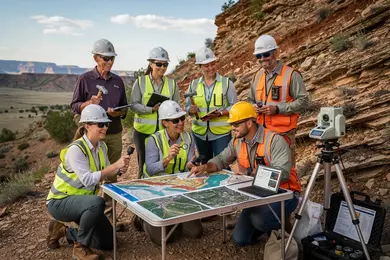
Practical proficiency in GIS, hydrological modeling software, and impact assessment techniques is often a gating factor during hiring. For example, hydrogeology graduates with hands-on experience in groundwater contamination analysis more readily fit remediation and regulatory roles in federal environmental jobs, while candidates with general geosciences degrees but limited applied training may encounter greater onboarding challenges. Degrees with a focus on sedimentology and coastal geomorphology provide an edge for shoreline resilience projects, where understanding dynamic natural systems alongside human influences is paramount.
Choosing between specialized and broader geosciences programs involves tradeoffs. Specialized tracks offer quicker placement in niche environmental agency positions but may restrict flexibility outside flood risk management, whereas broader programs require additional certifications or cross-disciplinary skills to remain competitive. Prospective students should assess curriculum emphasis on applied fieldwork and up-to-date technologies versus theoretical approaches, as operational readiness heavily influences employability.
Those considering alternative degree pathways might explore options like an accelerated exercise science degree online for different workforce outcomes, highlighting the need to align education strategically with career goals.
How do environmental scientist and specialist roles use a geosciences background?
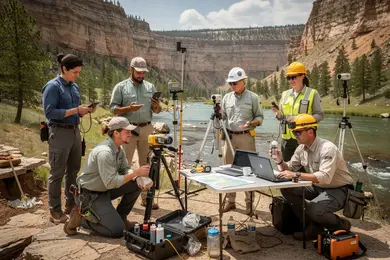
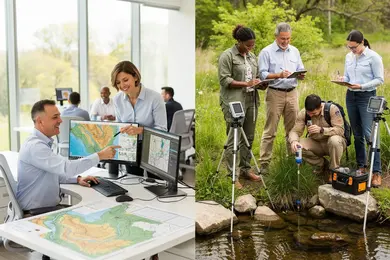
Environmental scientist roles requiring a geosciences background often demand the seamless application of earth systems expertise to address compliance and remediation challenges. Within agencies like the EPA, specialists apply hydrogeology and geospatial analysis to assess groundwater contamination, necessitating advanced skills in field sampling, data modeling, and geological interpretation. This practical integration is critical because employers seek candidates who can marry geoscientific data with regulatory frameworks to immediately impact multidisciplinary projects.
The reality for environmental specialists is balancing scientific analysis with regulatory documentation and stakeholder communication. Beyond technical knowledge, proficiency in project management and environmental laws matters as much as field expertise. Key tradeoffs in training arise when candidates lack hands-on environmental fieldwork or internship experience, which often limits employability despite strong academic preparation.
Applied geosciences knowledge supports risk assessments tied to natural resource extraction and urban development compliance-areas where geological hazards influence infrastructure and disaster planning. Students targeting this pathway should prioritize programs offering internships and coursework in environmental law, hydrogeology, or geospatial analysis for improved job market alignment.
According to the U.S. Bureau of Labor Statistics, the median wage for these roles was $80,060. Candidates contemplating shifts into this field might also explore cross-disciplinary options like a library science degree online to broaden analytical skills applicable in environmental data management.
What are typical salaries and benefits for geoscientists working in environmental agencies?
Salary ranges for geoscientists employed by U.S. environmental agencies reveal a direct link between technical specialization and compensation. Entry-level roles focusing on standard field tasks typically earn between $53,000 and $65,000 annually, but salaries increase substantially for those managing complex remediation projects involving soil and groundwater contamination. Senior professionals with subsurface expertise or project leadership responsibilities can reach or surpass $100,000, especially in federal agencies with structured pay scales and locality adjustments.
Choosing a career in public environmental geosciences means balancing slower salary growth against advantages like comprehensive healthcare, retirement benefits under systems such as the Federal Employees Retirement System, paid leave, and education reimbursement. Contract or consulting roles may offer higher initial pay but come with less job security and fewer benefits.
Advancement opportunities in smaller agencies often depend on proactive skill acquisition in niche areas like hydrogeology or environmental risk assessment. Geographic location also influences earning potential; metropolitan areas with significant contamination issues tend to provide better salaries and mobility compared to rural settings.
Key considerations include:
- Pay differentials tied to project complexity and certification levels
- Employment security versus immediate financial incentives when comparing public and private sector roles
- Importance of continual professional development to access higher salary brackets within budget-limited agencies
What is the job outlook for geoscientists in environmental protection and regulation?
Demand for geoscientists in environmental protection hinges on specialized skills aligned with regulatory frameworks and sector-specific priorities. Advanced roles, especially those focused on coastal and marine environments, command salaries exceeding $179,000 per year plus bonuses-highlighting employer premiums on expertise such as shoreline erosion assessment and habitat restoration compliance.
Entry-level candidates must combine strong fieldwork capabilities with practical experience navigating EPA and state regulations. Employers prioritize proficiency in environmental sampling, GIS mapping, and clear communication that translates scientific findings into actionable regulatory guidance for agencies and communities.
Career progression often requires professional credentials like a Professional Geologist license and success managing multi-agency projects. However, candidates face tradeoffs: government roles typically offer greater stability but lower pay, while private consulting yields higher compensation but less project continuity.
Geographic factors also affect employment options, with job concentrations in coastal states and regulatory hotspots influencing relocation decisions. Specialists addressing emerging sectors-such as climate change adaptation or blue carbon markets-tend to secure stronger job market positioning and remuneration than traditional geology roles tied to mineral or oil extraction.
How do online geoscience programs compare with campus programs for agency careers?
Choosing an online geoscience program requires careful consideration of the tangible skills gaps such formats often present, especially in fields demanding hands-on expertise. While theoretical knowledge parallels that of campus programs, critical competencies like operating air quality instruments or conducting site assessments remain difficult to replicate remotely. For instance, roles such as emissions specialists require direct interaction with equipment and environments that virtual setups rarely match.
The U.S. Bureau of Labor Statistics projects a 4% growth in environmental science jobs through 2034, reflecting increasing demand for monitoring and compliance. However, employers in governmental agencies and consulting firms frequently prioritize candidates with verified field experience, EPA-certified sampling capabilities, and advanced geospatial analysis performed within collaborative settings. Graduates relying solely on online coursework may find themselves less competitive without practical internships or local placements.
Key employer expectations include:
- Familiarity with specialized software and environmental data collection techniques
- Knowledge of on-site compliance and regulatory procedures
- Experience engaging in real-time peer collaboration and access to advanced lab instrumentation
While online formats offer scheduling flexibility benefiting working professionals, achieving comparable readiness demands disciplined external networking and proactive engagement with cooperative education components. Candidates must rigorously assess how programs integrate hands-on practicums that meet industry standards and accommodate geographical constraints.
What core courses and skills do geoscience majors need for environmental agency work?
Focusing geoscience education on hydrogeology, environmental chemistry, and sedimentology equips candidates for state agency roles centered on groundwater and surface water management. Advanced GIS and spatial data analysis are increasingly indispensable given regulatory demands for precise contamination mapping. Students face a tradeoff: deep specialization sharpens expertise but narrows flexibility for broader environmental assignments such as soil contamination or ecosystem restoration.
Strong quantitative skills via geostatistics and numerical modeling remain vital for forecasting contaminant transport and environmental trends. Familiarity with environmental policy frameworks enhances communication with regulatory bodies and supports project approvals, an outcome directly impacting remediation planning in state water resource positions.
Practical competence in collecting field data, lab analysis of soil and water, and industry-standard software like MODFLOW and EPA databases is frequently non-negotiable. Entry-level positions in hydrogeology with U.S. state agencies start around $57,995 per year, reflecting steady demand but requiring a focused skill set aligned with agency missions.
Students must balance coursework to maintain adaptability, aligning their studies with the specific environmental priorities of their target region. This pragmatic approach maximizes employability and sustains long-term career viability within government geoscience jobs.
How can you evaluate accredited geoscience programs aligned with environmental agency jobs?
Geoscience programs targeting environmental agency roles must demonstrate alignment with the practical skill sets these employers prioritize. Accreditation by bodies like ABET guarantees basic academic standards but does not ensure relevant workforce readiness without transparent outcome data tied to environmental sector employment. Programs offering measurable internships or cooperative education within government agencies provide a critical edge by integrating hands-on experience with environmental data analysis, GIS, and regulatory compliance.
For example, the UK Environment Agency's 2026 Environment and Science Graduate Training Scheme sets a £30,685 per year starting salary for data and GIS-focused positions, illustrating the tangible benefits of embedding applied geospatial competencies within a curriculum. U.S. candidates should scrutinize programs' graduation employment rates specifically within EPA or state environmental agencies, since generalized job placement figures obscure actual alignment with environmental regulatory and management roles.
Prospective students must assess how well programs balance theory with applied environmental policy and technology. Heavy emphasis on physical geology without integrating remote sensing or environmental impact tools reduces agency job competitiveness. Additionally, knowing U.S. regulatory frameworks-EPA statutes and local jurisdictional issues-is non-negotiable; international regulation-centric curricula require supplementary training.
Finally, career services and agency network connections substantially affect job-seeking efficiency. Programs without these supports often extend transition times or necessitate independent certification in specialized software. Prioritizing documented employer partnerships and systematic integration of agency standards mitigates these hurdles and enhances workforce outcomes.
Which licenses, certifications, or security clearances are required for environmental agency positions?
Licensing and certification for environmental agency positions in 2026 present essential gatekeeping aligned with job scope, agency expectations, and security requirements. For example, attaining a Professional Geologist (PG) license-a frequent prerequisite for site assessment tasks in renewable energy-demands an accredited degree, supervised field experience over several years, and success on the ASBOG exam. This credential is not a mere formality; it legally anchors the professional's accountability and technical capability when interpreting subsurface data critical to compliance frameworks.
Complementary certifications such as Certified Environmental Professional (CEP) or Registered Environmental Manager (REM) provide added validation of competencies in navigating environmental regulations and risk management. These credentials notably enhance candidacy for federal and state roles requiring multidisciplinary cooperation.
Security clearances, ranging from Confidential to Top Secret, often come into play for positions tied to agencies like the EPA or Department of Energy, introducing an additional selection layer linked to project sensitivity.
State and local roles may require specialized endorsements, such as hazardous waste operations (HAZWOPER) certification, vital for handling contaminated sites. Tradeoffs include lengthy PG license timelines-typically over five years after degree completion-and ongoing credential maintenance costs. Without these credentials, salary potential frequently caps between $53,000 and just above $100,000 annually, based on federal workforce data, as many employers set licensing benchmarks for premium pay in the geoscience-driven clean energy sector.
Prospective professionals must weigh certification demands against long-term goals to ensure alignment with realistic workforce expectations and career pathways.
Other Things You Should Know About Geosciences
While many entry-level environmental agency jobs accept a bachelor's in geosciences, advancing into specialist or leadership roles typically requires a master's degree. Agencies prioritize candidates with graduate education for complex project management, advanced data analysis, and regulatory interpretation. Investing in a master's focused on environmental geosciences or related specialties improves competitiveness and access to promotions, especially in federal positions.
The U.S. Environmental Protection Agency, U.S. Geological Survey, Bureau of Land Management, and National Oceanic and Atmospheric Administration all hire geosciences graduates for entry-level technical roles. Common openings include environmental specialist, hydrologist, geologist, and GIS analyst, usually requiring a bachelor’s degree plus coursework in geology, hydrology, or earth systems.
In 2027, individuals with a geosciences degree can balance technical skills with agency expectations by pursuing interdisciplinary training, engaging in collaborative projects with other environmental science disciplines, and gaining insights into policy and management to enhance their adaptability in diverse agency roles.
Broad knowledge offers flexibility but may limit advancement in niche regulatory or research roles requiring specialization. Conversely, specialization can enhance job security in areas like hydrogeology or soil science but risks reduced mobility if those fields shrink. For long-term sustainability, prioritize a base of broad geosciences fundamentals supplemented by one practical specialty aligned with agency demand trends.
References
- What Does the Future Demand Look Like for Applied Geoscientists? https://www.aegweb.org/index.php
- Early careers - Environment Agency https://environmentagencycareers.co.uk/early-careers/
- Salary Information https://www.geolsoc.org.uk/Geology-Career-Pathways/Careers/Salary-Information.html
- 500+ Water Jobs (Updated Today) â Free to Apply https://jobs.watertechintel.com/blog/geology-major-jobs
- Certification Guide for Young Professionals - Board for Global EHS Credentialing https://gobgc.org/professional-environmental-certifications-professionals/
- Online Geoscience Degrees: Top Schools and All Programs in 2026 https://www.gisdegree.org/online/geoscience-degrees/
- Geoscience Jobs https://jobs.americangeosciences.org/
- Earth and Environmental Science https://ees.acadiau.ca/Careers.html
- Geoscience Jobs in Government https://www.grow-geocareers.com/governmentjobs
- Environmental Policy and Strategy Lead (SECRET CLEARANCE) in Huntsville, Alabama, United States of America | Engineering at ICF https://careers.icf.com/us/en/job/R2601562/Environmental-Policy-and-Strategy-Lead-SECRET-CLEARANCE