2027 Online Geosciences Degrees for Climate and Sustainability Careers

Co-Founder and Chief Data Scientist
Professionals aiming to transition into climate and sustainability roles within geosciences often confront the challenge of balancing intensive fieldwork prerequisites with full-time employment and familial responsibilities. The National Center for Education Statistics reports a 15% rise in adult learners enrolling in online STEM programs since 2022, signaling shifting enrollment behavior toward flexible, remote learning models. This trend indicates a growing demand for programs that offer rigorous training without compromising accessibility or career momentum. However, not all online geosciences degrees meet employer expectations for applied skills or field experience, complicating strategic educational choices.
This article evaluates current online geosciences degree options specifically designed to equip learners for timely entry and advancement in climate and sustainability careers, addressing key tradeoffs and program features critical to informed enrollment decisions.
Key Things You Should Know
- Only 38% of online geosciences graduates enter climate-specific roles within 12 months, per NSF data, indicating a critical mismatch between program curricula and evolving employer demand for integrated sustainability analytics.
- The US Bureau of Labor Statistics projects 10% sector growth by 2030, yet 45% of hiring managers report novice online degree holders lack advanced geospatial and environmental modeling skills, limiting hiring pipelines.
- Median debt for online master's in geosciences exceeds $48,000 (NCES 2024), posing a high-cost barrier; accelerated programs reduce opportunity cost but often sacrifice fieldwork essential for employer-preferred qualifications.
What is an online geosciences degree and how does it prepare you for climate and sustainability careers?
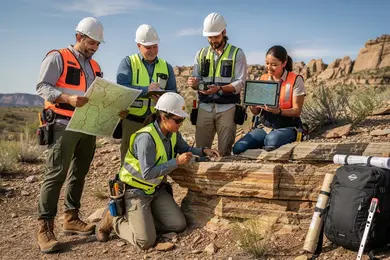
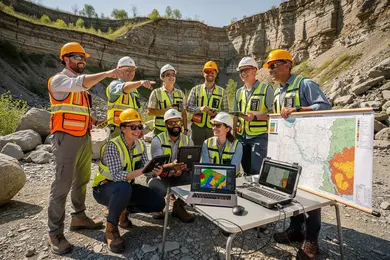
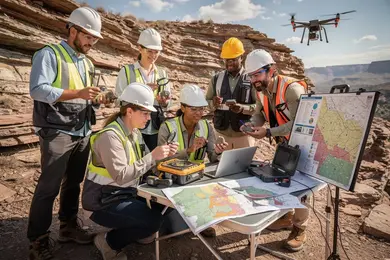
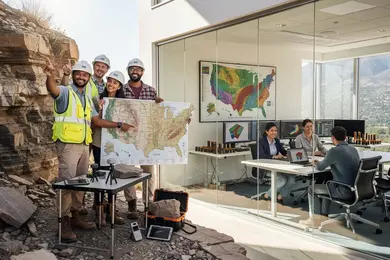
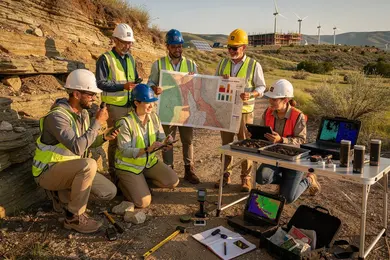
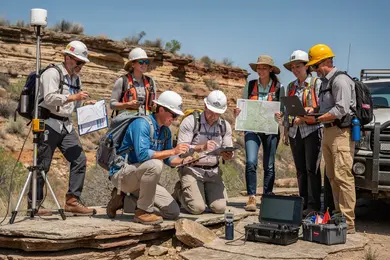
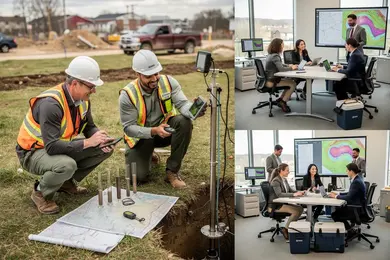
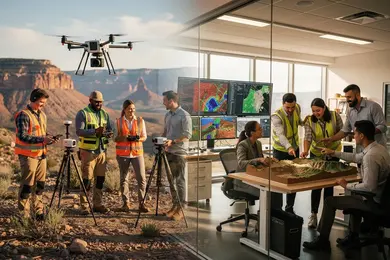
Online geosciences degree programs for climate careers must be evaluated with attention to their balance between theoretical content and practical skill acquisition. While they provide essential knowledge in earth systems, climate dynamics, and environmental analysis, the limited hands-on fieldwork inherent in many online formats presents a significant drawback for applicants targeting roles dependent on physical site experience. Students aiming for sustainability jobs should recognize that employers prioritize proficiency in digital geospatial tools and quantitative methods, including software such as ArcGIS and Python, which these programs commonly emphasize.
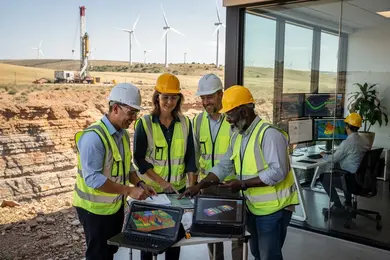
A relevant scenario involves graduates entering energy or urban planning sectors where geological modeling helps optimize renewable infrastructure or assess risks for sustainable development. However, to meet industry demand fully, supplemental field training or local internships often become necessary to complement online curricula. The U.S. job market for geosciences professionals projects growth driven by national policies focused on climate and energy transitions, suggesting stable opportunities despite these educational tradeoffs.
Prospective students must critically assess program accreditation and faculty expertise while integrating emerging technologies to ensure long-term employability. Balancing coursework with hands-on experience influences career trajectories in ways that purely virtual programs cannot replace. For those considering a strategic career pivot, it is also relevant to compare pathways such as a shift to speech pathology, where detailed insights into speech pathologist salary reflect different workforce dynamics.
Are online geosciences degrees respected by employers and comparable to on-campus programs?
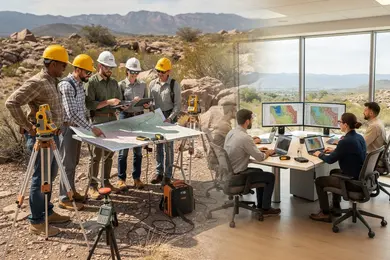
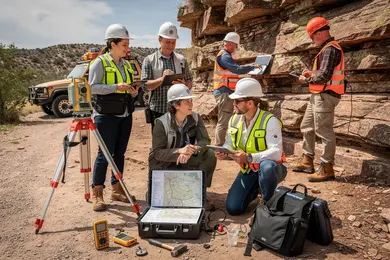
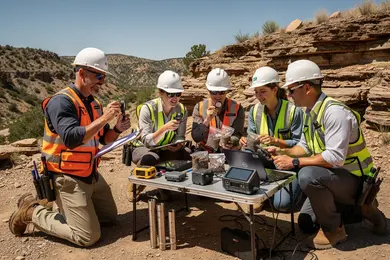
Employers assess online geosciences degree credibility with employers by emphasizing practical skills and accredited program quality over delivery mode. For example, energy companies and environmental consultants prefer candidates who demonstrate proficiency in data analysis, field methods, and software tools like GIS and climate modeling rather than merely holding a degree. Online programs that incorporate mandatory fieldwork or hybrid settings with in-person labs consistently align better with these expectations than fully theoretical online degrees.
Comparisons of online and on-campus geosciences programs show that regional accreditation and curriculum rigor strongly influence employer acceptance. Degrees that combine hands-on learning and structured mentoring are regarded equivalently to traditional campus programs. In contrast, purely online degrees lacking experiential components face skepticism, especially for entry-level roles demanding field experience.
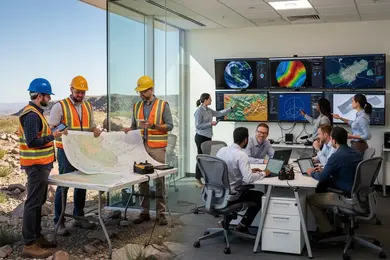
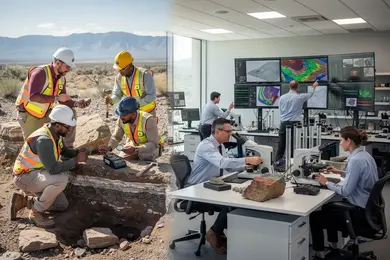
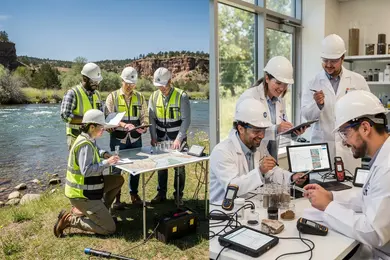
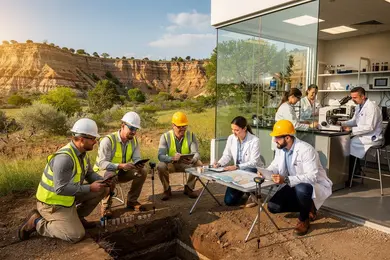
Tradeoffs between flexibility and practical readiness surface clearly: fully online options offer remote accessibility but often limit networking and in-person collaboration critical in fields like hydrology. Hybrid models partially bridge these gaps, enhancing employability by blending virtual coursework with real-world application.
With a median annual wage near $99,240 and steady job openings forecasted through 2034 by the U.S. Bureau of Labor Statistics, students should target programs that integrate internships or regional field labs, especially if they aim for environmental agency roles with licensure requirements. For those considering a related path, a data scientist degree may complement geosciences skills in increasingly data-driven environmental sectors.
What types of online geosciences degrees are available for climate and sustainability pathways?
Choosing an online geosciences degree for climate and sustainability careers requires weighing program design against employer expectations and personal constraints. Bachelor of Science (B.S.) options provide foundational geosciences and technical skills, essential for those pivoting from unrelated fields, while Master of Science (M.S.) degrees focus on research sophistication and policy application, aligning closely with government and NGO demands for climate risk and sustainability expertise.
Cost considerations also directly impact access. For example, Southern New Hampshire University's online B.S. in geoscience charges $320 per credit, totaling around $38,400 for 120 credits-substantially less than U.S. four-year public and private averages, making it a practical option for working adults balancing employment and study. However, this affordability can come with tradeoffs in fieldwork access, a vital component often requiring hybrid formats or regional partnerships to meet employer expectations for applied skills in climate adaptation and sustainability initiatives.
- Environmental consulting roles prioritize combined geosciences and data analysis skills, necessitating strong GIS and statistical training.
- Renewable energy sectors favor interdisciplinary programs integrating geoscience, engineering basics, and environmental economics.
- Government and NGO positions prefer M.S. graduates versed in sustainability metrics and policy electives.
In North America, online sustainability geosciences programs vary widely in balancing online delivery with practical field components, which can influence graduate readiness and long-term employability. Prospective students should carefully assess curriculum alignment with their targeted labor market.
For deeper insight into degree options balancing affordability and flexibility, explore best online library science programs, which offer a benchmark for evaluating specialized online offerings in STEM and environmental fields.
How do you choose an accredited online geosciences program in the United States?
Choosing accredited online geosciences programs in the United States requires more than confirming recognized bodies like the Higher Learning Commission. Accreditation impacts credit transferability, employer recognition, and access to federal aid, all crucial for navigating competitive climate career paths. Programs targeting environmental geology with a focus on climate science better prepare students for expanding sectors where job growth is forecasted at 4%, outpacing overall U.S. labor market growth.
Beyond accreditation, evaluate if the curriculum includes essential competencies such as GIS applications, regulatory compliance, and data analysis tools-especially relevant for a working professional pivoting into environmental compliance roles. Practical learning components such as lab simulations or remote fieldwork alternatives vary significantly and often differentiate program quality. Faculty expertise and industry connections also shape access to internships and applied research that improve employability.
Review graduation rates and job placement data critically since programs without transparent outcomes pose hidden risks. Logistics like part-time enrollment availability, program duration, and technical support must align with your professional and personal constraints to minimize dropout risks.
Consider financial factors carefully. Ensuring tuition fits your budget relative to projected salary gains in subfields aligned with climate-focused geosciences is essential. For cost-conscious students exploring viable options, the offerings in cheapest mechanical engineering degree online provide a benchmark for balancing affordability and quality in STEM disciplines.
Those pursuing the best online geosciences degrees for climate careers in the US should undertake rigorous evaluation beyond surface-level program features to inform a realistic, market-responsive education investment.
What courses and specializations are offered in online geosciences programs focused on climate and sustainability?
Online geosciences programs with a focus on climate and sustainability provide essential skills for sectors where geospatial analytics are critical, but prospective students should weigh distinct challenges. While courses in environmental geology, climate modeling, GIS, hydrology, and renewable energy systems offer coverage aligned with market growth-especially given the anticipated tripling of the geospatial analytics market by 2030 driven by AI and smart infrastructure-gaining practical proficiency remotely is not straightforward.
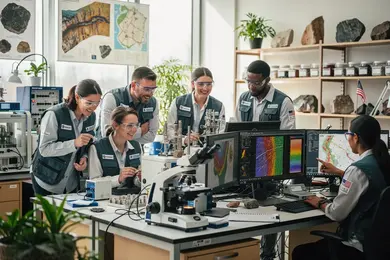
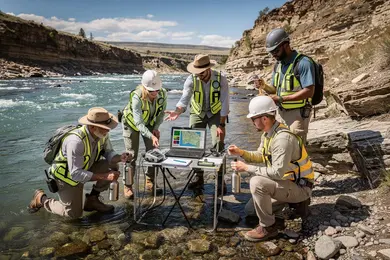
Employers expect graduates to use GIS software not only to analyze climate patterns and land-use changes but also to interpret natural resource data for applications such as municipal water management and urban sustainability planning. Specialized hydrology training is increasingly relevant as climate variability pressures agriculture and infrastructure. However, students must navigate limited access to hands-on labs and secure remote internships to develop usable field experience.
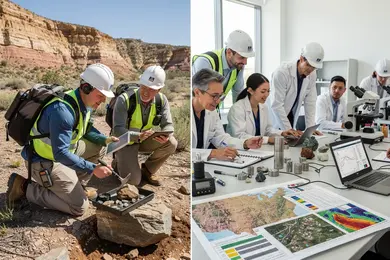
- Programs integrating virtual labs, partnerships with environmental organizations, and real-world data projects better prepare students for workforce demands
- Specializations targeting climate resilience, sustainability policy advising, or environmental consulting can differentiate candidates in a competitive job market
- The convergence of geospatial and climate expertise opens pathways to advanced analytical roles but requires disciplined self-motivation to overcome the lack of in-person mentorship
Understanding these tradeoffs is vital for informed decisions about pursuing geosciences education online in the context of evolving employer expectations and the expanding role of spatial data in environmental decision-making.
What are the typical admission requirements and application materials for online geosciences degrees?
Online geosciences programs often require a foundational mix of science and math prerequisites, with many applicants needing remedial courses if their background lacks key elements like chemistry or physics. Admission standards typically include submission of transcripts, test scores (SAT, ACT, or GRE depending on level), alongside letters of recommendation focused on scientific aptitude. For professionals aiming to pivot, a detailed resume and statement of purpose clarifying objectives in climate or sustainability sectors can significantly influence admit decisions.
Admissions committees emphasize quantitative proficiency and technical skills such as GIS or remote sensing; these capabilities increasingly distinguish candidates in sustainability and environmental roles. A critical practical consideration is that incomplete or unofficial transcripts may delay admission or lead to conditional enrollment, which can interrupt academic and career planning.
Employers prioritize graduates who demonstrate applied data analysis and environmental problem-solving. For example, UK data reflect that 91.9% of environmental science and ecology graduates found employment or pursued further education within 15 months. This underscores how tightly workforce absorption is linked to demonstrated technical competencies and relevant experience, not just degree completion.
Prospective students should weigh the tradeoffs between upfront course gaps and long-term employability, particularly as programs vary in emphasis on test scores versus experiential qualifications. Navigating these dynamics strategically influences the likelihood of a timely, successful transition into geosciences-related positions.
How long do online geosciences degrees take, and what do they cost to complete?
Pursuing an online geosciences degree typically demands balancing program length, cost, and workforce readiness. A bachelor's degree, essential for many climate and sustainability roles, usually spans 120 to 130 credits over four years full-time, though working professionals may need five or more years to accommodate part-time study. Accelerated options exist but often require prior technical experience or associate credentials to shorten this timeline to about two years.
Tuition costs vary sharply by institution type and program design:
- Public universities charge between $300 and $600 per credit, totaling approximately $36,000 to $78,000 for a bachelor's degree.
- Private and specialized online programs can exceed $800 per credit, surpassing $100,000 in total tuition.
Additional expenses for virtual labs, software, and proctoring are common for fully remote learners.
From an employment standpoint, median geoscientist salaries hover around $99,000 annually-24% higher than environmental scientists. However, professionals must weigh tuition costs and potential lost wages during study against this premium. Employers prioritize practical skills, especially data analysis and fieldwork; programs incorporating internships or applied research justify extended durations or increased fees.
Deciding among program formats demands a clear assessment of one's current experience, financial capacity, and career timeline to ensure the degree advances employability without undue burden.
What climate and sustainability careers can you pursue with an online geosciences degree?
Online geosciences degrees position graduates for climate and sustainability roles, but true employability hinges on applied technical competency and contextual skills. For example, GIS specialists in state environmental agencies employ geospatial tools to model flood risks that guide infrastructure planning-an outcome-driven application valued by employers. Success in this field depends on proficiency with software like ArcGIS, climate modeling, and quantitative analysis, which must be rigorously incorporated into curricula through project-based learning and virtual labs.
Key workforce realities include:
- The high employability rate-about 94% in certain environmental sciences programs-reflects alignment with labor market demand but also intense competition in sustainability management roles.
- Many sustainability positions reward candidates who complement geosciences credentials with business or policy expertise, indicating the need for deliberate upskilling beyond technical training.
- Mastering the communication of complex geospatial data to non-expert stakeholders remains vital, emphasizing soft skills development alongside technical mastery.
Geosciences training uniquely prepares workers to assess and mitigate environmental impacts of industrial activity, making regulatory and compliance careers accessible. However, online programs must integrate interdisciplinary coursework, internships, and career support services tailored to green economy sectors for students to bridge the gap between academic knowledge and operational realities documented in employment outcomes by Appalachian State University's Department of Geological and Environmental Sciences.
What salary ranges and job outlook can geosciences graduates expect in climate-related roles?
Salary outcomes for geosciences graduates in climate-focused roles vary considerably by specialization and region, with median early-career salaries around $49,000 and top quartile earnings exceeding $64,000. For instance, those specializing in climate modeling or renewable energy integration often earn 15-25% above median wages, reflecting employer demand for technical expertise. However, higher pay often coincides with metropolitan areas where living costs are elevated, introducing a tradeoff between salary and expenses that should influence job location decisions.
Within the workforce, federal and state positions related to climate adaptation offer stable but competitive openings, while private sector roles demand skills in GIS, remote sensing, and data analytics for sustainability compliance and risk assessment. Professionals seeking upward mobility typically require advanced degrees or certifications, especially for senior roles exceeding $80,000.
Pragmatic career pivots into climate-related geosciences benefit from programs emphasizing applied skills and internships linked to ongoing climate initiatives. Employers prioritize candidates who can interpret quantitative data and communicate complex scientific findings effectively for policy and business contexts, directly affecting salary negotiation leverage.
Do geosciences and environmental careers require specific licenses or certifications, and how do online degrees fit in?
Licensure and certification remain decisive factors in geosciences careers, particularly when regulatory authority or public safety is involved. For instance, obtaining a Professional Geologist (PG) license is often mandatory to sign off on technical reports in many states, reflecting a level of responsibility and trust that employers strictly enforce. Environmental roles frequently require credentials like Certified Environmental Professional (CEP) or EPA-related certifications, which confirm legal compliance and domain expertise.
Online degrees in geosciences can fulfill academic criteria for licensure but seldom replace required field experience or professional exams. Students must carefully evaluate their program's alignment with varied state licensing requirements, especially as energy transition and climate adaptation sectors grow rapidly but face a lagging skilled workforce. According to a clean energy workforce report from Montana State University Billings, qualified personnel are growing at just half the rate of energy job expansion.
Those pursuing online pathways should anticipate potential hiring obstacles, especially where practical experience and supervised work verification are prerequisites. Supplementing education with internships or local mentorship is often necessary to bridge this gap. Government agencies and environmental consultancies typically demand both credentials and demonstrable hands-on experience. Strategic planning to align educational and professional milestones is essential to navigate both academic and regulatory hurdles effectively.
Other Things You Should Know About Geosciences
The workload in online geosciences degrees can be as demanding as on-campus equivalents, especially because students must independently manage complex data analysis, modeling, and research projects remotely. Balancing technical assignments with self-directed study requires strong time management and discipline, often without immediate peer or instructor support. Prospective students should weigh their current work and life obligations against these demands to avoid overextension and ensure successful completion.
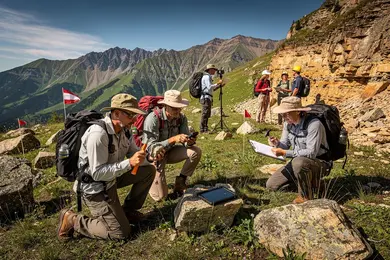
Yes. Many online geosciences degrees require at least 1 field camp, internship, or lab-based field module before graduation. Programs that prepare students for climate and sustainability roles often include 3 to 6 semester credits of field experience or equivalent supervised field training.
Using an online geosciences degree for career transition is feasible, but success depends on program design and supplemental experience. Students shifting from unrelated industries should prioritize programs with strong mentorship, applied project components, and access to internships to build relevant skills and professional connections. Without these elements, the degree alone is unlikely to fully bridge gaps in practical expertise necessary for climate and sustainability roles.
References
- Geoscience Careers https://education.americangeosciences.org/resources/geoscience-careers/
- Geology https://www.cascadia.edu/academic-programs/earth-sciences-sustainability-and-environmental-studies/geology.aspx
- Best Online Geoscience Courses and Programs | edX https://www.edx.org/learn/geosciences
- What Does the Future Demand Look Like for Applied Geoscientists? https://www.aegweb.org/index.php
- Interactive Online Short Courses - eage.org https://eage.org/education/interactive-online-short-courses/
- Frequently Asked Questions https://www.americangeosciences.org/licensure/faq/
- Student Opportunities | NAU Earth Sciences & Sustainability Programs https://ses-nau.org/student-opportunities/
- What qualifications should geological service providers have? - Palsatech https://palsatech.fi/what-qualifications-should-geological-service-providers-have/
- Online Geoscience Degrees: Top Schools and All Programs in 2026 https://www.gisdegree.org/online/geoscience-degrees/
- Certifications https://www.grow-geocareers.com/certifications