2027 Online Geosciences Degrees With Science-and-Sustainability Career Alignment

Co-Founder and Chief Data Scientist
Professionals aiming to shift into sustainability-focused roles within geosciences must navigate limited program availability that balances technical rigor with environmental relevance. A 2024 National Center for Education Statistics report shows a 35% increase in adult enrollment in online STEM degrees, reflecting a growing demand for flexible learning amid career transitions. However, not all programs align equally with industry expectations for applied skills or sustainability integration, complicating strategic decisions about timing and credential value. This divergence impacts employability and career mobility, especially for those balancing work and education.
This article evaluates current online geosciences degree options that prioritize science and sustainability, guiding informed choices for career alignment and advancement.
Key Things You Should Know
- Online geosciences degrees integrating sustainability report 14% lower immediate job placement versus traditional labs, implying a tradeoff between experiential learning and remote program accessibility per 2024 NSF workforce data.
- Employers increasingly require proficiency in ESG metrics and GIS technologies, with 67% of environmental consulting firms prioritizing candidates with combined science-sustainability online credentials, creating stronger workforce alignment.
- Average program completion time extends by 20% due to asynchronous course formats, increasing tuition costs and delaying entry into a growing job market expanding 8% annually per BLS projections.
What is an online geosciences degree and how does it support science-and-sustainability careers?
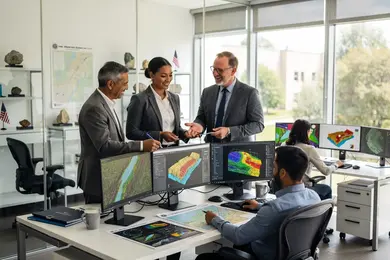
An online geosciences degree program supporting sustainability careers meets a specific labor market need by combining earth science fundamentals with practical sustainability skills. Graduates gain expertise in GIS mapping, data analysis, and environmental impact assessment tailored to roles in energy development, environmental consulting, and climate resilience. Unlike broader science degrees, these programs develop applied capabilities that align with employer demands in sectors prioritizing environmental compliance and renewable energy.
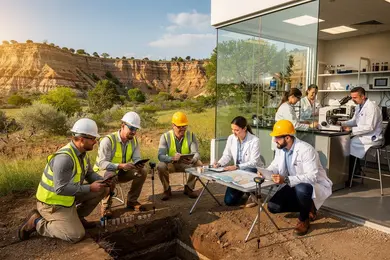
Transitioning professionals in science fields seeking sustainability-focused geosciences education face real logistical and technical challenges. For example, acquiring hands-on GIS skills through online study can enable remote contributors on projects like solar farm site assessments without relocating. However, remote lab and fieldwork requirements often necessitate local partnerships or brief in-person residencies, which complicates balancing work and study obligations.
The American Geosciences Institute projects job growth from 461,152 to 478,091 positions by 2034, reflecting rising industry needs for interdisciplinary experts versed in scientific methods and sustainability frameworks. Candidates exploring science and sustainability career pathways in geosciences education should prioritize programs offering current software training, access to relevant datasets, and strong career support to enhance employability in a competitive market.
Prospective students must weigh time management, dependable internet access, and practicum logistics, as effective navigation of these factors often determines success in securing consulting, government, or corporate sustainability roles. Those evaluating options may also consult what can i do with an environmental science degree for additional perspective on relevant career pathways.
How do online geosciences degrees compare with on-campus programs for quality and field experience?
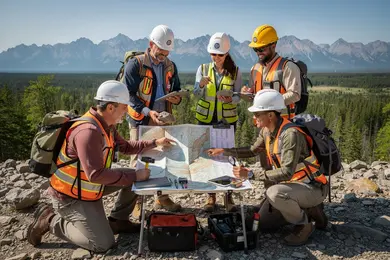
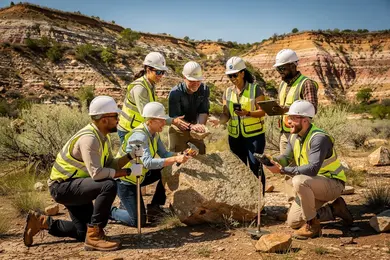
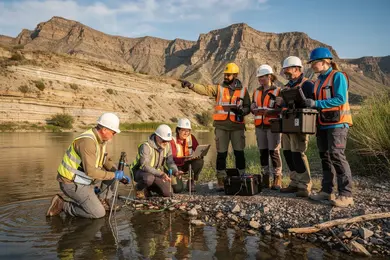
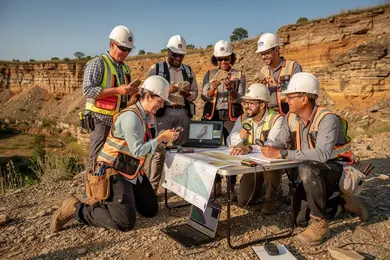
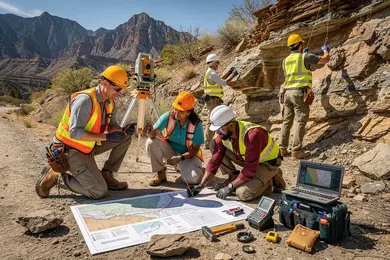
Online geosciences degree program quality comparison highlights a critical tradeoff: theoretical rigor aligns closely with on-campus programs, yet substantial field experience remains limited in remote formats. The absence of immersive practical training-soil sampling, stratigraphy, and field mapping-creates a gap against employer expectations in environmental and sustainable resource sectors.
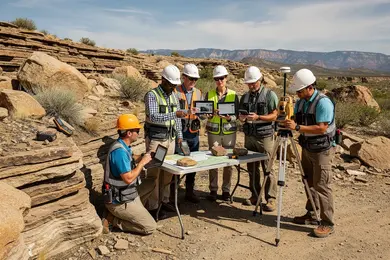
A real-world example clarifies this limitation: a student targeting climate change adaptation roles within governmental agencies must acquire verifiable field data collection skills. These competencies often require participation in on-campus field courses or internships not readily integrated into online curricula.
Advanced remote labs and virtual simulations provide partial exposure but cannot substitute familiarity with unpredictable field conditions, instrumentation setup, or collaborative teamwork essential for many roles. Consequently, online students must proactively secure local internships or cooperative assignments, demanding significant effort and networking.
Universities offering hybrid models with concentrated field residencies better balance convenience and hands-on experience, mitigating risks of underpreparedness for entry-level technical geosciences positions. Those prioritizing conceptual mastery or balancing life constraints may find online degrees viable, but prospective candidates need to plan for supplemental field practice to meet sustainability-focused workforce demands.
For further insight into navigating degree choices and costs, the animal science bachelor degree online resource provides a detailed example of evaluating online program tradeoffs.
What types of online geosciences degrees and specializations are available for sustainability-focused students?
Online geosciences degrees for sustainability careers demand careful alignment between specialization and practical skill acquisition to meet employer standards. Specializations in environmental geology, renewable energy, hydrogeology, and natural resource management equip graduates to address pressing ecological challenges, such as managing groundwater in arid regions or assessing sites for wind and solar projects. For instance, consulting firms and environmental NGOs specifically seek candidates who demonstrate applied competencies from these focused tracks.
Programs emphasizing Geographic Information Systems (GIS) analysis enhance prospects for roles in urban planning and disaster risk assessment by leveraging spatial data. However, these online degrees often face limitations in providing sufficient internships or fieldwork, which remain essential for hands-on experience and competitive positioning in government or private sectors.
Workforce data show a 4.5% median salary increase in geoscience roles recently, reflecting solid demand for STEM-related specialties. Professionals pivoting into sustainability roles benefit most from curricula integrating policy frameworks with technical expertise, given the regulatory complexities impacting project approvals. Flexible pacing and career advising also serve those balancing work and study priorities.
Students evaluating these programs should weigh practical experience opportunities alongside curriculum rigor. Those interested in adjacent fields might also explore online library schools for complementary skills in information management. Choosing wisely among environmental geosciences specializations in online programs affects both employability and long-term impact.
How can you verify accreditation and program quality for an online geosciences degree?
Accreditation verification for online geosciences degrees in the United States demands a focus beyond regional recognition to include specialized accreditations tied to geology or earth sciences, such as those from the American Geosciences Institute or the Geological Society of America. These confirm that a program's curriculum meets industry standards and that faculty possess relevant expertise. Simply put, accreditation impacts employability, especially in sectors like energy and environmental risk management where employers favor candidates from rigorously vetted programs.
Evaluating program quality requires examining concrete graduate outcomes: employment rates, job types, and connections to employers offering internships or remote/hybrid fieldwork positions. For example, a graduate targeting environmental consulting must prioritize programs demonstrating strong partnerships with firms recruiting remotely or offering hybrid work, as opposed to programs with purely theoretical coursework. This practical alignment shapes workforce readiness.
Cost transparency is crucial. A 2024-2025 review revealed typical per-credit tuition between $300 and $600, with total costs often falling between $36,000 and $72,000-usually less than residential STEM degrees but with significant variation. Prospective students should confirm financial aid options to avoid burdening debt loads that undermine long-term return on investment.
Verification also involves direct contact with accreditation bodies, scrutinizing institutional transparency portals, and vetting instructor qualifications. Candidates pursuing pathways like a computer science bachelor degree online can apply similar standards of diligence when cross-evaluating online geosciences programs.
What core courses, labs, and applied projects are included in most online geosciences curricula?
Online geosciences programs prioritize integrating foundational geology and geophysics knowledge with environmental and GIS applications, but the absence of traditional fieldwork often shifts the learning toward virtual labs and remote data collection. Students face a tradeoff: schools mitigate field experience gaps by requiring projects that involve real watershed contamination data or groundwater flow modeling, which mirror the analytical demands of climate resilience and hazard mitigation jobs. This approach suits candidates targeting roles in government and consulting where technical proficiency is paired with contextual understanding.
Employers consistently seek candidates skilled not just in theory but in software tools such as ArcGIS, Python, and R, with environmental scientist roles reporting median wages near $79,000 and steady projected growth. However, the value of curriculum hinges on how effectively it bridges classroom exercises with practical skills like data wrangling, stakeholder communication, and report writing-capabilities essential for cross-disciplinary collaborations central to sustainability outcomes.
Given limited hands-on access, successful students often engage community partnerships or remote sensing tasks, aligning technical training with the realities of sustainable resource management. Certifications or electives in environmental policy or renewable energy can provide vital context and broaden prospects, but decision-makers must evaluate whether programs deliver robust applied projects or remain narrowly academic, influencing readiness for sector demands.
What are the typical admission requirements and application materials for online geosciences programs?
Admissions criteria for online geosciences programs reflect the discipline's technical rigor and workforce trends. Entry at the bachelor's level typically demands high school coursework in calculus, physics, and chemistry, with a minimum GPA around 2.5 to 3.0 on a 4.0 scale, though stronger academic records improve candidacy. Graduate applicant pools prioritize candidates holding relevant STEM degrees who can demonstrate foundational coursework in geology and quantitative subjects. In sectors where practical skills increasingly influence employability, applicants with documented research or field experience often gain noticeable advantage.
Standardized tests like the SAT or ACT have become optional in many undergraduate programs but may remain necessary in selective cases. For graduate admissions, GRE scores are usually required unless waived. Components such as targeted personal statements and letters of recommendation are scrutinized for alignment with geosciences career objectives, especially in sustainability-focused roles that dominate current labor market growth.
International candidates must provide TOEFL or IELTS scores. Additionally, some programs request résumés or CVs to assess relevant professional experience, a factor that matters given the recent uptick to over 340,000 employed geoscientists in the U.S.-a 5% increase within one month. Rolling admissions and limited cohort capacity place a premium on timely submissions and evidence of readiness to meet evolving sector demands, including potential interviews or portfolios for specialized tracks.
How long do online geosciences degrees take and what do they cost to complete?
Choosing an online geosciences degree involves balancing extended timeframes and significant costs against career objectives that vary widely by sector. Bachelor's programs typically span 4 to 6 years, sometimes longer for part-time students or working professionals, while master's degrees usually take 1.5 to 3 years. Total tuition often ranges from $30,000 to $90,000 for undergraduate studies and $15,000 to $45,000 for graduate programs, not including up to $5,000 annually for books, software, or optional fieldwork.
Professionals targeting government roles or accelerated credentialing may prioritize shorter, intensive programs despite higher per-credit costs, whereas those focusing on academic or research tracks face trade-offs with longer, hybrid models that integrate extensive lab and field components. Employer tuition reimbursement and transfer credits significantly influence these timelines and expenses.
Diversity challenges in geosciences also reflect cost and duration as barriers, particularly for underrepresented students. Flexible pacing and affordable pricing emerge as critical factors in workforce diversification and retention strategies. Students should assess how degree requirements align with prior learning and specific job demands, including certifications that lie outside standard program costs.
Key considerations include:
- Cost per credit ranging between $400 and $1,200 depending on the institution
- Potential extension of degree completion beyond six years for part-time learners
- Field certifications often required for environmental industry positions, adding time and cost
- Employer tuition assistance and transfer credits can reduce financial and temporal burdens
These operational realities underscore the necessity of evaluating online geosciences degrees against practical workforce outcomes rather than just academic duration or sticker price.
What science-and-sustainability careers can you pursue with an online geosciences degree?
The decision to pursue an online geosciences degree often hinges on its direct applicability to environmental and resource-focused roles with measurable sector demand. For example, professionals transitioning into environmental consulting or hydrogeology must weigh the technical competencies gained-such as regulatory navigation and groundwater quality management-against the need for specialized graduate credentials. While entry into some roles demands advanced expertise, practical skills in GIS software and environmental impact assessments carry substantial weight for employment.
Mid-career professionals seeking to pivot benefit from programs aligning with certifications like Certified Environmental Scientist or Professional Geologist, which streamline hiring within consulting firms, government agencies, and energy companies. However, proficiency in emerging tools and regulations remains a critical barrier, often requiring supplemental training beyond formal degree curricula.
Employment outlook reflects a steady 5% growth through 2032, led by sustainability imperatives in both public policy and renewable energy sectors. Yet students should critically evaluate whether programs offer sufficient hands-on data modeling and exposure to legal frameworks, as these experiences significantly impact job readiness.
Financially, advanced geosciences training appears accessible; surveys indicate 83% of research doctorate recipients in the field avoid graduate debt, partly due to employer tuition reimbursement options favoring online learners. Still, the pathway to sustainable employment requires deliberate integration of technical, regulatory, and economic expertise tailored to one's targeted industry segment.
What are the salary ranges and job outlook for geoscientists and related sustainability roles?
Salary prospects for geoscientists with sustainability expertise vary according to sector and specialization. Median annual wages typically range from $88,000 to $100,000, with ocean and atmospheric sciences near $97,000 and $98,000 respectively, reflecting employer demand linked to climate adaptation and renewable energy development.
Positions at energy firms working on carbon capture or geothermal projects frequently offer compensation above $90,000, while government roles often start lower but provide greater long-term stability and benefits. Entry-level consulting opportunities may begin around $70,000-$75,000 but involve cyclical contracts and less predictability.
The job outlook for geoscientists connected to sustainability is stronger than average, with projected growth around 5% over a decade. However, competition intensifies for candidates who combine geosciences with applied skills in data analysis, GIS, and environmental policy.
Key decision points include:
- Balancing immediate salary gain against industry volatility and contract dynamics
- Evaluating the value of certifications and technical training in sustainability tools to enhance offers
- Understanding how interdisciplinary education improves alignment with employer expectations
These factors should guide students and professionals weighing investments in geoscience education to achieve targeted, sustainable career outcomes.
How can working adults choose the best-fit online geosciences program for their goals?
Selecting an online geosciences program requires aligning curriculum and delivery formats with explicit career targets and personal constraints. Candidates aiming to transition into specialized fields-such as environmental consulting or urban planning-must ensure programs emphasize applied competencies like GIS, data modeling, or sustainability frameworks rather than only foundational geology theory.
Enrollment trends show declining geology degrees and fewer undergraduate program options, intensifying competition for graduates with niche skills. Working adults should verify availability of part-time or asynchronous formats to balance education with professional and family responsibilities without protracting completion time.
Programs that integrate industry partnerships offering internships and project-based learning produce graduates with tangible experience, addressing employer demand for candidates who combine academic knowledge with practical certifications. Conversely, curricula lacking these connections risk furnishing students with insufficient applied expertise.
Faculty engagement in contemporary research or consulting within targeted sectors directly affects instructional relevance-students pursuing sustainable resource extraction must confirm faculty credentials extend beyond academic qualifications to active industry involvement.
- Financial flexibility via credit transfer and recognition of prior learning can reduce duplication and cost.
- Regional job market alignment is critical to avoid degrees with limited local employment prospects.
Prioritizing accredited programs with transparent graduate outcome data mitigates risk, ensuring alignment between educational investment and workforce realities in geosciences careers.
Other Things You Should Know About Geosciences
Online geosciences programs often face challenges in providing extensive hands-on fieldwork or lab experiences compared to on-campus formats. Many programs offer virtual labs, simulations, or local fieldwork options, but these vary widely in quality and scope. If practical, in-person training is critical for your career goals, prioritize programs that explicitly integrate regional fieldwork or require short residencies to supplement online coursework.
Employers in geosciences prioritize demonstrated skills and relevant experience over the mode of education delivery. Online degrees from accredited institutions are accepted, but lack of fieldwork or poor program reputation can hinder candidates. For career advancement, graduates should seek internships or certifications that validate practical competencies alongside their degree to meet employer expectations.
Many accredited online geosciences degrees require a senior capstone or thesis, usually worth 3 to 6 credit hours, to show applied skills in mapping, data analysis, or environmental problem-solving. Programs aligned with sustainability careers often use these projects to connect coursework with real-world climate, water, or land-use challenges.
To align your online geosciences degree with sustainability careers, select programs offering coursework or certificates specifically addressing environmental impact, renewable resources, or climate data analysis. Prioritize degrees with partnerships in sustainable industries or government agencies that provide networking or internship opportunities. Avoid programs with a purely theoretical focus that lack applied sustainability components tied to workforce needs.
References
- Careers in Geoscience: Environment https://www.aig.org.au/education/careers-in-geoscience/careers-in-geoscience-environment/
- Geoscience Jobs in Industry https://www.grow-geocareers.com/exploreindustries
- 500+ Water Jobs (Updated Today) â Free to Apply https://jobs.watertechintel.com/blog/geology-major-jobs
- Is Your Online Degree Legitimate? How to Verify Private University Approval https://matchtocollege.com/blog/verify-private-university-online-degree-approval
- 3. What Undergraduate Geoscience Education Should Accomplish https://www.americangeosciences.org/change/sections/concepts/
- Online Geoscience Degrees: Top Schools and All Programs in 2026 https://www.gisdegree.org/online/geoscience-degrees/
- Geology https://www.aims.edu/degrees-certificates/geology
- ThisIsGeoscience - Geoscience Salaries https://www.thisisgeoscience.com/the-resources/geoscience-salaries
- The Geological Society - Degree Accreditation https://www.geolsoc.org.uk/education-and-resources/universities/university-degree-accreditation/
- Are Online Degrees Accredited? How to Identify Quality Distance Learning Programs https://www.umassglobal.edu/blog-news/online-degrees-accredited-identify-quality-distance-learning-programs