2027 Best States for Geosciences Career Growth

Co-Founder and Chief Data Scientist
Securing a geosciences role with competitive compensation and growth potential hinges heavily on location, yet many professionals overlook state-by-state variations in job availability, employer demand, and regional industry investment. With the U.S. Bureau of Labor Statistics projecting a 5% increase in geoscience employment through 2032, delaying entry or relocation decisions can result in missed opportunities where growth clusters are strongest.
This is increasingly relevant as 62% of adult learners now prioritize program flexibility tied to regional job markets when selecting advanced education paths, signaling a shift toward strategic geographic alignment. This article identifies states offering the most promising geosciences career trajectories to guide informed decisions on education and relocation.
Key Things You Should Know
- States with above-average energy sector investments, like Texas and North Dakota, offer 15% faster geosciences salary growth but entail volatile job cycles tied to fossil fuel market swings.
- California reports a 12% higher employer demand for geoscientists in environmental remediation roles, challenging candidates to balance multi-disciplinary skills with specialized expertise.
- Midwestern states present 20% lower education costs for geosciences degrees yet lag in advanced research funding, delaying access to cutting-edge tech crucial for upward mobility.
Which U.S. states currently offer the strongest job growth for geoscience professionals?
Oklahoma, the District of Columbia, and Texas represent the most dynamic U.S. states for geosciences job growth, but they illustrate distinct workforce realities. Oklahoma leads with an average annual wage of $136,480, driven primarily by its oil and natural gas sectors. This creates demand for geoscientists skilled in sedimentology and petroleum geology but exposes professionals to the volatility inherent in fossil fuel markets. Texas, paying $127,620 on average, offers diversified roles across energy extraction, water resource management, and urban environmental remediation, requiring adaptability and specialized credentials like reservoir simulation.
Conversely, the District of Columbia's geosciences employment focuses on federal agencies and policy research, emphasizing environmental regulation and climate analysis. While the average wage is slightly lower at $135,090, public-sector jobs provide more stability with a premium on interdisciplinary skills and GIS proficiency. Students and mid-career professionals navigating opportunities in these regions must weigh tradeoffs between salary potential and sector stability. Targeted credentialing based on local industry-whether reservoir modeling for Texas or GIS for DC-is critical to maximizing employability.
The practical implications extend beyond technical skills. For professionals considering a strategic pivot, assessing regional job market nuances alongside personal risk tolerance influences long-term career sustainability. For example, an experienced teacher exploring a shift into geosciences might benefit from resources that guide cross-disciplinary transitions, such as pathways from teacher to speech pathologist.
How do salaries for geoscientists compare across the fastest-growing states?
Compensation for geoscientists in the fastest-growing states varies largely due to differing industry demands and local economic conditions. For instance, Texas and Colorado leverage their extensive energy sectors, where average earnings for geoscientists by state surpass $105,000, reflecting the premium placed on expertise in oil, gas, and renewables. Conversely, states like Florida and North Carolina, more focused on environmental monitoring and water resource management, offer salaries typically in the $75,000 to $90,000 range, highlighting how employer priorities shape pay scales.
Workforce data from the U.S. Bureau of Labor Statistics projects an increase of nearly 17,000 geoscience jobs nationally by 2034, but this growth is uneven and favors regions with specialized sectors. A geoscientist in Texas's petroleum industry may receive bonuses and higher base pay but face greater living costs, whereas a comparable role in North Carolina may provide steadier income but reduced advancement potential. When evaluating geosciences salaries in fastest-growing states, it's essential to weigh these tradeoffs alongside sector volatility and geographic lifestyle factors.
Employers increasingly expect hybrid skills that combine geology with data analytics or regulatory knowledge, directly influencing income potential and job stability. Candidates who align their education with these hybrid demands increase their market value. For professionals exploring a strategic pivot in this field, understanding these nuances and mapping their learning accordingly-such as through a data science learning path can significantly impact long-term outcomes.
What factors make certain states better for long-term geosciences career advancement?
Long-term career growth opportunities in geosciences depend strongly on regional industry demand and the availability of diverse natural resources. States hosting major employers in energy sectors, especially oil and gas, offer concentrated hiring that accelerates practical experience accumulation and leadership roles. Texas exemplifies this with 7,780 geologists employed-more than twice California's 3,650 and significantly outpacing Colorado's 1,900-offering richer professional networks and mentorship pipelines. However, this concentration can also mean less industry diversity, making careers vulnerable to energy market fluctuations.
States with growing mining, environmental consulting, or renewable sectors provide pathways to broaden skill sets beyond petroleum geology. This diversification buffers against boom-and-bust cycles but may come with tradeoffs, including potentially smaller networks and slower employment growth. For professionals weighing relocation, states like Colorado might offer quicker leadership chances albeit with more volatility, while Texas provides volume and stability balanced against specialization limitations.
Access to research initiatives through government or university programs supports advancement through applied roles but often demands additional credentials, impacting time and cost invested. Decision-making also involves evaluating educational investments against outcomes, where options such as computer science degrees online may supplement geosciences skills to enhance analytical and modeling capabilities.
Prospective geoscientists must assess whether their target state's economy sustains multiple geoscience branches to avoid stagnation and layoffs, balancing employment density against industry diversity and upward mobility potential across geosciences disciplines.
Which geoscience specializations are most in demand in different regions of the United States?
Regional geoscience specializations dictate employer priorities and hiring dynamics, often forcing candidates to align skillsets with distinct market demands. For example, petroleum geology roles in Texas and North Dakota require proficiency in seismic interpretation software and regulatory frameworks reflecting the operational complexity of large-scale energy projects. Failing to meet such requirements can limit advancement despite a solid educational foundation.
In contrast, the Pacific Northwest emphasizes hydrogeology expertise focused on groundwater modeling and contamination control, highlighting adaptability to environmental sampling methods. Similarly, California and the Northeast present opportunities in environmental geology, where career outcomes depend on navigating stringent permitting processes and engaging diverse public stakeholders.
The Mountain West's mining geology sector gauges prospects based on mineral resource evaluation combined with cost analysis skills, areas where hands-on geostatistics enhance employment sustainability. Across the U.S., a 4.5% median salary increase signals resilience, but this wage growth favors professionals who integrate state licensure and advanced GIS proficiencies into their resumes.
Deciding whether to pursue relocation or additional certifications involves weighing long-term employability versus initial barriers. Those assessing MLIS degree alternatives should similarly analyze such tradeoffs in program selection. Ultimately, relying on broad skill sets without regard to regional specialization often constrains mobility and salary potential within geosciences career opportunities by specialization.
What degrees and training do you need to start a geosciences career in top-growth states?
Entry-level geosciences positions in resource-rich states like Texas, Oklahoma, and New Mexico prioritize candidates with a bachelor's degree in geology, earth science, or environmental science, coupled with specialized training in petroleum geology, mineralogy, and field surveying. Proficiency in geographic information systems (GIS), remote sensing, and data modeling software is often non-negotiable, acquired through focused certifications or coursework. Employers in extraction-heavy sectors typically offer average salaries around $126,140 annually, nearly 60% higher than those in consulting, driven by demand for technical expertise and field experience.
Internships or cooperative experiences on drilling sites or environmental assessments materially increase employability by shortening the training curve. Conversely, graduates lacking such hands-on exposure may face slower career progression. For roles centered on resource management or regulatory compliance, especially within service sectors paying about $78,610 annually, advanced degrees in geophysics or hydrogeology become essential. Professional certifications like the American Institute of Professional Geologists (AIPG) license can further unlock senior positions but require a strategic investment in time and cost.
Students must weigh the tradeoff between attending out-of-state programs without industry ties and enrolling in schools embedded in dominant local geoscience sectors. The latter provides more direct pathways to internships and employer networks, significantly accelerating job placement and salary growth. Cost and logistical barriers related to geographic proximity also shape practical outcomes, underscoring the importance of a program's alignment with regional economic strengths.
How do online geoscience programs compare with campus-based options for state-specific careers?
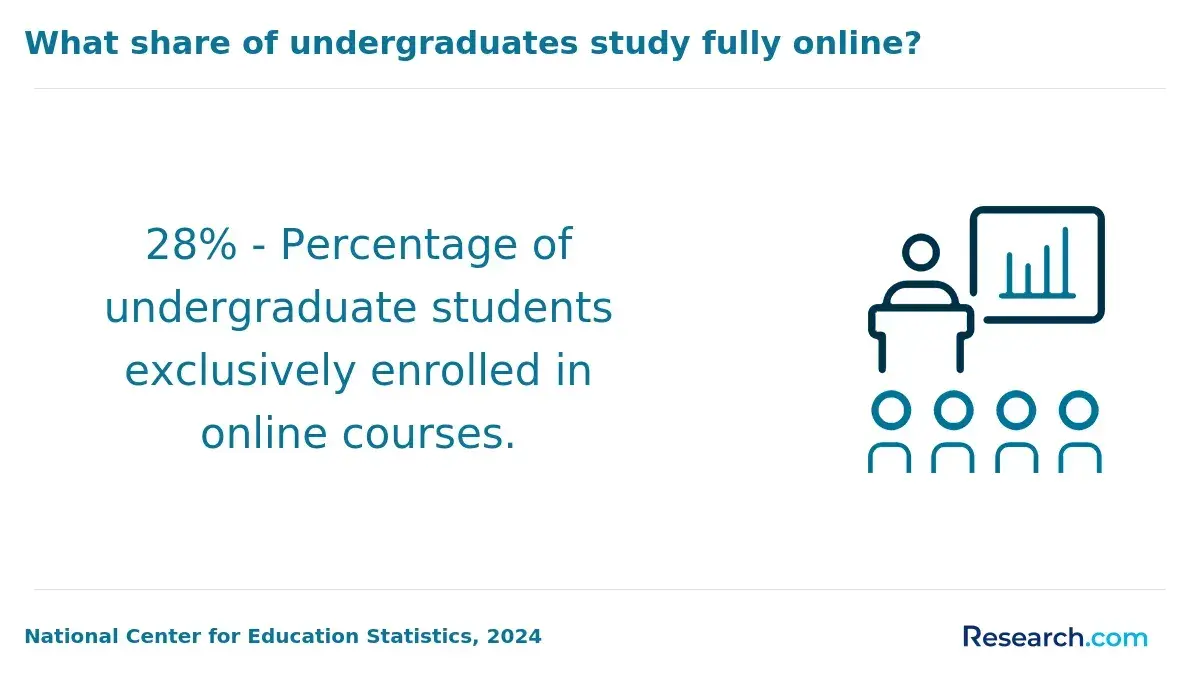
Geoscience education decisions significantly affect employability depending on geographic career goals and sector focus. Online programs offer geographic flexibility but usually lack critical localized practical experience essential in states with licensing or fieldwork mandates. Campus-based programs provide hands-on fieldwork, internships through state geological surveys, and networking opportunities with regional employers-key advantages where state-specific requirements govern career progression.
Earning potential diverges sharply between state and federal roles, with federal geoscientists averaging $110,400 annually versus $82,370 in state government, according to U.S. Bureau of Labor Statistics data. Candidates aiming at federal positions, notably in the District of Columbia, benefit from campus programs emphasizing advanced GIS, remote sensing, and federal regulatory knowledge, supported by specialized labs and faculty expertise.
Professionals targeting local licensing must verify that online curricula incorporate state-specific competencies and regional geology. For example, a Texas-based geoscientist pursuing oil and gas roles gains from campus access to nearby field schools and industry networking, which online formats seldom replicate.
Tradeoffs include the convenience and cost benefits of online study weighed against campus programs' superior field experience and embedded professional ecosystems. Employers in states with geology-intensive industries often prioritize proven practical skills and local knowledge, areas where campus learning delivers clear advantages. Students should assess whether online options supplement coursework with practicum or local mentorship to meet state employment prerequisites.
Which U.S. states have the best accredited colleges and universities for geoscience majors?
States like California, Texas, and Colorado dominate in accredited programs that emphasize alignment with local industry needs, directly impacting employability for geoscience majors. For example, universities in these regions integrate specialties such as petroleum geology, environmental geoscience, and GIS applications tailored to local employer demands, which typically expect graduates ready for immediate fieldwork and technology application.
Prioritizing programs with robust fieldwork and established internship networks is essential. Colorado's University of Colorado Boulder, for instance, focuses on applied mineralogy and hydrogeology, providing practical experience within local resource extraction and water management sectors. This hands-on exposure is critical in a job market projected to grow 3% nationally over the decade, generating roughly 2,000 openings annually.
Relocation decisions must weigh costs against the value of proximity to active geoscience sectors. A program in Illinois may offer solid theoretical training but lacks the immersive industry connection found near oil, gas, or environmental consulting hubs, potentially delaying critical early-career opportunities and networking.
Evaluating programs by curriculum depth and alumni employment data rather than reputation alone is key. Concentrations such as seismic interpretation or environmental remediation affect employability depending on regional market demand, so tailoring education to targeted job profiles enhances job security in a labor market defined by steady demand and replacement needs.
How do tuition costs and financial aid options for geoscience programs vary by state?
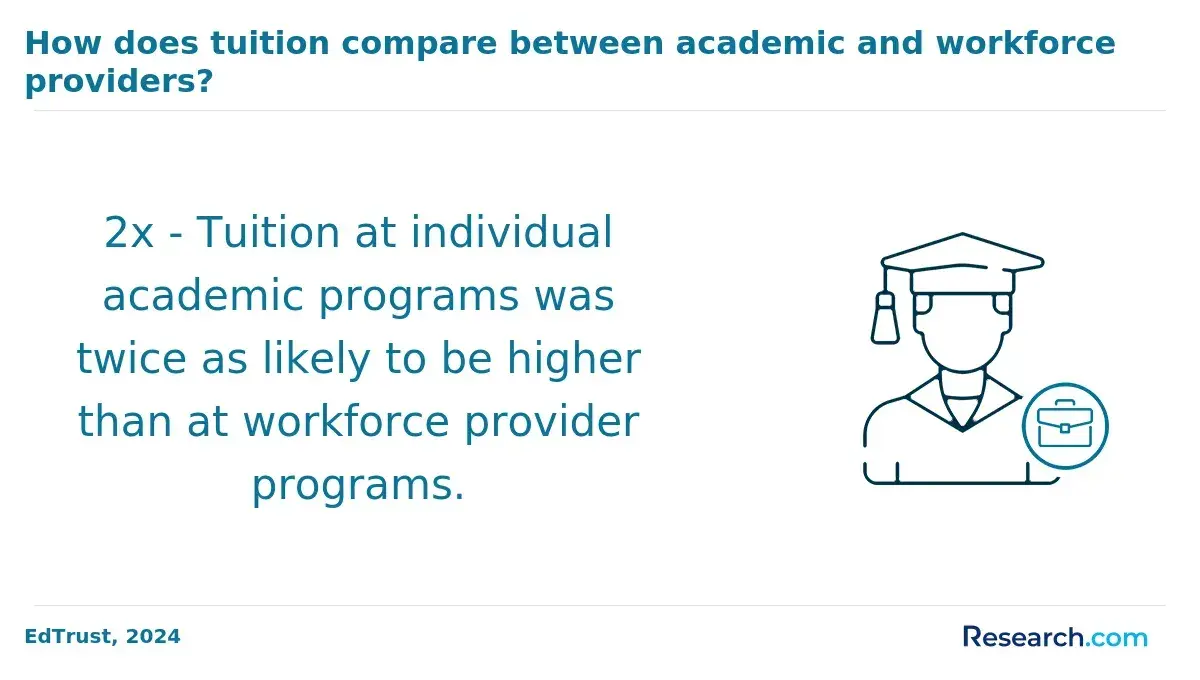
Tuition for geoscience programs varies widely by state, influenced heavily by public versus private institutions and residency status. For example, states with strong mining, oil, gas, and environmental sectors-such as Texas, Colorado, and California-typically offer public tuition between $6,000 and $12,000 annually for residents. Out-of-state students often face double these costs, frequently surpassing $20,000 per year. Conversely, Northeastern states like New York and Massachusetts demand tuition exceeding $25,000 annually even at public universities.
This pricing disparity requires students to weigh tuition costs against employment prospects carefully. In states with fewer geoscience jobs, lower tuition may come with relocation costs and delayed workforce entry. Conversely, paying a premium in regions with rapid job growth may yield quicker employment and career momentum.
Financial aid targeting geoscience students varies regionally, reflecting local economic priorities. For instance, states with significant natural resource industries, such as Wyoming and Alaska, provide scholarships or loan forgiveness tied to committing to local geoscience careers, reducing long-term debt burdens.
Notably, geoscience job openings grew by 5% nationally between March and April 2026, reaching 342,002 positions according to the Real-Time Labor Market Momentum dataset. This surge is concentrated in geoscience-heavy states, reinforcing the value of aligning educational investments with regional market demand.
- Lower tuition and limited jobs may result in relocation expenses and employment delays
- Higher tuition in strong markets can accelerate career entry despite upfront cost
- Targeted financial aid often depends on student commitment to regional employment
What licenses, certifications, or professional registrations do geoscientists need in different states?
Securing a professional geologist (PG) license remains the most direct route to elevated responsibility and compensation in regulated geosciences sectors, particularly environmental consulting, mining, and oil industries. This licensure, governed by state boards through ASBOG exams, requires an accredited degree, 4-5 years of supervised experience, and exam passage-barriers that directly influence employability and interstate mobility.
Strict states such as California and Texas enforce ongoing education and renewal policies, emphasizing continual competence but complicating out-of-state practice without formal reciprocity. Employers in federal agencies and some private sectors often prefer certified credentials like the Certified Professional Geologist (CPG) to demonstrate consistent national competency, though this does not substitute for state licensure.
By contrast, renewable energy and hydrology roles may accept advanced degrees or technical certifications instead of a PG license, offering flexibility but usually limiting leadership and wage progression. Academic or research tracks sidestep licensure altogether, demanding master's or doctorate qualifications and a focus on technical depth and publication record rather than regulatory compliance.
For early-career geoscientists, a median annual wage near $99,240 reflects significant premium pay tied to licensure status. Without it, professionals risk stalled wage growth and diminished authority. Strategically, candidates must weigh these tradeoffs carefully-prioritizing licensing if targeting regulated sectors where project leadership and interstate practice matter most.
How can students choose the right state and school to maximize geoscience career opportunities?
Priority in selecting geoscience educational programs should center on states experiencing significant workforce replacement due to retirements, rather than industry growth. Over the 2024-2034 decade, the U.S. expects roughly 2,000 openings annually, mostly from turnover in established energy and mining hubs like Texas, Wyoming, and Pennsylvania. This dynamic favors candidates who position themselves near these legacy markets, where demand translates into readily accessible roles.
For example, studying near the Permian Basin provides direct exposure to employer-specific skills in oil and gas geology, increasing chances for internships and employment. In contrast, choosing a program in states with fewer retirements risks encountering a saturated market with fewer immediate opportunities despite institutional reputation.
Beyond location, students should weigh program outcomes such as graduate employment statistics, employer engagement, and applied research that aligns with local industries. Faculty expertise tied to dominant regional sectors-environmental consulting in California or mineral exploration in Nevada, for instance-offers meaningful specialization that matches job market realities.
Logistical factors, including cost of living and relocation feasibility, also affect long-term viability. A state with high replacement demand but elevated living expenses requires balancing job availability against economic sustainability. Students aiming for strategic career pivots must evaluate these tradeoffs through recent labor analyses and geoscience workforce reports to ensure their educational investment aligns with realistic employment trajectories.
Other Things You Should Know About Geosciences
State licensing boards regulate Professional Geologist titles, and the rules differ by state. Most require a bachelor’s degree in geoscience or a related field, 5 years of qualifying work experience, and passage of the ASBOG Fundamentals of Geology and Practice of Geology exams.
Licensing and certification requirements vary widely by state, posing significant hurdles after relocation. Employers often prefer candidates already familiar with local regulations, geology, and ecosystems, which can delay job placement. Geoscientists should prioritize states with reciprocity agreements or broadly recognized credentials to minimize downtime and facilitate smoother career transitions.
Fieldwork opportunities aligned with a state's dominant geology or industries significantly boost employability in that region. Practical experience in locally relevant projects prepares students for employer expectations and workflow realities. Students targeting a specific state should prioritize programs offering structured internships or partnerships with local geoscience firms over those with generalized or distant field sites.
In 2027, states like Texas, Colorado, and California are projected to have the highest job growth for geoscientists. Texas offers strong opportunities due to its vast energy sector, while Colorado and California benefit from growing environmental and tech sectors supporting geosciences.
References
- ThisIsGeoscience - Geoscience Salaries https://www.thisisgeoscience.com/the-resources/geoscience-salaries
- Geoscience Profession Data https://profession.americangeosciences.org/research/data/
- Geoscientists: Salary, career path, job outlook, education and more - RaiseMe https://www.raise.me/careers/life-physical-and-social-science/geoscientists/
- 8 things Geoscientists should know about Geoscience in schools https://geoscienceforthefuture.com/8-things-geoscientists-should-know-about-geoscience-in-schools/
- Choosing Your Degree https://www.geolsoc.org.uk/Geology-Career-Pathways/University/Choosing%20your%20degree.html
- P.G. Licensing FAQs https://tbpg.state.tx.us/p-g-licensing-faqs/
- What Does the Future Demand Look Like for Applied Geoscientists? https://www.aegweb.org/index.php
- State Licensure https://aipg.org/page/statelicensure
- Geology Licensing Guide | Harbor Compliance https://www.harborcompliance.com/geology-license
- Professional licensure in geological sciences and engineering | University of Nevada, Reno https://www.unr.edu/geology/undergraduate/professional-licensure