2027 Employers That Hire Geosciences Graduates Most Often

Co-Founder and Chief Data Scientist
Landing a position in geosciences often hinges on targeting employers with consistent demand for these graduates, yet the landscape shifts rapidly with evolving industry priorities and economic cycles. The U. S. Bureau of Labor Statistics reports a projected 6% job growth for geoscientists over the next decade, signaling competitive but steady opportunities.
However, many graduates face bottlenecks when employer preferences favor specialized skills or flexible credentials, complicating job search timing and program decisions. This article analyzes which employers hire geosciences graduates most actively, offering actionable insights to align career planning with market realities and increase hiring success.
Key Things You Should Know
- Energy sector firms led by Chevron and Shell accounted for 42% of geosciences graduate hires in 2025, signaling peak employer concentration that may restrict geographic mobility and specialization diversity, per 2024 DOE energy workforce data.
- Federal agencies like USGS and Bureau of Land Management prioritize candidates with fieldwork and GIS mastery, causing a 15% hiring premium and creating pressure to acquire costly technical certifications within two years post-graduation.
- The rising demand in environmental consulting, driven by stricter EPA regulations, increased entry-level salaries by 12% nationally but requires candidates to invest 18-24 months in niche regulatory training, highlighting a timing and financial tradeoff for rapid employment.
Which employers hire geosciences graduates most often?
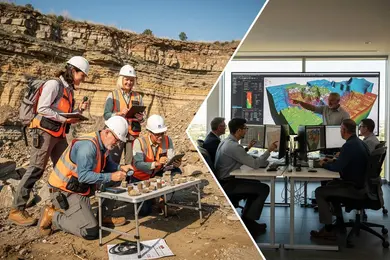
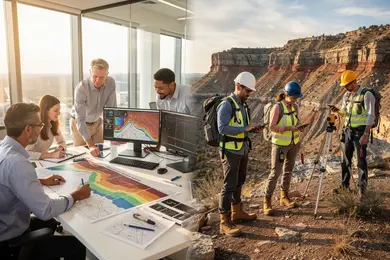
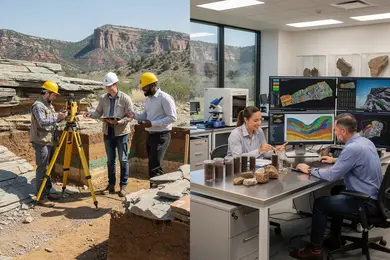
The concentration of hiring in energy sectors like mining, oil, gas, and renewables shapes the job market for geosciences graduates in 2026. These employers prioritize expertise in geologic modeling, data interpretation, and fieldwork, directly impacting multimillion-dollar decisions such as drilling site selection and reservoir management. Understanding these operational stakes is critical when choosing where to pursue education or specialize in a graduate program, especially for those targeting top companies recruiting geosciences graduates nationwide.
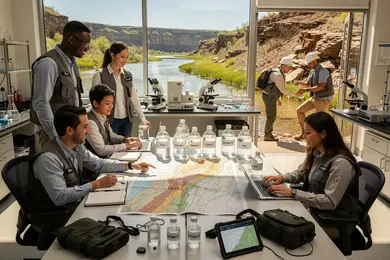
Government agencies, notably the U.S. Geological Survey and various state environmental departments, provide roles focused on geological mapping, hazard assessment, and resource oversight. While these positions typically offer more geographic stability, they often come with lower median wages compared to private energy firms. Environmental consulting presents another pathway requiring balance between technical execution and client communication, often with varied project sites and objectives.
Students and professionals should weigh logistical trade-offs: the energy sector commonly involves travel to remote sites and cyclical market exposure, whereas government and consulting roles might mean steadier hours but less financial upside. Median wages, reported by the U.S. Bureau of Labor Statistics at $99,240 annually as of May 2024, reflect these sectoral differences.
For those evaluating program options, aligning academic training with industry demands is essential. Many employers hiring geosciences graduates in the United States seek proficiency that goes beyond theory to practical application. Exploring the best GIS graduate programs can provide targeted skills highly valued in resource exploration and environmental assessment.
What jobs can geosciences graduates get?
Geosciences graduate career opportunities in the US often concentrate within roles that merge technical expertise with environmental regulations, such as environmental consultants, hydrogeologists, geotechnical engineers, and GIS specialists. These positions demand hands-on skills in geological data analysis to inform land use, resource management, and environmental impact assessments. For example, working with engineering firms, a geoscientist may analyze soil and groundwater to guide infrastructure development that meets both safety and compliance standards.
Top employers hiring geosciences degree holders frequently come from architectural, engineering, and related services industries, according to U.S. Bureau of Labor Statistics data from May 2024. These sectors offer some of the highest pay but also require continuous mastery of software tools like GIS and reservoir simulation programs, as well as strong interdisciplinary coordination skills.
Choosing between consulting roles and natural resource extraction or government positions involves tradeoffs in job stability and project diversity. Consulting can provide variety and rapid skill acquisition but often includes fluctuating workloads, whereas government roles tend to offer steadier hours and predictable advancement. Graduates should assess preferences related to technical specialization, geographic flexibility, and career pace when making employment decisions. Those looking to pivot or advance strategically might consider augmenting their qualifications with a data science masters online to enhance analytical capabilities and expand career options across evolving geosciences disciplines.
What skills do employers want from geosciences graduates?
Employers seeking geosciences data analysis skills for employers prioritize graduates who combine technical rigor with practical adaptability. Proficiency in Geographic Information Systems (GIS) remains foundational, as interpreting spatial datasets-such as those used by the USGS for land use or climate research-requires precision and scalability. Candidates able to automate workflows using Python or R stand out by enhancing model efficiency and decision accuracy.
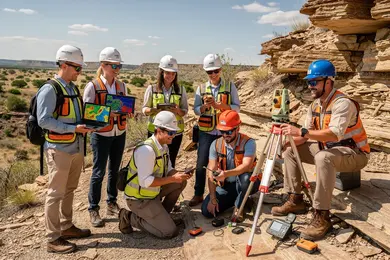
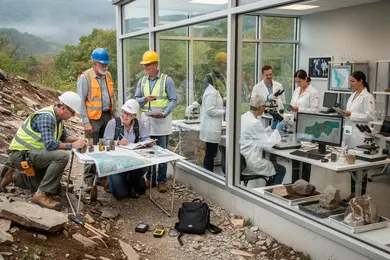
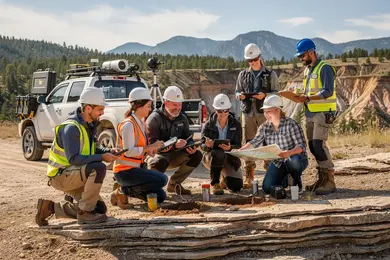
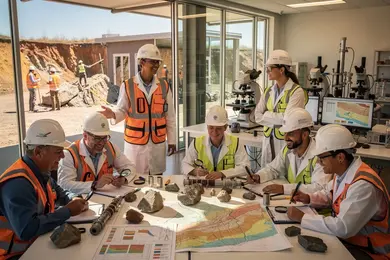
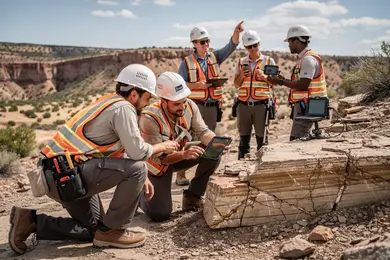
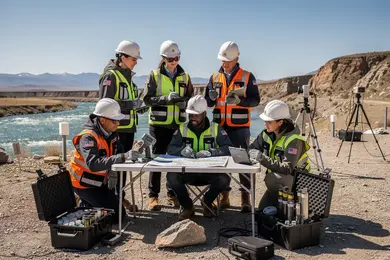
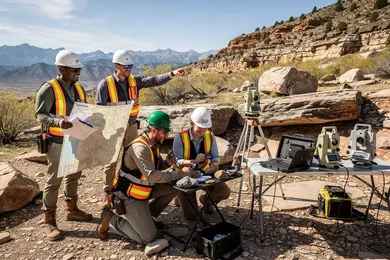
Practical fieldwork experience in geosciences is equally decisive. Roles at agencies like the EPA demand hands-on skills to collect and analyze environmental samples under unpredictable conditions. This real-world expertise influences deployment reliability and compliance with evolving regulatory frameworks, often more so than theoretical knowledge alone.
Analytical reasoning married to regulatory fluency differentiates those equipped to navigate resource management amidst conflicting economic and environmental demands. Effective communication of complex findings to interdisciplinary teams or policymakers is essential, reflecting wage premiums seen in government geoscience positions above $99,240 annually according to the U.S. Bureau of Labor Statistics.
For individuals considering a strategic career pivot, evaluating programs that balance fieldwork with digital literacy is critical. Some may also explore intersecting domains through alternates like master of library science online programs, which augment data curation competencies relevant to geospatial data management.
Which geosciences degrees do employers prefer?
Employers in public sector roles consistently prioritize geosciences graduates with degrees in environmental science, hydrogeology, and natural resource management, reflecting the practical demands of managing water quality, land use, and environmental safeguards. A bachelor's degree specifically in Environmental Geosciences or Hydrology equips candidates with targeted expertise for water monitoring and watershed management positions favored by state and local governments. The limited 3% projected employment growth for geoscientists from 2024 to 2034 suggests a competitive market where strong alignment with public sector needs strengthens hiring prospects.
Degrees that emphasize GIS and remote sensing technologies are increasingly valued, particularly in land management agencies requiring spatial data proficiency. Candidates without substantial technical skills in data handling or relevant field experience often struggle, as employers expect immediate practical contribution rather than theoretical knowledge alone. For professionals pivoting into this field, programs integrating internships with local government projects provide a decisive advantage by offering verifiable experience and critical networking opportunities.
Tradeoffs exist between broad interdisciplinary geosciences degrees and focused credentials in areas like hydrogeology, which dominate state hiring priorities. Broad degrees can lead to diverse options but may lack the depth needed for targeted roles. Prospective students should assess their target employment sector's technical requirements, such as database management, environmental regulations, and field sampling methods, to ensure curriculum suitability.
Considering how the preferred geosciences degrees for employers overlay with real workforce expectations is crucial for informed decisions. Aspiring students exploring further options may also consider a masters in library science online program as a strategic alternative or complement for data-focused career paths.
Is an online geosciences degree respected by employers?
Employer acceptance of an online geosciences degree hinges on its ability to deliver tangible, practical skills alongside theoretical knowledge, with notable variation across industry sectors. Mining and mineral exploration businesses place a premium on hands-on experience, demanding candidates demonstrate proficiency in fieldwork and industry-standard software. Accredited online programs frequently address this through hybrid lab components or facilitated internships, but absence of such partnerships can create a significant disadvantage compared to traditional degree holders.
For example, a geologist seeking roles in mineral exploration must carefully curate a portfolio featuring real-world projects or site-based internships. This requirement challenges purely online graduates who lack structured access to field opportunities. Employers in environmental consulting or petroleum geology similarly expect documented in-person experience, which is critical given the practical nature of these fields.
Working professionals pursuing an online geosciences degree for career transition benefit from flexible theoretical learning but must intentionally supplement with relevant applied experience. Evaluating a program's relationship with industry and availability of internship pathways is essential for those targeting sectors where problem-solving expertise and resource development skills are non-negotiable. Prospective students should scrutinize practical training components to avoid employer skepticism and ensure alignment with sector-specific hiring expectations, maximizing the degree's strategic value in the geosciences job market.
What accreditation should a geosciences program have?
Regional accreditation recognized by the U.S. Department of Education is a baseline requirement for geosciences programs, ensuring academic rigor and eligibility for federal aid. However, employers in fields like geotechnical consulting and infrastructure prioritize candidates from programs with specialized industry alignment-such as credentials linked to the American Geosciences Institute or the Geological Society of America-that emphasize applied skills in geotechnical analysis, environmental law, and field methods.
Graduates from programs lacking these alignments often face extended on-the-job training demands, particularly in construction, civil engineering, and transportation sectors. For example, an aspiring infrastructure firm manager relying solely on a regionally accredited program might experience delays gaining management-level responsibilities without practical internships and professional networking embedded in their education.
Tradeoffs include programs with fewer theoretical courses but more rigorous lab work, software training, and direct consulting firm internships. These elements address employer expectations for immediate technical competence and reduce transition friction into the workforce.
Additionally, programs that integrate pathways for Professional Geologist (PG) licensure prep provide strategic advantages in a competitive labor market. Without such certification support or industry-backed accreditation, graduates risk slower salary growth and career stagnation amid increasing demands for technical oversight and regulatory compliance.
What coursework prepares students for geoscience careers?
Securing a role in geosciences related to defense or intelligence requires more than foundational geology knowledge. Employers such as the U.S. Army Corps of Engineers or the National Geospatial-Intelligence Agency expect proficiency in geospatial analysis, remote sensing, and GIS for operational mapping and terrain evaluation. This specialized skill set often determines whether candidates advance beyond technically generalist peers.
Quantitative rigor is mandatory. Advanced math courses-calculus, statistics, and numerical modeling-are not optional but essential for interpreting large and complex datasets. Programming abilities in Python or MATLAB increasingly separate applicants able to automate geological data processing from those confined to manual analysis, reflecting growing data-centric workflows reported by Brigham Young University Geology's 2024 employer list.
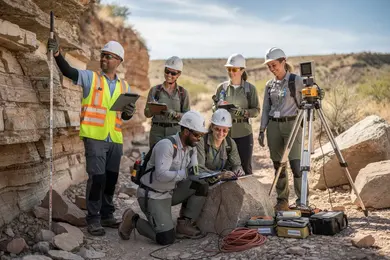
Hands-on experience in field methods and lab work is a practical gatekeeper. Without tangible sample collection and testing skills, candidates risk exclusion from roles emphasizing real-world problem solving in environmental consulting, military engineering, and construction. Moreover, coursework covering environmental regulations, risk assessment, and hydrology directly supports defense contractor demands for environmental compliance and impact assessments.
Geosciences candidates who integrate interdisciplinary knowledge-such as geophysics and soil mechanics-better align with mission-critical infrastructure project requirements. Prioritizing coursework that translates into verified technical competencies markedly improves hiring odds over generalized academic study, especially for competitive positions at agencies like NGA or Department of Defense contractors.
How much do geosciences graduates earn?
Starting salaries for geosciences graduates in the United States generally range from $55,000 to $75,000, with median wages rising to about $85,000 after five years. These figures vary significantly depending on sector and job role. For example, federal agencies such as the U.S. Department of Energy and the U.S. Geological Survey offer salary packages at the upper end, particularly for research-focused positions.
Entry-level environmental consulting roles often start near $55,000, but salary growth can accelerate with project management experience and field expertise. Government research jobs provide more stability and benefits, appealing to those prioritizing long-term career development and steady advancement.
Choosing between sectors often means weighing higher private-sector pay against less job security versus the more structured career paths and funding available in public institutions. In energy companies or environmental technology firms, salaries may approach six figures within ten years, contingent on technical expertise and certifications.
Key considerations for students include targeted skill development and experiential learning, particularly in specialized subfields supported by federally funded research. These factors strongly influence employability and salary trajectory over time.
What is the job outlook for geoscience careers?
Job prospects in geoscience are increasingly tied to environmental and nonprofit sectors addressing climate and water challenges. Demand is rising for expertise in groundwater management, ecosystem analysis, and regulatory compliance within organizations focused on sustainability rather than traditional resource extraction. This shift reflects shifting policy landscapes and public expectations prioritizing climate resilience and long-term environmental stewardship.
Employment trends show stagnation or decline in oil, gas, and mining roles, contrasting with growth in NGOs and government agencies emphasizing hydrogeology, contaminant transport, and GIS-based analysis. Those considering a pivot should recognize that practical experience in environmental compliance and remote sensing is valued more than purely academic credentials.
Educationally, a bachelor's degree enables entry-level roles, but a master's or specialized certification in environmental geoscience is often necessary for competitive NGO positions. Candidates face a strategic tradeoff: potentially lower initial salaries compared to legacy industries, balanced against greater stability and expanding opportunities driven by climate policy demands.
Internships or contract roles with environmental agencies provide critical exposure to multidisciplinary workflows and evolving technologies, which is essential for effective transitions. For instance, a groundwater hydrologist working with an environmental NGO will engage regularly in field sampling, compliance reporting, and community liaison-practical elements rarely emphasized in traditional industry tracks.
What certifications help geosciences graduates get hired?
GIS and data analytics certifications sharply differentiate geosciences graduates in a job market where technical proficiency increasingly dictates hiring decisions. Agencies like the National Geospatial-Intelligence Agency emphasize candidates with applied GIS skills, as these directly respond to the operational demands of geospatial data management and spatial analysis. Without such credentials, graduates often face delayed placement or start in less technical support roles.
Targeted certifications include:
- GIS Professional (GISP), which confirms practical expertise in geospatial technology.
- Certified Geographic Information Systems Technologist (GIS Tech), suited for entry- and mid-level positions requiring hands-on tool mastery.
- Data analysis credentials, such as those from the American Statistical Association or programming certifications in Python or R tailored to spatial data.
- Project Management Professional (PMP) for roles blending technical skill with leadership in geological projects.
Consider a candidate aiming for a federal or geospatial technology role. Success hinges on combining certification with proficiency in platforms like ArcGIS or QGIS to bridge the gap between theoretical knowledge and applied spatial data fluency. Employers, based on 2024 hiring data, prioritize candidates who can interpret complex spatial datasets while mitigating credential inflation across energy, environmental consulting, and defense sectors.
Other Things You Should Know About Geosciences
In 2027, prominent employers for geosciences graduates include energy companies like ExxonMobil and Shell, environmental consulting firms such as AECOM and WSP, and government agencies like the U.S. Geological Survey. These organizations value graduates with a strong foundation in both technical skills and practical field experience.
Early specialization can narrow job opportunities, especially since many employers value versatile graduates able to adapt across subfields like environmental geology, petroleum, or hydrogeology. Students should aim for foundational breadth in the first two to three years before specializing, allowing them to make better-informed career decisions and appeal to a wider range of employers. Programs lacking a well-rounded curriculum may push premature specialization that can restrict career flexibility.
Geosciences programs have intensive lab and field components combined with substantial technical coursework, leaving limited time for internships or part-time jobs without strategic planning. Students must evaluate program demands against their capacity for external work since real-world experience internships are critical for employability. Choosing a program with structured internship support or flexible scheduling can significantly enhance workforce readiness without causing burnout.
Many employers want geosciences graduates to pursue OSHA 40-hour HAZWOPER certification before field work in environmental consulting. For higher-level roles, the Professional Geologist license is often required, with eligibility rules set by state boards and a geology degree plus supervised work experience.
References
- Salary Information https://www.geolsoc.org.uk/Geology-Career-Pathways/Careers/Salary-Information.html
- How do recent geoscience graduates experience the job market? - GeoExpro https://geoexpro.com/how-do-recent-geoscience-graduates-experience-the-job-market/
- How my undergraduate degree in Geology prepared me for working in Geothermal Energy https://geoscienceforthefuture.com/how-my-undergraduate-degree-in-geology-prepared-me-for-working-in-geothermal-energy/
- Geoscience Careers https://careers.geoscience.org.za/
- 15 Best Certifications for Geologists in Nigeria (2026â2026 Guide) | Profolio https://www.profolio.ng/geologist/best-certifications
- What Does the Future Demand Look Like for Applied Geoscientists? https://www.aegweb.org/index.php
- Crespo: Challenges and strategies for attracting new geologists: situation analysis and future perspectives - Eurogeologists https://eurogeologists.eu/crespo-challenges-and-strategies-for-attracting-new-geologists-situation-analysis-and-future-perspectives/
- Geoscience Careers https://education.americangeosciences.org/resources/geoscience-careers/
- Geoscience Profession Data https://profession.americangeosciences.org/research/data/
- ThisIsGeoscience - Geoscience Salaries https://www.thisisgeoscience.com/the-resources/geoscience-salaries