2027 Geosciences Roles Growing Fastest in Climate and Sustainability

Co-Founder and Chief Data Scientist
Soaring demand for climate resilience and sustainable resource management has exposed a critical shortfall of geosciences professionals with specialized expertise in these domains. Graduates face a high-pressure environment where their skills must rapidly align with evolving policies and technologies addressing carbon management, environmental risk, and renewable energy development. Recent data from the U. S. Bureau of Labor Statistics projects a 19% growth rate in geosciences roles linked to climate and sustainability initiatives over the next decade, reflecting how urgently employers seek agile professionals fluent in both foundational geology and emerging green technologies. This amplifies the need for flexible education pathways balancing deep domain knowledge with practical workforce readiness.
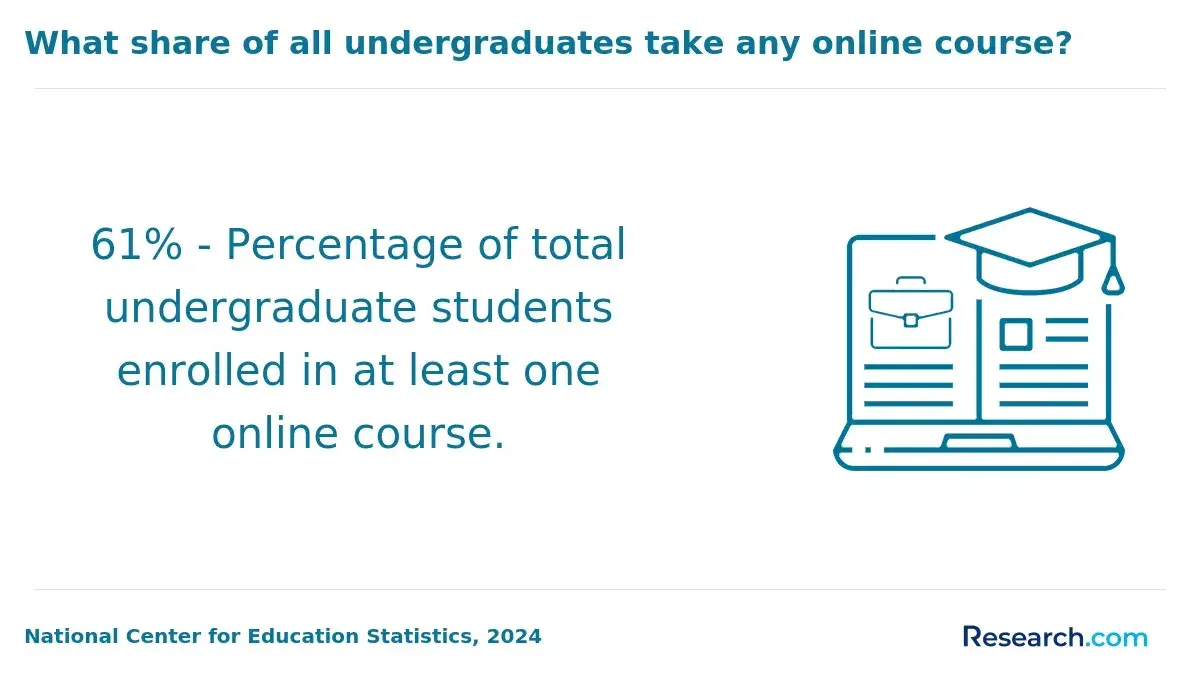
Widespread adoption of online and hybrid program models, now comprising over 35% of geoscience graduate enrollments per NCES 2024 figures, signals a significant shift in access dynamics-enabling mid-career transitions and geographically dispersed students to engage with cutting-edge curricula. Understanding which credentials, delivery formats, and experiential opportunities translate most effectively to these fastest-growing sectors is essential for candidates aiming to optimize timing, investment, and career trajectory.
This article analyzes specific geosciences roles expanding most quickly within climate and sustainability fields, evaluates educational pathways in light of workforce demands and accessibility trends, and offers clear guidance to help prospective students and professionals navigate strategic program choices for maximum career impact.
Key Things You Should Know
- U.S. Bureau of Labor Statistics projects 18% job growth in geosciences roles focused on climate adaptation by 2030, pressuring programs to fast-track skill updates, causing strain on traditional education durations and budgets.
- Employers prioritize multidisciplinary expertise combining geosciences with data analytics, limiting entry for degrees lacking integrated curriculum, thereby skewing workforce hiring toward hybrid-trained candidates.
- Graduate-level credentials correlate with 25% higher starting salaries in sustainability geosciences but require extended financial investment, delaying workforce entry versus technical certificates with narrower job scope.
Which geoscience careers are growing fastest in climate and sustainability fields?
Fastest-growing geoscience careers in climate change largely stem from the expansion of carbon capture and storage (CCS) and geothermal energy sectors, each demanding distinct expertise with notable workforce tradeoffs. The Global CCS Institute reports a 102% surge in global CO₂ capture capacity from 2022 to 2023, emphasizing the need for geoscientists with specialized skills in reservoir modeling, site characterization, and secure CO₂ injection practices-roles requiring rigorous training in hydrogeology and geophysics. However, the high technical barrier often slows entry despite these roles offering strong job stability due to regulatory scrutiny and long-term monitoring commitments.
Top sustainability geoscience roles in environmental sectors also show rapid growth but involve complex regulatory navigation and multidisciplinary demands. For example, environmental risk assessors must integrate geoinformatics, soil science, and chemical analyses to manage contamination and ecosystem impacts. These positions are especially concentrated in government agencies and consulting firms prioritizing climate resilience, where practical experience with data-driven environmental impact assessment is as crucial as academic credentials.
Geoscientists engaged in geothermal energy must balance exploration uncertainties against decarbonization goals across diverse industries, often requiring hands-on geospatial modeling and compliance expertise. Transitioning into these specialties entails mastering steep software and field technique learning curves, which prospective students should anticipate.
Given these diverse but interlinked pathways, professionals pivoting into geoscience fields oriented on climate solutions should weigh the operational realities against educational investments. Programs focused on integrated data skills and regulatory frameworks enhance employability, including options for advanced degrees such as a data science doctorate online, which can complement geological expertise with advanced data modeling and analytics adapted to geosciences contexts.
What education and skills do you need to enter high-demand climate geoscience roles?
Demand for climate-focused geoscience professionals is surging, driven by the International Energy Agency's forecast that critical mineral needs will at least triple by 2030. Meeting this demand requires candidates to hold a bachelor's degree in geosciences, earth sciences, or related fields, complemented by targeted technical skills. Essential education for climate geosciences careers now centers on applied geology disciplines such as mineralogy, geochemistry, and geophysics, integrated with data analytics and remote sensing to identify and evaluate vital mineral resources.
Employers consistently expect advanced proficiency in Geographic Information Systems (GIS), Python or R programming for spatial and statistical analyses, and 3D subsurface modeling software. Candidates versed in clean energy supply chains-covering the lifecycle of lithium, cobalt, nickel, and rare earth elements-position themselves effectively for roles straddling geological insight and market realities. Skills needed for sustainable geoscience roles in the US also include navigating environmental regulatory complexities while managing data integration for mining exploration, a practical requirement spotlighted in battery metals extraction projects.
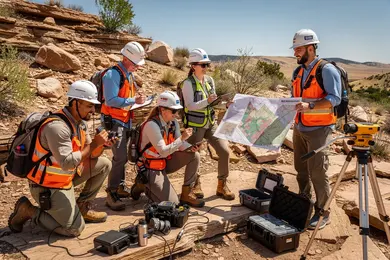
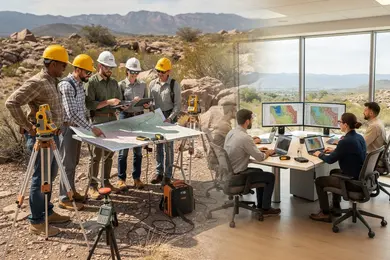
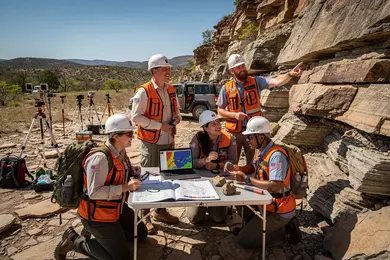
Practical experience is a decisive factor. Internships or fieldwork that demonstrate an ability to collect and interpret real-world data greatly enhance employability. Graduate degrees improve prospects for leadership or research roles, but versatility and cross-disciplinary collaboration often weigh more in entry-level hiring decisions. Additional credentials in environmental compliance or renewable energy systems provide an advantage where policy intersects with technical duties. Adaptability remains vital as evolving technology and regulations reshape operational expectations.
Those evaluating this path should also consider the balance between specialized technical training and broader workforce adaptability. For detailed information on cost-effective educational routes, exploring a reliable data scientist degree can offer valuable comparative insights within adjacent, high-demand STEM fields.
What is the salary outlook for in-demand climate and sustainability geoscience careers?
Salary outcomes in climate and sustainability geosciences by 2026 reflect significant variability driven by specialization, location, and employer needs. For example, geothermal reservoir geoscientists working in regions like the western United States or volcanic zones often command salaries above $90,000. This stems from industry growth projections, including a 60% capacity increase forecast by the International Renewable Energy Agency's 2024 geothermal market report, as well as the advanced technical expertise required in subsurface characterization and drilling support.
Transitioning from traditional geoscience roles into renewable energy sectors presents concrete tradeoffs: geographic mobility is typically necessary, with relocation often required for access to active projects. Employers prioritize candidates with proficiency in advanced geophysical modeling software, field data integration, and collaborative problem-solving, frequently favoring those with graduate-level training or certifications.
The north america geoscience careers salary forecast also highlights entry-level environmental geoscientists focusing on sustainability projects starting near $70,000, growing to $95,000 after five years at firms engaged in carbon sequestration and resource management. Senior or consultancy roles can surpass $120,000, though this often requires upfront investment in specialized training and mid-career credentialing.
Among practical considerations, supply chain disruptions and project approval delays can slow salary growth, emphasizing the value of interdisciplinary programs that combine geological sciences with sustainability policy. For students evaluating educational pathways, comparing programs side-by-side-including options found via online library science programs-can optimize employability and income potential in this evolving sector.
Which geoscience specializations are most relevant to climate change and sustainability work?
Specializations in coastal hazards, sea-level rise, and flood-risk assessment are critical for geosciences careers focused on sustainability and environmental impact. The World Bank forecasts that without improved coastal adaptation, flood damages could reach US$1 trillion annually by 2050. This projection illustrates a strong market demand for professionals skilled in evaluating and mitigating dynamic coastal threats, requiring integrated expertise in oceanography, hydrology, and remote sensing beyond general geology knowledge.
For those pursuing climate change geoscience specializations in North America, practical competencies such as Geographic Information Systems (GIS), climate data modeling, and hazard mapping are essential. Employers seek candidates capable of quantitative risk assessments that support infrastructure resilience and urban planning. Achieving this level of mastery typically involves targeted graduate degrees or specialized certificates rather than broad undergraduate studies.
Consider a flood-risk geoscientist tasked with advising on levee construction; the role demands understanding historical storm surges, current sea-level trends, and the ability to communicate complex uncertainties to policy makers. Without interdisciplinary training, candidates often struggle to meet such expectations, limiting their employability. Additionally, emerging roles in sustainable groundwater management and carbon sequestration require distinct expertise in hydrogeology or geochemistry, wherein balancing short-term project needs against long-term sustainability poses operational challenges.
Students and mid-career changers should prioritize programs emphasizing applied science and real-world problem solving, a focus often missing in generalized curricula. As a reference for evaluating alternative pathways, an MLIS degree illustrates how targeted learning aligns with specific employment niches and regional market demand.
What degrees and concentrations prepare you for climate-focused geoscience careers?
Degrees focusing on environmental science, geology, hydrology, or geosciences with a concentration in hydrogeology or climate resilience position candidates for urgent roles driven by a projected 40% gap between freshwater demand and supply by 2030, according to the UN World Water Development Report 2024. This gap translates into concrete workforce needs for professionals who can design sustainable water management systems and climate-resilient infrastructure.
Programs emphasizing water-resource management that integrate earth system science, fluid dynamics, and environmental policy offer graduates practical advantages. Employers expect proficiency in geographic information systems (GIS), remote sensing, and climate data modeling-skills essential for translating complex datasets into municipal, agricultural, or environmental strategies.
Hydrogeology curricula that combine fieldwork in aquifer assessment and contamination analysis best prepare candidates for immediate technical roles in water-scarce regions. For mid-career professionals pivoting into climate geosciences, certifications in climate impact assessment or resilience planning fill critical skill gaps.
Tradeoffs include balancing comprehensive theory with applied, time-intensive field and lab components, which often require significant financial and temporal investment. Candidates with internship or cooperative experience demonstrate readiness to operate within regulatory frameworks and multidisciplinary teams, a priority for many employers.
Choosing programs linked to government bodies or environmental nonprofits improves network access and regulatory familiarity, crucial given evolving technological demands triggered by the anticipated freshwater shortfall.
How do online geoscience and environmental programs compare with on-campus options?
Online geoscience and environmental programs often sacrifice essential hands-on experience crucial for roles in climate, sustainability, and infrastructure sectors. Employers prioritize candidates with verified skills in fieldwork, laboratory analysis, and subsurface risk assessment-competencies best developed through on-campus programs where access to specialized equipment and direct mentorship is routine. For instance, an urban planner shifting into geosciences to support sustainability projects may find online programs insufficient without supplementary onsite labs or fieldwork, increasing retraining risks.
The 2024 OECD infrastructure outlook projects a global investment need of approximately US$2.9 trillion annually through 2030 in transport, energy, and urban systems, sectors heavily reliant on precise engineering geology and risk expertise. This demand enforces the requirement for advanced practical training rarely matched in fully remote formats.
Professionals balancing work or geographic constraints might opt for online degrees but should prepare to supplement learning with internships, certifications, or local research partnerships to enhance employability. Key considerations include:
- Confirming program access to in-person fieldwork and technical networking.
- Evaluating employer expectations within target sectors for applied skills.
- Recognizing slower competency acquisition inherent in remote pathways versus immersive campus experiences.
Strategic decisions in pursuing geosciences education must weigh these operational trade-offs to align with evolving infrastructure demands and workforce realities.
How can you verify accreditation and program quality for climate geoscience degrees?
Choosing a climate geoscience program requires discerning beyond institutional accreditation to evaluate tangible workforce alignment. Regional accreditation recognized by the U.S. Department of Education or the Council for Higher Education Accreditation represents a baseline for academic credibility and access to federal aid. However, specialized accreditation or endorsements from entities such as the Geological Society of America better reflect industry relevance and applied research standards.
Employment outcomes provide a clearer metric of program quality, especially roles tied to sustainability sectors expanding under rising global nature-based solution investments projected to exceed US$542 billion by 2030. Candidates should prioritize programs integrating experiential learning through hands-on projects in critical ecosystems like soils, wetlands, and coastal systems, supported by genuine partnerships with governmental or private organizations.
Curriculum scrutiny must focus on multidisciplinary skills including geospatial analysis, carbon cycle science, and environmental policy, which underpin climate resilience and adaptation job demands. Faculty expertise, research activity, and access to contemporary technical resources further influence graduate preparedness.
Transparency in career support and post-graduation placement data is essential; absence of such reporting can indicate limited practical impact from the program. Students weighing investments in climate geoscience education must consider these operational factors to navigate effectively the expanding but competitive job market driven by ecosystem-based mitigation efforts.
What does the typical curriculum cover in climate and sustainability geoscience programs?
Graduates from climate and sustainability geoscience programs must navigate a tension between technical specialization and broader environmental policy understanding, directly impacting employability and job function. Programs that integrate practical GIS modeling with expertise in mine tailings stability or contamination plume analysis address pressing industry demands shaped by resource extraction projections exceeding 160 billion tonnes by 2060 without effective circular economy interventions.
This evolving landscape creates critical workforce roles in tailings monitoring, remediation, and resource recovery-skillsets increasingly sought by employers managing regulatory compliance and environmental risks. Students often face tradeoffs in choosing programs that emphasize intensive fieldwork and geotechnical engineering versus those focusing on circular economy principles and sustainable mining practices.
Key considerations include:
- Access to applied research and field training for hands-on problem solving
- Interdisciplinary collaboration skills for stakeholder communication and regulatory navigation
- Quantitative competencies aligned with tightening environmental regulations
Choosing a pathway that balances these elements affects career trajectories in remediation projects or resource recovery sectors, which exhibit divergent operational challenges and growth prospects. Those targeting reclamation fields must prioritize geotechnical understanding, while resource recovery specialists benefit from geometallurgical insights. Long-term workforce integration depends heavily on aligning program strengths with employer demand signals and sustainability standards enforcement.
What are the admissions requirements, timelines, and costs for these geoscience programs?
Employers in environmental consulting and government agencies often prioritize candidates who can complete geoscience master's programs within two years, a factor reflecting urgent workforce demands driven by escalating climate-related disasters, such as the World Meteorological Organization's 2024 report noting a fivefold increase in such events. This necessitates balancing program duration, costs, and practical skill acquisition.
Admission favors applicants with strong STEM backgrounds demonstrated by relevant bachelor's degrees or prerequisite coursework, alongside GRE scores around the 50th percentile, although some programs waive testing due to recent policy shifts. Required application materials include transcripts, two to three recommendation letters, and statements linking research interests to applied topics like hazard mapping or climate risk modeling.
Students face tradeoffs between full-time on-campus options at research-intensive institutions costing $25,000 to $50,000 in tuition and fees versus more affordable public in-state programs at $10,000 to $20,000. Part-time and online formats may offer flexibility but vary substantially in employer recognition, with hidden costs including lost wages and lack of integrated certifications crucial for immediate geospatial analysis and climate risk skills.
- Programs offering applied projects or internships provide clearer pathways for workforce entry compared to theoretical tracks.
- Candidates should evaluate employer preferences for program format, timing, and technical proficiencies.
- Balancing tuition and opportunity costs is essential for professionals managing career shifts amid rapidly evolving environmental risk scenarios.
Which certifications, licenses, or professional memberships strengthen climate geoscience careers?
Licensure and certifications in climate geosciences carry distinct professional weight shaped by regulatory demands and sector-specific applications. For example, the Professional Geologist (PG) license holds measurable influence in government contracting and compliance roles, where precise risk disclosure is legally mandated. In contrast, the Certified Environmental Professional (CEP) credential suits professionals balancing environmental regulations with corporate strategy, notably in sectors like energy and mining.
Memberships in organizations such as the American Geophysical Union (AGU) and the Geological Society of America (GSA) extend beyond prestige by providing ongoing access to emerging research, policy debates, and technical networking pivotal for adapting to rapid methodological shifts. Demand across employers increasingly blends these credentials with technical fluency in spatial analysis and climate modeling software.
The decision to prioritize a PG license versus a CEP certification reflects career context: regulatory-heavy positions favor the former for long-term impact, while the latter offers flexible application across industries requiring data synthesis. Achieving these credentials typically requires an investment of 2-5 years and several thousand dollars for education, exams, and maintenance, directly influencing career durability and employer trust in ESG reporting and climate risk evaluation.
Other Things You Should Know About Geosciences
Graduates often struggle with adapting technical geoscience skills to interdisciplinary sustainability environments where knowledge of policy, economics, or social factors is essential. Employers expect candidates to demonstrate the ability to translate geological data into actionable environmental strategies, which many programs do not emphasize. Expanding your skill set to include cross-sector communication and systems thinking is critical for success outside traditional geoscience roles.
Research opportunities boost analytical skills and subject mastery but may delay entry into the workforce without guaranteed job connections. Industry partnerships, on the other hand, often provide internships and direct hiring pipelines, accelerating career entry. For those prioritizing immediate employment in sustainability-focused roles, programs with strong industry ties offer practical advantages. However, if long-term specialization or advanced roles are the goal, research-oriented programs deliver deeper expertise.
Most climate and sustainability employers expect proficiency in ArcGIS or QGIS, remote sensing platforms such as Google Earth Engine, and climate or hydrologic models like WRF, MODFLOW, or CMIP6 datasets. Many job postings also require Python or R for data analysis and map production.
References
- The Top 15 Sustainability Certifications https://www.transformacy.com/articles/the-top-15-sustainability-certifications
- Information about Geoscience Related Careers https://careerexplorer.americangeosciences.org/careersinfo/
- The Geological Society - Degree Accreditation https://www.geolsoc.org.uk/education-and-resources/universities/university-degree-accreditation/
- ABET Accreditation a Clear Pathway to Professional Geologist and Geologist in Training Licensure Under New California Regulations - ABET https://www.abet.org/abet-accreditation-a-clear-pathway-to-professional-geologist-and-geologist-in-training-licensure-under-new-california-regulations/
- The future of jobs is green: How climate change is changing labour markets https://www.weforum.org/stories/2023/04/future-of-jobs-is-green-2023-climate-change-labour-markets/
- What Does the Future Demand Look Like for Applied Geoscientists? https://www.aegweb.org/index.php
- The 8 Most In-Demand Sustainability Jobs https://www.sustainabilitydegrees.com/blog/most-in-demand-sustainability-jobs/
- Membership Categories and Requirements - American Institute of Professional Geologists https://aipg.org/page/MembershipCategoriesandRequirements
- The sectors where green jobs are growing in demand | Trellis https://trellis.net/article/sectors-where-green-jobs-are-growing-demand/
- Accreditation - Process | Green Climate Fund https://www.greenclimate.fund/access-funding/accreditation/process