2027 Environmental Consultant Roles You Can Target With a Geosciences Degree

Co-Founder and Chief Data Scientist
Facing uncertain environmental regulations, companies increasingly demand consultants who can deliver precise geological risk assessments under tight deadlines. Yet, aspiring professionals with a geosciences degree wrestle with program accessibility and timely credentialing critical to entering this competitive workforce. The National Center for Education Statistics reports a 22% rise in online STEM enrollments since 2023, signaling shifting educational formats that influence when and how students can upskill.
This evolution matters as delayed entry can stall practical experience accumulation, constraining career mobility in a field where employers prioritize both theoretical expertise and hands-on application. This article explores specific environmental consultant roles that a geosciences degree targets, guiding candidates to align education choices with tangible job market pathways.
Key Things You Should Know
- Environmental consultant roles linked to geosciences degrees demand advanced GIS and remote sensing proficiency; the U.S. Bureau of Labor Statistics indicates a 12% rise in related job openings through 2030, pressuring candidates toward specialized skills over generalist knowledge.
- Employers increasingly prioritize candidates with integrated environmental risk assessment experience alongside geosciences fundamentals, reflecting a 2024 survey by Environmental Business International showing 68% of firms rate interdisciplinary expertise as hiring-critical.
- Graduate-level certifications in hydrogeology or environmental compliance can extend time and tuition costs by 25%, per National Center for Education Statistics data, creating a strategic tradeoff between faster entry-level employment and higher long-term salary potential.
What geosciences jobs do environmental consultants perform?
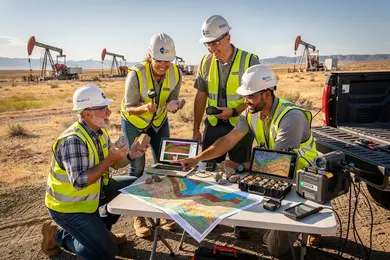
Environmental consulting roles for geosciences graduates demand detailed expertise beyond field sampling to include data interpretation and regulatory navigation, especially given the scale of remediation needed for over 450,000 brownfield sites in the U.S. This creates a labor market where proficiency in soil, groundwater, and contaminant analysis directly affects project viability and client decision-making. For instance, geoscience consultants advise on residual contamination that can alter redevelopment timelines or increase costs, a critical consideration in urban settings balancing health risks and economic feasibility.
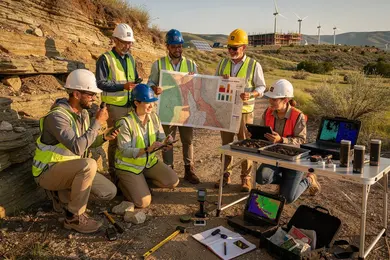
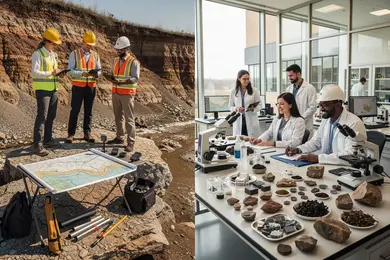
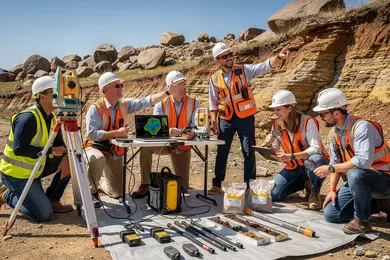
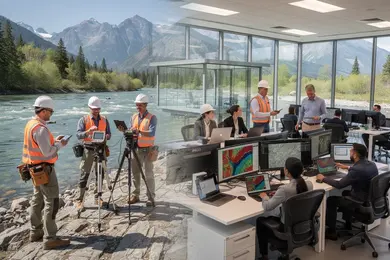
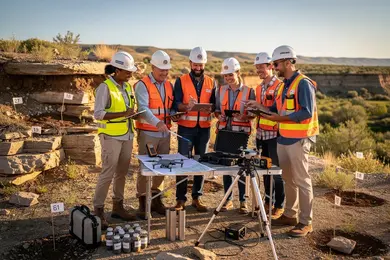
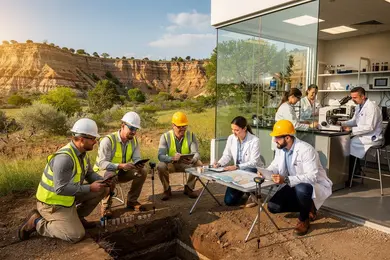
Typical environmental consultant job functions in geosciences encompass comprehensive site assessment, remediation design, and environmental impact assessment (EIA), integrating technical analysis with legislative compliance. Consultants must synthesize geophysical survey results and laboratory data into actionable risk management plans, often partnering with engineers and toxicologists to recommend remediation methods such as in-situ bioremediation or soil vapor extraction. These interventions hinge on precise knowledge of local geology and hydrogeology to ensure cost-effective and feasible solutions.
Environmental consultants also evaluate how land use shifts affect soil stability and groundwater, informing mitigation strategies that align with complex regulatory frameworks. This volatile regulatory environment necessitates continuous learning and adaptability. Professionals weighing further credentials should assess how advanced degrees complement practical experience and market needs; one resource outlining relevant programs is available at online doctorate data science, which may intersect with geosciences analytics methodologies.
Which geosciences degree fits environmental consulting best?
Hydrogeology-focused programs within environmental geosciences are the most strategically aligned degrees for environmental consulting careers in 2026. The industry's demand centers on groundwater resource management due to its substantial role in U.S. water withdrawals-accounting for roughly 25% of public supply and 45% of self-supplied domestic uses, with total withdrawals exceeding 80 billion gallons per day. This practical emphasis means graduates need rigorous training in aquifer characterization, contaminant transport modeling, and sustainable water usage to meet employer expectations effectively.
Top geosciences programs for environmental consulting jobs integrate fieldwork with applied data analytics, preparing students for site assessments and remediation planning essential in Brownfield redevelopment and regulatory compliance. Coursework in environmental regulations and geochemistry complements core hydrogeology, reflecting a workforce reality where consulting firms value versatile but specialized skills.
Students targeting broader sectors such as mining or energy should weigh the tradeoffs of balancing hydrogeology and geotechnical expertise. However, lacking groundwater training significantly reduces job market competitiveness given current environmental priorities. Programs offering hands-on experience with GIS, remote sensing, and groundwater modeling software substantially enhance employability.
Prospective students should evaluate curricula for concentrated hydrogeology content alongside opportunities for internships or projects in water resource management. Those navigating degree cost considerations may find comparative data on the cheapest master in data science useful for understanding financial investment tradeoffs across technical fields.
What accreditation should environmental consulting programs have?
Accreditation significantly shapes the trajectory of environmental consulting professionals, especially those pursuing environmental consulting program accreditation requirements in the United States. Programs approved by ABET or recognized regional bodies are often gatekeepers for eligibility in federal environmental impact assessments and certifications essential in this field. The U.S. Federal Permitting Improvement Steering Council manages projects involving over $600 billion in infrastructure investment, demanding consultants who understand nuanced regulatory environments and compliance standards.
Choosing a program lacking accredited status can delay registration as a Certified Environmental Professional or qualification for state certifications common in consulting contracts. This shortfall can restrict access to higher-value projects and federal work, where credentials and demonstrated competencies carry substantial weight. Accredited programs also tend to offer better internship access and networking, facilitating entry into competitive markets tied to infrastructure and environmental permitting.
Beyond accreditation, students must evaluate program rigor in federal NEPA compliance, graduate employment outcomes, and curriculum depth in environmental law and project management. This contextual assessment is especially relevant for professionals seeking certifications for environmental consulting professionals with a geosciences degree, where technical and regulatory skills intersect.
For those balancing work and study, exploring options like a sports science degree online illustrates the growing availability of specialized online pathways, though such convenience may vary across disciplines in environmental consulting.
Can you earn a geosciences degree online for this career?
Online geosciences degree programs for environmental consulting offer critical flexibility but come with notable practical tradeoffs. Employers in fields like geological hazard assessment and environmental remediation often prioritize candidates with hands-on fieldwork and lab experience-elements typically limited in online formats. Consequently, graduates relying solely on remote study may need supplementary local internships or cooperative education to meet these technical skill demands.
Working professionals aiming to pivot careers benefit from earning a geosciences degree online for environmental careers by accessing coursework without relocating or disrupting employment. However, those targeting climate risk and resilience advisory positions-a sector where over 90% of global GDP faces significant physical climate risk-can leverage these programs to build a solid theoretical and data analysis foundation. Still, bridging the gap between online study and real-world application through field projects enhances employability in these specialized roles.
Decision-making should consider employer expectations and the specific environmental consulting niche. Firms focused on data-driven climate risk may weigh analytical capabilities over field experience, making online degrees more viable there. Conversely, regional agencies and firms valuing demonstrated field skills remain less likely to accept online-only credentials without additional practical components.
Students evaluating pathways can also explore other options, such as a library degree, when considering flexibility and affordability outside geosciences. This comparison highlights how domain-specific practical demands influence the real-world value of online credentials.
What coursework prepares you for environmental consulting work?
Pursuing geosciences with a focus on environmental consulting involves strategic coursework decisions that directly affect employability and job readiness. Candidates must prioritize soil science to evaluate contamination risks and remediation, a skill critical for industrial or agricultural site assessments. Hydrogeology courses underpin the ability to model groundwater contamination, a frequent regulatory concern in mining or construction projects. Meanwhile, environmental chemistry provides the technical foundation for analyzing pollutants within legal compliance frameworks.
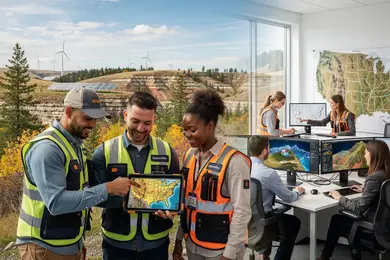
Specializing in remote sensing and GIS is increasingly non-negotiable, given how spatial analysis drives ESG consulting standards adherence across thousands of organizations worldwide. Yet the program demands extend beyond technical knowledge:
- Students must integrate environmental policy with scientific data to navigate complex EPA and state regulations effectively.
- Risk assessment and environmental site assessment (ESA) methodologies require practical training, often housed within specialized modules or courses.
- Quantitative skills from statistics and data analysis strengthen the ability to interpret environmental monitoring data and support evidence-based conclusions.
Balancing broad foundational courses against these concentrated electives determines students' market viability, especially as ESG reporting thrives and sustainability standards proliferate. Overloading on general courses can dilute readiness for niche sectors such as contaminated site evaluation or climate risk analysis. Employer expectations also include proficiency with environmental modeling software and data visualization tools, underscoring the importance of choosing classes that emphasize these competencies.
What admissions requirements do geosciences programs usually ask for?
Applicants to geosciences programs face a tangible hurdle: rigorous prerequisites in math, chemistry, physics, and earth sciences designed to prepare them for technically demanding roles, such as contaminated site assessments. This is not academic overhead but a workforce reality, as remediation projects-highlighted by over 2.1 million unregistered hazardous sites in Europe-require deep analytical competence in soil and groundwater evaluation.
Admissions often weigh standardized test scores (SAT or ACT), yet candidates with hands-on research or internships in environmental labs can offset lower scores by demonstrating practical expertise. Letters of recommendation that underscore analytical skills and applied problem-solving carry significant weight for employers seeking graduates adept at real-world contamination challenges.
Critical skills extend beyond textbook knowledge to include data interpretation, GIS technologies, and environmental regulatory frameworks-competencies evaluated through prerequisite coursework or program statements. While some programs prefer applicants with geosciences or environmental science degrees, interdisciplinary backgrounds with strong natural science foundations and professional experience may also gain acceptance.
Rising demand in geo-environmental consulting pressures institutions to favor candidates blending technical knowledge with field readiness. Prospective students lacking core sciences must consider supplemental courses to avoid employability gaps after graduation.
- Strong quantitative and science proficiency is essential to meet employer expectations in environmental consulting fields.
- Practical experience and targeted recommendations can mitigate test score limitations.
- Supplemental coursework is a strategic investment for those without direct science prerequisites.
How long does a geosciences degree take, and what does it cost?
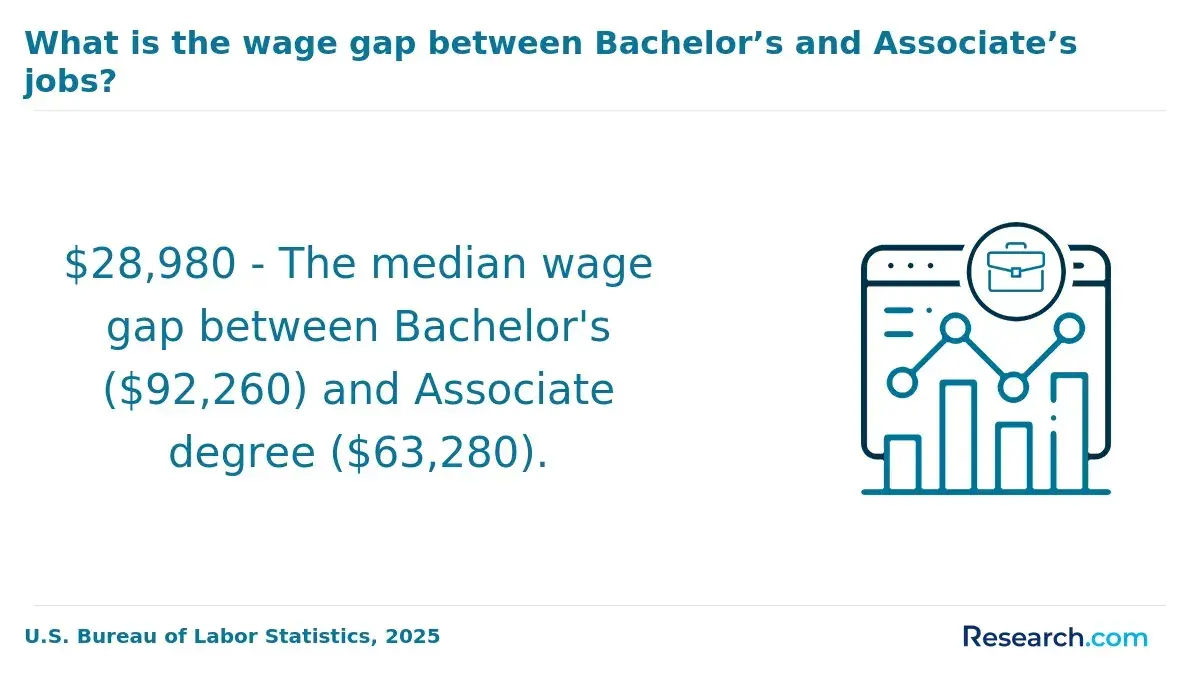
Securing roles in environmental consulting increasingly requires education beyond a bachelor's degree in geosciences, reflecting employer demand for advanced expertise in earth systems, regulatory frameworks, and complex data interpretation. While a bachelor's degree typically spans four years and costs between $40,000 and $120,000 depending on institution type and residency, graduate studies add an additional two years and $20,000 to $60,000, with both excluding ancillary expenses such as living costs and lost wages.
Graduates aiming for high-demand roles in renewable energy siting must often invest in master's programs or specialized certificates to meet employer expectations and navigate intricate permitting processes effectively. For example, the International Energy Agency projects a 2,300 GW increase in renewables capacity by 2028-mostly variable renewables-fueling demand for professionals capable of environmental risk assessment and compliance management at an advanced level.
Key tradeoffs include balancing the financial and time investment against potential salary improvements and job competitiveness. Many working professionals face constraints requiring part-time study or extended timelines, blurring the total cost-benefit calculation. Yet, data from real-world cases demonstrate clear employability advantages for those holding master's credentials in environmental consulting roles tied to geosciences.
Investing solely in a bachelor's degree may suffice for entry but limits long-term positioning in a market increasingly shaped by sophisticated technical and regulatory demands.
What certifications help geosciences graduates become environmental consultants?
Certification requirements significantly shape employability and role suitability for environmental consultants with geosciences backgrounds. For positions handling subsurface contamination or hydrogeology, a Professional Geologist (PG) license is often mandatory because it grants legal authority to approve technical reports. The PG license demands rigorous examination and relevant experience but positions holders for higher consulting fees and leadership in site assessment projects.
Alternatively, certifications like Certified Environmental Professional (CEP) and Registered Environmental Manager (REM), backed by industry-recognized bodies, emphasize regulatory compliance, environmental auditing, and sustainability practices. These credentials facilitate faster integration into corporate environmental health and safety roles and access to governmental contracts often unavailable to uncertified professionals.
Employers increasingly depend on consultants who can navigate complex legal frameworks and enforceable standards exemplified by large-scale pollution control investments, such as the U.S. Environmental Protection Agency's $8.1 billion enforcement actions. Holding these certifications shortens onboarding and signals mastery of evolving environmental regulations and risk mitigation strategies.
Prospective consultants must weigh certification costs and time against sector-specific demand:
- The PG license carries higher barriers but unlocks specialized technical and legal responsibilities.
- The CEP and REM certifications offer more immediate market entry though with less formal authority.
Strategically combining these credentials, while aligning with targeted consulting niches, supports sustainable career trajectories and maximizes long-term earnings potential for geosciences graduates.
How much do environmental consultants with geosciences degrees earn?
Environmental consultants with geosciences degrees see significant salary variation based on project complexity, sector, and location. Entry-level roles start near $55,000 annually, but those managing large-scale mining reclamation or hazardous waste projects can earn between $85,000 and $95,000. This wage spread reflects the need for advanced technical skills in geological risk assessment, regulatory compliance, and stakeholder collaboration.
Employers often differentiate pay according to whether consultants handle routine tasks-such as groundwater sampling-or lead multi-disciplinary closure efforts. Candidates demonstrating proficiency in environmental regulations and practical remediation typically access higher salaries. Roles that demand frequent travel or presence at remote sites usually include hazard pay or travel stipends, further increasing compensation.
While consulting firms offer varied and potentially higher pay, corporate environmental positions tend to provide more consistent salaries and benefits. Additionally, professional credentials like the PG license can materially raise earning potential by signaling verified expertise.
Investment trends illustrate the scale of this demand: the International Council on Mining and Metals reports over $20 billion allocated globally for closure and rehabilitation in 2024. Graduates targeting high-impact industries such as mining or energy should weigh the tradeoffs between entry-level opportunities and advanced roles requiring both specialized knowledge and willingness to work in challenging environments.
What job outlook exists for environmental consultants in geosciences?
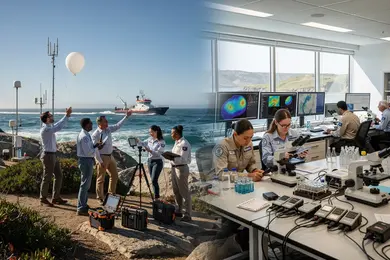
Environmental consulting jobs for geosciences graduates are concentrated in areas with active offshore development such as the U.S. Atlantic coast and the Gulf of Mexico, requiring proficiency beyond core geosciences. Employers demand specialists who can integrate geoscientific data with environmental risk assessments and navigate complex regulatory frameworks. This role also entails strong communication skills to work with stakeholders and regulatory bodies.
Practical tradeoffs include the necessity for multidisciplinary expertise-candidates must often acquire knowledge in ecology, environmental policy, and GIS technologies. Fieldwork in challenging and variable conditions is common, which may limit appeal for those targeting solely office-based positions. Salary growth correlates significantly with experience and specialization, particularly in emerging sectors like offshore wind energy.
The expanding ocean economy, projected to add as much as $3 trillion in value by 2030, drives sustained demand for these skills. To remain competitive, timely upskilling in marine geology, environmental impact assessment, and coastal engineering is essential. Additionally, building networks within industry consortia can have greater impact on job placement than academic credentials alone.
- Expect geographically focused opportunities aligned with offshore projects.
- Prepare for interdisciplinary demands and regular field conditions.
- Prioritize niche specialization for accelerated salary trajectories.
Strategic alignment of geoscience expertise with measurable sustainability outcomes in ocean-related infrastructure projects is increasingly vital to stand out in this expanding labor market.
Other Things You Should Know About Geosciences
Most entry-level environmental consultant roles require only a bachelor's degree in geosciences, but advancing to senior or specialized positions often demands a master's degree or higher. Employers expect advanced degrees when the job requires complex data analysis, regulatory expertise, or project management skills beyond foundational science. Prioritize graduate studies if you want leadership roles or work in niche fields like hydrogeology or contamination forensics, as these often come with higher responsibility and compensation.
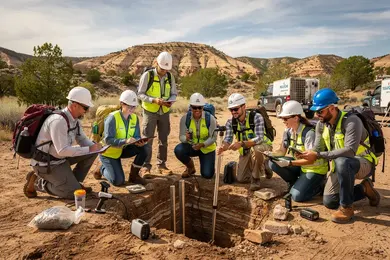
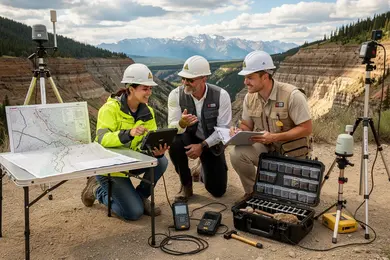
Field experience is critical because employers prioritize candidates who can translate classroom learning into real-world environmental assessments. Programs lacking substantial fieldwork may delay your readiness to handle site investigations, soil sampling, and environmental impact evaluations. Seek programs or internships with heavy practical components as this reduces the on-the-job training burden and improves your employability in consulting firms that need professionals who hit the ground running.
The strongest credentials are the Certified Environmental Scientist (CES) from NREP and HAZWOPER 40-hour training for field-based work. For contaminated-site consulting, employers also value OSHA safety training and state-specific professional geologist licensure where remediation reports must be signed by a licensed geoscientist.
References
- Salary Information https://www.geolsoc.org.uk/Geology-Career-Pathways/Careers/Salary-Information.html
- Top Certifications for Remote Environmental Jobs 2025 https://redrockconsultinggroup.com/top-certifications-that-help-you/
- A Guide to Great Degrees for Environmental Consultants | LIS https://www.lis.ac.uk/stories/great-degree-for-environmental-consultant
- Environmental Consultant | ECO Canada https://eco.ca/career-profiles/environmental-consultant/
- From Passion to Profession: How to Become a Successful Environmental Consultant | Natural Resources Training Group https://nrtraininggroup.com/blog-from-passion-to-profession-how-to-become-a-successful-environmental-consultant/
- Geoscience Jobs in Industry https://www.grow-geocareers.com/exploreindustries
- Essential Environmental Consultant Role Explained https://enable.green/esg-roles/sustainability-and-esg-careers/environmental-consultant-job-description/
- 500+ Water Jobs (Updated Today) â Free to Apply https://jobs.watertechintel.com/blog/geology-major-jobs
- Everything You Need To Know About Environmental Consulting https://www.beyondberea.org/blog/2021/10/06/everything-you-need-to-know-about-environmental-consulting/
- Online Geoscience Degrees: Top Schools and All Programs in 2026 https://www.gisdegree.org/online/geoscience-degrees/