2027 Earth Science Technician Roles You Can Target With a Geosciences Degree

Co-Founder and Chief Data Scientist
Graduates with a geosciences degree often confront a narrowing window to secure technician roles aligned with evolving industry demands before employers tighten credential requirements or automation reshapes entry-level tasks. As workforce reports from the U. S. Bureau of Labor Statistics in early 2024 highlight a projected 8% growth in environmental and geoscience technician jobs over the next decade, timing and strategic credential choices become critical.
This trend signals both opportunity and the escalating need for practical field skills combined with versatile certification pathways, given many programs increasingly offer hybrid or accelerated formats to accommodate mid-career pivots. This article identifies concrete technician roles that leverage a geosciences degree and equips readers to target positions that balance current access with future career traction.
Key Things You Should Know
- Geosciences technician roles forecast 6% growth through 2032 per the U.S. Bureau of Labor Statistics, yet require advanced GIS proficiency, creating a tradeoff between well-paying positions and increasing technical training costs.
- Employers prioritize candidates with hands-on field experience and software fluency, reflecting an 18% hiring premium found in industry surveys by the American Geosciences Institute, pressuring curricula to balance theory and applied skills.
- Certificate programs reduce entry barriers by shortening study time to under a year, but median salaries remain 20% lower compared to associate degree holders, impacting long-term career trajectory and advancement opportunities.
What earth science technician jobs can geosciences graduates pursue?
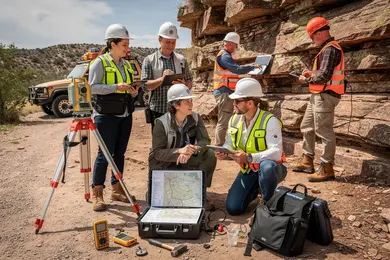
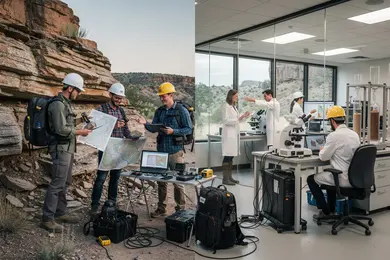
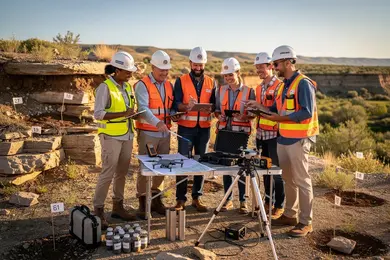
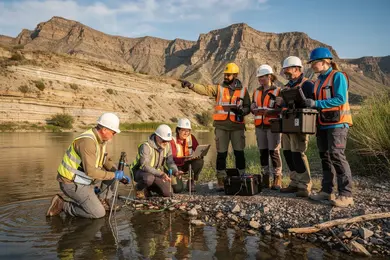
Earth science technician career opportunities for geosciences graduates demand a nuanced evaluation of employer priorities and sector-specific working conditions. Environmental science and protection technicians held about 35,100 jobs in the U.S. in 2023 with a projected growth of 6% over the next decade, reflecting a slightly higher-than-average market expansion. These roles require technical proficiency in field sampling, pollution monitoring, and interpreting geospatial data-skills that must be paired with familiarity with specialized instruments and regulatory frameworks.
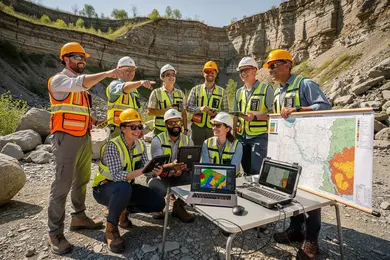
Other viable jobs include geological and hydrological technicians, who operate drilling equipment, collect core and water samples, and analyze environmental data using GIS software. Mining and petroleum technicians, while aligned with geosciences degree jobs in earth science and environmental technology, often face jobsite challenges such as physical demands and isolated, harsh environments. Candidates must weigh these working conditions against compensation differences and career growth potential.
Employers increasingly prefer candidates equipped with hands-on environmental sampling experience, certifications for hazardous material handling, and knowledge of environmental legislation. Developing specialized technical skills, such as groundwater modeling or remote sensing, can differentiate graduates navigating these competitive fields.
For those exploring which career path suits their interests and lifestyle, the tradeoff between regular consulting schedules and the demanding shifts of resource extraction is critical. More details on what can you do with an environmental science major provide additional context.
What education do earth science technicians need?
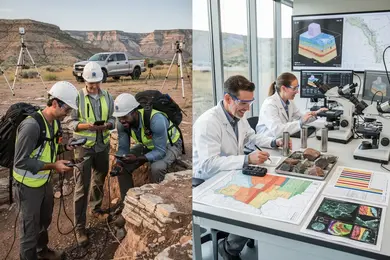
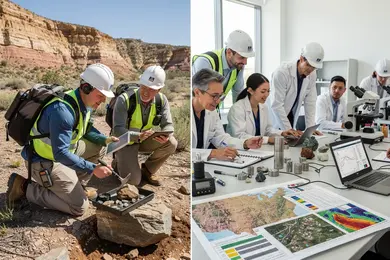
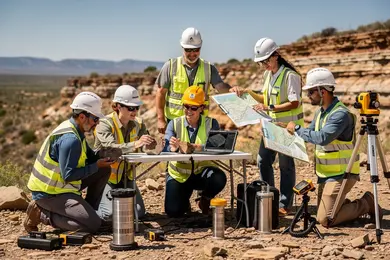
Employer demand for earth science technicians consistently centers on practical technical skills gained through associate degree programs in geosciences technology, geology, or environmental science, rather than purely theoretical knowledge. These degree programs for earth science technicians in North America typically emphasize hands-on training in field sampling, lab analysis, and geospatial data processing, which are critical for operational roles supporting geologists and hydrologists. For instance, mining exploration technicians must master core logging and sample preparation, competencies usually obtained through targeted coursework and internships.
While some entry-level roles accept candidates with a high school diploma and relevant experience, investing time in formal education improves job security and upward mobility. Bachelor's degrees, though not mandatory, enhance qualifications for advanced positions involving sophisticated data management or specialized sectors within the geosciences. Prospective students must consider the tradeoff between associate degree costs and the practical readiness such programs provide, especially when they include cooperative education components aligned with employer expectations.
According to U.S. Bureau of Labor Statistics, geological and hydrologic technicians earned a median annual wage of $61,370 in 2023, with an anticipated 5% employment growth over the coming decade, illustrating stable demand balanced with supply. Those prioritizing specialized certifications such as Geographic Information Systems (GIS) can improve marketability amid this steady trend.
Understanding education requirements for earth science technicians in the US means aligning program choice with local employer preferences and realistic career objectives rather than seeking generalized credentials. Additionally, students exploring continuing education options may benefit from evaluating affordability and outcomes; for example, reviewing the cheapest master in data science can inform decisions about complementary skills that intersect with geosciences data analysis.

Are online geosciences degrees respected by employers?
Acceptance of online geosciences degrees by U.S. employers depends heavily on program accreditation, rigor, and the integration of practical experience. Employers in fields such as environmental consulting or government agencies place a premium on candidates who demonstrate operational competence through documented internships, applied research, or lab and fieldwork components. This reality is especially true for roles like hydrologic or hydrographic technician, where managing water-resource data requires hands-on familiarity with technical monitoring and compliance standards. The U.S. Bureau of Labor Statistics projects 1,400 new hydrologic technician jobs between 2023 and 2033, underscoring demand for candidates skilled in current industry tools and data analysis.
Online geosciences degrees employer acceptance often hinges on these experiential factors as well as software proficiency (e.g., GIS, CAD) and relevant credentials. Candidates relying solely on theoretical knowledge without field skills face challenges in meeting employers' expectations, particularly for entry-level positions requiring immediate readiness.
Failing to address these practical elements often diminishes the value and marketability of an online geosciences degree compared to traditional degrees with embedded hands-on exposure. Prospective students must critically assess program structures and supplement their education accordingly. For comparison, those considering other accelerated pathways might review options such as an online CS degree, which also demands practical skill integration despite its different discipline focus.
What courses prepare students for technician roles?
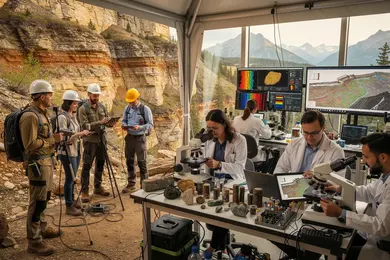
Preparation for earth science technician roles requires more than foundational knowledge; it demands targeted coursework integrating geosciences degree courses for technician careers with practical technical skills. Core subjects include geology, mineralogy, sedimentology, and a strong emphasis on geographic information systems (GIS) due to its direct link to job availability. The Bureau of Labor Statistics projects 3% employment growth for GIS and related mapping technicians through 2033, driven largely by replacement needs and geospatial technology developments. Competence in GIS software, remote sensing, and cartography positions graduates for technical roles in environmental monitoring, resource extraction, and hazard assessment.
Employers also prioritize supplementary skills in environmental science, hydrogeology, and geophysics to handle industry-specific data like soil sampling or groundwater flow modeling. The reliability of technicians hinges on quantitative abilities including statistics and algebra, alongside adherence to industrial safety standards and field protocols. Curriculum decisions reveal tradeoffs: programs stressing software mastery may underserve physical fieldwork readiness, while lab-intensive tracks can limit spatial data analytic capabilities.
Professionals contemplating a pivot benefit from supplementing core courses with certificates or workshops in programming languages such as Python or database management to expand job eligibility. Selecting coursework aligned with specific industry verticals is vital for matching workforce demands in the diverse U.S. landscape of earth science technician training programs in the united states. For a broader view on degree affordability in related fields, see the master of library science rankings.
How do accredited geosciences programs differ from unaccredited ones?
Employers in resource-intensive fields like mining prioritize candidates with accredited geosciences degrees due to the consistent, industry-aligned training these programs provide. Graduates from unaccredited programs often face challenges stemming from variable curricula and gaps in essential skills, which can translate into longer onboarding times and limited access to professional certifications. For example, a mining technician hired from an accredited program typically arrives with proficiency in federal mining safety standards and core geosciences workflows, directly reducing employer training costs.
Accredited curricula are designed to meet rigorous standards set by regional or specialized bodies, ensuring mastery of technical skills, software tools, and regulatory compliance-elements critical for roles requiring licensing or certification. Conversely, unaccredited pathways may offer short-term savings but frequently necessitate additional coursework or internships to compensate for deficiencies, delaying workforce entry and mobility.
Prospective students targeting a technical pivot or advancement should weigh these tradeoffs carefully. Accreditation status often dictates eligibility for government and industry roles, shaping long-term career trajectories more decisively than initial cost or convenience. Mining and geological engineers with recognized credentials reported median salaries above $100,000, reflecting the tangible economic advantage tied to accredited program completion.

What admissions requirements do geosciences programs usually have?
Admission into geosciences programs demands more than just meeting baseline academic qualifications; candidates must align with specific quantitative and analytical expectations reflective of industry requirements. A solid foundation in math and science, particularly chemistry and physics, is essential, with many programs requiring a minimum GPA around 3.0 and demonstration of algebra, geometry, and sometimes calculus proficiency. This rigor translates into readiness for coursework that integrates geologic theory with data analysis and technical problem-solving.
Career-oriented applicants should weigh the value of supplemental experiences such as internships or fieldwork that can mitigate average academic records by evidencing practical skills. For professionals transitioning from unrelated fields, completion of foundational science prerequisites often determines admissibility and capacity to keep pace academically.
The labor market for geotechnical specialists anticipates steady growth-about 5% over the decade-with employers prioritizing candidates who combine theoretical knowledge with applied technical competencies, which increases selection stringency. Application components like technical writing samples and problem-solving assessments simulate on-the-job challenges, underscoring the necessity of critical thinking in geology and environmental analysis.
Decision-making around geosciences education should consider these dynamics: academic preparation is non-negotiable, experiential learning can provide a competitive edge, and meeting rigorous admissions criteria correlates strongly with employability in infrastructure and environmental sectors.
How long do geosciences degree programs take to finish?
Choosing between an associate degree and a bachelor's in geosciences brings clear workforce tradeoffs shaped by employer expectations and job role specificity. Energy sector employers typically require at least a bachelor's for roles emphasizing analytical, field, and modeling competencies, evidenced by petroleum engineers' median pay of $137,330 in 2023. Associate degrees support entry-level technician roles but often demand supplemental hands-on experience or industry internships to bridge practical skill gaps and improve employability.
Deciding on geosciences education demands weighing immediate income needs against long-term career outcomes and labor market data. Programs that include cooperative education or internships linked to the energy and petroleum industries provide a critical advantage by enhancing job placement prospects. Practical pathways, not just credentials, determine success in this specialized labor market.
What do earth science technicians earn in the United States?
Wage outcomes for earth science technicians reflect a balance between technical skill development and sector-specific demand. Early-career salaries often start near $45,000, particularly in environmental compliance roles with labor-intensive fieldwork, escalating toward $60,000 as technicians specialize or supervise contamination monitoring and regulatory adherence.
Federal and state agencies typically offer higher pay compared to private sector entry points, but this differential depends heavily on geographic location and specialization. For example, positions with industrial firms or government contractors in environmentally sensitive urban regions often command premium wages compared to rural or smaller company roles.
Projected job growth of 5% through 2033, with roughly 1,700 openings annually for environmental engineering technicians, indicates steady demand. However, this must be weighed against the necessity for additional credentials beyond a geosciences degree, such as expertise in GIS technology or environmental sampling, which directly affect employability and wage potential.
Students and professionals evaluating this pathway should consider these tradeoffs carefully: foundational geosciences education must often be supplemented with specialized skills or certifications to align with employer expectations and regional job market realities.
What is the job outlook for earth science technicians?
Employment for earth science technicians is projected to grow about 5% through 2033, slightly above average, but this general figure masks important regional and technical variations. Positions tied to natural hazard assessment and environmental monitoring remain more resilient, particularly in disaster-prone areas needing infrastructure reinforcement. For example, technicians focused on geohazards such as earthquakes or landslides often collaborate directly with emergency response teams, influencing public safety outcomes.
Today's employers prioritize candidates with strong GIS and remote sensing skills, making digital proficiency a near-essential barrier for upward mobility. Entry-level roles typically involve hands-on data collection and laboratory support, while advancement requires mastering complex geospatial technologies and often leading monitoring programs.
Job availability fluctuates with funding cycles in government and private sectors, so geographic flexibility and specialization in hazard-related fields enhance long-term career stability. Graduates lacking these skills or unwilling to relocate face narrower prospects. To remain competitive, technicians benefit from programs integrating applied technologies and cross-disciplinary training in environmental science or engineering.
With approximately 26,000 geoscientist-related positions nationwide, stakeholders should assess whether their education balances immediate operational demands with adaptability for emerging technologies and policy shifts affecting environmental compliance and disaster response agencies.
What certifications help geosciences graduates qualify for technician jobs?
Technician roles in geosciences increasingly depend on certifications that reflect applied skills in surveying, mapping, and remote sensing. The Certified Geographic Information Systems Professional (GISP) credential verifies key spatial data competencies crucial for Earth observation work, while the FAA's Unmanned Aircraft Systems (UAS) Remote Pilot Certificate is often a gating factor for drone-based environmental data collection jobs. Lacking these certifications can limit access to sectors like environmental consulting or government resource management, where precise spatial analytics and remote sensing are core.
Employers emphasize certifications from the National Center for Construction Education and Research (NCCER) and Occupational Safety and Health Administration (OSHA) courses-particularly 10-hour or 30-hour safety training-because field technicians must safely navigate hazardous terrain and equipment. Strategic certification choices hinge on targeted sectors: water resource technicians benefit most from GIS and OSHA credentials, while those pursuing energy or mining roles gain greater advantage from UAS qualifications and advanced surveying certificates.
With a median surveying and mapping technician salary near $49,390 and modest employment growth projections, credentialing decisions require balancing certification costs against sector-specific demand to optimize market value and career resilience.
Other Things You Should Know About Geosciences
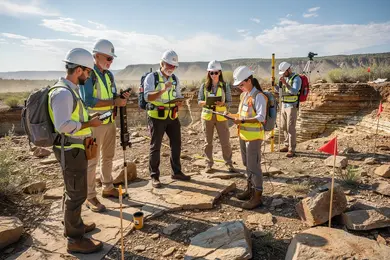
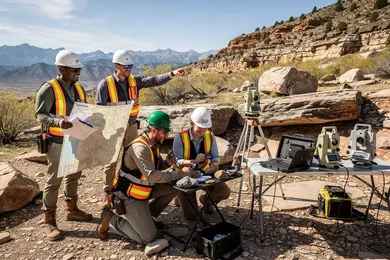
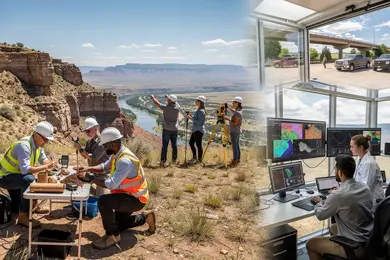
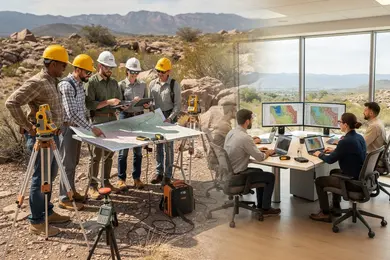
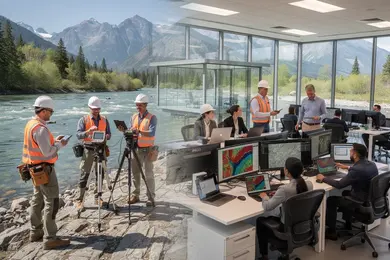
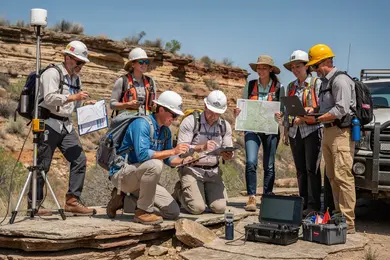
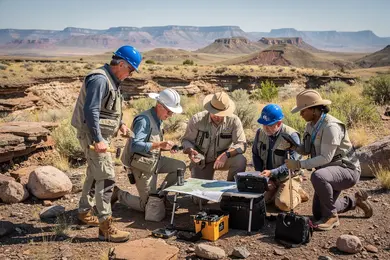
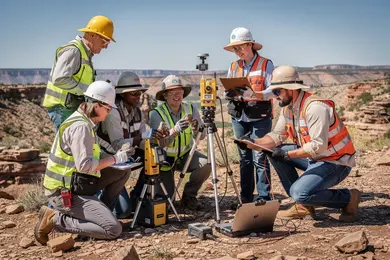
Fieldwork experience is often weighted as heavily as classroom learning by employers hiring earth science technicians. Programs with integrated field components provide practical skills in data collection, equipment handling, and site analysis that cannot be fully replicated in a classroom setting. Prioritizing programs that balance theoretical foundations with substantial fieldwork enhances readiness for technician roles, as employers expect graduates who can immediately engage in outdoor and on-site tasks without extensive retraining.
Programs that emphasize a balanced curriculum across geology, hydrology, and environmental science better prepare graduates for the diverse requirements of technician jobs, which span multiple subfields. Over-specializing in one area may reduce flexibility and limit opportunities in multidisciplinary work environments. Students should select programs that offer comprehensive training to increase employment prospects and adapt to shifts in industry focus or employer needs.
Esri’s ArcGIS Pro Associate and Geographic Information Systems Professional (GISP) credential are the most recognized GIS certifications for technician roles. ArcGIS Pro Associate tests mapping, analysis, and data management skills, while GISP requires documented experience, references, and professional development points through the GIS Certification Institute.
References
- Educational Requirements for IT/Computer Technician Roles https://www.jobmail.co.za/blog/educational-requirements-for-IT-and-computer-technician-roles
- The Geological Society - Degree Accreditation https://www.geolsoc.org.uk/education-and-resources/universities/university-degree-accreditation/
- Certifications https://www.grow-geocareers.com/certifications
- Geology Degree Timeline | ValidGrad https://validgrad.com/blog/how-long-does-it-take-to-get-a-geology-degree/
- Earth science technician https://www.jobsandskills.wa.gov.au/jobswa/occupations/earth-science-technician
- Study Geosciences in Germany - My GUIDE https://www.myguide.de/en/study-mathematics-natural-sciences-in-germany/study-geosciences-in-germany/
- What Is the Difference Between Accredited and Non-Accredited Colleges? https://anchoru.com/what-is-the-difference-between-accredited-and-non-accredited-colleges/
- Earth Science Jobs (with Salaries) - SEEK https://au.seek.com/earth-science-jobs
- Earth science careers — Earth@Home https://earthathome.org/earth-science-careers/
- Log Out Confirmation https://www.testerly.com/en-us/careers/environmental-science-technician/income