2027 Best Online Bachelor's in Geosciences for Research and Field Science Career Paths

Co-Founder and Chief Data Scientist
Field scientists and researchers often confront inflexible degree schedules that clash with demanding, location-variable work, complicating timely credential completion. Nearly 40% of undergraduates in STEM fields now favor online formats, according to the National Center for Education Statistics, revealing a decisive shift toward remote accessibility driven by workforce commitments and geographic mobility. This change reflects real constraints faced by professionals needing career advancement without hiatus or relocation.
For those targeting research or applied environmental roles, selecting an online bachelor's program involves weighing factors like practical lab integration, employer recognition, and flexibility. This article analyzes top online bachelor's in geosciences to clarify choices aligned with career-driven constraints and opportunities.
Key Things You Should Know
- Online bachelor's in geosciences reduce geographic barriers but often limit access to critical hands-on fieldwork; 63% of employers prioritize field experience, compelling students to seek costly internships or supplementary programs.
- Graduates from top accredited programs report 15% higher starting salaries in energy and environmental sectors, signaling employer preference for rigorously vetted curricula amid tightening STEM labor markets.
- Programs with integrated data analytics training mitigate long-term skill obsolescence in a field shifting toward remote sensing and AI modeling, though tuition premiums can exceed 25%, impacting affordability decisions.
What is an online bachelor's in geosciences and how does it prepare you for research and field science careers?
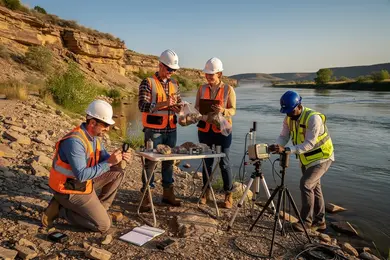
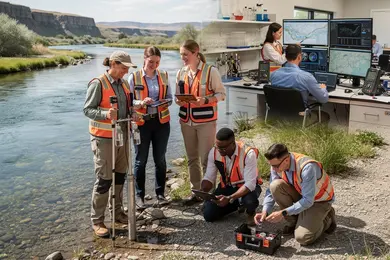
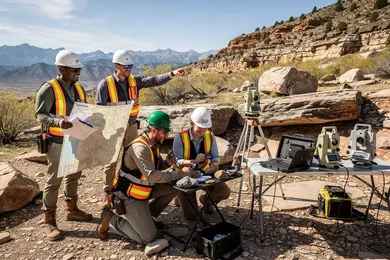
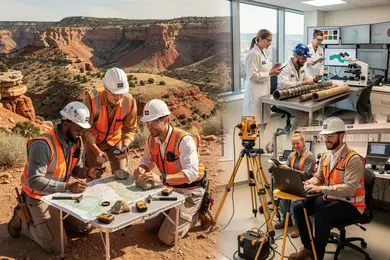
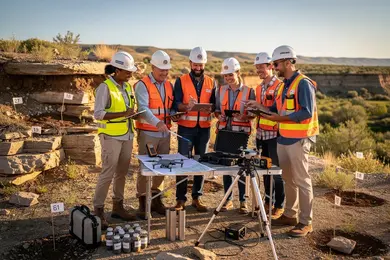
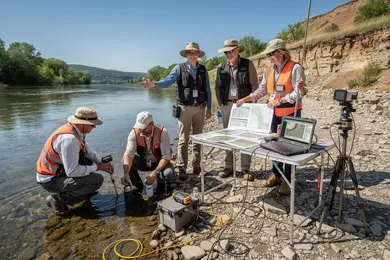
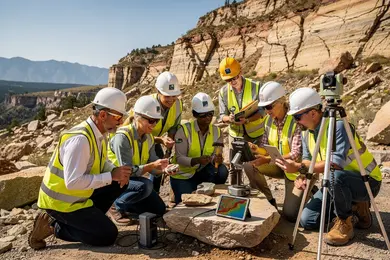
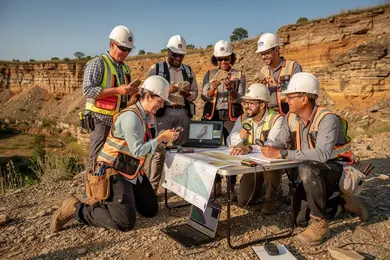
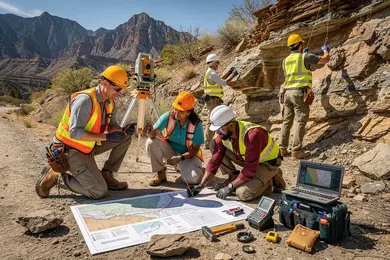
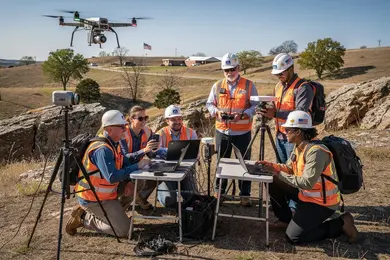
Online bachelor's in geosciences programs for research careers should be assessed not just for curriculum content but for their integration of critical field science career preparation with a geosciences degree. Graduates face tangible challenges if hands-on fieldwork components are absent, as employers demand proven competence in site investigations and geohazard assessments. Programs typically merge theory with applied skills such as GIS mapping, remote sensing, and data interpretation, but without local fieldwork or summer internships arranged beforehand, students risk gaps in practical expertise essential for environmental consulting and natural resource management roles.
Employment growth for geoscientists outpaces the average, with a 7% increase projected from 2022 to 2032 and median wages near $83,680, reflecting market value for those balancing research proficiency with empirical field skills. For working professionals seeking a pivot, programs that offer flexibility while maintaining rigorous, data-intensive coursework and off-campus experiential learning provide a viable pathway. However, logistical demands of field placements can slow progress if not strategically planned.
Students evaluating this pathway should weigh program features against their access to hands-on experience and readiness for technical rigor. Similar strategic considerations appear for career changes in other fields, as detailed in resources addressing transitions such as from teacher to speech language pathologist.
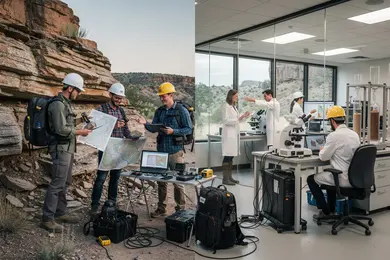
How do online geoscience bachelor's programs compare to on-campus programs for labs, fieldwork, and research experience?
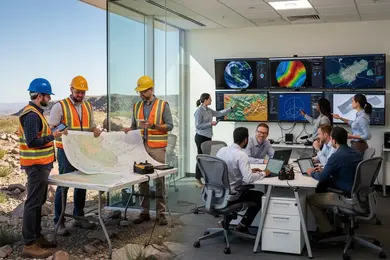
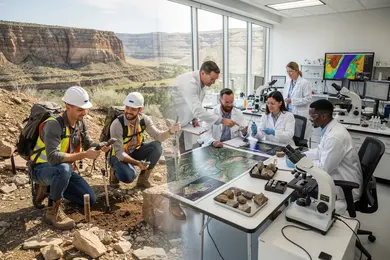
Online geosciences bachelor's programs provide theoretical and computational lab training comparable to on-campus formats but inherently lack consistent, hands-on field experience and direct research opportunities. While virtual labs utilize simulations and remote sensing data to build fundamental skills, they fall short in replicating the tactile, in-person instrumentation and physical sample collection essential in environmental and engineering geology. The American Geosciences Institute notes that approximately 66% of recent geoscience graduates enter geoscience-related roles, often requiring substantial fieldwork, which highlights the operational importance of field experience in employer hiring decisions.
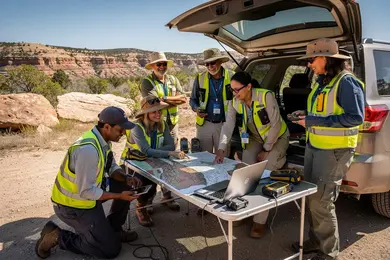
Students in online geosciences bachelor's programs should plan to supplement coursework with local internships, field camps, or employer-provided hands-on training to bridge practical gaps. For instance, a candidate targeting environmental consulting roles must demonstrate field competencies such as soil sampling and geotechnical surveying that virtual curricula alone cannot certify. Employer preferences generally favor documented field experience, pushing online students to seek partnerships with regional research centers or government agencies.
In contrast, on-campus programs embed field courses and lab rotations, offering structured, supervised access to geological tools and projects, which reduces the time needed to develop workplace-ready skills. Yet, online formats offer unmatched flexibility and accessibility, particularly beneficial for working adults or those who cannot relocate. Evaluating these differences against personal circumstances and long-term goals is crucial for aligning with workforce demands and expectations for employment readiness.
Prospective students considering online degrees should also assess how programs integrate research opportunities in online versus on-campus geosciences bachelor's degrees to ensure adequate experiential learning. Those interested in financial considerations may refer to resources on online animal science degree salary for comparative insight applicable across STEM fields.
Which accreditation and institutional quality standards should you look for in an online geoscience degree?
Regional accreditation recognized by the U.S. Department of Education remains the foundational benchmark for evaluating online geoscience degrees in the United States. This regional institutional quality criteria for online geoscience programs confirms academic rigor and smooth credit transferability, which are vital for students targeting graduate-level pathways or competitive employment. Adding programmatic accreditation from bodies such as ABET or endorsements from the American Geosciences Institute further validates curriculum alignment with evolving industry and research standards.
Practical experience is a critical differentiator in geoscience education. Employers in environmental science sectors expect candidates to exhibit tangible skills like field data collection and analysis-requirements underscored by a 6% job growth forecast for environmental scientists between 2022 and 2032 and a median pay nearing $76,480. Online programs that integrate virtual labs, local agency partnerships for fieldwork, or structured internships markedly improve graduates' market viability. Without these elements, students risk lagging behind peers with traditional hands-on training.
Faculty actively engaged in research or industry practice directly influence curriculum relevancy and graduate employability, especially around pressing challenges like climate adaptation or groundwater management. Programs lacking such engagement often deliver outdated content, limiting long-term career growth. Flexible pacing for working adults is another factor, but it must not compromise critical experiential learning.
For professionals entering federal environmental roles, prioritizing Department of Education accreditation alongside robust internships and faculty-vetted curricula offers distinct advantages. It affects licensing eligibility and hiring competitiveness in ways generic regional accreditation or standard online models do not. Parallel to this, students exploring interdisciplinary pathways may benefit from understanding what is library science, given the growing integration of data management in environmental research.
What core courses and specializations are typically offered in an online bachelor's in geosciences?
Choosing core courses in online geosciences bachelor's programs presents a critical tradeoff between theoretical foundation and practical field experience, especially in remote learning contexts. Programs prioritize physical geology, geochemistry, structural geology, and GIS proficiency-essential for roles in environmental consulting and resource exploration-yet must supplement virtual labs to address hands-on skill gaps. Students should scrutinize how programs incorporate applied learning to meet employer expectations for site analysis and field data collection.
Specializations in geosciences for field science careers direct graduates toward distinct labor markets, each with localized demand factors. For example, hydrogeology's focus on groundwater contamination aligns with regions grappling with water quality issues, while petroleum geology emphasizes reservoir characterization vital in oil and gas hubs. Environmental geology prepares students for compliance and remediation roles, a growing necessity amid regulatory complexities.
Employment outcomes data from the U.S. Department of Education reveal online STEM bachelor's graduates achieve comparable workforce integration to on-campus peers within six months, contingent on curriculum rigor and practical exposure. Prospective learners must evaluate program designs to confirm alignment with real-world job requirements. Additionally, those considering a strategic pivot may explore interdisciplinary paths, including programs like an online electrical engineering degree for military veterans, where technical skills complement geoscience expertise.
What are the admission requirements and application materials for online geoscience bachelor's programs?
Admission to online bachelor's programs in geosciences hinges on academic preparation aligned with technical demands typical of the field. Candidates generally need a high school diploma with solid performance in algebra, chemistry, and earth science, supported by official transcripts. Although some programs still request SAT or ACT scores, the growing adoption of test-optional policies after 2024 introduces flexibility for applicants prioritizing demonstrated skills and relevant experience over standardized test results.
Applications must include personal details, academic history, and often a statement of purpose articulating career intent within geosciences. This essay serves as a critical filter, assessing applicants' awareness of industry challenges and genuine interest in scientific research. Letters of recommendation validate these claims by attesting to the applicant's aptitude and work ethic.
For roles demanding spatial data proficiency-such as field or GIS technician-programs often require prerequisites like computer science or GIS coursework, or administer technical skills assessments. Early-career geoscience roles starting near $50,000 annually underscore the importance of technical readiness as a decisive admissions factor.
Applicants pivoting from related fields must submit detailed resumes or portfolios illustrating transferable skills and projects, balancing less rigorous academic records with practical experience. However, the nature of geosciences entails fieldwork or lab components that necessitate local arrangements, even within an online framework.
- Official transcripts emphasizing math and science proficiency
- Statement of purpose detailing career understanding and motivation
- Letters of recommendation from credible academic or professional sources
- Potential technical assessments or prerequisite coursework in GIS or computer science
- Documentation of relevant work experience for career changers
- Preparation for local fieldwork despite online program delivery
How long does it take to earn an online geoscience bachelor's degree, and what does it cost?
Completing an online bachelor's degree in geosciences demands a commitment comparable to on-campus programs, typically spanning four years full-time or up to six years part-time for working professionals. This extended timeline is an essential tradeoff for those needing to maintain employment while studying. Degree requirements generally include 120 to 130 credit hours covering foundational geoscience courses, elective options, and general education.
Cost structures vary significantly by institution and residency status: public state universities typically charge $200 to $400 per credit hour for in-state students, resulting in a total around $24,000 to $52,000, while out-of-state or private institutions can exceed $60,000 with fees and additional expenses. Practical elements such as in-person field practicums remain indispensable despite online delivery, often incurring extra travel and lodging costs that must be planned for.
For students targeting environmental agencies or government roles, programs integrating accredited GIS and remote sensing coursework are strategically advantageous. Over 70% of online geoscience programs in 2026 include at least one such course, a direct response to employer demand for spatial data proficiency. Part-time study suits career changers balancing income with education, though it increases opportunity costs due to prolonged time-to-degree.
- Weigh tuition per credit against total credit requirements and ancillary field expenses.
- Verify accreditation and GIS/remote sensing content aligned with job market needs.
- Consider how schedule flexibility impacts your earning trajectory and career timing.
What entry-level and midcareer jobs can you pursue with an online bachelor's in geosciences?
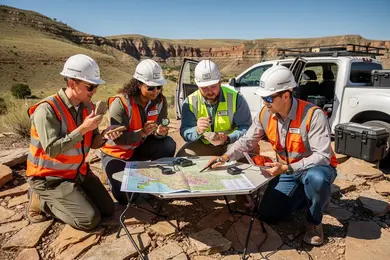
Entry-level positions accessible with an online bachelor's in geosciences commonly require practical skills that extend beyond theoretical understanding. A geological technician at a mining company, for instance, must efficiently collect and catalog rock and soil samples, coupling hands-on adaptability with the ability to prepare accurate data reports for senior geologists. Employers expect proficiency in spatial analysis tools and knowledge of environmental regulations.
Progression into midcareer roles such as hydrogeologist or environmental project manager demands not only stronger technical expertise but also capabilities in project management and stakeholder communication. Hydrogeologists balancing water resource evaluations must integrate regulatory compliance with data modeling, often coordinating between scientific findings and client expectations.
Financially, online geoscience degrees require careful consideration: tuition rates typically fall between $230 and $500 per credit hour, with total costs for a 120-credit program ranging approximately from $27,600 to $60,000. Investing in programs recognized by employers and offering robust internship opportunities can mitigate this expense by enhancing employability.
Students must plan for fieldwork logistics, frequently needing regional internships or certifications like geographic information systems to meet experiential learning requirements. Advancing beyond technician roles generally necessitates acquiring specialized skills often through graduate education or targeted credentials in disciplines such as petroleum geology or environmental compliance.
What salary ranges and job outlook can geoscience graduates expect in research and field science roles?
Starting salaries for geoscience graduates in research and field science roles typically range from $55,000 to $75,000 annually, with median wages reaching $90,000 or more after five years, according to 2024 data from the U.S. Bureau of Labor Statistics. Environmental consulting tends to offer higher initial pay ($60,000 to $80,000) compared to federal agencies like the USGS or EPA, which begin near $55,000 but provide structured advancement. Academic research roles start lower, around $50,000, but may supplement income through grants.
Employers consistently prioritize candidates with hands-on experience gained through field camps or supervised projects. These applied skills, increasingly mandated by curricula, strongly influence hiring decisions and salary growth.
Job prospects in geosciences are expected to grow 6% through 2032, driven by natural resource management and climate-related work. However, those lacking experience in geographic information systems (GIS) or environmental data analysis face significant hiring challenges.
Relocating to hubs focused on energy, mining, or government research enhances job opportunities and salary progression, as remote positions remain rare despite some programs offering online degrees. Maintaining certifications and developing cross-disciplinary skills are essential for moving beyond entry-level roles.
Are there licenses, certifications, or professional memberships that strengthen a geoscience career after an online degree?
Licensing and certifications fundamentally influence the employability and salary trajectory of geoscience professionals who hold online bachelor's degrees. For instance, obtaining a Professional Geologist (PG) license-a multi-step process involving the Fundamentals of Geology exam, supervised experience, and a professional exam-is often a prerequisite for roles with legal accountability in environmental consulting or mining. Without this license, candidates risk limited advancement beyond entry-level positions despite their educational background.
The American Geosciences Institute's Certified Professional Geologist (CPG) credential serves as a supplemental mark of verified expertise, particularly valued in environmental risk assessment and regulatory fields. However, acquiring such certifications requires ongoing professional development and documented experience, reflecting employers' emphasis on sustained competency.
Memberships with organizations like the Geological Society of America (GSA) or American Association of Petroleum Geologists (AAPG) provide practical advantages beyond networking-such as access to niche job opportunities and mentorship critical for online graduates adapting to industry norms.
Salary data indicates that mid-career geoscientists earn between $62,090 and $80,060 annually, while licensed professionals in leadership roles can reach $103,730 to $134,830 or more. This differentiation highlights how credentialing directly correlates with income tiers and career mobility.
Prospective students should anticipate multi-year planning for credential acquisition and align certifications strategically with their chosen subfields to ensure competitive positioning in a credential-conscious labor market.
How can you compare and choose the best online geoscience program for your goals and learning style?
Accreditation status significantly filters viable online geoscience bachelor's programs, with fewer than half reporting ABET or regional institutional accreditation. This directly affects eligibility for government roles and certifications vital in fields such as environmental consulting or hydrogeology. Without recognized accreditation, graduates often face barriers to professional licensure and federal employment.
Programs balancing asynchronous and synchronous learning offer distinct advantages: working professionals benefit from flexibility, while recent high school graduates may prefer real-time interaction to reinforce foundational concepts. Critical too is the integration of Geographic Information Systems (GIS) and remote sensing-fundamental tools expected by employers across geoscience sectors.
Online programs relying exclusively on virtual labs without in-person field components risk underpreparing students for practical spatial analysis and data collection. Students seeking applied experience should prioritize programs with mandatory fieldwork or partnerships providing authentic, hands-on training to avoid gaps in employability.
Cost considerations must weigh against professional support quality. For example, a low-cost online degree lacking strong industry ties may delay job placement compared to a moderately priced accredited program offering internships and career services, even if it requires some relocation for field components.
Evaluate programs by these criteria:
- Clear accreditation visible to employers and licensing bodies
- Balance of virtual and in-person experiential learning
- Schedule formats aligned with personal obligations and learning preferences
- Demonstrated graduate outcomes and employer networks
Other Things You Should Know About Geosciences
Fieldwork remains a cornerstone of geosciences careers, especially for research and applied science roles. Programs that integrate mandatory or optional field components offer a distinct advantage by providing hands-on skills employers expect. Without direct field exposure, graduates may need to seek internships or local opportunities to strengthen practical competencies, which can affect initial employability in field-focused positions.
Online geosciences degrees typically offer flexibility but often require significant self-discipline to manage coursework and lab simulations within compressed timelines. While asynchronous formats help balance study with work, the workload can still be intensive due to technical content and project-based assignments. Prospective students should assess their time management skills and prefer programs with structured milestones for steady progress, ensuring readiness for the field's unpredictable work hours.
Yes. Many accredited online geosciences bachelor’s programs require a capstone, senior seminar, or thesis-style project in the final year. These courses usually run 3 to 6 credit hours and often involve data analysis, literature review, or a faculty-supervised research proposal tied to geology, hydrology, or environmental science.
References
- Working Geoscience https://profession.americangeosciences.org/working/
- How to Choose the Right Online Learning Program for Your Career Goals? https://danielitte.com/blog/how-to-choose-the-right-online-learning-program-for-your-career-goals
- Career Development https://www.geolsoc.org.uk/Geology-Career-Pathways/Careers/Career-Development.html
- How to Choose Online Degree Courses That Match Your Learning Style https://dsuonline.com/resources/blogs/how-to-choose-online-degree-courses-that-match-your-learning-style/
- Geology https://www.ualberta.ca/en/undergraduate-programs/bachelor-of-science-with-major-geology.html
- Best Online Geoscience Courses and Programs | edX https://www.edx.org/learn/geosciences
- Quality Standards and Accreditation of Distance Education Programs in a Pandemic - OJDLA https://ojdla.com/articles/quality-standards-and-accreditation-of-distance-education-programs-in-a-pandemic
- Membership Categories and Requirements - American Institute of Professional Geologists https://aipg.org/page/MembershipCategoriesandRequirements
- Required application documents https://www.vu.lt/en/required-attachments
- Environmentalscience https://www.environmentalscience.org