2027 Online Geosciences Degrees With Energy and Natural Resources Career Alignment

Co-Founder and Chief Data Scientist
Professionals aiming to transition into energy or natural resources often struggle with inflexible education schedules that clash with ongoing employment or geographic constraints. The National Center for Education Statistics reports a 15% surge in online STEM enrollments since 2022, indicating a meaningful shift toward accessible, asynchronous learning models among adult learners. This trend reflects growing recognition that traditional in-person programs fail to accommodate career pivots requiring immediate, practical skill application. For geosciences candidates, balancing credential attainment with workforce demands is critical, as employers increasingly expect specialized expertise without extended downtime.
This article evaluates online geosciences degree options aligned with energy and natural resource careers, focusing on program structure, flexibility, and alignment with evolving industry requirements to guide effective educational investments.
Key Things You Should Know
- Energy-sector hiring projections from the U.S. Bureau of Labor Statistics signal a 5% growth through 2030, yet many online geosciences programs lack the required applied hydrocarbon mapping skills, creating a skills-employment mismatch.
- The average debt for bachelor's-level geosciences graduates rose 12% since 2020, intensifying ROI scrutiny amid stagnating entry wages around $60K, pressuring candidates to prioritize programs with direct employer partnerships.
- Programs offering accelerated 18-month online degrees reduce opportunity costs for midcareer professionals, but often tradeoff depth in resource-focused fieldwork critical for federal agency or O&G employment eligibility.
What is an online geosciences degree and how does it relate to energy and natural resources careers?
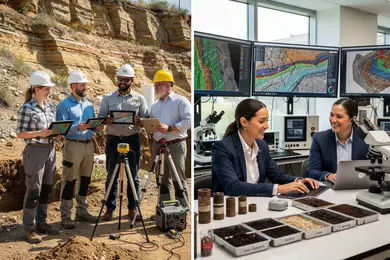
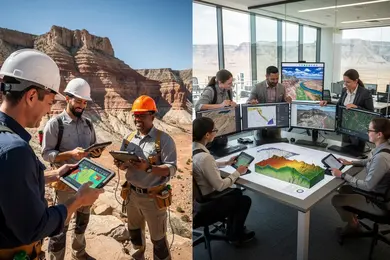
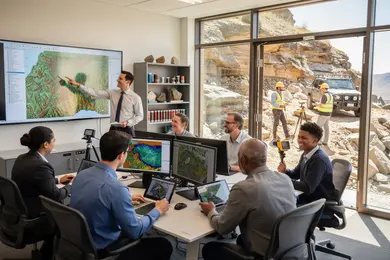
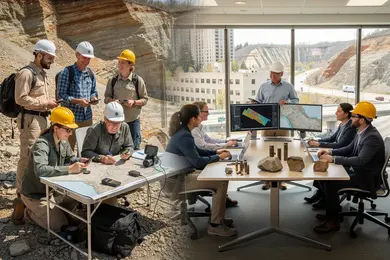
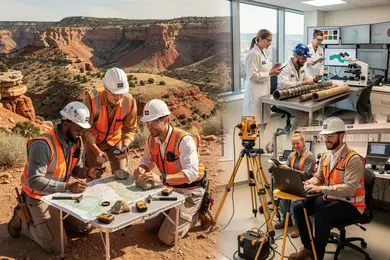
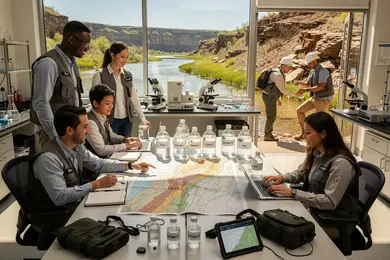
Online geosciences degree programs for energy careers demand a careful balance between theoretical knowledge and practical skills, especially given the field's reliance on hands-on components such as fieldwork and laboratory analysis. Programs that accommodate local partnerships or on-site modules provide essential experiential learning otherwise difficult to replicate virtually. This structure is critical because employers seek graduates with demonstrated abilities in geospatial technology, subsurface modeling, and adherence to evolving regulatory standards tied to sustainable resource management.
Professionals pursuing natural resources career paths with online geosciences degrees benefit from the flexibility to maintain employment while acquiring updated technical skills. However, they should anticipate the challenges of integrating intensive applied learning alongside remote coursework. Common transition opportunities include roles as environmental analysts, energy consultants, or resource planners, each requiring distinct competencies beyond foundational geological knowledge.
The U.S. Bureau of Labor Statistics projects a modest 3% employment growth for geoscientists over the next decade, translating to roughly 2,000 annual openings, reflecting a stable but specialized market influenced by energy policy shifts and environmental regulation. This trend highlights the necessity for graduates to continuously develop niche expertise, particularly in GIS software and sustainable extraction techniques.
Prospective students comparing online geosciences degrees to other STEM options must evaluate program structures for industry engagement and real-world application to ensure competitive positioning. For example, those aiming for a significant career shift might consider the model followed by individuals making a successful pivot from teacher to speech pathologist, relying on programs that combine flexibility with rigorous applied elements.
How do online geosciences programs compare with campus-based options for lab and fieldwork experiences?
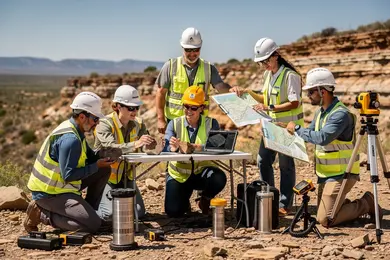
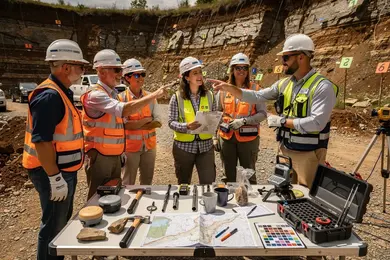
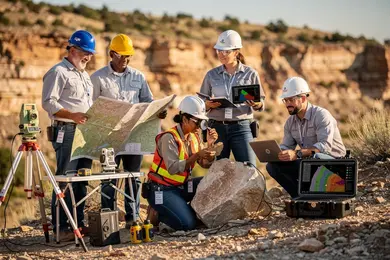
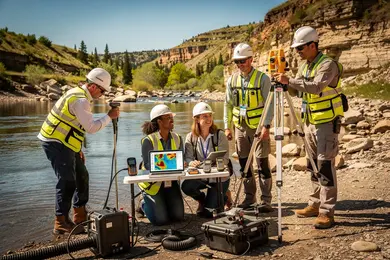
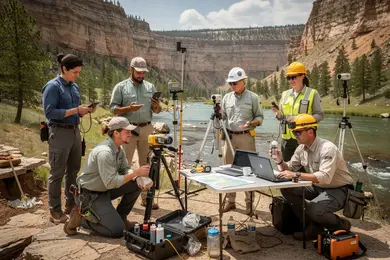
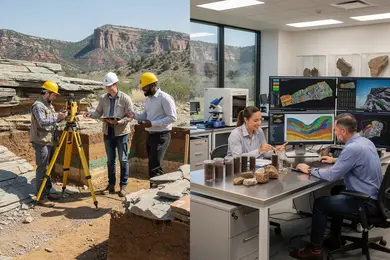
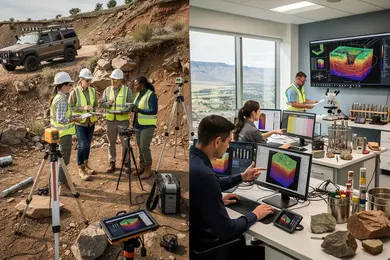
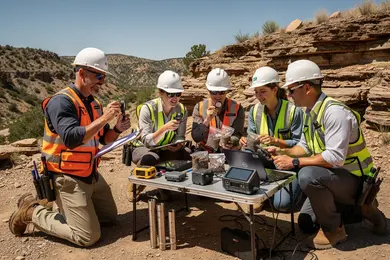
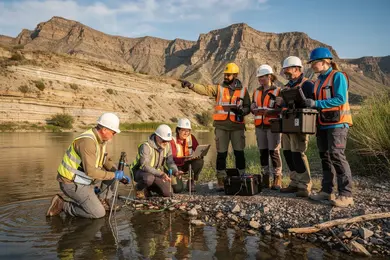
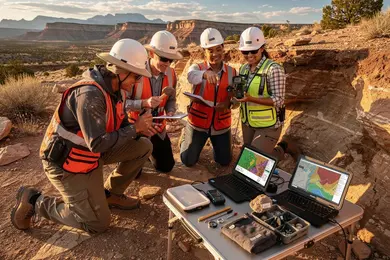
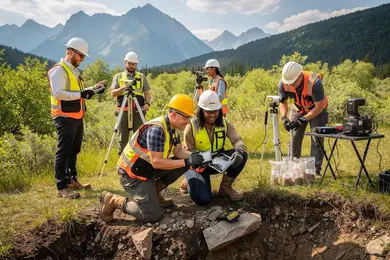
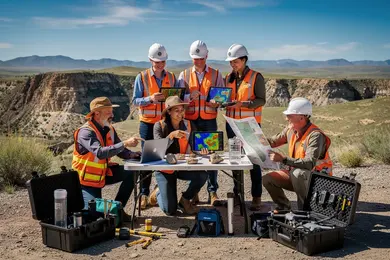
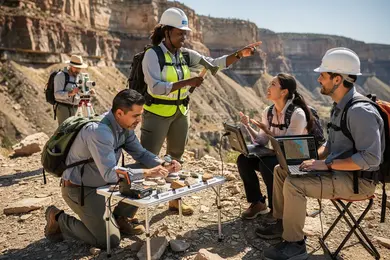
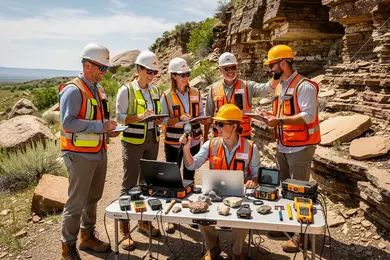
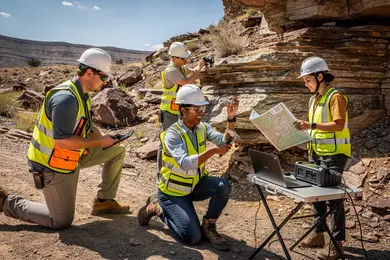
Online geosciences programs consistently fall short of campus-based options in delivering robust lab and fieldwork experience, a critical gap given employer expectations in energy and natural resources sectors. While these programs may offer virtual labs or brief on-site residencies, the depth of hands-on learning-especially in field techniques like stratigraphic mapping and soil sampling-cannot be fully replicated remotely. This creates a distinct disadvantage for those who cannot engage in multi-day, supervised field trips integrated into traditional degree tracks.
For instance, a petroleum geologist involved in reservoir characterization needs fluency with real-world measurement methods that online simulations rarely provide. Employers value candidates with such practical skills, which correlate with higher starting salaries and faster advancement. However, logistical challenges for online learners-travel to field sites, equipment access, and schedule conflicts-can increase costs and disrupt work-life balance, undermining job readiness. Median wages for geoscientists hover around $99,240 annually, reflecting this practical premium.
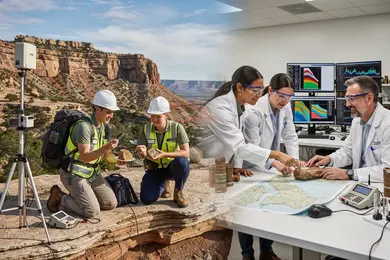
Students weighing campus versus online geosciences programs lab and fieldwork comparison should consider hybrid formats or internships that ensure essential tactile experience. Programs with strong employer ties enable remote students to meet these standards despite geographic barriers. Professionals pursuing an environmental engineering online degree may encounter similar tradeoffs, reinforcing the necessity of planning for in-person components.
Ultimately, those unable to secure direct field experience risk diminished employment prospects in this applied discipline. Strategic enrollment decisions must prioritize authentic field exposure to align with workforce demands rather than convenience alone.
Which types of geosciences degrees best align with energy and natural resources career paths?
Bachelor's degrees with focused tracks in energy geology, petroleum geology, and environmental geoscience align most directly with careers in energy and natural resources. Choosing specializations within Geosciences degree programs aligned with natural resources jobs influences employability by matching technical skills to employer needs in sectors such as oil and gas, mining, and renewable energy. For example, petroleum geology graduates face employment volatility tied to oil price fluctuations, whereas environmental geoscience offers steadier demand but with more variable compensation.
Energy geology programs deliver skills in subsurface analysis and reservoir characterization that transfer across multiple resource sectors, balancing job stability and specialization depth. Practical experience through integrated fieldwork and industry internships substantially raises hiring prospects, particularly in regions with concentrated resource industries like Texas or Colorado.
Employment data from the U.S. Bureau of Labor Statistics shows a 92% workforce absorption rate for bachelor's degree holders in natural resources, which validates focusing on tracks with direct industry application. Students investigating online geosciences degrees for energy sector careers should assess curriculum rigor, geographic advantages, and access to hands-on learning.
In addition to standard program considerations, many applicants explore cross-disciplinary resources. Those interested can review best library science programs for comparative insights into structuring their educational pathways.
How can you verify accreditation and program quality for online geosciences degrees in the U.S.?
Regional accreditation from recognized agencies such as the Higher Learning Commission or Middle States Commission remains the primary benchmark in evaluating online geosciences degree accreditation in the U.S., directly impacting employer acceptance and credit transferability. Specialized accreditation-like that from the Geological Society of America or ABET for geoscience-related programs-adds a practical validation layer by aligning curriculum rigor with industry demands. For students weighing program quality, the 2026 labor market data shows around 80% of earth science graduates work outside traditional geosciences roles, so versatility and transferable skills are critical.
Employers value demonstrable, hands-on experience-fieldwork or virtual labs and internships tied to the energy sector greatly enhance job readiness. Without proficiency in sector-specific data analysis tools or practical exposure, graduates face diminished prospects. Faculty quality and active research engagement further differentiate programs by ensuring updated, relevant content that addresses evolving industry challenges.
Students should also consider institutional policies on credit recognition, especially if planning to transition between online, on-campus, or graduate pathways, as these hinge on proper accreditation. This multi-factor verification approach helps avoid costly missteps when pursuing an online geosciences degree accreditation in the U.S.
For those exploring alternative education routes, a librarian degree online program may offer transferable data management skills valuable in technical sectors.
What core courses and specializations do online geosciences programs offer for energy-focused roles?
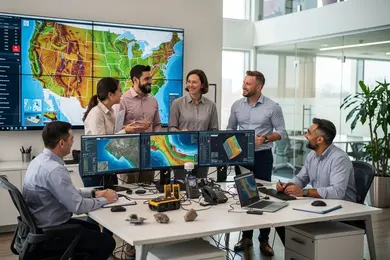
Online geosciences programs oriented toward energy sectors confront a dual challenge: delivering comprehensive foundational knowledge while adapting to evolving employer demands. Core courses in sedimentology, structural geology, geophysics, and petrology are essential but must be complemented by applied skills like seismic interpretation and reservoir characterization to align with roles in fossil fuel exploration and renewable energy projects.
Specializations often focus on petroleum geology, energy resource management, and environmental geology, equipping graduates to handle complex datasets through geostatistics and modeling-key to minimizing exploration risk and optimizing investments. For instance, a petroleum geologist employing remote work must integrate conventional geological methods with GIS and machine learning tools to reduce costly drilling errors.
Employers increasingly require knowledge beyond technical expertise, including environmental impact mitigation and regulatory compliance, areas typically addressed via policy and sustainability electives. This skill blend is vital given the geoscience workforce turnover demand of roughly 2,000 annual U.S. openings, mostly due to retirements.
Students should weigh programs offering virtual labs and field simulations, as these practically replicate field experience often absent from online delivery, directly addressing employer expectations for hands-on competence in energy-related geosciences roles.
What are the typical admission requirements and prerequisite math and science background needed?
Completing an online geosciences degree aligned with energy and natural resources demands more than mere enrollment-it requires a strong quantitative foundation that directly influences employability and academic success. Candidates lacking competency in algebra, calculus, chemistry, and physics often face delayed graduation or difficulty mastering essential geospatial and environmental modeling tools. Employers expect graduates who can effectively interpret complex data, especially in fields like petroleum geology and environmental consulting where technical precision underpins critical decision-making.
Key admission prerequisites typically include:
- Algebra II and Pre-Calculus with Calculus 1 recommended for specialization.
- General Chemistry and introductory Physics I courses, preferably with laboratory experience.
- Basic Earth Science or Introductory Geology to establish domain familiarity for undergraduate entrants.
Graduate applicants must often submit evidence of quantitative aptitude through prior STEM coursework or standardized testing, reflecting the program's technical rigor. Students with backgrounds in engineering or physics may have a competitive edge when pursuing roles tied to natural resource extraction or infrastructure.
Choosing to bypass foundational material risks underperformance in workforce-relevant skills, as natural resources employers value proficiency with geospatial analysis combined with numerical problem-solving. The U.S. Bureau of Labor Statistics reports a median annual wage of $77,860 for degree holders in this domain, indicating worthwhile returns when prerequisites are met.
This pathway demands careful assessment of one's existing math and science preparation against its long-term career utility within competitive, technically driven sectors.
How long do online geosciences degrees take, and what do they cost compared with campus programs?
Online geosciences degrees align in duration with traditional programs but introduce notable tradeoffs in experience and costs. While undergraduate pathways typically span 3 to 4 years, accelerated options leveraging transfer credits can reduce this to 2.5 years. Graduate certificates and master's degrees require 1 to 2 years, with tuition differing significantly between public and private institutions.
Cost analysis reveals public universities charge $300 to $700 per credit hour online, generally 10-20% less than campus rates, while private providers demand $800 to $1,200, mirroring in-person pricing. Total expenses for online bachelor's degrees range from $30,000 to $70,000 versus $35,000 to $85,000 on campus. Transfer credits from community college or military experience can cut costs and timelines by 25% or more.
Employers value transferable skills like environmental assessment and data analysis gained through geosciences programs; however, online students must proactively secure internships since remote formats lack consistent fieldwork access, potentially delaying workforce entry. This gap is critical for sectors such as energy exploration or environmental consulting that prioritize hands-on experience.
- Online degrees offer scheduling flexibility but slower networking opportunities.
- On-campus formats provide richer access to practicums and peer interaction.
- Transfer policies significantly impact overall feasibility and cost-effectiveness.
Decisions between online and on-campus geosciences programs require weighing immediate financial savings against longer-term employability influenced by practical field exposure and professional connections.
What entry-level and advanced careers can an online geosciences degree lead to in energy and natural resources?
Entry-level roles accessible with an online geosciences degree focus heavily on field support, data collection, and environmental monitoring within energy and natural resources. These roles-such as geological technician or junior hydrologist-demand proficiency in GIS tools and fundamental earth science concepts but typically provide limited leadership or specialist responsibilities. Transitioning to advanced positions like petroleum geologist or energy project manager requires deeper expertise in seismic analysis, regulatory frameworks, and resource evaluation, often necessitating graduate education.
Consider a geological technician hired in shale gas exploration. Without further credentials, upward mobility stalls, but obtaining a master's degree can open paths to resource estimation or geophysicist roles. This progression aligns with labor market data showing employers prioritize candidates with graduate training for complex project leadership.
Practical experience through internships or cooperative programs is critical during or soon after completing online studies, as many employers require demonstrated field competencies. Certifications such as Certified Petroleum Geologist enhance employability and promotion opportunities.
Salary prospects vary widely: entry-level environmental monitoring jobs generally range from $50,000 to $65,000 annually, while advanced oil and gas roles commonly exceed $110,000. Advancing beyond technical roles without graduate education is uncommon, limiting access to senior positions managing multi-disciplinary teams and large projects.
What salary ranges and job outlook can geoscience graduates expect in energy and natural resources fields?
Geoscience graduates entering energy and natural resources sectors face a salary range from approximately $70,000 to $130,000 within the initial five years, with management positions surpassing $150,000. Early-career roles, especially in exploration and environmental consulting, typically start between $70,000 and $90,000, whereas mid-career specialists with field expertise can expect $100,000 to $120,000. Scientific and technical consulting represents the fastest-growing segment, driven by rising demand in natural resource management and hazard mitigation, according to the American Geophysical Union and recent workforce analyses.
Employment growth in these geoscience fields outpaces the national average, reflecting sustained needs in sustainable resource extraction, environmental impact assessment, and climate-related analysis. Job opportunities cluster in consulting firms, government agencies, and the energy sector, which increasingly call for quantitative, data modeling, and remote sensing proficiencies. Practical realities include geographic relocation, especially for energy extraction roles in remote or sensitive environments, which can affect personal and professional decision-making.
Internships or cooperative education programs with industry partners remain critical for acquiring relevant experience, while advancing into management or technical consulting often demands supplementary business skills or certifications. Career progression may hinge on this multifaceted expertise beyond core geoscience training. Candidates must weigh the labor market's favorable salary potential against its competitive, evolving demands to shape sustainable career trajectories.
Are there licenses, certifications, or professional society memberships that strengthen geosciences careers?
Licenses, certifications, and society memberships in geosciences are more than formalities; they calibrate a candidate's fit for specific market demands and regulatory environments. For instance, the Professional Geologist (PG) license is often non-negotiable for roles involving environmental compliance or energy resource management, requiring both rigorous exams and about four years of supervised field experience. This extended qualification period can delay entry into some positions but significantly differentiates candidates where public safety and legal accountability matter.
Specialized certifications like Certified Petroleum Geologist (CPG) or Geographic Information Systems Professional (GISP) serve targeted sectors by signaling operational competence. Employers value these credentials as they reduce training time and demonstrate adherence to technical norms, particularly in high-stakes oil, gas, and geospatial roles.
Memberships in organizations such as the American Geosciences Institute (AGI) or Geological Society of America (GSA) provide ongoing access to professional development and networking vital for long-term career sustainability. Research from Acadia University's Department of Earth and Environmental Science shows 56% of recent graduates work in directly related fields, implying that strategic credentialing correlates strongly with employment outcomes.
Prospective candidates should weigh the time and financial investment against targeted industry needs, prioritizing credentials that avoid redundancy while maximizing credibility and advancement potential.
Other Things You Should Know About Geosciences
Online geosciences degrees often use virtual labs, remote data analysis projects, or limited on-site fieldwork to substitute for traditional hands-on training. This approach is adequate for roles focused on data interpretation and modeling but less effective for positions requiring extensive field skills. Prospective students should confirm the extent of in-person components and consider how this matches employer expectations for practical readiness in their target job market.
Online programs offer flexibility, but geosciences curricula demand significant time for complex quantitative coursework and project work. Working professionals must realistically assess their capacity for sustained, focused study, especially in semesters with field-related assignments or intensive lab simulations. Prioritize programs with asynchronous learning and manageable credit loads per term to avoid burnout and maximize learning outcomes.
Programs aligned to energy careers usually expect GIS, remote sensing, and geospatial data analysis skills, plus basic field mapping and sample-logging methods. Some courses also require a short in-person lab or field component, often 1–2 weekends, to practice core instrument and safety procedures.
References
- Geoscience Careers https://education.americangeosciences.org/resources/geoscience-careers/
- Online Geoscience Degrees: Top Schools and All Programs in 2026 https://www.gisdegree.org/online/geoscience-degrees/
- High School Classes Required for College Admission - National Association for College Admission Counseling (NACAC) https://www.nacacnet.org/high-school-classes-required-for-college-admission/
- Working Geoscience https://profession.americangeosciences.org/working/
- The Rock Garden: a preliminary assessment of how campus-based field skills training impacts student confidence in real-world fieldwork https://gc.copernicus.org/articles/7/17/2024/
- Best Online Geoscience Courses and Programs | edX https://www.edx.org/learn/geosciences
- Supporting Geoscience Students https://www.grow-geocareers.com/forgeodepartments
- What Does the Future Demand Look Like for Applied Geoscientists? https://www.aegweb.org/index.php
- Subject requirement (A-G) https://admission.universityofcalifornia.edu/admission-requirements/first-year-requirements/subject-requirement-a-g.html
- The Geological Society - Our Associated Societies https://www.geolsoc.org.uk/about-us/associated-societies/associated-societies-list/