2027 Best Online Geosciences Degrees for Environmental Consulting Careers

Co-Founder and Chief Data Scientist
Environmental consultants frequently encounter the challenge of integrating advanced geosciences expertise while balancing full-time work and other commitments. According to the National Center for Education Statistics, online enrollments surged by 13% in recent years, indicating a clear shift toward flexible learning models tailored for working professionals. This trend highlights a growing need for accessible, accredited programs that offer specialized geosciences training without sacrificing career momentum.
Selecting a program with practical field components, recognized credentials, and employer-relevant curriculum is critical for successful transition or advancement. This article evaluates the best online geosciences degrees to guide students and professionals toward strategic educational investments aligned with environmental consulting careers.
Key Things You Should Know
- Employers increasingly demand GIS and remote sensing proficiency alongside core geosciences knowledge; 62% of environmental consulting firms surveyed by the U.S. Bureau of Labor Statistics in 2024 prioritize candidates' technical software skills, reshaping curricular emphasis.
- Online program costs vary widely, with accredited geosciences degrees ranging from $15,000 to $50,000; accelerated trajectories reduce opportunity costs but limit time for essential fieldwork crucial to environmental consulting credibility.
- Strong regional industry ties in online programs significantly enhance placement rates; programs lacking such partnerships report 25% lower job placement within six months post-graduation, creating a critical tradeoff between national prestige and local employability.
What is an online geosciences degree and how does it prepare you for environmental consulting?
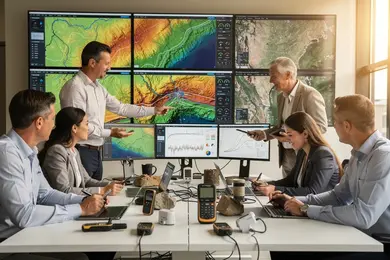
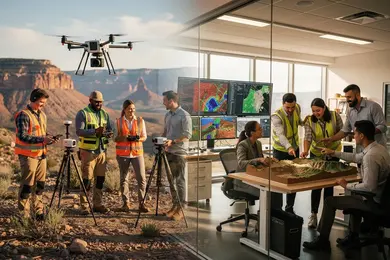
Online geosciences degrees tailored for environmental consulting focus on practical skills that align with employer expectations, notably in interpreting geological data within regulatory frameworks such as EPA standards. Unlike broader science programs, these degrees emphasize hands-on applications using geospatial technologies and remote data analysis to support environmental site assessments, remediation, and compliance projects. For instance, a professional might assess groundwater contamination risks near infrastructure projects remotely, leveraging GIS mapping and field sampling protocols learned online, minimizing onsite expenses and accelerating decisions.
How an online geosciences program prepares students for environmental consulting careers extends beyond theory, integrating case studies on contaminated sites, resource management, and impact assessments. This approach bridges knowledge gaps by combining virtual labs with opportunities for local fieldwork or internships, an essential consideration given employers' preference for candidates with real-world proficiency.
Working professionals benefit from the flexibility of online study, but success depends on disciplined time management and access to practical experiences. U.S. Bureau of Labor Statistics data projects employment growth for geoscientists at 5% through 2034, driven by rising infrastructure needs and tightening environmental regulations, reinforcing the pathway's strategic value.
Prospective students evaluating this pathway should consult resources like geology degree online rankings to identify programs that balance accessibility and employer-aligned training.
Which types of geoscience degrees are best for environmental consulting careers?
Environmental consulting firms expect graduates to possess applied environmental geosciences expertise, emphasizing soil science, hydrology, and regulatory compliance. Degrees titled Environmental Geosciences or Environmental Science with a geoscience concentration align more directly with consulting needs than traditional geology programs, providing skills in site assessment, contamination analysis, Geographic Information Systems (GIS), and environmental impact modeling.
Employers prioritize candidates with hands-on experience in fieldwork and familiarity with EPA guidelines and state-level environmental policies. For instance, specialists addressing hazardous waste sites must understand risk assessment and environmental law-areas often underrepresented in pure geology or geophysics tracks. This skill set is crucial for those targeting environmental consulting roles rather than mineral exploration or corporate geology.
Cost and flexibility are vital for working professionals. Mississippi State Online's 30-credit Environmental Geosciences master's offers in-state tuition at $581 per credit, enabling career pivoting or advancement without interrupting income. Such programs are part of the top online geoscience degree programs for environmental consultants designed for practical deployment in the workforce.
Choosing the best geoscience degrees for environmental consulting careers in the US requires evaluating multidisciplinary curricula with direct ties to environmental assessments, risk management, and regulatory knowledge. Prospective students should consider trade-offs between program focus and employability to ensure alignment with consulting market demands.
Additional insight on affordable graduate programs can be found among the best data science masters, illustrating the importance of cost-effective credentials in technical fields.
How do online geosciences programs compare with on-campus options for field and lab experience?
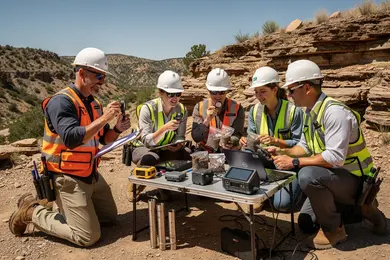
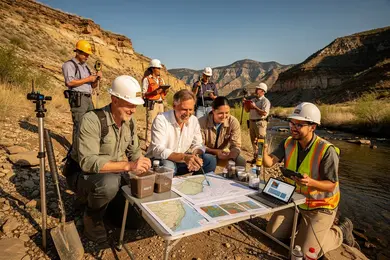
Online geosciences programs can deliver theoretical content on par with on-campus options but encounter significant limitations in hands-on field experience crucial for environmental consulting roles. Incorporating lab and field training in online versus on-campus geosciences degrees reveals stark differences: accredited online programs often mandate in-person field intensives or local lab work to ensure students gain proficiency with geological sampling and industry-standard equipment.
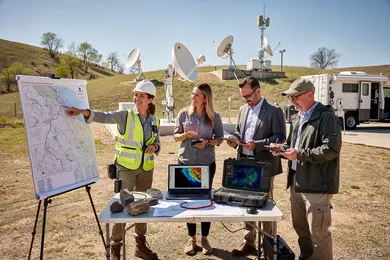
On-campus degrees offer seamless access to multidisciplinary labs, faculty oversight, and frequent field excursions to simulate real-world tasks like environmental site assessments and contamination analysis. These immersive experiences are vital for developing problem-solving skills required in complex regulatory environments. For example, a student specializing in contaminated groundwater assessment must master field instrumentation and soil sample processing-competencies difficult to fully replicate online without regional internships or blended labs.
The median annual wage for geoscientists was $95,890 in May 2025, reflecting employer demand for candidates with verified lab and field expertise. Those pursuing an online curriculum should carefully evaluate program partnerships enabling hands-on field experience and prepare for logistical challenges such as travel to host sites and independent access to specialized equipment and software tools. Balancing the geographic flexibility of online study with these practical tradeoffs is essential to remain competitive in technically demanding consulting roles.
Prospective students weighing a degree in library science may note that, similarly, the integration of applied fieldwork components critically shapes graduate employability in their respective disciplines.
What accreditation and program quality standards should online geosciences degrees meet?
Accreditation standards for online geosciences degrees directly impact graduates' readiness for environmental consulting roles where precision in site assessments and regulatory compliance is mandatory. Candidates emerging from programs lacking regional accreditation recognized by the U.S. Department of Education often face barriers to federal financial aid and skepticism from employers about the rigor and currency of their training. Specialized accreditation or alignment with the Geological Society of America's criteria ensures curricula include applied field skills and scientific methodologies critical for handling complex soil and water data.
Program quality criteria for online geosciences education must go beyond coursework to demonstrate faculty expertise actively engaged in research or industry and incorporate practicum or internship components. The absence of hands-on field experience often leads to diminished employability, especially in positions demanding site contamination evaluations or environmental impact analyses. Graduates without such preparation risk professional underperformance, which can stall career progress despite the field's median annual wage of $80,060, with top specialists earning upwards of $130,000.
Students should scrutinize whether programs require capstone projects that simulate real-world problem-solving and assess if remote learning environments provide sufficient access to laboratory or field opportunities needed for licensure in certain states. The consequences of selecting a program without these elements include both immediate skill gaps and limited advancement potential long-term. For those comparing alternative pathways, programs like the library science masters may share similar accreditation challenges but differ in practical training standards.
What courses and specializations in geosciences are most relevant to environmental consulting work?
Environmental consulting demands specialized geosciences expertise that balances core earth science knowledge with applied skills essential to fieldwork and regulatory contexts. For example, hydrogeology proficiency is indispensable when analyzing groundwater contamination in industrial site cleanups, demonstrating a necessary focus beyond broad academic exposure.
Key coursework areas include:
- Hydrogeology for groundwater assessment and remediation advising
- Environmental geochemistry to understand pollutant dynamics in soil and water
- Geospatial analysis and remote sensing for complex site mapping and data synthesis
- Environmental policy education covering EPA standards and NEPA processes
Entry-level roles typically require a bachelor's degree, as noted by the U.S. Bureau of Labor Statistics, but demand extends into practical lab and software skills such as GIS and mineralogy for effective job performance. Consultants working in mining reclamation need geotechnical analysis capabilities, while those in water resource management must integrate hydrology with regulatory knowledge.
Prospective students must weigh whether to pursue a broad foundational curriculum or deepen niche technical competencies. Overcommitting to narrow skills risks reduced employability amidst evolving client and legal demands. Conversely, too broad a focus may underprepare graduates for specialized consulting challenges.
Employers prioritize demonstrable analytical skills and regulatory familiarity over nominal coursework quantity. Programs offering accredited online degrees can provide flexible pathways but should be evaluated for alignment with hands-on training and market needs to support effective career transitions in environmental geosciences.
What are the typical admissions requirements for online bachelor's and master's geosciences programs?
Admission to online bachelor's geosciences programs often hinges on more than a baseline GPA of around 3.0. Candidates face practical scrutiny of their quantitative aptitude, reflected in required math and science coursework, plus letters of recommendation that must connect clearly to environmental consulting ambitions or related fields. The shift away from mandatory standardized tests in some programs reduces initial barriers but increases reliance on demonstrated academic and professional readiness.
Master's applicants typically need a relevant bachelor's degree with strong emphasis on geology, geography, or environmental science performance. While GRE requirements are fading, meaningful professional experience or research is increasingly decisive, serving as a proxy for real-world skills needed in applied consulting roles. A well-crafted statement of purpose must translate academic credentials into practical goals, signaling alignment with workforce demands.
Financial considerations are substantial. For example, the University of Illinois charges $775 per credit hour for its online environmental geology program, culminating in about $93,000 for a 120-credit bachelor's degree. This price point demands thorough cost-benefit analysis, especially for career changers funding their own education. Applicants and practitioners must balance these tuition costs against anticipated job market traction, recognizing that geosciences roles frequently require both technical competency and field experience beyond academic preparation.
How long do online geosciences degrees take to complete and what do they cost?
The duration and cost of online geosciences degrees vary notably depending on enrollment status and institutional pricing, directly influencing the return on educational investment for aspiring environmental consultants. Full-time study traditionally spans four years with about 120 credit hours required, but part-time or accelerated formats can alter pacing and overall expenses.
For example, Texas State Online's B.S. in Geography and Environmental Studies charges $405 per credit hour, totaling roughly $48,600 for a typical 120-credit program before additional fees. This positions it below average compared to many online environmental or geosciences offerings, potentially easing upfront financial burdens for working professionals balancing job responsibilities.
However, the practical demands of environmental consulting mean that hands-on experience is often valued as highly as academic credentials. Online programs lacking embedded fieldwork or internship arrangements may extend time-to-completion if students need to coordinate external practical training, creating a tradeoff between affordability and expedited entry into the workforce.
Additionally, financial aid options such as employer tuition assistance can mitigate costs but require careful planning to avoid overextension. Flexible pacing is essential for juggling course loads with employment but often increases total investment due to prolonged timelines.
- Students should verify whether local fieldwork partnerships or internships are integrated to meet employer expectations.
- Cost per credit hour significantly impacts total tuition and should be balanced against program quality and scheduling flexibility.
- Delays caused by practical components affect net time to employment, influencing career momentum.
What entry-level and advanced environmental consulting roles can a geosciences degree lead to?
Entry-level environmental consulting roles for graduates with a geosciences degree typically involve practical tasks such as GIS mapping, soil and water sampling, and navigating regulatory frameworks. Positions like environmental technician or junior consultant focus on data collection and site assessments that directly impact remediation planning-for example, identifying contamination zones at industrial sites to inform risk mitigation. These foundational roles demand both technical aptitude and awareness of federal and state regulations.
Advancement beyond entry level generally requires 5-10 years of experience and certifications such as Professional Engineer (PE) or Professional Geologist (PG). Senior consultants and project managers handle oversight of multifaceted environmental studies, regulatory collaboration, and remediation design. In sectors like oil and gas, their assessments of subsurface conditions balance operational efficiency with environmental safeguards, directly influencing project budgets and compliance outcomes.
Balancing work and study remains a significant challenge, particularly as employers favor candidates enrolled in flexible, continuous education programs. Online offerings with multiple enrollment terms allow professionals to adapt their academic progress around fluctuating fieldwork demands, which is critical given seasonal work cycles and project timelines.
Strategic educational planning influences promotion speed and salary growth: those combining practical experience with advanced credentials can expect a 20-30% higher income compared to peers lacking field exposure, according to the Bureau of Labor Statistics. Prioritizing applicable skills and certifications over purely academic credentials is essential for meaningful career progression.
What salaries and job outlook can geoscience graduates expect in environmental consulting?
Environmental consulting within the geosciences sector offers median salaries between $65,000 and $90,000, but this range masks critical variations shaped by specialization, experience, and geography. Entry-level roles hover near $55,000, yet without targeted certifications or regional regulatory knowledge, professionals risk salary stagnation.
For example, municipal water resource consultants typically start at $60,000-$75,000, a range contingent upon strong hydrogeology skills. Conversely, remediation consulting demands more fieldwork with base salaries often above $70,000, but extended project timelines can affect work-life balance. Energy sector compliance roles, especially offshore, command premiums exceeding $90,000 but also involve higher operational risks and mobility requirements.
The Bureau of Labor Statistics projects a moderate 5% employment growth for related environmental science roles through 2032, indicating steady demand but also intensifying competition fueled by a surge of MSc geoscience candidates-58 programs listed for 2025/2026 by Educations.com highlight this saturation. Practical expertise, such as proficiency in GIS, environmental modeling, and clear evidence of continuous learning, increasingly separate competitive candidates.
- Certification like the Certified Environmental Professional (CEP) can translate to salary increases up to 20% but demands ongoing investment in professional development.
- Geographic flexibility and proximity to urban consulting hubs boost earning potential but come with higher living expenses.
- Employers prioritize a hybrid skill set blending geoscience knowledge with software, data analysis, and communication capabilities.
Prospective students should critically weigh the interplay of program reputation, internship access, and specialization focus against these nuanced compensation and employment factors to make strategic educational decisions.
Are any licenses, certifications, or professional credentials needed for environmental consulting in geosciences?
Licensing and certification shape career trajectories in environmental consulting within geosciences, where state-specific regulations and project complexities dictate credentialing demands. The Professional Geologist (PG) license is often mandatory for independently validating geotechnical assessments, requiring successful completion of ASBOG exams, a minimum of four years' industry experience, and adherence to ethical standards. Without this license, professionals risk containment in technical roles lacking authority and limiting salary growth.
Supplementary certifications such as Certified Environmental Professional (CEP) or Certified Hazardous Materials Manager (CHMM) serve as strategic differentiators, particularly in consulting niches involving EPA compliance or environmental risk management. For instance, consultants working on flood zone land-use must demonstrate proficiency in hydrological modeling-skills these certifications validate, impacting both employability and the scope of projects accessible.
Online geoscience degrees with a field-oriented curriculum, like the University of Georgia's focus on sustainability and environmental risk, provide relevant technical grounding. However, students should critically evaluate how these programs align with state licensing prerequisites and practical experience requirements, as academic credentials alone seldom suffice for licensure.
Employers prioritize licensure to mitigate liability and ensure regulatory compliance. Prospective consultants must therefore plan educational pathways around licensing boards' criteria and pursue certifications that reflect expertise in specialized consulting domains. This approach balances market demands with the operational realities of credential acquisition, a crucial consideration when navigating the geosciences professional landscape.
Other Things You Should Know About Geosciences
Most online geosciences degrees still require hands-on work, usually 1 to 2 field courses, a lab science sequence, or an on-campus summer residency. Students should confirm whether the program accepts local lab placements, since environmental consulting employers often expect practical sampling and mapping experience.
Part-time study offers flexibility but extends degree timelines significantly, which can delay entry into or advancement within environmental consulting roles. Full-time online study accelerates completion but demands higher weekly time commitments that may conflict with work responsibilities. Professionals must assess their capacity to juggle work, study, and personal life, prioritizing time management and program pacing that align with career goals and current job demands.
Specialized tracks offer targeted skills directly applicable to environmental consulting, improving job market fit and reducing unnecessary coursework. However, broader curricula provide foundational versatility, enabling career shifts within or beyond consulting. Prioritize specialized programs if you have a clear career direction and immediate consulting goals; choose broader programs if flexibility or interdisciplinary knowledge matters more for your long-term trajectory.
References
- Quality Standards and Accreditation of Distance Education Programs in a Pandemic - OJDLA https://ojdla.com/articles/quality-standards-and-accreditation-of-distance-education-programs-in-a-pandemic
- Geoscience Jobs in Industry https://www.grow-geocareers.com/exploreindustries
- Geosciences Program and Degree Options https://www.coloradomesa.edu/geosciences/degrees.html
- Environmental Consulting Jobs: Career Guide for Science Grads | Extern https://www.extern.com/post/environmental-consulting-jobs-career-guide
- Major to Career: Geosciences https://www.dickinson.edu/info/20107/geosciences/3969/major_to_career_geosciences
- The Need of Accreditation in Online Degree Programs https://www.onlinecu.in/blog/cu/the-importance-of-accreditation-in-online-degree-programs.php
- Geology - ABET https://www.abet.org/accreditation/new-and-developing-program-areas/geology/
- What qualifications do you need to be an environmental consultant? | HSQE Consultancy https://hsqeconsultancy.co.uk/what-qualifications-do-you-need-to-be-an-environmental-consultant/
- Careers in Geoscience: Environment https://www.aig.org.au/education/careers-in-geoscience/careers-in-geoscience-environment/
- Three Benefits of Virtual Labs in College Science Courses - Every Learner Everywhere® https://www.everylearnereverywhere.org/blog/three-benefits-of-virtual-labs-in-college-science-courses/