2027 Online Geosciences Degrees for Environmental Consultant Roles

Co-Founder and Chief Data Scientist
Professionals aiming to transition into environmental consulting face a critical challenge: acquiring specialized geosciences expertise without disrupting ongoing careers or relocating. Traditional in-person programs often conflict with work schedules and family commitments, creating barriers to timely qualification.
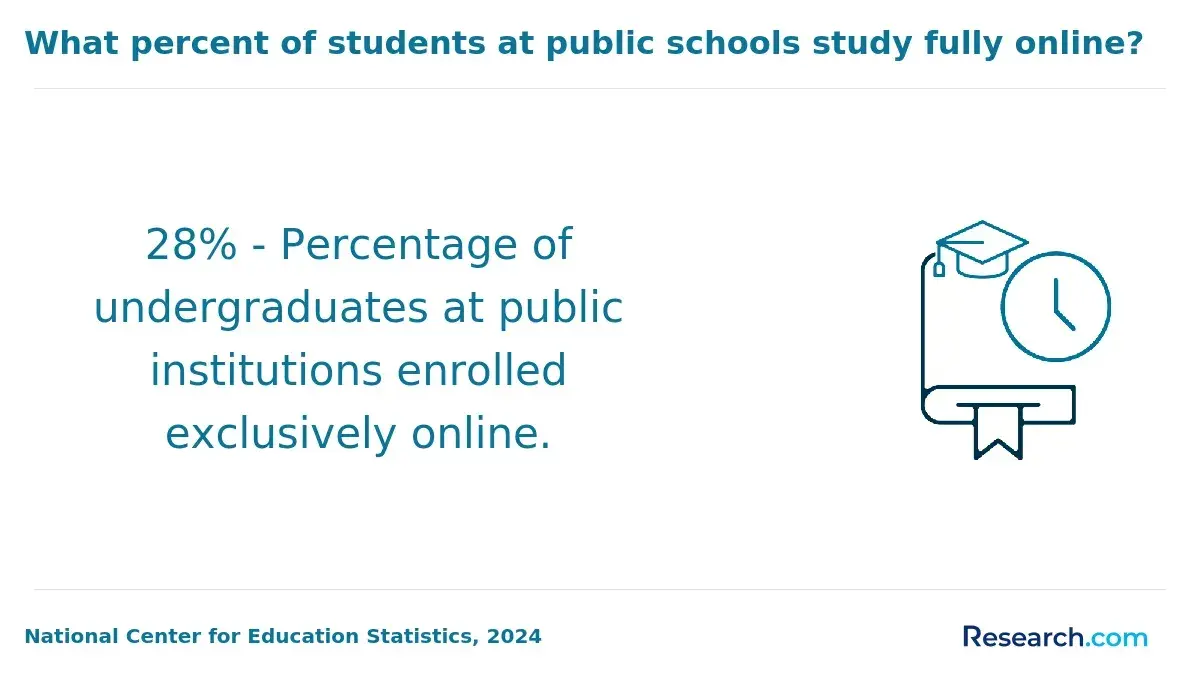
Concurrently, employment projections from the U. S. Bureau of Labor Statistics show a 10% growth in environmental consulting roles through 2032, demanding more flexible academic pathways that align with evolving workforce dynamics. Moreover, National Center for Education Statistics data reveal that 40% of adult learners now prefer fully online programs for accessibility and accelerated completion.
This article examines current online geosciences degrees designed to optimize flexibility, applicability, and career mobility tailored for environmental consultants.
Key Things You Should Know
- Online geosciences degrees typically reduce total program costs by 20%-30%, yet extended completion times, often exceeding 36 months per NCES data, risk delaying entry into rapidly expanding environmental consulting roles.
- Employer surveys from the U.S. Bureau of Labor Statistics in 2024 indicate 42% of environmental consulting firms prioritize candidates with fieldwork-integrated geosciences credentials, challenging purely virtual degree holders.
- The 15% annual growth in environmental remediation jobs demands geosciences graduates with hands-on skills; online programs must balance digital curriculum with affordable, accessible field experiences to remain competitive.
What is an online geosciences degree and how does it prepare you for environmental consulting?
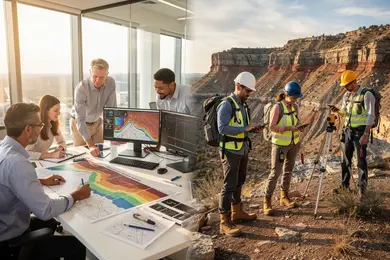
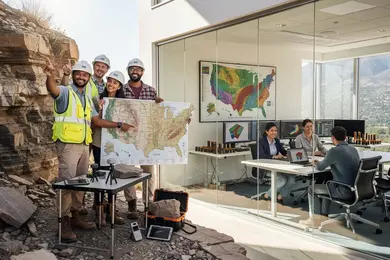
An online geosciences degree for environmental consulting careers focuses on applied skills closely aligned with employer demands in environmental assessment, GIS, hydrogeology, and regulatory compliance. Students gain expertise in interpreting geospatial data and conducting project-based environmental impact studies critical for remediation consulting. This targeted preparation suits professionals balancing ongoing employment with coursework, enabling prompt application of skills to current consulting tasks.
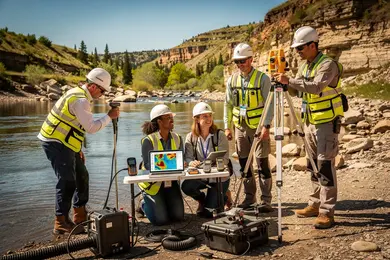
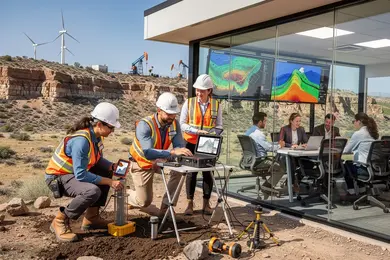
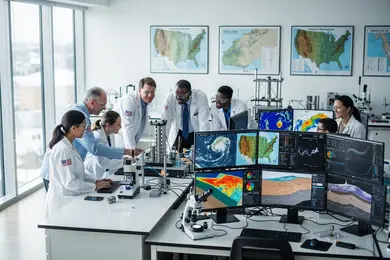
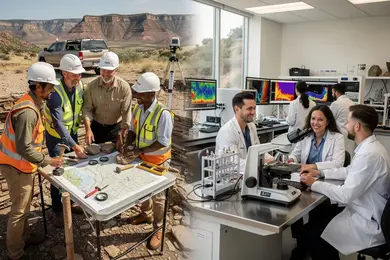
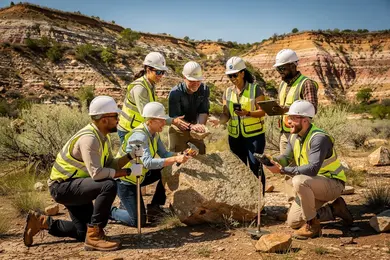
The degree's practical orientation is evident in its use of lab simulations, case analyses, and capstone projects addressing real local environmental challenges. Environmental consulting increasingly requires proficiency in evaluating soil and water quality and designing sustainable alternatives for industrial and municipal clients. Graduates emerge equipped to meet surging demand driven by sectors such as clean energy site evaluation and environmental risk mitigation.
According to the U.S. Department of Energy, global clean energy jobs expanded by about 11-12% between 2023 and 2024, while the candidate pool grew at roughly half that pace. This supply-demand gap underscores how online geosciences graduates fill critical workforce shortages by combining technical knowledge with adaptability and remote collaboration.
The main tradeoff involves fewer in-person field experiences compared to traditional programs, necessitating internships or local practical work to supplement remote learning. Still, the flexibility benefits career changers and geographically constrained students aiming to pivot efficiently, a dynamic seen in other fields such as how to become a speech pathologist. Students evaluating how an online geosciences program prepares environmental consultants should assess curriculum rigor, advisor support, and integration of environmental standards tailored to complex site assessments and compliance audits.
Which types of geoscience degrees best support an environmental consultant career path?
Environmental consulting demands degrees that provide targeted expertise rather than broad geological knowledge. Bachelor's or master's programs specializing in environmental geology or hydrogeology directly address core tasks such as soil contamination assessment, groundwater studies, and regulatory compliance more effectively than general geosciences degrees. For instance, a consultant overseeing a manufacturing site must reconcile hydrogeological findings with environmental law and risk evaluation, skills honed by focused curricula.
Employers expect candidates not only to collect and analyze field data but also to interpret environmental policies and generate compliant reports. Degrees incorporating environmental law, toxicology, or impact assessment coursework hold clear advantages. Conversely, pure geology graduates often encounter employment barriers unless supplemented with certifications or practical training in environmental regulations and GIS technologies.
The best geoscience degree programs for environmental consultant jobs balance theoretical foundation with applied environmental content and field training, accelerating readiness for specialized roles. These pathways align with labor market projections indicating steady demand-8,500 openings annually for environmental scientists and specialists through 2034 at a 4% growth rate.
Prospective students should weigh curriculum focus against practical skill gaps and consider the affordability factor when choosing a program; resources like the cheapest master in data science rankings can provide insights into cost-effective educational options within scientific disciplines.
Types of geoscience degrees for environmental consulting careers vary widely in their immediacy of application to consulting tasks, making targeted program selection essential to meet employer expectations and labor market realities.
How do online geosciences programs compare to on-campus options for future consultants?
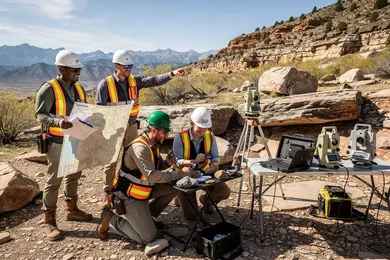
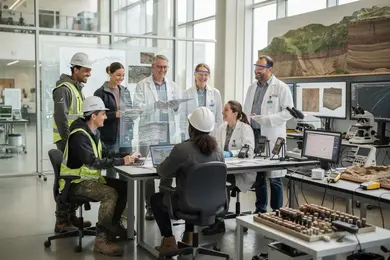
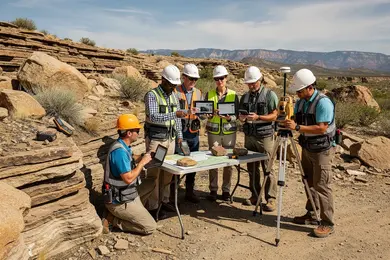
Employers hiring environmental consultants consistently value practical, hands-on experience more than theoretical knowledge alone, a reality that shapes the tradeoffs between online geosciences degree programs versus on-campus options. Campus-based degrees typically provide direct access to labs, fieldwork, and faculty-led research essential for mastering soil analysis, hydrology, and GIS mapping. These elements are often less accessible in fully online settings, where practical exposure depends on added field sessions or securing local internships. Such arrangements require proactive effort and geographic flexibility from students.
For many working professionals, online geosciences education offers a pathway to maintain employment while upgrading skills, but this approach demands intentional networking and applied experience hunting outside coursework to counter potential hiring biases. Salary outcomes for environmental consultants remain competitive, with median earnings near $80,060 and the upper decile exceeding $134,000 annually, yet those figures correlate closely to demonstrable field impact and technical expertise frequently cultivated in on-campus programs.
Students should weigh immediate constraints against long-term career gains. Without direct resource access, online learners must pursue certifications and internships that validate applied skills, aligning with employer trends favoring hybrid credentials combining theory and practice. Those unable to do so may encounter barriers in entry-level placement and progression within consulting roles focused on environmental science.
Professionals evaluating this path may find comparative insights on an online exercise science degree helpful in understanding factors influencing program selection and employment relevance in related science fields.
What accreditation and quality standards should online geosciences programs meet in the U.S.?
Accreditation directly influences the credibility and employability of graduates from online geosciences programs in the U.S. Employers expect candidates to have completed regionally accredited degrees recognized by the U.S. Department of Education and certified by entities like the Council for Higher Education Accreditation (CHEA). Without such accreditation, degrees risk being viewed as lacking essential practical rigor, especially in fields like environmental consulting where applied skills in soil science, hydrology, and environmental impact assessment are critical.
Environmental consulting employers value candidates with both accredited coursework and verifiable field experience, addressing real-world challenges such as site assessments for industrial remediation within regulatory frameworks. This makes program alignment with professional standards from bodies like the American Geosciences Institute essential to ensure relevant competencies.
Workforce data from Appalachian State University reinforce that accredited online programs sustain workplace readiness; approximately 94% of their geosciences graduates enter related fields immediately upon graduation, validating quality standards for U.S. online geosciences degrees despite remote delivery.
Prospective students must verify that online programs mandate approved fieldwork, maintain faculty expertise, and integrate mentorship aligned with industry certifications such as those from the National Association of Environmental Professionals. Neglecting these factors risks delayed eligibility for certifications or additional training expenses.
Those comparing pathways should also consider that online options vary substantially in quality-students exploring decisions in STEM might also investigate options like a computer science online degree to weigh tradeoffs between disciplines and delivery modes.
What courses and specializations in geosciences are most relevant to environmental consulting?
Environmental consulting roles increasingly demand applied skills over theoretical depth, especially in geosciences programs focused on real-world problem-solving within regulatory and field environments. Curriculum elements such as environmental geology, hydrogeology, and contamination assessment directly support activities like site evaluations and compliance monitoring, which are foundational tasks in consulting workflows.
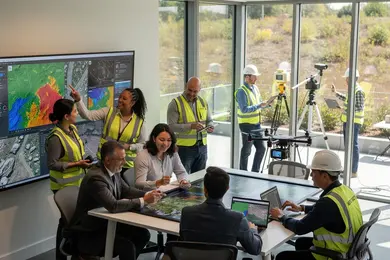
The integration of geographic information systems (GIS) is a decisive factor; with GIS-related environmental consulting roles expected to grow around 5% from 2020 to 2030 and some forecasts suggesting growth near 9% through 2028, proficiency in GIS is not optional but essential. Practical GIS skills enable consultants to map contamination plumes and analyze impact zones, tasks that cannot be reliably automated without human expertise.
Students and professionals should weigh program emphasis between broad theoretical knowledge and hands-on training. The latter, including remote sensing, spatial analysis, and environmental toxicology with risk management, accelerates integration into consulting projects, reducing onboarding time and enabling more immediate contributions.
Consider the example of a consultant assessing groundwater contamination who must swiftly synthesize hydrogeological data, chemical risk parameters, and regulatory standards to deliver actionable recommendations. Programs offering direct exposure to environmental law, permitting, and sustainability also align closely with this role's interdisciplinary demands.
- Applied coursework supports regulatory compliance and remediation planning
- GIS specialization offers clear employment growth and operational utility
- Hands-on projects and real-world datasets improve workforce readiness
- Balancing theory with practical skills influences adaptability in consulting firms
What are the typical admission requirements for online geosciences bachelor's and master's programs?
The practical value of online geosciences programs depends heavily on how well they align with real-world employer expectations, particularly in environmental consulting where applied skills dominate hiring decisions. Bachelor's applicants should demonstrate quantitative strength through transcripts emphasizing math, chemistry, and Earth science, with some programs requiring standardized test scores to confirm readiness. Candidates holding STEM credits or advanced placement tend to navigate admissions more readily.
Master's programs demand not only a relevant bachelor's degree but also prerequisite coursework in geology, calculus, and statistics, often enforcing a minimum GPA near 3.0 to ensure capacity for rigorous analysis. Applicants may need to submit professional statements and letters validating research skills.
A workforce study from Weber State University indicates roughly 20% of graduates in Earth and environmental science enter environmental consulting, underscoring the importance of hands-on training such as fieldwork or lab simulations. Programs lacking these can disadvantage candidates seeking to meet employer criteria in site assessment or regulatory compliance. Those without STEM backgrounds can anticipate longer preparatory tracks, increasing both cost and duration.
Deciding on an online path involves weighing the interplay of admission barriers, program content, and career goals. For instance, individuals targeting government roles-which absorb about 10% of graduates-should prioritize curricula offering environmental policy exposure and federal project experience. Prospective students without foundational STEM knowledge might consider certificate programs first to avoid delays caused by prerequisite catch-up courses.
How long do online geosciences degrees take and what do they typically cost?
Completing an online geosciences degree demands strategic consideration of time, cost, and employer expectations. While associate degrees can be finished in about two years, most environmental consulting roles require a bachelor's degree, typically taking around four years full-time. Part-time paths or accelerated programs alter timelines but may complicate maintaining hands-on experience, which firms increasingly insist upon. Graduate degrees add 1.5 to 3 years and focus on advanced specialization in data analysis and regulatory frameworks relevant to roles involving AI-driven environmental modeling.
Tuition ranges from $300 to $700 per credit hour, which yields a full bachelor's degree cost between roughly $20,000 and $50,000. Additional expenditures for software, virtual labs, and fieldwork run $1,000 to $3,000 annually. Programs with close industry ties may charge premium fees but can enhance job placement prospects-a tradeoff that merits evaluation against one's financial and career timeline constraints.
Environmental consulting firms prioritize professionals combining technical proficiency with practical experience. The geospatial analytics segment is projected to nearly triple by 2030-2035, fueling strong demand for graduates versed not only in geosciences fundamentals but also in emerging ESG reporting standards.
Balancing work, study, and compulsory internships or practicums requires careful planning to avoid extended completion times and ensure competitiveness in a rapidly evolving job market.
What environmental consultant roles can you pursue with an online geosciences degree?
An online geosciences degree equips graduates for environmental consulting roles with a focus on site assessment, regulatory compliance, and natural resource management. Employers seek candidates skilled in soil and water testing, contamination risk analysis, and drafting remediation plans across sectors such as construction, mining, and government. Programs that integrate applied geology, hydrogeology, and environmental chemistry aligned to EPA standards better prepare students for these demands.
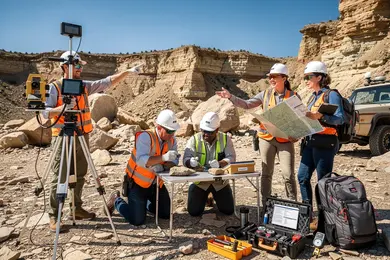
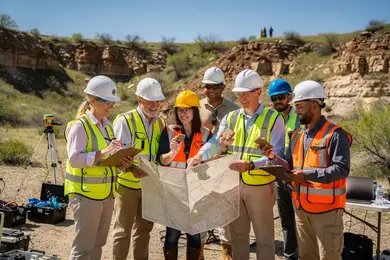
For example, assessing soil contamination at an industrial site earmarked for residential use requires strong data interpretation, federal reporting knowledge, and proficiency in both field sampling and geological modeling software. This blend of technical and regulatory skills is essential given stringent reporting requirements and varied project scopes like brownfield redevelopment or habitat preservation.
Financially, graduates from affordable public institutions often see favorable salary-to-debt ratios, typically above 1.5 within two years, indicating rapid federal loan payoff potential-a vital consideration for career pivots or adult learners balancing other responsibilities.
Certification such as HAZWOPER and state licensure may be mandatory depending on jurisdiction, with additional hands-on training or internships supplementing online curriculum gaps. Selecting programs with strong industry connections and experiential components enhances readiness for evolving environmental regulations and workforce expectations.
What salary ranges and job outlook can geoscience-trained environmental consultants expect?
Environmental consulting roles based on online geosciences degrees present notable salary variability tied directly to skill application and sector. Starting salaries range from $55,000 to $75,000, but professionals with strong data analysis and GIS expertise can push mid-career earnings toward $95,000 or higher. The labor market values candidates who integrate technical competencies with field knowledge, shifting traditional geoscience roles toward analytical and regulatory functions.
Salary ceilings differ across sectors: government positions typically offer $70,000 to $90,000, while private firms may exceed $100,000 after gaining experience. This distinction reflects varying expectations-government roles prioritize regulatory compliance and project management, whereas private consulting often requires advanced certifications and software proficiency. Remote and hybrid jobs increase access but require ongoing investment in skills to stay competitive.
Key factors influencing career progression include continuous upskilling, certifications like Certified Environmental Professional, and the ability to manage complex, data-driven projects tied to environmental policy. Graduates lacking quantitative or GIS abilities face slower wage growth and limited roles in the evolving consulting landscape.
The hiring reality is clear: employers emphasize measurable technical skills over broad geoscience knowledge alone. For students and professionals evaluating online geosciences pathways, this means prioritizing programs and self-directed learning that build data analytics and geospatial competencies alongside field expertise.
How can you choose a reputable online geosciences program aligned with your career goals?
Selecting an online geosciences program for environmental consulting requires prioritizing curricula that reflect industry-specific technical skills and consulting demands rather than generic geological knowledge. The gap between the median pay of geoscientists ($99,240) and cartographers skilled in photogrammetry ($78,380) combined with their respective job growth rates suggests programs emphasizing advanced GIS, remote sensing, and data analysis enhance employability in evolving environmental markets.
Practical considerations include verifying that programs offer direct industry engagement through internships or partnerships, provide access to software commonly used in consulting, and incorporate training on communication and client interaction. These elements are essential, since consultants balance technical expertise with advisory roles.
Students must weigh flexibility against program depth. For example, a short certificate focusing on specialized GIS tools may expedite entry or upskilling but risks limiting understanding of regulatory frameworks and environmental impact assessment crucial for comprehensive consulting projects. Conversely, longer degree pathways better prepare graduates for multifaceted responsibilities but may delay workforce entry.
Ensuring institutional accreditation and transparent graduate employment outcomes provides a measure of program reliability. Given the project-driven nature of environmental consulting, online courses should support asynchronous learning with robust technology platforms and student services to minimize disruptions and completion barriers.
Other Things You Should Know About Geosciences
Employers in environmental consulting often prioritize relevant experience and demonstrated technical skills over whether a degree was earned online or on-campus. However, programs with strong industry ties and internships enhance credibility more than the delivery format alone. Prospective students should prioritize accredited online degrees that include applied components such as fieldwork, project-based learning, or internships, as these align better with employer expectations and practical job readiness.
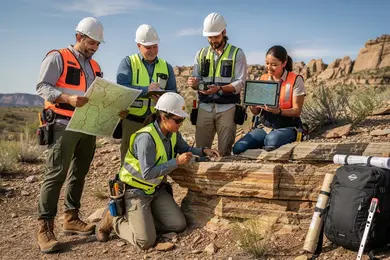
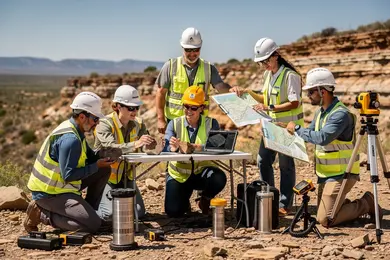
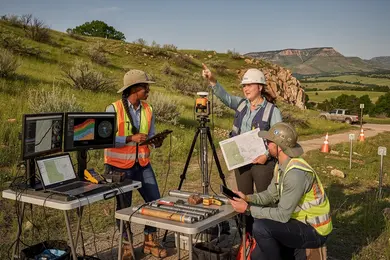
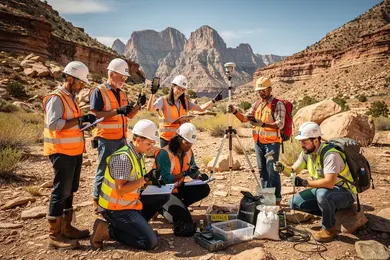
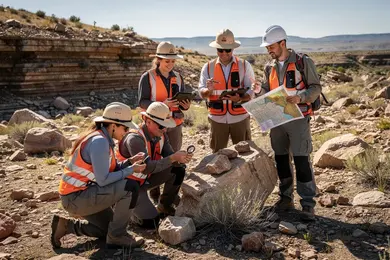
Most programs require at least one field-based geology, hydrology, or environmental sampling component, often totaling 1–3 weekend labs or a short field course. Many employers expect evidence of map reading, soil logging, groundwater sampling, and GPS/GIS field methods before hiring for consulting work.
Specialized online programs focusing on areas like hydrogeology or environmental geology offer deeper technical skills valued in niche consulting roles but may limit flexibility if job market conditions change. Broad programs provide versatile knowledge that suits varied environmental consulting tasks but may require additional certifications or experience to qualify for specialized positions. Students should assess their target employers' preferences and industry demands to decide if specialization or breadth aligns better with their long-term career goals.
References
- The Geological Society - Degree Accreditation https://www.geolsoc.org.uk/education-and-resources/universities/university-degree-accreditation/
- Understanding Academic Accreditation for Online Universities https://www.qahe.org/article/understanding-academic-accreditation-for-online-universities/
- Salary Insights for Environment Consultants https://theenvironmentconsultant.com/2025/02/04/salary-insights-for-environment-consultants/
- What can I do with a geology degree? https://learn.rumie.org/jR/bytes/what-can-i-do-with-a-geology-degree/
- WaterJobsIntel | 500+ Water Engineering Jobs Daily https://jobs.watertechintel.com/blog/environmental-science-job-outlook
- Best Online Geoscience Courses and Programs | edX https://www.edx.org/learn/geosciences
- Environmental Geoscience Major | SUNY Plattsburgh https://www.plattsburgh.edu/programs/environmental-geoscience-major.html
- How to Choose the Right Degree for Your Career Goals https://www.odljain.com/blog/how-to-choose-the-right-degree-program-for-your-career-goals.html
- Recruiting, Retaining, and Promoting Success of Undergraduate Students with Emphasis on Students Underrepresented in the Geosciences https://www.americangeosciences.org/change/sections/recruitment/
- Careers in Geoscience: Environment https://www.aig.org.au/education/careers-in-geoscience/careers-in-geoscience-environment/