2027 Online Geosciences Degrees With Hydrology Concentrations

Co-Founder and Chief Data Scientist
Environmental consultants and water resource managers face a mounting challenge: rapidly evolving hydrological patterns demand real-time data analysis and adaptive expertise while balancing full-time work and geographic constraints. Traditional on-campus geosciences programs often lack the flexibility to accommodate these professionals, with the National Center for Education Statistics noting a 15% uptick in online STEM enrollments between 2022 and 2024, signaling wider demand for accessible, career-aligned learning.
This shift reflects a growing need for modular, interdisciplinary hydrology training that integrates hydrological modeling and watershed management without interrupting career progression. This article identifies top online geosciences degrees with hydrology concentrations to guide informed educational decisions that align with practical workforce demands and personal circumstances.
Key Things You Should Know
- Online geosciences degrees with hydrology focus cost 25% less on average in 2026 but extend time-to-completion by 15%, per National Center for Education Statistics data, impacting opportunity costs for workforce entrants.
- Employers in water resource sectors prioritize practical modeling and data analysis experience over purely academic transcripts, suggesting that programs emphasizing applied skills yield better job placement, according to workforce surveys from the U.S. Geological Survey.
- The growing climate resilience market expects a 22% surge in hydrology roles through 2030, however, 40% of surveyed graduates report skill gaps in emerging remote sensing technologies, creating critical upskilling bottlenecks.
What are online geosciences degrees with hydrology concentrations?
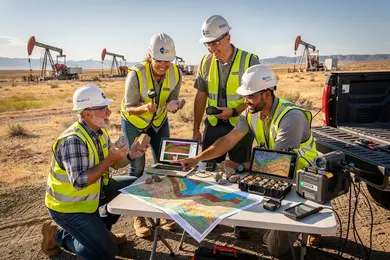
Online geosciences degree programs with hydrology focus equip learners with core geoscience knowledge alongside practical skills tailored to water systems and watershed management, delivered entirely online. A typical student might be an environmental science professional pivoting into hydrology, requiring instruction on tools like remote sensing, GIS applications, and hydrologic modeling without pausing employment or relocating. These degrees address essential competencies employers seek-groundwater flow analysis, water quality assessment, and regulatory compliance-though candidates must critically evaluate the availability of virtual labs and local fieldwork since program design varies greatly.
Hydrology concentrations in geosciences bachelor's online are particularly useful when they offer electives adapted to regional water resource characteristics, addressing the practical challenge of site-specific knowledge for field deployment. Students should consider partnership opportunities enabling hands-on experience, as purely theoretical training risks underpreparation for real-world assignments.
From the workforce perspective, graduates typically enter hydrologist roles with a median annual wage of $85,990, aligning with demand in environmental engineering and government sectors. Competition remains significant; strategically supplementing a degree with certifications in GIS or water treatment adds valuable differentiation. For those evaluating transitions similar to a speech language pathologist salary reconsideration, understanding cohort-specific labor market context is critical to realistic career planning.
Are online geosciences programs accredited and employer-recognized?
Online geosciences degrees with hydrology concentrations that lack regional or specialized accreditation face limited employer recognition, particularly within federal and state environmental agencies. Agencies like the Environmental Protection Agency and the U.S. Geological Survey mandate accredited credentials for technical roles, making program accreditation a critical determinant of eligibility for licensure and certification. Without such accreditation, graduates risk significant barriers to entering or advancing in the water resource management job market.
Cost is a significant consideration when selecting an accredited program. For instance, the University of Oklahoma's online M.E.S. in Hydrology and Water Security charges $1,015 per credit hour, totaling $30,450 before additional costs. This considerable investment may be justified if the curriculum's structure incorporates applied experiences, such as internships or capstone projects, that employers value highly for ensuring workforce readiness.
Applicants shifting careers or seeking specialized roles in hydrogeology science or water resource planning should carefully verify whether prospective programs meet state licensure or federal employment standards. Selecting an online geosciences degree with hydrology concentrations accreditation is a safeguard against post-graduation credentialing delays and underemployment. Key decision factors include:
- Accreditation status aligned with employer standards
- Program transparency regarding industry partnerships and outcomes
- Balanced cost vs. practical training elements
Those researching adjacent scientific fields may also want to compare economic returns, as detailed in the online animal science degree salary analyses, to contextualize potential earnings alongside investment.
How do online and campus hydrology programs compare?
Choosing between online hydrology degree programs versus campus options demands weighing practical skill development against flexibility and cost. Online programs offer access without relocation or career interruption, beneficial for working professionals seeking credentials; however, these typically lack embedded fieldwork and immediate lab training critical in environmental consulting and water resource management roles. Students pursuing an online pathway often must independently secure internships or hands-on experiences to match employer expectations.
Campus programs provide direct engagement with research facilities and expert faculty, fostering proficiency in specialized methods like watershed modeling and remote sensing. This immersion translates into higher starting salaries-10-15% above those of most online graduates-due to greater practical readiness, according to Bureau of Labor Statistics data. Nonetheless, campus tuition tends to be 20-40% higher, in addition to potential relocation costs.
Southern New Hampshire University's online geosciences bachelor's degree lists tuition at $31,860 post-transfer credit, a notably competitive rate compared to traditional programs exceeding $45,000 annually. For students evaluating differences between online and traditional hydrology studies, understanding these financial and experiential tradeoffs is essential to align education with targeted workforce demands.
Federal and state agencies prioritize candidates with verifiable field experience alongside academic credentials. Practical preparation remains key despite academic achievement. For broader strategic planning within related areas, some may also consider pursuing a library science masters to complement interdisciplinary skill sets in environmental data management.
What courses are in a hydrology concentration?
Students pursuing hydrology coursework in online geosciences degrees must navigate a demanding balance between technical rigor and practical application. Core subjects in hydrology concentration programs typically cover fluid mechanics, hydrologic data analysis, hydrogeology, and water resource engineering. These foundations are essential for roles requiring accurate flood risk prediction, water system design, and sustainable resource management across environmental consulting, urban planning, and agriculture.
The curriculum usually integrates advanced geospatial analysis using GIS, environmental chemistry, and soil science to address complex watershed management and contamination transport challenges. This multi-disciplinary structure underlines the real-world expectation for professionals to manage diverse data and regulatory compliance efficiently.
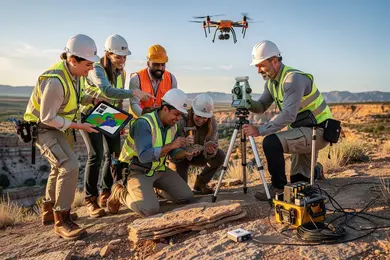
Practical training includes instrumentation with sensors and data loggers, critical for positions in government agencies and private firms conducting water quality or hydrologic field studies. The workload can be substantial-as exemplified by programs like the University of New Hampshire's Hydrology option requiring 128 credits-reflecting the comprehensive knowledge necessary to meet employer standards.
For working professionals considering a shift, mastering quantitative methods and software tools is non-negotiable for employability in water resource management and environmental impact roles. Prospective students should evaluate the effort-to-benefit ratio carefully to avoid pitfalls in this technically demanding field.
Those interested may also consider alternatives in graduate education, such as an affordable library science degree online, depending on their career objectives and aptitude for hydrologic sciences.
What admission requirements do these programs usually require?
The admission bar for online geosciences degrees with hydrology concentrations reflects the technical demands of the field, requiring demonstrable proficiency in calculus, chemistry, physics, and earth sciences. Programs typically expect at least a 3.0 GPA and may conditionally admit those lacking a geosciences background with prerequisite coursework. This creates a clear dividing line between candidates ready to engage in complex hydrological modeling and data analysis and those who must first shore up foundational knowledge.
Standardized test requirements vary; some programs waive the GRE for applicants with relevant professional experience, which demonstrates the sector's openness to non-traditional students ready to pivot or deepen expertise. Letters of recommendation and statements of purpose remain critical filters, especially in programs with limited seats, assessing alignment between career objectives and rigorous quantitative demands.
For example, a working environmental consultant seeking to shift into hydrology might leverage professional experience in lieu of formal prerequisites, accelerating admission and entry into advanced studies. Meanwhile, doctoral tracks emphasize prior research to confirm candidates' capacity for independent investigation and contributions to the field.
The financial investment should be weighed against labor market outcomes: median wages for hydrologists sit near $85,990, while natural sciences managers exceed $144,440. This gap highlights the merit of admissions standards focused on long-term trajectory rather than immediate entry.
How long does an online geosciences degree take and cost?
Completing an online geosciences degree with a hydrology focus requires a measured commitment, typically four years full-time for a bachelor's, extending to five or six years for part-time learners balancing employment. Master's programs add another 1.5 to 3 years, often with thesis or applied projects demanding significant time beyond coursework. These timelines directly influence earning potential and workforce re-entry strategies.
Tuition varies widely: in-state online programs average $10,000 to $25,000 annually, while private or out-of-state students may face $30,000 or more. Total bachelor's tuition generally totals $40,000 to $100,000, exclusive of fees for technology or exam proctoring, which can add $1,000 to $3,000 yearly. Employer tuition support and veteran benefits can mitigate costs but factoring in lost wages when reducing work hours is critical for realistic budgeting.
Professionals aiming to pivot into hydrology from technical roles should prioritize programs with applied coursework and industry ties, which enhance employer recognition and skill relevance. Given requirements for regional accreditation in environmental consulting and government roles, selecting credible institutions over unaccredited providers is essential despite potential cost savings.
The U.S. Bureau of Labor Statistics projects a modest 3% job growth for geoscientists through 2034, signaling a competitive employment landscape. Opting for accelerated programs can shorten completion times but may conflict with employment demands, especially where hands-on labs or fieldwork are required.
What skills and lab experience do hydrology students need?
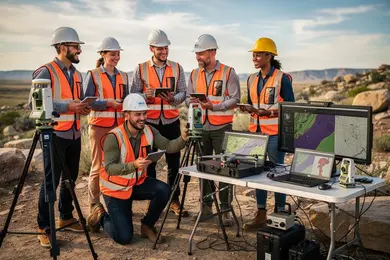
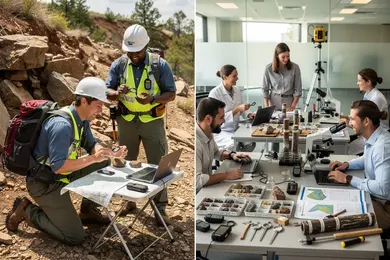
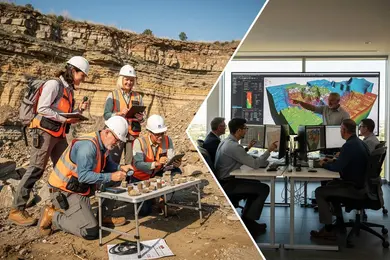
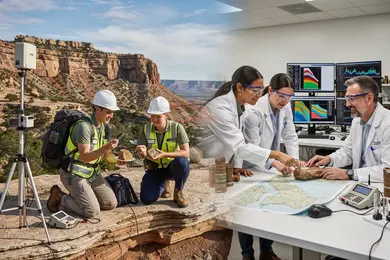
Hydrology students face a demanding balance between mastering quantitative modeling and acquiring hands-on lab experience critical for effective environmental consulting and civil engineering roles. Proficiency in hydrologic software like HEC-HMS and MODFLOW is no longer optional; it's fundamental for simulating water flows and groundwater interactions essential in both infrastructure planning and regulatory policy analysis. GIS-based geospatial analysis skills further extend their capacity to manage watersheds and address contamination risks that influence public health decisions.
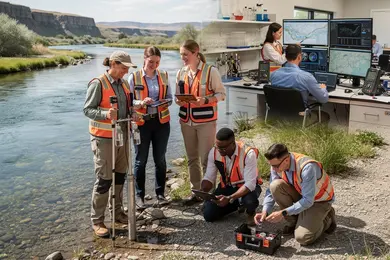
Practical lab competencies include water quality testing, sediment transport evaluation, and field instrument calibration-elements that underpin the validation of complex hydrologic models. For example, professionals assigned to public water safety must accurately interpret lab data within strict regulatory frameworks to prevent potential health hazards. This expectation drives employers to seek graduates who can synthesize lab outputs with policy constraints while handling unpredictable field conditions.
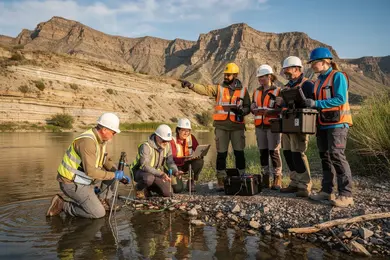
Real-world employment acknowledges the logistical challenges inherent in hydrology: time-intensive field data collection, variable environmental factors, and the need for precise communication skills to report findings. These factors require students to develop both technical rigor and adaptability. Programs that underemphasize these tradeoffs may leave graduates less prepared for interdisciplinary roles spanning environmental regulation, civil infrastructure, and water resource management.
According to the University of Texas at Austin, hydrology training must encompass a broad skill set to remain relevant across sectors. This holistic preparation supports strategic positioning for specialized roles where technical mastery and practical agility intersect.
What jobs can you get with a hydrology concentration?
Hydrology-focused careers require more than foundational knowledge; employers seek candidates capable of integrating hydrogeologic modeling, watershed management, and regulatory interaction under complex environmental conditions. For instance, hydrogeologists working with public utilities must navigate contamination mitigation while aligning with municipal water supply mandates, demonstrating how applied expertise directly impacts community health and policy compliance.
Advancement into senior or research-intensive positions typically necessitates graduate specialization, with the University of Nevada, Reno's doctoral hydrogeology program requiring an additional 60 credits post-bachelor's to ensure mastery for independent project leadership or academic roles. This step is often indispensable for engagement with federal entities like the U.S. Geological Survey or environmental organizations where data rigor and policy influence are paramount.
State licensing standards present a variable yet critical barrier, involving practical experience and exam success beyond formal education. Prospective hydrologists must evaluate whether to prioritize advanced degrees or targeted certifications based on employer expectations and regional demand, particularly as job availability concentrates in water-stressed areas, influencing relocation choices.
Essential technical competencies now extend beyond hydrology to include GIS, remote sensing, and data analytics. Graduates who cultivate interdisciplinary skills-for example, by participating in environmental impact assessments or water quality monitoring-improve their marketability and future resilience in evolving geosciences roles.
What salary can hydrology graduates expect?
Hydrology graduates face a nuanced salary landscape shaped by employer type, location, and specialized expertise. Entry-level salaries typically range from $60,000 in government roles-such as at the U.S. Geological Survey or Environmental Protection Agency-to about $70,000 with private sector employers. The latter often offer higher ceilings linked to technical specialization or project management responsibilities.
Within five years, median salaries can rise to around $90,000, particularly when advanced degrees and certifications in GIS or data modeling complement practical experience. For career changers from other geosciences disciplines, demonstrated skills in hydrologic modeling or regulatory compliance significantly influence earning potential.
Geographical factors also impact compensation. Areas with intense water management challenges like California or Texas often provide 10-15% higher starting salaries; however, public sector roles typically exhibit slower wage progression compared to private firms. Professionals focusing on urban stormwater infrastructure-a field demanding regulatory navigation and public health considerations-command premium pay reflecting the complexity of their work.
Applicants targeting selective programs such as the University of Oklahoma's online hydrology and water security master's must maintain solid academic performance (minimum 3.0 GPA), reflecting employer expectations for technical proficiency alongside credentials.
Effective salary negotiation requires balancing these variables: location, sector, degree level, certifications, and demonstrated project experience.
What certifications or licenses may hydrology graduates need?
Hydrology careers that involve engineering responsibilities-such as designing water supply or flood control infrastructure-typically require a Professional Engineer (PE) license. This credential demands passing the Fundamentals of Engineering (FE) exam, acquiring four years of relevant experience, and passing a specialized PE exam. Without this license, opportunities to lead regulatory projects or assume public safety responsibilities are often inaccessible.
Alternatively, roles concentrated on research, data analysis, or policy advisement usually do not mandate a PE license. The Certified Hydrologist credential from the American Institute of Hydrology offers professional recognition by validating expertise through documented experience and a rigorous exam. Although it's not legally required, this certification can enhance employability in purely scientific or advisory contexts.
State-specific water rights licenses come into play when managing watershed projects governed by local statutes, adding another layer of regulatory complexity. Federal agencies such as the US Geological Survey prioritize security clearances and technical training over formal licensure, reflecting differing organizational needs within the hydrologic workforce.
From an economic standpoint, the median wage of $85,990 reported by the University of Texas at Austin, based on Bureau of Labor Statistics data, illustrates how licensure can correlate with higher compensation. Prospective professionals must balance the substantial time and financial investment of licensure against the access it provides to higher-tier roles and projects requiring compliance oversight.
Other Things You Should Know About Geosciences
Many online geosciences programs offer asynchronous coursework to accommodate working professionals, but the intensity of hydrology concentrations often demands considerable time for complex data analysis and project work. Students should prioritize programs with structured support and manageable workloads that balance theory with applied skills. Choosing a program lacking flexible deadlines or sufficient faculty access can hinder progress and limit practical learning on top of a full-time job.
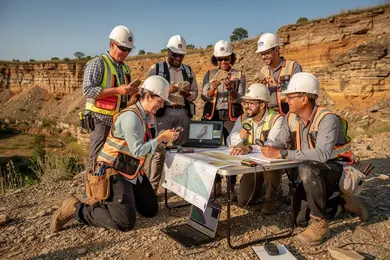
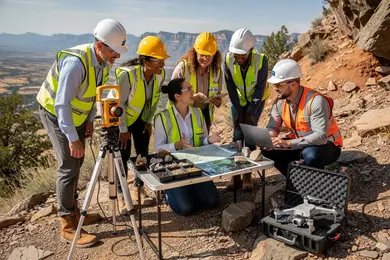
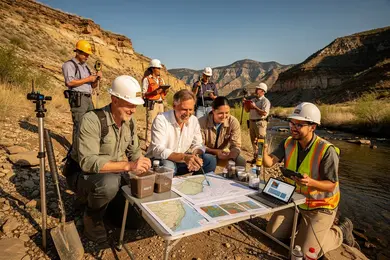
Many programs require a field component even when coursework is online. Expect one or more field labs, a weekend or summer residency, or supervised local data collection to satisfy upper-division hydrology and geoscience requirements. Programs usually state these expectations in the curriculum and enrollment policies.
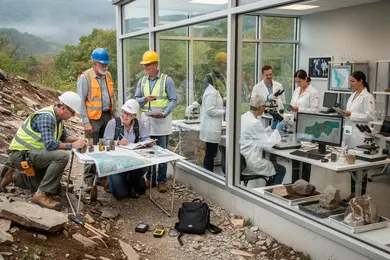
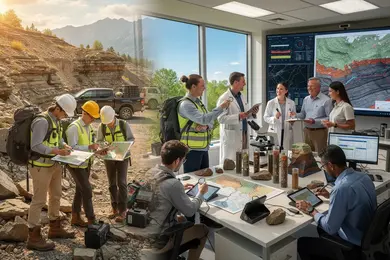
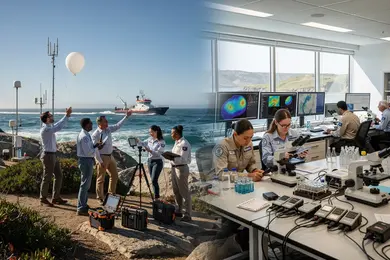
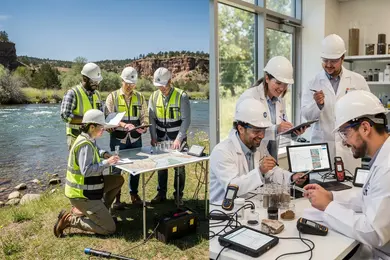
Lab-based training in hydrology requires hands-on experience with GIS software, modeling tools, and sometimes field data collection, which is challenging to replicate fully online. Programs that rely heavily on virtual labs may limit mastery of practical skills vital for many employers. Prospective students should assess whether programs offer local lab partnerships or simulated environments that closely mimic real-world applications to ensure readiness for professional demands.
Students must focus on programs that combine robust hydrology coursework with strong technical training in data analysis and hydrological modeling software, as these are critical to job performance. Accreditation and employer recognition are baseline requirements but do not guarantee relevant skill development. Additionally, students should evaluate the depth of applied fieldwork opportunities and career services to connect academic learning directly to workforce needs, optimizing their long-term career trajectory.
References
- Hydrology Jobs: Water Management & Water Protection jobs | https://www.gogeogo.com/en/job-category/hydrology-jobs
- Careers | NZHS | The New Zealand Hydrological Society https://www.hydrologynz.org.nz/careers
- Hydrologist - OnlineCollege.org https://www.onlinecollege.org/jobs/energy-environment/hydrologist/
- Careers in Hydrology - British Hydrological Society https://hydrology.org.uk/careers-education/careers-in-hydrology/
- Online Geoscience Degrees: Top Schools and All Programs in 2026 https://www.gisdegree.org/online/geoscience-degrees/
- The Geological Society - Degree Accreditation https://www.geolsoc.org.uk/education-and-resources/universities/university-degree-accreditation/
- Certification https://aihydrology.org/certrequirements/
- What Do Colleges Look For in Students? https://www.collegedata.com/resources/getting-in/what-do-colleges-look-for-in-students
- Hydrologist https://forestrycareers.com/explore-green-jobs/hydrologist/
- ABET Accreditation a Clear Pathway to Professional Geologist and Geologist in Training Licensure Under New California Regulations - ABET https://www.abet.org/abet-accreditation-a-clear-pathway-to-professional-geologist-and-geologist-in-training-licensure-under-new-california-regulations/