2027 First Geosciences Roles for Field-Oriented Students

Co-Founder and Chief Data Scientist
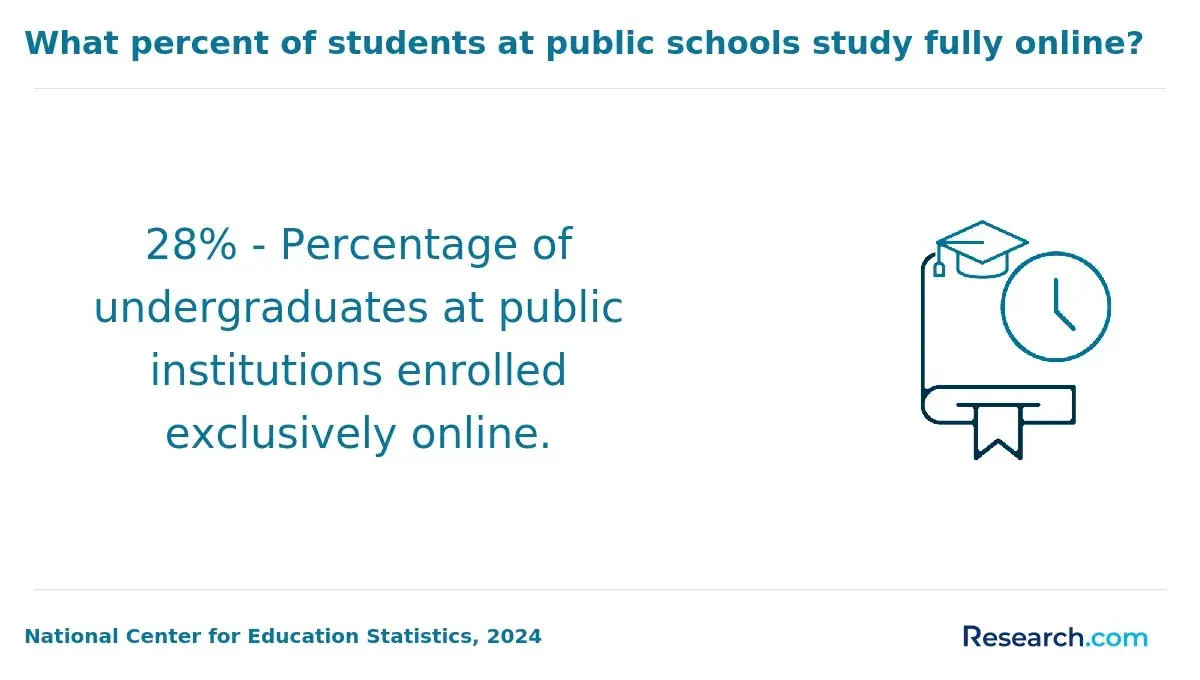
Field-oriented students seeking entry into geosciences often confront the challenge of gaining relevant practical experience while navigating a job market that increasingly demands interdisciplinary skills and adaptability. As onsite fieldwork remains critical, the scarcity of programs offering robust hands-on training combined with flexible scheduling complicates enrollment decisions. Recent data from the National Center for Education Statistics reports a 28% growth in adult learners returning to geosciences-related programs, revealing a shift toward part-time and online education models to accommodate working professionals. This trend underscores the need to balance accessibility with experiential learning that meets employer expectations.
This article examines current geosciences roles tailored for field-focused students, analyzing program structures, workforce demands, and strategic enrollment pathways to mitigate practical barriers and optimize career entry.
Key Things You Should Know
- The 2026 U.S. Bureau of Labor Statistics projects geosciences job growth at only 5%, underscoring tight graduate demand and forcing students to weigh specialized fieldwork skills against broader STEM credentials to ensure employability.
- Employers prioritize candidates with practical field experience and GIS proficiency; a 2024 industry survey reports 62% of geoscience roles require demonstrated terrain data analysis, restricting entry for purely academic backgrounds.
- Average public geosciences bachelor's degree costs rose 7% since 2022 per the National Center for Education Statistics, accelerating return-on-investment concerns and disadvantaging candidates delaying workforce entry beyond 4 years.
What are the best first geosciences jobs for field-oriented students?
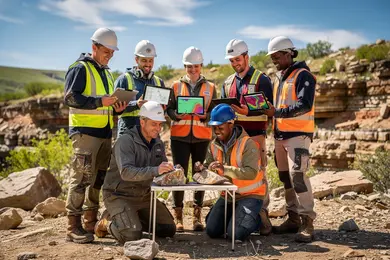
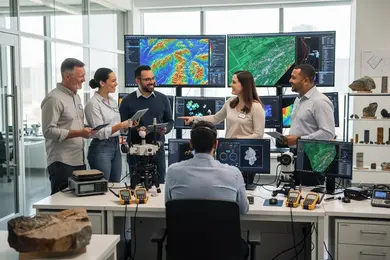
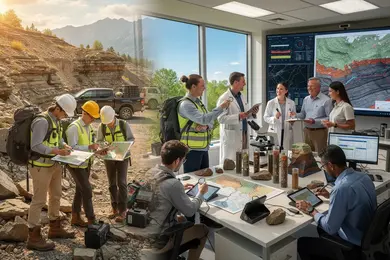
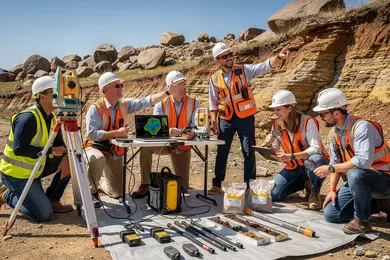
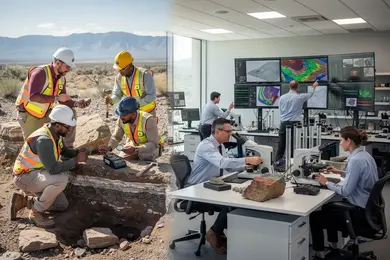
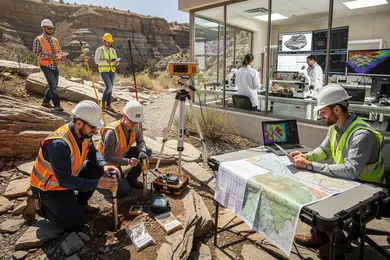
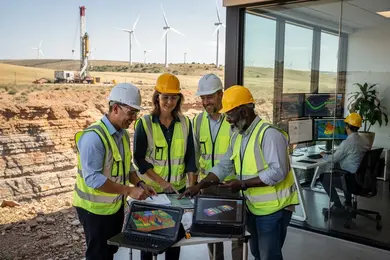
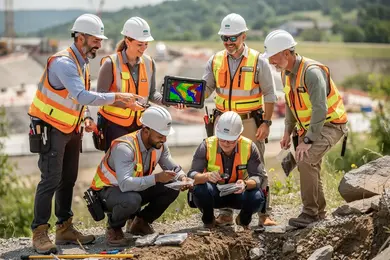
Employers seeking candidates for the best entry-level geosciences jobs for field students place a premium on practical field experience coupled with technical literacy, particularly GIS skills. Typical roles such as field technician or environmental field sampler require stamina and adept use of GPS and mapping tools to gather and interpret data across diverse outdoor settings. For instance, a field technician in oil and gas exploration often supports seismic data collection in challenging, remote environments-an opportunity that directly leads to specialized subsurface analysis positions.
The top first geosciences roles for hands-on fieldwork frequently demand managing logistical hurdles including unpredictable weather and extensive travel, which can impact personal and family life. Candidates focusing exclusively on lab or office-based roles might find slower progression due to the industry's preference for versatile, field-competent professionals. Mining, environmental consulting, and energy companies typically seek applicants with this balanced skill set to fast-track their development within demanding work environments.
Compensation data from May 2024 indicates geoscientists earn a median annual wage of $99,240, about 60% above the broader U.S. workforce median, reflecting the importance-and operational costs-of field-qualified talent. Students evaluating educational pathways should weigh these practical realities carefully; programs offering hands-on components align better with immediate employability and growth potential. For those considering flexible learning options, exploring a geology online degree may support acquiring foundational skills while managing personal constraints.
What degree do you need for geosciences field careers?
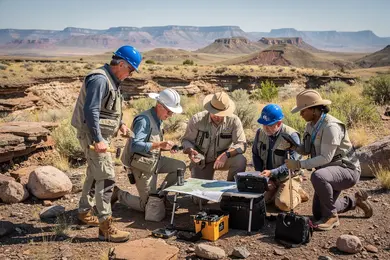
Field-oriented geosciences roles demand more than a bachelor's degree; candidates must combine disciplinary knowledge with practical fieldwork skills such as soil sampling, rock identification, and remote sensing. Employers prioritize experience in hands-on data collection and applied environmental techniques, with specialized roles-like hydrogeologists or environmental geologists-requiring coursework in hydrology, GIS, or soil chemistry. Without relevant field experience, even a strong academic background risks being overshadowed by candidates demonstrating applied capabilities aligned with workforce expectations.
The outlook for environmental scientists and specialists within geosciences is a 6% growth projection, adding roughly 7,100 jobs due to heightened climate resilience initiatives and regulatory demands. However, those focusing exclusively on theoretical geology may face limited opportunities compared to peers versed in environmental impact assessments and climate-related competencies. Prospective students should understand these workforce implications when evaluating geosciences degree requirements for field careers.
Mid-career professionals seeking to pivot should weigh the cost-benefit of advanced certifications or graduate degrees that validate expertise in environmental consulting or climate risk analysis-areas preferred by employers handling complex ecological projects. Geographic flexibility and adaptability to varied field conditions remain key practical factors. For professionals considering educational investment, exploring the cheapest masters in data science might offer complementary analytical skills increasingly valuable in geosciences-related data interpretation.
How do you choose an accredited geosciences program?
Deciding on accredited geosciences programs in the United States demands careful consideration beyond mere institutional recognition. Federal aid eligibility and credit transferability are baseline factors, but a program's alignment with industry needs-particularly in sectors like energy, minerals, and subsurface resources-determines employability prospects. For example, graduates targeting mining or oil extraction typically benefit from field-intensive curricula, as employers in these areas reward field-ready skills with salaries 20-30% above the overall geoscientist median.
Prospective students aiming for top field-oriented geosciences degrees near me should also scrutinize graduate employment rates in relevant sub-disciplines. Programs overly focused on lab research may limit options in fieldwork-heavy sectors. Institutional partnerships offering internships or co-op placements expose students to concrete challenges like environmental regulation compliance and advanced geophysical surveying, which enhance market viability.
Geographic proximity to high-demand resource regions reduces relocation barriers and facilitates access to seasonal or permanent roles. However, weighing upfront costs-including out-of-state travel and specialized field equipment-against the eventual return on investment is critical, especially if financial support options are limited. Curricula that incorporate emerging technologies and regulatory frameworks equip graduates for roles in the evolving Energy Transition Economy, where adaptability is essential.
For an alternative perspective on degree pathways with a practical focus, consider reviewing an online nutritionist degree, which shares structural parallels in balancing fieldwork and theoretical study.
Are online geosciences degrees good for field careers?
Online geosciences degrees for fieldwork frequently fall short on delivering essential hands-on competencies required in many practical careers. Federal agencies and related employers demand proficiency with field methods and specialized equipment, which purely remote programs often cannot replicate. For candidates targeting these roles, possessing documented field experience through internships or cooperative placements is critical for employability and salary prospects, as wage data from the U.S. Bureau of Labor Statistics confirms high earnings concentrated in government geosciences positions that require strong applied skills.
Students pursuing field-focused careers must actively seek programs integrating mandatory in-person elements and be prepared to arrange placements with entities like the U.S. Geological Survey or local environmental agencies. This mitigates the challenge of remote learning environments, where teamwork and immediate skills feedback are limited.
Practical recommendations for those evaluating the effectiveness of remote geosciences education for hands-on careers include:Select accredited degrees with required field practicums or intensive summer sessions.Maintain geographic flexibility to access internships or local field opportunities.Engage proactively with regional industry or government contacts to supplement online instruction.
Such an approach addresses real-world employer expectations and prevents the disadvantage faced by graduates lacking verifiable field experience. For those comparing pathways in related fields, exploring an online library science masters may offer a markedly different balance of remote study and practical application.
What geosciences courses and field skills matter most?
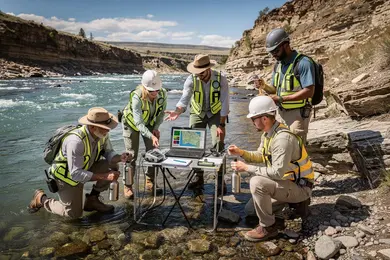
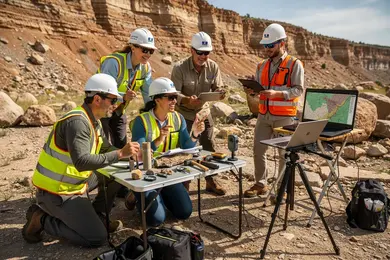
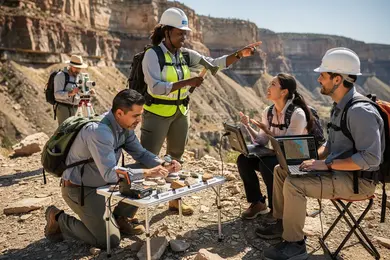
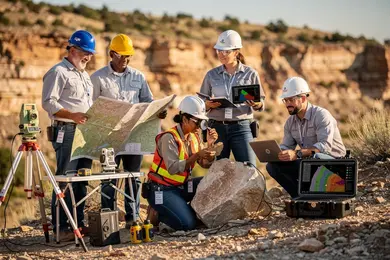
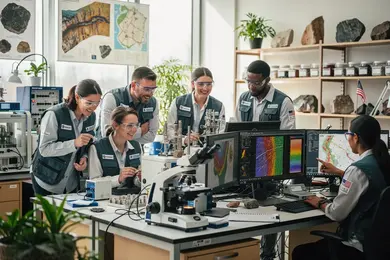
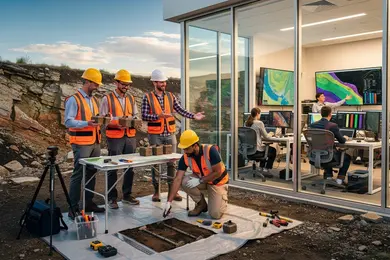
Field-oriented geosciences roles prioritize practical, hands-on expertise over purely academic credentials. Entry-level technicians gain more traction with applied skills in field mapping, sample collection, GPS usage, and stratigraphic interpretation than with purely theoretical coursework. A hydrologic technician, for example, must combine water sampling protocols with an operational understanding of watershed hydrology to meet employer standards.
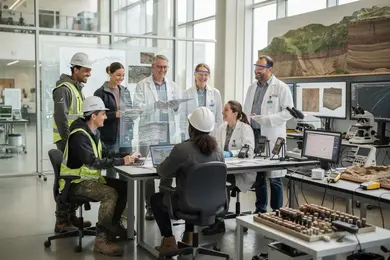
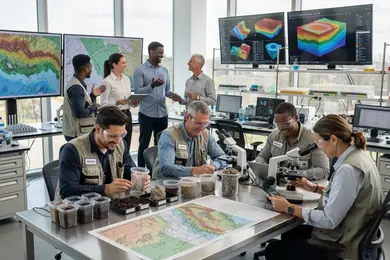
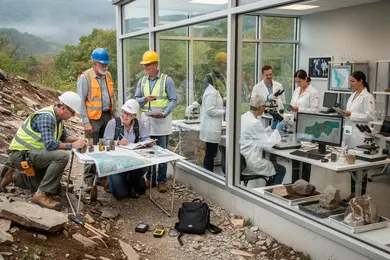
Employers generally value candidates trained through programs that include lab work, field camps, and internships, as these experiences develop critical situational judgment and technical safety competencies such as OSHA compliance. Environmental geology, soil mechanics, and geospatial analysis are among relevant subjects that support immediate job functions in sectors ranging from environmental remediation to oil and gas.
Training on digital field notebooks, drilling equipment, and hydrological sensors further enhances readiness for remote or hazardous field conditions. The American Geosciences Institute's reported median wages of $50,000-$60,000 for geological and hydrologic technicians correspond closely with graduates holding associate degrees or bachelor's programs emphasizing practical integration.
Key skills include:
- Rapid on-site data validation and decision-makingUnderstanding of surface water and groundwater interactions
- Operational familiarity with field-specific software
- Balancing legal and safety protocols with technical proficiencies remains critical, as fieldwork often occurs in unpredictable environments that demand both physical readiness and technical competence.
What are the admission requirements for geosciences programs?
Admissions for geosciences programs increasingly reflect workforce demands that prioritize foundational STEM skills and physical readiness for fieldwork. Programs typically require strong backgrounds in chemistry, physics, biology, and advanced math such as calculus, with minimum GPA thresholds near 3.0 common for competitive entry. Candidates lacking sufficient science preparation often face prerequisite courses before full acceptance, a practical barrier for career changers or late STEM adopters.
Standardized test scores like the SAT or ACT hold decreasing weight, shifting emphasis toward verifiable STEM coursework and hands-on experience. Graduate-level programs generally require a bachelor's in geosciences or related fields with documented research or field exposure. Letters of recommendation focus on traits like adaptability and resilience, essential for field roles involving irregular hours and extensive travel.
The demanding nature of geoscience work, often exceeding 40 hours weekly with seasonal travel, means programs assess physical fitness and willingness to endure challenging conditions. Applicants without prior field experience should pursue internships or field courses to strengthen their practical skills and admission prospects.
- High school science and math proficiency underpin admission decisions, with calculus being a critical differentiator.
- Graduate applicants must demonstrate substantive field or research experience beyond academic credentials.
- Physical and logistical readiness for irregular, travel-heavy schedules is a gating factor for many programs.
Students seeking to align education with the realities of environmental consulting or energy exploration careers must weigh these operational tradeoffs carefully, as program readiness assessments have long-term employability consequences.
How long does a geosciences degree take, and what does it cost?
Choosing the right geosciences degree length involves weighing time, cost, and career trajectory against employer expectations. Bachelor's programs typically span four years, costing between $10,000 and $30,000 annually in tuition at U.S. institutions, excluding living and fieldwork expenses. Master's degrees require an additional one to two years and can cost $15,000 to $45,000 per year depending on residency and school.
PhD paths extend four to six years, often supported by assistantships or fellowships that reduce upfront tuition costs but delay workforce entry. According to American Geosciences Institute data, over two-thirds of PhD graduates initially enter academia, contrasting with bachelor's and master's holders who more frequently secure higher-paying industry and government field roles. This distinction is largely driven by employers' preference for practical field skills and immediate job readiness in sectors like environmental consulting and resource management.
Prospective geosciences students should consider these trade-offs:
- Bachelor's/master's degrees enable faster entry into well-compensated applied positions.
- PhD candidates may face prolonged financial recovery periods but access academic and research careers.
- Fieldwork and equipment costs add to overall expenses beyond tuition.
For example, a bachelor's-level graduate in a government geologist role can often recoup education costs quickly through salary, while a PhD's delayed workforce entry means longer financial break-even. Aligning degree investment with desired roles is essential for pragmatic career decision-making in geosciences.
What geosciences careers offer the best salary potential?
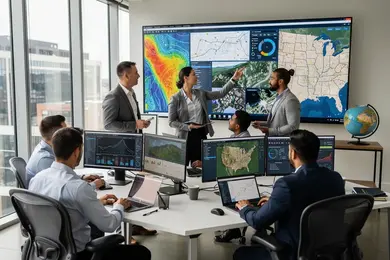
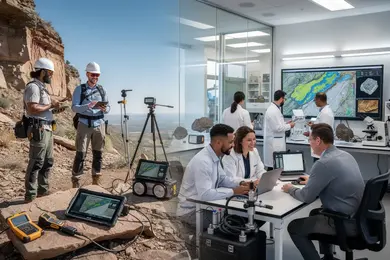
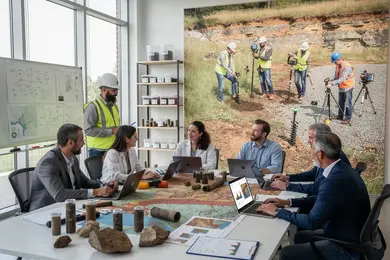
Geosciences roles focused on GIS, remote sensing, and tech-enhanced fieldwork offer notably stronger salary prospects, with mean annual earnings around $75,000. Employment growth at about 7% annually for positions combining geospatial analysis and field data collection exceeds many traditional geology or environmental technician roles. Employers prioritize candidates who integrate manual sampling with advanced digital tools like satellite imagery, LiDAR, and drone data processing to shorten project timelines and reduce operational costs.
For example, mining exploration firms employing geospatial analysts with field expertise can accelerate resource identification compared to teams relying solely on physical mapping. This combined skill set drives value but demands ongoing technical training, meaning only those prepared to evolve their capabilities will progress.
Trade-offs include:
- The barrier of mastering programming interfaces and proprietary software alongside core geoscience knowledge
- Choosing between gaining technical certifications or accumulating early hands-on field experience
- The advantage of clearer specialization pathways in data science or spatial modeling compared to conventional field geologist or environmental consultant roles
Practical preparation involves enrolling in programs that marry hands-on geospatial instruction with internships in resource extraction, environmental monitoring, or governmental agencies. Candidates equipped to synthesize field orientation with digital analysis skills encounter superior compensation and improved employment stability.
What is the job outlook for geosciences graduates?
Employment growth in geosciences is modest, projected at about 5% over the next decade, but this understates the competitive realities graduates face. Employers prioritize candidates who bring validated hands-on experience from internships and field camps, often valuing this over classroom learning alone. For instance, a groundwater remediation firm will typically prefer candidates with documented fieldwork experience since such exposure evidences adaptability to onsite challenges and data collection precision.
This preference creates a significant tradeoff for students: securing time-intensive field opportunities often conflicts with academic demands. Programs that embed applied fieldwork improve alignment with market expectations, yet pursuing them requires early planning and a willingness to prioritize practical skills over purely academic achievements.
Besides technical proficiency in geotechnical analysis, employers evaluate teamwork, safety protocol adherence, and problem-solving observed during real-world assignments. Students ignoring this vocational balance risk entering the labor market with limited field readiness, impeding immediate employability and progression.
To mitigate this, students should proactively seek internships and curricula that integrate field components as they accrue academic credits. Maintaining industry certifications that verify both theoretical knowledge and applied skills is also crucial for career sustainability. Geoscience career data and workforce analyses confirm that early, hands-on experience remains the decisive factor in securing opportunities beyond degree completion.
Which certifications help geosciences students get hired?
Certification acquisition distinctly shapes employability in field-oriented geosciences by evidencing both technical proficiency and ethical standards required for independent fieldwork and regulatory compliance. Industry sectors such as environmental consulting, energy, and natural resources prioritize candidates holding credentials like the Certified Professional Geologist (CPG) from the American Institute of Professional Geologists (AIPG), facilitating quicker involvement in projects like site assessments and geological hazard evaluations.
Specialized GIS certifications, including the GIS Professional (GISP), enhance practical data analysis competencies essential in mineral exploration, hydrology, and environmental remediation roles. These qualifications often correlate with higher entry salaries and better job placement in organizations valuing spatial data fluency.
Operational field requirements introduce tradeoffs; for example, HAZWOPER certification is often non-negotiable for handling hazardous waste sites, limiting deployment opportunities without it regardless of academic performance. This mandates additional time and financial investment from candidates, emphasizing the importance of strategic planning when pursuing certifications.
The U.S. Bureau of Labor Statistics projects a modest 3% employment growth for geoscientists over the coming decade, primarily replacing retiring professionals. This stable demand underscores certification not as a guarantee but a necessary credential to access established roles exiting the workforce.
Other Things You Should Know About Geosciences
The fieldwork component in geosciences is often intensive and cannot be minimized without affecting outcomes. Programs expecting strong practical skills require multiple, sometimes extended, field sessions that include physically demanding tasks, remote location stays, and variable weather conditions. Students should prioritize programs with rigorous, hands-on field experiences if they want to meet employer expectations for on-site data collection, as minimal field exposure typically limits readiness for entry-level roles in the field.
Internships directly linked to field-based geosciences roles generally provide more practical value for career entry than academic research unless the goal is graduate study. Employers value measurable field experience and problem-solving in real work environments more than lab-bound research projects. Prioritize internships in applied settings that emphasize site assessment, mapping, or environmental monitoring to improve job prospects and practical competence.
In 2027, field-oriented students must consider job stability when choosing between industry and government roles. Government positions offer long-term stability and structured career growth, while industry roles often provide higher initial salaries and faster-paced environments, but may be subject to economic fluctuations.
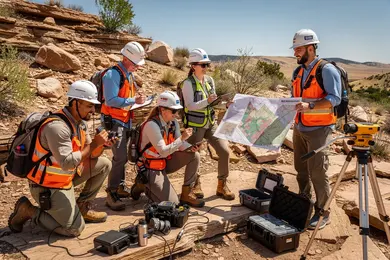
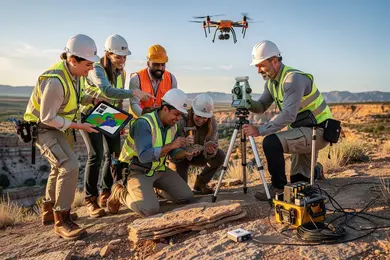
Before joining a field mapping team, students usually need wilderness first aid or first aid/CPR certification, hazard awareness training, and proof of emergency communication training. Many employers also require a recent medical clearance and a completed field safety briefing before the first deployment.
References
- Salary Information https://www.geolsoc.org.uk/Geology-Career-Pathways/Careers/Salary-Information.html
- What coursework should I take to become a successful Applied Geoscientist? https://www.aegweb.org/index.php
- Geoscience Careers https://education.americangeosciences.org/resources/geoscience-careers/
- Certifications https://www.grow-geocareers.com/certifications
- Student Opportunities | NAU Earth Sciences & Sustainability Programs https://ses-nau.org/student-opportunities/
- 8. Recruiting, Retaining, and Promoting Success of Undergraduate Students with Emphasis on Students Underrepresented in the Geosciences https://www.americangeosciences.org/change/sections/recruitment/
- Online Geoscience Degrees: Top Schools and All Programs in 2026 https://www.gisdegree.org/online/geoscience-degrees/
- Geological Sciences https://www.wits.ac.za/course-finder/undergraduate/science/geological-sciences/
- How do recent geoscience graduates experience the job market? - GeoExpro https://geoexpro.com/how-do-recent-geoscience-graduates-experience-the-job-market/
- Study Geosciences in Germany - My GUIDE https://www.myguide.de/en/study-mathematics-natural-sciences-in-germany/study-geosciences-in-germany/