2027 Best Online Bachelor's in Geosciences for Graduate School Preparation

Co-Founder and Chief Data Scientist
Graduate school admissions in geosciences increasingly expect candidates to demonstrate hands-on research and interdisciplinary coursework amid rising competition. The shift toward flexible learning paths prompts applicants who must balance full-time work or remote locations to seek reputable online bachelor's programs that provide both academic rigor and career-relevant skills. With the National Center for Education Statistics reporting a 12% surge in enrollment for science-related online degrees since 2023, this growth reflects broader demand for accessible, adaptable programs catering to adult learners navigating evolving professional landscapes.
This article evaluates the best online bachelor's in geosciences designed specifically to prepare students for advanced study.
Key Things You Should Know
- Recent U.S. Department of Labor projections show a 5% decline in entry-level geoscience technician roles by 2028, prompting students to weigh accelerated graduate programs against slower traditional tracks for timely labor market entry.
- Employers increasingly prioritize candidates with integrated field experience and data analytics skills, making programs that combine virtual labs with internships far more effective at securing geoscience roles, as reported by AGI's 2024 workforce survey.
- The average total cost of an online bachelor's in geosciences ranges from $30,000 to $50,000, with delayed completion increasing cumulative debt by 15%, affecting long-term financial flexibility and graduate school timing decisions.
What is an online bachelor's in geosciences and how can it prepare you for graduate school?
An online bachelor's degree in geosciences for graduate school offers more than foundational knowledge; it demands a nuanced integration of practical skills and technical competence that align with evolving graduate admissions criteria. These programs combine geology, environmental science, and geospatial technology to help applicants meet expectations increasingly weighted on applied experience and quantitative analysis rather than theory alone.
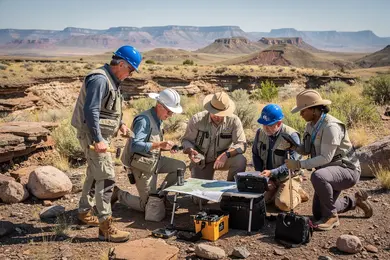
Students benefit from coursework emphasizing remote sensing, GIS modeling, and scientific communication, yet must confront limitations intrinsic to virtual formats, such as restricted hands-on fieldwork. For example, those targeting environmental consulting graduate programs gain value from stratigraphy and soil sampling taught with industry-standard software but must seek internships or field experiences independently to fulfill graduate prerequisites.
Employers and graduate schools prioritize candidates who demonstrate mastery of technical tools alongside scientific knowledge. Graduates can pivot into roles like research assistants or technicians to build this expertise in practice. Given a median annual wage near $99,240 and steady job growth forecast, this degree aligns with labor market demand but requires students to critically evaluate online program rigor, research access, and faculty engagement to avoid skill deficits common in remote learning environments.
A prospective student's pathway to advanced degrees and technical roles can benefit from exploring analogous fields; for instance, transitioning careers similarly to a speech pathologist involves targeted skill development and strategic experience acquisition relevant for graduate study.
How an online geosciences program prepares you for grad school hinges on balancing remote learning strengths with proactive efforts to secure real-world application opportunities.
How do online geosciences bachelor's programs compare with on-campus options for grad school readiness?
Online geosciences bachelor's degrees versus traditional programs for graduate school reveal critical tradeoffs in practical readiness despite comparable theoretical rigor. While online curricula increasingly align with on-campus coursework quality, the gap in hands-on experiences-such as field camps, lab work, and direct research participation-poses a tangible barrier to graduate admissions committees prioritizing proof of applied skills.
Employers focusing on sectors like oil and gas extraction and scientific R&D, where 57% of geoscientist roles concentrate, expect candidates to present more than academic knowledge. Graduates should demonstrate practical competency through internships or cooperative fieldwork, a common challenge for remote learners needing to secure these opportunities independently to remain competitive.
For example, a student targeting hydrology research graduate programs benefits from on-campus multi-week field experiences embedded in the curriculum. Conversely, online students face delays or complications if such practical engagements are not proactively arranged.
Building professional networks is another dimension where online pathways require deliberate effort. Face-to-face cohort interactions and accessible faculty research groups on campus facilitate smoother transitions into specialized graduate labs. Online students must compensate with virtual mentorships and active participation in industry events.
Decisions hinge on balancing flexibility with experiential deficits. Those evaluating effectiveness of online geosciences bachelor's programs in preparing for graduate studies should prioritize options integrating structured field experiences and external partnerships alongside rigorous academics. Additional insights on remote science degree costs can be found in animal science degree online resources.
Which accreditation and institutional qualities matter most for online geosciences programs aimed at graduate study?
Regional institutional accreditation approved by the U.S. Department of Education or the Council for Higher Education Accreditation remains the essential benchmark for online geosciences programs aimed at graduate study. This accreditation ensures degrees meet strict academic standards, which employers and graduate schools rely on for credential validation. Specialty accreditation, such as from ABET, can add value by confirming that curricula align with industry competencies, although it is less common outside engineering disciplines. Without these accreditations, credits may not transfer, and graduate programs might reject a bachelor's degree for admission.
Key institutional qualities for graduate-focused geosciences degrees include faculty with active research or industry experience and robust support services for remote learners. Also critical is access to advanced quantitative methods, GIS, and data analysis coursework that align with graduate-level expectations. Programs lacking these components risk leaving students underprepared and less competitive in both academics and the job market.
For instance, professionals aiming to become natural sciences managers-positions typically requiring graduate credentials-can expect median salaries near $137,900, a substantial premium over the general geoscientist median of $83,680. This wage gap illustrates the tangible career impact of pursuing advanced study.
Working students should evaluate program flexibility and virtual advising carefully to avoid disruptions in progress. Assessing alumni outcomes and partnerships with research or industry provides further insight into a program's practical relevance. Those interested in interdisciplinary degrees might also consider options like an online sports science degree as part of a broader strategic approach.
What admission requirements and prior preparation do top online geosciences programs expect from applicants?
Successful admission to top online geosciences programs hinges on solid quantitative foundations, including algebra, geometry, chemistry, and physics. Most prerequisites for top online geosciences bachelor's degrees specify a high school diploma or equivalent, yet competitive applicants often benefit from some college-level STEM coursework or associate degrees. This foundation is essential because geosciences curricula rely heavily on data interpretation, modeling, and quantitative analysis, making strong math performance non-negotiable.
Applicants who bring environmental science work experience or geology field roles may mitigate gaps in formal education, especially for programs prioritizing applied skills. However, the purely online delivery demands self-discipline and comfort with digital platforms and virtual labs that simulate field experiments. Additional materials such as letters of recommendation or personal statements are frequently required to gauge commitment and career focus, particularly in graduate preparation tracks.
Cost remains a critical factor. Online geoscience bachelor's degrees generally charge between $300 and $600 per credit, amounting to approximately $36,000-$72,000 total. This compares favorably to on-campus rates of $600 to $1,000 per credit. Prospective students must balance these savings against the less extensive hands-on field training online formats provide, which employers in fields like resource extraction may view as a limitation.
When evaluating pathways, consider that institutions with varied pricing and program structures exist-those interested might explore options similar to the cheapest mechanical engineering degree online for comparative insight. Aligning program selection with realistic workforce demands and prerequisites for top online geosciences bachelor's degrees will more effectively inform strategic educational investments.
What core courses and concentrations in geosciences best support future master's or PhD study?
Success in master's or PhD geosciences programs demands focused preparation in core subjects such as mineralogy, petrology, stratigraphy, sedimentology, and structural geology. Candidates develop a competitive edge by integrating quantitative skills-especially statistics, applied math, and GIS-since many research and industry roles emphasize data-driven decision-making and remote sensing. For instance, those pursuing PhDs in tectonics or paleoclimate reconstruction must demonstrate proficiency in geochronology and geophysical data interpretation, often requiring prior independent research experience.
Applicants targeting petroleum or mining geology roles benefit from electives in basin analysis and sedimentology, aligning with industry preferences for operational readiness. Graduate admissions committees weigh hands-on laboratory and field methods equally with theoretical understanding, creating a challenge for students relying solely on online programs that may lack adequate practical components. While at least 14 fully online geology bachelor's and 16 blended geoscience bachelor's programs exist globally, verifying local lab partnerships or virtual field integration is crucial to avoid skill gaps that become costly during graduate studies.
Programs integrating chemistry, physics, and computer modeling provide stronger preparation for computational geosciences, reducing the risk of remedial coursework that delays graduation. Prospective students should carefully evaluate curriculum rigor against workforce expectations when aligning educational choices with long-term employability in environmental, hydrogeology, or resource management fields.
How long do online geosciences bachelor's programs take, and what do they typically cost?
Online bachelor's degrees in geosciences require four years full-time, but part-time options can extend completion to six years, significantly affecting workforce re-entry timing. The typical 120 to 130 credit hours blend core geology with specialized electives such as hydrogeology or environmental consulting, aligning academic content with sector-specific skills employers demand.
Tuition disparities across institutions directly influence student debt and access to graduate education, which is often expected for roles in petroleum geology or environmental remediation. For instance, paying $129.18 per credit at the University of Florida results in roughly $15,500 total tuition, while $683 per credit at the University of North Dakota exceeds $81,900, a more than fivefold difference that shapes borrowing strategies and career affordability.
Program flexibility varies notably, especially regarding laboratory or fieldwork requirements. This variation impacts working professionals balancing job responsibilities and academic progress. Transfer policies and accreditation status must be carefully assessed to ensure credits count toward graduate prerequisites and meet employer vetting standards.
How do online geosciences programs handle labs, fieldwork, and research experiences needed for graduate school?
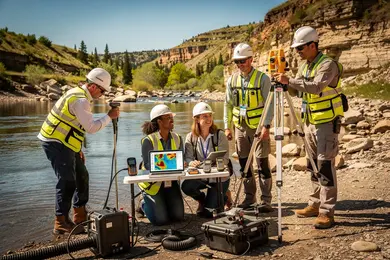
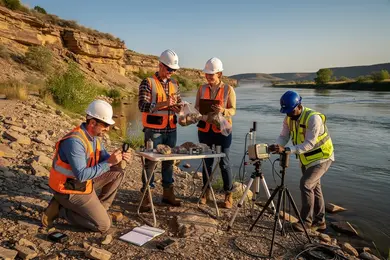
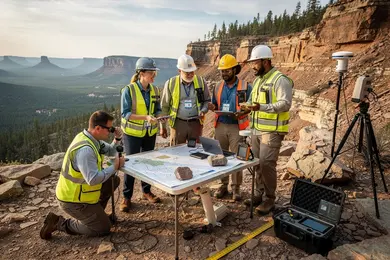
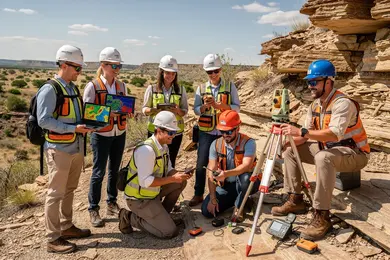
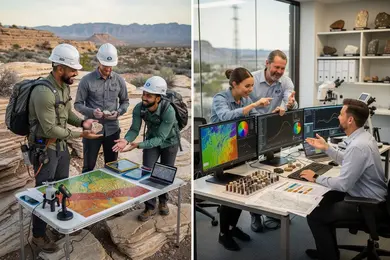
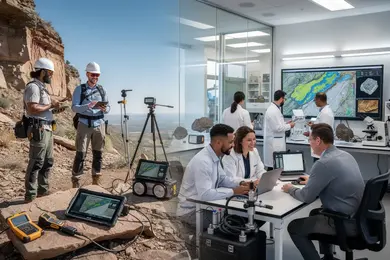
Online geosciences programs rely on hybrid and virtual formats to deliver essential hands-on experience while navigating geographic and scheduling constraints. Regional fieldwork arranged through vetted university-affiliated or approved external sites enables students to meet graduate prerequisites for real-world data collection and field adaptability, a factor highly weighed by employers and graduate admissions.
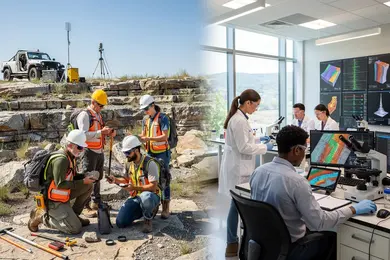
Virtual labs supplement this with advanced software and remote sensing tools, focusing on petrology, mineralogy, sedimentology, and geospatial analysis. However, candidates whose training depends mainly on simulations risk gaps in dealing with unpredictable field conditions, which can be critical when conducting environmental assessments or petroleum geology research.
Typical bachelor's programs require about 120 credits, including 40-50 in core geosciences and 20-30 in concentration courses, aligning with expectations for graduate-level rigor and technical breadth, as noted by EnvironmentalScience.org. For working professionals, local fieldwork flexibility minimizes travel and disruption but demands early verification of approved sites and protocols to avoid complications later during employment or graduate transitions.
What geoscience career paths and entry-level roles can you pursue before or after graduate school?
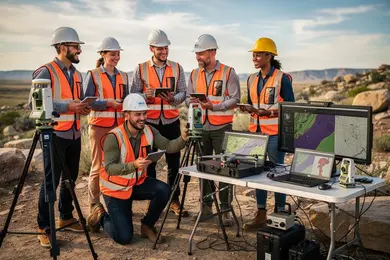
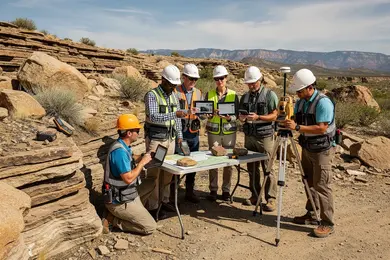
Field experience remains the defining factor shaping entry-level and pre-graduate roles in geosciences, directly influencing access to graduate programs and employment opportunities. With all accredited U.S. geology and geoscience graduate programs requiring documented fieldwork, online bachelor's students face the practical challenge of integrating intensive field camps or hybrid labs alongside remote coursework to meet this mandate.
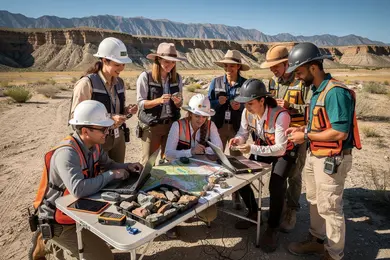
Early career roles often include positions such as field technicians or environmental analysts, where the ability to handle hands-on data collection, GIS mapping, and regulatory site testing is essential. For instance, environmental consulting roles demand proficiency in navigating local regulations and conducting in-situ soil and water analyses, while extraction industries prioritize geophysical data skills. These jobs are strategic stepping stones for students aiming to build verifiable field credentials and professional networks.
Career progression post-graduate level brings specialized functions like hydrogeologist or geotechnical engineer, requiring expertise founded on rigorous early fieldwork. Candidates with gaps in documented field experience risk disqualification from competitive graduate programs and government or industry roles.
Balancing fully remote study with field proficiency requires tactical planning of hybrid opportunities, as employers and graduate admissions strictly expect verifiable, substantive field exposure. Students must prioritize accredited camps or laboratories to avoid handicapping their employability and advancement prospects within geosciences.
What are the salary expectations and job outlook for geoscience professionals with advanced degrees?
Advanced degrees in geosciences materially affect employment prospects and earning potential, often dictating access to specialized roles and higher pay. Bachelor's graduates entering the workforce without further study face slower progression and limited exposure to in-demand skills like GIS and remote sensing. More than 40% pursue graduate degrees within three years, a trend fueled by employer requirements for analytical expertise and niche technical capabilities.
In practical terms, a master's degree typically boosts starting salaries by 15-25% in fields like environmental consulting and energy, where advanced modeling and regulatory knowledge are critical. PhD holders secure positions centered on research or academia, earning $110,000+ in government labs or national institutes. However, these gains come at a cost: balancing lost wages during study and potential debt against long-term salary improvements is essential.
Job growth is steady at 5-7%, driven by renewable energy and environmental risk sectors, but geographic and sectoral factors heavily influence salary outcomes. Federal agencies often require graduate credentials even for entry-level geological surveying posts, demonstrating how degree level shapes job eligibility. Strategic alignment of graduate study with defined career objectives minimizes risks of underemployment and enhances return on investment.
How can you evaluate and choose the best online geosciences bachelor's for your graduate-school goals?
Programs that emphasize environmental science, climate risk analysis, and sustainable resource management better align with growing job market demands, where positions focused on environment-related skills are expanding at twice the rate of general geoscientist roles. Prioritizing such specializations within an online geosciences bachelor's enhances prospects for graduate school admission and employment.
Technical proficiency in tools like GIS software and data science methodologies directly responds to employer preferences in consulting, climate agencies, and natural resource sectors. Graduates demonstrating applied experience through internships, research collaborations, or advanced lab simulations-despite an online format-hold a distinct advantage when competing for master's or PhD programs.
Consider practical elements such as accreditation and transfer credit policies carefully; these influence eligibility for graduate studies and reduce redundant coursework, saving time and tuition expenses. For example, a professional shifting from environmental policy to climate risk analysis benefits most by selecting coursework weighted toward climate modeling rather than solely geological field techniques.
Key differentiators include:
- Strong faculty mentorship and hands-on research opportunities
- Emphasis on quantitative environmental modeling and geospatial data analysis
- Accredited institutions with clear graduate advancement pathways
This strategic alignment between curriculum, workforce needs, and academic progression optimizes outcomes for those aiming to pivot or advance within the environmental aspects of geosciences.
Other Things You Should Know About Geosciences
A strong geosciences bachelor’s should include at least 2 semesters of calculus, 2 semesters of general chemistry, 2 semesters of general physics, and introductory statistics. Many graduate programs also expect mineralogy, structural geology, and sedimentology, plus a minimum 3.0 GPA in upper-division science courses.
Employer acceptance varies by region and industry, but most established geoscience research roles continue to prefer candidates with traditional, in-person training, especially with practical fieldwork experience. Graduates from online programs without demonstrable lab or field proficiency may face challenges securing research assistantships. Prioritizing programs that require field modules, virtual labs, or documented internships strengthens employment prospects ahead of graduate studies.
While flexibility suits working professionals balancing commitments, too much breadth without in-depth specialization can weaken graduate school applications focused on niche areas like hydrogeology or paleontology. Candidates aiming for research-focused graduate programs should favor online bachelor's degrees that provide clear specialization tracks and structured mentorship despite a flexible format. This approach ensures both practical engagement and relevant expertise that graduate programs expect.
References
- What Does the Future Demand Look Like for Applied Geoscientists? https://www.aegweb.org/index.php
- Online Geoscience Degrees: Top Schools and All Programs in 2026 https://www.gisdegree.org/online/geoscience-degrees/
- The Geological Society - Degree Accreditation https://www.geolsoc.org.uk/education-and-resources/universities/university-degree-accreditation/
- Earth Sciences (MSc, PhD) https://www.uregina.ca/academics/programs/science/master-phd-earth-sciences.html
- Helping Geoscience Students Thrive in Graduate School - Eos https://eos.org/opinions/helping-geoscience-students-thrive-in-graduate-school
- Geologists: Salary, career path, job outlook, education and more - RaiseMe https://www.raise.me/careers/life-physical-and-social-science/geoscientists/geologists/
- How to apply for grad school in geology - Mountain Beltway https://mountainbeltway.all-geo.org/2013/11/07/how-to-apply-for-grad-school-in-geology/
- Environmentalscience https://Environmentalscience.org
- ThisIsGeoscience - Geoscience Salaries https://www.thisisgeoscience.com/the-resources/geoscience-salaries
- How to become a Geoscientist in Ireland https://www.gsi.ie/en-ie/education/life-as-a-geoscientist/Pages/Where-to-study-in-Ireland.aspx