2027 Best Online Bachelor's in Geosciences for First-Time Earth Science Professionals

Co-Founder and Chief Data Scientist
Experienced professionals seeking entry into earth science face a critical bottleneck: how to obtain a bachelor's degree that balances rigorous scientific training with the flexibility necessary for full-time employment. The U. S. Department of Education reports a 30% surge in adult enrollment in online STEM bachelor's programs since 2023, underscoring a growing shift toward accessible frameworks that accommodate complex schedules without compromising academic quality.
This trend reflects both the rising demand for specialized knowledge in geosciences industries and persistent barriers around time, finances, and geographic location. This article examines the best online bachelor's in geosciences designed specifically for first-time earth science professionals, helping navigate program features, enrollment criteria, and career alignment to optimize workforce entry and advancement.
Key Things You Should Know
- Accelerated bachelor's programs in geosciences reduce tuition by 15%-25% but risk limited fieldwork exposure, which 62% of U.S. environmental employers cite as critical for entry-level hires.
- Employers increasingly prioritize data analytics skills combined with core geosciences knowledge, pushing students to seek integrated curriculum tracks; 48% of early-career geoscientists report skill gaps around geospatial software.
- Online geosciences degrees have widened regional access, yet 38% of graduates face a 4-6 month delayed job placement due to limited local internship options.
What is an online bachelor's in geosciences and who is it best suited for?
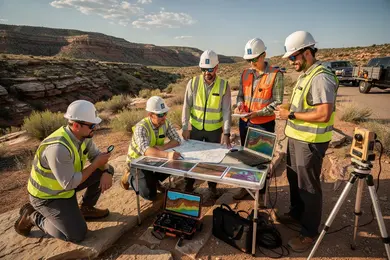
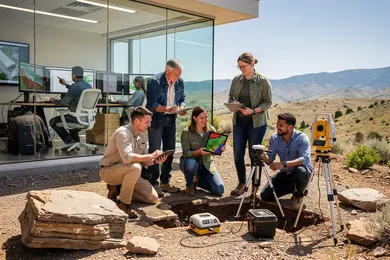
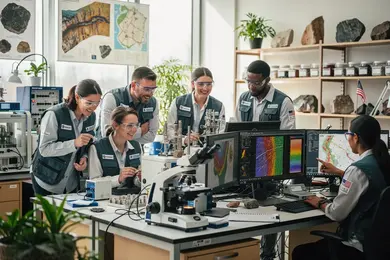
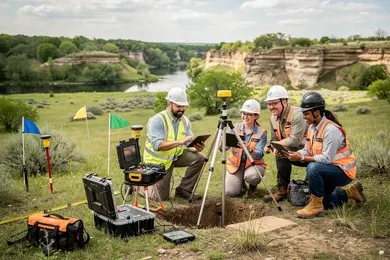
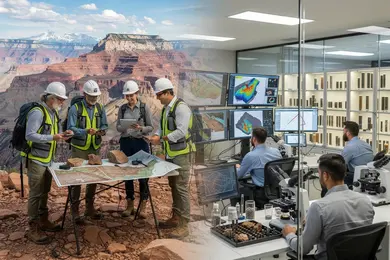
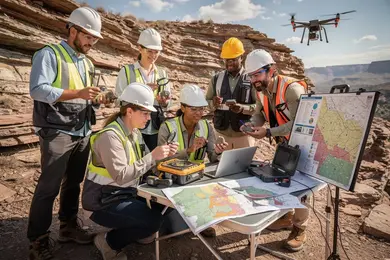
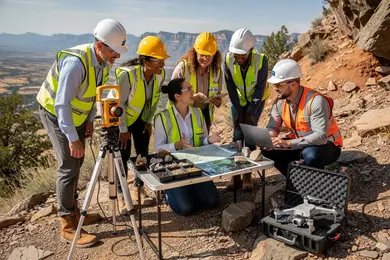
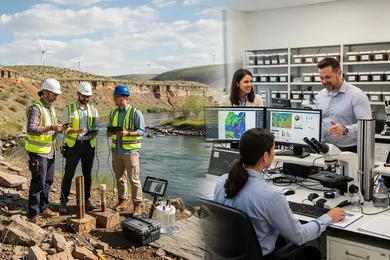
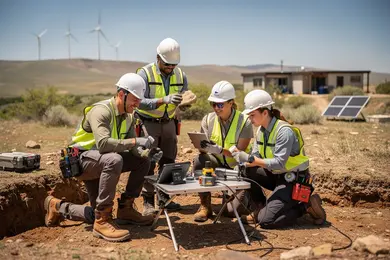
Choosing an online bachelor's degree in geosciences for beginners means accepting a curriculum that demands disciplined self-management and occasional in-person field engagement. This format fits professionals needing flexibility-such as a working environmental technician aiming to step into supervisory roles-who can utilize remote labs and institution-facilitated field experiences without interrupting employment. However, practical components often require weekend or summer attendance, presenting a tradeoff between convenience and essential hands-on skill development.
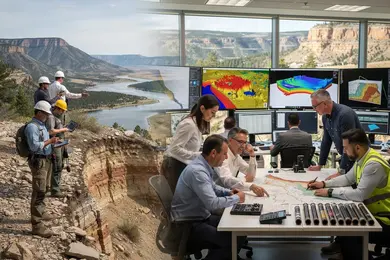
Employers in sectors like oil and gas, environmental consulting, and government resource management prioritize graduates proficient in data analysis, geographic information systems (GIS), and scientific communication. These competencies are usually embedded within the best online geosciences programs for earth science careers. Students must carefully vet program accreditation, faculty expertise, and access to real-world work partnerships to align education with workforce expectations and state certification requirements.
The outlook for geoscientists is robust, with a 7% job growth forecast from 2024 to 2034, driven by needs in climate impact assessment and resource extraction. However, online learners without on-campus access must proactively secure internships or regional collaborations to fulfill experiential demands. For those pursuing a strategic career pivot, understanding these operational realities and workforce standards is critical. Reflection on pathways such as those available for SLPs illustrates the importance of structured, adaptable programs that balance theory with applied skill development.
How do online geoscience bachelor's programs compare to on-campus programs for quality and outcomes?
Online bachelor's programs in geosciences match traditional degrees in theoretical content but typically fall short on experiential learning and direct industry networking. Employers, especially in environmental consulting or petroleum geology, highly value field proficiency gained through lab access, fieldwork, and internships, which on-campus students usually secure more systematically. Graduates of online degrees must independently pursue local internships or field experiences to meet these practical skill expectations or risk limiting their employability in technical roles.
The quality comparison of online and traditional geosciences degrees reveals this gap in hands-on training as a key differentiator affecting early-career outcomes. The median annual wage for geoscientists reached $99,240 in May 2024, signaling robust demand for applied expertise, not just academic knowledge. Hybrid or on-campus credentials are often favored by employers seeking candidates who can perform with minimal onboarding.
For working adults considering an online bachelor's in geosciences versus on-campus programs outcomes, flexibility comes with the tradeoff of increased responsibility to secure practical training. Those targeting licensed positions benefit from programs offering structured lab work and faculty-guided internships, which are less accessible online. Career pivots via online pathways require proactive portfolio building and networking outside the virtual classroom.
Students should assess this practical disparity alongside convenience, recognizing that bridging experiential gaps independently is critical. Those seeking additional data science skills alongside geosciences might explore options like an online masters in data science to enhance market competitiveness.
Which accredited schools offer the best online bachelor's in geosciences for new professionals?
Choosing from the best accredited online bachelor's degree programs in geosciences for beginners requires a sharp focus on how well curricula translate into employer-ready skills rather than just academic completion. Oregon State University and the University of North Dakota exemplify programs that integrate substantial theoretical coursework with fieldwork and applied environmental science, crucial for early career earth science professionals entering sectors like environmental consulting or natural resource management.
Employers prioritize graduates proficient in geospatial analysis, regulatory understanding, and interpreting complex geologic data using industry-standard software. Online programs such as the University of Arizona's offer greater scheduling flexibility but place responsibility on students to independently obtain essential field experience, which can impact immediate job competitiveness and networking opportunities.
The imperative for accredited, respected programs aligns with workforce realities where environmental scientists have a median wage of $80,060, making accreditation and employer recognition vital in overcoming employment barriers. Practical certifications and hands-on experience embedded within program frameworks often differentiate candidates in competitive hiring contexts.
For students considering a strategic pivot or advancement, weighing program delivery against access to internships or local field components is crucial. Additionally, those evaluating interdisciplinary STEM paths might compare with an online CS degree to balance skillsets and market demands.
What accreditation should an online geosciences bachelor's program have and how do you verify it?
Accreditation is a decisive factor when selecting an online geosciences bachelor's program, as it directly impacts employability and credential recognition. Federal agencies, licensing boards, and employers demand degrees from regionally accredited institutions, especially for specialized roles like hydrologists where the median wage reaches $92,060. Choosing a non-accredited program may lower upfront costs but limits eligibility for professional certifications and federal contracts, reducing long-term career mobility.
Verification involves consulting official databases from the U.S. Department of Education or the Council for Higher Education Accreditation to ensure the program's accreditation is valid and recognized. These crucial checks safeguard students from non-recognized agencies offering credentials with no professional value.
An online geosciences bachelor's program that clearly communicates its accreditation status is critical for applicants targeting environmental consultancy or government-funded projects. Understanding how to verify accredited online geosciences bachelor's degrees can prevent costly missteps. Accredited coursework includes rigorous labs and field training essential for workforce readiness.
Students weighing options should also consider how accreditation status impacts access to graduate studies and licensure. Lower tuition at non-accredited programs may seem attractive but often sacrifices curriculum depth and recognition. For those comparing related paths, exploring resources such as the MLIS degree rankings can provide insight into affordability alongside accreditation quality.
What courses and specializations are typically included in an online geosciences bachelor's curriculum?
Online geosciences bachelor's programs must balance foundational theory with technical competencies demanded by today's employers. Core coursework-mineralogy, petrology, sedimentology, and structural and environmental geology-builds essential earth science knowledge but requires solid backgrounds in calculus and chemistry to engage with quantitative analysis and geostatistics effectively.
Specializations such as hydrogeology, geophysics, environmental geology, and notably geospatial analytics reflect market-driven skill clusters. The latter addresses a lucrative niche; data scientists in geospatial roles reported median wages near $112,590 annually (U.S. Bureau of Labor Statistics, May 2024). Mastery of spatial data tools like GIS, ArcGIS, and QGIS paired with Python programming enhances graduates' employability in sectors reliant on precision spatial analysis.
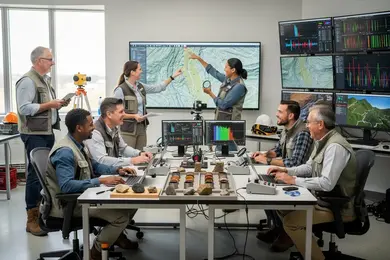
Employers expect graduates to translate academic concepts into applied solutions-for example, using models of groundwater flow in environmental remediation projects or seismic data analysis for infrastructure safety. Programs that integrate virtual labs or internships reduce skill gaps by exposing students to practical challenges not often covered in purely theoretical curricula. Prospective students should weigh the tradeoffs of purely academic focus versus applied technical skills training, as workforce preparedness increasingly favors the latter in geosciences-related roles.
What are the typical admission requirements for an online bachelor's in geosciences?
A bachelor's degree in geosciences demands more than meeting baseline admissions criteria; it involves aligning technical preparedness with workforce expectations. Candidates lacking foundational coursework in chemistry or calculus often face heavier early course loads, potentially delaying their entry into mining or geological engineering roles where practical skills and quantitative competence are non-negotiable.
Typical requirements include a high school diploma with college-prep emphasis on algebra, geometry, physics, and chemistry, plus a GPA near 2.5-3.0. While some institutions still request SAT or ACT scores, test-optional policies complicate resume comparisons, increasing importance on transcripts and STEM readiness.
For working professionals pivoting into geosciences, verifying prerequisite coursework alignment with prior education avoids remedial classes that consume time and delay employment. Additionally, logistics such as the program's asynchronous versus synchronous delivery and availability of virtual labs or local field experience critically impact timely degree completion and workforce entry. According to the U.S. Bureau of Labor Statistics, the median wage for mining and geological engineers was $101,460, a figure that contextualizes the tangible value of rigorous admission standards and technical readiness in this field.
How long does an online geosciences bachelor's degree take and what does it cost?
Completing an online bachelor's degree in geosciences involves a significant time and financial commitment, typically requiring 120 to 130 credit hours over four years. While accelerated options and credit transfers can reduce this to two or three years, these come with tradeoffs: tighter schedules often restrict opportunities for internships or part-time employment, which are valued by employers in environmental consulting and energy sectors.
Tuition disparities between public and private institutions are substantial. Public universities often charge under $300 per credit hour, totaling around $36,000 to $39,000 for the degree, whereas private programs can exceed $700 per credit hour, pushing costs beyond $80,000. Candidates should weigh whether the financial savings of extended completion timelines justify reduced income during study or higher overall tuition from spreading courses over five to six years.
Beyond tuition, students must budget for essential resources like textbooks, GIS software, and occasional travel for fieldwork. Financial aid availability varies widely and affects net cost and debt but rarely offsets these additional expenses completely.
From a workforce perspective, a thorough curriculum combined with practical experience is crucial, often more so than accelerated completion. Planning must account for employment realities: accommodating work schedules versus faster degree completion will impact both immediate earnings and long-term professional growth.
What entry-level careers can you pursue with an online bachelor's in geosciences?
Online bachelor's degrees in geosciences open pathways to entry-level roles such as environmental technician, geological field assistant, hydrologic technician, and GIS analyst, all requiring foundational skills in data collection, field survey methods, and geographic information systems. However, these positions often demand practical experience employers expect beyond theoretical knowledge, highlighting the importance of internships or cooperative education to compensate for limited laboratory exposure in online programs.
Graduates should anticipate that many roles involve significant on-site fieldwork, necessitating relocation or frequent travel, particularly in industries like natural resource extraction or environmental remediation. This practical requirement can challenge those trained remotely, creating logistical and financial considerations for early career planning.
Software proficiency in tools such as ArcGIS or RockWorks, typically self-taught or covered as electives, is a common employer expectation, and candidates lacking these skills may face hiring disadvantages.
The financial investment varies considerably, with tuition costs reaching $800 to $1,500 per credit hour in some private institutions, necessitating a critical assessment of potential return given entry salaries generally range from $45,000 to $60,000 annually depending on location and employer.
Certification like the Engineer in Training (EIT) credential can affect longer-term advancement toward professional licensure, making strategic early certification efforts advisable for those pursuing registered geologist status.
What is the salary potential and job outlook for early-career geoscience professionals?
Early-career geoscience professionals face a broad salary range that hinges on specialization and location, with entry-level roles spanning roughly $55,000 to $75,000 annually. Positions in environmental consulting or government agencies typically offer lower starting pay, while oil, gas, and technology sectors push salaries toward the upper bound. This disparity underscores the importance of aligning educational investment with local industry demands and personal career goals.
Financing an online bachelor's degree in geosciences, which can cost between $36,000 and $72,000 at public institutions, requires a critical evaluation of return on investment based on employability and salary trajectories. Graduates with skills in GIS, remote sensing, and data analysis, especially those anchored in urban or energy hubs, tend to realize quicker salary growth. Conversely, public sector or academic roles may provide more stability but slower income progression.
Certification such as professional geologist licensure remains a differentiator in employment competitiveness and salary potential. Students pursuing consulting careers should prioritize programs that emphasize applied learning and industry connections to shorten the time-to-hire. Without employer tuition assistance, the break-even point on education costs can be delayed for several years, highlighting the value of pragmatic cost-benefit analysis in educational choices.
Are there licenses, certifications, or graduate study steps to advance in geoscience careers?
Licensure as a Professional Geologist (PG) is a pivotal gateway for roles demanding official geological oversight, especially in environmental consulting, mining, and regulatory compliance. This pathway requires completion of an accredited bachelor's degree, 4,000 hours of supervised work experience, and success on ASBOG exams-an investment often spanning several years. Without PG status, professionals cannot legally certify geological reports, limiting engagement in public safety or environmental risk projects.
Certifications such as Certified Professional Geologist (CPG) or Geographic Information Systems (GIS) offer targeted advantages but rarely substitute for licensure. They serve as enhancements within technical specialties or government roles where formal PG credentials matter less. For example, a government analyst focusing on geospatial data may prioritize GIS certification combined with a bachelor's rather than pursuing licensure, shortening the career entry timeline.
Advanced degrees bridge gaps in emerging disciplines like petroleum geology or hydrogeology, often elevating employability through specialized expertise absent from undergraduate curricula. However, graduate study demands balancing added time and cost against potential salary gains, which vary widely by sector.
Other Things You Should Know About Geosciences
Most online geoscience bachelor's programs offer asynchronous coursework, which benefits working students by allowing study around job commitments. However, the tradeoff is often limited access to hands-on fieldwork and lab experiences, which are vital for skills employers expect. Programs that incorporate virtual labs or regional fieldwork requirements mitigate this but can extend degree timelines or add travel costs. Prioritize programs with explicit plans for applied learning to avoid gaps in practical competence.
In 2027, top online geosciences programs emphasize virtual collaboration tools, industry webinars, and partnerships with research institutions to offer networking and research experiences. These initiatives allow students to build professional connections and access research opportunities, helping them bridge the gap traditionally provided by on-campus programs.
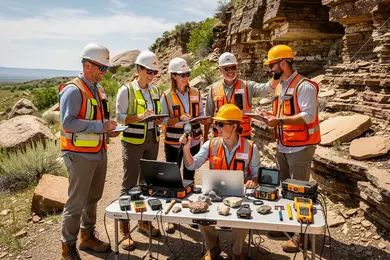
Most online geosciences bachelor's programs require 1 to 2 field camp or field methods courses and 2 to 4 laboratory science classes, often completed through approved local labs, weekend intensives, or summer field sessions. Programs usually verify these requirements before graduation and may require safety training.
Yes. Programs that integrate recognized certifications such as GIS Professional (GISP) or OSHA safety training enhance graduate employability by signaling up-to-date, job-ready skills. These certifications often require separate fees but give a practical edge in competitive markets. For first-time professionals, certificates embedded in degree pathways should be a key decision factor, outweighing marginal tuition cost savings of non-certifying programs.
References
- Working Geoscience https://profession.americangeosciences.org/working/
- The Geological Society - Degree Accreditation https://www.geolsoc.org.uk/education-and-resources/universities/university-degree-accreditation/
- Geoscience Career Pathways https://www.grow-geocareers.com/careerpathways
- Online Geoscience Degrees: Top Schools and All Programs in 2026 https://www.gisdegree.org/online/geoscience-degrees/
- ThisIsGeoscience - Geoscience Salaries https://www.thisisgeoscience.com/the-resources/geoscience-salaries
- What Does the Future Demand Look Like for Applied Geoscientists? https://www.aegweb.org/index.php