2027 Best Online Geosciences Programs for Field-Oriented Professionals

Co-Founder and Chief Data Scientist
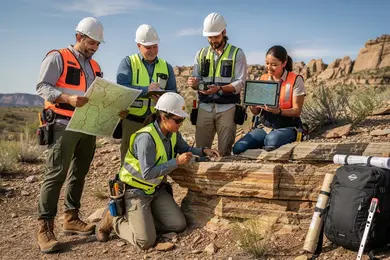
Field-focused geoscience professionals often confront the dilemma of balancing intensive, on-site work with the need for advanced education that supports career advancement. Traditional programs demand lengthy campus commitments that clash with field schedules or ongoing employment. The National Center for Education Statistics reports a 30% surge in adult learner enrollment in STEM-anchored online programs since 2023, signaling a shift toward more flexible, accessible learning models.
This trend reflects growing employer acceptance of remote degrees coupled with practical experience, forcing students to weigh program rigor against adaptability. This article evaluates the best online geosciences programs tailored for professionals requiring field-relevant curricula and flexible structures to optimize both learning and career outcomes.
Key Things You Should Know
- Programs emphasizing fieldwork integration reduce long-term job placement gaps, as 67% of employers linked in the U.S. geological workforce report prioritize applied terrain skills over theoretical knowledge.
- Faster online degree paths often limit critical hands-on experience, creating a notable 15% salary disparity within five years of graduation compared to field-intensive curricula, impacting mid-career advancement.
- Rising demand for environmental geoscientists is driving a 12% growth in specialized jobs, but geographical and seasonal access constraints in field training create uneven workforce readiness across regions.
What are the best online geosciences degree programs for field-oriented professionals in the U.S.?
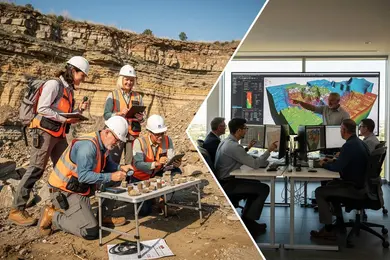
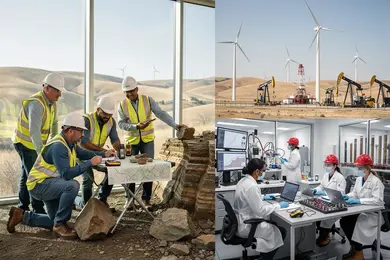
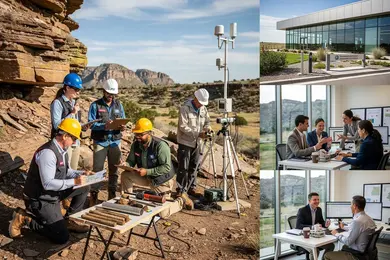
Practical, field-ready skills are the decisive factor when evaluating the best online geosciences degree programs in the U.S. for field professionals. Employers in natural resources and environmental sectors prioritize graduates who have demonstrated competence in applied data interpretation alongside hands-on validation through field data collection. This places programs integrating virtual labs, GIS training, and remote sensing modules ahead, as they bridge theoretical knowledge with operational challenges encountered in environmental consulting or hazard assessment.
Top accredited geosciences online programs for field-oriented careers in America often originate from public flagship universities or institutions with federal geological partnerships. These programs frequently offer hybrid or field camp components, essential for working professionals unable to relocate but requiring tangible field experience. According to U.S. Geological Survey data, 84% of geoscience graduates secure employment within five years when their training aligns closely with workforce demands.
Choosing between online degrees requires scrutiny beyond accreditation: prospective students should assess faculty engagement with applied research, alumni outcomes in field-intensive roles, and integration of industry-standard software. A purely theoretical curriculum-though sometimes more affordable-can limit career advancement in positions demanding onsite expertise or environmental impact assessment. Given these factors, detailed program comparisons are invaluable. For example, visit geology degrees online to examine rigorous options tailored for practical career trajectories.
How do online geosciences degrees compare with campus-based programs for hands-on field training?
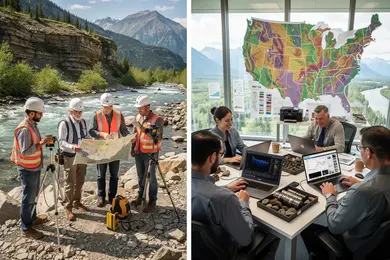
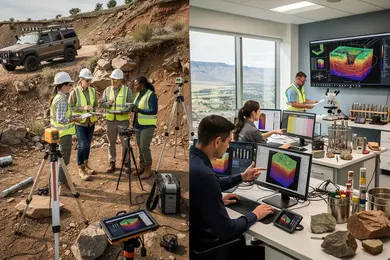
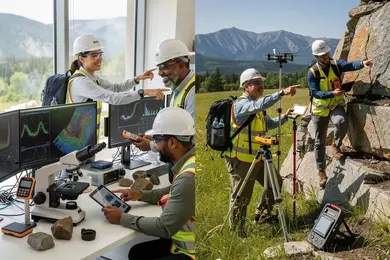
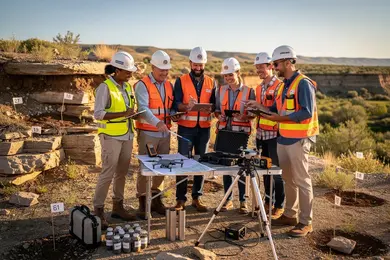
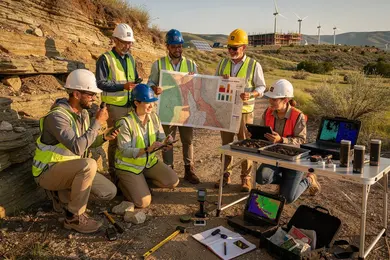
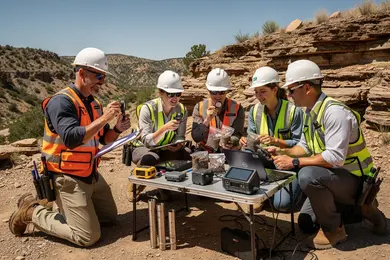
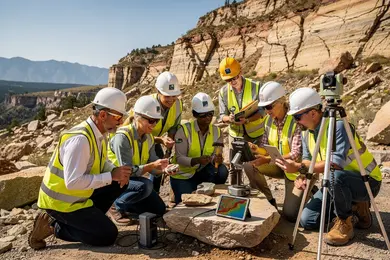
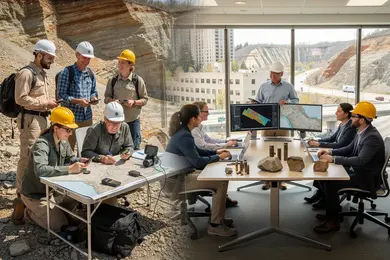
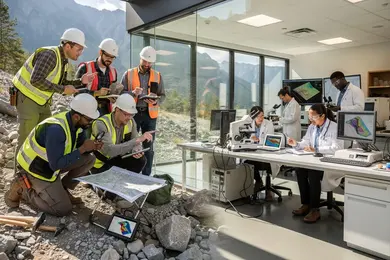
Online geosciences degrees with hands-on field experience are essential for developing the practical skills employers require, yet many virtual programs struggle to fully replicate the critical field training found in campus-based courses. While digital tools like 3D modeling and virtual labs offer useful exposure, they fall short of imparting physical competencies such as soil sampling, strata measurement, and geospatial data collection. Employers recruiting for field geologist or environmental consultant roles prioritize candidates who demonstrate actual fieldwork proficiency, often gained through in-person modules or local partnerships.
For instance, a student focusing on hydrogeology through an online program might excel in interpreting data remotely but will need direct access to groundwater testing and monitoring fieldwork to build the competence expected by industry. This reliance on supplementary field placements or short residencies is a notable limitation in online geosciences programs compared to campus counterparts.
Prospective students evaluating the tradeoffs between online and campus geosciences programs should consider that missing field training can delay skill mastery and reduce initial job competitiveness in a labor market projecting 3% employment growth over the next decade. Working professionals should seek hybrid formats or schools with regional field networks to mitigate these gaps. The median annual wage in this sector reached $99,240 in 2024, highlighting the importance of practical readiness for career advancement.
Those interested in related pathways may also review online animal science programs for comparable insights on balancing theory and applied training in remote learning environments.
What accreditation and quality standards should online geosciences programs meet to be credible?
Regional accreditation for online geosciences programs is the baseline requirement to ensure degrees meet federal standards and qualify for financial aid, but industry-facing employers increasingly expect additional validation like ABET accreditation or recognition by the American Geological Institute. Without these dual endorsements, graduates may find their degrees insufficient for licensure or specialized roles requiring technical skills in geospatial analysis and environmental regulation.
For midcareer professionals, such as environmental technicians aiming to shift into regulatory positions, the stakes are high: selecting a program that lacks these quality standards for accredited geosciences degrees can halt career progress despite time and tuition investments. Tuition costs in 2025 ranged widely-from $112 per credit hour in-state to $774 per credit hour out-of-state-mandating a careful cost-benefit analysis weighing faculty expertise, virtual lab access, and internship opportunities pivotal to employability.
Employers in energy, environmental consulting, and government require graduates who demonstrate both theoretical rigor and applicable field competencies. To avoid costly credit transfer issues and skill gaps, students should verify a program's accreditation directly with institutions and cross-reference recognized quality standards.
Prospective students weighing this transition might also consider related pathways, such as an online exercise physiology degree, when evaluating diverse interdisciplinary options in scientific and technical careers.
Which types of online geosciences degrees and certificates best support field-focused careers?
Online geosciences degrees for field professionals must balance rigorous theoretical grounding with hands-on field competencies to meet employer expectations and licensure requirements. Programs integrating hydrogeology, environmental geology, and geological engineering often include essential skills such as GIS mapping, soil and water sampling, and geospatial data interpretation-capabilities critical for roles in environmental assessment or natural hazard analysis.
Mid-career transitions into specialized field roles typically rely on the best online geosciences certificates for field careers, especially those aligned with ASTM standards for soil and groundwater sampling. These certificates enable professionals to quickly meet regulatory compliance demands without committing to full degree programs.
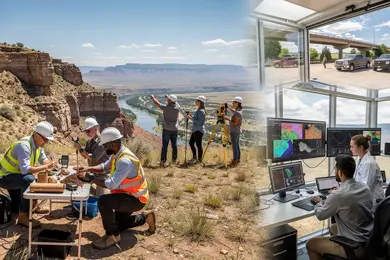
Degree formats incorporating optional or hybrid in-person field labs address a significant limitation of purely online coursework by providing tactile experience necessary for sample collection and equipment handling. Students should prioritize programs recognized by licensing boards or industry certifications to avoid credential gaps that hinder employability.
Data from the U.S. Bureau of Labor Statistics demonstrates that environmental and geoscientist occupations yield a 28-30% median pay premium over typical bachelor's level work, underscoring economic rationale for targeted upskilling in this sector. Evaluating a program's capacity to cover remote sensing alongside traditional field methods is also essential for adapting to technological advancements.
For professionals exploring educational directions, comparative insights can be found through a library science degree study, offering a model of cost-effective online learning in a technical discipline that shares practical-skills challenges with geosciences.
What core courses and fieldwork components are included in online geosciences curricula?
Online geosciences programs' limited continuous fieldwork creates a significant gap in practical proficiency critical to employer standards, compelling students to independently secure local field access or risk falling short in hands-on skills. The balance of core coursework-covering sedimentology, stratigraphy, structural geology, and hydrogeology-with compressed residencies or virtual simulations represents a tradeoff between technical depth and immersive experience.
Typical weekly commitments of 15-20 hours over two years accommodate working professionals but introduce logistical challenges in workload and field opportunity alignment. For example, a full-time environmental consultant pursuing certification must juggle project deadlines with arranging local sampling sites, impacting real-time skill acquisition and employer evaluation.
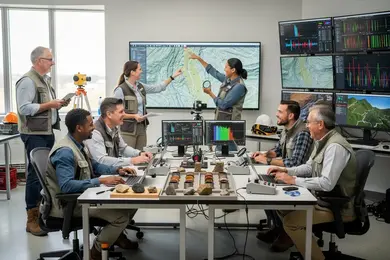
Employers increasingly prioritize graduates with applied expertise in geospatial tools such as GIS and remote sensing, alongside quantified modeling capabilities, especially within geotechnical or environmental sectors. Without embedded field time, students face obstacles translating theoretical knowledge into verified practical outcomes, potentially delaying workforce readiness despite credential completion.
- Hybrid field training relies heavily on self-direction and scheduling flexibility.
- Distance learners must proactively compensate for reduced immersive exposure by accessing local field resources.
- The gap between online curriculum design and employer expectations often requires supplementary field experience post-graduation.
Prospective candidates should critically evaluate their capacity for independent field engagement and realistic access to fieldwork when selecting online programs, especially if immediate employer-ready skills are the goal. These dynamics highlight that program convenience comes with distinct operational tradeoffs affecting long-term employability in geosciences.
What are typical admission requirements for online geosciences programs at different degree levels?
Admission standards for online geosciences programs reflect distinct expectations tied to career readiness and educational level, influencing workforce entry barriers and professional trajectory. At the bachelor's level, requirements focus on foundational academic preparation-high school diploma with a 2.5 to 3.0 GPA and prerequisite science coursework-which aligns with entry-level technician roles emphasizing basic technical competence.
In contrast, master's programs demand a relevant bachelor's degree with a solid GPA (typically 3.0 or above) and prior quantitative coursework, addressing employers' need for candidates skilled in geologic modeling, GIS, and remote sensing. The option to waive GRE scores reflects an evolving prioritization of practical readiness over standardized testing. Applicants must also provide letters of recommendation and a statement of purpose to demonstrate clear alignment with career objectives in consulting or government sectors.
Doctoral admission emphasizes research capacity and field experience, critical for roles requiring in-depth specialization and independent scholarship. The hybrid structure of many online programs, combining remote learning with mandatory fieldwork, introduces scheduling complexities that prospective students-especially working professionals-must reconcile.
- Transfer credit challenges frequently extend program duration and cost when foundational courses are lacking.
- Employers in energy and environmental consulting prioritize candidates with both academic rigor and applied field competence.
- Admission committees mirror these demands, balancing practical experience with academic qualifications.
How long do online geosciences programs take, and what do they typically cost to complete?
Choosing an online geosciences program involves balancing time, cost, and practical competence aligned with specific workforce demands. Most master's degrees take 18 to 36 months, but hybrid formats that include intensive field sessions can extend the timeline while enhancing hands-on skills crucial for environmental remediation roles. Part-time options may stretch beyond three years, posing challenges for professionals managing workload alongside timely credentialing.
Costs vary substantially. Accredited public universities typically charge between $15,000 and $40,000 for master's programs, whereas private or specialized institutions often exceed $50,000. Shorter certificates and postgraduate diplomas cost $5,000 to $12,000 but provide narrower, less comprehensive training and limited credit toward advanced degrees. This tradeoff often forces prospective students to weigh budget constraints against program rigor and industry recognition.
Projected growth of roughly 7,800 new jobs in geoscience and environmental sectors by 2034 reflects rising employer demand for applied skills in data analysis, environmental regulation, and resource management. For example, those aiming for infrastructure resilience roles might prefer shorter certificates to quickly acquire targeted expertise, while candidates for environmental remediation positions should consider longer programs with extensive case-based learning despite extended completion times.
- Typical program lengths: 12-36 months, with hybrid or part-time variants
- Cost ranges: $5,000-$50,000+, depending on credential type and institution
- Employment outlook: job growth driven by applied environmental and resource management skills
What jobs can graduates of online geosciences programs get in field-based roles?
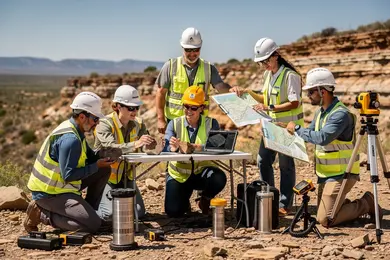
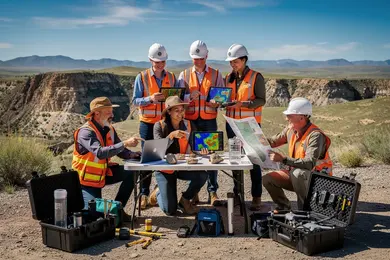
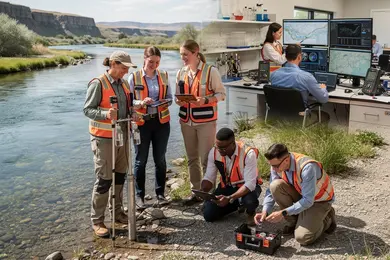
Field-based geoscience roles demand a combination of technical proficiency and hands-on exposure that online programs only partially deliver. Graduates qualify for positions such as environmental consultants, hydrogeologists, and geological survey technicians, all requiring active site engagement for tasks like soil and water sampling, geological mapping, and contamination assessment. For example, environmental firms rely on candidates who can operate handheld GIS devices onsite and navigate regulatory protocols confidently.
The integration of virtual labs, GIS, and remote-sensing in over 100 online geoscience courses in 2025 reflects a shift toward technology-enhanced learning, yet these tools cannot fully replicate the nuanced problem-solving and physical agility demanded in the field. Hiring managers often expect 35-40% of candidates for field roles to have prior hands-on experience beyond academic coursework.
This expectation creates a notable barrier for online graduates lacking substantial field hours, who frequently need internships or employer-led training to bridge the gap. Practical readiness hinges on programs offering direct access to in-person field sessions or agency partnerships for supplementary training.
- Online curricula emphasize foundational technical skills using virtual simulations and integrated lab components.
- Real-world geological stratification analysis and drilling supervision require supplemental field experience.
- Targeted practice opportunities are critical for aligning academic knowledge with workforce demands.
What is the salary potential and job outlook for geoscientists and related field professionals?
Geoscientists' salary prospects are tightly linked to applied expertise and geographic specialization, rather than degree type alone. For instance, petroleum geologists in energy hubs like Houston can earn 20-30% above the median wage of about $105,000, with top earners exceeding $190,000 annually. Despite the growing acceptance of online geosciences degrees-backed by a 2024 STEM employer survey indicating over 70% equivalency with traditional programs-field experience remains a critical differentiator for job placement and advancement.
Employers prioritize candidates who pair academic credentials with hands-on skills, particularly in sectors like hydrogeology or mineral exploration, where licensing and in-field experience dictate career progression. Online education can provide foundational knowledge, but success often depends on supplementing that with internships or partnerships to overcome practical training gaps.
Job growth projected at 8% through 2032 reflects demand in environmental assessment and sustainable resource management, favoring candidates who demonstrate relevant applied competencies. Navigating this landscape requires a strategic balance:
- Choose programs aligned with industry-required skills and integrated fieldwork
- Leverage local or governmental opportunities for practical experience
- Focus on sectors and regions where specialization commands premium wages
This multifaceted approach mitigates the limitations of purely online credentials and positions candidates for stronger salary negotiation and long-term career stability in geosciences.
How can prospective students evaluate and choose a reputable online geosciences program?
Accreditation and CEU availability form the baseline for evaluating online geosciences programs, as these elements directly affect a credential's recognition and ongoing professional viability. Regional accreditation maintains diploma legitimacy with employers, while Continuing Education Units (CEUs) provide a practical mechanism for licensure renewal and skill validation. For instance, platforms like the Geoscience Online Learning Initiative (GOLI) offer CEU-accredited courses, making it feasible to sustain credentials entirely online without disrupting full-time employment.
Fieldwork integration is pivotal; programs lacking virtual labs or applied data projects often leave students unprepared for industry demands. An environmental geoscientist, for example, benefits substantively from coursework emphasizing remote sensing and GIS - skills routinely sought by employers in consulting or regulatory agencies. This hands-on component distinguishes more effective curricula from those focused largely on theory.
Beyond academics, measurable outcomes steer sound decision-making. Prospective students should critically assess graduate employment rates, certification pass rates, and employer partnerships-whether with entities like the U.S. Geological Survey or energy sector firms. These metrics signal the practical weight of the credential in the labor market.
Cost transparency linked to outcomes is often overlooked but essential. High tuition does not guarantee better returns; programs withholding detailed post-graduation data risk leaving students with undervalued qualifications. Flexibility in pacing and part-time options also matters for those balancing work and study, maintaining income flow without sacrificing credential progress.
Other Things You Should Know About Geosciences
Most online geosciences programs offer asynchronous coursework, allowing students to study on their own schedules, which suits working professionals. However, field components usually require in-person participation during specific periods, often condensed into short, intensive sessions. Prospective students should prioritize programs that provide flexible scheduling for fieldwork or local field options to minimize work disruption and travel costs.
Online geosciences degrees often limit direct access to specialized equipment and real-time mentoring during field exercises. This can hinder skill development critical for field diagnostics and data collection under varying conditions. Students must seek programs that supplement virtual labs with well-structured, in-person field training or partnerships with local agencies to build authentic hands-on experience.
Many field-oriented online geosciences programs ask for 1–2 years of relevant work, research, or field experience before admission. Some also require a bachelor’s degree in geology, environmental science, geography, or a related STEM field, plus transcripts and a statement of purpose.
References
- Accreditation Guide - Quality Online Schools | Sora Schools https://soraschools.com/blog/accreditation-a-parents-guide-to-quality-online-schools
- 8. Recruiting, Retaining, and Promoting Success of Undergraduate Students with Emphasis on Students Underrepresented in the Geosciences https://www.americangeosciences.org/change/sections/recruitment/
- Online Geoscience Degrees: Top Schools and All Programs in 2026 https://www.gisdegree.org/online/geoscience-degrees/
- Best Online Geoscience Courses and Programs | edX https://www.edx.org/learn/geosciences
- The Rock Garden: a preliminary assessment of how campus-based field skills training impacts student confidence in real-world fieldwork https://gc.copernicus.org/articles/7/17/2024/
- Geologists: Salary, career path, job outlook, education and more - RaiseMe https://www.raise.me/careers/life-physical-and-social-science/geoscientists/geologists/
- Study Geosciences in Germany - My GUIDE https://www.myguide.de/en/study-mathematics-natural-sciences-in-germany/study-geosciences-in-germany/
- Online University Accreditation: Ensuring Quality in Education https://www.qahe.org/article/online-university-accreditation-ensuring-quality-in-education/
- Quality Standards and Accreditation of Distance Education Programs in a Pandemic - OJDLA https://ojdla.com/articles/quality-standards-and-accreditation-of-distance-education-programs-in-a-pandemic
- The Geological Society - Degree Accreditation https://www.geolsoc.org.uk/education-and-resources/universities/university-degree-accreditation/