2027 Best Online Bachelor's in Geosciences With Hydrology Coursework

Co-Founder and Chief Data Scientist
When confronted with increasingly complex water resource challenges, geoscientists must rapidly integrate hydrology expertise to analyze watershed dynamics and support sustainable management. Balancing work obligations with rigorous field and laboratory training often prohibits timely degree completion, creating a bottleneck for professionals seeking advancement. The National Center for Education Statistics reports a 15% surge in enrollment in online STEM bachelor's programs since 2023, signaling a shift toward flexible, competency-based learning models that better accommodate adult learners. This article examines the best online bachelor's programs emphasizing hydrology coursework, aiming to guide candidates through program features that optimize accessibility, accreditation, and employment outcomes.
Key Things You Should Know
- Hydrology coursework enhances qualification for EPA and USGS roles, where 2024 federal labor data shows a 12% hiring growth in water resource management, but limits geographic flexibility due to region-specific aquifer studies.
- Employers prioritize candidates with integrated GIS and hydrology skills; the 2025 National Association of State Boards for Geology survey ranks these competencies as top three for entry-level hires, impacting curriculum choice.
- Online bachelor's programs reduce costs by up to 40% compared to campus options but may extend time to credential completion by 15% due to reduced peer collaboration and fieldwork accessibility, affecting career timeline.
What is an online bachelor's in geosciences with hydrology coursework, and who is it right for?
Choosing an online bachelor's degree in geosciences with hydrology coursework often confronts candidates with a critical tradeoff between flexibility and essential field competencies. Professionals managing water quality, distribution, and sustainability in environmental consulting or government agencies must ensure their education includes practical skills beyond remote theory. Many programs require in-person labs or internships to meet licensure and workforce standards, which can be a logistical barrier for those without local hydrology-specific sites.
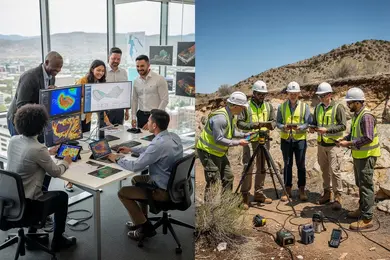
A bachelor's program in geosciences and hydrology coursework that integrates hydrology, geology, GIS mapping, and data modeling equips graduates to assess aquifer health and predict climate impacts on watersheds. Yet, students unable to access these hands-on experiences should focus on competencies like remote sensing and hydrologic modeling software, which hold growing employer value. Practical application remains a hiring differentiator in this niche, where technical proficiency with water sampling and regulatory frameworks is expected.
The sector anticipates 7% employment growth for water-resource specialists from 2024 to 2034, driven by infrastructure resilience and regulatory demands. Those weighing programs should prioritize those with strong industry partnerships and blended learning options, as time-to-employment often hinges on program design. For a complementary path, consider exploring programs offering a geographic information systems degree to deepen spatial analysis skills vital to hydrology careers.
How do online geoscience bachelor's programs with hydrology compare to on-campus options?
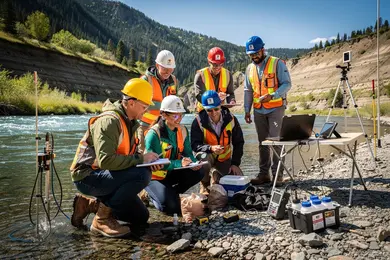
Online geosciences bachelor's programs with hydrology coursework often fail to match the hands-on experience and fieldwork embedded in campus degrees, which remain critical for employability in hydrology-focused roles. Employers expect direct skill in water sampling, soil analysis, and watershed assessment-competencies less accessible in fully online formats. Many online students must independently secure internships or practicums, delaying practical learning crucial for roles in environmental consulting or resource management.
By contrast, on-campus programs integrate field labs and faculty mentorship with immediate access to institutional resources, streamlining student readiness for competitive positions where median hydrologist annual wages approached $85,990 in May 2024. This dynamic is particularly relevant for those comparing online geosciences bachelor's programs with hydrology to campus degrees, reflecting tangible workforce implications beyond theoretical knowledge.
Working professionals considering remote study gain scheduling flexibility but face challenges including limited peer collaboration and reduced networking, which are pivotal in specialized geoscience sectors. To offset these gaps, online learners need to proactively seek applied training such as internships or summer field camps. Students must also consider geographic, career timeline, and funding variables when weighing online versus campus options. For those exploring further academic pathways or career pivots, analyzing affordable options including a data science master online can complement geosciences expertise by adding market-relevant analytical skills.
Which accreditation and quality standards should online geoscience and hydrology programs meet?
Accreditation is a decisive factor for online geosciences and hydrology program accreditation standards North America, directly shaping a graduate's employability and professional trajectory. Employers in environmental consulting and government sectors prioritize candidates from programs accredited by recognized bodies such as regional accreditors or ABET, as these credentials validate mastery of critical skills like hydrogeological modeling, field sampling, and environmental data analysis. Without such accreditation, graduates often face barriers to licensure and struggle to compete for positions with median wages around $80,060 annually, per U.S. Bureau of Labor Statistics data.
Choosing an accredited online degree calls for scrutiny beyond institutional reputation. Effective programs integrate technology-driven coursework-such as GIS applications and groundwater modeling software-and facilitate supervised fieldwork or lab experience, essential for skill acquisition yet challenging to replicate remotely. For working professionals, selecting programs that offer synchronous labs or local field arrangements can prevent costly relocations or unpaid leave, enhancing return on investment.
Quality criteria for accredited online geosciences and hydrology degrees include rigorous curriculum alignment with industry needs and clear pathways for credit transfer toward advanced credentials in related fields like environmental engineering. Those seeking to pivot careers or advance in this space should also explore how online options compare with traditional formats regarding practical exposure and employer recognition. For a practical comparison in related fields, prospective students may consult resources such as online exercise science degree guides that detail accreditation and program quality markers.
What hydrology-focused courses and fieldwork alternatives can you expect in these online programs?
Online bachelor's programs in geosciences with hydrology practical experience must balance theoretical rigor with applied skills despite limited in-person opportunities. Hydrology coursework emphasizes surface and groundwater systems, watershed management, and hydrologic modeling-knowledge essential for environmental consulting and water resource roles. Common classes like Hydrogeology and Environmental Fluid Mechanics equip students with quantitative techniques crucial for flood risk assessment and pollution tracking.
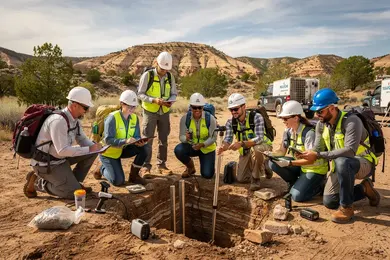
Because many online programs replace onsite fieldwork with virtual labs, simulation tools, and local projects, students often use geographic information systems (GIS) remotely or gather hydrologic data independently for expert evaluation. This methodology addresses employer concerns about hands-on skill gaps but shifts the burden onto students to coordinate local fieldwork or internships, creating a distinct tradeoff in experiential learning.
Cost considerations affect accessibility, with institutions such as Southern New Hampshire University charging approximately $330 per credit hour. Prospective candidates should compare tuition fees with the availability of real-time collaboration tools and options for local field experiences when assessing program value.
Students mastering software like HEC-RAS and MODFLOW increase their employability in municipal water management and environmental compliance sectors, where physical sample collection is commonly subcontracted. Those evaluating hydrology coursework and fieldwork options in online geosciences programs must assess how each program's structure impacts their practical readiness. Additionally, understanding the mechanical engineering degree online cost landscape helps clarify broader trends in affordable STEM education pathways.
What are the typical admission requirements for online bachelor's degrees in geosciences?
Admission requirements for online bachelor's degrees in geosciences reflect practical challenges tied to foundational knowledge and varied student backgrounds. Most programs set a baseline high school GPA near 2.5-3.0 and expect competency in algebra, geometry, and introductory science subjects. This baseline ensures students can handle technical coursework, but applicants without direct geoscience experience often face added hurdles, such as prerequisite courses or remedial work in data analysis and scientific communication.
Applicants are usually required to submit transcripts documenting prior coursework. While standardized tests like the SAT or ACT may be waived-particularly for transfer students or programs prioritizing holistic review-supplemental materials like personal statements or letters of recommendation can influence placement or progression.
Fieldwork and lab components present logistical tradeoffs for online learners who must secure local opportunities to fulfill these hands-on requirements. This can extend degree timelines, especially for working adults balancing employment, underscoring the importance of early planning. For example, environmental professionals re-skilling in their late 30s often allocate additional months for fieldwork coordination.
From a workforce perspective, geosciences graduates see tangible benefits, with average hydrologist salaries near $85,990 annually. Online program tuition tends to be notably lower than traditional campus costs, making them a cost-sensitive choice. Students should assess admission criteria against their preparation and career goals to avoid costly delays or skill gaps that employers expect.
How long do online geoscience bachelor's programs take and what do they cost?
Choosing an online bachelor's degree in geosciences with hydrology requires weighing time investment against career objectives and market realities. Accelerated tracks trimming four years to roughly two and a half demand relentless year-round study, a challenge for anyone maintaining employment. Conversely, part-time paths extend completion beyond five years, potentially delaying entry into higher-paying roles. Students must critically assess whether the pace serves their availability and professional goals without causing burnout or unnecessary setbacks.
Tuition costs diverge sharply depending on institution and residency status. Public in-state rates average $6,000 to $10,000 annually, totaling up to $40,000, while private nonprofits frequently exceed $100,000 over four years. Additional expenses for lab fees and specialized software can add significant costs often overlooked. Practical budgeting here is essential to avoid financial strain that undermines program completion or post-graduate flexibility.
For job seekers in regions stressed by water scarcity, such as the western U.S., employers increasingly prioritize hydrology skills tied to applied research and internships addressing local water challenges. Graduates without location-specific specialization or certification risk commoditization in a tightening labor market driven by environmental pressures and sustained through 2034 per the U.S. Bureau of Labor Statistics.
What careers can a bachelor's in geosciences with hydrology coursework prepare you for?
A bachelor's in geosciences with hydrology coursework primarily equips graduates for applied roles in water resource management, environmental consulting, and natural resource oversight. Positions such as hydrologists focus on analyzing groundwater and surface water systems critical to municipal infrastructure or agricultural irrigation design. Environmental consultants use hydrology expertise to assess contamination risks and guide remediation efforts with public health and regulatory compliance implications. Natural resource managers balance resource extraction like mining or forestry with watershed protection, commanding median salaries near $144,440 annually in related fields according to the U.S. Bureau of Labor Statistics.
Employers emphasize proficiency with complex datasets including rainfall, soil moisture, and watershed modeling, often requiring GIS and remote sensing skills strengthened by hydrology coursework. This technical foundation supports roles in climate resilience planning, such as developing flood management and drought mitigation strategies for government and private sectors.
However, pure research roles typically demand advanced degrees, so practical experience gained during or after the bachelor's is crucial for applied science careers. Graduates aiming for leadership roles must also develop management competencies alongside technical skills to advance into natural sciences manager positions overseeing multidisciplinary teams and budgets. Career entry generally involves technical staff or junior analyst positions within water utilities, consulting firms, or environmental NGOs, with longer-term growth contingent on experience and skill diversification.
What are the salary expectations and job outlook for hydrology and geoscience professionals?
Hydrology and geoscience roles offer median salaries between $70,000 and $95,000 annually, with senior positions in government or consulting exceeding $110,000. This salary range reflects strong regional disparities and sector-specific demands. For example, entry-level hydrologists at state water agencies may begin near $75,000 but must acquire advanced data analytics and regulatory skills to move into six-figure advisory roles. Conversely, nonprofit conservation positions often pay less but grant valuable field experience critical for long-term growth.
Employers seek candidates with solid quantitative skills-particularly in calculus, physics, and chemistry-as foundational capabilities directly affect one's eligibility for leadership on technical projects. Programs like those at the University of Texas at Austin emphasize these elements, aligning academic preparation with workforce expectations.
Career prospects in this field favor geographic flexibility, especially in water-stressed U.S. regions such as California and the Southwest, where demand is acute and pay premiums exist. There is a notable tradeoff between public-sector roles offering stability and private consulting with higher pay but irregular hours. Graduates must navigate these factors alongside evolving environmental and regulatory challenges to establish durable careers in geosciences.
Are licenses or certifications required for hydrology-related roles, and how do you qualify?
Licensing in hydrology is less a formality and more a gatekeeper for professional responsibility, especially in roles tied to public safety and environmental compliance. The core credential, the Professional Hydrologist (PH) certification from the American Institute of Hydrology, demands a relevant bachelor's degree-usually in geology or hydrology-plus four years of pertinent experience and professional references. Meanwhile, the Professional Engineer (PE) license, often preferred for water resources management or consulting, requires a more drawn-out path: passing the Fundamentals of Engineering exam, accumulating four years of engineering experience, then passing a PE exam focused on civil or environmental disciplines related to hydrology.
Entry into these licensure tracks begins with an accredited bachelor's degree rich in hydrology coursework, with at least 14 recognized online geology bachelor's programs available as practical starting points. Real-world application under licensed mentors is a non-negotiable step, since many employers will not hire unlicensed candidates for positions that involve approving environmental impact reports or calibrating hydrologic models with legal accountability.
Graduates without licensure may still find roles, particularly in sectors like mining or oil exploration, but these are often technical support positions with limited scope. Prospective professionals must weigh the time and rigor of licensure preparation against the operational advantages it delivers, including eligibility for federal and state jobs and greater authority within consulting firms and environmental NGOs.
How can prospective students evaluate and choose the best online geoscience hydrology program?
Choosing an online geoscience hydrology program demands scrutiny beyond surface attributes, focusing sharply on accreditation and curriculum alignment with professional standards. Programs endorsed by recognized regional or specialty bodies profoundly influence licensure eligibility and hiring prospects, especially in government and engineering sectors where certification like the Certified Hydrologic Technician often determines candidacy.
Course content must incorporate applied hydrology, watershed management, and regulatory frameworks to meet real-world demands. For example, engineering firms specifically seek graduates proficient in hydrologic modeling software and adept at interpreting field data - capabilities that only programs integrating robust interactive labs or equivalent virtual practicum elements can develop effectively.
Practical experience is a distinct differentiator. Programs affording internships or employer collaborations often yield higher employment rates and stronger ROI by providing pathways into sectors prioritizing hands-on skills. Financial considerations also weigh heavily, given the potential need for relocation and further certification, making tuition versus expected salary outcomes a pivotal factor.
Evaluating faculty expertise and active research engagement provides insight into a program's currency with evolving hydrology challenges. Prospective students should cross-reference employment metrics and institutional transparency reports, such as those gathered by MyDegreeGuide, to gauge long-term value.
Other Things You Should Know About Geosciences
A fully online geosciences/hydrology degree in 2027 integrates virtual labs, simulations, and fieldwork opportunities essential for research and technical roles. These experiences ensure graduates gain the analytical and practical skills required, although hands-on, in-person lab work often found in traditional programs might still offer additional advantages.
Employers seek graduates fluent in geospatial technology, environmental data modeling, and regulatory compliance related to water resources. Online programs that integrate software training for tools like ArcGIS or HEC-RAS leave graduates more competitive. Focusing on programs that emphasize real-world data interpretation and project management prepares students better than those primarily centered on theoretical knowledge alone.
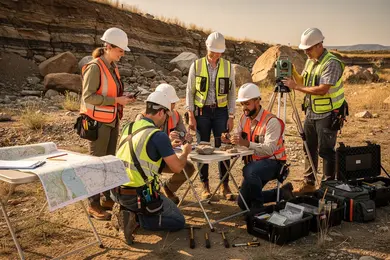
Most online geosciences bachelor’s programs still require 1–2 science labs, often completed through local or mailed lab kits, plus a field methods or mapping component. Expect at least one course in physical geology, hydrogeology, or GIS to include field data collection, usually arranged around a 3-credit format.
Working professionals must select programs with flexible schedules, asynchronous coursework, and clear timelines to handle the balance efficiently. Prioritize programs with robust academic advising and employer-friendly enrollment policies, such as part-time study or credit for prior experience. Avoid programs with rigid deadlines or excessive synchronous requirements, which can conflict with professional responsibilities and lead to attrition.
References
- Geoscience Careers https://education.americangeosciences.org/resources/geoscience-careers/
- What coursework should I take to become a successful Applied Geoscientist? https://www.aegweb.org/index.php
- Water Career Guide - Freshwater Society https://freshwater.org/watercareerguide/
- Online University Accreditation: Ensuring Quality in Education https://www.qahe.org/article/online-university-accreditation-ensuring-quality-in-education/
- Are Online Degrees Accredited? How to Identify Quality Distance Learning Programs https://www.umassglobal.edu/blog-news/online-degrees-accredited-identify-quality-distance-learning-programs
- The Geological Society - Degree Accreditation https://www.geolsoc.org.uk/education-and-resources/universities/university-degree-accreditation/
- How to Become a Successful Hydrologist | jobs.ch https://www.jobs.ch/en/occupations/hydrologist/
- Bachelor's Degree Hydrology https://www.bircham.edu/bachelor-s-degree-hydrology.html
- Online Geoscience Degrees: Top Schools and All Programs in 2026 https://www.gisdegree.org/online/geoscience-degrees/
- What does a Hydrologist do? Career Overview, Roles, Jobs | ABRF https://careers.abrf.org/career/hydrologist