2027 Online Geosciences Degrees With Geology Foundations Concentrations

Co-Founder and Chief Data Scientist
Professionals aiming to advance in geosciences often confront the challenge of balancing rigorous fieldwork prerequisites with unpredictable job market demands. A recent National Center for Education Statistics report shows a 15% increase in online enrollments among adult learners pursuing science degrees, reflecting a shift toward flexible education that accommodates ongoing employment and regional constraints. This trend signals growing employer acceptance of online credentials coupled with traditional geology foundations, yet raises critical questions about program quality, hands-on skill acquisition, and timely graduation.
This article evaluates online geosciences degrees with geology foundations concentrations, guiding decisions on program suitability, career alignment, and workforce readiness.
Key Things You Should Know
- Online geosciences degrees with geology foundations in 2026 face a tradeoff between limited fieldwork exposure and theoretical rigor, impacting readiness for field-dependent roles despite improved digital simulation tools reported by the AGI Workforce Program.
- Employers prioritize candidates with verified practical skills; programs lacking integrated internships correlate with 18% lower initial salaries, per the US Bureau of Labor Statistics, influencing hiring decisions in energy and environmental sectors.
- The average total cost for accredited online geology foundation degrees rose 7% since 2024, per NCES data, intensifying timing and affordability pressures for mid-career professionals balancing accelerated credentialing against income loss risks.
What is an online geosciences degree with a geology foundations concentration, and who is it best for?
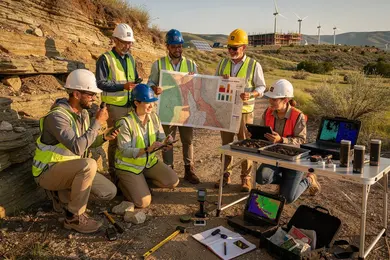
An online geosciences degree with a geology foundations focus offers flexibility critical for professionals balancing work or family while entering earth sciences. This path equips students with essential skills in mineralogy, stratigraphy, and tectonics, aligning well with entry-level roles in environmental consulting, natural resource exploration, and hazard assessment. However, practical geological competence remains the industry's non-negotiable expectation.
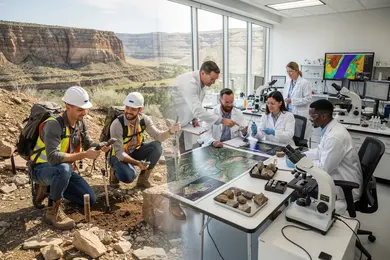
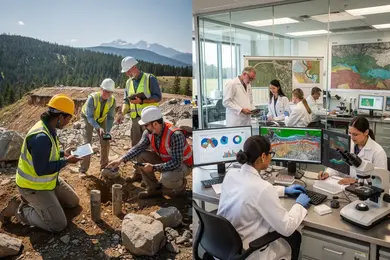
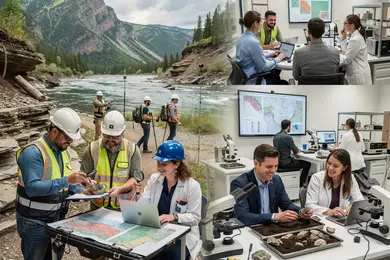
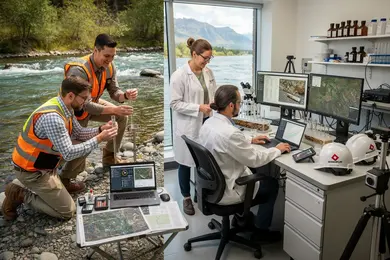
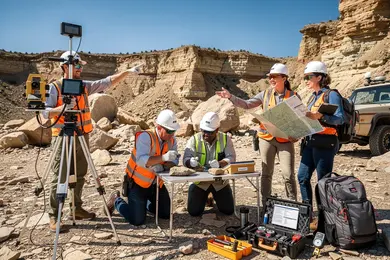
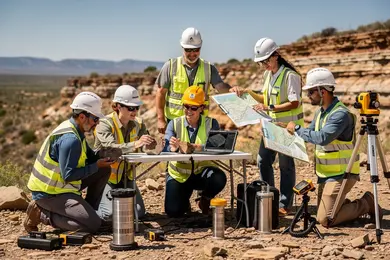
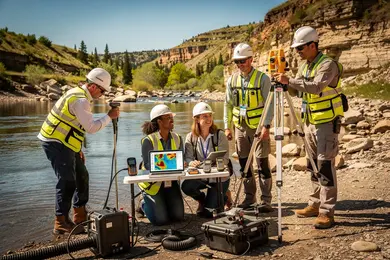
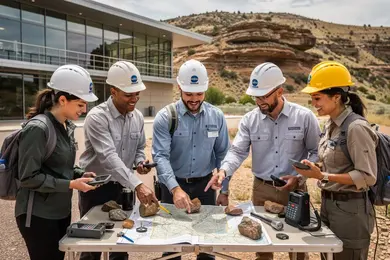
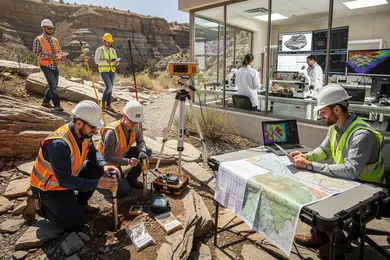
Employers emphasize the need for data analysis and field experience alongside theoretical knowledge. Online programs often include virtual labs and simulations, but students must proactively pursue local opportunities to gain hands-on fieldwork, a step vital for successful job placement. Without this, even strong academic credentials might not translate into employment.
Graduates who seize such field experience typically access a job market where geoscientists earn a median annual wage of $99,240 and where employment growth is projected at 3% from 2024 to 2034. This degree particularly suits candidates targeting sectors like environmental remediation, where regulatory and geology foundation knowledge are imperative. Those aiming for specialized areas, such as petroleum geology or research, should anticipate pursuing further certifications or advanced degrees.
Prospective students considering an online geosciences degree with geology emphasis should evaluate programs for robust industry connections and accessible internships to counterbalance the inherent limitations of remote learning. For detailed program comparisons, consult the best online geology degree listings.
How do online geosciences degrees compare with on-campus programs for quality and learning experience?
Online geosciences degree program quality comparison reveals a persistent gap between theoretical foundation and practical skill acquisition. While online curricula often match the academic rigor of on-campus programs, they typically lack sufficient hands-on components crucial for fields like environmental consulting, petroleum geology, and mining exploration, where employers demand proven competency in field methods, laboratory analyses, and geospatial technologies.
Graduates with bachelor's degrees in Geological & Earth Sciences remain the dominant cohort entering the workforce, underscoring the necessity for robust experiential learning intertwined with theory. Programs emphasizing only classroom-based instruction risk producing candidates underprepared for entry-level geotechnical positions that require applied knowledge beyond textbooks.
The learning experience differences between online and on-campus geosciences degrees become especially significant for those without prior geology exposure. Working professionals pursuing online routes benefit from flexible scheduling that complements ongoing employment, although career pivoters must navigate the challenge of independently securing field internships or summer labs to build essential tactile skills.
Employers recognize knowledge equivalence from accredited online degrees if practical skills are demonstrable. Prospective students should verify if hybrid practicum elements or employer collaborations exist to bridge this gap effectively. Quality online programs balance accessibility with structured, mandatory hands-on opportunities designed to mirror on-campus outcomes.
For those assessing related pathways, considering the best data science masters can provide complementary skills applicable in geospatial analysis and modeling, expanding broader workforce competitiveness.
Which U.S. colleges offer accredited online geosciences degrees focused on geology foundations?
Employers in environmental consulting and resource exploration expect graduates from accredited online geosciences degree programs in the U.S. to demonstrate both foundational geology knowledge and applied field skills. Institutions like the University of Arizona and Missouri State University provide Bachelor of Science degrees that cover mineralogy, petrology, and structural geology, aligning curriculum with technical workforce demands. However, those lacking remote lab experience or professional internships commonly face slower career progression and lower salaries in environmental remediation or geology-intensive public agencies.
University of Arizona's program includes remote lab simulations replicating rock and mineral analysis, while Missouri State emphasizes career services and internship opportunities vital for professionals pivoting mid-career into geology. Both programs hold recognized accreditation and adhere to rigorous standards, ensuring graduates meet contemporary industry benchmarks. These factors directly impact earning potential; mid-career geoscientists earn between $62,090 and $80,060, escalating to $103,730 in senior roles.
Prospective students should evaluate programs on criteria beyond asynchronous coursework-specifically virtual fieldwork integration, professional network access, and comprehensive geology core training to meet STEM and regulatory needs. For those considering broader education pathways, understanding whether a specialized degree fits long-term goals is crucial. For example, a recent study on whether is a masters in library science worth it reveals comparable rigor in assessing practical outcomes beyond degree titles.
Ultimately, selecting top U.S. colleges for online geology foundations concentrations requires weighing the tradeoffs between flexible delivery and real-world skill acquisition, which governs employability and financial advancement in geosciences.
What accreditation and quality standards should online geosciences programs with geology foundations meet?
Accreditation standards for online geosciences degrees with geology concentrations directly influence employment prospects and salary trajectories in this competitive field. Programs that lack regional accreditation recognized by the U.S. Department of Education and the Council for Higher Education Accreditation often face skepticism from employers, particularly for roles demanding verified expertise in stratigraphy, mineralogy, and geophysics. Specialized endorsement from industry bodies such as the Geological Society of America can elevate a program's credibility by confirming that the curriculum aligns with real-world geological competencies.
Practical relevance is critical: graduates with access to hands-on remote labs or field data analysis aligned with current workforce needs-such as integrated GIS and remote sensing-demonstrate stronger employment outcomes in sectors like energy exploration or environmental consulting. This connection between quality criteria for geology foundation programs in online geosciences education and workforce readiness reduces the time needed to reach leadership-level roles, where experienced professionals can earn $103,730 to $134,830 annually or more.
For working professionals, the availability of synchronous or asynchronous coursework featuring applied projects facilitates immediate skill application, addressing the hiring risks employers associate with substandard credentials. The pathway to career growth in government or top-tier private firms depends heavily on validated program quality and measurable learning outcomes.
Students evaluating advanced degrees should also consider affordability and the flexibility of programs; for example, pursuing a master of library science often offers benchmark insights into balancing cost with curricular rigor and delivery modes in comparable online graduate studies.
What courses and specializations are typically included in a geology foundations concentration online?
Online geology foundations concentrations demand a rigorous balance between theoretical knowledge and applied skills, reflecting employer expectations in sectors like energy, environmental consulting, and resource management. Core disciplines include mineralogy, petrology, sedimentology, and structural geology, supplemented by quantitative competencies such as geospatial analysis and field data interpretation-key for precise site assessments and hazard evaluation roles.
Students often juggle full-time work with their studies, necessitating curricula that blend virtual labs and remote fieldwork options. This flexibility supports skill acquisition but requires disciplined self-study and proactive networking, particularly internship engagement, to overcome the mentorship gaps inherent in online formats. Electives like geochemistry and paleontology expand career options but risk prolonging degree completion.
Cost considerations are significant; for example, Southern New Hampshire University charges $320 per credit hour for its online BS in geosciences, totaling roughly $960 per typical course. Given program lengths often exceed 120 credits, budgeting beyond per-credit rates is critical. Selecting concentrations involves evaluating regional labor demands and certification requirements: Environmental geology aligns with EPA roles but often mandates additional licensure, while hydrogeology suits water agencies with a strong quantitative emphasis.
- Core sciences build foundational geology knowledge.
- Applied specializations match employer needs in environmental and energy sectors.
- Online delivery necessitates self-motivation and internship pursuit to counter limited face-to-face mentoring.
- Cost per credit can mask extensive total financial commitments.
- Concentration choices impact employability and may require certifications beyond the degree.
What are the admission requirements and prerequisites for online geology-focused geoscience degrees?
Online geology degrees demand solid preparation in math and science, with employers emphasizing field skills beyond academic credentials. Programs requiring around 125 credit hours, such as the University of North Dakota's BS in Geology, exceed the typical 120-credit norm to accommodate in-depth technical training and lab experience. Online students often face the challenge of fulfilling hands-on components through virtual labs or local partnerships, which directly impacts workforce readiness, particularly in applied fields like environmental consulting or petroleum geology.
Admission prerequisites usually include completed secondary education with strong foundations in algebra, trigonometry, chemistry, and physics; insufficient preparation can extend the time and cost to degree completion due to remedial coursework. Working professionals must critically assess these requirements before enrolling to avoid delays that hurt career progression.
Key admission materials-recommendation letters and statements of purpose-serve to gauge applicants' clarity of objectives and capacity for self-directed study, essential for managing the rigorous, largely asynchronous format. The balance between academic rigor and program flexibility must be weighed against personal obligations, since geology employers seek candidates with both broad knowledge and specialized, practical experience.
Prospective students should carefully evaluate whether an online degree's structure aligns with their professional goals and capacity to meet the demanding quantitative and hands-on elements, as gaps in fieldwork experience can restrict job opportunities in a competitive market.
How long do online geosciences degrees take, and what do they cost compared to campus programs?
Online geosciences degrees with geology foundations typically mirror traditional campus programs in duration, requiring four years full-time and extending to six or more for part-time students juggling other commitments. The financial landscape varies: public in-state online programs average $10,000 to $15,000 annually, while private or out-of-state campus equivalents can surpass $30,000. The lower costs of online formats come from eliminating housing, transportation, and campus fees, representing significant savings for self-funded students.
Employers now expect practical competencies in GIS and data analysis alongside core geosciences knowledge, making concentrated coursework vital. For example, a professional moving into environmental consulting can sustain employment during online study, acquiring relevant skills within a four- to six-year timeframe. Without these focused skills, graduates risk diminished employability in a market set to favor GIS-related expertise through 2034, as forecasted by EnvironmentalScience.org.
On-campus programs may offer superior access to fieldwork, labs, and networking, offsetting their higher cost but often at the expense of flexibility. Online students must proactively secure internships or field experiences to bridge this gap. The total cost of campus-based degrees is typically 25% to 40% higher when accounting for fees and living expenses, a critical factor for those minimizing debt.
Decision-makers should weigh these tradeoffs carefully, prioritizing accredited programs with embedded GIS and data analysis training to align with long-term employability and skill demands in the geosciences workforce landscape.
What careers can you pursue with an online geosciences degree emphasizing geology foundations?
Online geosciences degrees offer flexibility but pose a significant challenge: acquiring essential field experience. Employers in environmental consulting expect graduates to conduct soil and contamination assessments, while mineral exploration roles demand remote sensing and GIS proficiency. However, most entry-level positions mandate hands-on fieldwork, not typically provided by online programs, pushing students toward local internships or employer-sponsored training to gain practical competence.
Petroleum geology positions prioritize skills in stratigraphy and basin analysis paired with real-world application, and geotechnical engineering demands site evaluations and collaboration with civil engineers. These practical requirements often contract the otherwise appealing convenience of online study, requiring strategic planning for summer internships or field projects.
Students should evaluate degree programs on their integration of experiential learning or partnerships with industry to navigate this skills gap. By 2025, data from higher education labor outcome surveys indicate improved placement rates for graduates who successfully combine remote coursework with field exposure. This offers a cautious pathway for working professionals seeking advancement without relocation but underscores a tradeoff between flexible schedules and critical job-readiness skills.
What are the salary ranges and job outlook for graduates in geology and geoscience roles?
Salary expectations for geology and geoscience graduates in 2026 vary broadly, from about $55,000 at entry level to over $110,000 for those with specialized skills and experience in industries like energy and environmental consulting. Candidates focusing on geophysics or hydrology encounter distinct employer priorities-petroleum and mining firms prioritize the former, while environmental consultancies favor the latter-which directly impacts earning potential and job placement.
The workforce outlook projects a 6% growth through 2032, but this figure conceals important sectoral shifts: roles involving climate system science and water resource management are expanding rapidly due to regulatory pressure and sustainability initiatives, whereas opportunities tied to fossil fuels are stagnating or contracting. This division requires deliberate major selection aligned with market demand and personal adaptability.
Geographical location critically influences employment outcomes; high remunerations cluster in states like Texas, California, and Colorado, linked to energy and resource hubs. Professional licensure as a Geologist (PG) enhances both salary and job security, especially in consulting and government roles. Additionally, proficiency in GIS, remote sensing, and data analytics has become indispensable to maintain competitiveness in a technically evolving landscape.
Prospective geoscience professionals must therefore weigh specialization and regional flexibility against emerging environmental trends and traditional resource sectors, balancing immediate job prospects with long-term industry viability.
How can prospective students evaluate and choose the best online geology foundations program?
Selection of an online geology foundations program must rest primarily on transparent, measurable outcomes rather than marketing claims. Accreditation by recognized bodies directly influences eligibility for professional licensure and employer recognition. For example, a program lacking published employment rates or alumni career progress in geoscience roles presents a riskier investment compared to those with clear vocational pathways.
Given the Bureau of Labor Statistics' projection of just 3% employment growth in geoscientist positions over the next decade, programs must prioritize applied skills aligned with environmental challenges-such as field simulations for resource management or integrating climate adaptation techniques. This practical focus is essential since many graduates encounter significant gaps between academic theory and workforce expectations.
Students balancing work, geographic location, or family obligations should evaluate asynchronous course options and the availability of robust technical support to avoid sacrificing educational quality. Cost assessment involves more than tuition; consideration of scholarships, employer assistance, and accelerated completion pathways can materially affect overall feasibility.
Faculty actively engaged in applied research or consulting projects tend to deliver curricula reflecting current industry demands, sharpening graduates' readiness for government or private sector roles. Those targeting GIS, data analytics, and environmental regulatory frameworks will find such expertise critical in programs designed to meet evolving workforce requirements.
Other Things You Should Know About Geosciences
Employers in geosciences often prioritize program accreditation and practical experience over delivery method. Accredited online degrees are widely accepted, but graduates should verify that their program offers sufficient lab simulations, fieldwork components, or internships to match hands-on skill requirements. Without these practical elements, graduates may face challenges competing for roles that demand direct field proficiency.
Yes, integrating fieldwork is essential because geology relies heavily on observational skills developed through real-world practice. Students must evaluate whether the online program supplements coursework with local field trip opportunities, virtual reality simulations, or partnerships with regional employers for hands-on experience. Prioritizing such programs enhances employability by bridging the gap between theoretical knowledge and practical application.
Most programs require 3 to 6 field geology credits, often completed in a summer field camp, plus about 30 to 36 total graduate credits for the degree. Some schools allow limited substitutions, but employers and licensing boards usually expect hands-on field experience documented on the transcript.
References
- Online Classes or On Campus: Which is Right for You? - Graduate Programs for Educators https://www.graduateprogram.org/blog/online-classes-or-on-campus-which-is-right-for-you/
- The Geological Society - Degree Accreditation https://www.geolsoc.org.uk/education-and-resources/universities/university-degree-accreditation/
- Online Degree vs. Traditional: Choosing the Right Path https://beal.edu/online-degree-vs-traditional/
- Online Geoscience Degrees: Top Schools and All Programs in 2026 https://www.gisdegree.org/online/geoscience-degrees/
- American Geosciences Institute https://www.americangeosciences.org/
- Geology and Environmental Geoscience https://www.uregina.ca/academics/programs/science/geology-environmental-geoscience.html
- Geology (Certificate of Higher Education) https://www.bbk.ac.uk/courses/undergraduate/geology-certificate-of-higher-education
- ThisIsGeoscience - Geoscience Salaries https://www.thisisgeoscience.com/the-resources/geoscience-salaries
- 500+ Water Jobs (Updated Today) â Free to Apply https://jobs.watertechintel.com/blog/geology-major-jobs
- Geology - ABET https://www.abet.org/accreditation/new-and-developing-program-areas/geology/