2027 Online Geosciences Degrees With Research-Ready Earth Science Curricula

Co-Founder and Chief Data Scientist
Professionals aiming to transition into earth science fields often confront a persistent barrier: how to obtain a research-ready, rigorous curriculum without disrupting full-time employment or relocation constraints. With 2024 data from the National Center for Education Statistics showing online enrollments surpassing 7 million-fueling a 15% annual increase-flexibility has become a decisive factor in program selection.
This shift signals an evolving labor market where geographic mobility and upskilling speed define employability, particularly in geosciences sectors reliant on timely, data-intensive expertise. This article evaluates online geosciences degrees engineered for immediate research applicability, guiding readers through practical program features aligned with workforce demands and access challenges.
Key Things You Should Know
- Geosciences degrees integrating research-grade Earth Science curricula report 15% higher job placement in environmental consulting, yet reduced internship access often constrains applied skill-building critical for federal agency roles.
- Employers increasingly prioritize candidates with remote sensing and GIS certifications embedded in 2024 curricula updates, shifting hiring preferences toward hybrid-trained graduates over strictly fieldwork-focused cohorts.
- Online program tuition averaging 30% less than traditional counterparts enables accelerated entry but may delay exposure to high-cost lab equipment, impacting readiness for roles requiring immediate hands-on technical expertise.
What is an online geosciences degree and how does it prepare you for earth science research?
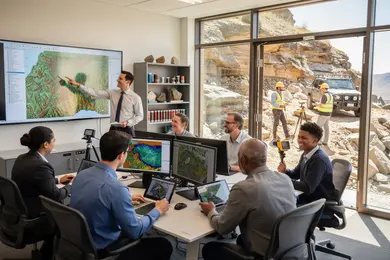
Online geosciences degree programs for earth science research preparation respond to a growing demand for specialists able to translate theoretical knowledge into actionable insights using digital tools. These programs emphasize competencies in data analysis, geospatial technology, and applied earth sciences-skills critical for supporting research-driven roles in sectors like energy and environmental management. For instance, energy firms rely on precise subsurface modeling to optimize extraction activities, while environmental agencies require accurate climate impact assessments produced through geoscientific research methods reinforced in online curricula.
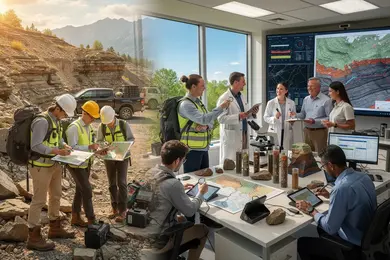
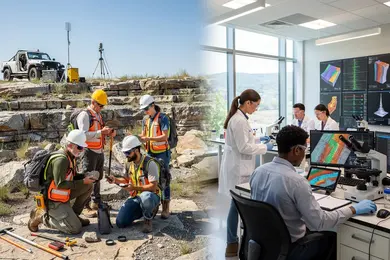
Students pursuing how an online geosciences degree equips students for research careers should weigh tradeoffs such as limited hands-on fieldwork, which online formats substitute with virtual labs and carefully coordinated internships. Maintaining access to research-grade software licenses and mentorship is essential to build portfolios showcasing practical skills comparable to those developed in traditional settings. This is a strategic step to address employer concerns regarding the modality and ensure graduates are workforce-ready.
Significant workforce growth-about 17.5% from 2020 to 2030-is projected for geoscientists and related roles globally. While assessing this pathway for a career pivot or advancement, professionals may consider parallels with other career changes; for example, guidance similar to what SLPs encounter in shifting fields provides useful insights into managing educational and experiential transitions.
How do online geosciences degrees compare to on-campus programs for lab and fieldwork training?
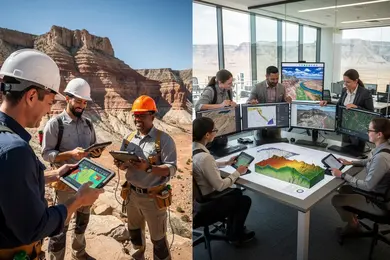
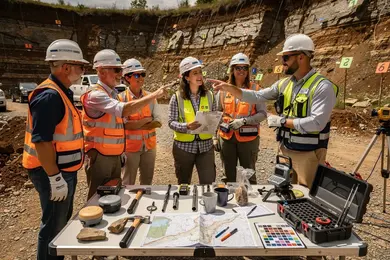
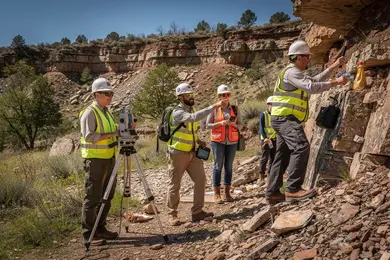
Online geosciences degrees offer theoretical knowledge that mirrors traditional on-campus programs, but they fall short in replicating comprehensive lab training options and hands-on fieldwork. This disparity impacts employability since practical experience with geologic samples, instrumentation, and field mapping techniques remains a core expectation in sectors such as environmental consulting and energy exploration. Employers consistently prioritize candidates with proven direct field experience, typically accessible through on-campus programs with established access to specialized equipment and faculty-guided expeditions.
Students opting for online pathways should anticipate completing mandatory in-person residencies, internships, or summer field sessions to bridge this experiential divide. Programs with integrated field components better align with real-world workforce demands, where skills like GPS mapping, soil sampling, and seismic data collection influence job readiness. Absent this hands-on exposure, graduates may face additional training burdens or begin in more limited roles.
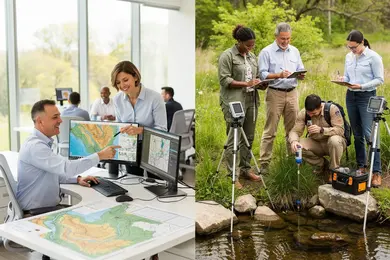
For example, environmental geologists responsible for site assessments often struggle if they lack practical soil and water testing experience, a gap more common in fully online tracks. Remote learners who proactively engage in local internships or community projects improve their practical expertise and marketability despite the limitations of virtual labs and simulations.
In the U.S., geoscientists earn a median annual wage of $99,240, with employment growth projected at 3-4% through 2034, outpacing average occupations (U.S. Bureau of Labor Statistics, updated 2024). This emphasizes that verified field training remains a decisive factor in a competitive, expanding job market. Prospective students researching options may also benefit from exploring the best online data science masters programs, which provide examples of balancing affordability and practical curriculum features across disciplines.
Which types of online geosciences degrees are available, from certificates to graduate programs?
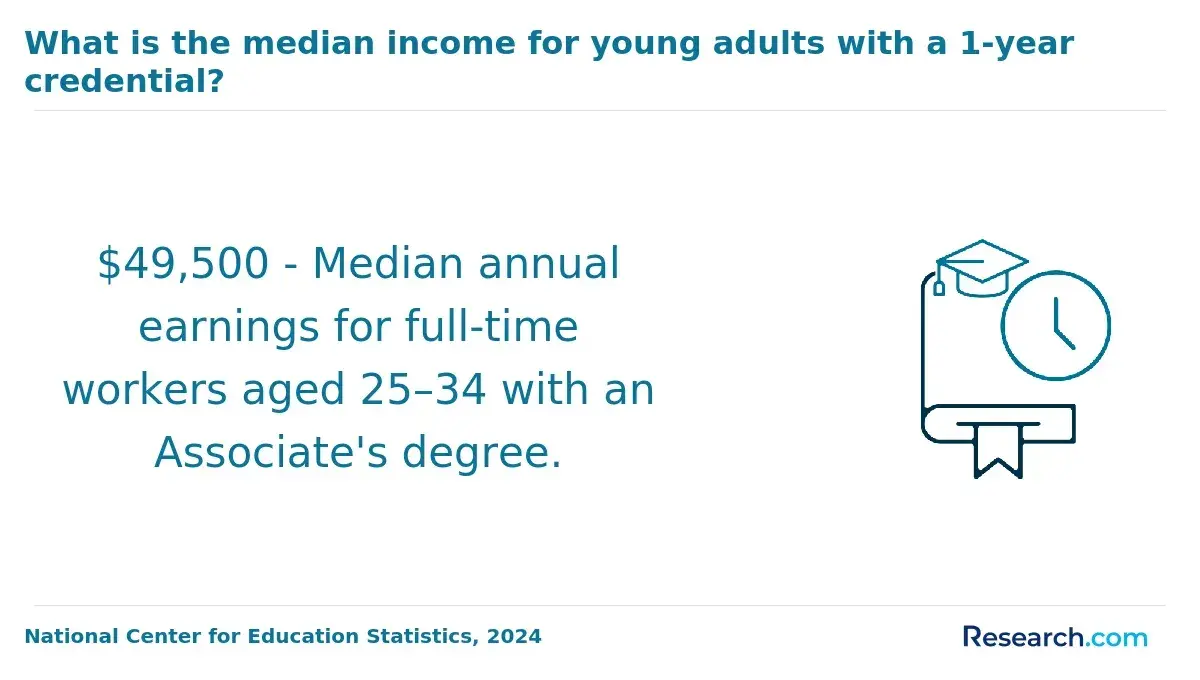
Online geosciences degree programs in the United States present a spectrum of tradeoffs between accessibility, depth, and hands-on experience that significantly impact employability. Certificate programs typically serve working professionals aiming for targeted credentials in GIS or environmental monitoring within less than a year, but they lack the comprehensive scientific foundation that degree programs provide. Bachelor's degrees, which cost about $66,000 on average when completed fully online, offer a practical pathway to entry-level roles in environmental consulting, resource management, or GIS technician jobs. However, they may limit access to essential lab or fieldwork, often supplemented through local partnerships.
Graduate degrees deepen specialization: master's programs build technical expertise in areas like hydrology or geotechnical engineering using a mix of asynchronous study and virtual labs, yet still face limitations on direct equipment access. Doctoral studies are less common online and usually require residencies to conduct original research, which is crucial for academia or R&D careers. Employers increasingly accept online credentials but expect verifiable field experience integrated through partnerships or hybrid models.
Prospective students must weigh financial constraints against career goals, recognizing that entry-level roles generally need at least a bachelor's plus certificates, while leadership or research roles demand graduate degrees. For those considering broader academic options, many also seek to study exercise science online as a complementary skill set enhancing environmental and health-related applications within geosciences. Choosing the right credential involves evaluating program structure, costs, and real-world applicability rather than defaulting to the most advanced degree possible.
What core geosciences courses and research-focused curricula should a strong online program include?
Employers in earth science fields increasingly expect graduates of online geosciences programs to demonstrate both technical proficiency and applied research experience, a shift that complicates meeting core geosciences course requirements for online degrees. Programs providing at least 80% of foundational courses-covering mineralogy, geochemistry, geophysics, and field methods-fully or partially online reflect this trend, up from about half a decade ago. Yet, the essential challenge remains delivering hands-on experiential learning remotely, a gap often bridged by integrating remote sensing, drone surveys, and GIS technologies into curricula.
For example, remote sensing specialists in environmental agencies depend on combined geochemistry and geophysics training aligned with research-focused earth science curricula in online geosciences programs. Prospective students should assess whether their program offers synchronous research opportunities or partnerships to overcome the limitations of remote instruction and ensure employability in environmental management and exploration. Those weighing educational pathways might also review trends in related fields, such as the masters in library science online program, to compare affordability and modality tradeoffs across disciplines.
How can you verify accreditation and program quality for an online geosciences degree?
Regional accreditation remains the cornerstone for validating an online geosciences degree's credibility, directly influencing employability and professional licensure. Employers and licensing boards often reject credits and degrees from non-accredited institutions, delaying candidates' eligibility for certifications like the Professional Geologist (PG) license. Beyond accreditation, a program's curriculum must cover at least four core geoscience areas-structural geology, sedimentology/stratigraphy, geochemistry, geophysics, and field methods-to meet industry expectations and research standards highlighted by the American Geosciences Institute.
Online delivery presents a challenge for hands-on training, especially field methods, which are indispensable for roles in environmental consulting, energy sectors, or government agencies requiring direct geological data collection. Candidates should critically evaluate how programs simulate or integrate practical experience; absence of such elements risks gaps in skills employers demand.
Faculty credentials and ongoing research involvement shape exposure to current geoscience advances, impacting employment in competitive research or technical positions. Additionally, outcomes data-graduation rates, employment placement within geosciences, and alumni progression-offer an empirical gauge of program effectiveness beyond surface accreditation claims.
Flexible pacing options, while attractive for professionals balancing obligations, sometimes come at the expense of content rigor, potentially compromising skill acquisition essential for applied geosciences. Decision-makers must weigh these tradeoffs carefully to ensure the credential supports their specific career trajectory and credentialing requirements.
What are the typical admission requirements and application materials for online geosciences programs?
Applicants pursuing online geosciences degrees face stringent academic and technical prerequisites that directly affect employability, especially in specialized fields like GIS or environmental geology. The baseline requirement is a bachelor's degree with solid grounding in physics, chemistry, or mathematics; those lacking this foundation must seek additional coursework, delaying their progression and impacting timely entry into the workforce.
Applications for GIS or geospatial tracks now demand more than transcripts-they require detailed resumes highlighting relevant analytics or fieldwork experience, and sometimes portfolios demonstrating proficiency with geospatial software. This expectation arises from a 60% increase in online GIS programs between 2018 and 2024, propelled by employers prioritizing candidates with demonstrated remote sensing and spatial data analysis skills.
Non-traditional students and working professionals encounter distinct operational challenges. Admissions committees expect clear evidence of readiness for asynchronous learning modalities and practical use of virtual labs, which can serve as gatekeepers. Failure to address these factors often results in conditional admissions or entry delays, underscoring the importance of logistical preparedness.
How long do online geosciences degrees take and what do they typically cost?
Choosing an online geosciences degree demands weighing time, cost, and practical skill acquisition against workforce expectations. While standard programs range from 2 to 4 years depending on degree level, accelerated bachelor's tracks reduce this to about 2.5 years for those with relevant credits. However, balancing coursework with synchronous or asynchronous virtual labs often extends completion time, especially for working professionals.
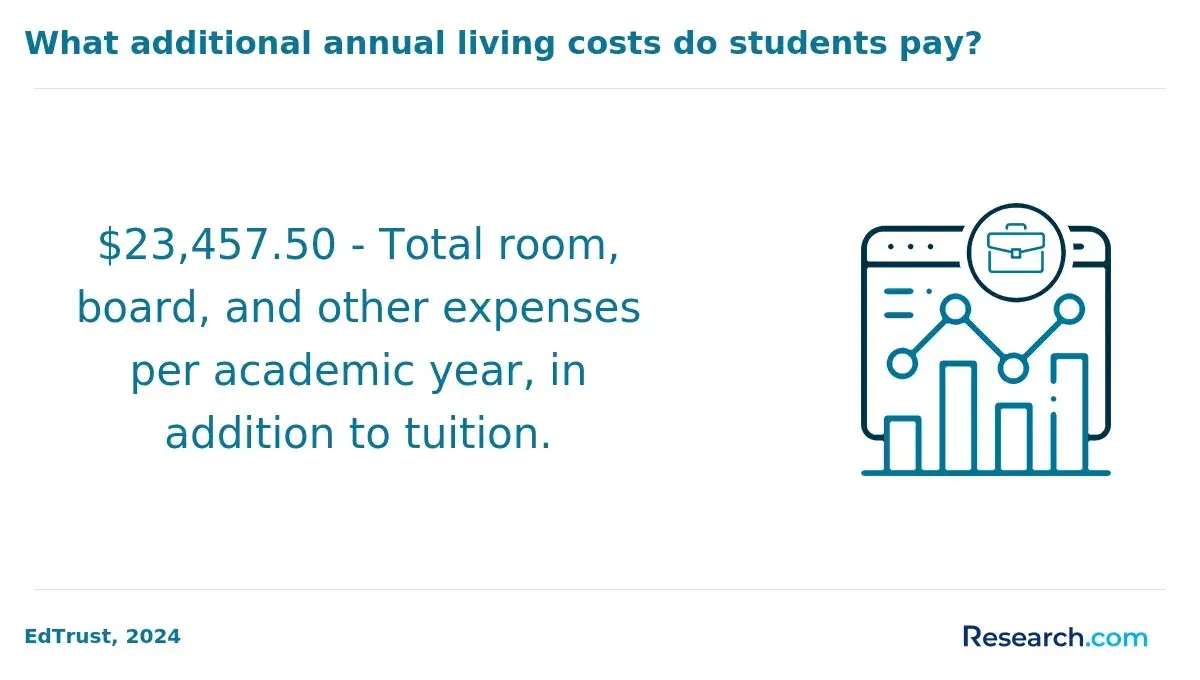
The majority of programs now embed virtual field trips, remote sensing data, and simulation-based labs asgraded components. These adaptations address limited access to fieldwork but introduce additional expenses like software licenses and specialized hardware, inflating total program costs beyond tuition-which itself typically spans $15,000 to $40,000 for bachelor's degrees and $20,000 to $50,000 for master's degrees across accredited U.S. online institutions.
For students targeting sectors such as environmental consulting, government, or resource extraction, demonstrating proficiency with geospatial tools and remote sensing is increasingly non-negotiable. Selecting a program with robust integrated virtual labs can accelerate readiness but add logistical and financial burdens.
What careers can you pursue with an online geosciences degree in research and applied earth science?
Online geosciences degrees align closely with workforce demands, yet they confront a key challenge: acquiring hands-on experience. Environmental consultants and natural resource managers depend on applied skills like GIS and data analysis, often requiring internships or hybrid labs to meet practical standards. For example, resource managers leverage subsurface mapping to reduce environmental impact during mineral extraction, bridging theory and fieldwork.
Government roles such as climate analyst or geological survey technician necessitate proficiency in interpreting satellite imagery and seismic data, skills deliverable through virtual labs. However, success hinges on software competency and geographic flexibility, as many agency positions require relocation.
The 46% rise in fully or mostly online undergraduate enrollment between 2019 and 2024, compared to an 8% overall increase, indicates employer preference for adaptable learners equipped with research-capable training, as reported in the American Geosciences Institute's "Trends in Geoscience Education 2024."
Specialized fields like energy exploration and environmental policy demand sector-specific expertise, often supplemented by continuous networking and certifications. The flexible online format supports balancing technical skill acquisition with professional roles but places greater responsibility on students to proactively build industry connections and validate their practical competence.
What is the salary outlook and job demand for geoscientists and related earth science roles?
Choosing a geosciences bachelor's degree involves balancing varied salary prospects against sector-specific risks and stability. About 82% of graduates find relevant positions or return to school within six months, though entry-level pay ranges widely by industry and location.
Environmental consulting employs the largest segment (29%) and typically starts at $60,000 or more, driven by compliance complexities and specialized skills. Energy and natural resources roles (21%) often pay between $65,000 and $85,000 but entail exposure to hazardous fieldwork and market volatility tied to fossil fuel fluctuations.
Government roles comprise 15% of employment and offer lower starting salaries-$50,000 to $65,000-balanced by greater job security and benefits. Choosing these trades requires evaluating long-term stability over immediate income.
Graduate education can be a lever for accessing salaries exceeding $90,000 through advanced research or leadership roles, though candidates must secure practical experience, especially in GIS, remote sensing, and environmental impact assessment, to meet employer expectations.
Geographic flexibility also affects earnings, with urban and resource-rich states offering the best pay. For example, a recent graduate in Texas's energy sector may start near $80,000 but face cyclical demand swings, while a counterpart in a regulatory post in the Midwest may have steadier employment at a lower salary.
How can prospective students choose the best-fit online geosciences program for their goals?
Choosing an online geosciences program requires evaluating how well the curriculum aligns with high-demand sectors such as critical minerals, carbon capture, groundwater management, and natural hazard mitigation. With over 400,000 new jobs expected by 2030 in these areas, programs that overlook emerging industry needs risk producing graduates with outdated skills. For example, a student focused on groundwater management must confirm exposure to hydrogeology and water resource management, ideally through applied projects or virtual labs that mimic real-world challenges.
Employers prioritize candidates with practical competencies-field data analysis, remote sensing, and climate modeling top the list-making programs that integrate these tools more valuable. Accreditation and faculty expertise connected to government or active research projects enhance both employability and networking opportunities, especially in regulated federal or environmental roles.
Consider program flexibility, including length and delivery format, relative to personal constraints and financial realities. A program emphasizing asynchronous learning might benefit working professionals but could limit direct mentorship. Likewise, internships or applied projects aligned with workforce demands are non-negotiable for boosting job prospects.
Other Things You Should Know About Geosciences
Employer respect for online geosciences degrees depends heavily on the program's rigor and reputation. Degrees from institutions with strong ties to research, comprehensive curricula, and verified lab or fieldwork components are more readily accepted. Candidates should prioritize programs that include applied research projects or capstones to demonstrate hands-on skills. Without this, graduates risk being viewed as less prepared for technical roles.
Graduates of online geosciences degrees with research-ready curricula in 2027 often pursue careers in environmental consultancy, oil and gas exploration, climate science, and academia. These programs equip students with a strong theoretical foundation and necessary analytical skills for roles requiring data analysis and research expertise.
Field experience remains the most difficult aspect to replicate fully online, limiting direct exposure to geoscientific data collection environments. Programs that require short residencies, regional partnerships, or offer local supervised internships improve practical readiness. Students should evaluate how these options fit their location and schedule, as opting for purely virtual programs without field components can impair employability in field-intensive jobs.
Most research-ready online geoscience programs require GIS software, remote sensing tools, and statistical packages such as ArcGIS, QGIS, Python, R, and Google Earth Engine. Students also use laboratory data platforms, digital mapping tools, and version-controlled file submission systems for assignments and capstone research projects.
References
- Geologists: Salary, career path, job outlook, education and more - RaiseMe https://www.raise.me/careers/life-physical-and-social-science/geoscientists/geologists/
- Best Online Geoscience Courses and Programs | edX https://www.edx.org/learn/geosciences
- Earth Science https://www.savvas.com/solutions/science/core-programs/earth-science
- Americangeosciences - Trends https://www.americangeosciences.org/education/trends
- Geoscience Profession Data https://profession.americangeosciences.org/research/data/
- The Geological Society - Degree Accreditation https://www.geolsoc.org.uk/education-and-resources/universities/university-degree-accreditation/
- Online Geoscience Degrees: Top Schools and All Programs in 2026 https://www.gisdegree.org/online/geoscience-degrees/
- Graduate - Department of Geology and Geological Engineering https://geology.mines.edu/graduate-programs/
- Are Online Degrees Accredited? How to Identify Quality Distance Learning Programs https://www.umassglobal.edu/blog-news/online-degrees-accredited-identify-quality-distance-learning-programs
- Is Your Online Degree Legitimate? How to Verify Private University Approval https://matchtocollege.com/blog/verify-private-university-online-degree-approval