2027 Geosciences Specializations That Best Match Sustainability and Resource Careers

Co-Founder and Chief Data Scientist
Facing accelerating demands to address climate-related resource scarcity, professionals in geosciences grapple with identifying which specializations enhance employability in sustainability and resource sectors. The U. S. Bureau of Labor Statistics projects a 7% growth in environmental and geoscience jobs through 2032, signaling rising employer preference for candidates skilled in environmental impact assessment, renewable resource management, and geospatial analysis. Meanwhile, the National Center for Education Statistics found a 15% increase in online enrollment among adult learners in science fields since 2023, indicating a shift toward more flexible, career-compatible education pathways. Choosing the right specialization hinges on aligning evolving labor market demands with accessible and adaptive learning formats. This article outlines the geosciences specializations best positioned to facilitate strategic career advancement within sustainability and resource-oriented roles, focusing on practical outcomes for learners navigating workforce transitions and educational access challenges.
Key Things You Should Know
- Environmental geochemistry offers superior alignment with sustainable resource management but requires costly lab access and multiyear specialization, delaying workforce entry by 1-2 years on average per NSF education reports.
- Employers prioritize hydrogeology and carbon cycle expertise for decarbonization projects, with 45% of 2025 job openings demanding explicit modeling skills per U.S. Bureau of Labor Statistics projections through 2030.
- Remote sensing specialization accelerates career pivots by leveraging open satellite data but risks underemployment without supplementary field methods training, as industry surveys from 2024 reveal.
Which geoscience specializations align most directly with sustainability and natural resource careers?
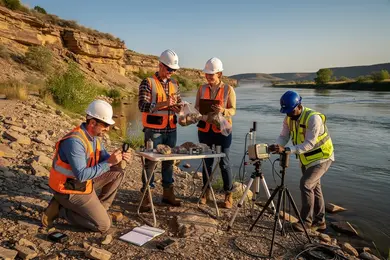
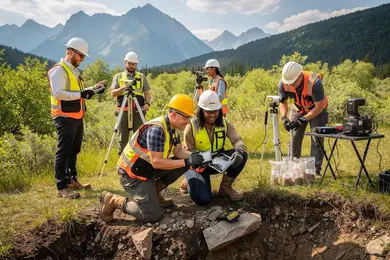
Choosing sustainability-focused geosciences specializations requires balancing distinct technical requirements with workforce realities. Environmental geoscience, hydrogeology, and climate resilience each align with growing natural resource management geosciences careers but lead to different professional contexts. For example, hydrogeologists must integrate intensive fieldwork with data modeling to assess aquifer sustainability amid shifting climate patterns, a skillset increasingly valued in water resource management sectors.
Climate resilience specialists design adaptive strategies that address geological hazards impacting urban infrastructure and ecosystems. Meanwhile, environmental geoscientists apply expertise to evaluate contamination, supervise remediation, and maintain regulatory compliance. This diversity means students should consider whether they prefer hands-on labor versus analytical or policy-driven roles, which affects their program and career paths.
Practical outcomes also hinge on program features like applied research and industry connections that help transition skills into jobs. According to U.S. Bureau of Labor Statistics data, environmental scientists with geoscience backgrounds had a median wage of $99,240 in 2025 and a projected job growth rate of 4% over the next decade, exceeding average occupational growth. This reflects demand for professionals capable of integrating natural resource management geosciences careers with sustainability-oriented problem solving.
A valuable resource to identify fitting academic options is the list of best GIS schools, which often underpin spatial analysis skills essential across these specializations.
What degrees do you need to enter sustainability-focused geoscience and resource management roles?
Prioritizing degrees with quantitative rigor in geospatial analysis, hydrology, and mineral resource evaluation is essential for sustainability geoscience degree requirements, particularly when combined with interdisciplinary training in environmental policy and renewable energy. Candidates must strategically balance specialization against broader exposure. For instance, those targeting mining and extraction-where the 2023 U.S. Department of Labor reports an average annual wage of $126,140-benefit from degrees emphasizing subsurface modeling, geochemistry, and environmental remediation. By contrast, professionals aiming at regulatory compliance or corporate sustainability reporting should pursue programs blending core geosciences with environmental law and impact assessment.
Resource management geosciences educational pathways often challenge students to adapt curriculum knowledge to rapidly evolving clean energy technologies and tightening regulations. Programs that integrate current software tools, such as GIS and 3D reservoir modeling, and emphasize applied, industry-relevant research better prepare graduates for this dynamic landscape. Adding certifications in sustainability standards or project management complements academic credentials and can be decisive for advancing in carbon management, low-impact mining, and circular resource use sectors.
Prospective students evaluating options should focus sharply on graduate placement rates in alignment with decarbonization goals and sustainable resource extraction. Those uncertain about program affordability may explore options through environmental engineering degree online programs offering cost-effective, relevant educational pathways.
How do environmental geoscience, hydrology, and climate specializations differ in career focus?
Choosing between environmental geoscience career paths in sustainability reveals distinct operational focuses and workforce realities. Environmental geoscience demands expertise in contamination, land-use impact assessment, and remediation, emphasizing on-site work often tied to regulatory frameworks and multidisciplinary teams in urban or industrial contexts. Hydrology, by contrast, prioritizes quantitative modeling of surface and groundwater, directly supporting water supply management and flood risk analysis. According to U.S. Bureau of Labor Statistics data summarized by University of Wisconsin-Oshkosh, hydrologists specializing in hydrogeology and water resource management have a median annual pay of $92,060, reflecting steady demand fueled by replacement needs despite modest net growth.
Climate specialization diverges by focusing on atmospheric systems and climate variability, with roles leaning toward policy advisory, sustainability consulting, and disaster preparedness rather than direct resource management. Such careers require strong skills in large-scale data analytics and cross-sector collaboration. When deciding among these fields, practical operational demands and employer expectations differ: environmental geoscientists must navigate legal compliance alongside fieldwork, hydrologists combine statistical modeling with resource management, and climate specialists prioritize predictive analytics within multi-agency frameworks.
For professionals targeting groundwater sustainability in drought-prone areas, hydrology's rigorous modeling focus is typically more strategic than broader environmental geoscience or generalized climate science. Additionally, prospective students seeking to integrate scientific rigor with applicable career outcomes might also explore interdisciplinary options, such as those offered by the best online registered dietitian programs, to complement their geosciences expertise.
Key distinctions between hydrology and climate specialization careers emphasize skillset alignment and industry focus:
- Hydrology requires robust quantitative skills directly impacting water resource infrastructure and conservation.
- Climate specialization demands expertise in predictive modeling and policy-relevant data interpretation for sustainability planning.
What core courses and skills do sustainability-oriented geoscience programs typically include?
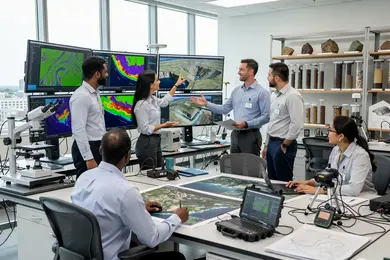
Core courses for sustainability-focused geosciences are designed to develop applied analytical skills with emphasis on Geographic Information Systems (GIS), remote sensing, environmental geology, and spatial data science. These foundational subjects prepare students to manage and interpret spatial datasets critical for addressing real-world issues such as water resource allocation, soil conservation, and ecosystem management. Employers seek graduates able to accurately model and analyze complex spatial data, especially for sustainability challenges involving regulatory compliance and resource stewardship.
Essential skills in sustainability geoscience programs include proficiency in data management, statistics, and programming languages like Python or R. For instance, cartographers and photogrammetrists-key roles in GIS workflows-had a median annual wage of $78,380 with a projected 6% employment growth through 2034, surpassing average occupational trends. This reinforces the importance of combining technical competencies with domain-specific knowledge to improve workforce outcomes.
Students must also navigate communication barriers by translating complex geospatial information into actionable insights for diverse stakeholders such as urban planners, agricultural agencies, and environmental regulators. Integrating satellite imagery with field data exemplifies the real-world application of these programs and highlights the practical challenges in spatial data licensing, accuracy, and resolution.
Programs incorporating hands-on project work using realistic datasets better prepare graduates for sustainability roles that demand precision in spatial analysis and decision-making. Prospective students balancing flexibility with career objectives may compare these technical requirements against offerings in other fields, including a library degree, which requires different skill sets and labor market considerations.
How do online geoscience degrees compare with on-campus programs for sustainability careers?
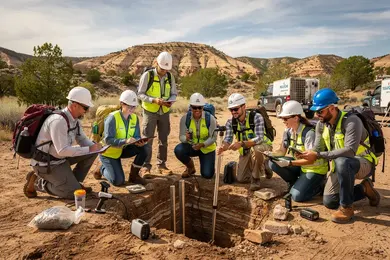
Online geoscience degrees provide theoretical parity with traditional on-campus programs but fall short in delivering the practical, hands-on experience crucial for sustainability-focused roles such as environmental consulting. Employers-particularly in fields where about 20% of earth and environmental science bachelor's graduates find work nationally according to the U.S. Bureau of Labor Statistics and Weber State University-prioritize direct fieldwork, lab skills, and mentorship typically embedded in on-campus training. Online programs often lack intensive in-person field sessions or require students to arrange costly local externships, impeding exposure to necessary geological sampling or site assessment practices.
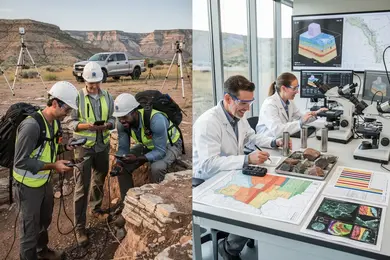
For professionals targeting immediate employment in roles like site remediation, the absence of structured internships and university-industry partnerships within many online programs can slow workforce entry or necessitate extra credentials. Students must actively pursue comparable internships, often without institutional assistance. Employer skepticism remains notable in some sectors, where on-campus degrees signify rigor in experiential learning. Yet, hybrid models that combine virtual coursework with mandatory fieldwork and certifications in areas like environmental safety or GIS can bridge this divide.
Working professionals balancing employment benefit from online flexibility but must seek accredited programs with strong applied field requirements and employer networks to contend with remote study limitations in geosciences focused on sustainability and resource management.
How can you evaluate accreditation and program quality for geoscience sustainability specializations?
Program quality in geoscience sustainability must be evaluated through accreditation and employer-driven outcomes rather than marketing claims. Regional accreditation recognized by the U.S. Department of Education or the Council for Higher Education Accreditation is a minimum baseline. Specialized certifications, including ABET accreditation, provide added assurance of curriculum rigor, especially in skills vital for sectors focused on critical minerals and resource systems. The American Geosciences Institute reports a recent 5% employment increase in geoscientists, with 342,002 working professionals, demonstrating sector growth tied to mining and circular economy opportunities.
Curriculum alignment with industry needs-such as mineral exploration, sustainable mining, and circular economy principles-is essential for graduate employability. Programs lacking this focus risk producing candidates who struggle in rapidly expanding job markets. Employment placement rates and established connections with resource-focused companies or government agencies offer tangible measures of program effectiveness.
Balancing geoscience fundamentals with interdisciplinary components like engineering, policy, and data analytics equips students for complex roles. Programs overemphasizing theory without sufficient applied skills or fieldwork diminish practical readiness and competitive advantage. Similarly, faculty actively engaged in current research and resource projects maintain curricular relevance, providing students with up-to-date industry perspectives.
Prospective students must weigh how program flexibility, technical focus, and faculty expertise translate into real-world employment options, understanding that mismatches can translate into delayed career progress or additional training requirements.
What are the main career paths and job titles for sustainability-focused geoscientists?
Career pathways in sustainability-focused geosciences hinge on balancing technical expertise with regulatory and environmental demands, often requiring nuanced judgment rather than straightforward scientific knowledge. Positions such as Environmental Geologist or Hazard Risk Analyst involve navigating complex stakeholder interests-mining companies demand resource extraction within environmental limits, while urban planners rely on risk models to guide resilient infrastructure investments.
From 2024 to 2034, geoscience employment is expected to grow modestly by roughly 17,000 roles, concentrated primarily in hazard and risk analysis within professional and technical services. This growth signals stable but competitive opportunities for those skilled in practical applications like geospatial technologies and environmental compliance.
Key workforce realities include:
- The necessity for applied training in risk modeling, GIS, and environmental law.
- Challenges for graduates who lack regulatory acumen or practical experience in sustainability intersections.
- The importance of curriculum alignment with industry needs focused on climate adaptation and resource stewardship.
Decision-makers and prospective students should weigh how well programs integrate these competencies, as misalignment reduces employability in a market increasingly shaped by environmental risk mitigation. Those entering this field must be prepared for roles that require both technical analysis and an in-depth understanding of environmental policy frameworks to effectively influence real-world outcomes.
What salary ranges and advancement opportunities exist in sustainability and resource geoscience?
Salary outcomes within sustainability and resource geoscience vary widely according to specialization, employer sector, and experience, influencing both career trajectory and earning potential. Professionals involved in carbon capture, storage, and subsurface engineering, notably within management or consulting firms, report annual mean wages around $78,610, reflecting the premium assigned to technical expertise in these high-demand niches.
Entry-level roles in environmental consulting or resource management typically start between $55,000 and $65,000. However, regional market differences and firm size affect this baseline, creating variance in early-career compensation.
Mid-career advancement requires a blend of technical proficiency and interdisciplinary skills like project management and regulatory compliance. Specialists who integrate subsurface engineering with data analytics or environmental policy can command salaries between $90,000 and $120,000. Exceeding $130,000 often depends on leadership roles within corporate sustainability or government agencies, where demonstrated project success and team oversight are essential.
Transitioning from academic credentials to practical impact remains a critical bottleneck. Candidates lacking consulting experience or certification in carbon management face slower progression and narrower employer interest. Employers favor measurable sustainability results-such as reductions in carbon emissions or enhanced resource efficiency-as decisive criteria for both hiring and promotion.
- Technical specialization aligned with active regulatory frameworks boosts compensation potential.
- Emerging technologies in resource extraction and carbon storage offer stronger salary growth than broader environmental roles.
- Interdisciplinary skill sets increase eligibility for senior or managerial positions.
These factors underscore the importance of targeting education and credentials toward operational realities and sector-specific demands when considering a career pivot or advancement in geosciences.
What is the job outlook for geoscientists working in sustainability, energy transition, and resource fields?
Demand for geoscientists with expertise in sustainability, energy transition, and resource management is concentrated in sectors where technical skill intersects with evolving regulatory frameworks. Roughly 10% of U.S. earth and environmental science bachelor's graduates enter government roles focused on environmental regulation and climate policy implementation. These positions require navigating complex policy landscapes while supporting resource sustainability, reflecting stable but competitive hiring in local, state, and federal agencies.
In renewable energy sectors, such as geothermal or critical mineral sourcing, employers seek candidates proficient in subsurface analysis and regulatory compliance. However, these roles often overlap with traditional oil and gas jobs facing restructuring, forcing practitioners to balance dual specializations and continuous upskilling.
Resource-centered roles demand fieldwork skills melded with advanced GIS and modeling capabilities, plus an ability to manage permitting and community relations amid rising environmental scrutiny. Candidates combining technical and regulatory expertise gain stronger job security and progression opportunities.
Early-career professionals aiming at sustainability strategy must demonstrate applied experience in policy and environmental impact, often through targeted internships or consultant projects that bridge geoscience with legal and social dimensions.
- Government roles stabilize employment with policy-driven tasks.
- Energy transition jobs require dual competencies amid shifting industry dynamics.
- Resource roles privilege integrated technical and regulatory skills.
- Interdisciplinary experience enhances prospects in sustainability strategy.
Long-term employability hinges on adaptability to diverse regulatory environments and evolving market demands emphasizing green technologies and integrated resource management solutions.
How should students choose between public, private, and technical institutions for geoscience study?
Aligning educational choices with specific geosciences career goals significantly shapes employability and long-term outcomes. Public universities often meet rigorous standards required for government and federal agency roles, emphasizing accredited programs with robust research and fieldwork experience. For example, federal environmental consulting positions typically demand bachelors or higher degrees from institutions with validated lab training.
Private colleges offer intimate cohorts and tailored mentoring, which may benefit candidates targeting specialized sustainability roles in boutique firms or nonprofits. However, these options usually involve higher tuition and varied return on investment, requiring careful scrutiny of job placement and debt outcomes.
Technical colleges prioritize hands-on skills such as GIS mapping and environmental sampling, facilitating quicker workforce entry into technician or support roles. Although median salaries for geoscientists and environmental scientists hover around $99,000 and $80,000 respectively, technical roles start lower yet demand less time and financial investment, aligning with steady job growth projections near 3-4% through 2034.
- Does the role necessitate licensure or advanced research that public institutions offer?
- Are personalized mentorship and networking at private colleges worth the cost?
- Is expedited employment with applied technical skills more valuable?
Students must weigh institutional fit, labor market demands, and financial tradeoffs, applying 2024 occupational data to forecast career trajectory realistically in the evolving geoscience sustainability sector.
Other Things You Should Know About Geosciences
Hydrogeology is the strongest match for groundwater sustainability careers. It usually requires coursework in groundwater flow, aquifer test analysis, contaminant transport, and GIS, plus a field or lab component. Many employers also expect at least one internship and familiarity with EPA and state water-regulation standards.
Employers often value candidates who combine a core geoscience foundation with targeted sustainability or resource management experience. A specialized focus can enhance employability in niche sectors like groundwater remediation or renewable energy siting, but overly narrow training risks limiting versatility in a fluctuating job market. Students should prioritize specializations that balance depth with transferable skills such as data analytics and regulatory compliance to increase long-term career resilience.
Advanced degrees, such as a master's or PhD, offer comprehensive research opportunities and strong credentials for leadership roles but require significant time and financial investment. Certifications provide focused training on specific tools or regulatory frameworks and allow for quicker entry or transition into sustainability jobs. Candidates targeting immediate career pivots or technical technician roles should prioritize certifications, while those aiming for strategic, policy-influencing positions benefit from advanced degrees.
References
- For Educators https://careerexplorer.americangeosciences.org/educators/
- Environmental Geoscience Major | SUNY Plattsburgh https://www.plattsburgh.edu/programs/environmental-geoscience-major.html
- 8 things Geoscientists should know about Geoscience in schools https://geoscienceforthefuture.com/8-things-geoscientists-should-know-about-geoscience-in-schools/
- Online Geoscience Degrees: Top Schools and All Programs in 2026 https://www.gisdegree.org/online/geoscience-degrees/
- Public vs. Private University: What’s the Difference? | Tiffin University https://www.tiffin.edu/news/public-vs-private-university-whats-the-difference/
- Educational Accreditation — The ESG Institute https://www.the-esg-institute.org/educational-accreditation
- 12 Types of Jobs You Can Get as a Natural Resources Professional https://www.nrep.org/blog/natural-resources-jobs
- Salary Information https://www.geolsoc.org.uk/Geology-Career-Pathways/Careers/Salary-Information.html
- Top Career Paths in Sustainable Business | Tomorrow University https://www.tomorrow.university/blog/top-careers-in-sustainability
- Private vs Public Universities in Malaysia: Which is Better? https://studyfans.com/en/blogs/The-difference-between-private-and-public-universities-in-malaysia