2027 Online Geosciences Degrees for Data-and-Fieldwork Career Paths

Co-Founder and Chief Data Scientist
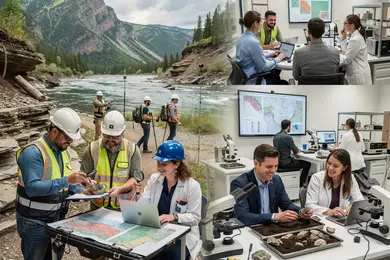
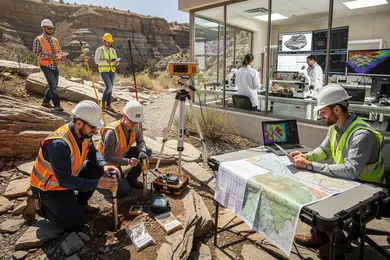
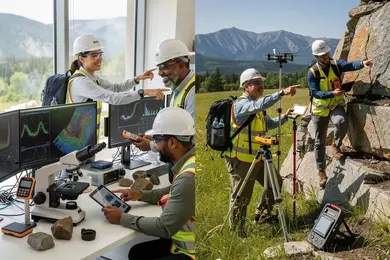
Field geologists transitioning to data-driven roles face an acute dilemma: how to gain advanced analytical skills without halting fieldwork or relocating. The evolving job market demands hybrid expertise, yet traditional programs often lack the flexibility to accommodate working professionals or mid-career pivots. Enrollment data from the National Center for Education Statistics indicates a 28% rise in online STEM degree seekers among adults aged 25-44 since 2022, reflecting a shift toward accessible, career-compatible education models. This article examines online geosciences degrees designed for data and fieldwork integration, focusing on program structures, practical skills alignment, and workforce applicability to guide strategic educational decisions.
Key Things You Should Know
- Employers prioritize candidates with integrated fieldwork and data analytics skills; PayScale reports a 15% higher starting salary for graduates with hybrid competencies, intensifying pressure to select programs balancing both effectively.
- Remote program availability accelerates access but delays hands-on skill acquisition by 6-12 months, per National Science Foundation data, delaying full workforce productivity and complicating employer training timelines.
- In-state public universities reduce average debt by 25% versus private options in 2024, yet limited field internship connections create tradeoffs impacting mid-career advancement within exploration and environmental sectors.
What are online geosciences degrees?
Online geosciences degree programs in the US offer flexible access to foundational earth science knowledge but present distinct challenges in meeting rigorous fieldwork demands essential for many technical roles. Most online degrees blend theoretical instruction with virtual simulations; however, candidates aiming for environmental site assessment or natural hazard surveying often need locally arranged internships or employer partnerships to complete hands-on field training. This tradeoff affects employability for positions requiring verified in-person data collection.
Projected job growth in geosciences-approximately 17,000 additional roles from 2024 to 2034-reflects moderate market expansion focused on technically adept graduates who can demonstrate practical readiness. Employers expect verified field experience and proficiency with specialized software like GIS or remote sensing. Those targeting data-centric roles such as geospatial analysis benefit from streamlined online curricula emphasizing computational skills over field components.
Accredited online geosciences degrees for career advancement demand critical evaluation of program accreditation, state-specific licensure prerequisites, and graduate outcomes. Without verifying how field experience requirements are autonomously fulfilled, students risk delays in certification or restricted career mobility. For a practical understanding of sector options, see what can i do with an environmental science degree. Deciding on an online program requires balancing convenience with the operational reality that experiential learning remains indispensable for most applied geosciences careers.
Which geosciences careers need fieldwork?
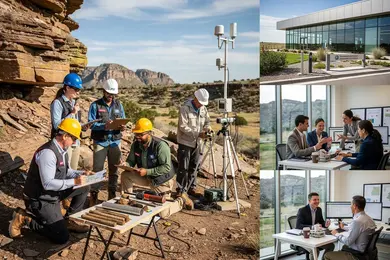
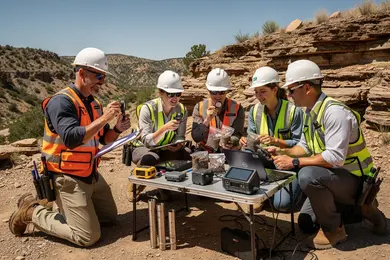
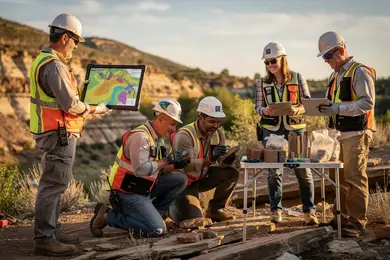
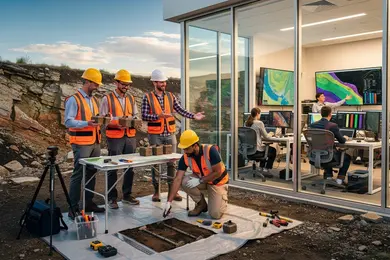
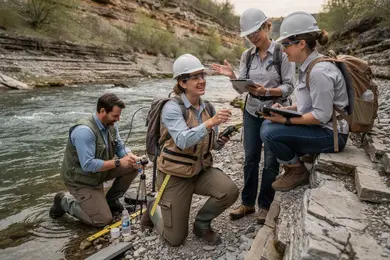
Geosciences careers involving fieldwork in North America often demand more than theoretical knowledge; they require prolonged physical presence in challenging environments, which shapes both hiring patterns and candidate success. For instance, a petroleum geologist assigned to offshore drilling must endure weeks at sea, balancing practical subsurface data collection with logistical and personal complications of remote assignment. Environmental consultants frequently inspect contaminated sites, needing certifications in hazardous materials-requirements that increase initial training time and costs.
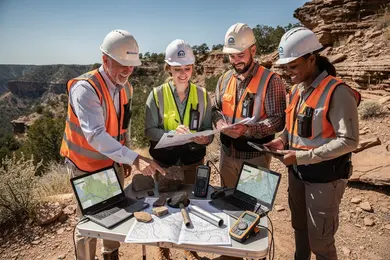
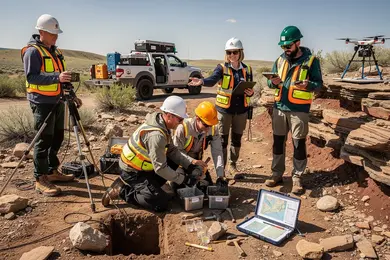
- Expertise in hands-on technologies like GPS and GIS remains essential, even in roles integrating significant data analysis.
- Approximately 70% of field-based positions mandate robust physical stamina and adaptability to remote or extreme conditions.
- Employers favor candidates blending field competencies with analytical skills, restricting availability of purely remote roles in geosciences.
While data analysis is increasingly important, students interested in the best geosciences jobs involving data analysis and field research must weigh the necessity of field experience against job market breadth. According to American Geosciences Institute, geosciences salaries rose 4.5% from 2024 to 2025, reflecting persistent demand for practical field knowledge.
Those hesitant to engage in fieldwork may pursue specializations like remote sensing or modeling but face narrower employment prospects. Exploring pathways such as a masters degree in data science online could supplement technical skills relevant to these evolving roles.
Are online geosciences degrees accredited and respected by employers?
Accreditation remains the gatekeeper for the value of an online geosciences degree accreditation recognized by employers, with regional and ABET accreditations acting as primary benchmarks. Employers in energy, environmental consulting, and government sectors scrutinize credentials for validated rigor and recognized STEM program credentials before considering candidates for technical roles. Degrees lacking these accreditations often fall short, especially for positions demanding field expertise or licensure.
Professionals pursuing such degrees should assess how programs incorporate practical, supervised fieldwork and internships, given that hands-on experience significantly influences employability. Licensing bodies frequently require verified field hours, which some online offerings inadequately provide, affecting eligibility for regulatory roles. This emphasizes the tradeoff between the flexibility of remote learning and the necessity of experiential components integral to workforce readiness.
DataUSA reports 7,822 graduates with geological and earth sciences degrees in 2023, reflecting steady demand and employer familiarity with delivery formats, including online. However, graduates must proactively demonstrate technical proficiencies such as geospatial analysis, geochemical methods, and remote sensing, alongside project experience, to overcome employer skepticism of purely online pathways.
Students evaluating the value of accredited online geosciences programs in North America should weigh curriculum rigor against the program's facilitation of mentorship and real-world applications. Those seeking a strategic pivot may also consider alternatives like an accelerated computer science degree online to complement geoscience skills with data and computational expertise, expanding prospects in the evolving geoscience job market.
What courses are in an online geosciences degree?
Online geosciences degree courses for data analysis must balance theoretical foundation with applicable technical skills, especially as workforce needs shift toward geospatial data competency. Core curriculum typically includes earth system science, mineralogy, sedimentology, and structural geology, which remain essential for foundational understanding and field application. However, a growing emphasis on geographic information systems (GIS), remote sensing, and spatial data analysis responds directly to a projected 5% employment increase in geospatial roles by April 2026, demanding graduates who can navigate both the physical and digital landscapes.
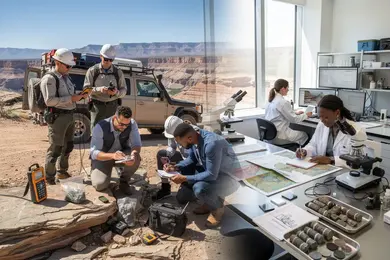
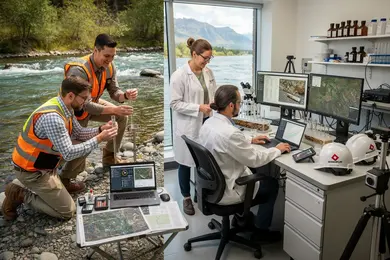
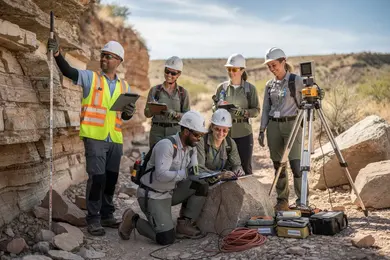
Fieldwork and geosciences degree curriculum often represent a compromise between traditional hands-on experience and the constraints of online study. Most programs incorporate brief intensive on-site sessions or virtual labs with simulated environments to develop practical skills. Prospective students should critically evaluate these hybrid structures because physical fieldwork exposure remains a key qualification sought by employers.
Specialized electives in hydrogeology, environmental geology, and geohazards prepare students for niche sectors such as water resource management and disaster mitigation, integrating case studies and policy analysis to sharpen risk assessment capabilities. Students focusing on data analysis can expect coursework in Python scripting and database management tailored to geological datasets, reflecting a shift toward advanced data modeling in geosciences roles.
Successful transition into the workforce often hinges on access to employer partnerships or internships, which help bridge the gap between online learning and real-world application-a pragmatic consideration frequently overlooked. For those comparing digital options, it is advisable to review affordability and program outcomes alongside other fields, such as the library science degree, for a broader sense of value and return on investment.
How do online and campus geosciences programs differ?
Choosing between online and campus Geosciences programs hinges largely on access to hands-on fieldwork, a critical factor for many employers in petroleum geology, geotechnical engineering, and environmental consulting. Campus programs offer immediate, regular engagement with labs and field sites, enabling practical skill-building in sampling, equipment use, and real-time data analysis. This direct exposure often translates to a more seamless transition into roles demanding field readiness.
Online programs typically rely on hybrid models or mailed field kits paired with virtual simulations, which can limit unplanned problem-solving opportunities intrinsic to in-person experiences. However, some institutions arrange supervised local internships to bridge this gap, catering to students balancing work or distant from geological hotspots. For instance, Texas A&M's Geosciences Online serves thousands across multiple states and countries by combining scalable remote coursework with structured field experiences, though participants must exhibit strong self-discipline and logistical management to fulfill these components.
While theoretical rigor matches across formats, campus students benefit from spontaneous peer collaboration and immediate faculty feedback, elements less accessible online. Networking challenges for remote learners can affect job placement prospects. Students aiming for roles focused on data analysis, GIS, or remote sensing may find online formats sufficiently comprehensive, whereas those prioritizing direct field immersion should weigh travel and schedule constraints inherent to online study.
What admission requirements do geosciences programs typically require?
Admission for online geosciences programs demands applicants demonstrate substantial STEM readiness, particularly in math and science fundamentals like algebra, geometry, chemistry, and physics. Programs often set minimum GPA expectations around 2.5 to 3.0 on a 4.0 scale to filter candidates capable of handling rigorous scientific content. While SAT or ACT scores increasingly hold optional status, submitting them can provide an edge in more competitive selections.
Prerequisite knowledge in geography or earth science is frequently required because remote learning rarely accommodates remedial instruction. This prerequisite can pose a barrier for those shifting careers without formal backgrounds. Letters of recommendation, though less common, serve as meaningful supplements to validate motivation and relevant skills when academic history is unconventional.
Online learners juggling employment or family benefit from flexible enrollment and asynchronous formats but must navigate fieldwork obligations-a vital component for workforce readiness. Fieldwork arrangements range widely, from locally supervised site visits to brief on-campus residencies, sometimes with background checks or safety certifications if aligned with employer placements.
How long does an online geosciences degree take?
Completing an online geosciences degree requires balancing academic rigor with workforce realities. Bachelor's programs typically span 4 to 6 years, depending on full- or part-time enrollment, fieldwork demands, and credit hour requirements-usually about 120 to 130 credits that mix core science and practical skills. Master's candidates face 1.5 to 3-year timelines influenced heavily by thesis or capstone components, especially in research-focused tracks. Accelerated paths risk sacrificing essential hands-on experience, which employers prioritize, particularly in data-intensive sectors like environmental consulting or energy.
Field-focused careers such as geological surveying or hydrology often necessitate extended semesters for fieldwork, adding 6 to 12 months beyond standard coursework. To address this, some programs integrate regional field schools or internships to meet practical expectations without compromising timelines. These decisions directly affect time-to-degree and future employability.
Students with full-time jobs should anticipate longer completion spans, while immediacy favors programs emphasizing quantitative skills and remote sensing, typically achievable within 4 years for undergraduates. Underrepresented minority enrollment remains disproportionately low in graduate geosciences, indicating systemic barriers that impact completion rates as well as career opportunities.
Prospective enrollees must weigh how program design fits their work-life balance, financial resources, and target employment sectors. Federal and research-oriented roles generally require longer commitments, including fieldwork and thesis defenses, compared to industry roles valuing swifter degree completion with practical competencies.
How much do online geosciences degrees cost?
Online geosciences degrees present a wide cost spectrum, from $15,000 to beyond $60,000 for bachelor's programs, reflecting substantial differences related to institution type, residency, and depth of study. Public institutions typically charge between $250 and $500 per credit for in-state students, resulting in total tuition near $20,000-$30,000 for a 120-credit bachelor's degree. Out-of-state and private schools often exceed $600 per credit, pushing costs above $50,000. Graduate programs show similar variability but usually have higher per-credit rates, ranging from $400 to $900, with shorter overall duration.
For working professionals pursuing career pivots, accelerated or part-time formats increase per-credit expenses but reduce time away from the workforce, mitigating opportunity costs. Mandatory fieldwork components introduce additional, often overlooked, travel and equipment costs that factor into total investment decisions. Employers expect graduates to balance field proficiency with data literacy and computational skills. Programs emphasizing these competencies typically correspond to faster employment and higher starting salaries. The American Geosciences Institute notes over 340,000 active geoscientists in the U.S., emphasizing sustained labor demand.
Strategically, prospective students should compare program accreditation, regional employment markets, and alumni outcomes to assess return on investment. Leveraging public funding or employer tuition assistance can offset rising tuition. This analysis aligns with broader labor trends documented by the American Geosciences Institute, emphasizing that the practical value of geosciences degrees depends on alignment with evolving industry skill demands.
What jobs can you get with a geosciences degree?
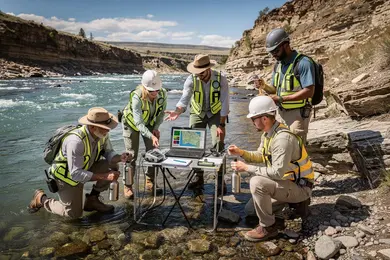
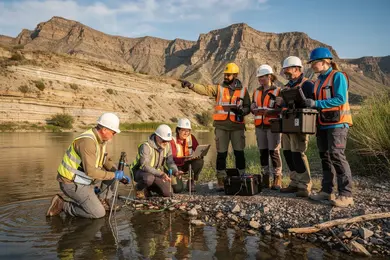
Employment trends in geosciences increasingly favor environmental and hydrology-focused roles, driven by urgent needs in climate risk management, water resources, and sustainable energy. These positions frequently require advanced skills in applied hydrology, GIS, and climate modeling. For example, hydrologists in government agencies use remote sensing and field data collection to devise flood control strategies, demanding both technical proficiency and real-world data interpretation.
By contrast, petroleum geology sees slower growth with more volatility linked to global energy shifts. Transitioning from petroleum to environmental sectors usually necessitates targeted certification or graduate-level study due to distinct analytical frameworks and regulatory contexts.
Additional roles in mining exploration and environmental remediation demand strong quantitative analysis, data visualization, and technical reporting capabilities. Online geoscience degrees must overcome significant barriers in delivering hands-on training; programs lacking virtual field exercises or practical software instruction may hinder graduate employability.
When selecting programs, accreditation and industry-connected internships offering access to standard equipment and datasets are critical for bridging academic study and workforce readiness. Students should scrutinize how curricula integrate emerging climate technologies, since inadequate practical exposure can undermine career competitiveness despite formal credentials.
What are geosciences salaries and job outlook?
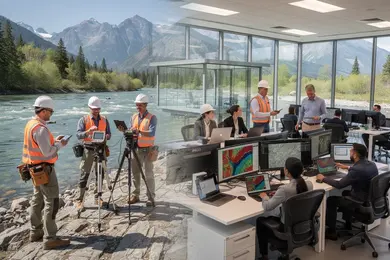
Data proficiency increasingly defines competitive geoscience roles, with median salaries ranging from $70,000 to $110,000 based on specialization and location. Candidates focusing solely on traditional fieldwork face diminishing prospects unless they complement these skills with advanced geospatial data analysis, environmental modeling, or remote sensing expertise. For example, an environmental consultant in California who masters data visualization alongside field techniques is better positioned to meet complex client requirements and regulatory scrutiny.
Employment growth in geoscience-related fields is projected at 6% through 2030, matching the national average but concentrated in sectors valuing data-driven decisions like environmental consulting, oil and gas, and government resource management. Employers increasingly seek professionals capable of integrating big data tools with practical field knowledge, reflecting a hybrid demand that the University of Georgia's 2025 online master's in applied data science for geospatial and environmental contexts directly addresses.
Tradeoffs emerge between roles emphasizing digital competencies and resource-constrained agencies prioritizing traditional skills, often with lower pay and advancement potential. Prospective students must assess these differences carefully, aligning skill development with long-term positioning rather than immediate convenience.
Other Things You Should Know About Geosciences
Online geosciences degrees in 2027 often incorporate virtual labs and field simulation software, which help bridge the gap between theory and practice. However, for field-intensive roles, students may need to pursue supplementary internships or on-site field courses to gain hands-on experience.
Most online geosciences programs emphasize theoretical understanding alongside digital data skills such as GIS, remote sensing, and statistical modeling. Students should prioritize programs with integrated lab work or real-world datasets to develop applied technical expertise. Employers value candidates who can process and interpret complex data independently, so graduates lacking robust practical data training may face competitive disadvantages.
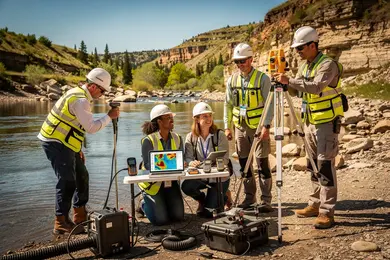
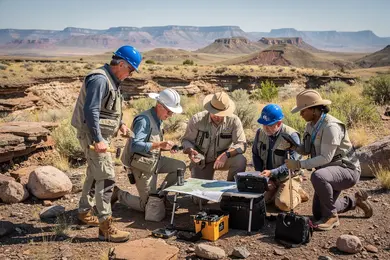
Most accredited online geosciences degrees require at least one in-person field component, often a 1–2 week summer field camp or a supervised internship. Programs commonly ask students to complete mapping, sampling, or GIS-based field reports before graduation, with arrangements approved by the department or field supervisor.
Data-focused online degrees are better suited for careers in research, environmental data analysis, and technology-driven roles, offering faster advancement in sectors like energy or urban planning. Fieldwork-integrated programs, though less common online, are essential for advancing in roles requiring on-site expertise and regulatory compliance. Candidates must align their degree choice with targeted employer demands-prioritize data-intensive degrees for analytical roles and field-integrated programs if hands-on site experience drives career growth.
References
- Geologists: Salary, career path, job outlook, education and more - RaiseMe https://www.raise.me/careers/life-physical-and-social-science/geoscientists/geologists/
- Careers in Geology https://www.geolsoc.org.uk/Geology-Career-Pathways/Careers.html
- Online Geoscience Degrees: Top Schools and All Programs in 2026 https://www.gisdegree.org/online/geoscience-degrees/
- What Does the Future Demand Look Like for Applied Geoscientists? https://www.aegweb.org/index.php
- Geoscience Profession Data https://profession.americangeosciences.org/research/data/
- Study Geosciences in Germany - My GUIDE https://www.myguide.de/en/study-mathematics-natural-sciences-in-germany/study-geosciences-in-germany/