2027 Online Geosciences Degrees for Natural Resources Roles

Co-Founder and Chief Data Scientist
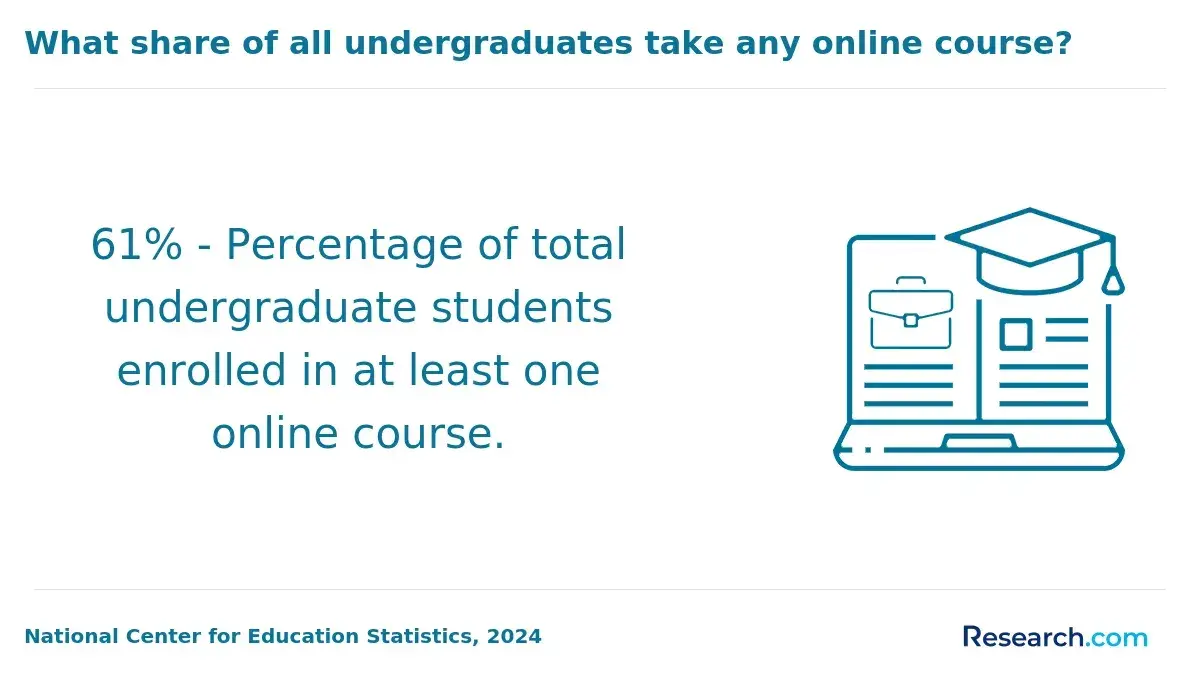
Securing a timely, flexible credential in geosciences can prove pivotal when organizations demand rapid deployment of specialists amid fluctuating natural resource markets. Many professionals face conflicting priorities: advancing technical expertise while maintaining full-time employment or managing family commitments. The National Center for Education Statistics reports a sharp 23% rise in adult enrollment in online STEM programs over the last two years, signaling a shift toward modular, accessible degree formats that accommodate diverse schedules without compromising rigor.
For career-focused individuals balancing immediate income needs and credential acquisition, understanding which geosciences online degrees align with employer expectations for natural resource roles is critical. This article evaluates current online geosciences degree options designed to optimize credit transfer, curriculum relevance, and workforce readiness specifically for natural resources careers.
Key Things You Should Know
- Online geosciences degrees reduced costs by 25% on average compared to on-campus programs according to the National Center for Education Statistics 2024, but this cost-saving often delays hands-on fieldwork skill acquisition essential for licensure.
- Employers in natural resources report 42% lower confidence in online graduates' readiness for complex field analysis tasks, per a 2024 Society of Exploration Geophysicists workforce survey, affecting early-career advancement.
- Accelerated online degree completion averages 3.2 years versus 4.5 years on-campus, enabling quicker workforce entry but requiring intense self-motivation, which correlates with a 15% higher dropout rate, based on data from the U.S. Department of Labor.
What is an online geosciences degree and how does it prepare you for natural resources roles?
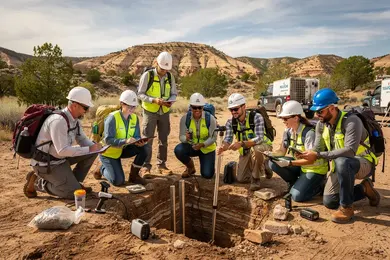
An online geosciences degree benefits for natural resources careers hinge on its practical focus blended with digital adaptability rather than traditional field immersion. These programs emphasize geology, hydrology, soil science, and GIS skills essential for natural resource assessment, environmental regulation interpretation, and sustainable management. However, students must proactively seek internships or field experiences to bridge gaps where remote labs cannot replicate hands-on exposure.
For professionals pivoting between sectors-such as forestry to water resource management-an online geosciences program prepares you for resource management roles by delivering targeted expertise in hydrological cycles and water quality without requiring relocation or career interruptions. This model suits self-disciplined learners who can manage virtual project-based learning and simulations that align with current tech-driven environmental workplaces.
Employers value candidates who not only analyze geological data but also demonstrate familiarity with environmental policies and conservation priorities. Graduates of accredited online programs show these capabilities through applied case studies and remote tools, though demand persists for additional real-world experience.
The U.S. Bureau of Labor Statistics projects a 3% employment growth for geoscientists from 2024 to 2034, with a median wage of $99,240. This reflects rising environmental protection and sustainable resource management needs. Prospective students searching for jobs with elementary education and environmental science degree can evaluate this pathway for alignment with industry expectations and long-term workforce trends.
Which types of online geoscience degrees best support natural resources careers?
Online bachelor's and master's degrees in applied geology, environmental geoscience, or natural resources management provide distinct advantages for individuals targeting resource-focused careers. Programs emphasizing soil science, hydrology, remote sensing, and GIS equip graduates with technical expertise directly demanded by employers managing water, minerals, and land use. The best online geoscience programs for resource extraction careers prioritize practical skills over theoretical geophysics, which can restrict immediate employment opportunities.
Employers seek candidates capable of interpreting complex data sets while navigating regulatory frameworks. For example, an environmental scientist charged with watershed protection must combine GIS analysis with field observations and ensure adherence to environmental laws. Those pursuing online geosciences degrees for natural resources management should evaluate program accreditations and engagement with applied industry projects, such as internships or capstones involving resource mapping or environmental impact assessments, to mitigate the limitations of remote learning.
The U.S. Bureau of Labor Statistics forecasts a 4% growth in environmental scientists' employment from 2024 to 2034 with a median salary near $80,060, indicating steady demand, especially for candidates with applied skills and recognized credentials.
Working professionals can also explore asynchronous programs that blend flexibility with industry collaboration. Additionally, evaluating options alongside comprehensive cost analyses, such as those outlined for online master data science, can inform financially sustainable decisions in this specialized educational pathway.
How do online geoscience programs compare with campus programs for fieldwork and lab experience?
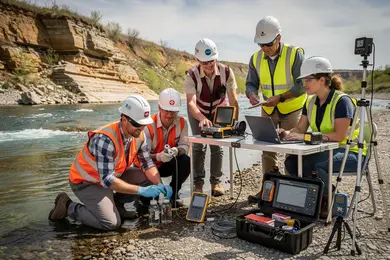
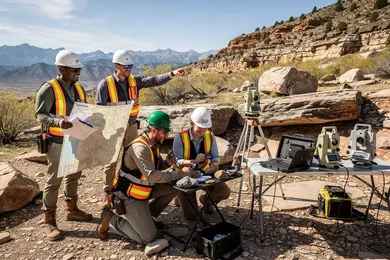
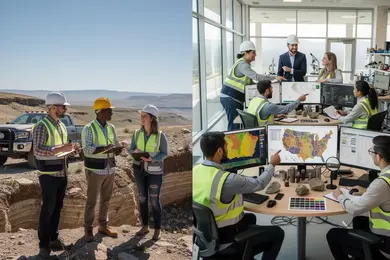
Online geoscience programs inevitably struggle to replicate the hands-on fieldwork and lab immersion central to on-campus study, impacting skill acquisition critical for natural resources roles. Most accredited online degrees demand intensive fieldwork through short residencies, summer sessions, or local partnerships, a necessity given employer preference for candidates with verifiable field experience under variable environmental conditions. This logistical hurdle-requiring travel planning, time off work, and financial resources-creates a distinct challenge absent in traditional campus programs.
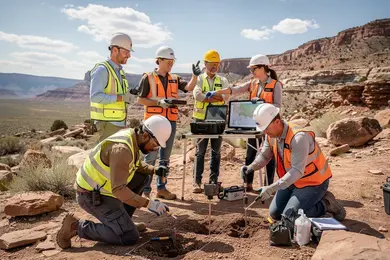
Consider petroleum geology or environmental site assessment careers: subsurface sampling and contamination testing require in-person components frequently facilitated via hybrid models or internships. Without such opportunities, online students may face competitive disadvantages despite rigorous coursework. Additionally, comparisons of campus and online geosciences lab experience highlight limited tactile access for remote learners, who rely on virtual labs or delayed instrument access lacking continuous faculty mentorship.
Despite these constraints, data from Appalachian State University shows graduates in geology and environmental science earn median salaries exceeding $90,000 and $70,000, respectively. This suggests structured online pathways integrating essential field/lab experience preserve value if students can navigate practical tradeoffs. Prospective students evaluating an online geoscience fieldwork opportunities should weigh these operational factors carefully alongside academic rigor and career goals. For a broader context on distance education options in related fields, see library science degree online.
What accreditation should online geoscience programs have for natural resources employment?
Programs in online geosciences program accreditation for natural resources careers must hold regional accreditation recognized by the U.S. Department of Education along with specialized accreditation from the Accreditation Commission for Programs in Applied and Professional Geoscience (AC-PAAG) or its predecessor. This dual recognition ensures both academic rigor and curriculum relevance to industry expectations in environmental consulting, resource management, and the energy sector.
Employers, especially government agencies such as the U.S. Geological Survey, prioritize graduates from accredited programs that integrate hands-on labs, adaptable fieldwork, and contemporary geospatial technology training. Without AC-PAAG or equivalent accreditation, graduates often encounter licensing barriers, notably for Professional Geologist credentials crucial in many regulatory and consulting positions.
The difference between accredited and non-accredited degrees is measurable in employment outcomes and career mobility, particularly in specialized fields like mineral exploration or environmental remediation. Cost efficiency also factors in: for example, the University of Florida's fully online B.S. in Geology charges nearly half the per-credit tuition rate of on-campus nonresident programs, enhancing access without compromising recognition.
Prospective students should verify recognized accreditation standards for geosciences degrees in North America early in their evaluation process, as non-accredited programs can delay credentialing and hinder eligibility for federally funded roles. Partnerships that facilitate internships with industry or government agencies also accelerate practical entry. For those considering broader options in technical education, see this resource on the online degree in mechanical engineering for comparison on affordability and accreditation patterns across STEM disciplines.
What courses and specializations are included in online geoscience degrees for natural resources?
Online geoscience degrees oriented toward natural resources must align tightly with measurable workforce demands, particularly from federal agencies like the U.S. Department of the Interior, which hires over 20,000 specialists in Natural Resources Management and Biological Sciences. These roles require proficiency in sustainable resource use and ecosystem monitoring, making specialized curricula in rangeland management, ecology, and soil conservation indispensable for practical employability.
Programs that incorporate technical expertise beyond theory-such as GIS mapping, hydrology, and remote sensing-equip students to manage real-world challenges like land use change and watershed protection. A practical tradeoff for students is balancing theoretical foundations with hands-on software skills and field simulations. Those targeting soil and rangeland sectors should identify programs that emphasize soil mechanics and vegetation management modules, as these reflect specific federal hiring priorities. Mastery of quantitative tools and applied projects can differentiate candidates in a competitive market that increasingly demands data fluency and immediate operational readiness.
What are the typical admission requirements for online geoscience bachelor's and master's programs?
Admission criteria for online geoscience bachelor's programs function as an early filter balancing accessibility with preparation rigour. Candidates typically need a high school diploma with a minimum GPA near 2.5 to 3.0, along with foundational coursework in math, chemistry, and physics to meet the quantitative demands of the discipline. Standardized test submissions depend on institutional policies, with many shifting to test-optional frameworks, reflecting evolving assessment norms. Letters of recommendation and personal statements focusing on scientific motivation remain key differentiators.
Graduate admissions tighten these expectations, requiring completed undergraduate degrees in geosciences or allied STEM fields and a GPA above 3.0, plus prerequisite advanced courses such as calculus and geology. GRE scores are occasionally requested but losing prevalence. Relevant professional or research experience notably strengthens applications, particularly for career changers.
The emphasis on rigorous STEM skills at the bachelor's level addresses a high attrition rate in geosciences pipelines, signaling persistence valued by employers. Meanwhile, graduate admissions prioritize specialization and analytical capability aligned with petroleum and environmental sectors, where 94% of graduates find employment-35% in environmental roles and 10% in petroleum.
Applicants should carefully balance program selectivity with demonstrated STEM readiness, documenting relevant fieldwork or lab experience. Working professionals may leverage prior learning or certifications, but policies vary widely, so due diligence with institutions is essential.
How long do online geoscience degrees take and what do they typically cost?
Online geoscience degrees demand careful balancing of time, cost, and professional objectives, especially for working adults. Bachelor's programs typically require 120 to 130 credit hours over four years full-time, while master's degrees compress into 18 to 24 months, often with flexible pacing but higher per-credit costs ranging from $500 to $1,200. The actual expense varies sharply by institution, with public universities charging $10,000 to $20,000 annually in-state, while private or out-of-state options can reach $30,000 to $50,000 per year.
For employed students, part-time study is a realistic necessity but extends the program duration and potentially increases total expense. Programs incorporating fieldwork or labs add complexity, requiring additional scheduling flexibility and out-of-pocket costs like travel or materials. Employers increasingly value master's credentials for technical roles in fields such as environmental consulting and natural resource management, making the higher investment essential for targeted career shifts.
Maximizing return on investment requires strategic decisions about credit transfers, employer tuition reimbursement, and program reputation. Selecting schools with reliable data on postgraduation employment can substantially improve alignment between educational spending and workforce outcomes. Appalachian State University's Department of Geological and Environmental Sciences data highlights that advancing to a master's degree significantly improves both job prospects and salary potential beyond bachelor's holders.
What entry-level and advanced natural resources jobs can you get with an online geoscience degree?
Entry-level roles obtainable through online geoscience degrees often center on foundational tasks like environmental monitoring, GIS spatial analysis, and field data collection. Positions such as environmental technician or GIS technician demand proficiency with geographic information systems and remote sensing tools. These roles provide critical hands-on experience but usually require close collaboration with senior staff for activities like soil sampling or resource mapping.
Progression to specialized roles-such as environmental consultant, hydrologist, or natural resource manager-typically hinges on additional certifications or graduate education. These positions involve navigating regulatory frameworks and applying advanced data analytics to balance resource exploitation with sustainability, an expertise strengthened by combining targeted online coursework with in-field exposure.
Technology-driven careers including cartographers and photogrammetrists reflect growing industry demand, with median wages around $78,380 and a projected employment increase of 6% through 2034 according to U.S. Bureau of Labor Statistics data. Candidates should anticipate continual technical skill upgrades to keep pace with evolving GIS and remote sensing platforms.
When selecting programs, prospective students must critically assess curriculum depth and the availability of practical training opportunities. Employers prioritize demonstrated competence with industry-standard software and field applications. Integrating online theory with local internships or practicum projects significantly influences both job readiness and long-term salary potential.
What salaries and job outlook can geoscience graduates expect in natural resources fields?
Starting salaries for geoscience graduates entering natural resources range from $55,000 to $75,000, with median pay surpassing $90,000 after five years of focused experience. Entry wages tend to be higher in consulting firms but require extensive fieldwork and travel, contrasting with lower starting pay yet greater job stability and benefits in government environmental agencies. This tradeoff is critical for candidates balancing immediate financial gains against lifestyle and career stability.
Employment growth of around 6% through 2030 aligns with broader labor trends, though subfields diverge significantly. For example, environmental and climate-focused positions are growing faster, especially within green energy and sustainability consulting. At Appalachian State University, 35% of alumni work in environmental sectors, demonstrating a shift toward roles that emphasize climate impact and policy compliance.
Advanced credentials like Registered Geologist licensure increasingly determine senior role eligibility, underscoring the need for ongoing professional development. Geographic mobility remains essential, as opportunities concentrate in resource-rich areas or regulatory hubs. Candidates lacking critical technical skills such as GIS and remote sensing risk stagnating wage growth and limited promotion prospects.
Practical career decisions should weigh the higher remuneration but less predictable consulting pathways against the steadier, slower-progressing government roles. Strategic networking and skill-building directly affect long-term earning potential and employability in this evolving labor market.
How can you evaluate and choose a reputable online geoscience program in the U.S.?
Choosing an online geoscience program demands verifying accreditation from U.S. Department of Education-recognized bodies to confirm rigor aligned with employer expectations. Programs emphasizing practical fieldwork or virtual simulations better prepare students for industry realities, where hands-on expertise remains irreplaceable despite online delivery.
Curricula should integrate data analysis, GIS, and environmental modeling, as these skills drive demand across natural resources sectors. Partnerships with government or industry stakeholders enhance internship and networking prospects, which are pivotal for career entry and progression.
Employment outcomes matter: senior geoscience roles report median wages between $103,730 and $134,830+ annually according to the U.S. Bureau of Labor Statistics, reflecting the premium for advanced competencies and leadership. Effective programs incorporate mentorship and leadership training to facilitate upward mobility.
Mid-career professionals pivoting from environmental technician roles should prioritize programs featuring applied research and leadership modules over purely theoretical courses to balance skill acquisition with workload demands.
Candidate considerations include asynchronous formats and career counseling tailored to natural resources, while avoiding programs with limited faculty engagement or outdated materials that impede mastery of modern technologies. Finally, evaluate tuition against projected salary growth and outcome transparency to ensure your investment yields measurable career returns.
Other Things You Should Know About Geosciences
Employer recognition of online geosciences degrees varies significantly depending on the program's reputation and rigor. Employers in natural resources often prioritize candidates with demonstrated practical skills and relevant project experience over degree format alone. Selecting programs with strong industry connections and opportunities for applied work compensates for the absence of traditional on-campus networking, which is critical for employability.
Most online geosciences degrees require one to two field labs, a summer field camp, or a capstone with site-based data collection. Programs commonly expect 1–3 weeks of on-site work, plus GIS, mapping, and sampling exercises tied to natural resources topics such as hydrology, soils, or resource exploration.
Specialization directly shapes employability and advancement opportunities. For example, focusing on hydrogeology or environmental geosciences connects more intensely with natural resources management roles, while pure geophysics may limit certain resource extraction positions. Priority should be given to specializations aligned with regional industry demand and companies' skills requirements for immediate and long-term career stability.
References
- The Geological Society - Degree Accreditation https://www.geolsoc.org.uk/education-and-resources/universities/university-degree-accreditation/
- Online Geoscience Degrees: Top Schools and All Programs in 2026 https://www.gisdegree.org/online/geoscience-degrees/
- Best Online Geoscience Courses and Programs | edX https://www.edx.org/learn/geosciences
- Education Requirements https://www.americangeosciences.org/licensure/education/
- Geoscience - Careers in Natural Resources Initiative https://nrcareers.org/find-your-fit/geoscience/
- Earth and Environmental Science https://ees.acadiau.ca/faqs.html
- UNIGEAPPLY International Admissions SELECTION A.Y. 2026/27 – Students with a foreign qualification, access to Master’s degree taught in English | UniGe | University of Genoa https://unige.it/en/internazionale/procedura-prevalutazione-lauree-magistrali-inglese-solo-studenti-non-eu-residenti-all
- Geosciences https://www.studium.uni-mainz.de/en/choosing-your-degree-program/courses-offered/geosciences_msc/
- 12 Types of Jobs You Can Get as a Natural Resources Professional https://www.nrep.org/blog/natural-resources-jobs
- Geosciences at CWI: Let's Get Started https://cwi.edu/academics/academic-transfer/geosciences