2027 Online Geosciences Degrees With Environmental Geoscience Concentrations

Co-Founder and Chief Data Scientist
Professionals aiming to specialize in environmental geoscience frequently encounter the challenge of balancing rigorous fieldwork training with the constraints of full-time employment or personal obligations. This friction disproportionately impacts mid-career workers seeking career pivots, where traditional on-campus programs lack the flexibility and immediate applicability needed to remain competitive. The National Center for Education Statistics reported a 12% increase in online enrollments in science-related graduate programs since 2023, reflecting growing demand for adaptable, credentialed education paths.
Understanding the nuances of available online geosciences degrees focused on environmental concentrations is essential for making strategic decisions that align learning modality with workforce readiness and industry expectations. This article evaluates key online geosciences degree options with environmental geoscience concentrations to guide decision-making on accessibility, curriculum relevance, and career outcomes.
Key Things You Should Know
- Online environmental geoscience degrees show a 12% lower median graduate salary after five years compared to in-person programs, partly due to reduced access to fieldwork, complicating ROI for career pivots.
- Employers increasingly emphasize hybrid skillsets combining GIS proficiency with environmental compliance certifications, creating a pivot challenge for programs lacking integrated interdisciplinary curricula.
- Despite growing digital options, average program completion time online extends 18% longer than campus-based, raising tuition costs by $4,200 on average and impacting mid-career professionals balancing time-resource constraints.
What is an online geosciences degree with an environmental geoscience concentration?
An online geosciences degree program with an environmental geoscience concentration demands deliberate tradeoffs, balancing specialized environmental knowledge against broader geosciences versatility. Graduates gain skills in hydrogeology, soil science, environmental risk, and remediation-areas targeted by employers in government, consulting firms, and energy sectors focused on resource management and pollution control. However, the choice to specialize narrows opportunities outside environmental fields, limiting roles in petroleum, mining, or academic research.
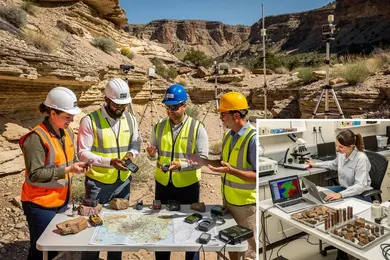
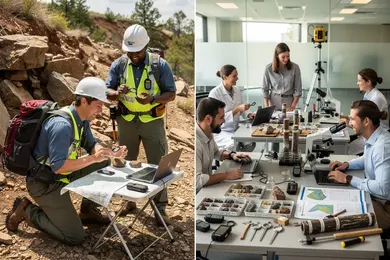
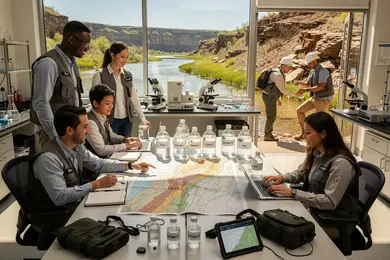
Working professionals pursuing accredited environmental geoscience concentrations in online geosciences degrees must ensure access to software tools like GIS modeling and mineralogy virtual labs. Mandatory fieldwork or internships, often arranged locally, remain integral for practical competence and compliance with accreditation.
Occupational growth for geoscientists is modest at 3% over ten years, driven largely by sustainability and environmental protection demands. Median salaries near $99,240 require candidates to leverage coursework aligned with EPA standards, regulatory frameworks, and data analysis. Supplementing degrees with certifications such as Certified Environmental Professional or OSHA safety credentials enhances marketability within this specialized niche.
The career implications are clear: those aiming at government roles or environmental consultancies must emphasize regulatory expertise while acknowledging narrower focus risks. Prospective students should also explore current jobs for environmental science majors to align training with evolving employer needs and maximize return on investment.
How do online environmental geoscience programs compare to on-campus degrees in quality and outcomes?
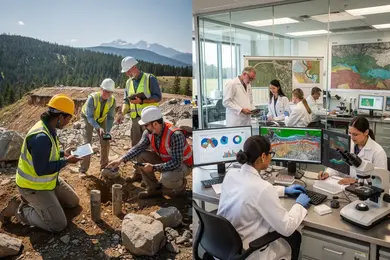
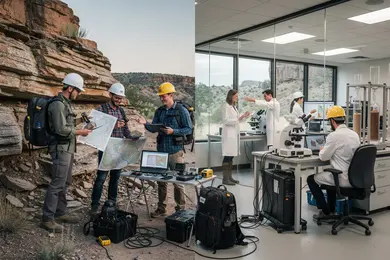
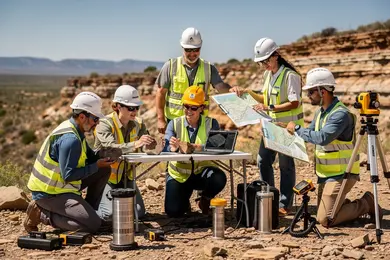
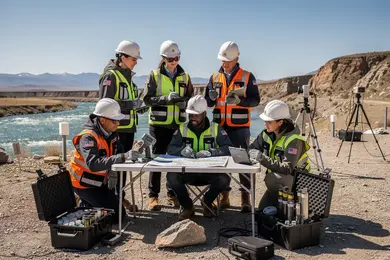
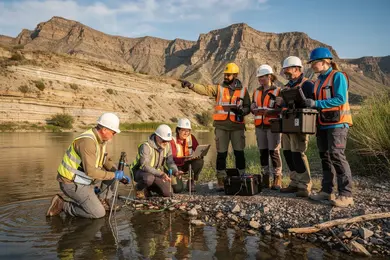
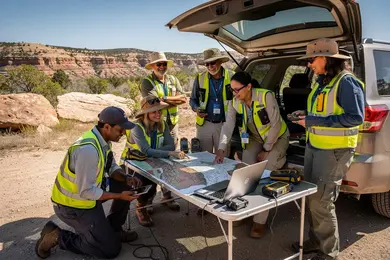
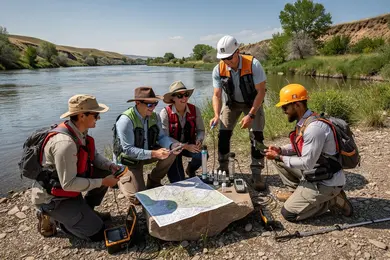
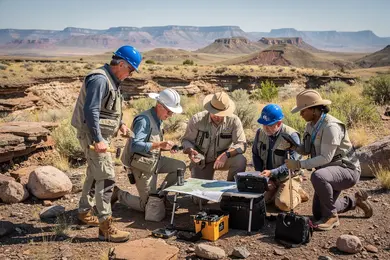
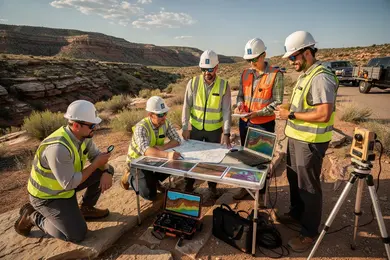
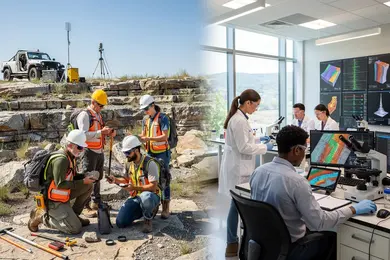
Online environmental geoscience degree quality comparison reveals that while curriculum rigor and faculty credentials often match on-campus programs at accredited institutions, the critical gap is in embedded field experience. Graduates from online programs frequently face the challenge of independently securing practical placements, such as local internships or lab work, which are vital for proficiency in sampling, instrumentation, and site analysis. This distinction matters because employers in sectors like environmental consulting and governmental geology emphasize candidates with verifiable hands-on skills typically gained through mandatory fieldwork and cooperative education found in traditional on-campus tracks.
Outcomes of online versus on-campus environmental geoscience programs thus diverge significantly in terms of operational readiness. Without structured field days or collaborative lab environments, online students must navigate additional logistical burdens, which can delay job readiness or limit initial employability-especially for those pivoting careers without geographic flexibility.
The job market remains strong, with a median geoscientist salary of $87,480 and projected 5% job growth through 2032, according to the U.S. Bureau of Labor Statistics, making strategic program selection essential for long-term career alignment.
Prospective students should evaluate whether their current situation allows supplementing online coursework with accessible practical experiences. Employed learners might leverage workplace proximity to geoscience activities, while newcomers face heightened effort to build necessary hands-on credentials. Those deciding between pathways might also explore options like the cheapest online data science masters for related fields with different experiential requirements.
Which accreditations should online environmental geoscience degrees have to be recognized and credible?
Accreditation by recognized regional bodies such as the Middle States Commission on Higher Education or the Higher Learning Commission is essential for online environmental geoscience degrees, affecting credit transferability and basic program legitimacy. Programs that secure endorsement from specialized entities like the Council of Engineering and Scientific Specialty Boards (CESB) or the American Geosciences Institute (AGI) provide an added layer of employer confidence by demonstrating technical rigor. This matters especially in fields where validated fieldwork and robust data analysis are non-negotiable components.
For students aiming to obtain professional licensure, alignment with standards set by the National Association of State Boards of Geology (ASBOG) is non-negotiable. Without coursework tailored to ASBOG requirements, graduates frequently encounter barriers to obtaining the professional geologist (PG) credential necessary for independent report stamping and regulatory compliance. This limitation directly impacts career trajectories in environmental consulting and resource management sectors.
Financial considerations also weigh heavily in decision-making. For instance, the University of Georgia's online M.S. in Environmental Geology offers tuition near $20,220 for 2024-25, which may be a strategic alternative to costly on-campus STEM programs. Choosing accredited programs with clear licensure preparation avoids pitfalls common to degrees that do not meet recognized accreditation boards for environmental geoscience programs, preventing dead ends and unanticipated financial burdens.
Employers expect validated field internships and curriculum that explicitly prepare candidates for licensing exams. A lack of these elements typically confines candidates to entry-level roles with limited advancement. Working professionals looking to pivot or elevate their position should scrutinize program validation and licensure alignment carefully. For those comparing broader academic options including other scientific fields, resources like exercise science degree online programs provide additional context on accreditation and career alignment.
What types of online geoscience degrees and certificates offer environmental geoscience specializations?
Online geoscience degrees with environmental concentrations must balance deep technical training with practical skills around data analysis and environmental regulations to be successful career investments. Bachelor's programs typically combine geology, hydrology, and earth systems foundations with electives in environmental policy and remediation, aiming at entry-level environmental consulting or regulatory agency jobs. Master's degrees refine expertise in areas like climate impact assessment and sustainable resource management, often serving professionals repositioning toward climate adaptation projects. Graduate certificate programs provide targeted skill upgrades in environmental geoscience certificate programs online without the time or financial commitment of full degrees.
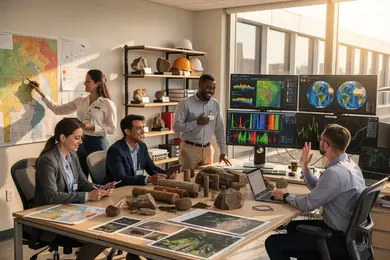
Because online curricula cannot replicate fieldwork directly, realistic remote labs and simulation software are essential for conveying practical experience. Employers increasingly expect familiarity with geographic information systems (GIS) and environmental modeling tools for compliance and assessment roles. That makes the inclusion of current software in course offerings a critical criterion when comparing programs. Graduates lacking applied environmental components may face limited employability in government agencies, consulting firms, or energy sectors focused on sustainability.
Employment for geoscientists is projected to grow moderately due to demand for climate adaptation and resource protection expertise. Professionals in natural resource agencies often use these programs to pivot into emerging markets involving geospatial data and regulatory interpretation. For students weighing educational investments, knowing alternatives matters. For example, someone interested in related STEM fields might explore options such as a computer science bachelor degree online, which often emphasizes computational skills highly relevant to environmental modeling workflows.
What core courses and specializations are typically included in an environmental geoscience curriculum?
Environmental geoscience education demands more than foundational science coursework; it requires aligning study focus with the distinct pressures and expectations of target sectors. For example, roles in government agencies or environmental consulting hinge on a thorough understanding of environmental regulations paired with hands-on mastery of remediation design and site assessment techniques. Meanwhile, careers in renewable energy or urban planning prioritize geotechnical engineering and remote sensing capabilities to inform infrastructure choices, necessitating tailored specialization.
Students encounter practical challenges balancing rigorous quantitative analysis with fieldwork, making robust lab components and internship opportunities critical for job readiness. Core subjects such as geology of natural resources, GIS-based geospatial analysis, and environmental impact assessment equip learners to evaluate contamination, resource availability, and ecosystem health within complex systems.
Salary data from EnvironmentalScience.org reveals steep wage growth from entry ($50,130-$62,090) to leadership levels ($103,730-$134,830+), with increasing emphasis on project management, interdisciplinary collaboration, and technical innovation. This economic incentive reflects employer preferences for advanced proficiency in environmental risk modeling, policy frameworks, and software tools. Overall, environmental geosciences pathways must be evaluated for their balance of analytical rigor, applied skill development, and sector-specific adaptability to maximize practical career outcomes.
What are the usual admission requirements for online environmental geoscience programs?
Applicants to online environmental geoscience programs face distinct tradeoffs tied to their prior academic background and career objectives. Programs commonly require a bachelor's degree with a STEM focus and a GPA threshold around 2.5 to 3.0, reflecting employer preferences for solid foundational knowledge in chemistry, physics, and mathematics. Candidates lacking a directly relevant degree often encounter prerequisite coursework, extending program duration and cost, which can impact mid-career professionals balancing time and finances.
Standardized tests such as the GRE are seldom mandatory, but some research-focused institutions request them, potentially disadvantaging experienced professionals without recent academic testing practice. Letters of recommendation remain a tangible assessment tool, verifying practical readiness and commitment beyond transcripts, particularly when paired with relevant geoscience work experience.
International applicants must demonstrate English proficiency, generally through TOEFL or IELTS scores, a barrier that influences admissions timelines and preparatory needs. Cost considerations significantly affect accessibility. For example, Southern New Hampshire University's online geoscience tuition at $320 per credit hour, equating to roughly $960 per three-credit course, is comparatively affordable but still requires students to evaluate overall program length and hidden expenses from prerequisites or extended study periods.
Professionals aiming for roles in environmental consulting, resource management, or energy sectors should weigh these admissions and financial factors carefully to align educational commitments with employer expectations and workforce realities.
How long do online environmental geoscience degrees take and what do they cost?
Choosing between full-time and part-time enrollment in online environmental geoscience master's programs involves balancing time-to-completion against financial and professional constraints. Full-time students, tackling roughly 36 credit hours, usually finish within two years, which can expedite role transitions-such as moving from environmental consulting to regulatory positions-but may require a significant temporary reduction in income or availability. Part-time students often extend study to around three years, allowing continued employment and income but deferring the credential's full career impact.
Tuition pricing models complicate decisions. For instance, some public universities like Mississippi State University charge $581 per credit plus a $25 instructional fee per credit, applying in-state rates uniformly to all online students regardless of residency. A 30-credit program under this structure totals about $18,180, a moderate sum compared to private or out-of-state options but notable when weighed against potential lost earnings during full-time study phases. The tradeoff between accelerated credentialing versus manageable pacing reflects the wider hiring focus on demonstrable expertise and practical readiness in environmental geosciences roles.
What careers can you pursue with an online environmental geoscience degree?
Online environmental geoscience degrees prepare graduates for roles that demand technical proficiency in site evaluation, regulatory adherence, and resource management, but real-world success depends heavily on sector-specific expertise and practical skill development. For instance, environmental consultants routinely perform Phase I and II Environmental Site Assessments (ESAs) to meet compliance under laws like CERCLA, linking technical knowledge with regulatory frameworks that the degree must substantially cover.
Field roles such as hydrogeologists focus on groundwater protection within municipal water systems, requiring applied understanding of geoscience principles beyond theoretical training. Employers expect proficiency in GIS technologies and the ability to interpret complex environmental data sets, skills that remote learners must actively supplement through internships or targeted field experiences.
Advancing into supervisory or specialized roles increasingly necessitates a master's level credential; the University of Georgia's online M.S. in Environmental Geology provides a benchmark with estimated tuition around $20,220 (2024-25). Graduates face salary ranges typically from $60,000 in federal settings up to $90,000 or more in private industry, reflecting varying technical demands and geographic conditions.
What salary ranges and job outlook can environmental geoscience graduates expect?
Starting salaries for environmental geoscience graduates generally range from $55,000 to $70,000 annually, with median wages approaching $95,000 after five to seven years. However, these figures vary by employment sector. Government roles usually provide more stable career paths with modest pay increases, while private consulting firms offer higher starting salaries but require advanced skills in GIS and data analysis.
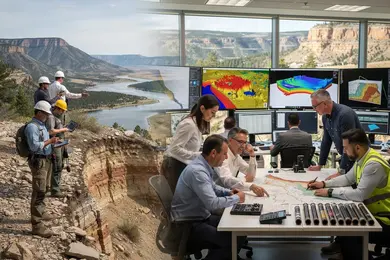
Proficiency in spatial data tools has become a pivotal differentiator in this field. For example, professionals involved in carbon sequestration projects rely heavily on GIS to map soil carbon potential and model environmental impacts-a capability that commands a salary premium and facilitates quicker progression. Employers increasingly expect candidates to integrate data-driven insights into areas such as climate risk assessment and pollution management.
Employment in environmental geoscience is projected to grow 6% to 8% through 2030, slightly above the average for STEM occupations. Yet, this growth is not uniform, with states that prioritize renewable energy, like California and Texas, showing stronger demand. Graduates lacking these specialized technical competencies may experience slower wage progression and face tougher competition against candidates with master's degrees or certifications in geospatial analysis.
How can prospective students evaluate and choose the best online environmental geoscience program?
Choosing an online environmental geoscience program requires prioritizing accreditation and curriculum specificity that align with targeted employment sectors. Regional accreditation matters for credit transfer and credibility, but students must verify if the curriculum addresses critical subfields like hydrogeology, environmental impact assessment, and GIS technologies, which employers in environmental consulting and government agencies routinely require.
Workforce alignment is more than convenient course delivery. Programs that embed applied projects or internships tied to industry partners significantly improve readiness. For instance, aspiring mining sector professionals should confirm the inclusion of mineralogy and environmental management of extraction processes; without this focus, graduates may face limited entry opportunities.
Post-graduation earnings and employment data offer concrete markers of program value. Mid-career professionals in senior geoscience roles earn between $80,000 and $104,000, while leadership positions with added management skills can exceed $134,000. This financial difference reflects the importance of programs fostering both technical mastery and leadership capabilities.
Online delivery requires verification of faculty access and support infrastructure-synchronous classes, virtual labs, and advising are not minor conveniences but often necessary for effective learning, especially for those transitioning from unrelated fields. Transfer credit policies also materially affect duration and cost; recognition of prior STEM credits can accelerate completion and reduce financial burden.
Other Things You Should Know About Geosciences
Online geosciences programs in 2027 usually offer flexible schedules to accommodate a variety of students. Though rigorous, they often incorporate virtual labs and asynchronous coursework, allowing students to pace themselves, potentially making the workload manageable compared to traditional programs with set class times.
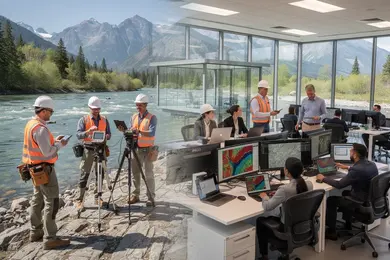
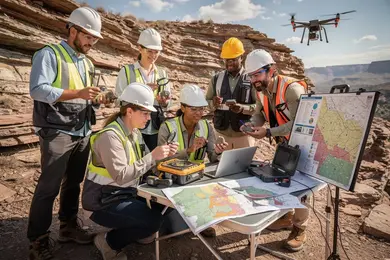
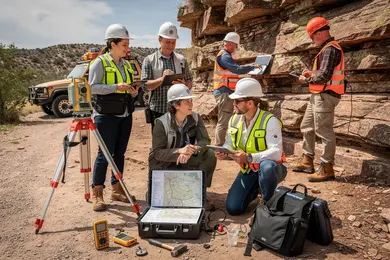
Employers in geosciences prioritize fieldwork competence, so online programs that incorporate hands-on field components, either through local partnerships or intensive residencies, offer a clear advantage. Lack of direct field experience may limit employability in roles requiring in-person site assessments or environmental sampling. Prospective students should prioritize programs offering integrated fieldwork or consider supplementing their education with internships to meet employer expectations.
Look for regional accreditation for the university and, when available, program accreditation from ABET. ABET does not accredit every geoscience program, but it matters for engineering-related tracks and some licensure paths. Regional accreditation also helps with credit transfer and graduate school admission.
Working professionals balancing employment should prioritize part-time programs that allow steady progress without burnout, as the field's technical complexity requires sustained study and application. Accelerated programs can compress learning but increase stress and reduce time for field experience or internships, which are crucial for real-world skills. Careful consideration of one's available time and career goals is essential when choosing program intensity.
References
- Earth and Environmental Science https://ees.acadiau.ca/engo-programs.html
- Explore UM | University of Manitoba - Environmental Geoscience (BSc) https://umanitoba.ca/explore/programs-of-study/environmental-geoscience-bsc
- The Geological Society - Degree Accreditation https://www.geolsoc.org.uk/education-and-resources/universities/university-degree-accreditation/
- Online Geoscience Degrees: Top Schools and All Programs in 2026 https://www.gisdegree.org/online/geoscience-degrees/
- Environmental Geoscience | Study https://www.uottawa.ca/study/career-experiential-learning/career-development/what-can-i-do-with-my-studies/environmental-geoscience
- Environmental Geoscience degrees & courses https://universitycompare.com/courses/degrees/environmental-geoscience
- Geology and Environmental Geoscience https://www.uregina.ca/academics/programs/science/geology-environmental-geoscience.html
- What coursework should I take to become a successful Applied Geoscientist? https://www.aegweb.org/index.php
- Choosing a bachelor's in environmental science | edX https://www.edx.org/resources/how-to-choose-a-bachelors-in-environmental-science
- Careers in Geoscience: Environment https://www.aig.org.au/education/careers-in-geoscience/careers-in-geoscience-environment/