2027 Best Online Bachelor's in Geosciences With Practical Field Skills Training

Co-Founder and Chief Data Scientist
Experienced geoscience professionals face a persistent challenge: acquiring practical field skills remotely without sacrificing career momentum or relocating. Employers increasingly demand hands-on expertise in site analysis and data collection, yet traditional programs often require disruptive in-person attendance.
According to the National Center for Education Statistics, enrollment in fully online bachelor's degree programs surged by over 12% in 2023, driven largely by working adults seeking flexible, skill-oriented education. This trend highlights a critical shift toward accessible learning models that integrate real-world training with remote coursework.
This article evaluates the top online bachelor's in geosciences designed to deliver essential practical field skills while accommodating diverse schedules and professional obligations.
Key Things You Should Know
- Field-based training integrates 40%-60% of credits in practical settings, but this can extend program duration by 1-2 semesters, affecting total costs and timely labor market entry, per NCES 2024 data.
- Employers prioritize hands-on skills in sedimentology and GIS for 70% of entry-level geoscience roles, driving a 12% wage premium over theoretically focused degrees, as reported by the US BLS in 2024.
- Rural and underfunded institutions have limited access to state-of-the-art field sites, creating geographic skill disparities that influence job placement rates regionally, confirmed by AGI workforce analyses 2024.
What is an online bachelor's in geosciences with practical field skills, and who is it for?
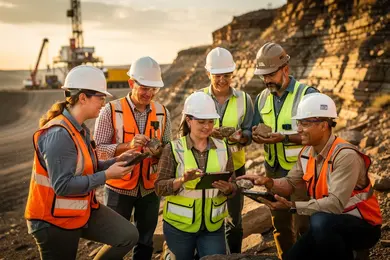
Success in geosciences increasingly depends on integrating theoretical knowledge with tangible field skills, a demand met by the best online geosciences programs with practical experience. An online bachelor's degree in geosciences with field training typically combines virtual coursework in subjects like earth systems and mineralogy with mandatory regional field labs or internships, offering students crucial hands-on opportunities without requiring relocation. This hybrid model targets self-directed learners balancing education with existing professional commitments.
Employers prioritize graduates who demonstrate proficiency not only in data analysis but also in GIS technology, environmental sampling, and on-site evaluations, skills that purely online theoretical programs can lack. Students must carefully evaluate local access to supervised fieldwork embedded within their degree programs, as insufficient practical exposure can undermine employability in roles involving groundwater management, energy resource development, or hazard prediction.
The U.S. Bureau of Labor Statistics projects a 6% growth for geoscientist employment through 2032, translating to roughly 2,200 openings annually. Candidates combining academic knowledge with verified field training are markedly more competitive for entry and mid-level positions. Understanding these workforce realities helps avoid investing in programs that do not align with market expectations or technical skill requirements.
For professionals considering pivoting into geosciences, a realistic assessment may include comparing the geosciences pathway to alternatives, such as roles with different credentialing or salary structures; for example, those researching options can refer to insights on speech pathologist salary scenarios.
How do online geoscience degrees incorporate hands-on fieldwork and lab experiences?
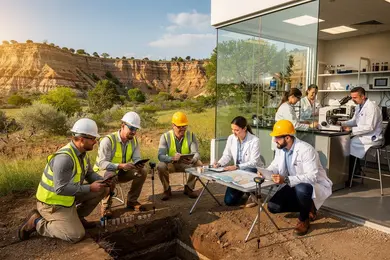
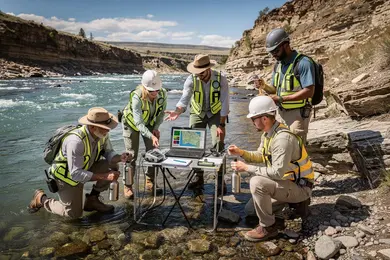
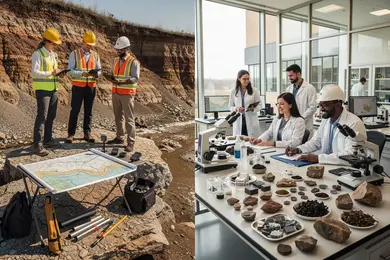
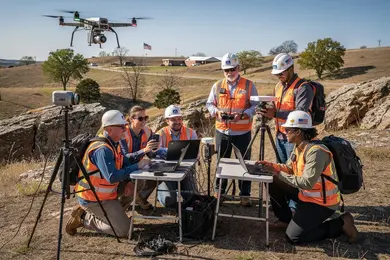
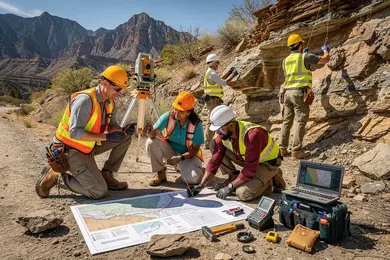
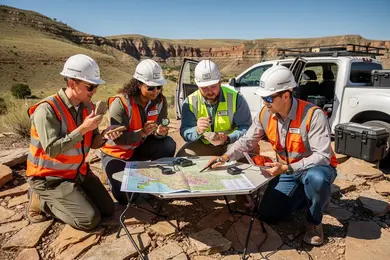
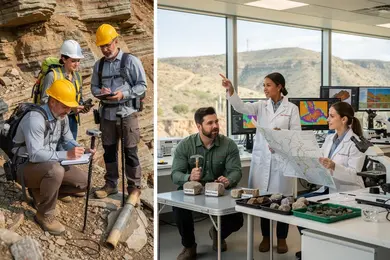
Online geosciences degrees with fieldwork components require balancing extensive hands-on training with the flexibility of virtual instruction, reflecting a core employer expectation for practical experience. Despite advances in virtual labs using 3D modeling and simulations to replicate mineral identification or seismic data interpretation, these tools do not substitute for the dexterity, observational skills, and situational awareness developed through physical fieldwork. Programs supplement online learning with mandatory intensive on-site field camps where students engage directly in stratigraphic mapping, sediment analysis, and geophysical surveying, ensuring graduates meet the operational demands of environmental consulting, hazard assessment, and related roles.
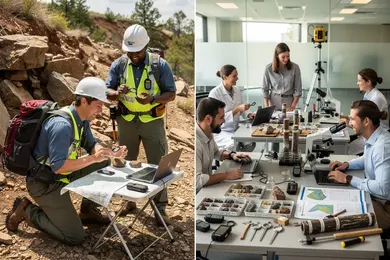
To address geographic and scheduling challenges, some virtual geosciences programs featuring hands-on lab training incorporate mobile labs or regional consortium field stations. This arrangement enables working professionals, for example those in energy exploration, to complete remote coursework then participate in weekend field workshops, blending skill development with ongoing employment. Such hybrid models enhance knowledge retention while fulfilling the 72% of employers, according to the American Geosciences Institute's 2024 study, who rate field experience as essential-far surpassing the emphasis on programming skills.
The tradeoff of travel and extended in-person sessions remains a critical consideration for candidates evaluating these degrees. Without direct field exposure, graduates face disadvantages competing for technically demanding roles. For further insight into practical cost and logistics considerations, see animal science degrees online.
Are online bachelor's in geosciences respected by employers and graduate schools?
Online bachelor's degrees in geosciences frequently confront skepticism from employers and graduate programs due to their often limited hands-on training. While theoretical knowledge is essential, practical field skills remain decisive for roles in environmental consulting, energy, or geological surveys. Without rigorous, accredited field components, purely online degrees struggle for broad employer recognition. Students aiming for positions in competitive sectors like petroleum geology must validate applied competencies in field data collection, or risk confinement to technician-level roles.
The acceptance of online geosciences degrees by graduate schools typically hinges on demonstrable field experience. Graduate admissions committees scrutinize applicants' practical work, often requiring internships or local field labs beyond virtual coursework. This expectation compels students to independently secure regional field opportunities, a significant logistical and financial hurdle not always addressed by online curricula.
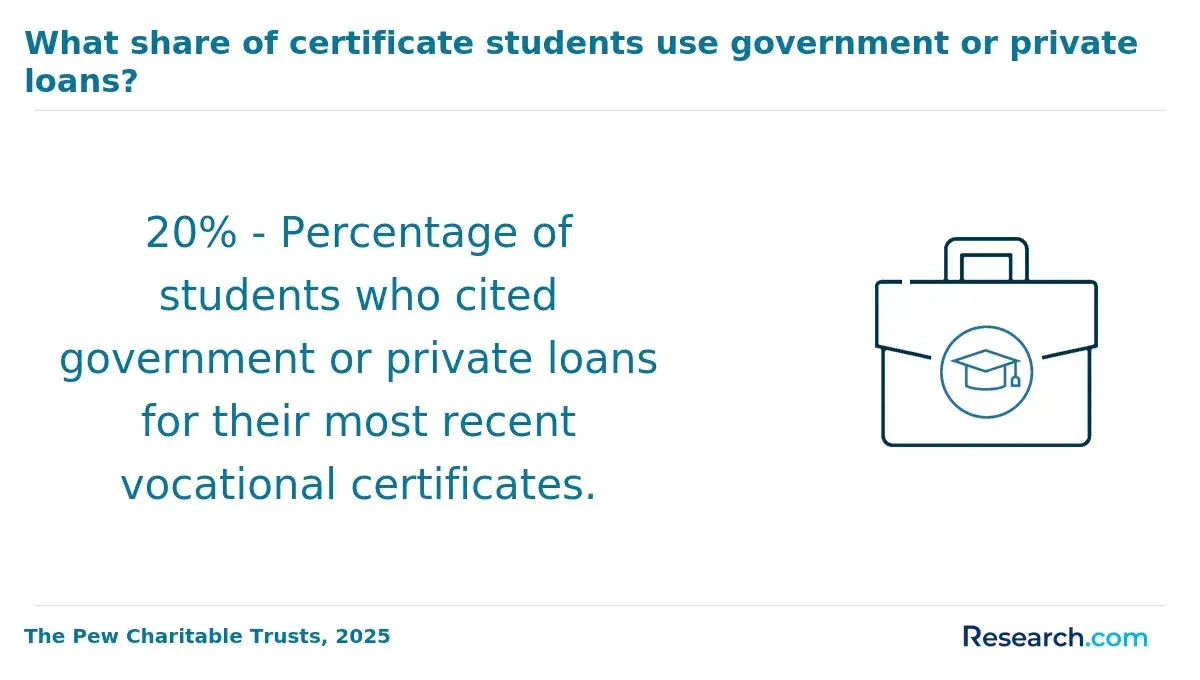
Cost variation among programs adds another layer of complexity. Tuition rates cited by Learn.org range from under $300 to over $700 per credit hour for online options in related fields, creating stark affordability contrasts. Lower-cost degrees may reduce investment in field practicums, thereby limiting practical training quality. Prospective candidates must balance tuition savings against potential long-term limitations in employer recognition and graduate school competitiveness.
Prospective students should assess program integration of employer partnerships and mandatory field practicums before enrollment to optimize their strategic positioning. For those considering adjacent paths, such as an online degree in exercise science, similar experiential requirements apply to ensure workforce readiness.
What accreditation and quality standards should an online geosciences program meet?
Accreditation significantly influences outcomes for those pursuing online geosciences degrees in the United States. Employers consistently favor candidates from programs accredited by agencies recognized by the U.S. Department of Education or the Council for Higher Education Accreditation, as this ensures the institution meets rigorous academic standards. Without regional accreditation, graduates risk limited access to federal financial aid and reduced employability.
Quality benchmarks for American online geosciences education programs increasingly emphasize integrated practical training. Programs linked to the Geological Society of America or the American Geosciences Institute often embed hands-on fieldwork or verifiable internships, critical for roles such as environmental consulting and hazard assessment. For working professionals pivoting careers, programs requiring geospatial analysis, field mapping, and data interpretation labs offer essential applied competence that purely theoretical studies lack.
Salary data underscore these practical demands: geoscientists earn a median of $99,240 annually-about 30% more than related environmental specialists-reflecting employer preference for substantial technical skill and training. Lack of robust accreditation or applied instruction can impede certification and progression to higher-paying positions. As prospective students weigh options, evaluating both institutional accreditation and program-specific skill development remains essential.
Those considering shifting to geosciences should also assess comparative fields; for example, individuals interested in tech-centered routes might explore a computer science bachelor degree online, balancing labor market demands against educational investment.
How does an online geosciences bachelor's compare with an on-campus program for field training?
Online bachelor's degrees in geosciences offer convenience but consistently fall short in delivering the essential field training required for practical proficiency. With only a handful of fully online programs available-BachelorsPortal's 2025 data notes just 9 in the U.S. and 14 worldwide-the scarcity reflects the difficulty of replicating hands-on components digitally. Traditional on-campus curricula embed multi-day field camps and outdoor labs fundamental to mastering geological surveying, stratigraphy, and sediment sampling.
Students pursuing online geosciences must independently secure field experiences through costly local internships or field schools, a burden that risks uneven skill acquisition. For instance, a petroleum geology candidate lacking live survey equipment training may struggle to meet employer expectations, as demonstrated proficiency with physical fieldwork remains a critical hiring factor. Employers favor graduates who can operate in dynamic, real-world environments where technical judgment and hands-on troubleshooting are indispensable.
Some programs attempt hybrid solutions with regional field sessions, but geographic and scheduling limitations can reduce access and consistency of these experiences. Working professionals contemplating a shift into environmental consulting or mining exploration should rigorously evaluate how online offerings integrate essential field competencies, recognizing that insufficient practical exposure can diminish long-term employability.
Choosing between online flexibility and traditional field immersion depends on one's ability to offset online limitations with additional practical training. Without deliberate mitigation, online graduates face competitive disadvantages in technically demanding geosciences roles.
What courses and concentrations are common in online geosciences programs with field training?
Online geosciences programs that incorporate field training balance flexibility with essential practical skill requirements dictated by employers. While most courses cover topics such as physical geology, mineralogy, sedimentology, and geophysics, the indispensability of hands-on experience remains a critical barrier for remote learners. For example, federal geoscience roles often require proven field competency, making a lack of direct sampling and mapping experience a decisive disqualifier.
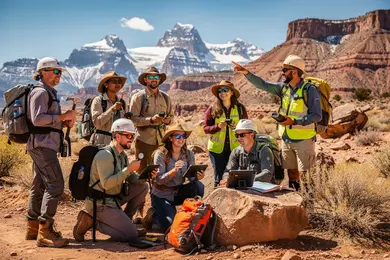
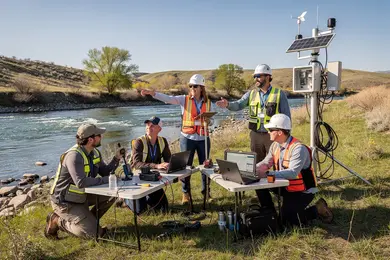
Over 80% of these programs mandate at least one in-person field session-typically scheduled during weekends or summer-to confirm students' ability in hands-on techniques like soil and water sampling or stratigraphic profiling. This hybrid model tries to offset the inherent limitations of remote education, complemented by GIS and remote sensing technologies which address spatial analysis needs but cannot fully replace physical geophysical instrumentation use.
Students must carefully weigh logistical challenges of travel and time against industry expectations, especially in resource exploration and environmental consulting sectors where specialized concentrations such as hydrogeology or petroleum geology dictate distinct skill sets. These concentrations target aquifer evaluation, contamination remediation, and basin analysis respectively, driving alignment with workforce demand yet increasing on-site commitments.
- Virtual labs and localized field alternatives improve accessibility
- Programs preserve accreditation through mandatory field exposure
- Incomplete field experience restricts eligibility for certain government and private sector jobs
What are typical admission requirements and application materials for online geoscience majors?
Entry into online geosciences programs hinges on meeting baseline academic metrics, typically a high school diploma with a minimum 2.5-3.0 GPA, plus evidence of STEM preparedness through coursework in biology, chemistry, physics, and mathematics. Candidates without recent standardized test scores often rely on prior college credits or relevant experience to bypass these requirements. Admissions also weigh qualitative factors including detailed personal statements clarifying career intentions in fields like environmental science or mining engineering, and recommendation letters that attest to analytical capability and quantitative skills.
Applicants should anticipate prerequisite coursework before engaging in hands-on field training, which usually demands a mix of asynchronous online study and limited regional onsite sessions. This hybrid format requires significant planning for working professionals balancing multiple commitments, as practical skills acquisition cannot be fully remote and entails concentrated time blocks.
Strong applicants demonstrate not only academic readiness but also clear evidence of critical thinking applied in scientific contexts and an alignment of their goals with labor market demand. Graduates often access careers with above-average wages-mining and geological engineers earn median salaries around $97,090, and environmental scientists approximately $76,530-representing a 30-80% premium over the US median wage.
- High school diploma or equivalent with GPA 2.5-3.0 minimum
- Standardized tests may be waived with prior credits or experience
- Foundation in STEM courses and prerequisite classes required
- Personal statement and recommendations focused on technical aptitude
- Field training necessitates asynchronous plus on-site sessions
How long do online geosciences bachelor's programs take, and what do they cost?
The duration of a bachelor's degree in geosciences significantly shapes early career entry, particularly where hands-on skills and field experience count. While a traditional full-time program spans four years, options for acceleration to three years or extended part-time paths accommodate working professionals but may limit fieldwork depth. For instance, GIS specialists benefit from programs that integrate multiple semesters of applied training rather than theoretical coursework alone, enhancing practical proficiency valued in resource management and urban planning roles.
Tuition costs vary sharply: public in-state students typically see annual expenses between $10,000 and $15,000, whereas out-of-state or private institutions can exceed $25,000 per year, pushing total program fees to a $40,000-$80,000 range. These figures exclude essential extras-field equipment, software licenses, and mandatory travel for field modules-which are critical for gaining real-world competencies employers demand in sectors like environmental geoscience and energy.
Growing employer emphasis on proven skillsets, especially in climate adaptation and GIS applications, makes assessing the tradeoff between program length, cost, and practical exposure a strategic necessity. Academic programs featuring immersive field projects integrated into online curriculums better prepare graduates to meet employer expectations in rapidly evolving resource management fields.
What careers can you pursue with an online geosciences degree and field skills training?
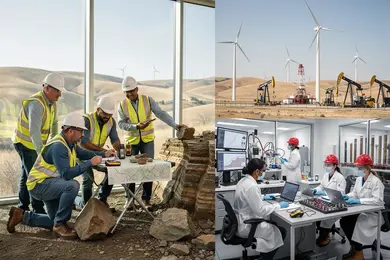
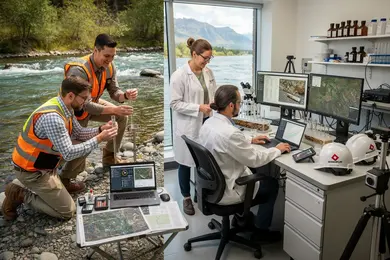
Employers in environmental consulting, natural resource management, and geological surveying expect geosciences graduates to demonstrate hands-on field competencies alongside remote data analysis. For instance, environmental remediation roles require precise site assessments to identify contamination, blending theoretical knowledge with direct field sampling and stratigraphic mapping skills. This balance is critical in mining and energy sectors, where evaluating mineral deposits demands both on-site inspections and GIS-based interpretation.
Online geosciences programs must address a significant practical training gap, especially since over 60% of undergraduate students are working adults aged 25 or older who need flexible schedules. However, licensure and regulatory compliance often hinge on verified field experience, creating a logistical challenge to integrate internships, weekend camps, or employer-partnered practicums into busy professional lives.
Key career tracks such as environmental geologist, hydrogeologist, and geotechnical engineer entail distinct skill profiles. Hydrogeologists focus extensively on groundwater flow analysis for public water safety, while geotechnical engineers assess soil stability critical to construction projects. Students must strategically plan to acquire sufficient practicum hours without disrupting employment, or risk falling short of employer expectations.
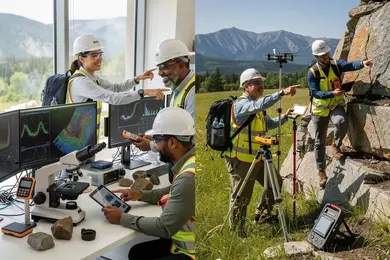
- Field-based training remains indispensable despite advances in remote sensing and drone mapping technologies.
- Demonstrable practical skills significantly enhance employability and upward mobility in geosciences sectors.
- Workforce entrants must balance flexible learning modalities with core hands-on requirements to meet industry certifications.
What salary ranges and job outlook can geoscience graduates expect in different U.S. sectors?
Choosing a career path within geosciences in the U.S. means weighing distinct sector-specific realities that affect earning potential, location flexibility, and required expertise. Entry-level roles in environmental consulting typically pay between $55,000 and $70,000, emphasizing practical skills in field data collection and regulatory compliance. Growth is steady but subject to the fluctuations of environmental policy shifts, often in more urban settings with lower relocation pressure.
By contrast, positions in energy and mining offer higher salaries-ranging from $75,000 to $110,000-reflecting the technical demands of mineral exploration for critical materials like lithium and cobalt. These roles usually cluster in resource-rich states, necessitating geographic mobility but capitalizing on expanding demand driven by clean energy transitions identified in the International Energy Agency's 2024 critical minerals outlook. Prospective workers should evaluate their willingness to relocate and develop advanced exploration competencies accordingly.
Federal government and research opportunities span $60,000 to $95,000, requiring proficiency in GIS and remote sensing. These roles offer relative stability, although constraints from budget cycles remain a factor.
- Environmental consulting offers urban options but with a capped salary ceiling.
- Mining and exploration roles demand mobility and specialized technical expertise.
- Government positions prioritize practical geospatial skills and present stable yet budget-dependent employment.
Ultimately, students and professionals must integrate strong hands-on field training to meet employer expectations amid increasing technological complexity in geosciences careers.
Other Things You Should Know About Geosciences
Online geosciences programs that include practical field skills demand a high level of self-discipline and independent study. Unlike on-campus programs, much of the theoretical content and data analysis will rely on student-driven learning, with limited real-time supervision. Prospective students should be prepared for significant self-directed work, particularly when coordinating fieldwork components that may be scheduled sporadically or during specific periods. Prioritizing programs with structured field modules and clear faculty support improves the chances to maintain consistent progress and skill acquisition.
Yes, managing work responsibilities alongside technically demanding coursework and intermittent field training is a key challenge. Field experiences often require travel or dedicated time blocks that can conflict with full-time employment, so flexible scheduling or employer support is necessary. Students without flexible jobs should prioritize programs offering part-time enrollment or summer-only intensive field sessions to avoid burnout. Understanding these tradeoffs ahead of time is essential to maintain degree momentum without sacrificing professional or personal stability.
Most programs require students to complete map interpretation, GPS use, rock and mineral identification, data collection, and a field methods capstone or regional field course. Many also require a supervised lab or field experience totaling 3 to 6 credit hours, often completed during summer or through local placements.
References
- Best Online Geoscience Courses and Programs | edX https://www.edx.org/learn/geosciences
- Courses https://www.geolsoc.org.uk/courses/
- ThisIsGeoscience - Geoscience Salaries https://www.thisisgeoscience.com/the-resources/geoscience-salaries
- Online Geoscience Degrees: Top Schools and All Programs in 2026 https://www.gisdegree.org/online/geoscience-degrees/
- Geology - ABET https://www.abet.org/accreditation/new-and-developing-program-areas/geology/
- How do recent geoscience graduates experience the job market? - GeoExpro https://geoexpro.com/how-do-recent-geoscience-graduates-experience-the-job-market/
- 5. Best Practices for Instruction of Geoscience Undergraduates https://www.americangeosciences.org/change/sections/instructional_best_practices/
- Iea - Critical Minerals Outlook 2024 https://www.iea.org/reports/critical-minerals-outlook-2024