2027 Online Geosciences Degrees With Water Resources Concentrations

Co-Founder and Chief Data Scientist
Water resource professionals often confront urgent issues like balancing regional water scarcity with expanding agricultural demands, all while ensuring compliance with evolving environmental regulations. As workforce data from the U. S. Bureau of Labor Statistics indicates a 15% projected growth in hydrologist roles by the end of the decade, the need to upskill without pausing careers or relocating intensifies. Simultaneously, enrollment trends from the National Center for Education Statistics reveal that over 40% of online learners in STEM fields are working adults seeking flexibility to integrate education with job responsibilities, emphasizing that learning modality impacts career momentum and financial feasibility.
This article examines current online geosciences degrees with water resources concentrations, focusing on program structures, accessibility, and outcomes to guide professionals in selecting pathways that align strategically with their career timelines and advancement goals.
Key Things You Should Know
- Online geosciences degrees with water resources concentrations average 15-25% lower tuition than on-campus, but lack extensive fieldwork access critical for EPA-preferred hydrological modeling roles, forcing costly supplementary certifications.
- U.S. Geological Survey data show 18% growth in hydrogeology jobs by 2030, with employers prioritizing graduates from programs offering integrated GIS and remote sensing, a gap in many online tracks affecting immediate employability.
- Students face a six-month average delay in workforce entry due to online program pacing and licensure exam preparation, translating into $7,000-$10,000 opportunity cost compared to accelerated cohort-based in-person alternatives.
What is an online geosciences degree with a water resources concentration, and who is it best for?
An online geosciences degree with a water resources concentration primarily serves professionals balancing ongoing work commitments with the need to develop specialized expertise in hydrology, groundwater management, and watershed science. This pathway is notably effective for environmental consultants and municipal water managers who require advanced quantitative skills and regulatory knowledge without interrupting their careers. Choosing this focus involves rigorous coursework in hydrologic theory, data science, and environmental law, which can challenge students lacking a solid STEM foundation, especially in remote learning environments.
Incorporating the best students for water resources concentration in geosciences degrees means selecting candidates prepared for the analytical and policy-driven demands of the field. Since 73% of hydrology and water resources science degrees awarded in the U.S. are at the master's level, employers clearly prioritize advanced graduate qualifications for technical proficiency and leadership in water resource roles. Online master's programs align with this demand, allowing mid-career pivots into water-focused positions within infrastructure planning or sustainability programs.
Practical considerations include program accreditation, faculty expertise, access to virtual labs, and the alignment of synchronous class schedules with the student's time zone. Internship guidance and region-specific curriculum relevance are critical, given that hydrologic challenges vary geographically. Environmental consultants benefit from enhanced modeling skills for risk assessment, while municipal water departments rely on graduates to design sustainable systems under evolving regulations.
Career changers should approach this degree with awareness of its demands. For example, those interested in shifting from unrelated professions can research pathways such as SLPs for comparative insight on mid-career transitions that require substantial re-skilling.
How do online water resources geoscience degrees compare to on-campus programs in quality and outcomes?
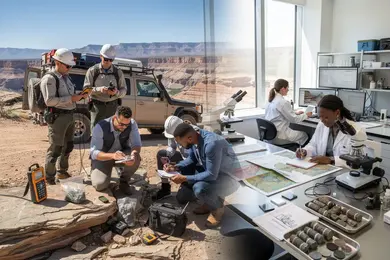
Online water resources geosciences degree program outcomes hinge on how effectively programs integrate hands-on experience with theoretical instruction. While employers increasingly accept online credentials, graduates without substantial fieldwork or lab-based skill demonstration may struggle to prove practical competencies in early employment. This is a notable tradeoff compared to on-campus options, where direct faculty interaction and structured field immersion provide clearer opportunities to develop applied expertise.
The quality comparison of online and on-campus water resources geosciences degrees primarily comes down to local internship availability and access to technical tools like hydrology modeling and GIS software. Without these, online students risk limited readiness despite the flexibility to study while working. The median wage for hydrologists is $92,060, with steady job openings around 500 annually in the U.S., reflecting sustained sector demand. Candidates focused on entry-level or research-intensive roles often benefit from the immersive environment of traditional programs.
Pragmatically, online education suits mid-career professionals balancing employment and study, provided the program emphasizes experiential learning. Verification of skill proficiency through employer-valued software and data interpretation remains critical. Prospective students evaluating an accredited online animal science degree should apply the same scrutiny to hydrology-focused curricula to ensure workforce alignment and avoid practical skill gaps common in purely remote setups.
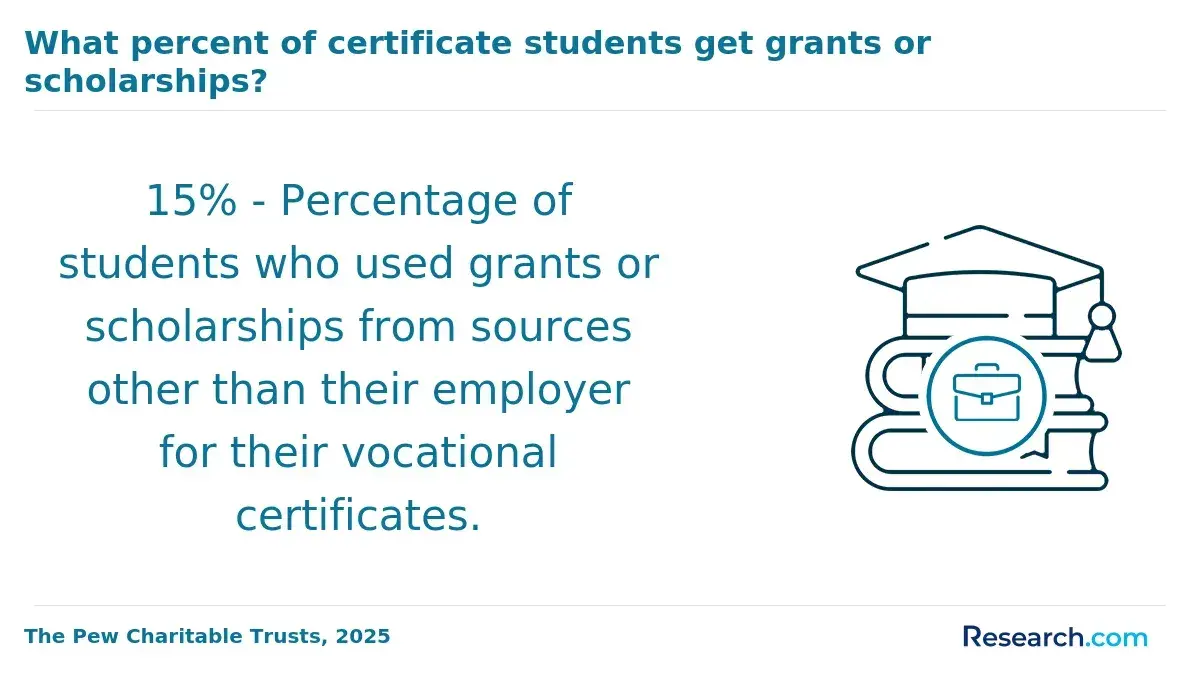
Which accredited schools offer online geosciences degrees focused on water resources in the United States?
Selecting accredited online geosciences water resources programs in the US requires balancing technical rigor with practical scheduling needs. Institutions such as the University of Texas at Austin, Oregon State University, and Southern Illinois University Carbondale deliver curricula focused on hydrologic modeling, watershed management, and policy analysis-skills directly valued by federal and state agencies. For instance, UT Austin's integration of applied research with current environmental regulations equips graduates for roles demanding both scientific analysis and regulatory acumen.
Working professionals pursuing the best online geosciences degrees with water resources concentration United States-wide face tradeoffs between asynchronous learning flexibility and necessary hands-on experience. Oregon State University's hybrid model pairs online coursework with approved regional fieldwork, enabling students to maintain employment while upgrading specialized skills essential in water resource management.
Career outcomes include roles such as hydrologist, water resource specialist, and environmental consultant, but median wages vary significantly: natural sciences managers make roughly $144,440, environmental scientists about $76,480, and conservation scientists $64,420 annually. Expertise in hydrological data analysis combined with knowledge of water law and ecosystem stewardship remains critical to employer preferences. Programs that connect interdisciplinary science and policy tend to enhance graduate employability.
Applicants must confirm program accreditation by regional bodies and ensure alignment with the Council of Environmental Science Associations to validate credentials. Additionally, factors such as program duration, tuition costs, and state authorization status are key, particularly for those studying out-of-state. Navigating these considerations alongside other educational options-such as comparative fields like computer science degrees online-can clarify appropriate investment and career pathways.
What accreditation and program quality indicators should you check for online water resources degrees?
Accreditation remains the most critical filter when assessing online water resources degree accreditation standards, as employers and licensing boards prioritize recognized institutional and program credentials. Regional accreditation from agencies such as the Higher Learning Commission or WASC is a baseline requirement; without it, graduates often face obstacles in credit transfer or job qualification. Specialized accreditation, notably ABET for environmental engineering niches, strengthens perceived program legitimacy by confirming curriculum alignment with industry expectations.
Curricula must integrate contemporary, technical competencies-such as hydrologic modeling, GIS applications, and water management policy analysis-to equip students with the skills demanded by environmental consulting firms, municipal agencies, and regulatory bodies. The inclusion of hands-on data analysis projects correlates directly with stronger job placement outcomes, an essential consideration that distinguishes more practical water resources programs within online geosciences.
Cost factors also weigh heavily on candidates evaluating programs. Typical total tuition for fully online geoscience bachelor's degrees ranges around $66,000, with some programs charging as much as $85,000 for out-of-state students. Decision-making should be informed by these costs relative to regional labor market demand for water resource specialists and anticipated salary benchmarks to ensure an adequate return on investment.
Additional quality indicators include faculty expertise focused on water resources science and transparent employment metrics. Programs lacking such data present risks for students seeking reliable pathways. Prospective learners should also compare resources such as career services tailored to environmental sectors and consider options across disciplines, including MLIS programs where interdisciplinary data management skills may further augment geosciences roles.
What courses and specializations are typically included in a water resources-focused geosciences curriculum?
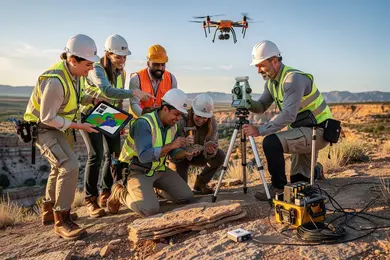
Choosing a water resources-focused geosciences curriculum requires balancing technical relevance with real-world skill application. Employers expect graduates to navigate multidisciplinary challenges such as hydrology, watershed management, and environmental systems using both foundational theory and practical tools. Programs that incorporate remote sensing, GIS for spatial data analysis, and watershed modeling directly address the growing need for expertise in handling complex environmental datasets.
Students must develop strong quantitative capabilities-statistical analysis and geostatistics are essential for assessing pollutant spread or aquifer recharge. Engineering insights into water infrastructure and environmental regulations are critical for roles in municipal compliance or regulatory agencies. Practical experience through lab work and field methods, including stream gauging and soil sampling, remains indispensable for credible environmental consulting and applied research.
Specializations often reflect different workforce demands: urban water sustainability programs tackle stormwater challenges, while others focus on agricultural water efficiency or climate change effects on hydrologic cycles. For instance, a consulting firm will prioritize candidates who demonstrate proficiency in both hands-on fieldwork and predictive simulation software.
Cost is a significant factor-Southern New Hampshire University's online bachelor's in geosciences offers a comparatively low tuition balance of $31,860 after transfer credits, highlighting an accessible entry point without accumulating excessive debt. Deciding among programs means scrutinizing the currency of hydrological modeling tools and regulatory content aligned with 2024 standards, to ensure skills translate effectively to employer expectations and regional environmental challenges.
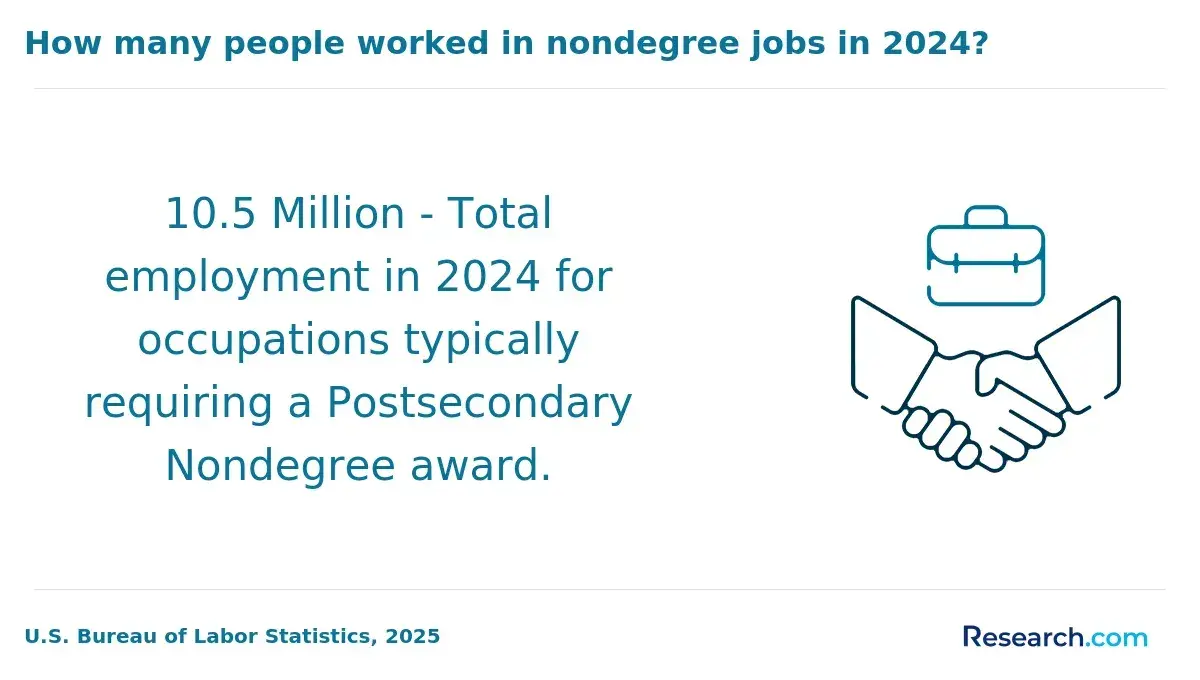
What are the usual admission requirements and prerequisites for online geosciences water resources programs?
Admission to online geosciences water resources programs requires more than just meeting academic criteria; it reflects a strategic balance between academic preparation and workforce expectations. Most programs mandate a bachelor's degree in geosciences, environmental science, engineering, or closely related fields, with a minimum GPA of 3.0. Applicants must submit official transcripts, often two to three letters of recommendation, and a detailed statement of purpose addressing career objectives and relevant experience.
For those without a related undergraduate background, bridging courses in soil science, fluid mechanics, or GIS are typically prerequisite to entering the full program curriculum. This compensates for gaps in foundational knowledge critical to quantitative and technical competence demanded by employers analyzing environmental data or modeling resources.
The dominance of graduate-level specialization in water resources is tied to employer hiring patterns. Data from the U.S. indicate the master's degree in Hydrology & Water Resources Science vastly outnumbers bachelor's and doctoral degrees combined. This makes master's credentials increasingly essential for securing leadership roles or positions requiring regulatory expertise, despite the additional investment in time and tuition. International applicants must demonstrate English proficiency via recognized tests like the TOEFL or IELTS, and while GRE requirements persist in some programs, many have dropped them to broaden accessibility.
Work experience in environmental consulting, government water agencies, or field research not only enhances applications but can also mitigate formal prerequisite deficiencies, reflecting the sector's practical orientation. Overall, prospective students must weigh the tangible benefits of advanced credentials against the operational costs and timing of graduate studies.
How long do online geosciences degrees with water resources concentrations take, and what do they cost?
Completing an online geosciences degree with a focus on water resources involves time and financial tradeoffs that directly affect career trajectories. Programs typically span 18 to 36 months, contingent on enrollment intensity and credit requirements. Bachelor's completion degrees assume prior credits and can often be finished full-time in approximately two years, while master's programs demand 30 to 36 credits and may take between one to two years. Accelerated formats reduce time but require a substantial commitment that can conflict with full-time employment.
Cost per credit varies substantially by institution type and residency: public universities usually charge $300-$700 in-state, $700-$1,200 out-of-state, while private schools may exceed $1,500 per credit. Total tuition can escalate from $10,000 into the $50,000+ range, factoring in additional fees and occasional on-campus residencies that may restrict flexibility. Such financial and scheduling factors should be weighed carefully against the necessity of applied skills training and workforce entry timing.
Water management employers expect candidates not only to hold technical expertise but also practical experience, which can be diminished by extended or overly compressed programs. Regional job markets, as seen in cities like Golden, CO; Tucson, AZ; and Minneapolis, MN, reflect heightened demand due to localized water scarcity challenges. Prospective students should incorporate these geographic market realities and consider relocation or remote possibilities when planning their education and career paths.
What careers can you pursue with an online geosciences degree specializing in water resources?
Graduates of an online geosciences degree focused on water resources face a complex landscape where technical expertise must align with evolving employer demands and regional environmental challenges. For example, hydrologists in arid states routinely apply advanced data modeling to optimize reservoir management, balancing competing interests under climate stress. Meanwhile, environmental consultants navigate regulatory frameworks like the Clean Water Act while managing complex contamination remediation projects.
Key workforce competencies include proficiency in GIS mapping, quantitative hydrologic modeling, and clear communication skills for project management and permitting processes. Employers such as government agencies and consulting firms prioritize candidates demonstrating both regulatory knowledge and practical experience, including internships that provide exposure to real-world watershed or infrastructure resilience projects.
Cost is a significant factor: programs like Florida Atlantic University's online bachelor's in geosciences may reach around $85,000 for nonresidents, notably above the approximate $66,000 average, which affects the return on investment and access to certain public-sector roles favoring accredited, affordable programs with robust experiential learning.
Long-term career viability hinges on adapting to infrastructure renewal and climate resilience priorities, requiring graduates to integrate hydrologic science with sustainability principles. Those weighing program options should critically assess the balance between tuition costs, credential recognition, skill acquisition, and networking opportunities to optimize employment outcomes in specialized water resource sectors.
What are the salary ranges and job outlook for geoscientists and water resource specialists?
Salary ranges in geosciences and water resource roles reveal a stark divide between entry-level and management positions, underscoring the importance of specialization and experience. Starting salaries for hydrology and related fields approximate $64,420, typical of conservation scientist roles focused on fieldwork and regulatory compliance. However, advancing to natural sciences management or specialist hydrologist roles can yield salaries exceeding $100,000, driven by responsibilities like project leadership and strategic oversight.
Employer demands prioritize candidates who demonstrate applied skills and practical experience managing complex environmental and regulatory challenges. For example, graduates without field experience or advanced certifications may experience slower wage growth and face barriers to promotion. Conversely, government roles may offer steadier, tenure-linked pay scales but often require navigating standardized advancement tracks tied to formal education.
Choosing a program that emphasizes data analysis, hydrologic modeling, and environmental policy aligns more closely with higher-paying technical and managerial roles. Professionals aiming to pivot careers should weigh the challenge of developing leadership competencies and interdisciplinary knowledge required for management positions, which extend beyond technical proficiency.
Students and career changers must consider:
- The tradeoff between immediate entry-level wages and long-term growth potential
- The critical need for hands-on experience and specialized skills
- Sector differences in pay structure and advancement opportunities
How can students gain fieldwork, lab, or internship experience in a fully online water resources program?
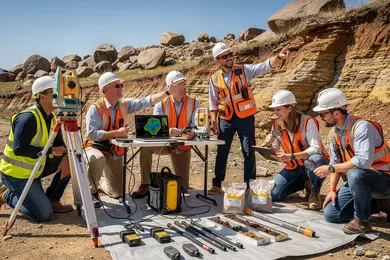
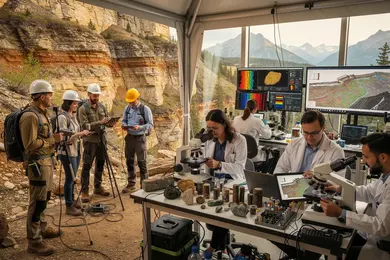
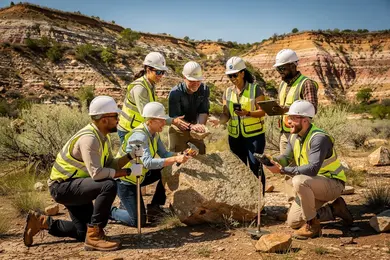
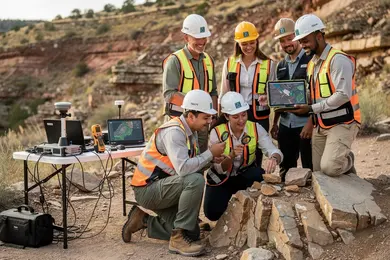
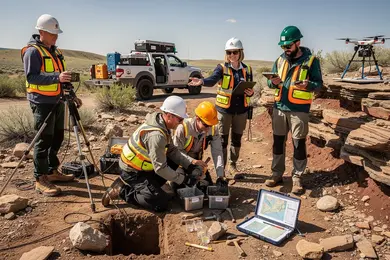
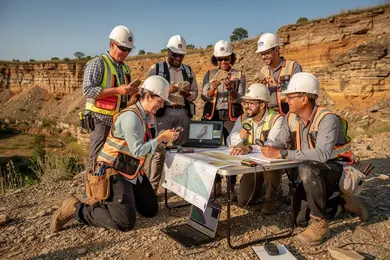
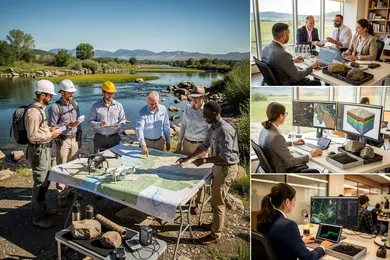
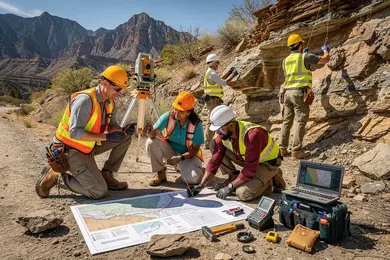
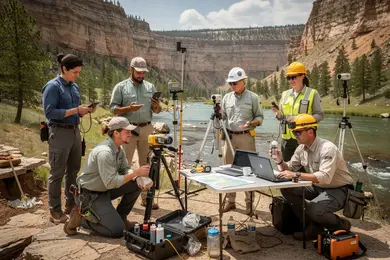
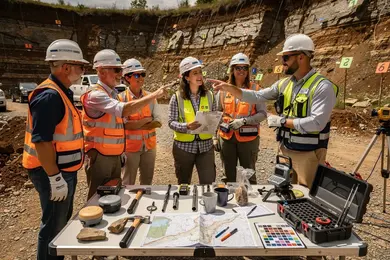
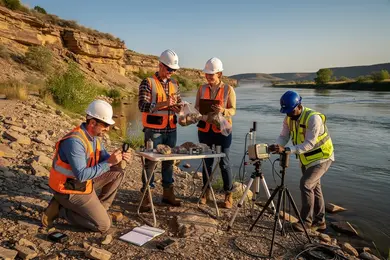
Online water resources programs must confront the challenge of translating remote learning into genuine practical competence, a critical factor for employability in hydrology and related geosciences fields. Many programs address this by coordinating mandatory in-person components such as water sampling, flow measurement, and aquifer testing at facilities near students' homes, though students living far from urban centers face notable hurdles securing suitable placements. Lab work, often facilitated through shipped kits or virtual simulations, is increasingly supplemented by regional lab access or employer partnerships to satisfy accreditation and industry standards.
Internships demand active student-advisor collaboration to identify opportunities, typically concentrated around specific metropolitan hubs according to Data USA CIP 40.0605. Candidates outside these regions must often negotiate remote or embedded field internships, which can create logistical and financial tradeoffs between travel burdens and career gains.
From an employer's perspective, mastery of in-situ techniques, remote sensing tools, and adherence to compliance protocols remains indispensable. For example, a student placed at a state water management agency gains exposure to live data workflows unavailable to fully virtual peers, markedly improving job readiness and leadership potential. Prospective students should evaluate the geographic and institutional realities of field site access and internship availability before committing, as these elements are essential for licensure and competitive success in watershed management, hydrology, and environmental geoscience sectors.
Other Things You Should Know About Geosciences
Employer acceptance depends largely on program accreditation, the rigor of coursework, and evidence of practical experience. Degrees from well-established, accredited programs with documented internship or fieldwork components are valued similarly to traditional credentials. However, applicants from purely theoretical or certificate-focused online programs without hands-on components may encounter skepticism, especially in water resources roles requiring field data collection or advanced lab skills.
Online programs struggle with providing direct fieldwork and laboratory sessions crucial for water resources training. Many rely on virtual labs or partner internships, which vary widely in quality and accessibility. Students must proactively secure local internship opportunities or field placements to supplement online learning, as missing this practical exposure can weaken job readiness, particularly in roles demanding physical site assessment or water sampling.
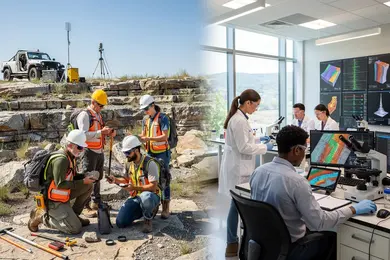
Most programs require 1 to 2 field-based courses or a lab component, even if the lectures are online. Students often complete groundwater sampling, GIS mapping, hydrogeology labs, or a summer field practicum, and some schools require in-person residencies or approved local fieldwork.
References
- Master in Hydrology and Water Resources Management + University Degree https://www.structuralia.com/en-intl/products/master-in-hydrology-and-water-resources-management-university-degree-2
- 500+ Water Jobs (Updated Today) â Free to Apply https://jobs.watertechintel.com/blog/geology-major-jobs
- Watershed Management Research and Outreach Undergraduate Internship Program - North Central Region Water Network https://northcentralwater.org/watershed-management-research-and-outreach-internship-program/
- Geoscience Careers https://education.americangeosciences.org/resources/geoscience-careers/
- Careers in Geoscience: Environment https://www.aig.org.au/education/careers-in-geoscience/careers-in-geoscience-environment/
- Master's degree in Geoscienze per lo Sviluppo Sostenibile - Curricu... https://apply.unipv.eu/en_GB/courses/course/205-geo-emw-masters-degree-geoscienze-per-lo-sviluppo-sostenibile---curriculum-geosciences-energy-mineral-and-water-resources
- Geology and Environmental Geoscience https://www.uregina.ca/academics/programs/science/geology-environmental-geoscience.html
- Online Geoscience Degrees: Top Schools and All Programs in 2026 https://www.gisdegree.org/online/geoscience-degrees/
- How to apply https://www.waternetonline.org/master-in-iwrm/how-to-apply
- Water Resources https://www.uwec.edu/academics/programs/undergraduate/water-resources