2027 Climate and Water Careers Growing Fastest in 2026

Co-Founder and Chief Data Scientist
Urban planners and hydrologists confront an urgent dilemma: how to adapt water resource management amid rapidly shifting climate patterns while limited by traditional, rigid credential pathways. The National Center for Education Statistics reports a 35% increase in enrollment for flexible, online environmental science programs since 2023, revealing a decisive pivot among professionals seeking timely re-skilling without pausing full-time employment. This shift reflects an evolving expectation for education that balances accessibility with real-world applicability, especially as climate-related infrastructure demands accelerate.
This article will identify the fastest-growing climate and water careers and examine educational strategies that efficiently align with these workforce trends to support informed career decisions.
Key Things You Should Know
- U.S. Bureau of Labor Statistics projects 15% job growth in water resource specialists by 2026, but required master's degrees and licensure prolong pathway and increase upfront education costs, challenging mid-career pivots.
- Employers prioritize advanced GIS and climate modeling skills beyond traditional geology, pressuring applicants without cross-disciplinary certificates despite steady job openings reported by the Environmental Protection Agency.
- Federal funding shifts toward climate resilience projects drive regional demand spikes, yet geographical concentration limits entry-level opportunities, creating tension between ideal relocation vs. stable local employment for new entrants.
What are the fastest-growing climate and water careers within the geosciences right now?
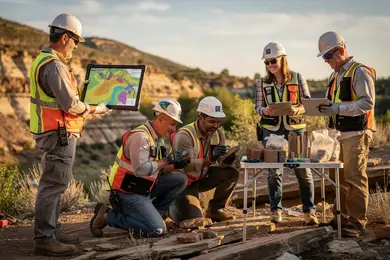
Growth in climate-related roles within the United States geosciences workforce outpaces general employment, with 4,085,300 jobs reported and a 2.8% increase in 2024 alone. This expansion primarily reflects increasing demand for experts in climate data analysis, hydrology, and environmental consulting who navigate complex climate models and water resource challenges. The fastest-growing climate and water careers in the United States geosciences often require candidates who combine quantitative proficiency with applied experience in regulatory frameworks such as the Clean Water Act.
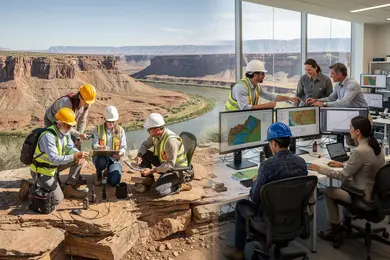
In sectors like agriculture and urban planning, climate impact analysts drive decisions through predictive modeling, directly influencing crop choices and infrastructure resilience strategies. Hydrologists focusing on flood risk and water quality represent a critical workforce for municipalities adapting to extreme weather patterns. Hiring managers value interdisciplinary skills that blend geosciences knowledge with data science, policy insight, and clear communication to translate analysis into practical adaptation measures.
Environmental consulting roles emphasize ongoing skill renewal due to shifting climate policies and technologies. Career transitions into these high-demand geosciences jobs often entail certifications in GIS, climate modeling software, and regulatory compliance. Internships or cooperative education centered on applied climate risk projects help prospective specialists demonstrate hands-on work and versatility, frequently prioritized over purely theoretical credentials.
Those evaluating a pivot into these fields should weigh the tradeoff between advanced technical skills and tangible project outcomes. For comparison, individuals considering a similar shift in professional trajectory might explore resources on transitions to a speech pathologist role, which likewise requires sector-specific certification and practical experience.
High-demand climate adaptation and water resource management jobs in geosciences underscore the importance of targeted upskilling amid a rapidly evolving employment landscape shaped by policy, climate risk, and technological innovation.
What degrees do you need for climate and water careers in the geosciences?
Degrees in environmental science, geology, or hydrology remain foundational in meeting employer demands for climate and water careers in geosciences, but the value now heavily lies in applied skills. Candidates versed only in theory struggle against those combining core knowledge with practical expertise in data analysis, fieldwork, and regulatory navigation. For instance, hydrologists employed by municipal water authorities must not only hold a geology or hydrology degree but also demonstrate proficiency with geographic information systems (GIS) and environmental compliance frameworks.
The best degrees for climate and water careers in geosciences increasingly require interdisciplinary training that balances earth sciences with economics or policy, particularly for roles like sustainability analysts in energy sectors. Graduates must be adept at interpreting climate models while possessing quantitative and technical competencies to engage with environmental monitoring tools effectively. Certificates in data science or environmental law can enhance but not substitute this foundational knowledge.
Job growth projections predict a 33% rise in sustainability specialists and 34% in environmental protection roles globally by 2027, intensifying competition and favoring candidates with versatile skill sets.
Prospective students weighing the top educational programs for geosciences climate jobs should prioritize curricula emphasizing cross-domain expertise and real-world experience, such as internships or cooperative education. These elements often differentiate candidates beyond mere degree prestige. Those exploring pathways might consider affordable options; a relevant resource is the environmental engineering online degree programs, blending accessibility with practical application.
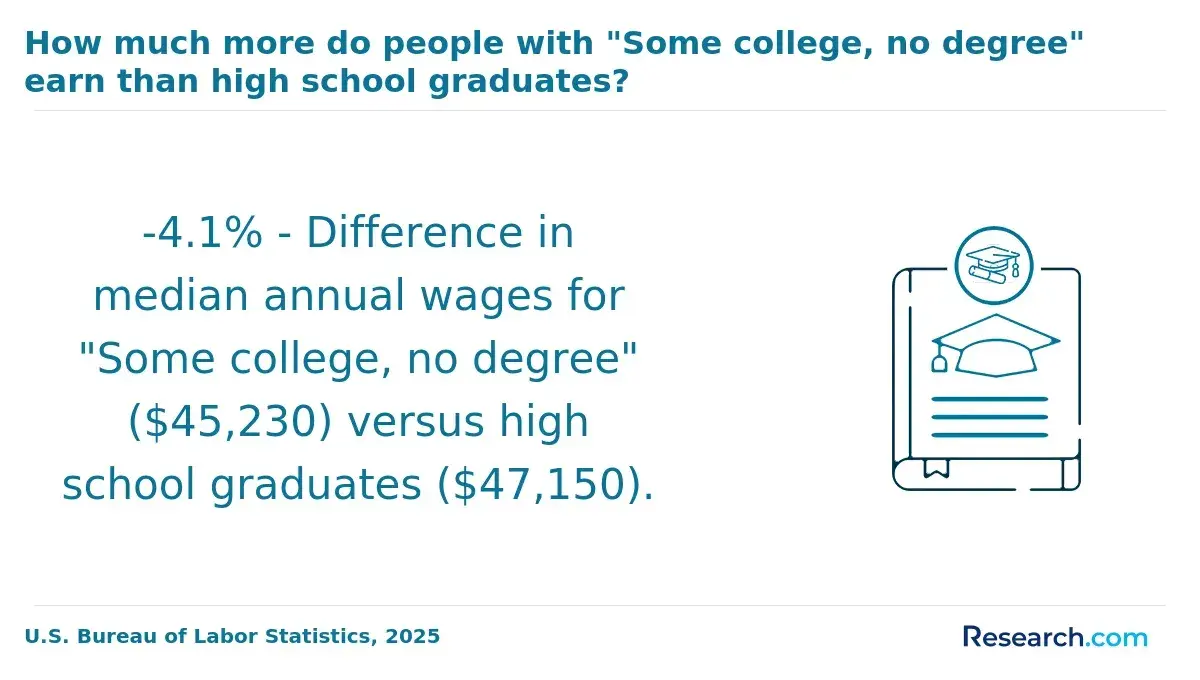
How much do climate and water geoscience professionals earn and what impacts salary?
Climate and water geoscience professional salary ranges in the US are sharply influenced by nuanced factors beyond basic credentials, shaping earnings between $65,000 and $110,000. Entry-level salaries typically start near $60,000, but specialized roles, particularly in renewable energy and environmental consulting, can reach six figures. The 2026 renewable energy sector data reveals that over half of professionals secured pay hikes, with a significant portion gaining at least 5%, signaling persistent wage growth in high-demand areas.
Factors influencing earnings for climate and water geoscience jobs include:
- Education and credentials: Advanced degrees and certifications in disciplines such as hydrology or environmental science notably increase income potential compared to bachelor's degrees alone.
- Employer type: Positions in private renewable energy firms and large engineering consultancies generally offer higher pay versus government or nonprofit roles, which emphasize job stability and benefits.
- Location: States with pressing water scarcity issues or aggressive renewable energy targets-like California and Texas-tend to pay more due to demand and living costs.
- Specialized skills: Expertise in GIS modeling, environmental compliance, and data analytics significantly enhance marketability and salary offers.
For instance, a water resource analyst employed by a regional utility in the Southwest with a master's degree and GIS proficiency might earn $85,000 to $95,000, contrasting with a junior consultant holding a bachelor's degree in the Midwest starting near $60,000. Those intending to pivot or advance should weigh the tradeoffs between immediate earnings and investing time in strategic upskilling aligned with market needs.
Prospective students evaluating this pathway should carefully select programs balancing credible specialization with practical workforce outcomes. Resources highlighting the best library science programs offer perspective on credential value, aiding decisions that impact earning trajectories and sector positioning.
Which climate and water geoscience jobs are in highest demand and where are they located?
Demand for climate and water geoscience job opportunities in North America is driven by region-specific climate risks and resource management challenges. Western states such as California and Arizona prioritize hydrologists to address multi-year drought resilience projects, while Southeast and Northeast coastal areas seek atmospheric scientists for hurricane prediction improvements. This geographic fragmentation in highest demand climate and water careers by region underscores the necessity for targeted expertise aligned with local environmental stressors.
Employers including federal agencies like NOAA and the U.S. Geological Survey value professionals who combine climate data analysis with water resource management. Real-world responsibilities range from developing predictive models for Midwestern agricultural water supply to engineering urban stormwater systems in flood-prone cities. These roles require proficiency with GIS, climate modeling software, and strong interdisciplinary communication to manage regulatory complexities.
Graduate-level credentials are often essential, especially for managing large datasets and applying climate projections in specialized sectors. Entry-level candidates must demonstrate applied research skills and the ability to translate climate risk into actionable strategies. Senior positions demand strategic planning capability to influence policy and infrastructure investments. For military veterans considering this pathway, exploring the best military friendly online electrical engineering degrees can provide valuable complementary technical skills relevant across environmental modeling and infrastructure projects.
What coursework and skills do climate and water-focused geoscience programs typically include?
Choosing a climate and water-focused geoscience program requires balancing technical depth with practical workforce demands. Programs emphasizing hydrology, climatology, GIS, and environmental chemistry train students in skills essential for urban water management and ecosystem resilience. For example, drought mitigation specialists must integrate hydrological models with climate forecasts to optimize water allocation under fluctuating scenarios. This blend of advanced quantitative techniques-such as time series analysis and uncertainty quantification-aligns closely with employer expectations for problem-solving rigor.
Students face a clear tradeoff between specialized, mathematically intensive tracks and broader interdisciplinary paths that include environmental policy and communication. The former may limit accessibility due to prerequisite knowledge but prepare candidates for technically demanding roles. The latter broadens career flexibility into policy, consulting, and stakeholder engagement but often extends program duration.
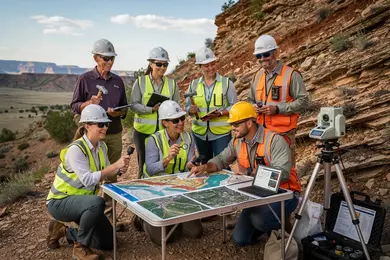
Practical experience through internships and field projects remains a key differentiator, enabling candidates to translate complex data into actionable insights on real-world challenges like flood risk mapping or watershed restoration. The Korean Journal of Climate Change projects South Korea's climate-adaptation water workforce to grow about 3.3% annually, emphasizing expanding opportunities for qualified professionals managing water resources amid climate shifts.
- Proficiency in remote sensing and climate impact assessment tools is essential.
- Effective communication skills facilitate collaboration across government and NGOs.
- Choosing the right educational pathway depends on career goals-specialist hydrologist versus generalist resilience strategist.
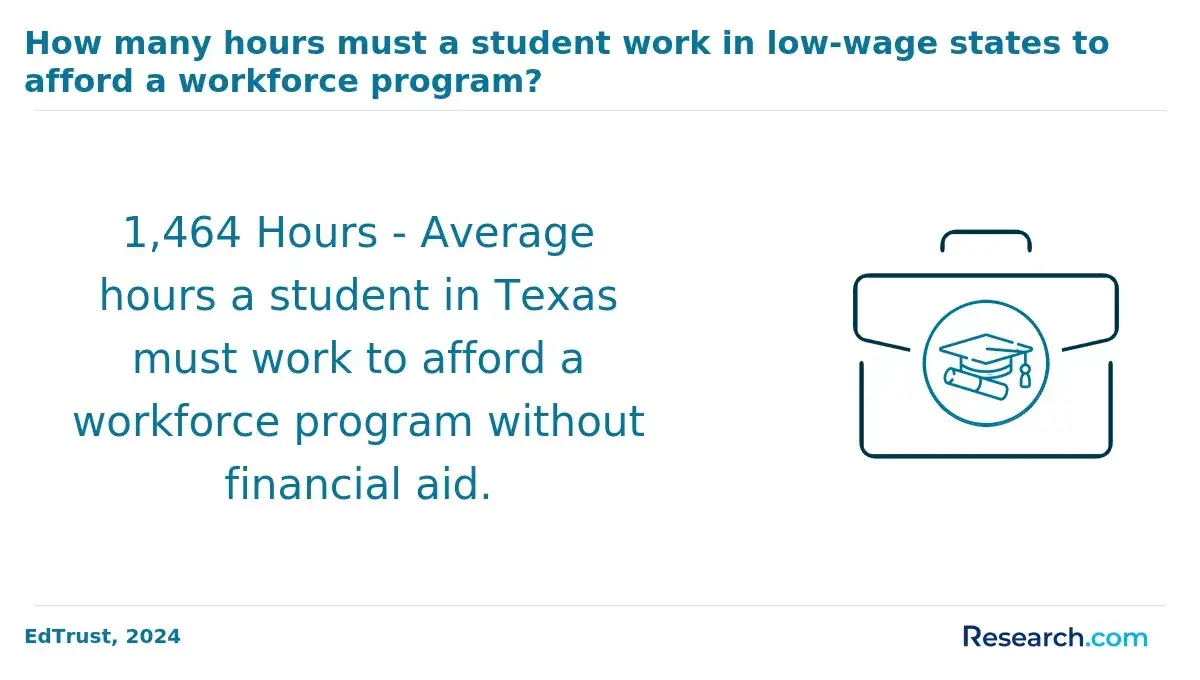
How do online climate and water geoscience programs compare with on-campus options?
Choosing between online and on-campus climate and water geosciences programs involves critical tradeoffs in practical training that directly affect employability. While online formats offer flexibility, they generally fail to replicate essential hands-on skills like sample collection, instrument operation, and site-specific collaboration-competencies highly valued by many employers.
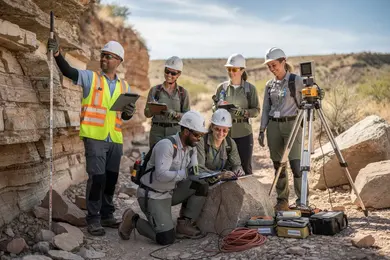
For instance, professionals aiming for roles in water resource management or infrastructure design must gain direct experience with field hydraulics and physical system assessments, which on-campus programs facilitate through fieldwork and internships. Conversely, agencies that emphasize remote operations often prioritize digital modeling and data analysis skills, accessible in online learning environments.
Employers seek candidates who demonstrate both practical problem-solving and technical fluency, especially given projections such as the BlueGreen Alliance's estimate that a $105 billion investment in U.S. water infrastructure will produce 654,000 job-years. To navigate this landscape effectively, prospective students should weigh these key considerations:
- Identify if hybrid programs or local internships can provide the necessary field experience alongside online coursework.
- Leverage on-campus networks to secure participation in real-world climate and water infrastructure projects.
- Understand employer expectations vary by sector, influencing which competencies are prioritized and how training is delivered.
Maximizing workforce readiness demands balancing convenience with strategically obtained practical exposure. This nuanced approach is essential to meet real-world demands within geosciences education and employment.
How long do climate and water geoscience degrees take and what do they cost?
Securing a position in climate or water geosciences generally demands at least a bachelor's degree, with public in-state tuition ranging from $30,000 to $60,000 over four years. While certificate programs and associate degrees cost less-typically under $20,000-they rarely provide the skills or credentials necessary to access the majority of the roughly 8,500 annual openings identified by the U.S. Bureau of Labor Statistics.
The median wage for these roles hovers near $80,060, indicating steady demand driven by workforce retirements and sector transitions. However, professionals aiming to pivot or advance within environmental fields face nuanced tradeoffs when considering master's degrees. These graduate programs add one to two years and $20,000 to $50,000 in costs, with even higher tuition at private or prestigious institutions.
Part-time or online master's options offer schedule flexibility but often fall short on hands-on training, diminishing employer appeal. Programs that integrate experiential learning reduce onboarding time but can increase financial strain. Without employer tuition support or scholarship aid, these factors complicate timely and sustainable reentry into the workforce.
- Undergraduate degrees balance foundational geoscience with GIS and field skills, directly addressing technical job requirements.
- Financial aid and program networks can significantly influence job placement, beyond tuition alone.
- Selection should factor labor-market alignment and internship opportunities, especially in climate and water geoscience roles.
How can you verify accreditation and program quality for climate and water geoscience majors?
Choosing an accredited climate and water geoscience program directly impacts employability and professional credentials. Accreditation from recognized regional agencies-such as the Higher Learning Commission (HLC) or Middle States Commission on Higher Education (MSCHE)-is critical, but verifying specialized endorsements from professional bodies like the American Geosciences Institute (AGI) or the National Association of State Boards of Geology (ASBOG) ensures curriculum alignment with industry standards and licensing requirements.
Employers in core financial and corporate sectors increasingly prioritize graduates from programs that combine rigorous geoscience fundamentals with practical skills in GIS, hydrological modeling, and ESG reporting frameworks. For example, a professional aiming to transition into climate finance must demonstrate the ability to incorporate geosciences data into financial risk models-a competency found primarily in accredited programs with targeted interdisciplinary coursework.
Key considerations for prospective students include:
- Transparent graduate employment rates and internships linked to climate resilience sectors.
- Faculty research engagement with government and industry priorities post-2024.
- Curriculum relevance focused on actionable skills over theoretical breadth.
Without accreditation and demonstrable program outcomes, students risk limited labor market access or weaker hiring prospects, as ESG and sustainability roles often confer 20-30% salary premiums compared to non-ESG equivalents, per EnableGreen's 2026 global ESG and climate hiring analysis.
Are licenses or professional certifications required for climate and water geoscience roles?
Licenses and certifications in climate and water geoscience serve distinct and strategically different roles depending on the sector and position. For instance, a Professional Geologist (PG) or Professional Engineer (PE) license is often a legal prerequisite for water resource engineers and environmental consultants who must approve designs or official reports. Conversely, climate-focused roles such as sustainability analysts and corporate environmental strategists tend to emphasize certifications like Certified Environmental Professional (CEP) or Sustainability Accounting Standards Board (SASB) credentials over licensing.
Employers generally regard certifications as supplementary credentials that demonstrate up-to-date regulatory knowledge or technical skills rather than entry requirements. For example, a hydrologist dealing with municipal water systems usually requires a state-specific license for fieldwork and official documentation, while a climate risk analyst in finance benefits from targeted certifications without compulsory licensure.
The practical tradeoffs are significant. Securing a license often delays workforce entry by 3-5 years due to rigorous education, experience, and examination demands. Certifications, typically focused and quicker to obtain, align better with professionals aiming for managerial or advisory roles where formal regulatory authority is unnecessary.
IE University's 2025 report highlights persistent global demand for green professionals spread across technical and non-technical roles, forcing many geoscientists to balance traditional licensing pathways with broader sustainability certification strategies.
How should students choose the best U.S. school for climate and water geoscience careers?
Selecting a U.S. school for climate and water geoscience careers requires prioritizing programs with verifiable employer engagement and proven job placement in green economy sectors. With nearly 7,000 active green-economy listings in Q2 2026, salaries range from $143,076 to $208,815, especially in energy and e-mobility roles that account for 58% of openings. This sharp market demand underscores the need for specialization in energy transition and clean technology.
Program curricula must align with these sectors, emphasizing practical skills such as GIS, remote sensing, and environmental modeling. Partnerships with public agencies or private firms provide crucial internships for experiential learning and networking, which notably influence employability.
Geographic location influences opportunities: West Coast schools tend to connect students with renewable energy firms, while Northeast institutions often link to water resource management agencies like USGS or EPA. For example, aspiring climate resilience professionals should seek programs with applied research tied to national agencies rather than purely academic centers.
Tradeoffs exist between smaller departments offering mentorship and larger universities that host more employer recruitment but intensify internship competition. Alumni placement data over recent years offers critical insight into graduate outcomes for green economy roles.
Students must also assess return on investment by weighing tuition against regional salary norms using robust datasets, guiding sustainable decisions about educational debt and workforce entry.
Other Things You Should Know About Geosciences
By 2026, roles in renewable energy engineering, environmental consulting, water resources management, and climate policy analysis are projected to grow the fastest. The drive for sustainable solutions and the increasing effects of climate change fuel these sectors, creating greater demand for skilled professionals.
For regulated roles, the most useful credentials are the Fundamentals of Engineering exam, a Professional Engineer license, and, for hydrology-related work, certifications such as Certified Professional Hydrologist. Many employers also require OSHA 30-hour safety training for field-based water and climate jobs.
A narrowly focused specialization provides expertise but may limit adaptability to shifting job market demands, especially in climate and water sectors where interdisciplinary skills are increasingly essential. Candidates should favor programs that integrate core geosciences knowledge with complementary skills like GIS, data modeling, and communication. This balance improves employability across diverse roles and mitigates risks from rapid sector changes.
Graduate program choice should prioritize alignment with employer expectations, including hands-on project experience, strong industry partnerships, and exposure to current technologies. Research output and faculty expertise matter less than practical training and networking opportunities that enable direct job market entry. Candidates should verify how many alumni secure relevant roles shortly after graduation to assess program effectiveness.
References
- Curriculum https://earthsciences.dartmouth.edu/undergraduate/curriculum
- Salary Information https://www.geolsoc.org.uk/Geology-Career-Pathways/Careers/Salary-Information.html
- Geology and Environmental Geoscience https://www.uregina.ca/academics/programs/science/geology-environmental-geoscience.html
- 64 sustainability certifications to advance your career in 2025 | Trellis https://trellis.net/article/64-sustainability-certifications-to-advance-your-career-in-2025/
- Validation & verification | Plan Vivo https://www.planvivo.org/projects/certify-a-project/pvclimate/validation-verification
- Information about Geoscience Related Careers https://careerexplorer.americangeosciences.org/careersinfo/
- Are geologists climate scientists? - EuroGeoSurveys https://eurogeosurveys.org/are-geologists-climate-scientists/
- 500+ Water Jobs (Updated Today) â Free to Apply https://jobs.watertechintel.com/blog/geology-major-jobs
- Sustainability Jobs 2026: Global ESG & Climate Hiring Trends https://enable.green/news/sustainability-jobs-2026/
- Professional licensure in geological sciences and engineering | University of Nevada, Reno https://www.unr.edu/geology/undergraduate/professional-licensure