2027 Best Online Geosciences Programs for Working Adults Seeking Earth Science Careers

Co-Founder and Chief Data Scientist
Professionals seeking to shift into earth science careers often face a fundamental dilemma: how to pursue rigorous geosciences training without pausing income or uprooting family commitments. As the U.S. Department of Education reports a 23% increase in adult enrollment in fully online STEM programs over the past two years, the growing availability of flexible modalities is reshaping access but also introducing complex choices about program quality, employer recognition, and pacing.
Navigating this dynamic landscape requires discerning programs that balance academic rigor with scheduling adaptability while positioning graduates for competitive roles. This article evaluates the best online geosciences programs designed specifically for working adults to make informed decisions that align education with career strategy and real-world constraints.
Key Things You Should Know
- Employers prioritize applicants with hands-on field experience; 62% of Earth science job postings in 2024 by the U.S. Bureau of Labor Statistics require applied skills, forcing online programs to integrate costly, in-person residencies or risk lower placement rates.
- Remote learning reduces time-to-degree by 18% compared to traditional formats but increases dropout risk by 14%, according to the National Center for Education Statistics, impacting career pivot timing and financial ROI for working adults.
- Median starting salaries for graduates from accredited online geosciences programs align within 5% of on-campus peers, yet students often face increased expenses tied to specialized software licenses and self-funded field equipment, complicating cost-benefit calculations.
What are online geosciences degrees and how do they prepare you for earth science careers?
Online geosciences degrees for earth science careers involve deliberate skill-building that aligns with employer demands rather than generic academic exposure. They integrate virtual coursework with lab simulations, GIS mapping, and fieldwork planning to prepare students for practical roles, addressing the challenge of balancing education with existing professional and personal responsibilities-especially for working adults.
Programs targeting mid-career professionals pivoting into geosciences often emphasize specialized competencies such as remote sensing and subsurface characterization. This focused approach enables completion within 2-4 years while strengthening expertise in environmental regulations and data management critical for workplace effectiveness.
The U.S. labor market projects a 7% growth in geoscientist employment from 2022 to 2032, with approximately 2,200 annual openings largely in natural resource evaluation, climate impact, and hazard risk management fields. Meeting this demand requires graduates to supplement remote learning with hands-on internships or practicum experiences, as field exposure remains indispensable for credibility and job readiness.
Selecting accredited programs with established industry connections minimizes the risk of acquiring credentials that do not translate into workforce advantage. For applicants prioritizing geospatial technologies, evaluating the best GIS programs in the US provides an informed path tailored to practical skill acquisition and market relevance.
Overall, how online geosciences programs prepare working adults hinges on balancing theoretical framing with applied proficiencies and targeted support for experiential learning, addressing both knowledge gaps and real-world employer expectations.
How do online geosciences programs compare with on-campus options for working adults?
Online geosciences programs versus traditional campus degrees for working adults introduce significant tradeoffs between flexibility and experiential training essential for field-intensive roles. While online education offers the convenience to balance work and study, some core components like fieldwork necessitate periodic on-site participation, which can complicate fully remote study plans. Employers recognizing accredited online degrees still weigh hands-on experience heavily, making internships and practical exposure decisive factors in hiring, particularly in environmental consulting or resource exploration sectors.
Cost disparities among online programs notably affect decisions for adult learners balancing work and study. Tuition per credit ranges widely-from $129 at the University of Florida to $683 at the University of North Dakota-reflecting differences in program scope, reputation, and access to practical learning. Lower-cost options often sacrifice robust career services or integrated fieldwork, influencing long-term employability in competitive geoscience markets.
For example, a petroleum geologist aiming to pivot within the energy industry benefits more from blended programs that combine online coursework with local labs or field exercises, whereas an environmental regulator focused on policy analysis may prioritize fully online options with flexible pacing and reduced tuition to minimize debt. These decisions hinge on aligning education delivery with precise career goals and employer expectations.
Working professionals assessing flexible earth science education options for adult learners balancing work and study should also examine overall return on investment and program accreditation status. More broadly, those interested in technology-driven, adaptable graduate studies might review options for an online master in data science to complement geosciences expertise and expand interdisciplinary opportunities.
Which types of geoscience degrees and certificates can you earn fully online?
Fully online geoscience degree programs for working adults present a real tradeoff between flexibility and hands-on field experience, a balance critical in an applied science like earth science. While associate to graduate-level degrees and certificates are available entirely online, students should carefully evaluate how programs handle access to geological field exercises or virtual lab equivalents, as these components directly affect readiness for many roles and licensing.
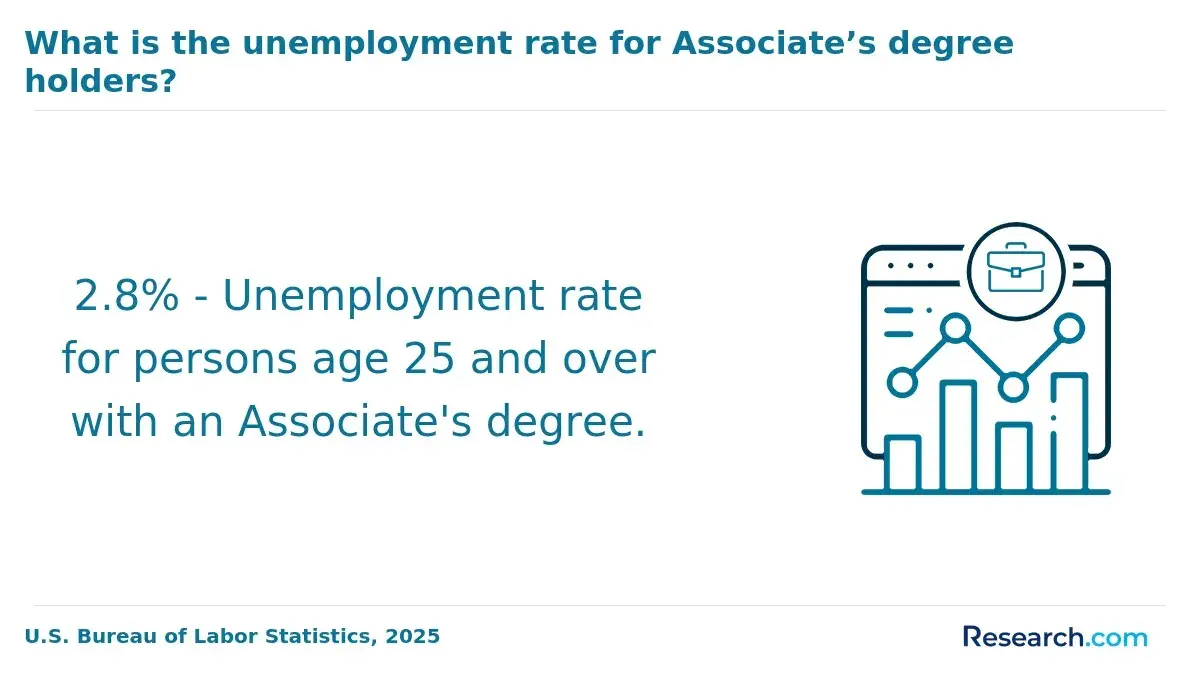
- Associate of Science (AS) in Geosciences suits entry-level technicians or those aiming to transfer into bachelor's degrees.
- Bachelor of Science (BS) in Earth Science or Geosciences provides foundational training in geology, environmental science, and data analytics essential for many technical and professional positions.
- Master of Science (MS) degrees often target mid-career professionals, emphasizing research methods, remote sensing, or environmental management specialties.
- Graduate certificates focusing on GIS, environmental geology, or energy resources offer rapid skill updates but generally require complementary experience for leadership track advancement.
Employers prioritize demonstrated technical skills and applied experience. For example, an environmental consultant transitioning from a non-science background benefits from combining a master's online degree with periodic in-person field camps to satisfy professional licensing requirements. Salary data reflect this practical emphasis, with geoscientists earning a median of $83,680 annually and natural sciences managers earning $137,900, per the U.S. Bureau of Labor Statistics summarized by MyDegreeGuide. Fully online earth science certificates and degrees need scrutiny for how well they integrate practice-oriented learning aligned with employer expectations.
Working adults weighing these programs should consider industry standards and licensing implications, not just program flexibility. For those evaluating educational pathways, comparing geosciences with related fields, such as nutrition, may provide perspective on how online degrees affect market value-see online bachelor's degree in nutrition offerings for a point of reference.
What accreditation and program quality standards should online geosciences schools meet?
Regional accreditation from recognized agencies such as the Higher Learning Commission or WASC remains the fundamental baseline for online geosciences programs in the United States, ensuring that credits are transferable and employers respect the credential. Yet, the more decisive measure of program value lies in accreditation standards for online geosciences programs in the United States that incorporate discipline-specific oversight, either through the American Geosciences Institute or similar bodies. Employers increasingly seek graduates who demonstrate applied skills in GIS, environmental data analysis, and fieldwork simulations-competencies often underdelivered by programs prioritizing convenience over rigor.
Tradeoffs between flexibility and depth have direct career consequences. Programs tailored to working professionals must balance accommodating schedules with maintaining technical rigor; a program too flexible may produce graduates ill-prepared for practical challenges like hydrological modeling software commonly required for hydrologist roles. Conversely, excessively rigid programs risk attrition among employed students unable to complete coursework in a timely manner.
The quality benchmarks for online earth science degree programs are reflected in graduation requirements such as capstone projects or practicums that translate theory into employable skills. Employment projections from the U.S. Bureau of Labor Statistics reveal moderate growth for environmental scientists and hydrologists, stressing the importance of updating curricula to meet workforce needs. Prospective students should also consider verifying programs through external assessments or internships when direct geosciences accreditation is absent.
For those exploring advanced degrees, MLIS degree online programs illustrate how affordability and applicable skill sets can be balanced, a consideration applicable when weighing geosciences options.
What admissions requirements and prerequisites do online geosciences programs typically have?
Applicants to online geosciences programs face notable practical challenges that influence both admission chances and completion success. A bachelor's degree with relevant STEM coursework remains standard; however, demonstrated professional experience in related fields can sometimes offset academic prerequisites. Foundational knowledge in calculus, statistics, chemistry, and physics is not simply bureaucratic-it underpins essential analytical skills crucial for interpreting complex geoscientific data.
For working professionals, the reality of managing full-time employment alongside demanding coursework is significant. As Wiley University Services' "Voice of the Online Learner 2024" report indicates, 74% of online students balance these dual roles, necessitating programs built with flexible pacing and asynchronous options. Yet, fieldwork and lab practicums often require brief, intensive on-campus residencies, posing scheduling dilemmas for those employed full time.
- Refreshing advanced math and science skills prior to core courses often extends program timelines
- On-campus field components demand coordination with employers, which can delay or complicate progress
- The rigor of applied data interpretation in an asynchronous learning model requires disciplined time management
Employers increasingly value candidates who demonstrate the capacity to juggle hybrid work-study demands, reflecting workplace realities where technical competence must integrate with operational flexibility. Admission decisions now consider a candidate's ability to navigate these pressures alongside academic credentials, affecting nontraditional applicants in particular.
What core courses and specializations are offered in online geosciences curricula?
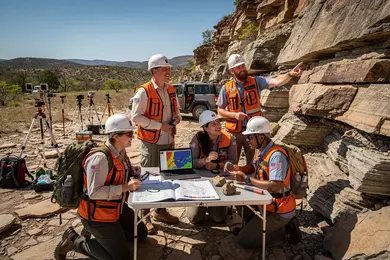
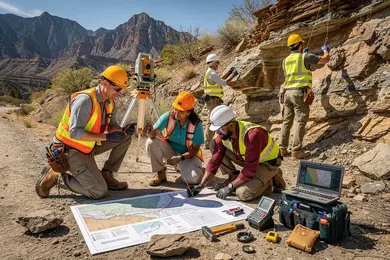
Online geosciences programs for working professionals must address the gap between theoretical knowledge and applied skill, especially when physical lab and field experience are limited. Remote delivery often includes virtual simulations and digital labs, but students should confirm partnerships with local agencies or institutions that enable practical, hands-on applications. For example, a professional focusing on hydrogeology needs proven groundwater modeling experience to meet licensing requirements essential for employment in municipal water resource management.
Curricula typically cover foundational subjects such as mineralogy, sedimentology, structural geology, geomorphology, and geophysics, supplemented by data analysis and GIS. These core areas underpin a range of industry roles, from environmental consulting to energy and resource management. Specialized tracks-like paleontology, environmental geology, or remote sensing-allow candidates to develop targeted expertise according to market demand.
Cost remains a critical consideration, where public in-state tuition often correlates with lower student debt, possibly influencing mid-career return on investment despite private institutions' reputational advantages. Evaluating programs on both financial and employer recognition criteria is vital for navigating debt burdens versus skill acquisition needed for positions such as environmental geologist or geological technician.
- Students should prioritize remote internship or cooperative education options to demonstrate workplace competency.
- Applied GIS proficiency paired with specialization electives aligns closely with employer requirements seen in current job postings.
- Career pivots within geosciences demand concrete experience beyond coursework, making practical training pathways a decisive factor.
How long do online geosciences programs take and what do they cost to complete?
Choosing an online geosciences program demands balancing duration against financial and professional impact. Part-time tracks spanning 18 to 36 months accommodate working professionals by easing job-study conflicts but postpone credential-related earnings. Conversely, full-time enrollment accelerates completion to 12-18 months yet can strain those balancing fieldwork or employment.
Tuition varies dramatically, typically from $15,000 to beyond $50,000 for master's degrees, with public institutions offering lower regional rates and private or out-of-state programs trending higher. Extra expenses for materials, technology, and thesis oversight often add 5-10%, inflating total investment. Employer tuition assistance-sometimes covering up to 50%-requires consideration of post-graduation employment commitments.
Realistically, these tradeoffs translate to distinct scenarios: a petroleum geologist advancing expertise may favor a 24-month part-time schedule to maintain income, whereas an environmental consultant aiming to switch roles could pursue an 18-month intensive plan despite increased workload.
Beyond tuition, online delivery reduces relocation and commuting costs, softening financial pressure. Data from Wiley University Services' "Outcomes of Online STEM Education 2024" survey reported that 58% of online STEM graduate students experienced salary increases or promotions within one year, highlighting the practical return on investment when education aligns with timely career objectives.
- Part-time study supports income continuity but delays returns.
- Employer funding mitigates costs but demands retention.
- Accelerated programs require significant weekly time commitments.
Prospective students should rigorously analyze how program length, total cost, and employer support intersect with their career timelines to avoid unintended delays in professional advancement.
What jobs can you get with an online geosciences degree and what do they pay?
Online geosciences degrees provide clear pathways to specialized roles where compensation and job stability depend heavily on sector and experience. For instance, environmental consultants earn around $75,000 annually, advising industries on regulatory compliance and environmental impacts, while hydrogeologists command roughly $90,000 by managing groundwater resources for utilities or government bodies. Geological technicians, earning $50,000 to $60,000, often balance these positions alongside academic commitments as entry-level options.
Employer tuition assistance, accessible through about half of U.S. companies per SHRM's Education Benefits & ROI report, plays a strategic role for working adults. Utilizing these benefits not only reduces financial burden but also translates into a measurable $1.29 productivity return per dollar reimbursed, alongside lower turnover risks, creating a pragmatic incentive to pursue further education without career disruption.
Tradeoffs are significant: asynchronous coursework suits employed professionals, but fieldwork, internships, and lab requirements require flexible local or employer-supported arrangements. Public sector geoscience roles typically offer higher job security but slower salary progression compared to private geotechnical firms, affecting long-term financial trajectories.
Factors influencing program selection should include alignment with recognized credentialing bodies like the American Institute of Professional Geologists and access to practical field experiences. For many, balancing employer tuition support with realistic program demands optimizes ROI and positioning in complex environmental and energy-related labor markets.
What is the job outlook for geoscientists and related earth science careers in the U.S.?
Employment growth for geoscientists in the U.S. is projected at 6% over the coming decade, mirroring the national occupational average. This demand largely depends on sectors like energy, environmental assessment, and infrastructure development, where expertise in mineral exploration and hydrology is critical. Job opportunities are unevenly distributed, with hotspots in regions rich in natural resources or focused on climate resilience construction.
Employers, especially in oil, gas, and renewables, prioritize candidates with advanced technical skills and direct field experience or proficiency in specialized software. For working adults pursuing online geosciences degrees, the practical challenge lies in securing internships or field placements, which remain essential for translating academic knowledge into workplace readiness. Although acceptance of accredited online degrees has increased to 71% among U.S. employers, practical skills and verifiable field experience continue to be decisive factors.
Career changers without technical backgrounds face additional hurdles requiring preparation in math and physical sciences. Combining accredited online education with documented professional certifications or fieldwork credentials substantially improves employability in government, consulting, and energy sectors. Selecting programs that integrate hands-on experiences or internships through partnerships is critical to overcoming these barriers.
- Regional demand reflects natural resource availability and infrastructure projects.
- Employer preference leans toward candidates with both theoretical and applied expertise.
- Online degrees improve accessibility but require supplemental practical validation.
- Nontechnical entrants must bridge foundational knowledge gaps.
How can working adults choose the best online geosciences program for their goals?
Deciding on an online geosciences program requires a focus on how specific curriculum elements translate to employable skills within targeted industry sectors. For instance, professionals aiming for roles in renewable energy must assess whether a program includes training in geothermal systems, carbon capture, and critical minerals-fields projected to expand to 38 million global jobs by 2030 according to the International Renewable Energy Agency's World Energy Transitions Outlook 2024. Such data highlights the growing demand for expertise in subsurface analysis and climate impact modeling.
Selection criteria should include:
- Accreditation by recognized bodies to ensure employer trust and professional credibility.
- Flexible scheduling with asynchronous learning options to fit working professionals' needs.
- Experiential learning opportunities such as virtual labs or remote internships that simulate real-world geoscience challenges.
- Career services that maintain connections with employers in emerging sectors.
- Faculty with recent industry experience aligned with evolving geoscience practices.
Choosing between comprehensive theoretical programs and narrowly specialized tracks can significantly affect career outcomes. A mining professional might prioritize coursework in remote sensing and mineralogy, whereas someone in energy should seek exposure to environmental regulations and policy frameworks. Scrutinizing graduate employment statistics in relevant sectors is critical to avoid misaligned educational investments.
This pragmatic alignment between curriculum, applied training, and viable career pathways is essential for professionals targeting growth areas in the geosciences workforce, particularly amid the documented renewable energy transition.
Other Things You Should Know About Geosciences
Employers generally evaluate the rigor and accreditation of the program over delivery format, but some geosciences employers prefer candidates with hands-on, field-based training, typically more robust in on-campus settings. For working adults, selecting online programs with integrated fieldwork opportunities or partnerships with local labs increases credibility. Employer bias diminishes in technical roles where demonstrated skills and certifications outweigh degree origin, making supplemental credentials valuable.
Field experience is crucial in geosciences, yet many online programs struggle to provide direct access to internships or fieldwork, placing the responsibility on students to secure local opportunities. Programs that facilitate connections with industry partners or provide virtual field simulations offer better practical outcomes. Working adults should prioritize programs with structured internship pathways or flexible field components since real-world experience significantly impacts employability and career advancement.
Most online geosciences programs require a laptop with webcam, microphone, stable internet, and software for GIS or data analysis such as ArcGIS, QGIS, or MATLAB. For remote labs, some schools also mail rock, mineral, or mapping kits and expect students to complete proctored assessments online.
References
- Graduate program https://www.ga.gov.au/about/careers/graduate-program
- Certificate of Geology - Australian Online Courses https://australianonlinecourses.com.au/courses/certificate-of-geology/
- Geologists: Salary, career path, job outlook, education and more - RaiseMe https://www.raise.me/careers/life-physical-and-social-science/geoscientists/geologists/
- Are Online Degrees Accredited? How to Identify Quality Distance Learning Programs https://www.umassglobal.edu/blog-news/online-degrees-accredited-identify-quality-distance-learning-programs
- Working Geoscience https://profession.americangeosciences.org/working/
- Study Geosciences in Germany - My GUIDE https://www.myguide.de/en/study-mathematics-natural-sciences-in-germany/study-geosciences-in-germany/
- Online Classes or On Campus: Which is Right for You? - Graduate Programs for Educators https://www.graduateprogram.org/blog/online-classes-or-on-campus-which-is-right-for-you/
- Best Online Geoscience Courses and Programs | edX https://www.edx.org/learn/geosciences
- Interactive Online Short Courses - eage.org https://eage.org/education/interactive-online-short-courses/
- International Accreditation Standards: What Institutions Need to Know https://www.mission2transition.com/post/international-accreditation-standards-what-institutions-need-to-know