2027 Climate and Sustainability Roles You Can Target With a Geosciences Degree

Co-Founder and Chief Data Scientist
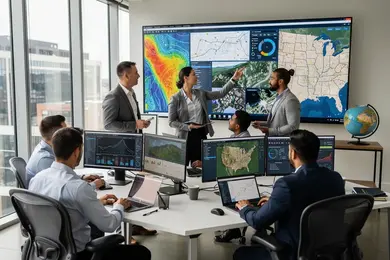
Confronted with rapidly evolving climate systems, professionals in geosciences face pressing demands to translate complex environmental data into actionable policies and sustainable solutions. Employers increasingly seek candidates adept at integrating remote sensing, GIS, and climate modeling within roles historically confined to narrow academic expertise. Recent data from the National Center for Education Statistics reveals a 35% surge in adult learners enrolling online for science degrees since 2022, signaling a market shift towards flexible education that accommodates career pivots and geographic mobility.
This article identifies key climate and sustainability roles accessible with a geosciences degree, guiding readers through practical career targeting amid shifting educational and labor landscapes.
Key Things You Should Know
- Federal labor data from 2024 shows a 15% surge in demand for geosciences graduates in climate modeling, but employer preference skewing toward candidates with integrated data science skills imposes costly additional training.
- The Energy Information Administration projects 20% of new sustainability roles by 2028 require advanced geosciences expertise, pressuring mid-career professionals to weigh opportunity cost of upskilling versus immediate employment.
- Public-sector climate policy roles tied to geosciences show concentrated hiring cycles every 2-3 years, inducing timing risks and necessitating strategic credential planning to avoid prolonged unemployment gaps.
What jobs can geosciences graduates do in climate and sustainability?
Graduates equipped for climate change analyst roles for geosciences graduates face a shifting job market where employers prioritize advanced specialization and practical experience. The increasing frequency of climate-related disasters-resulting in $380 billion in global economic losses in 2023-has elevated demand for professionals who can transform Earth systems data into actionable climate risk assessments for urban planners, insurers, and policymakers.
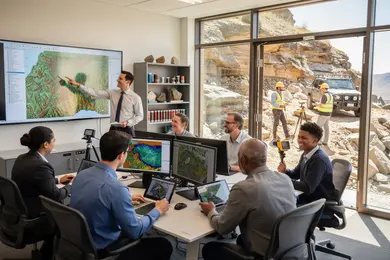
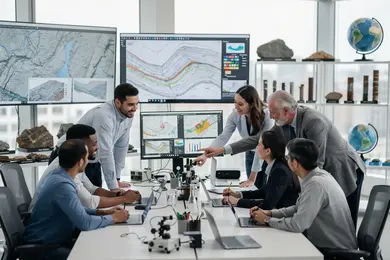
Key career paths include climate risk analysts who build predictive models guiding infrastructure decisions in municipal settings to reduce flood and wildfire vulnerabilities. Environmental sustainability careers with a geosciences degree often involve consulting on compliance and mitigation for projects in construction, energy, and mining sectors, requiring expertise in soil, water, and atmospheric interactions.
Renewable energy roles also draw on geosciences graduates in evaluating sites for carbon capture and geothermal projects, blending fieldwork with technical data analysis. Practical limitations include a steep learning curve for data software proficiency and the necessity of communicating complex scientific findings to stakeholders with diverse backgrounds.
While graduate degrees or industry certifications optimize hiring prospects, bachelor's degree holders with relevant internships can enter the workforce and progress rapidly amid labor shortages. For those considering further study, exploring options like an online PhD data science program may complement geosciences expertise with advanced data analytics, offering expanded career flexibility.
Which geosciences roles are growing in climate and sustainability?
The surge in carbon accounting and transition planning within geosciences reflects the sharp rise in net-zero commitments, now covering over 70% of global GDP, a drastic jump from just 16% in 2019. Professionals adept in greenhouse gas inventories and climate risk modeling are becoming indispensable in sectors like energy and mining, where regulatory demands require transparent sustainability reporting. However, these roles aren't just a matter of geological expertise; they require advanced data analysis and a nuanced grasp of carbon market protocols, making interdisciplinary skills a practical necessity rather than an option. This has tangible workforce implications: candidates without programming or GIS proficiency may struggle to secure positions despite solid domain knowledge.
Environmental geoscientists working on renewable energy siting and impact assessments face regional tradeoffs-evaluating variable geological hazards and soil conditions alters project costs and compliance strategies across different landscapes. Similarly, experts in water security and soil carbon sequestration are crucial in agriculture and urban planning, particularly in drought-prone areas where sustainable land use directly affects food security. These evolving demands influence the practical career pathway for those targeting growing climate and sustainability jobs with a geosciences degree.
For students and professionals considering this field, targeted upskilling is vital. Integrating remote sensing, policy interpretation, and carbon accounting into technical training enhances employability. A strategic educational choice balances geological foundations with these interdisciplinary skills, supported by programs offering an affordable data science degree where relevant to meet the technical expectations of this specialized labor market.
What skills do employers want in geosciences sustainability roles?
Employers seeking candidates for geosciences sustainability roles require a balance of technical expertise and problem-solving skills applied in complex, real-world contexts. Proficiency in geological site assessment is indispensable, particularly for renewable energy projects where thorough evaluation of soil and subsurface conditions directly affects project feasibility and safety. The renewable energy sector employed 13.7 million people in 2022 and is projected to reach 38 million jobs by 2030, driven by solar, wind, and grid-integration projects that depend heavily on geoscience data.
Meeting employer expectations in geosciences environmental roles means mastering key skills such as:
- GIS and remote sensing to interpret spatial data essential for precise site selection and environmental assessment
- Data modeling and geostatistics to estimate resources and quantify risks in contexts like wind farm siting and carbon storage
- Regulatory knowledge to navigate environmental permits at multiple jurisdictional levels
- Cross-disciplinary communication, translating complex geological data to engineers and policymakers
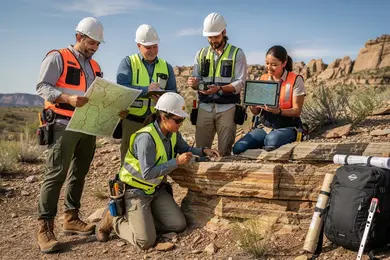
- Adaptability in fieldwork to gather reliable samples under variable conditions
A practical example: a wind energy geoscientist integrates seismic and terrain data to avoid structural failures, requiring both theoretical knowledge and extensive hands-on experience. In this field, practical proficiency often outweighs academic credentials alone. Internships and cooperative projects provide crucial exposure to the evolving regulatory and infrastructure landscape shaping sustainability work.
Additionally, software fluency in platforms like Petrel, ArcGIS Pro, or MATLAB is mandatory. Prospective students evaluating this pathway should also consider complementary options such as pursuing a librarian degree online when interested in broader environmental data management roles within geosciences sustainability careers.
What degree level is needed for these geosciences careers?
For roles in environmental science within climate and sustainability sectors, a bachelor's degree lays the essential groundwork, particularly emphasizing earth sciences, chemistry, and environmental policy. Employers typically expect candidates to complement this foundational knowledge with practical experience such as internships. Consulting firms, which comprise a significant employment segment, see a 6% growth projection from 2022 to 2032 according to the U.S. Bureau of Labor Statistics, reinforcing the value of hands-on skills alongside academic credentials. This alignment reflects realistic workforce demands linked to bachelor's degree requirements for geosciences sustainability roles.
Progression into specialized areas-such as climate modeling or environmental risk assessment-often necessitates a master's degree. These advanced credentials are particularly relevant in government or research settings where project leadership hinges on technical expertise and independent analysis. Students must balance this against the increased time and financial investment, which can be significant, especially considering the sometimes faster advancement paths in private consulting.
At the doctoral level, career trajectories shift toward research-intensive and innovation-focused positions, where original contributions and securing research funding become critical. Such roles demand a PhD to demonstrate expertise and capacity for independent inquiry.
Deciding among degree levels requires understanding sector-specific advancement routes and competitive dynamics. Those weighing educational pathways might also explore cost-effective options for foundational preparation, including an online computer science degree as a strategic complement to geosciences training in an evolving job market.
Which geosciences programs are accredited and reputable?
ABET or regionally accredited geosciences programs aligned with climate and sustainability priorities carry practical weight in hiring, especially given the 54% increase in green skills demand related to geospatial and mapping roles from 2018 to 2023, as noted in the LinkedIn Global Green Skills Report 2024. Graduates from these programs tend to possess applied competencies sought by employers in environmental consulting, renewable energy siting, and climate risk assessment, which are not always covered in broader geosciences curricula.
Choosing programs with integrated GIS and remote sensing certifications matters. Without these technical qualifications, candidates may find themselves excluded from specialized roles in agencies managing land use or disaster response. Conversely, programs linked to research institutions or government agencies offer hands-on projects that translate to workforce readiness and immediate applicability.
Deciding between broad geosciences degrees and specialized GIS tracks involves tradeoffs: broad degrees provide flexibility but risk underpreparing for tech-heavy sustainability jobs; specialized tracks streamline entry into geospatial roles but can limit adaptability outside those niches. Regional labor market differences amplify this-states like California and Washington prioritize credentials tailored to geospatial data and sustainability modeling over more generalized studies.
What courses prepare students for climate and sustainability work?
Groundwater expertise remains a linchpin for effectively managing irrigation and freshwater resources amid climate pressures, with over half of global irrigation relying on aquifers, as detailed in the UN World Water Development Report 2024. Practical classes in water resource management develop skills directly applicable to daily challenges faced by municipal planners and agricultural stakeholders, contrasting with more theoretical geology courses that may lack immediate operational relevance.
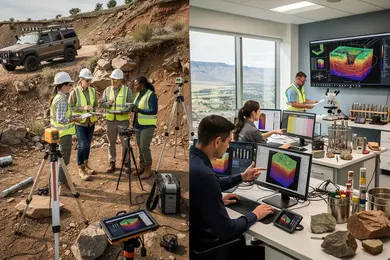
Quantitative methods including GIS, remote sensing, and environmental data analysis are increasingly prioritized by employers who demand actionable insights for risk assessment and climate modeling. Integrating these tools enables professionals to generate spatial evidence critical for resource allocation decisions.
Courses in climate systems and atmospheric science provide essential context for interpreting geoscientific data within environmental processes, while instruction in soil science and ecosystem dynamics supports roles tied to regulatory compliance and land use strategy, especially in carbon management sectors.
Students who engage in interdisciplinary projects or collaborate with agencies gain invaluable experience navigating the multifaceted realities of environmental governance, avoiding the steep ramp-up faced by those lacking applied learning. Absence of such exposure often forces new entrants into climate adaptation jobs to confront complex stakeholder dynamics without preparatory groundwork.
Is an online geosciences degree as strong as campus study?
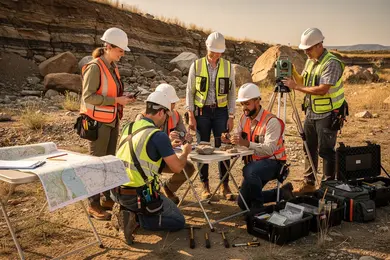
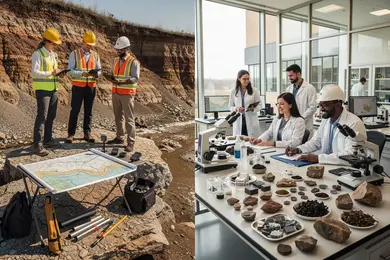
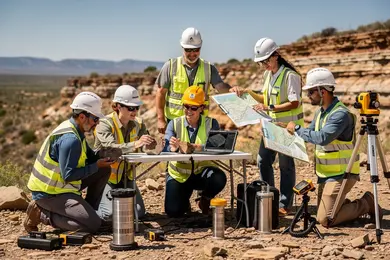
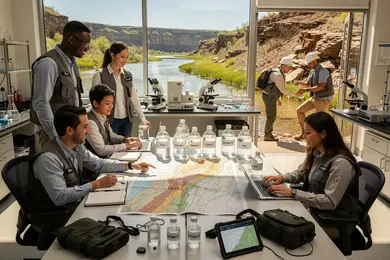
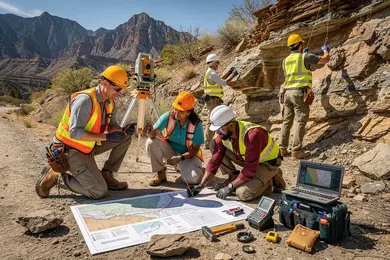
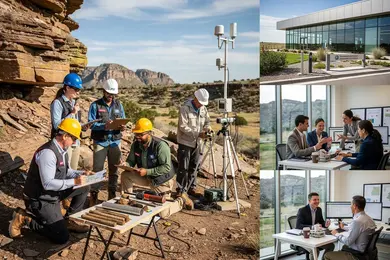
Online geosciences degrees cannot fully substitute for the hands-on field experience crucial for roles in mineral exploration and environmental management. Employers prioritize candidates with practical know-how gained through direct fieldwork, lab analysis, and situational problem-solving-components often limited in virtual settings. For example, graduates aiming to work in responsible mining operations or renewable energy site assessments typically benefit from structured access to geological mapping and core sample evaluation offered by on-campus programs, which accelerates workforce readiness and reduces training time.
Students pursuing research or data-driven roles emphasizing geospatial modeling or policy analysis may find online programs adequately prepare them, provided these programs offer rigorous mentorship and project-based evaluation. Yet, despite the flexibility and often lower cost of online study, the lack of standardized fieldwork opportunities can delay graduation or workforce entry for some.
Key considerations for prospective students include:
- The rapidly growing demand for geoscientists capable of addressing 4-6 times the critical mineral needs by 2030, according to the IEA Critical Minerals Market Review 2024.
- The tradeoff between scheduling flexibility and mastery of complex, on-the-ground challenges in diverse environments.
- The necessity of supplementing online education with local internships or industry partnerships to build competitive practical skills.
What internships and field experiences should geosciences students seek?
Employer demand in geosciences increasingly hinges on tangible expertise with hazard modeling and climate resilience, fueled by data projecting $260-280 billion in annual global losses from floods, cyclones, and earthquakes. Simply holding a degree without hands-on exposure to these realities creates a risk of underqualification for roles that require nuanced geospatial analysis and practical risk quantification. For example, engaging in floodplain mapping projects through internships at agencies like the US Geological Survey offers more than theory-it provides critical experience with data that directly informs resilience planning.
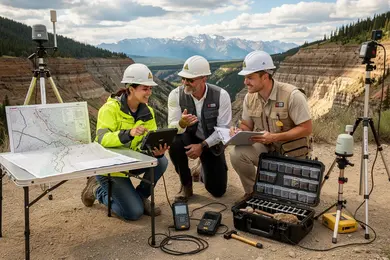
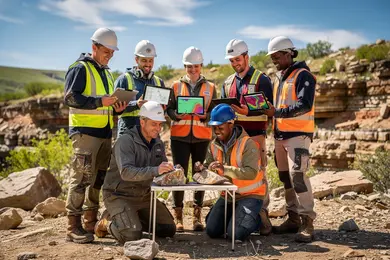
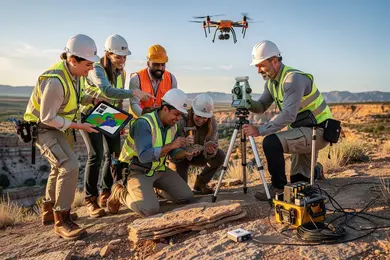
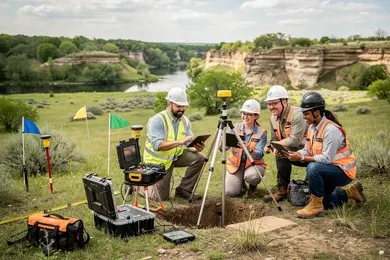
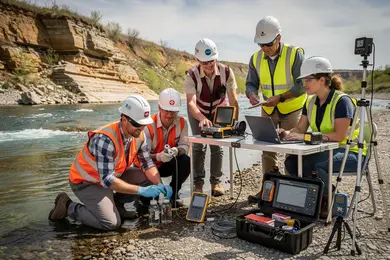
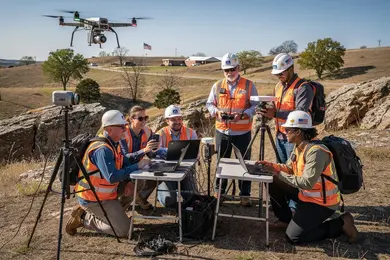
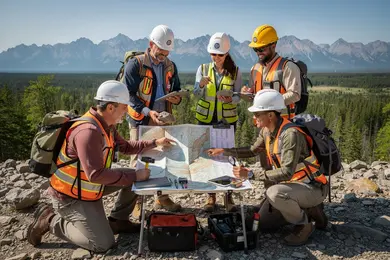
Effective internship selections must balance technical software skills in GIS and remote sensing with substantial fieldwork, such as drone terrain surveys or sediment sampling, to achieve employer expectations. Short field sessions often fall short of developing necessary observational acuity, with longer deployments better instilling real-world data interpretation capabilities. Those lacking this balance frequently face limited upward mobility in areas like advanced climate risk assessment.
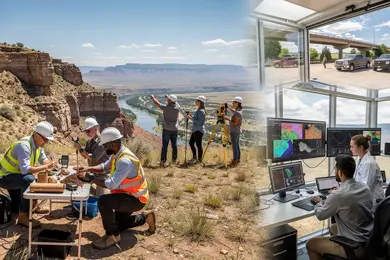
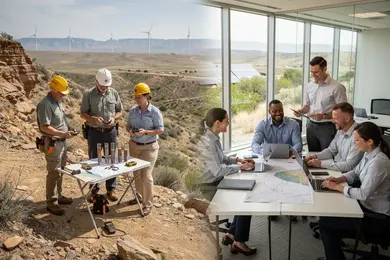
Industry collaborations in infrastructure adaptation expose students to cross-disciplinary problem solving demanded by evolving climate challenges. This integration of field data and software application distinguishes candidates in a marketplace where the ability to convert geomorphological observations into actionable insights is increasingly valued. Precise, technically rigorous internships also mitigate the disconnect between classroom learning and workforce realities.
What salaries can geosciences climate jobs offer?
Salary trajectories for geosciences graduates targeting climate-related roles reflect significant variation tied to specialization, sector, and geography. Starting salaries generally range from $60,000 to $85,000, but urban climate planners addressing land-use optimization-critical as cities drive over 70% of global CO₂ emissions-can expect compensation at the upper end due to the technical demands and policy impact.
Federal climate analyst positions with agencies like the U.S. Geological Survey offer between $70,000 and $110,000, shaped by government pay scales and a focus on urban emissions modeling. In contrast, private sector roles in environmental consulting and energy firms pay $80,000 to $140,000, heavily influenced by experience and certifications in GIS, remote sensing, or climate risk analytics.
State policies also affect earnings: professionals in regions with aggressive climate initiatives such as California or New York often earn 10-20% more, but crossing the $120,000 threshold requires continual skill enhancement to handle complex data for urban decarbonization. Limited technical upskilling compounds stagnation, especially as market demand pivots toward actionable environmental data.
Academia or research roles start lower, typically $55,000 to $75,000, trading immediate salary for stability and grant opportunities focused on urban emissions research. Prospective students should weigh these tradeoffs carefully, considering whether a narrowly specialized credential or broader interdisciplinary skills better align with the evolving climate job market demands.
What certifications or licenses help geosciences graduates stand out?
Holding certifications that signal specialized expertise directly impacts employability for geosciences graduates, especially where regulatory compliance and sustainability intersect. For example, the Certified Environmental Professional (CEP) credential targets roles requiring validated knowledge of environmental law and remediation projects-common in government and consulting firms.
The expanding $4.3 trillion sustainable debt market has created a niche for skills in ESG frameworks. Credentials such as Certified Sustainability Practitioner or SASB enable professionals to handle complex climate-related financial disclosures, a growing priority within investment analysis and public agencies managing green bonds.
Traditional state licenses like the Professional Geologist (PG) grant essential authority for independent practice but often demand years of experience, delaying readiness for early-career graduates. In contrast, climate-focused certifications emphasizing carbon management or environmental policy may provide more immediate access to emerging roles.
Geospatial data analytics certifications, especially those centered on GIS applications for climate risk, are increasingly valued but come with ongoing maintenance requirements that can deter some candidates.
Other Things You Should Know About Geosciences
Specializations tied directly to emerging climate challenges, such as hydrogeology or environmental geochemistry, offer more stable employment prospects compared to traditional fields like petroleum geology, which face declining demand due to energy transitions. Students should prioritize programs that integrate climate impact assessment and sustainability analysis to align with employer needs. Pursuing general geosciences without a clear sustainability focus limits career resilience as sectors evolve rapidly toward decarbonization and resource management.
Useful credentials include EPA Lead-Safe Renovator for environmental health work, GIS certification for mapping roles, and OSHA 40-hour HAZWOPER for contaminated-site jobs. For consulting or state agency roles, employers often want field safety training, ArcGIS skills, and 1 to 3 years of relevant experience.
Geography significantly influences job availability and relevance for geosciences graduates. Regions with active environmental regulation, renewable energy projects, or climate adaptation initiatives present higher demand for green geosciences skills. Graduates should be prepared to relocate or target employers in hubs of climate activity such as coastal states or areas with substantial natural resource management. Failure to consider geographic factors can limit employment options despite strong academic credentials.
References
- Geoscience Jobs in Industry https://www.grow-geocareers.com/exploreindustries
- Climate Change Education > Training Course for Teachers https://www.teacheracademy.eu/course/climate-change-education/
- What Does the Future Demand Look Like for Applied Geoscientists? https://www.aegweb.org/index.php
- Salary Information https://www.geolsoc.org.uk/Geology-Career-Pathways/Careers/Salary-Information.html
- Sustainability & Climate Change - Aurora https://aurora-universities.eu/sustainability-climate-change/
- Geosciences Partnering in Innovating the Future https://www.criticalneeds.org/innovation/
- What Certifications are most Valuable for Environmental Science Graduates? https://www.nrep.org/blog/certifications-environmental-science-graduate
- Checklist for Starting a Career in Sustainability https://www.upskillist.com/blog/checklist-for-starting-a-career-in-sustainability/
- Geoscience Careers https://education.americangeosciences.org/resources/geoscience-careers/
- Practical activities to help geoscience students develop the skills they need to succeed - Futurum https://futurumcareers.com/practical-activities-to-help-geoscience-students-develop-the-skills-they-need-to-succeed