2027 Online Geosciences Degrees With Hydrology Career Alignment

Co-Founder and Chief Data Scientist
Professionals targeting water resource management or environmental consulting often confront a critical hurdle: accessing flexible yet rigorous programs that align closely with hydrology career demands while accommodating ongoing work and geographic constraints. According to the National Center for Education Statistics, online enrollment in geosciences-related disciplines grew by over 30% from 2022 to 2024, signaling widening acceptance but also varying program quality.
This growth reflects a broader shift toward asynchronous learning modalities designed to support adult learners juggling professional and personal responsibilities, yet it also complicates decisions about which degrees deliver credible credentials and applicable skills. This article evaluates online geosciences degrees that directly support hydrology careers and guides readers through key selection factors to optimize career trajectory alignment.
Key Things You Should Know
- Online geosciences degrees focusing on hydrology face a tradeoff between lower tuition averages-$18,000 annually per NCES 2024 data-and reduced hands-on fieldwork access, complicating skill acquisition critical for EPA and USGS roles.
- Employers prioritize candidates with applied hydrogeology certifications alongside degrees; Bureau of Labor Statistics 2024 forecasts a 6% job growth, favoring graduates who demonstrate integrated hydrologic modeling proficiency.
- Program timing constraints reflect hydrology field season cycles, with asynchronous online cohorts potentially delaying entry to practical internships, impacting career trajectory and wage growth during early professional years.
What are online geosciences degrees for hydrology careers?
Opting for online geosciences degree programs for hydrology careers requires balancing technical specialization with practical application. Programs emphasizing hydrogeology, quantitative methods, and software proficiency-particularly in MODFLOW and ArcGIS-align best with employer demand in hydrology sectors such as water resource planning and environmental compliance. Without these targeted skills, graduates risk slower entry into specialized roles despite broader geosciences education offering versatility.
Hydrology professionals command a median annual wage of $92,060, but the path to securing these roles often depends on demonstrated experience with real-world datasets and fieldwork, not just theoretical knowledge. This creates a tradeoff where programs lacking strong industry partnerships or internship facilitation may under-prepare students for workforce expectations. Fully online formats especially challenge candidates to gain hands-on experience, a critical factor in employment decisions.
Geosciences education and hydrology career pathways intersect in workforce requirements valuing applied skills like GIS mapping, hydrologic modeling, and climate impact assessments. Hydrologists contribute to addressing water quality, flood risk, and watershed management with an emphasis on data-driven problem-solving.
For those exploring alternatives or deeper specialization beyond hydrology, examining pathways such as an online data science doctorate can offer complementary expertise in environmental data analysis. Selecting a program must consider curriculum depth, field experience opportunities, and software skills to align with sector-specific roles and advance professional standing.
Which geosciences programs best align with hydrology jobs?
Programs offering a geosciences degree with a hydrology focus deliver greatest workforce alignment when they integrate core applied hydrology topics like groundwater modeling, watershed assessment, and regulatory compliance with hands-on fieldwork and data analytics. Graduates equipped this way are best prepared to fill the estimated 2,000 annual U.S. job openings cited by the Bureau of Labor Statistics for geoscientists from 2024 to 2034. A practical example involves urban infrastructure roles where expertise in stormwater management and contamination risk evaluation-gained via specialized courses in urban hydrology-proves essential.
Tradeoffs arise in choosing between theoretically driven geosciences curricula versus programs prioritizing applied hydrology. Those blending laboratory experience with internships and field-based capstones show faster employability and adaptability amid evolving water quality regulations. Stakeholders increasingly favor programs fostering multidisciplinary skill sets, including geochemistry, GIS, and climatology, to tackle watershed challenges across sectors like municipal water, environmental consulting, and natural resource management.
Evaluating online geosciences courses aligned with hydrology careers demands scrutiny beyond convenience; robust quantitative modeling and groundwater remediation exposure significantly impact job market competitiveness. Prospective students should verify program support for certifications like the Certified Hydrogeologist exam, a decisive factor in career advancement. Additionally, options such as the cheapest data science masters in USA might complement hydrology expertise by sharpening data analysis, enhancing cross-disciplinary credentials.
How do online geosciences degrees compare with campus programs?
Online geosciences degree benefits compared to campus programs are nuanced by a critical tradeoff: while theoretical curriculum in geology, hydrology, and environmental science aligns closely with traditional campus offerings, the lack of integrated hands-on experience restricts practical skill acquisition. Campus programs provide direct access to laboratories, specialized equipment, and mandatory fieldwork that cultivate applied expertise essential for hydrology-aligned roles, such as groundwater assessment or hydrologic modeling.
Employers consistently favor candidates with verifiable field experience alongside academic credentials, making online degrees less straightforward for those seeking immediate technical proficiency. An online student typically must arrange local internships or summer positions, for example with municipal water authorities, to offset these programmatic gaps. Without such proactive effort, employment opportunities suffer despite comparable academic content.
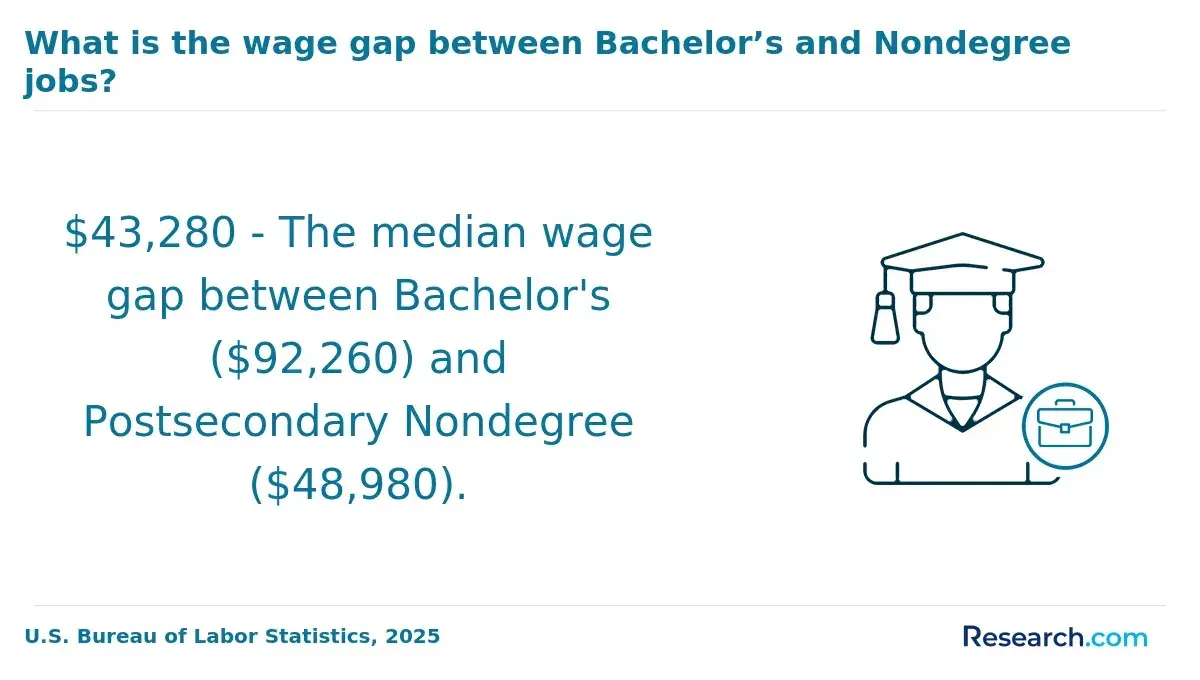
The differences between online and traditional geosciences education manifest in workforce readiness and salary potential. U.S. Bureau of Labor Statistics data from 2024 indicate environmental scientists connected to hydrology roles earn a median annual salary of $99,240, with top earners reaching $178,880. This underscores the impact of experiential learning on professional advancement and compensation.
For individuals evaluating this pathway, flexibility offered by online formats must be balanced against the necessity of immersive fieldwork to achieve career-relevant competencies. Additional insight into related degree alternatives, such as is library science a good degree, can inform broader educational strategy decisions within environmental professions.
What accreditation should a geosciences degree have?
Securing a geosciences degree with regional accreditation recognized by the U.S. Department of Education or the Council for Higher Education Accreditation (CHEA) is fundamental for hydrology careers because it remains a baseline requirement for professional credibility and licensing eligibility. For example, those seeking roles within agencies like the U.S. Geological Survey must hold degrees from properly accredited programs to qualify for certifications such as Professional Geologist (PG) licensure, which often excludes graduates from non-accredited institutions.
Programs emphasizing hydrology without formal accreditation risk omitting critical quantitative coursework, fieldwork, GIS training, and familiarity with hydrologic modeling software-all essential competencies in practice. This issue is especially acute with the rise of online options, as many students encounter inconsistent quality among available degrees. Thus, verifying accreditation status and program rigor is a key differentiator when assessing online geosciences degree accreditation standards in the United States.
Employers integrate accreditation checks into hiring processes, so legitimacy affects both competitiveness and access to advanced education or government research funding. Prioritizing programs endorsed by recognized bodies like the Geological Society of America or the American Geosciences Institute ensures the curriculum keeps pace with evolving industry demands and compliance requirements.
Prospective students should also remain aware of alternative cost structures, considering affordability alongside accreditation. Resources such as the library science degree rankings illustrate the value of transparent pricing and institutional quality metrics in education selection.
What courses are in a hydrology-focused geosciences curriculum?
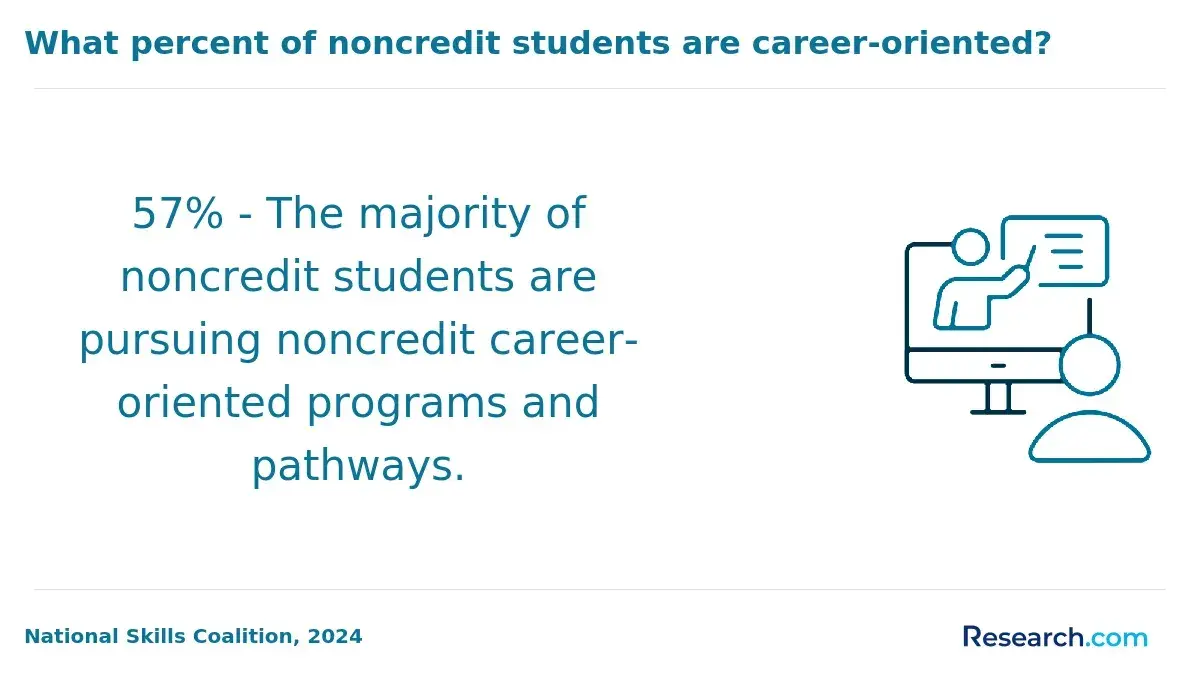
Programs centered on hydrology within geosciences prioritize skills that directly impact workforce readiness in water resources management and environmental consulting. Students face the practical challenge of balancing theoretical coursework-such as fluid mechanics and environmental chemistry-with hands-on expertise in hydrologic instrumentation and water quality testing. This balance influences employability, as over 80% of graduates enter relevant fields within five years, largely due to their ability to manage complex environmental datasets and perform field measurements reliably.
Core courses teach quantifying surface and groundwater flow, contaminant transport, and watershed modeling, supported by geospatial analysis through GIS and remote sensing. Practical experience often comes from capstone projects or internships aligned with agencies like the US Geological Survey or the EPA, where regulatory compliance and data interpretation skills are essential. Students must weigh programs offering up-to-date technical tools with geographically relevant case studies against those with a more theoretical emphasis but less immediate job applicability.
- Mastering statistical methods and data management is vital for predictive modeling and climate impact assessment.
- Certifications in water resources or environmental management frequently enhance job prospects beyond degree completion.
- Employer demand focuses on candidates proficient with hydrological software and field instrumentation amid environmental variability.
Tradeoffs include choosing programs that integrate applied skills and workforce connections versus those that may prioritize academic theory, affecting long-term career trajectories within water-focused geosciences sectors.
What admission requirements do online geosciences programs usually have?
Securing admission in online geosciences programs typically hinges on prior preparation in math, chemistry, and physics, with some programs intensifying scrutiny on quantitative skills due to their direct application in hydrology and data analysis roles. Candidates lacking strong STEM backgrounds face a choice: complete prerequisite courses, extending the timeline and delaying workforce reentry, or seek programs with flexible policies accommodating technical training and relevant experience.
For career switchers aiming to enter hydrology, proof of environmental science-related work or certifications significantly improves admissions prospects, as committees weigh practical experience heavily. This prioritization aligns with employer expectations where applied analytical skills and field familiarity outweigh purely academic credentials. Letters of recommendation frequently spotlight a candidate's problem-solving abilities-an indicator correlating with better employment outcomes.
Tradeoffs arise in balancing program selectivity and admission accessibility. Highly selective programs often yield higher employment rates post-graduation but require robust academic readiness and standardized test scores, still demanded by many, albeit with some post-2023 waivers. In contrast, more flexible programs might ease entry but may not provide equivalent career leverage.
- Applicants should prepare personal statements that decisively convey motivation and alignment with hydrology to meet admissions expectations.
- Employers in resource management prefer graduates demonstrating quantitative proficiency validated through rigorous coursework or practical training.
- A UK study reports 90% of Earth science graduates secure employment or further study within 15 months, reflecting the field's employment resilience when programs maintain high selectivity.
How long does an online geosciences degree take to finish?
Completing a geosciences degree with a focus on hydrology within four years aligns best with employer expectations, especially given the U.S. Bureau of Labor Statistics' projection of 4% growth for environmental scientists over the next decade. Accelerated programs condense study into roughly three years but impose intense schedules that often clash with full-time employment or family obligations. Conversely, part-time paths may extend beyond six years, risking skill depreciation and delayed entry into the workforce, though they offer vital flexibility for career changers.
Prior college credits reduce time to degree, enabling earlier access to relevant roles. Programs that integrate fieldwork or capstone projects can extend duration by a semester but enhance applied skills critical to hydrology careers, increasing employability in a competitive labor market.
Tradeoffs to consider include:
- Accelerated formats demanding sustained, year-round commitment that may impair work-life balance.
- Part-time enrollment offering pacing control but potentially weakening momentum and delaying return on educational investment.
- Employer preference for graduates with timely completion and demonstrable applied experience.
For working professionals assessing hydrology-related geosciences programs, evaluating current job flexibility alongside program advising resources is essential to balance core skill acquisition with practical career progression.
How much do online geosciences degrees cost?
Choosing an online geosciences bachelor's degree requires balancing tuition costs with the substantive value of GIS and hydrology coursework, especially for professionals aiming at cartography or photogrammetry roles. Public institutions can offer degrees around $15,000 to $18,000 for in-state students, yet this affordability often hinges on residency requirements. Private programs may exceed $35,000 but do not provide variable rates by location.
Beyond tuition, students must anticipate additional expenses such as specialized software licenses for GIS and remote sensing, which can range from $500 to over $3,000 annually. Lab fees and hardware for hydrology modeling can further increase the total cost, impacting those not supported by federal aid or employer tuition reimbursement programs.
From a workforce perspective, hydrologic mapping roles show a 6% growth projection through 2034, where spatial data analysis skills directly affect employability. Employers prioritize candidates with hands-on GIS and modeling experience, making program selection critical. Degrees lacking applied hydrology tools or experiential learning may limit job prospects regardless of price.
Prospective students should weigh practical trade-offs:
- Lower public tuition often requires proving residency or in-state status.
- High-cost private programs may justify expenses if they deliver superior applied training.
- Additional costs for required software and hardware can erode affordability.
What hydrology careers can geosciences graduates pursue?
A career pivot into hydrology through a geosciences degree demands targeted technical skills and practical experience, not just academic knowledge. Hydrologists employed by agencies such as the US Geological Survey use quantitative methods to monitor water quality and availability, directly influencing policy decisions. Conversely, hydrology graduates in private firms often balance environmental compliance with cost-effective stormwater management system design.
Success in this field hinges on proficiency with GIS mapping and statistical analysis software to interpret hydrological data under shifting climate patterns. Workforce projections from the U.S. Bureau of Labor Statistics anticipate a 6% employment growth through 2034, reflecting steady demand centered on sustainable water management and climate adaptation challenges.
Challenges include securing consistent project funding and understanding complex regional water rights laws. Certification in water quality or environmental management can differentiate candidates but requires additional time and cost investment. The financial commitment for education is considerable: a typical online U.S. geosciences bachelor's program charges around $354 per credit, totaling near $42,480 for 120 credits before discounts, contrasted with average entry-level salaries close to $65,000-a factor requiring careful budget versus return analysis.
- Practical field skills and regulatory knowledge influence employability more than degree prestige
- GIS and data modeling proficiency are non-negotiable for most roles
- Long-term career growth may depend on certifications beyond the bachelor's degree
What salary and job outlook do hydrology careers offer?
Hydrology roles in 2026 present a tangible tension between technical proficiency and interdisciplinary demands, with median salaries ranging from $80,000 to $95,000. Government positions start closer to $70,000, while private sector roles can surpass $110,000, reflecting the value of sector-specific expertise and experience. The U.S. Bureau of Labor Statistics forecasts a steady 6% employment growth through 2034 for hydrologists and water-resource specialists-a rate outpacing many occupations-largely due to escalating water scarcity and climate adaptation needs.
Professionals who lack advanced quantitative skills or GIS proficiency face limited job prospects, even with formal degrees. Licensing, such as Professional Hydrologist certification, can influence compensation brackets and hiring priorities. Hydrologists increasingly must operate at the nexus of data analytics, environmental regulation, and stakeholder collaboration.
Demand will be particularly acute in agencies tackling water shortages expected to affect up to 5 billion people annually by 2050. Employers increasingly seek candidates capable of integrating watershed modeling with practical regulatory reporting.
For students weighing educational routes, programs combining fieldwork with computational training and internships in relevant agencies address geographic and experiential barriers. Salary progression often hinges on accumulating project management experience and targeted technical credentials.
Other Things You Should Know About Geosciences
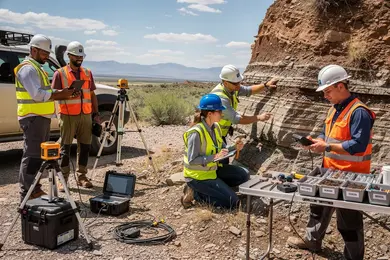
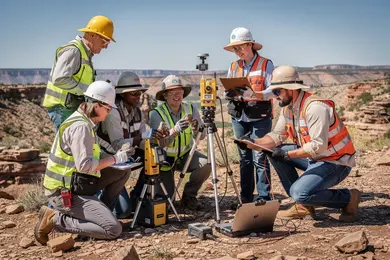
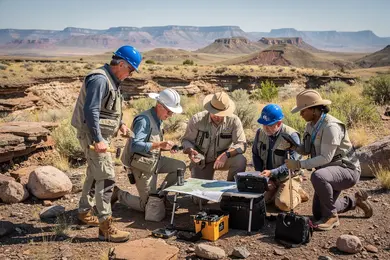
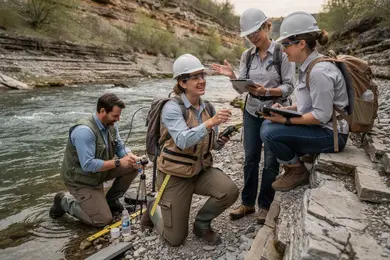
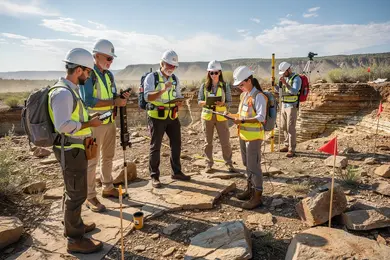
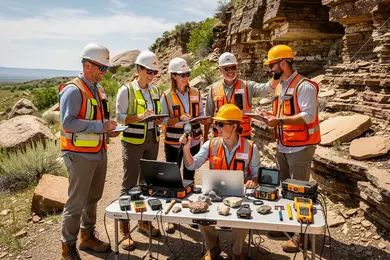
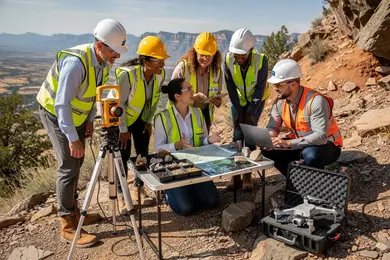
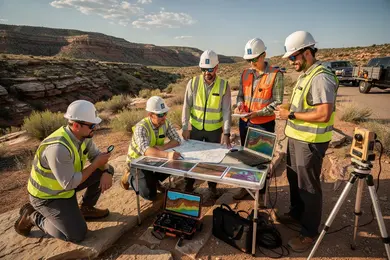
Fieldwork remains a core component of practical geosciences training, especially for hydrology careers. Online programs that lack in-person field components may limit hands-on skills essential for many employers. When choosing an online degree, prioritize programs that require or facilitate local field experiences, internships, or lab work to ensure you develop practical competencies valued by hiring managers.
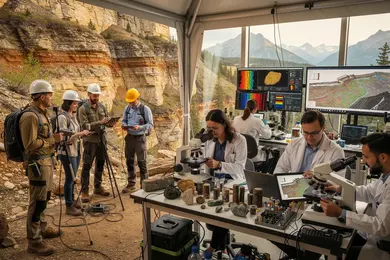
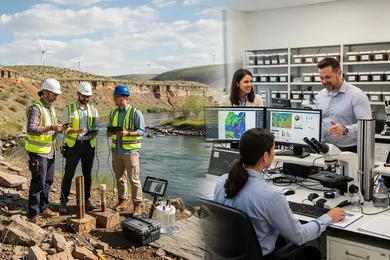
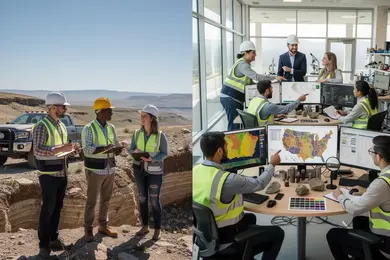
Proficiency in hydrology-related software such as GIS, remote sensing tools, and hydrologic modeling platforms critically impacts employability. Employers expect graduates to manage data analysis and create predictive models efficiently. Students should select programs that integrate comprehensive training in these technical tools rather than just theoretical content, as this skill set directly affects job readiness and career advancement.
Many 2027 online geosciences programs require a final capstone, and research-focused tracks may require a thesis. A capstone often carries 3 to 6 credit hours and must show applied hydrology skills such as watershed analysis, groundwater modeling, or GIS-based data interpretation.
References
- The Geological Society - Degree Accreditation https://www.geolsoc.org.uk/education-and-resources/universities/university-degree-accreditation/
- Updated 2017-18 Undergraduate Catalog https://www.bemidjistate.edu/academics/catalog/20185/courses/geol/3211
- Hydrologist https://www.truity.com/career-profile/hydrologist
- Education Requirements https://www.americangeosciences.org/licensure/education/
- Online Geoscience Degrees: Top Schools and All Programs in 2026 https://www.gisdegree.org/online/geoscience-degrees/
- Careers in Hydrology - British Hydrological Society https://hydrology.org.uk/careers-education/careers-in-hydrology/
- Geoscience Careers https://education.americangeosciences.org/resources/geoscience-careers/
- ABET Accreditation a Clear Pathway to Professional Geologist and Geologist in Training Licensure Under New California Regulations - ABET https://www.abet.org/abet-accreditation-a-clear-pathway-to-professional-geologist-and-geologist-in-training-licensure-under-new-california-regulations/
- Careers in Geoscience: Hydrogeology https://www.aig.org.au/education/careers-in-geoscience/careers-in-geoscience-hydrogeology/
- Associate in Science, Emphasis in Geology https://www.riosalado.edu/degrees-certificates/science-technology-engineering-and-mathematics/associate-science-emphasis-geology-8608-as