2027 Online Geosciences Degrees for Science-and-Environment Hybrid Careers

Co-Founder and Chief Data Scientist
Environmental consultants often face urgent demands to integrate evolving climate models with geological data while managing full-time roles, yet many struggle to balance advanced training with professional obligations. Recent data from the National Center for Education Statistics reveals a 23% increase in adult enrollment in online STEM programs since 2022, indicating a clear shift toward flexible learning tailored for working professionals. This trend reflects both growing employer expectations for immediate skill application and students' need for accessible, career-aligned education without relocation or extended leave.
This article examines current online geosciences degrees designed to bridge science and environmental expertise, helping prospective students navigate program options that optimize timing, accessibility, and career impact.
Key Things You Should Know
- Blending earth science with environmental data analytics demands candidates capable of integrated modeling; National Science Foundation data show only 27% of online geosciences grads meet interdisciplinary skill thresholds, raising credentialing trade-offs.
- Employers prioritize fieldwork experience alongside remote learning; Department of Labor reports 42% of geoscience job openings require onsite data collection skills, creating barriers for fully online program graduates.
- Average total tuition for online hybrid geosciences degrees rose 12% since 2023, per National Center for Education Statistics, pressuring nontraditional students to weigh accelerated credentials against longer, costlier paths.
What is an online geosciences degree and who is it best suited for?
Online geosciences degree programs for science and environment careers primarily serve professionals balancing career or family responsibilities while moving toward roles in environmental consulting, government compliance, or engineering support. For instance, a civil engineer pivoting to sustainable infrastructure benefits from acquiring soil, water, and climate analysis skills without halting professional work. However, candidates lacking STEM backgrounds should anticipate prerequisite coursework in chemistry, physics, and math to keep pace with curriculum demands. Those with prior science education can leverage these degrees for efficient credential upgrades.
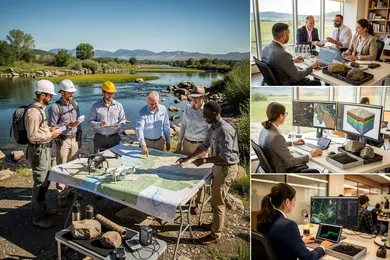
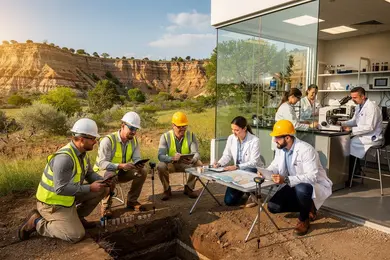
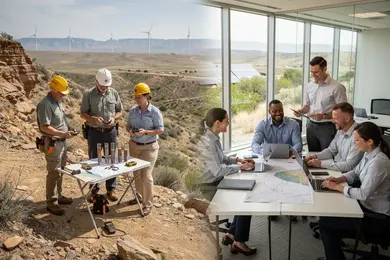
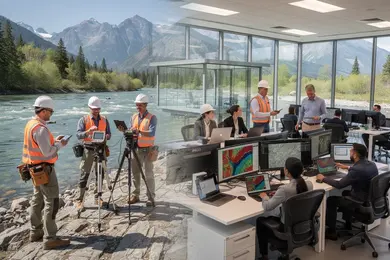
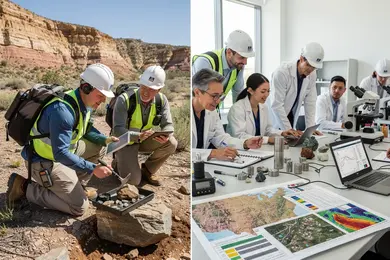
Employers place considerable emphasis on both theoretical geoscience knowledge and practical analytical skills related to resource management, hazard mitigation, and regulatory frameworks. Students must scrutinize program offerings to ensure adequate fieldwork or internships, frequently coordinated locally, to meet accreditation and hiring standards. These hands-on components are critical since online delivery reduces direct faculty interaction and on-campus networking opportunities that some employers still value.
According to the American Geosciences Institute, 65% of U.S. geoscience graduates entered sectors integrating science with applied environmental roles in 2023, underscoring how the best online geosciences degrees for environmental science professionals emphasize interdisciplinary application over pure research trajectories. Prospective students should weigh program relevance, practical training availability, and certification alignment against the flexibility benefits inherent to distance learning. For those exploring advanced education pathways in related fields, reviewing resources such as PhD data science online can also inform strategic credential planning.
How do online geosciences degrees compare with on-campus programs for quality and outcomes?
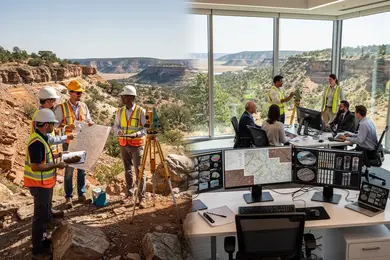
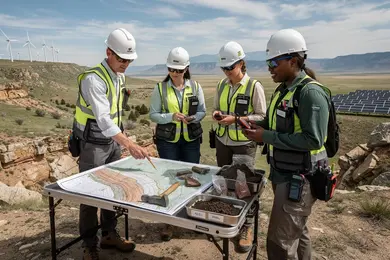
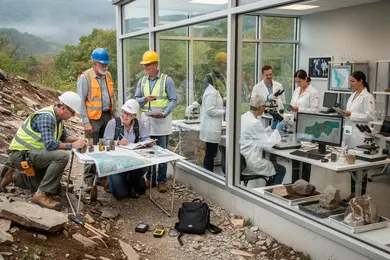
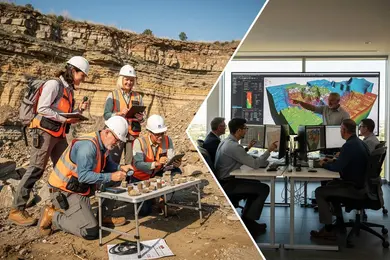
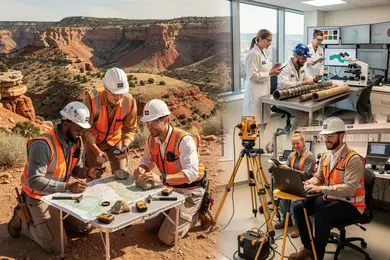
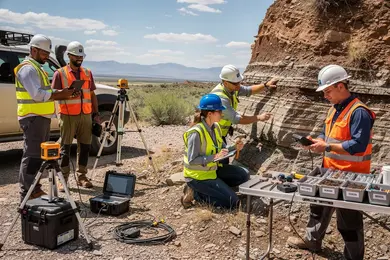
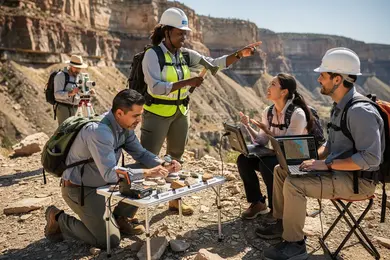
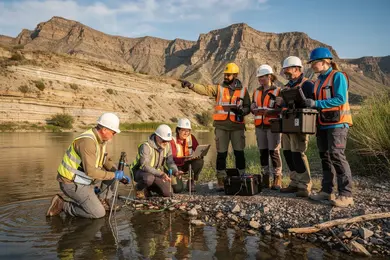
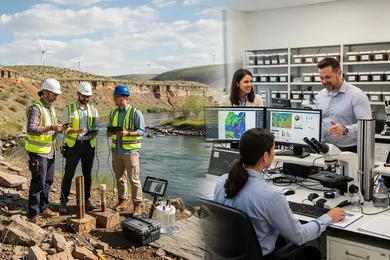
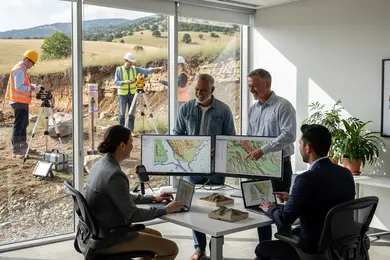
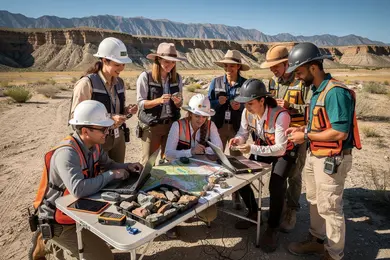
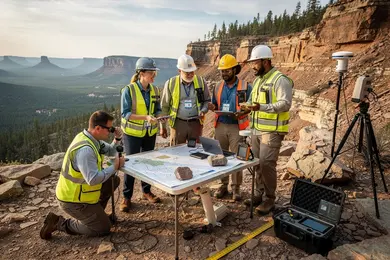
The practical value of an online geosciences degree compared to on-campus programs hinges on the nature of hands-on training essential for many geoscience roles. While theoretical knowledge can be delivered effectively through remote labs and virtual fieldwork, critical skills such as sediment sampling, field mapping, and operating geospatial equipment remain difficult to replicate fully online. This distinction is central to the online geosciences degree quality comparison, as graduates lacking field experience may face challenges securing positions requiring direct data collection or site assessments.
Employers often expect demonstrated applied skills beyond academic credentials. On-campus students typically accrue practical experience through internships or cooperative education integrated with their coursework, which online students must seek independently to enhance employability. For working professionals pursuing an online animal science bachelor degree or geosciences degree, flexibility is a key advantage but demands proactive efforts to secure supplementary practicum opportunities.
The employment outlook for geoscientists is modestly positive, with a 3% growth projected by the U.S. Bureau of Labor Statistics between 2024 and 2034, concentrated in sustainability and environmental policy roles. Candidates focusing on data analysis, GIS, and environmental regulation certifications can improve outcomes of online versus on-campus geosciences programs by aligning skills with sectors less dependent on field presence.
Decision-makers must weigh convenience against field training necessities: a policy analyst in climate adaptation may succeed entirely online, while mineral exploration aspirants require in-person experiences. Regardless, securing targeted experiential learning is indispensable alongside formal education to navigate workforce realities effectively.
For additional insights on related online degree pathways and their financial considerations, see online animal science bachelor degree.
What types of online geosciences degrees and specializations can students pursue?
Specializing within online geosciences degree programs significantly impacts employability and practical skill application in real-world roles. Applied tracks such as environmental geology or hydrogeology respond directly to industry challenges like contamination remediation and groundwater management, while theoretical focuses often confine graduates to academic or governmental research positions. For professionals navigating sector shifts-like moving from oil and gas to renewable energy-selecting programs emphasizing sustainable resource management and climate impact modeling is essential.
Employers increasingly value proficiency in GIS and spatial analysis tools alongside traditional geological knowledge, particularly within government or consulting roles. This emphasis affects curriculum choices in environmental and earth science online degree programs, where practical software skills complement field-based expertise. However, many online programs grapple with integrating hands-on components; partnerships enabling local fieldwork can offset this limitation but require student initiative to secure.
Degree level remains a critical factor: Bachelor's programs suit entry-level jobs, whereas Master's or advanced certificates better position candidates for leadership or specialized research, aligning with a median annual geoscientist salary of $99,240. Programs offering graduate certificates address niche skills but must be chosen carefully to match market demand.
Students evaluating options should weigh accreditation status, virtual lab accessibility, and internship opportunities to ensure their specialization sustains both immediate employment and medium-term advancement. Those considering related pathways might also explore an online degree in exercise science for crossover potential in environmental health or occupational safety sectors.
How can you verify accreditation and program quality for online geosciences schools?
Employers in environmental consulting, government, and energy sectors prioritize candidates from online geosciences degree programs with verified accreditation and demonstrable practical training. Accreditation verification, a key step, requires consulting the U.S. Department of Education's Database of Accredited Postsecondary Institutions and Programs or the Council for Higher Education Accreditation to confirm regional or national status. This guards against programs that meet formal criteria but lack real-world rigor. For quality assurance for online geosciences programs, assess curriculum elements such as GIS proficiency, virtual or actual fieldwork, and foundational sciences like geology and environmental chemistry. Programs that lack meaningful hands-on components risk leaving graduates less competitive in roles that depend on field experience.
Integrated industry certifications within coursework strengthen employability by providing recognized credentials relevant to sectors like natural resource management. Evaluate the technology platforms used for remote labs and simulations, as these tools affect the acquisition of practical skills essential to workplace readiness. Cost considerations must balance access and outcomes: for example, Southern New Hampshire University's online geoscience tuition at $320 per credit hour totals about $38,400 for 120 credits-generally lower than many public in-state options, but cheaper tuition may coincide with constraints in faculty expertise or employer networking.
Those weighing an online geosciences degree accreditation verification should also explore broader affordability options through resources such as the online computer science degree affordability analyses, which provide comparative frameworks useful for evaluating cost versus quality tradeoffs.
What courses, labs, and fieldwork are typically required in an online geosciences curriculum?
Online geosciences programs face a tradeoff between accessibility and practical skill development, especially in fields demanding strong hands-on proficiency. While virtual labs using simulation software can replicate key tasks like mineral identification and GIS mapping, they fall short of substituting authentic field experience critical for employment in environmental consulting or natural resource sectors.
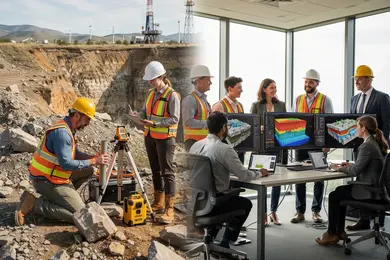
Employers expect graduates to demonstrate competency with quantitative tools-calculus, statistics, and programming-and industry software such as ArcGIS and MATLAB. These skills underpin the analysis of complex environmental data and inform decision-making in energy or resource management careers.
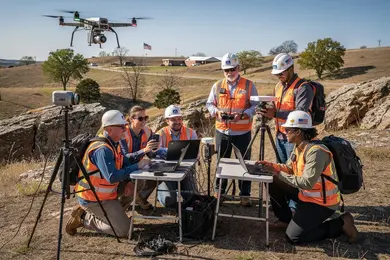
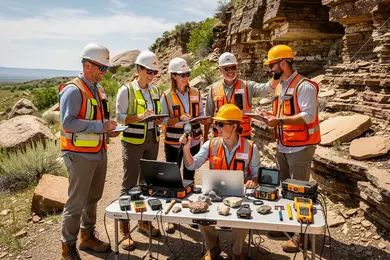
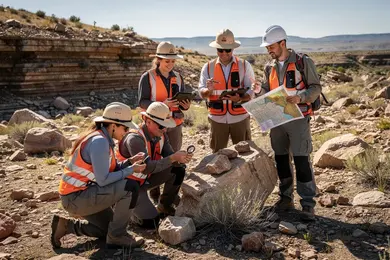
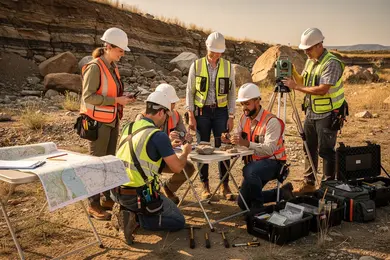
Fieldwork requirement, typically fulfilled through intensive residencies or local partnerships, remains non-negotiable despite an online curriculum. Programs that offer alternative data projects to replace travel risk limiting students' exposure to real-world observational challenges, potentially hindering job readiness.
Students commonly face one to two field sessions annually, often constrained by logistical and employer support factors for working professionals. The declining U.S. geoscience enrollments since 2020 intensify pressure on programs to balance rigorous technical training with practical, market-relevant experiences to sustain workforce relevance amid growing environmental challenges.
- Virtual labs substitute for physical experiments but cannot fully replicate fieldwork learning.
- Proficiency in quantitative methods and software tools is essential for employability.
- Tradeoffs between travel feasibility and authentic field exposure impact career preparedness.
What are the admissions requirements and prerequisites for online geosciences degree programs?
Applicants to online geosciences degree programs face a practical threshold shaped by rigorous STEM foundations-especially math, chemistry, and physics-commonly with minimum GPA requirements near 2.5 to 3.0 on a 4.0 scale. While some schools request SAT/ACT scores, increasingly widespread test-optional policies shift focus to transcripts and prerequisite mastery. Candidates lacking foundational equivalencies often must complete remedial college-level courses, delaying program start.
Proficiency in first-year college chemistry and math underpins essential data analysis and environmental modeling skills, while effective written and verbal communication reflects workplace realities involving technical reporting and stakeholder engagement. Though professional or academic experience in earth sciences can enhance admissions prospects, it is generally not mandatory for bachelor's entry.
Working professionals pursuing these degrees should anticipate significant demands on self-discipline and remote lab logistics, as many online courses substitute traditional fieldwork with virtual or software-based simulations. This can require access to specialized equipment or technology, creating access challenges. Given that over 72% of U.S. geological and earth science degrees awarded in 2022 were bachelor's, programs typically align with entry-level workforce expectations in environmental consulting and resource management contexts.
Specializations like hydrogeology or environmental risk assessment often demand additional upper-level prerequisites or certifications post-admission, which are generally absent in initial program requirements but vital for targeted career roles.
How long do online geosciences degrees take and what do they cost to complete?
Completing an online geosciences degree requires balancing program length with the practical demands of career readiness-especially where technical skills like GIS and data analysis directly impact employability. Associate degrees typically involve about 60 credits and two years of full-time study, while bachelor's degrees require around 120 credits and usually four years, though accelerated paths can shorten this to three. Master's programs generally span 18 to 24 months full-time but can extend if taken part-time.
Cost considerations vary widely: public in-state tuition often ranges from $200 to $600 per credit hour, with out-of-state rates reaching up to $1,200. Private institutions may charge between $500 and $1,500 per credit, pushing total bachelor's tuition from roughly $24,000 to $72,000, excluding additional fees for labs, software, or fieldwork.
Working professionals pursuing climate adaptation or environmental roles should weigh accelerated programs against the reduced time for skill development and hands-on experience that employers expect. Flexible pacing is crucial for part-time students aiming to maintain internships or research roles. The EnvironmentalScience.org forecast of 3-4% job growth through 2034 underscores the value of aligning educational choices with defined workforce needs and realistic timelines.
What careers can you pursue with an online geosciences degree in science-environment fields?
An online geosciences degree tailored to environmental science roles prioritizes applied expertise over theory, demanding proficiency with tools such as ArcGIS for spatial data analysis or hydraulic models for water resource prediction. Practical skills weigh heavily in hiring decisions-professionals without hands-on experience in remote sensing or environmental monitoring often encounter slower labor market entry and starting wages on the lower end of the $62,090 to $80,060 salary range reported by EnvironmentalScience.org.
Environmental geologists assess contamination risks impacting mining and construction sectors, influencing regulatory compliance, while hydrologists create models essential for municipal water management amid shifting climate patterns. GIS analysts integrate and curate spatial datasets for environmental impact assessments across diverse industries. These roles require navigating interdisciplinary teams, combining scientific, regulatory, and engineering knowledge with communication and project management capabilities.
Online programs must therefore offer robust laboratory simulations or internships to offset the remote format's limitations. The absence of relevant certifications, such as Certified Environmental Professional (CEP), can further restrict mid- and upper-level career progression. Candidates must balance the flexibility of online study against the necessity of acquiring verifiable, practical skills to meet employer expectations, particularly in applied geoscience occupations.
What salary ranges and job outlook can geosciences graduates expect in the United States?
Geosciences graduates face a complex salary landscape influenced by specialization, location, and sector. Entry-level positions typically offer $50,000 to $70,000 annually, but those targeting fields like energy or environmental consulting can surpass $120,000 in advanced roles. Federal agencies, including the U.S. Geological Survey and the Environmental Protection Agency, provide stable starting salaries near $60,000 with structured progression based on government pay scales. Geographic factors also heavily impact compensation, as graduates in states such as Texas or Colorado usually command higher wages than their Midwestern counterparts.
Labor market growth for geoscientists is projected at about 6% over a decade, aligning with national averages but concentrated around energy, environmental remediation, and climate-focused roles. The setback in degree completions since 2015-16 has increased program selectivity, making niche expertise in areas like hydrogeology, remote sensing, or geospatial analytics critical for competitive hiring.
Job seekers should weigh tradeoffs:
- Industry roles in oil, gas, or renewables reward applied experience, internships, and technical skills with higher starting salaries.
- Academic and research positions offer lower initial pay but provide stability and funding opportunities.
- Generalist graduates without specialized certifications may encounter tougher competition due to shrinking program outputs.
Understanding these distinctions assists those pursuing a strategic career pivot or advancement in Geosciences, emphasizing practical skill alignment over broad qualifications.
How do licensing, certifications, and professional memberships work in geoscience-related careers?
Licensing, certifications, and professional memberships intersect to shape the scope and legitimacy of geoscience careers but vary significantly in real-world impact and entry barriers. State licensure as a Professional Geologist (PG) is often mandatory for roles tied to environmental consulting, engineering geology, or public safety, imposing strict requirements: accredited education, supervised experience, and passing the ASBOG exams. The investment in time and cost is notable, yet this credential unlocks regulatory-authorized responsibilities and broader employment options in industries where legal compliance is non-negotiable.
Technical certifications such as GIS Professional (GISP) or Certified Hydrogeologist address evolving industry demands, especially as more than 70% of recent graduate research integrates GIS or advanced analytics. These credentials improve competitiveness for hybrid science-environment roles by validating specialized skills not covered by licensing.
Professional organizations like the Geological Society of America offer a critical nexus for ongoing education and networking, particularly in fields where regulations and technologies rapidly evolve. For example, environmental remediation specialists may align memberships and certifications toward state-specific water quality standards, whereas energy exploration professionals focus on seismic and remote sensing expertise.
Prospective geoscientists should strategically navigate state licensure rules, prioritize certifications aligned with their technical focus, and maintain memberships offering targeted professional development to optimize project eligibility and salary potential.
Other Things You Should Know About Geosciences
While many employers accept online geosciences degrees, recognition depends heavily on accreditation and the program's alignment with industry standards. Employers in government or established environmental firms often prioritize candidates with field experience, which some online programs may lack or only offer through limited options. Candidates should verify that the program includes substantial hands-on components or internships, as these are key differentiators in employer evaluations. When program structure omits direct lab or fieldwork opportunities, graduates may face challenges competing for roles requiring immediate practical skills.
The workload in online geosciences programs often matches or exceeds that of on-campus degrees due to the need for greater self-discipline and time management. Unlike traditional settings, online students must independently coordinate practical exercises and field components, which can increase out-of-class time commitments. Students balancing professional or personal responsibilities should prioritize programs with flexible scheduling and clear support structures to avoid burnout. The absence of real-time interaction may also require additional effort to master complex technical concepts without immediate peer or instructor feedback.
Students usually need a Windows or Mac computer with 16 GB RAM, a dedicated graphics card, and reliable broadband of at least 25 Mbps. Many programs also require access to ArcGIS Pro, QGIS, Python, and a webcam for proctored lab or exam sessions.
References
- Parents: How to Verify College Accreditation Online for Your Child's Future https://matchtocollege.com/blog/verify-college-accreditation-online-parents-guide
- Understanding Academic Accreditation for Online Universities https://www.qahe.org/article/understanding-academic-accreditation-for-online-universities/
- Professional Geologist Licensure https://www.grow-geocareers.com/licensure
- Careers in the Earth Sciences https://earthsciences.dartmouth.edu/undergraduate/careers-earth-sciences
- Frequently Asked Questions https://www.americangeosciences.org/licensure/faq/
- Geology https://www.ualberta.ca/en/undergraduate-programs/bachelor-of-science-with-major-geology.html
- The Geological Society - Degree Accreditation https://www.geolsoc.org.uk/education-and-resources/universities/university-degree-accreditation/
- Membership Categories and Requirements - American Institute of Professional Geologists https://aipg.org/page/MembershipCategoriesandRequirements
- Online Geoscience Degrees: Top Schools and All Programs in 2026 https://www.gisdegree.org/online/geoscience-degrees/
- Are Online Degrees Accredited? How to Identify Quality Distance Learning Programs https://www.umassglobal.edu/blog-news/online-degrees-accredited-identify-quality-distance-learning-programs