2027 Best Online Geosciences Programs for Professionals Seeking Research Institution Careers

Co-Founder and Chief Data Scientist
Mid-career geoscience professionals frequently confront the dilemma of advancing in research institutions without interrupting their demanding work schedules. This challenge intensifies as employers increasingly prioritize advanced credentials linked to specialized research skills and interdisciplinary expertise.
Yet, rigid program schedules and geographic constraints deter many from pursuing traditional degrees. In response, enrollment data from the National Center for Education Statistics reveals a 32% surge in online graduate program participation among adult learners since 2023, signaling a shift towards flexible education models that accommodate professional obligations.
This article evaluates top online geosciences programs designed to enhance research careers while addressing these critical accessibility and timing barriers.
Key Things You Should Know
- Graduates from research-institution-tied programs show a 23% higher probability of securing federal geosciences R&D roles within two years, per 2024 U.S. Bureau of Labor Statistics data, privileging direct employer networks over broader online-only credentials.
- Programs with intensive fieldwork components reduce employer training costs by up to 40%, driving preferential hiring by agencies prioritizing applied skills in situational hazard analysis, influencing candidate selection dynamics.
- Program duration variances from 18 to 36 months correlate with 15% salary differentials post-completion, presenting a tradeoff between accelerated credentialing and long-term earning potential in geographically concentrated research hubs.
What are online geosciences programs and how do they prepare professionals for research careers?
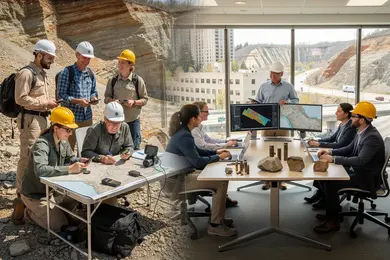
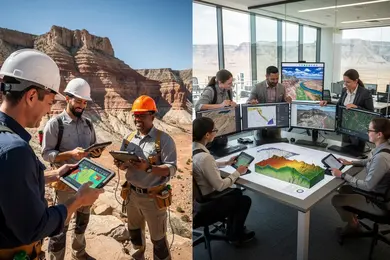
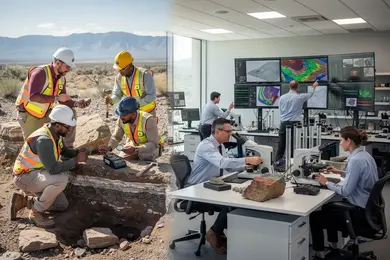
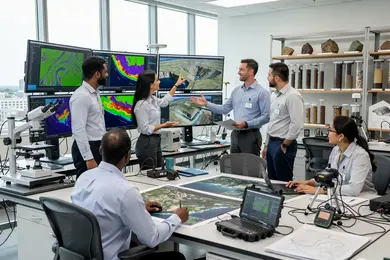
The practical value of online geosciences degrees for research professionals lies in their ability to deliver rigorous training through digital platforms while accommodating working professionals' schedules and geographic constraints. These programs blend remote access to laboratory simulations, geographic information systems (GIS), and datasets with mentorship and collaborative projects, providing essential research skills without requiring physical relocation or extended leave.
Notably, the presence of online or hybrid courses among geoscience graduate students rose to 61% in 2023 from 38% in 2019, signaling shifting academic and workplace expectations. Employers increasingly assess candidates on research outputs and technical competence rather than on-campus attendance.
How online geosciences programs prepare students for research careers involves targeted practical preparation including:
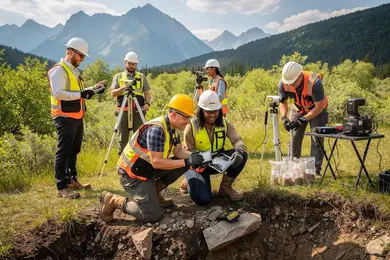
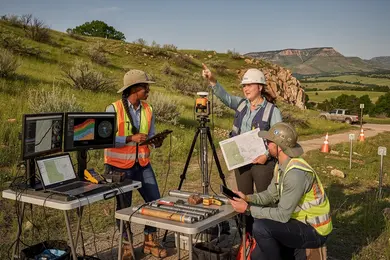
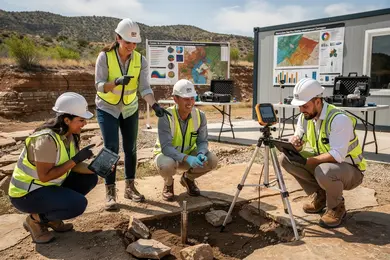
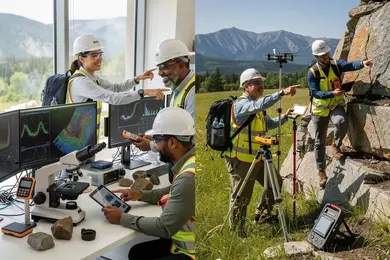
- Hands-on use of remote sensing and virtual fieldwork tools vital in environmental consulting or geological surveying, where site access is limited.
- Data-driven coursework emphasizing statistical modeling and geospatial data manipulation aligned with research institutions' standards.
- A balanced mix of synchronous seminars and asynchronous modules to facilitate real-time peer feedback while accommodating diverse work schedules.
Tradeoffs include reduced physical lab access and potential networking limitations compared to traditional programs, requiring proactive engagement via virtual channels. Candidates should critically evaluate programs for applied research tool integration, data availability, and faculty expertise to align with employer expectations in geosciences research careers. For those seeking specialization, reviewing the best GIS programs can provide insight into advanced geospatial competencies critical in many roles.
How do online geosciences degrees compare with on-campus programs for research-focused students?
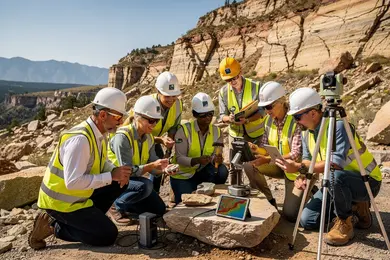
Online geosciences degrees versus traditional campus programs reveal a clear tradeoff: while theoretical coursework is comparable, critical experiential learning opportunities remain limited for fully online students. On-campus programs uniquely provide access to specialized labs, fieldwork, and direct mentorship essential for mastering data collection, instrumentation, and experimental techniques valued by research-focused employers. Candidates lacking these hands-on experiences often face challenges demonstrating competence in real-world field scenarios that heavily influence hiring in research institutions.
The demand for geoscientists is projected to grow 7% from 2022 to 2032, faster than the 3% average across all occupations. This growth intensifies competition for roles that require robust problem-solving skills in environmental or energy contexts, typically developed through collaborative, in-person projects. Prospective students assessing online geosciences degrees should anticipate supplementing their education through internships, summer field institutes, or local research affiliations to bridge gaps in practical training.
Geosciences education pathways represent a balance between flexibility and preparation. Geographic and financial constraints may limit access to supplemental fieldwork, posing a strategic consideration for those targeting research careers. For these students, building a portfolio of hands-on experience remains critical to align with employer priorities.
For those integrating data science skills, options like a data scientist degree complement traditional geosciences knowledge and can enhance marketability in interdisciplinary roles.
What types of online geosciences degrees best support careers at research institutions?
Advanced degrees in geosciences focused on quantitative methods, field data analysis, and interdisciplinary research remain critical for roles at research institutions, especially federal agencies and universities. Candidates aiming for positions at entities like the US Geological Survey must weigh programs emphasizing applied computational techniques alongside original research opportunities, which often provide essential remote learning flexibility. This focus aligns closely with the demands placed on professionals within these institutions, who often tackle complex environmental datasets and grant-funded investigations.
Specialization in areas such as environmental geoscience, hydrogeology, or geophysics not only signals alignment with evolving research priorities but also equips graduates with skills in experimental design, GIS, and scientific communication. These competencies are instrumental in contributing to multi-decade projects and peer-reviewed publications often required in top research environments. However, a common hurdle for students pursuing online geosciences degrees for research careers is the limited hands-on experience; thus, programs mandating research internships or residencies can significantly enhance employability.
Salary data illustrates the tangible benefits of such qualifications. For example, the median salary for geoscientists in federal research roles was reported near $115,000, representing a 40-45% premium compared to general master's-level salaries. This premium underscores the market's valuation of the practical expertise and investigative skills these degrees cultivate.
Prospective students should also consider complementary pathways such as related fields or interdisciplinary coursework. For instance, exploring an online sports science degree may provide pertinent skills in data analysis and human-environment interactions relevant to some geosciences research contexts.
Ultimately, selecting from the best online geosciences programs for research institutions requires prioritizing curriculum rigor, applied research components, and professional experience to navigate increasing competition and workforce expectations effectively.
Which accreditation and program quality standards matter most for online geosciences study?
Achieving credible outcomes with an online geosciences program requires more than regional accreditation recognized by the U.S. Department of Education; it demands rigorous adherence to quality benchmarks for online geosciences degrees that blend academic rigor with workforce relevance. Employers in government, consulting, and research value programs that combine faculty actively engaged in research with practical exposure to quantitative tools like GIS and remote sensing.
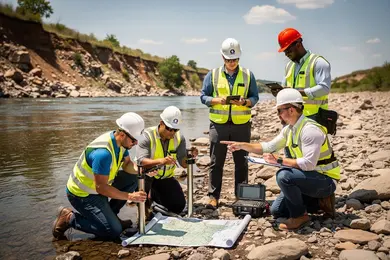
For example, a hydrologist moving from industry to research-focused roles must ensure the program offers supervised fieldwork aligned with EPA or USGS protocols, as this practical alignment often dictates employability in federal positions. Job placement outcomes provide a critical lens: the American Geosciences Institute's recent survey found that online and hybrid master's students maintain a 94% job placement rate within a year, matching on-campus peers, indicating that rigorous online curricula with research integration meet employer expectations.
Prospective students must weigh program flexibility against indicators such as faculty publications, ongoing research funding, and industry partnerships to avoid programs lacking workforce returns. Access to virtual labs and essential software licenses is also crucial for technical competence. These factors characterize effective online geosciences program accreditation standards rather than accreditation alone. Those considering strategic pivots might compare these standards with other fields, such as online electrical engineering degrees for veterans, to assess how specialized industry-tool access and active research engagement impact career trajectories.
What core courses and research training are included in top online geosciences curricula?
Advanced online geosciences programs oriented toward research-focused careers prioritize quantitative skills and hands-on data manipulation with real-world applications, a necessity often missed by traditional coursework. Graduates must be proficient in programming languages such as Python or MATLAB to meet employer demands for analyzing complex geological and geospatial datasets. Core coursework integrates earth systems science, mineralogy, and climate dynamics with rigorous research design, statistical analysis, and peer-reviewed publication standards, reflecting the skill sets that research institutions expect.
The integration of remote sensing, GIS, and geostatistical methods compensates for limited fieldwork access common for working professionals, making these programs viable for those balancing employment with education. For instance, environmental consultants benefit from applied hydrogeology classes focusing on contaminant transport models and regulatory frameworks, while those shifting to energy exploration rely critically on reservoir characterization and seismic interpretation training.
Funding realities shape workforce preparation: National Science Foundation data show that over $900 million of geosciences research funding directly involves graduate researchers or postdocs, signaling that embedding grant writing, data stewardship, and collaborative research mentorship into curricula is essential for employability in competitive labs. Prospective students must weigh whether programs provide these practical research skills alongside theoretical knowledge to secure roles in academia, government, or industry settings.
What are typical admission requirements for competitive online geosciences programs?
Admission to competitive online geosciences master's programs demands more than a bachelor's degree and minimum 3.0 GPA; it requires demonstrated mastery in key foundational courses such as mineralogy, petrology, geophysics, and environmental geology. Employers and research institutions expect candidates to have relevant undergraduate preparation that supports advanced analytical skills and fieldwork readiness. Beyond transcripts, admissions committees seek substantiating recommendations and a precise statement of purpose linking academic goals to research or applied geoscience roles.
While GRE test scores have lessened in influence, selective programs maintaining rigorous research funding pipelines still consider them. Practical experience remains a differentiator: relevant roles in environmental consulting or the energy sector provide the applied context that elevates a candidate's profile. For example, a field technician transitioning to a government research scientist must showcase project involvement or published findings alongside academic credentials.
The rapid proliferation of accredited online master's geosciences degrees-from fewer than 10 pre-2020 to 21 listed on Mastersportal in 2025-has diversified applicant pools and sharpened competition. Candidates must navigate not only academic prerequisites but also logistical challenges like remote labs and brief in-person residencies for instrumentation training, which affect program accessibility and career alignment.
Key admissions expectations include:
- Bachelor's in geology, earth science, or related STEM field with strong core coursework
- Letters of recommendation emphasizing analytical and field competencies
- Statement of purpose targeting research or practical career trajectories
- Optional GRE scores for top-tier, research-focused programs
- Relevant work experience enhancing practical knowledge
Applicants aiming for a strategic pivot must weigh the balance of academic rigor, applied experience, and program delivery format against their longer-term workforce objectives.
How long do online geosciences degrees take and what do they cost to complete?
Choosing an online geosciences degree requires weighing time commitments against career goals and employer demands. Master's programs commonly take 18 to 36 months, while bachelor's degrees span 3 to 4 years, influenced by transfer credits and course load. Students with prior relevant experience can often accelerate completion, a crucial factor for professionals balancing full-time jobs.
A working geoscientist pursuing a master's in numerical modeling, for example, must prioritize flexible scheduling due to the intense computational requirements and alignment with industry software tools. Over 70% of geoscience employers rank skills like data science, GIS, and numerical modeling as essential, significantly shaping curriculum focus and time investment.
Cost considerations vary widely: public universities typically charge $15,000 to $35,000 for master's programs, while private options exceed $40,000. Bachelor's degrees generally run between $40,000 and $60,000, with residency status and credit load affecting totals. Indirect expenses-including software licenses, hardware upgrades, and potential fieldwork-add complexity to budgeting decisions.
Employer tuition reimbursement is a strategic lever but often mandates accredited program enrollment that aligns closely with job responsibilities. This stipulation underscores the practical need to match educational pathways not only with long-term career advancement but also immediate workforce applicability and financial viability.
What research-focused careers can online geosciences graduates pursue at universities and labs?
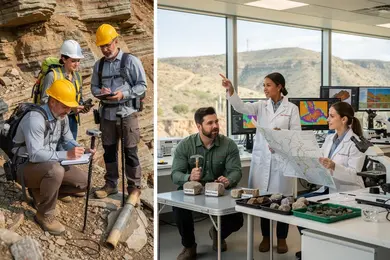
Online geosciences programs present distinct challenges for students targeting research roles within universities or federal labs, particularly due to limited hands-on training opportunities. Graduates aiming to become research scientists, data analysts, or lab technicians must develop proficiency in specialized software for geological modeling, GIS, remote sensing, and advanced statistical methods-skills not uniformly taught in online formats. For instance, professionals working in university environmental labs are often tasked with climate change modeling, integrating remote sensing data with field sample analysis, whereas mineralogists in national labs focus heavily on precise laboratory instrumentation and geochemical assays.
Securing fieldwork experience is critical yet difficult for remote learners, usually necessitating internships or partnerships with local institutions to meet practical requirements. Employers in this sector emphasize candidates' ability to obtain research funding, manage complex datasets, and publish peer-reviewed work, elevating the importance of strategic skill acquisition beyond theoretical knowledge.
The growing internationalization of geosciences research demands strong cross-cultural communication and digital collaboration competencies, particularly as over half of global MOOC participants hail from low- or middle-income countries. This trend expands competition but also creates avenues for diverse collaborative projects.
- Technical expertise in GIS, remote sensing, and laboratory protocols is a decisive hiring factor.
- Hands-on experience remains an indispensable supplement to online coursework.
- Effective navigation of research administration, including funding and compliance, enhances employability.
Source: research.com
What salaries, advancement paths, and job outlook can geoscience researchers expect?
Salary trajectories in geosciences research vary significantly by specialization and institutional funding, with entry-level roles typically earning between $60,000 and $85,000 annually, while senior researchers and project leaders can command $120,000 or more. This range reflects demand for expertise in niches such as environmental geoscience, hydrogeology, and geospatial analytics, which increasingly intersect with federal agency priorities and consultancy work.
Advancement requires more than tenure; success hinges on peer-reviewed publications, effective grant procurement, and the ability to lead multidisciplinary teams. For example, a researcher specializing in climate change may start as an analyst and progress into policy advisory roles, illustrating the value of versatility aligned with evolving governmental research needs.
The geosciences job outlook predicts moderate growth (around 5%) over the next decade. However, sustaining a career in research institutions demands ongoing skill development, particularly in data modeling, remote sensing, and grant writing. Candidates leveraging online master's degrees, often costing $12,000 to $25,000, can enter the workforce with less debt and competitive credentials compared to traditional on-campus STEM programs priced between $30,000 and $50,000.
Practical training in research methods and certifications enhances employability and supports transitions into research management or administrative positions, where compensation premiums reflect complex project oversight responsibilities.
- Starting salary range: $60,000-$85,000
- Senior roles: $120,000+
- Online master's degrees tuition: $12,000-$25,000
- On-campus STEM tuition: $30,000-$50,000
How can applicants evaluate and choose the best online geosciences program for their goals?
Advanced geosciences programs must be evaluated primarily on their alignment with targeted career outcomes rather than institutional prestige. For candidates aiming at research institutions or national labs, programs embedded within federally funded projects or government partnerships offer direct pathways to employment. The American Geosciences Institute's 2024 workforce report reveals under 1% unemployment among geoscience PhDs and median mid-career salaries exceeding $120,000, emphasizing the demand for research-intensive skills and professional networks.
Applicants should assess whether curricula emphasize quantitative methods, fieldwork, and interdisciplinary approaches critical for modern geoscience careers. Programs offering internships or collaborations with supercomputing centers or national laboratories provide not just training but tangible connections to employers. For example, a professional transitioning into earth system modeling benefits more from faculties specializing in computational geosciences than from lecture-heavy, theory-focused alternatives.
Cost and flexibility considerations must not overshadow the availability of active faculty mentorship and research infrastructure. Online options should replicate synchronous seminars and access to fundable projects to maintain rigor. Additionally, accreditation and recognition by top-level research employers determine eligibility for advanced roles at U.S. national labs.
Practical challenges such as lab access for remote students and time zone disparities should factor into final program choices, as these can materially influence both skill acquisition and networking opportunities crucial for career progression.
Other Things You Should Know About Geosciences
The best online geosciences programs of 2027 for professionals emphasize a strong integration of virtual fieldwork, flexible scheduling, and advanced data analysis tools. They offer collaboration opportunities with researchers and provide access to cutting-edge resources, ensuring that graduates are well-prepared for impactful research careers.
Online programs often rely on asynchronous communication, limiting spontaneous scholarly interaction integral to research development. This can hinder building professional networks and accessing informal mentorship, unlike on-campus environments. Applicants targeting research institutions should select programs with structured synchronous sessions, active peer projects, and faculty engagement to offset networking gaps inherent in remote learning.
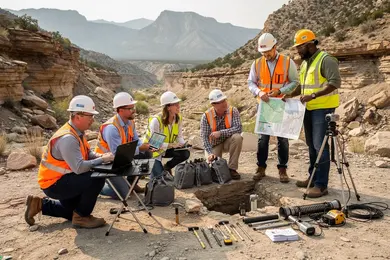
Most research-track online geosciences programs require one or more in-person field sessions, often 1 to 2 weeks long, plus weekend or summer laboratory residencies. Students must usually document field safety training, travel readiness, and completion of required mapping or sampling exercises before graduation.
Employer acceptance varies depending on the program's reputation, faculty expertise, and research opportunities rather than modality alone. Graduates from well-established online programs that integrate rigorous research components and have proven track records receive comparable consideration. However, for early-career professionals, supplementing an online degree with published research or conference participation strengthens competitive positioning.
References
- Geosciences Training Courses | Explore Earth Sciences https://www.findcourses.co.uk/search/geosciences-training-courses
- Supporting Geoscience Students https://www.grow-geocareers.com/forgeodepartments
- Best Online Geoscience Courses and Programs | edX https://www.edx.org/learn/geosciences
- Understanding Academic Accreditation for Online Universities https://www.qahe.org/article/understanding-academic-accreditation-for-online-universities/
- Job Offers https://www.gfz.de/en/career/job-offers
- The Geological Society - Degree Accreditation https://www.geolsoc.org.uk/education-and-resources/universities/university-degree-accreditation/
- Quality Standards and Accreditation of Distance Education Programs in a Pandemic - OJDLA https://ojdla.com/articles/quality-standards-and-accreditation-of-distance-education-programs-in-a-pandemic
- Geology - ABET https://www.abet.org/accreditation/new-and-developing-program-areas/geology/
- Working Geoscience https://profession.americangeosciences.org/working/
- How to become a Geoscientist in Ireland https://www.gsi.ie/en-ie/education/life-as-a-geoscientist/Pages/Where-to-study-in-Ireland.aspx