2027 Online Geosciences Degrees With Earth Surface Processes Concentrations

Co-Founder and Chief Data Scientist
Professionals seeking to specialize in earth surface processes confront a complex decision: how to obtain advanced training without halting their careers or relocating. The rise in fully online Geosciences programs with focused concentrations offers a viable solution, yet choosing among them requires careful evaluation of curriculum depth, hands-on learning opportunities, and employer recognition. According to the National Center for Education Statistics, over 50% of graduate-level STEM enrollments now engage in online study, reflecting demand for flexible pathways that accommodate working adults and nontraditional students. This shift impacts how institutions structure programs and how students prioritize career relevance versus academic rigor.
This article examines current online geosciences degrees with earth surface processes concentrations, emphasizing critical factors to help prospective students select programs that align with real-world career advancement and practical skill acquisition.
Key Things You Should Know
- Graduates with Earth surface processes concentrations face a labor market where 18% of geoscience roles require field skills that online degrees often underdeliver, necessitating hybrid or supplementary field training for competitive impact, per the US Bureau of Labor Statistics 2024.
- Employer demand for remote data analysis expertise rises 12% annually in environmental consulting firms, pressuring candidates to prioritize technical software proficiency over broad theoretical knowledge in online curricula.
- Online Earth surface processes programs typically reduce costs by 30%, but extended degree completion times-averaging 4.7 years versus 4 years on-campus-delay workforce entry and may increase cumulative debt, spotlighting a tradeoff between upfront savings and delayed earning potential.
What is an online geosciences degree with an earth surface processes concentration?
An online geosciences degree with earth surface processes focus demands balancing theoretical understanding with practical application, particularly in remote settings where hands-on lab access is limited. Distance learning geosciences programs specializing in earth surface processes equip students with expertise in analyzing soil formation, erosion, sediment transport, and landscape change-skills critical to roles such as flood risk assessment for urban planning and landslide evaluation in infrastructure projects.
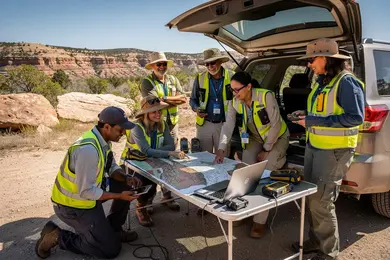
Employers emphasize proficiency in geographic information systems (GIS), remote sensing, and data modeling to predict and mitigate geological hazards effectively. Graduates often find opportunities in environmental consulting or government agencies when they demonstrate measurable technical skills combined with local fieldwork experience, which typically requires coordination beyond the online curriculum.
The program's workload necessitates strong quantitative capabilities, and while it offers flexibility for working professionals, it can limit direct engagement with physical samples or equipment. Prospective students should consider how to secure field assignments through employers or local partnerships to offset remote learning constraints.
Economic forecasts remain favorable: geoscientists earn a median annual salary near $99,240, with a projected 3% employment growth through 2034. This alignment makes the specialization valuable for professionals seeking targeted entry into applied geoscience roles. For those contemplating a major career shift, practices demonstrated by SLPs illustrate the importance of strategic planning and skill translation during transitions.
How do online geosciences programs in earth surface processes work compared to campus options?
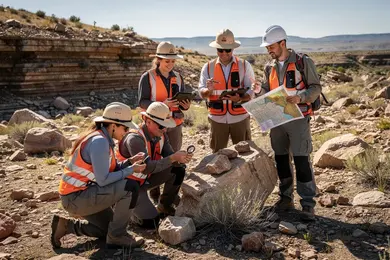
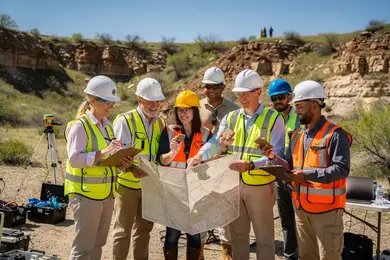
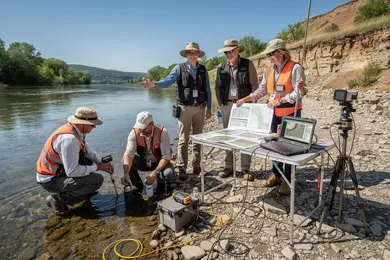
Online geosciences degree earth surface processes curriculum diverges sharply from campus-based programs in hands-on training delivery, demanding students offset a lack of direct field access with independent initiative. Unlike on-campus options that integrate laboratories and fieldwork into their semester-long sequence, online formats rely heavily on virtual simulations and remote sensing tools. This necessitates that learners actively pursue local internships or site visits to gain practical skills, introducing logistical challenges absent from traditional cohorts.
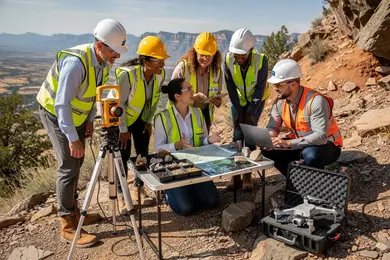
Employers in geotechnical consulting and related fields consistently prioritize candidates with documented field experience paired with analytical proficiency. Purely online students must compensate for diminished in-person mentorship by leveraging programs that offer industry partnerships with remote field projects or by cultivating regional networks. Curricular structures often condense core laboratory techniques into intensive workshops or summer residencies, which, while convenient for working professionals, require strict time management and sometimes added travel.
A fire mitigation specialist studying remotely may analyze GIS and erosion data but needs to independently verify models through onsite visits-tasks seamlessly embedded in campus curricula. This real-world tradeoff illustrates the practical friction faced by online learners within the broader workforce landscape, where adaptability is key to credential relevance.
Given the projected 5% growth in surface and subsurface geoscientist roles by the U.S. Bureau of Labor Statistics, flexibility in education pathways is vital. Prospective students should carefully weigh the differences between online and campus geosciences programs earth surface processes to align their educational choices with employability outcomes and skill development demands.
For those considering alternative STEM advancement routes, exploring options such as an online masters in data science can offer complementary competencies to bolster analytic availabilities within geosciences careers.
Which accredited schools offer online geosciences degrees focused on earth surface processes?
Access to accredited online geosciences degree programs with earth surface processes concentrations remains limited, constraining options for students seeking specialized expertise without geographic relocation. Florida Atlantic University uniquely offers a Bachelor of Science in Geosciences with a focus on earth surface dynamics, sedimentology, and geomorphology. Yet, non-resident students face costs nearing $85,000, a steep investment that starkly illustrates the financial barriers posed by specialized, fully online pathways.
Compared to broader online geo- or environmental science degrees that dilute focus with electives or require campus visits, these focused programs better align with technical roles in environmental consulting, hydrology, and natural hazard analysis. However, employers typically prioritize candidates with field experience, imposing practical limits on the efficacy of purely online formats. Hybrid models incorporating regional field stations may serve those balancing remote study with workforce credibility.
Prospective students evaluating the best online geosciences schools offering earth surface processes concentrations should consider tradeoffs between program depth, cost, and hands-on requirements. For instance, remote learners targeting niche specialization might find less flexible curriculum paths in broader Earth Science degrees, while more accessible programs often lack concentrated content critical for certain job markets.
Professionals exploring accelerated educational routes might also compare options such as an accelerated bachelor's degree computer science online, depending on career pivot goals and industry demands.
What courses and specializations are included in earth surface processes online curricula?
Online earth surface processes courses in geosciences degrees allocate roughly 20 to 30 credits, or about 17-25% of total program requirements, targeting core competencies such as landscape evolution, sediment transport, soil formation, and fluvial geomorphology. These components emphasize the physical forces shaping terrestrial environments, a foundation essential for roles in environmental consulting, natural hazard analysis, and resource management. The focus on quantitative modeling to predict sediment deposition and landscape change differentiates candidates for analytical and policy-influenced geoscience careers.
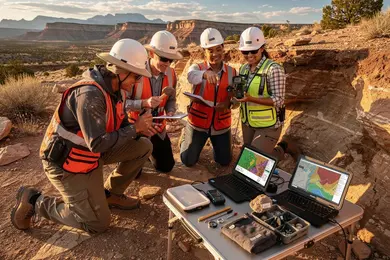
Specializations in earth surface processes for geosciences online programs frequently integrate remote sensing and GIS tools, enabling nuanced spatial analysis relevant for erosion monitoring and watershed management. Advanced modules addressing surface hydrology or coastal processes cater to civil engineering and climate resilience sectors, although the absence of in-person internships and local fieldwork may restrict hands-on experience, which is a notable tradeoff for those targeting strictly field-based roles.
Prospective students should assess how these programs align with employer expectations that prioritize not only theoretical knowledge but also practical application through software proficiency. The virtual format often includes laboratory simulations to mitigate the gap in fieldwork exposure but may not substitute fully for direct environmental sampling skills. Those aiming for positions within federal agencies or research institutions will find alignment with competency frameworks, but analytic and policy pathways benefit most. For veterans exploring strategic pivots, military friendly online electrical engineering degree programs highlight the importance of matching program features with intended career trajectories.
What are the admission requirements for online geosciences degrees in earth surface processes?
Admission to online geosciences degrees with an earth surface processes concentration often hinges on demonstrated competency in foundational sciences and quantitative reasoning. Employers expect graduates to master core principles from chemistry, physics, and calculus to effectively analyze earth surface dynamics. Without these prerequisites, applicants face conditional acceptance or must undertake remedial coursework, which extends completion time and increases financial burden.
Though standardized tests are less frequently required, some competitive programs use them to differentiate candidates near GPA cutoffs. Letters of recommendation emphasizing technical aptitude and spatial reasoning skills remain a standard admission component, reflecting workforce needs for data literacy and analytical precision.
GIS proficiency is increasingly essential, with programs like Commonwealth University's EGGS 242 - Mapping and GIS Fundamentals requiring familiarity or readiness to engage with spatial technologies. Lack of GIS background can impair early academic progression and reduce employability in GIS-centric roles.
Applicants bringing professional experience in environmental consulting or resource management may partially offset academic gaps, yet program policies on substituting work experience vary. Prospective students should verify acceptance of nontraditional credentials early to optimize application strategy and avoid unexpected enrollment barriers.
How long do online earth surface processes programs take and what do they cost?
Completion time for online earth surface processes degrees varies significantly with enrollment format: bachelor's programs generally require four years full time but may extend to five or more years part time, while master's degrees typically take 18 to 24 months full time or up to three years part time. This temporal flexibility often comes at the cost of prolonged opportunity costs, particularly for working professionals balancing job responsibilities.
Financially, tuition ranges from $300 to $800 per credit hour at accredited institutions. Bachelor's degrees accumulate between $40,000 and $80,000 in total tuition, while master's programs cost $20,000 to $45,000. Additional expenses such as fees, textbooks, and software licenses add roughly 10-15%, complicating budgeting for part-time learners. Employers often view graduate study as a prerequisite for advanced roles in earth surface processes, emphasizing modeling and analytical skill sets.
For example, geoscientists specializing in architectural and engineering services-a sector with a median wage near $98,630-may find masters credentials necessary to access higher-paying positions or leadership tracks. Balancing curriculum demands, especially synchronous labs or fieldwork, with employer tuition benefits and personal time constraints is critical. Students must verify program delivery modes upfront to minimize conflicts with work schedules and maintain manageable workloads.
What careers can you pursue with an online earth surface processes degree?
Graduates holding an online earth surface processes degree enter a niche with tangible employer demands shaped by environmental risk assessment and resource management. Practical skillsets that bridge data interpretation and regulatory familiarity often differentiate strong candidates from technically proficient ones. For example, a consulting geologist tasked with landslide mitigation must integrate localized site data with wider geomorphological context to inform urban planning decisions, illustrating the blend of field expertise and stakeholder communication required.
Entry-level positions typically start in field technician or GIS analysis roles, with career advancement hinging on specialized certifications and applied experience in sectors like environmental regulation or engineering geology. Employers-in consulting firms, government bodies, and energy companies-prioritize candidates who demonstrate technical proficiency and an ability to navigate complex land-use frameworks.
Job availability skews regionally, favoring locations with active infrastructure, mining, or environmental remediation efforts. Geographic flexibility enhances prospects but introduces relocation considerations that impact long-term career strategy.
Salary expectations for these roles align with natural sciences benchmarks, with median annual wages near $100,000 per U.S. Bureau of Labor Statistics data, reinforcing the degree's financial viability within geosciences. However, graduates should anticipate continuous skill development in software for terrain analysis and remote sensing alongside expanding communication competencies with nontechnical stakeholders.
What is the salary potential and job outlook for earth surface processes professionals?
Salary ranges in earth surface processes span roughly $60,000 to $110,000 annually, but the critical factor is how specialization and geographic location shape opportunities. Entry-level roles in environmental consulting or government settings typically start near $60,000, whereas hydrogeologists or geomorphologists with experience in federal labs, oil and gas, or environmental remediation can exceed $100,000. The U.S. Bureau of Labor Statistics projects a modest growth of about 800 new surface process-related jobs from 2024 to 2034, driven by regulatory demands, climate resilience initiatives, and resource management needs.
Employers give preference to candidates with robust technical skills, particularly in GIS, remote sensing, and data modeling, alongside traditional geoscience foundations. Hiring often centers on adaptable professionals capable of multidisciplinary problem-solving, such as managing erosion control or groundwater sustainability challenges. Those targeting higher compensation or job stability should consider certifications in environmental management or software proficiency, as well as geographic flexibility due to intense metropolitan competition.
Master's degrees increasingly influence eligibility for supervisory or research roles, shaping salary ceilings and career progression timelines. For instance, a professional pivoting into coastal geomorphology or contaminant hydrogeology in less saturated areas may access better advancement prospects than peers in crowded urban markets.
Are licensing or professional certifications needed for earth surface processes careers?
Licensing and professional certifications are often pivotal variables that separate entry-level roles from those with regulatory authority or management responsibilities in earth surface processes. For example, environmental consulting jobs or geological hazard assessments routinely require a Professional Geologist (PG) license, which involves passing state-administered exams and logging multiple years of documented work experience. This credential grants legal authority to approve reports and supervise projects, a significant distinction from research-focused positions typically found at agencies like the US Geological Survey (USGS), where formal licensure is less emphasized.
Practical career planning necessitates balancing upfront education costs against the eventual need for licensure preparation and accumulated experience. Online programs charging around $320 per credit hour may offer cost relief but seldom cover licensing exam readiness or provide the supervised work experience crucial for PG or Professional Engineer (PE) qualifications. Those pursuing construction geology or land development fields should anticipate stricter licensure mandates due to safety and liability concerns.
Key practical steps include:
- Completing an accredited geoscience degree focused on earth surface processes.
- Accumulating 3-5 years of supervised work experience dictated by state boards.
- Passing the Fundamentals of Geology (FG) and Professional Geologist (PG) exams where applicable.
- Obtaining certifications in GIS, sedimentology, or soil science to enhance employability.
These factors require candidates to strategically invest time beyond tuition fees into certifications and internships, especially when employers expect practical credentials alongside academic achievements.
How can you evaluate and choose a reputable online earth surface processes program?
Choosing an online earth surface processes program requires prioritizing credentials that align with employer expectations and practical skill development. Regional accreditation combined with affiliations to recognized geosciences bodies signals program legitimacy and industry relevance. Curricula must address up-to-date competencies such as applied erosion modeling, sediment transport, and GIS integration, ensuring graduates can meet workforce demands.
Programs that integrate hands-on elements like virtual labs, field data simulators, internships, or capstone projects foster the practical experience employers seek. For instance, students aiming for federal agency roles need coursework on geological survey methods and policy, validated by government or reputable research institutions. Alternatively, private sector engineering positions emphasize applied mechanics and real-time data analysis, requiring tailored curricula.
Student logistics are decisive: flexibility in delivery formats, part-time options, and technical support significantly impact completion and competency. With over 80 options for U.S. online geosciences programs-as reported by Educations.com for 2025-candidates should evaluate graduation rates, employer feedback, and alumni employment outcomes. Paid certifications or specialized electives targeting earth surface processes further refine specialization versus broad geoscience training.
Request transparent outcome data and confirm robust career services to improve navigation of the geosciences labor market. Addressing software complexity and data platform challenges upfront reduces attrition risks.
Other Things You Should Know About Geosciences
Specializing in earth surface processes narrows job opportunities primarily to sectors like environmental consulting, hydrology, and geomorphology research. This focus offers depth but limits transitions into broader roles such as petroleum geology or mineral exploration, which require different skill sets. Students aiming for diverse geosciences careers should consider supplementing the concentration with electives or certificates in complementary disciplines.
Programs in earth surface processes demand substantial time for data interpretation, GIS modeling, and laboratory work, which remain challenging in an online format. Students balancing employment or family obligations must plan for irregular hours, especially when coordinating field assignments or accessing virtual labs. Prioritizing programs with asynchronous content and flexible submission deadlines can mitigate work-life conflicts.
Yes, many programs require at least one field methods or lab course, even online. Students often complete 1–2 short residencies, weekend field exercises, or local data-collection assignments to meet geology competencies and degree requirements.
References
- Careers That Require a Certification or License https://www.columbiasouthern.edu/blog/blog-articles/2025/february/jobs-careers-require-license-certification/
- Careers in the Earth Sciences https://earthsciences.dartmouth.edu/undergraduate/careers-earth-sciences
- Earth Surface Processes https://www.massey.ac.nz/study/courses/earth-surface-processes-233212/
- This website is not available in your country https://www.eurosciencejobs.com/article/776/industry-certifications-for-science-careers-enhancing-qualifications-and-marketability
- Geosciences Bachelors Degree (BS) https://www.nextstudent.com/accelerated-degrees/geosciences-bachelors-degree/
- What Does the Future Demand Look Like for Applied Geoscientists? https://www.aegweb.org/index.php
- Career Brochure https://asprs.org/Main/Main/Membership/Career-Brochure.aspx
- Online Geoscience Degrees: Top Schools and All Programs in 2026 https://www.gisdegree.org/online/geoscience-degrees/
- Geoscientists and oceanographers | WorkBC https://www.workbc.ca/career-profiles/geoscientists-and-oceanographers
- Modelling Earth surface processes and their interactions with tectonics, climate and the evolution of life https://www.gfz.de/en/section/earth-surface-process-modelling/topics/modelling-earth-surface-processes-and-their-interactions-with-tectonics-climate-and-the-evolution-of-life