2027 Online Geosciences Degrees With Environmental Agency Career Alignment

Co-Founder and Chief Data Scientist
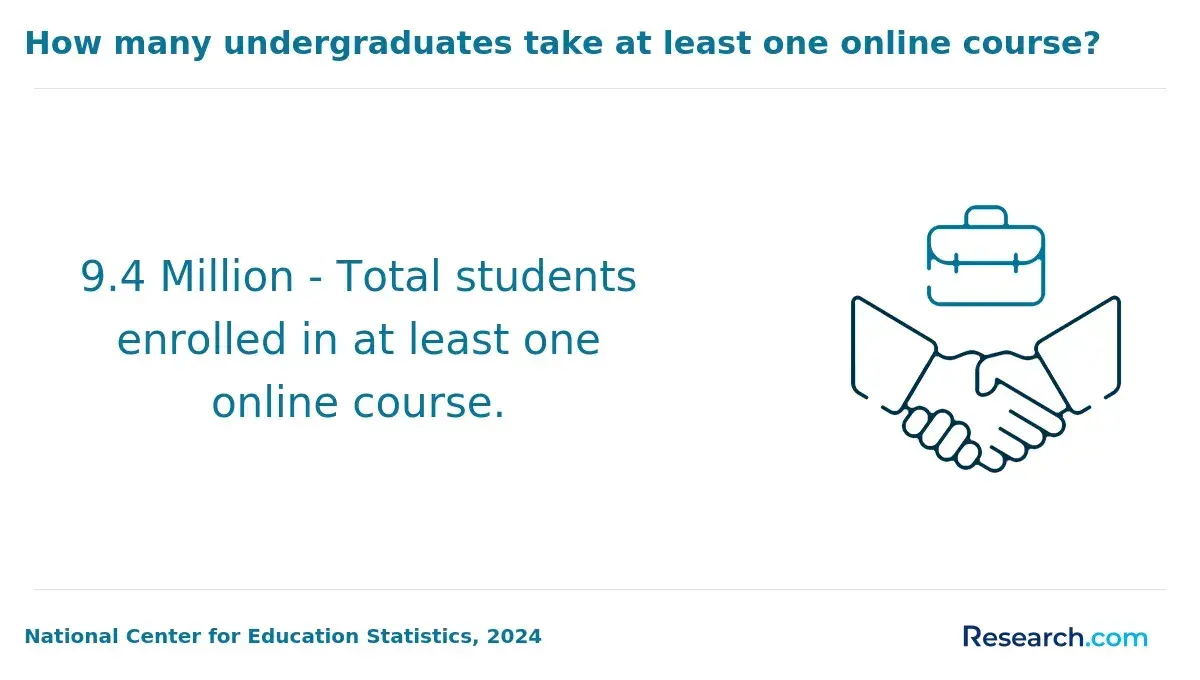
Professionals aiming to transition into environmental agencies often confront the dilemma of balancing ongoing work commitments with the need for specialized geosciences qualifications. This tension intensifies as agencies increasingly demand candidates who combine technical expertise with flexible availability, yet traditional degree timelines rarely accommodate midcareer shifts. Data from the National Center for Education Statistics shows a 45% surge in adult enrollment in online science programs over the past two years, signaling a shift toward educational models that meet these time-sensitive and accessibility challenges.
This article evaluates online geosciences degree options aligned with environmental agency career pathways, focusing on program structures that optimize readiness and employability for working professionals.
Key Things You Should Know
- Federal environmental agencies report a 12% projected growth in geosciences roles through 2030, but online degrees often lack field-specific internships required for EPA entry-level positions, creating a critical hands-on experience gap.
- Employer surveys from 2024 show 68% of environmental agencies prioritize candidates with certifications linked to accredited fieldwork over purely online credentials, influencing hiring despite degree accessibility.
- Cost analysis indicates fully online geosciences degrees reduce average expenses by 30%, yet extended program durations-averaging 2.5 years versus 2 years on-campus-delay workforce entry, impacting salary trajectory timing.
What are online geoscience degrees for environmental agency careers?
Securing a role within government environmental agencies requires more than academic credentials; practical skills aligned with regulatory frameworks are indispensable. Online geosciences degrees for environmental careers in the US provide foundational expertise in geology, hydrology, and soil science, integrated with coursework on environmental management tailored to policy mandates such as the Clean Water Act. However, employers prioritize candidates able to interpret geological data, conduct impact assessments, and implement risk mitigation within these legal confines.
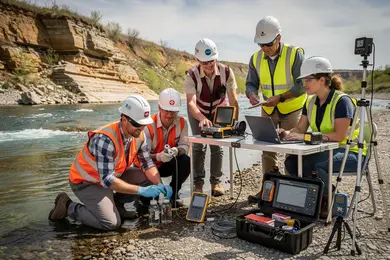
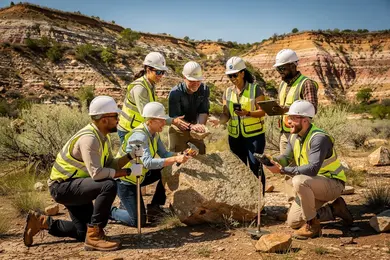
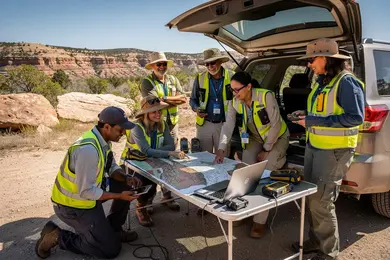
Programs that emphasize virtual labs and remote sensing must be evaluated for their capacity to arrange local practicums or internships. Without direct field experience, graduates risk falling short of the competency expectations typical in agency hiring processes. Strategies for bridging this gap often involve targeted certifications and cooperative placements, ensuring skill applicability beyond theoretical knowledge.
Wages for federal, state, and local agency positions reflect stable demand, with environmental scientists earning median salaries around $80,000 and geoscientists approximately $99,000 according to Bureau of Labor Statistics data. Prospective students should weigh program accreditation rigor and real-world skill support to mitigate skill gaps. Selecting environmental agency aligned online geosciences programs means consciously addressing practical exposures to GIS, environmental sampling, and compliance topics.
For professionals navigating a career shift, resources on pathways such as how to become a speech pathologist illustrate structured approaches to pivoting effectively by supplementing formal education with role-specific competencies.
Which accreditation should online geoscience programs have?
Choosing an online geosciences program without regional accreditation and relevant programmatic credentials-such as those from the American Geosciences Institute-affiliated bodies or the Council on Education for Public Health (CEPH) for programs with a strong environmental science emphasis-can significantly limit professional opportunities. Employers operating in environmental agencies and consulting firms expect applicants to hold degrees from accredited sources to ensure compliance with complex regulations in areas like water resource management and environmental impact analysis. A graduate of a nonaccredited program risks facing obstacles in government certification or licensing, particularly in states with strict professional geologist requirements.
Verification that a program's curriculum meets state-specific licensing standards is critical for prospective students targeting careers in public agencies or federal environmental roles. Practical training access, including internships and research aligned with agency expectations, is often tied to reputable accreditation. This access bolsters employability in a field where federal investment in environmental infrastructure is expanding, and workforce demand grows at 5% to 6%, exceeding average occupational growth.
For working professionals balancing priorities, evaluating accredited online degrees embeds essential workforce relevance-but beware of credit transfer issues from unaccredited programs or those lacking environmental agency approved geosciences degrees online. Consider also options that offer specialized training in environmental engineering; comprehensive reviews on these programs can be found through resources such as environmental engineering degree listings.
What careers can a geoscience degree lead to in environmental agencies?
Graduates with a geoscience degree targeting environmental agency career paths encounter roles requiring a blend of technical expertise and policy acumen. Positions such as environmental scientists or hydrologists at agencies like the EPA involve analyzing groundwater contamination or assessing natural resource risks, where complex geospatial data interpretation is routine. This operational reality demands proficiency beyond theory, including strong Geographic Information Systems (GIS) skills and environmental modeling.
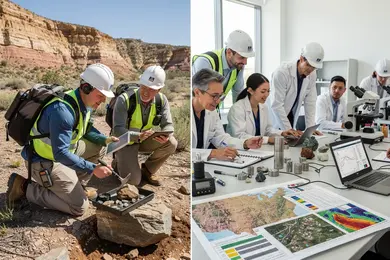
Employment in environmental compliance or consulting hinges on navigating regulatory frameworks alongside geoscience principles, reflecting the practical complexity of these roles. A typical challenge is managing the balance between extensive fieldwork and rigorous lab data analysis, underscoring the value of programs emphasizing hands-on internships or cooperative education within government bodies.
Financially, environmental geosciences majors outperform many peers, with median earnings near $55,693 four years after graduation and student loan balances around $24,750, producing a favorable earnings-to-debt ratio. However, salary variability across regions and agency budgets warrants strategic specialization decisions, such as focusing on water resource management versus climate policy.
Those exploring geoscience degree jobs in environmental protection agencies should weigh these operational tradeoffs and seek programs that integrate practical experience, which improves early workforce integration. For related health science parallels, prospective students can compare offerings in exercise science degrees online for insights on program structures emphasizing applied learning.
Is an online geoscience degree respected by employers?
Employers in environmental agencies and related fields increasingly recognize the practical value of an online geoscience degree when the program includes accredited, skills-based components such as GIS, data analysis, and applied environmental assessment. These competencies, integrated with supervised fieldwork or internships, align the graduate's capabilities with real-world job demands. Online geoscience degree employer recognition hinges on such experiential elements rather than purely theoretical curriculum.
For example, a professional seeking federal environmental protection work benefits from an online degree demonstrating applied skills via a capstone or practicum. However, entry-level technical roles or licensed field geologists typically require credentials from programs offering in-person components that meet certification standards. This distinction underscores the tradeoff between flexibility in online study and the necessity for hands-on experience linked to regulatory requirements.
Environmental science graduates show employment rates above average and reduced unemployment according to recent HESA data, emphasizing the growing workforce relevance of practical training embedded within online degrees. Prospective students should critically evaluate programs on accreditation, availability of supervised fieldwork, and partnerships with local agencies to ensure alignment with employer expectations and actual job market needs.
Cost remains a significant consideration in choosing a graduate degree path. Those comparing options should review the average cost of MLIS degree US alongside geoscience programs to contextualize investment against expected outcomes.
Key factors influencing the value of geoscience degrees in environmental careers include:
- Inclusion of rigorous fieldwork or practicum components in online programs
- Accreditation status assuring adherence to industry standards
- Alignment of curriculum with employer-prioritized technical skills such as GIS and environmental impact assessment
- Recognition by licensing or certification bodies for relevant career paths
What courses are included in online geoscience programs?
Online geoscience programs balance foundational theory with applied skills to address employer demand shaped by environmental and energy sectors. Graduates face a choice: programs heavy on technical theory may delay job readiness, while those integrating geographic information systems (GIS), remote sensing, and data analysis align better with entry-level expectations in resource management and regulatory roles.
Workforce data reflects this gap. Clean energy employment grew nearly twice as fast as the supply of qualified workers, demanding geoscientists who can engage in climate science and sustainable resource management with tangible, practical skills.
Key program components often include courses in physical geology, mineralogy, sedimentology, plus specialized classes in soil science and environmental impact assessment, which are essential for compliance and risk analysis roles in government agencies.
Prospective students should critically assess whether programs offer experiential learning like virtual labs or field projects to compensate for remote study's hands-on limitations. This practical exposure is crucial for transitioning into roles such as groundwater management or renewable energy siting, where technical expertise must interface with policy and compliance.
Deciding on a program means weighing the tradeoff between immediate job-market preparation and longer-term conceptual mastery, depending on career goals in conventional environmental agencies versus emerging clean energy sectors.
What admission requirements do online geoscience programs have?
Geoscience online programs demand a clear academic foundation combined with practical considerations affecting student outcomes and workforce readiness. Admission typically requires a high school diploma or GED, alongside STEM coursework in math, physics, and chemistry. Bachelor's degrees often request SAT/ACT scores, though more programs now allow test-optional submission, reflecting the need to accommodate professionals balancing work and study. Transfer candidates must meet GPA thresholds between 2.5 and 3.0, which affects competitiveness and program fit. Graduate studies prioritize relevant undergraduate degrees, strong academic records, and sometimes prerequisite courses designed to ensure preparedness for advanced technical material.
Success in admission hinges on demonstrating technology proficiency-specifically in GIS software and quantitative analysis-given employer demand for graduates who can swiftly contribute to geospatial analytics markets projected to nearly triple by 2030-2035. Letters of recommendation and personal statements are critical for graduate candidates, showcasing professional aptitude and alignment with evolving environmental applications.
Applicants must be realistic about logistical and compliance challenges: reliable internet access, sufficiently powerful computing resources, mandatory synchronous sessions, and varied internship requirements. These factors may complicate students located far from program-affiliated sites or state licensure jurisdictions. Balancing these tradeoffs, especially in cohorts with strict attendance policies, is essential for persistence and employability after graduation.
How long does an online geoscience degree take?
Completing an online geoscience degree within the typical four-year timeframe aligns with employer expectations for foundational knowledge and timely skill acquisition. Accelerated or part-time formats offer flexibility but introduce tradeoffs: faster completion may disrupt income due to heavier course loads, while extended timelines can increase educational costs and risk diminished marketability.
For working professionals, programs that incorporate asynchronous learning and virtual simulations alongside local fieldwork reduce geographic and scheduling barriers yet may prolong degree duration. This balance is critical in governmental or private environmental consulting roles where hands-on experience and foundational geoscience competencies remain prioritized.
Workforce projections underline stable demand for professionals with this background, with roughly 90,000 U.S. environmental science-related positions commanding median salaries near $80,000 and 8,500 annual openings from 2024 to 2034. However, employers typically prefer candidates who combine timely graduation with internships or relevant certifications, emphasizing credentials from accredited programs that maintain technical rigor.
Prospective students must weigh the financial implications of extending studies against the potential loss of income from accelerated paths. Practical enrollment decisions often hinge on course load limits, synchronous versus asynchronous delivery, and mandatory fieldwork, all influencing program length and subsequent employment readiness.
- Accelerated programs require continuous enrollment, including summer terms, intensifying workload for employed students
- Slower formats allow working while studying but may increase total costs and delay entry to full-time roles
- Hands-on components integrated with virtual tools help manage expenses but can extend completion times
How much do online geoscience degrees cost?
Online geoscience degrees in 2026 present a significant investment tradeoff, with total program costs ranging between $15,000 and $50,000 depending primarily on institution type, residency, and credit pricing models. Public universities typically charge $300-$500 per credit for in-state students, while private institutions can demand $600-$1,200 per credit, making accelerated programs or credit for prior learning vital considerations for working professionals seeking cost efficiency.
Beyond tuition, students must anticipate additional expenses such as technology fees, digital resources, and possible travel or equipment costs tied to fieldwork components. About 10% of graduates enter government roles where certification and licensing requirements influence not only employability but salary trajectories-a critical factor not often captured in sticker price comparisons.
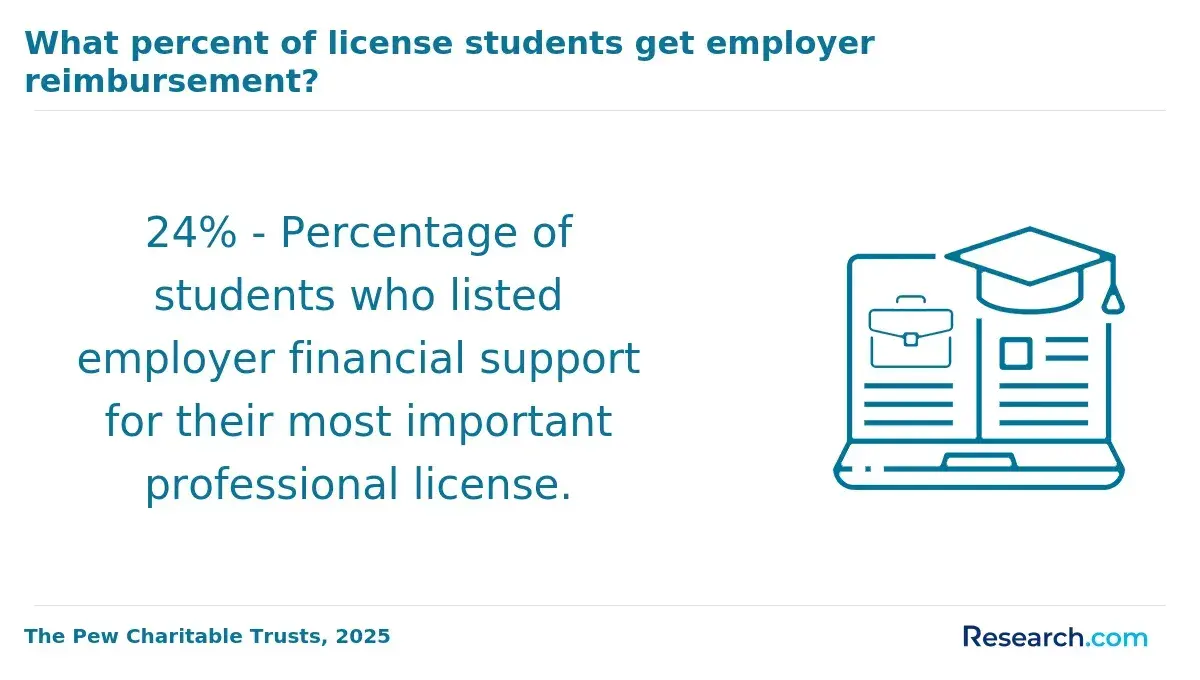
Financial aid often offsets tuition but seldom ancillary costs, while employer tuition assistance in public sector roles requires upfront verification of eligibility and limits. Transfer credit policies differ widely; accepting credits from accredited community colleges can lower expenses but demands strategic planning to avoid delayed graduation.
For candidates targeting environmental agency positions, evaluating total cost relative to regional starting wages and program alignment with government job qualifications reveals which online geosciences degrees deliver better return on investment despite higher upfront prices. Without this alignment, graduates risk extended job searches and lower initial salaries compared to their debt burden.
What salaries do geoscience careers in environmental agencies offer?
Environmental agencies offer geoscience roles with salaries that reflect strict pay scales influenced by government grade levels and geographic cost variations. Entry-level positions such as hydrologists typically align with GS-7 or GS-9 pay bands, earning approximately $55,000 to $65,000, while senior-level roles can reach GS-12 or GS-13 levels, with pay often approaching $90,000. These figures contrast with private consulting firms, which may offer 10-20% higher starting salaries but usually provide less job security and fewer structured benefits.
Career planning in this sector demands awareness of the tradeoffs between immediate compensation and long-term stability. For example, a new graduate weighing entry into an environmental agency must also consider frequent geographic relocation due to agency office distributions, often centered in regional hubs. Meeting federal qualification requirements and enduring extended background checks add further complexity to hiring processes.
Positions focus primarily on environmental compliance, resource management, and applied regulatory science, sustaining steady demand despite competitive entry hurdles. According to Appalachian State University GES outcomes, only 7% of graduates join these agencies, underscoring a niche sector with distinctive workforce dynamics and advancement opportunities governed by civil service frameworks.
Key considerations for candidates include:
- Weighing lower entry salaries against pension and promotion structures
- Accounting for geographic mobility to align with agency locations
- Navigating stringent federal hiring protocols and qualification standards
How do you choose a reputable online geoscience program?
Choosing an online geosciences program requires prioritizing accreditation from respected bodies to confirm the rigor of the curriculum and eligibility for certification. Programs connected with government agencies or industry partners often provide tangible benefits like internships and direct job pipelines-critical given the competitive job market where specialized graduates in energy and resource sectors can command salaries up to $110,000.
Faculty qualifications materially affect instructional quality; those with active research or industry experience offer insights into evolving technologies vital for maintaining professional relevance. Programs that balance theory with applied skills-particularly in fieldwork simulation, geospatial analysis, and data modeling-better prepare graduates for immediate employment.
For professionals shifting careers, flexibility in scheduling and asynchronous options can make or break feasibility. Mentorship and career services shape return on investment and should factor into decisions alongside graduate salary outcomes, where bachelor's degrees start in the $30,000-$40,000 range, but master's degrees generally achieve $50,000-$60,000 or more.
Technology infrastructure stability is not trivial; interruptions negatively impact learning continuity. Admission policies that recognize prior work or transfer credits accelerate degree completion and reduce unnecessary repetition. Such operational details often distinguish worthwhile programs from those with limited practical payoff.
Other Things You Should Know About Geosciences
Online geoscience programs targeting environmental agency careers typically emphasize data analysis, GIS mapping, remote sensing, and environmental modeling. These skills translate directly to government roles focused on land use, pollution control, and natural resource management. Programs that integrate hands-on software training and case studies yield graduates who can immediately tackle agency data sets and regulatory compliance tasks, reducing the onboarding time employers face.
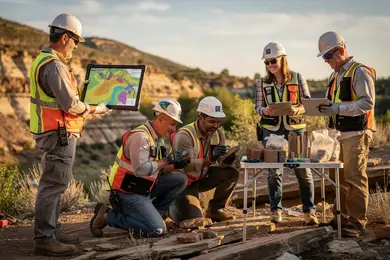
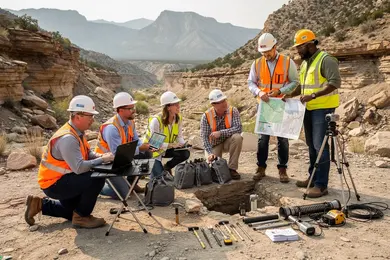
Fieldwork remains a critical component in geosciences, yet online programs vary in their approach to providing practical experience. Some offer limited or virtual labs which may not fully replicate the decision-making and physical data collection aspects valued by agencies. Prioritize programs that include mandatory in-person field sessions or partnerships with local agencies, as these components significantly impact job readiness and employer evaluations.
Most programs require high school algebra, chemistry, and one laboratory science, while transfer applicants often need college calculus and introductory geology. For federal environmental careers, employers also look for coursework in statistics, GIS, and environmental science, with grades of C or better in prerequisite classes.
References
- Online Geoscience Degrees: Top Schools and All Programs in 2026 https://www.gisdegree.org/online/geoscience-degrees/
- How Employers View Online Degrees: Interviews with Nine Hiring Executives https://www.onlineeducation.com/features/how-employers-view-online-degrees
- Early careers - Environment Agency https://environmentagencycareers.co.uk/early-careers/
- The Geological Society - Degree Accreditation https://www.geolsoc.org.uk/education-and-resources/universities/university-degree-accreditation/
- Best Online Geoscience Courses and Programs | edX https://www.edx.org/learn/geosciences
- Information about Geoscience Related Careers https://careerexplorer.americangeosciences.org/careersinfo/
- ThisIsGeoscience - Geoscience Salaries https://www.thisisgeoscience.com/the-resources/geoscience-salaries
- Careers in Geoscience: Environment https://www.aig.org.au/education/careers-in-geoscience/careers-in-geoscience-environment/