2027 Best Online Geosciences Programs for Professionals Seeking Hydrology Careers

Co-Founder and Chief Data Scientist
Hydrology professionals often confront rigid schedules and geographic constraints that limit opportunities for advanced specialization in their field. According to the National Center for Education Statistics, over 60% of graduate students in STEM-related disciplines now enroll part-time or via online platforms, signaling a shift toward flexible learning tailored to working adults. This trend matters because it directly influences how students balance immediate career demands with upskilling needs, especially amid growing employer expectations for specialized hydrology expertise.
This article evaluates online geosciences programs with a focus on accessibility, curriculum rigor, and workforce alignment to guide professionals aiming to advance or pivot within hydrology.
Key Things You Should Know
- Hydrology-focused geosciences programs often require 18-24 months full-time, with median tuition exceeding $40,000; accelerated formats reduce time but raise per-credit costs, forcing tradeoffs between expense and career reentry speed.
- U.S. Geological Survey data reveals employers prioritize graduates with applied hydrological modeling skills over broader theoretical geosciences knowledge, shifting program value toward specialized technical training.
- Certification pathways like Professional Hydrogeologist credentials demand coursework alignment and field experience, making program selection critical for licensure eligibility and long-term career mobility in government and private sectors.
What is an online geosciences degree and how does it prepare you for hydrology careers?
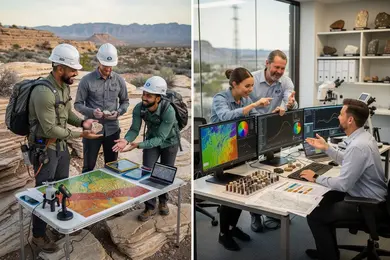
Online geosciences degree programs for hydrology careers address significant workforce shortages forecasted to reach 130,000 professionals by 2033, offering a practical path that prioritizes applied skills over geographic constraints. However, students must navigate a competitive job market where theoretical knowledge alone is insufficient; securing local internships or fieldwork is often decisive for employment, especially in municipal water management or environmental consulting. Employers favor those proficient in digital hydrologic modeling and GIS-based data interpretation-a skill set explicitly developed in well-designed curricula.
How an online geosciences degree prepares professionals for hydrology jobs depends largely on program quality factors such as accreditation, faculty expertise, and integration of real-time datasets. Programs that establish partnerships with water resource agencies bridge academic theory with real-world application, supporting career pivots for experienced professionals in engineering, environmental science, or policy roles focused on groundwater assessment or flood risk management.
The curriculum blends core earth system sciences with practical training in remote sensing, watershed management, and climate impact analysis. Yet, prospective students must weigh the challenge of gaining hands-on experience remotely and the importance of program elements like high-fidelity lab simulations. For candidates seeking advanced specialization in spatial analysis, exploring top GIS masters programs may complement hydrology-focused geosciences training.
Ultimately, these programs provide a structured, accessible route to build relevant competencies, but success hinges on deliberate effort to connect academic content with professional practice amid growing demand for hydrologic expertise.
Are online geosciences programs respected and properly accredited for hydrology-focused careers?
Accreditation is a decisive factor for online geosciences programs targeting hydrology careers, as federal and private employers consistently prioritize candidates with credentials verified by recognized bodies like ABET or regional accreditors. This emphasis arises because accredited curricula ensure mastery of hydrologic science, environmental systems, and critical data analysis skills, directly aligning with workforce demands projected by the U.S. Bureau of Labor Statistics, which anticipates 3% growth and roughly 500 annual openings for hydrologists from 2023 to 2033.
Reputable online geosciences degrees for hydrology professionals often integrate applied components, such as GIS labs and remote sensing, mitigating the challenge of remote fieldwork through partnerships with local facilities or virtual simulations. However, practical immersion remains a tradeoff to consider: without intentional experiential opportunities, graduates may face hurdles in roles requiring watershed analysis or urban water system management.
Candidates pivoting careers should vet programs carefully for specialized hydrology modules and employer recognition to avoid undercutting their job competitiveness. Consulting alumni placement rates and feedback can reveal program relevance beyond accreditation labels. For those seeking cost-efficient options while maintaining workforce alignment, exploring environmental engineering schools online can provide a comparative reference point and alternate pathway in water resource and environmental sectors.
How do online geosciences programs compare to campus-based options for hydrology training?
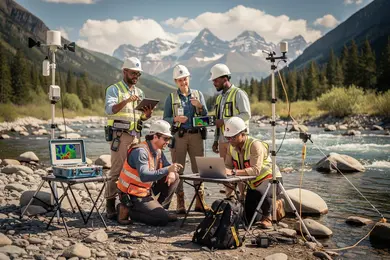
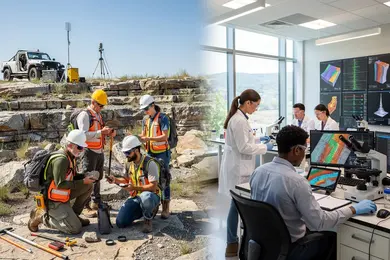
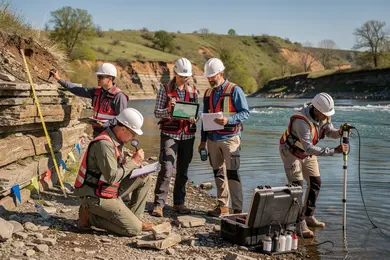
Choosing between online geosciences programs versus campus-based hydrology training involves weighing critical differences in practical skill acquisition essential to employability in hydrology careers. Online programs effectively convey theoretical foundations and hydrologic modeling but often lack the immersive, hands-on field experiences-such as stream gauging and soil sampling-that government and consulting employers expect. Professionals targeting fieldwork-intensive roles must consider supplemental local internships or lab access alongside online coursework to remain competitive.
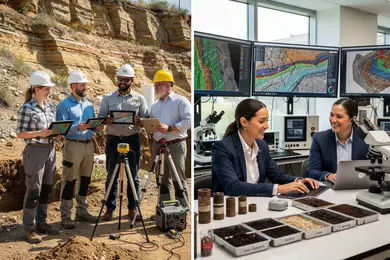
Campus-based programs embed specialized GIS and remote sensing labs, fostering advanced technical proficiency favored by employers. Online learners can mitigate these gaps by pursuing programs with robust virtual labs or partnerships enabling regional field site access, a practical option for those needing educational flexibility without geographic relocation. This balance is especially relevant for working professionals seeking to align schedules with career demands while aiming to grow within a median hydrologist wage of $84,030.
The quality of hydrology education in geosciences programs also depends on access to professional networks and internships typically structured within campus environments, which directly influence hiring outcomes and salary growth, especially in STEM fields. For roles prioritizing research, hydrologic modeling, or data analysis, online pathways increasingly suffice, though project-based government and consulting careers often necessitate hybrid or campus training emphasizing applied skills.
For those exploring options beyond geosciences, this approach parallels decision-making in other rapidly evolving fields such as computer science, where accelerated pathways exist. Students interested in a fast track computer science degree can find tailored, efficient alternatives at research.com, reflecting a similar tradeoff between speed, flexibility, and practical immersion.
Which types of geoscience degrees best support a professional hydrology career path?
Choosing hydrology-focused geoscience degree programs in the United States requires careful attention to curricula that combine field experience, quantitative analysis, and GIS skills. Degrees narrowly centered on general geology often fall short of equipping students with hydrologic modeling or regulatory knowledge vital for many water resource positions. This mismatch can limit employability in specialized roles, especially within environmental consulting and government agencies.
The pressing workforce shortage in hydrology, projected due to an estimated 27% retirement rate among geoscientists by 2029, intensifies competition for technically adept graduates. Employers favor candidates with practical expertise in contaminant transport, water quality assessment, and hydrologic data analysis. Licensure alignment and professional certification requirements further influence hiring decisions, making it essential to confirm that programs meet these standards.
Professionals pivoting from related STEM disciplines should weigh programs emphasizing both core earth science theory and hydrologic simulation tools like MATLAB or Python. For energy sector applications, coursework in reservoir hydrodynamics and climate impacts on groundwater enhances sector-relevant skills. Online hydrology degrees can address accessibility challenges if they integrate internships or partnerships with water agencies, balancing flexibility with hands-on learning.
Evaluating the best geosciences degrees for professional careers in hydrology means analyzing practical outcomes rather than institutional prestige. Prospective students must also consider financial aspects, and resources detailing MLIS degree cost offer useful frameworks for comparing program affordability alongside academic merit.
What core courses and specializations should a hydrology-focused online geosciences program include?
Hydrology-focused online geosciences programs must do more than cover basics; they require targeted coursework that aligns directly with employer expectations for immediate field readiness. Key subjects include surface water and groundwater hydrology, watershed modeling, hydrogeology, and water quality analysis. Omitting advanced hydroinformatics or geospatial analysis tools risks leaving graduates ill-equipped for data-intensive roles in water resource management or environmental consulting.
A professional shifting from civil engineering to hydrology, for example, needs specialized knowledge in sediment transport models and watershed simulation software to meaningfully contribute to flood risk mitigation projects. Employers also demand familiarity with regulatory frameworks and water law for compliance and policy roles, necessitating curriculum components that balance applied skills with a solid understanding of governmental water regulations.
Critical practical skills include proficiency with software tools such as MODFLOW and ArcGIS, supported by hands-on labs or simulations that mirror workplace scenarios.
When assessing cost versus outcomes, the University of Georgia's online M.S. in Environmental Geology, with tuition around $20,220, represents a relatively economical option featuring relevant hydrology specializations. This matters because targeted coursework can reduce the need for extended on-the-job training, accelerating career transitions and improving return on investment. Hydrology specialties garner competitive salaries in federal and state agencies, which makes strategic program selection essential for professionals seeking efficient workforce integration and advancement.
What are typical admissions requirements for online geosciences programs oriented to hydrology?
Admission to online geosciences programs focused on hydrology demands a solid STEM foundation and pragmatic flexibility for working professionals. Typically, applicants must hold a bachelor's degree in geosciences, environmental science, engineering, or closely related fields, alongside demonstrated competence in calculus, chemistry, physics, and earth sciences. Institutions often require a minimum cumulative GPA of 3.0, although some permit 2.7 with compensatory prerequisites. GRE scores remain optional but can strengthen applications, particularly when the undergraduate background is less aligned.
Experienced professionals in environmental consulting or water resource management may offset minor academic gaps, enhancing their appeal through relevant fieldwork. Admissions committees emphasize letters of recommendation from supervisors or academic mentors familiar with technical skills and analytical rigor. A focused statement of purpose that links career objectives with the hydrology specialization improves candidacy.
Financially, deciding on programs with per-credit tuition under $300 can mitigate debt, especially compared with $500-$1,000+ typical STEM master's program rates. This choice is particularly consequential for part-time students balancing employment, enabling manageable pacing without financial strain.
Applicants should also demonstrate proficiency with technical tools such as GIS software or quantitative analysis, verified through transcripts, certifications, or work projects. While standardized English proficiency tests generally apply only to international candidates, all students must ensure consistent internet access and commit 10-15 hours weekly to coursework. Online prerequisite refreshers or bridging courses can help those transitioning from related roles to meet academic expectations quickly.
How long do hydrology-oriented geosciences degrees take online, and what do they cost?
Opting for an online hydrology-focused geosciences master's program requires balancing time, cost, and professional demands. Programs typically span 2 to 3 years full-time, with part-time enrollment stretching to 4 or more years to accommodate working professionals. The University of Oklahoma's Master of Environmental Science in Hydrology and Water Security, for example, requires approximately 30 credits, generally completed in 2.5 to 3 years full-time.
Tuition for such specialized degrees tends to reflect their niche expertise and professional value. At the University of Oklahoma, the per-credit tuition is $1,015, summing to about $30,450 for the full degree. This investment should be assessed against workforce outcomes, where sectors like water resource management, environmental consulting, or government agencies may offer salary increases or job stability post-graduation.
Part-time pacing reduces short-term financial pressure but extends overall costs and delays credentialing-a significant consideration for those seeking rapid career changes versus those needing to maintain steady income. Federal financial aid and employer tuition reimbursement are common but require proactive coordination.
Flexible asynchronous and modular course designs allow working professionals to structure their study but demand strong self-discipline and time management. Students should weigh these factors carefully against current employment responsibilities and long-term career goals to avoid attrition and maximize return on educational investment.
What hydrology jobs can you get with an online geosciences degree and what do they pay?
Employers hiring hydrologists with online geosciences degrees prioritize candidates who combine technical proficiency with practical experience, especially in GIS, data modeling, and regulatory frameworks. Entry-level salaries start near $55,000 to $60,000 in government or academia but can exceed $120,000 in private consulting or industry roles where client interaction and flexibility are required.
Employment statistics emphasize the importance of sector choice: 90% of environmental geology graduates from the University of Georgia find work within five years, with more than half entering the private sector, where earnings tend to be 15-25% higher than in public agencies. Academic positions often involve research and teaching, offering starting pay around $70,000 but slower initial growth.
Practitioners moving laterally into hydrology via online degrees face competitive exams and certification hurdles such as the Professional Hydrologist (PH) credential, which significantly affect employability, particularly in government roles. Ongoing education is critical to maintain relevance amid evolving water resource technologies and climate modeling tools.
- Typical private-sector roles include watershed assessment, contamination studies, and water management planning, with salaries ranging from $75,000 to $115,000.
- Government positions offer stability and benefits but often start lower, near $55,000, demanding navigation of bureaucratic processes.
Prospective students should weigh these factors carefully when evaluating an online geosciences degree focused on hydrology, balancing immediate employability against long-term labor market shifts and credential maintenance.
What is the job outlook for hydrologists and related geoscience roles in the United States?
Hydrologist employment growth at 6% over the next decade aligns with the overall occupational average, but securing a position remains competitive due to a limited pool of practice-ready candidates with graduate-level expertise. Employers in government and environmental consulting sectors seek candidates skilled in groundwater modeling, water quality assessment, and regulatory compliance-capabilities that often require targeted, experiential training beyond theoretical coursework.
Sector-specific demands shape hiring trends: federal and state agencies prioritize direct field experience and proficiency with GIS mapping, accelerating recruitment of candidates proficient in those areas. Meanwhile, private consultancies increasingly favor professionals blending hydrogeology knowledge with advanced data analytics and project management. This divergence explains the rising appeal of intensive, applied master's programs-such as the University of Massachusetts Amherst's professional master's in Applied Geohydrology-that aim to produce job-ready graduates within a condensed timeframe.
Prospective students face a tradeoff between program duration and depth: accelerated formats offer faster workforce entry but may limit exposure to broader technical competencies or regulatory frameworks valued in federal roles. Extended study and internships enhance employability for those targeting nuanced policy or multi-disciplinary positions. Carefully aligning curriculum choices with sector expectations reduces onboarding challenges and positions graduates for sustainable career trajectories in hydrology-centric geosciences.
Are licenses, certifications, or professional memberships required for hydrology careers in geosciences?
Professional licensure and certifications are strategic differentiators in hydrology careers within the geosciences, not merely bureaucratic formalities. For hydrologists tasked with regulatory compliance or legal accountability-such as those in flood risk assessment or water utility design-a professional engineering license (PE) is often non-negotiable. Without this licensure, professionals can be legally restricted from signing off on critical environmental impact reports and water management plans.
Conversely, certifications like the American Institute of Hydrology's Certified Hydrologist credential provide validated expertise that distinguishes candidates in a context of increasing water-related risks worldwide. For example, employers facing challenges identified by the University of Oklahoma's Hydrology and Water Security initiative-highlighting water security threats affecting over half the global population-prioritize skills in groundwater modeling and watershed management.
Active membership in organizations such as the American Geophysical Union offers ongoing access to research and professional networks, which can offset the absence of formal licensure for research-focused roles. However, candidates lacking both certification and licensure must compensate through extensive project experience or advanced degrees.
Practically, hydrology professionals should weigh the legal demands of target positions against the time and cost investments of licensure. For research or operational roles without strict licensing requirements, combining certifications with professional affiliations accelerates advancement with less regulatory burden.
- The PE license is essential for consulting roles involving legal responsibility and regulatory sign-off.
- Certifications validate specialized skills aligned with emerging water security challenges.
- Professional memberships provide critical knowledge access and networking opportunities.
Other Things You Should Know About Geosciences
Most online geosciences programs offer asynchronous coursework, allowing professionals to balance jobs and studies. However, programs that maximize flexibility often reduce synchronous lab or field components, which can limit hands-on learning critical for hydrology roles. Prioritize programs that integrate virtual simulations or mandatory short-term residencies to maintain practical depth alongside schedule adaptability.
Faculty expertise directly impacts the quality and relevance of training, especially in hydrology where localized water studies matter. Programs with faculty actively engaged in hydrology research or applied projects ensure curriculum alignment with current industry standards. Seek programs providing transparent faculty profiles emphasizing their hydrology specialization and real-world project involvement to avoid outdated or overly theoretical coursework.
Entry-level hiring in hydrology increasingly values demonstrated technical skills and applicable experience over degree delivery format. Many employers regard accredited online degrees as equivalent but will emphasize internships, research, or capstone projects that produce quantifiable results. Candidates should prioritize programs offering applied learning opportunities and professional networking support to offset any perceived limitations of an online credential.
Students should verify their state’s geology or hydrology licensure board, because some jurisdictions require ABET-accredited coursework, supervised experience, and passage of the ASBOG Fundamentals of Geology exam before licensure. Requirements vary by state, and online program credits may need prior approval for licensure eligibility.
References
- Careers in Hydrology - Division of Natural Resources and Sciences https://naturalresources.skc.edu/hydrology/careers-in-hydrology/
- Geology and Environmental Geoscience https://www.uregina.ca/academics/programs/science/geology-environmental-geoscience.html
- Online Geoscience Degrees: Top Schools and All Programs in 2026 https://www.gisdegree.org/online/geoscience-degrees/
- Careers in Geoscience: Hydrogeology https://www.aig.org.au/education/careers-in-geoscience/careers-in-geoscience-hydrogeology/
- Licensure of Geologists in the United States https://www.americangeosciences.org/licensure/
- Career Cornerstone Center: Careers in Science, Technology, Engineering, Math and Medicine https://www.careercornerstone.org/geosciences/geosci.htm
- The Geological Society - Degree Accreditation https://www.geolsoc.org.uk/education-and-resources/universities/university-degree-accreditation/
- What qualifications should geological service providers have? - Palsatech https://palsatech.fi/what-qualifications-should-geological-service-providers-have/
- Degree Courses Archive - IAH - The International Association of Hydrogeologists https://iah.org/education/professionals/degree-courses
- 500+ Water Jobs (Updated Today) â Free to Apply https://jobs.watertechintel.com/blog/geology-major-jobs