2027 Best Online Bachelor's in Geosciences With Climate Science Coursework

Co-Founder and Chief Data Scientist
Professionals aiming to advance in geosciences face a growing challenge: integrating climate science expertise into their credentials without interrupting full-time employment. With over 40% of undergraduate enrollees now adults balancing careers, according to the National Center for Education Statistics, traditional on-campus programs often lack flexibility for those needing accessible, career-relevant options. This influx signals a shift toward online education's capacity to accommodate working learners while meeting urgent workforce needs in climate-related geoscience roles, where timely skill acquisition directly impacts job placement and advancement.
This article evaluates the best online bachelor's in geosciences programs that include climate science coursework, helping readers match program structure, rigor, and outcomes to their professional goals.
Key Things You Should Know
- Enrollment in online geosciences bachelor's with climate science coursework rose 27% since 2023 per NCES data, reflecting demand growth but intensifying faculty resource constraints that may delay program updates.
- Industry reports from the U.S. Bureau of Labor Statistics indicate 15% stronger job placement rates for graduates with integrated climate science skills, making interdisciplinary depth pivotal for environmental consulting roles.
- Median undergraduate debt for these programs exceeds $28,000, with many programs requiring costly remote fieldwork modules, presenting a tradeoff between online access convenience and out-of-pocket experiential expenses.
What is an online bachelor's in geosciences with climate science coursework, and who is it best for?
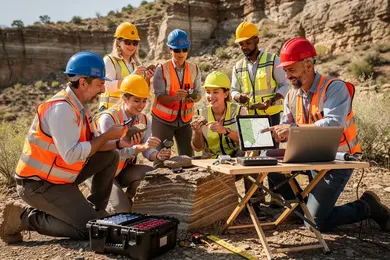
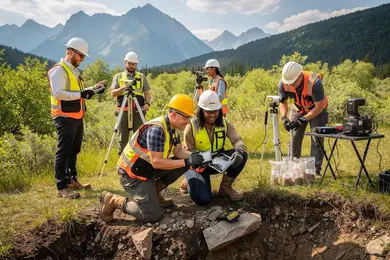
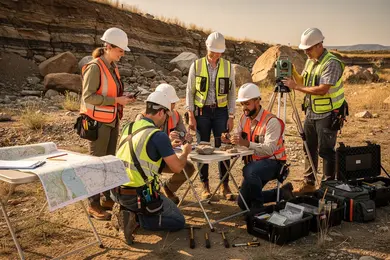
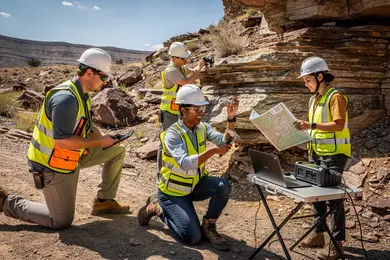
Choosing an online bachelor's in geosciences with climate science courses requires weighing the gap between remote learning and hands-on fieldwork-essential for many practical geoscience roles. Employers in environmental consulting or government climate adaptation programs favor candidates who can integrate traditional geological methods with climate data interpretation, yet expect some in-person experience. This tradeoff means students should actively seek internships or local field opportunities alongside online coursework to stay competitive.
The targeted flexibility of the best online geosciences degree programs in the United States suits professionals balancing work commitments or career changers entering climate-focused sectors without relocating. However, the online format may limit access to lab-intensive training crucial for technical roles in, for instance, petroleum geology or applied mineralogy. Programs that offer mentoring and remote lab simulations partially mitigate these constraints and help navigate state or regional licensing requirements, which vary widely for climate science positions.
Job growth in geoscience fields is steady, with projections around 3% from 2023 to 2033 and a median wage near $99,240 in 2024. Prospective students should consider the practical implications of delivery mode on skill acquisition and employer expectations before committing.
For comparative program evaluations, consult the online geoscience degree listings that detail curricula, fieldwork options, and institutional support needed for strategic career decisions.
How do online geosciences bachelor's programs compare with on-campus programs for quality and outcomes?
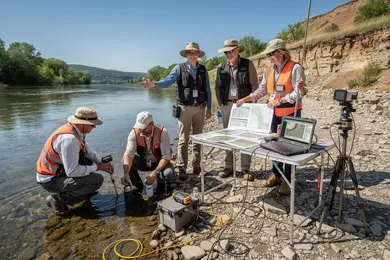
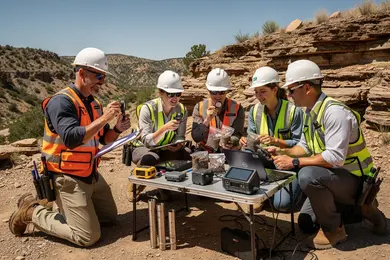
The critical difference between online and on-campus geosciences bachelor's programs lies in practical experience. While online degrees can offer comparable curriculum quality and address climate-related coursework relevant to emerging sectors, they often lack accessible hands-on training such as soil sampling or geospatial data collection. This gap affects employability since employers in environmental consulting and regulatory agencies prioritize candidates with verifiable fieldwork skills.
Graduates from online programs who proactively secure internships or regional collaborations tend to align their employment outcomes closely with their on-campus counterparts. Conversely, those without experiential learning face longer job searches or the need for supplementary certifications. The interplay of coursework and practical application is especially important in fields driven by climate challenges, supported by a projected 6% growth in environmental scientist roles from 2023 to 2033.
In comparing outcomes of on-campus versus online geosciences programs, face-to-face interaction enhances mentorship, collaborative research, and professional networks-elements difficult to replicate fully in asynchronous online environments. Learners aiming at regulatory, NGO, or climate research roles should critically weigh programs offering hybrid models or local hands-on training paired with online flexibility.
For working professionals, aligning education with active fieldwork via internships, volunteer roles, or virtual labs is essential to meet employer expectations shaped by the climate-sensitive geosciences job market. Cost and salary considerations also influence decisions; those interested might review data on online animal science degree salary as a comparative labor market reference.
Which accredited schools offer the best online bachelor's in geosciences with climate-focused courses?
Selecting the best accredited online bachelor's programs in geosciences with climate courses requires critical evaluation of curriculum rigor and practical outcomes. Programs from universities like Oregon State University and University of Illinois Springfield showcase integration of climate modeling, earth systems, and environmental policy-not as isolated electives but core competencies aligned with sector demands. In particular, the addition of climate science specialization equips students with marketable skills in GIS, data analysis, and climate risk assessment essential for roles in environmental consulting, energy, and government.
Accreditation by regional bodies such as the Higher Learning Commission or WASC remains a non-negotiable factor, ensuring credit transferability and academic standards. For example, Oregon State's geosciences curriculum prioritizes earth system science with a focus on climate variability, furnishing graduates for land and resource management sectors vulnerable to climate effects. Conversely, programs offering asynchronous learning balance flexibility with access to mentorship and virtual labs, influencing degree completion timelines and skill depth.
Graduates advancing into natural sciences management report median salaries around $137,900, reflecting employer preference for candidates with hybrid academic and field experiences. This dynamic favors students who select online degrees with structured internship or fieldwork pathways. For prospective students also considering adjacent disciplines, pursuing a nutritionist degree may present a complementary avenue worth exploring alongside geoscience studies.
Ultimately, top online bachelor's degrees in geosciences offering climate science specialization must be evaluated through the lens of how well they bridge online instruction with tangible workplace skills and sector-specific risks, shaping a realistic trajectory toward expert roles in an evolving workforce.
What climate science and geoscience courses can you expect in these online bachelor's programs?
Online bachelor's programs with climate science coursework in geosciences must navigate the tension between academic rigor and practical workforce readiness. Core classes such as Atmospheric Science equip students to interpret weather systems and climate dynamics, essential for agencies like NOAA. However, mastering geology fundamentals-earth materials, processes, and natural hazard assessment-often determines employability in sectors including energy and urban planning.
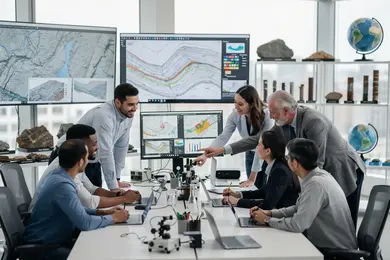
Programs focusing on geosciences courses focused on climate change study emphasize mechanisms driving global warming, greenhouse gas quantification, and mitigation strategies. These are increasingly demanded in consulting and policy roles but require complementary skills in spatial data analysis, often taught through Geographic Information Systems (GIS) and environmental geochemistry courses.
Students face challenges completing lab components remotely; practical competencies frequently depend on virtual labs or regional internships to replicate hands-on experience with soil-water interactions and pollution transport. Affordability is another critical consideration. EnvironmentalScience.org reports Southern New Hampshire University's online geoscience bachelor's at $320 per credit hour, providing cost-effective access compared to campus programs. This price point supports working professionals seeking flexibility without excessive debt.
To optimize employability, it is crucial to align course selection with targeted industries where quantitative climate data interpretation and technology-enabled environmental analysis are prioritized. For those assessing program costs versus career outcomes, exploring the cheapest MLIS degree online listings may offer comparative insights for budget-conscious decisions across disciplines.
How can you verify accreditation and program quality for online geosciences degrees in the U.S.?
Accreditation verification remains a foundational filter in assessing online geosciences degree programs. Without U.S. Department of Education- or CHEA-recognized institutional accreditation, graduates face significant hurdles such as limited employer acceptance and loss of federal aid eligibility. While specialized accreditation from entities like the Geological Society of America may enhance credibility, it cannot replace core institutional accreditation.
Employers in sectors such as environmental consulting prioritize candidates who possess applied skills in climate modeling and GIS technology rather than those with generic environmental studies credentials. Programs must demonstrate alignment with these practical workforce demands, evidenced by measurable outcomes such as graduate employment rates and internship placements.
Prospective students should conduct targeted due diligence by:
- Confirming program accreditation through official federal databases.
- Evaluating course catalogs for comprehensive climate science and geoscience tool coverage.
- Requesting documented data on graduate employment and internship success.
- Investigating industry partnerships or advisory boards tied to the program's development.
For professionals pivoting careers, choosing accredited programs with proven career outcomes limits credential devaluation risk and better aligns skill acquisition with government agencies, private environmental firms, and research institutions' requirements.
What are the typical admission requirements and application materials for online geosciences programs?
Admission to online geosciences programs with climate science components demands a measurable foundation in math and science, with most applicants required to submit official high school transcripts demonstrating completion of algebra, biology, chemistry, and physics. While standardized test scores are less frequently mandatory, some programs still require them to verify quantitative competency essential for upper-division coursework.
Application packets typically include a personal statement articulating environmental or climate science interests, alongside letters of recommendation from science instructors or professionals who can attest to analytical skills. Practical exposure through environmental clubs, internships, or relevant research strengthens candidacy. Applicants lacking coursework in statistics, earth systems, or environmental policy usually must complete prerequisites before full admission, a common hurdle for career changers and nontraditional students.
Federal and local agencies are expanding their climate science workforce, making quantitative aptitude and documented environmental awareness increasingly valued in hiring. For working professionals, bridging programs or targeted prerequisite completion are often necessary tradeoffs to access specialized roles. Early preparation of transcripts and tailored recommendations speeds processing and better aligns candidates with employer expectations.
Despite some reduction in uniform test requirements, rigor remains in demonstrating readiness for technical study in geosciences fields tied to climate science, which directly impacts employability in evolving environmental job markets as reported by Forbes Advisor's 2026 review.
How long do online geosciences bachelor's degrees take, and what do they cost?
Selecting an online bachelor's in geosciences with climate science coursework requires balancing time, cost, and workforce goals. While standard full-time paths take about four years, accelerated options can reduce this to three, beneficial for minimizing tuition inflation and living expenses. However, heavy course loads often strain students juggling full-time employment or career changes, potentially extending study duration beyond six years.
Industry demand reflects a need for interdisciplinary skills encompassing geospatial analysis, climate modeling, and data interpretation. Sectors such as mining, engineering, and environmental protection explicitly seek candidates who combine geoscience fundamentals with practical climate science expertise. Graduates who have engaged in virtual labs, internships, or research partnerships through their online programs show stronger employability, reflecting employer preferences for hands-on experience.
- Tuition ranges widely, from approximately $15,000 to upwards of $60,000, varying by institution type and residency status.
- Financial planning should factor in extras like specialized software and potential fieldwork tied to coursework.
- Early academic advising on credit transfers and pacing can help avoid prolonged timelines and escalating costs.
The decision to pursue this degree online must weigh accelerated completion benefits against workload demands, alongside anticipation of workforce expectations that favor candidates with applied skills and practical project experience. Strategic course selection and proactive academic guidance optimize return on investment in this evolving, data-driven field.
What careers can you pursue with an online geosciences degree emphasizing climate science?
Online geosciences degrees with a climate science focus position graduates for roles that intertwine environmental data with sector-specific challenges in energy, agriculture, and urban planning. For instance, a climate risk analyst at an energy company applies geospatial climate models to forecast supply chain disruptions caused by extreme weather-a role demanding technical skills alongside deep domain understanding. Employers increasingly value candidates capable of integrating climate data with strategic decision-making across industries.
The U.S. market features multiple specialized degree programs-over a dozen nationwide-that mirror a shift toward interdisciplinary and international job requirements, including carbon accounting and climate adaptation. Federal agencies like NOAA and the EPA prioritize hires with data-driven expertise related to mitigation projects, lending these targeted degrees tangible workforce value.
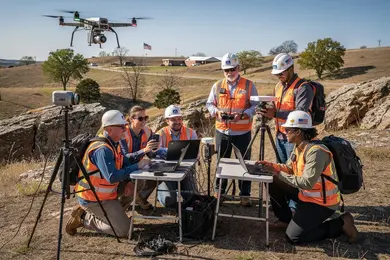
However, a critical friction point is the gap between theoretical climate modeling taught online and the preferred hands-on experience with GIS and remote sensing technologies. Students should proactively seek internships or certification to bridge this divide and enhance employability, especially for NGO or research analyst roles where translating science into policy influences program funding.
Professionals entering this field confront a competitive landscape shaped by evolving climate regulations and the growing importance of advanced analytics. Maintaining relevance demands continuous learning and active collaboration with interdisciplinary teams, as climate science increasingly intersects with economics and social dimensions.
What salary ranges and job outlook can graduates in geosciences and climate roles expect?
Entry-level salaries for geosciences and climate-focused professionals generally fall between $55,000 and $75,000 annually, with mid-career roles reaching $80,000 to $110,000 depending on specialization and geography. Practical experience with climate data, regulatory processes, and environmental impact assessments is often mandatory, limiting immediate access to higher salaries without internships or cooperative education. For example, candidates transitioning from unrelated fields tend to find intermediate compliance roles before qualifying for advanced positions.
Online bachelor's programs in geosciences that emphasize climate allow working professionals to extend their studies over five to six years part-time, balancing income with education. This slower pace protects financial stability but may delay entry into specialized, better-paying roles. Industry sectors like energy and environmental consulting commonly pay more upfront for technical skills such as GIS and data modeling, contrasting with public-sector roles that have longer hiring cycles and lower starting salaries near $70,000.
Professional success requires ongoing skill upgrades, particularly in climate modeling software and remote sensing technologies, as private-sector employers prioritize applied expertise. Graduates aiming for federal research or environmental policy positions should plan for extended background checks and hiring delays, which impact timing and initial compensation.
How should students choose the right online geosciences program for their climate career goals?
Successful navigation of online geosciences programs requires aligning coursework and skills with clearly defined climate career goals rather than generic degree titles. For example, a student focused on climate data analytics should prioritize programs that integrate GIS and remote sensing modules with environmental applications, while those targeting environmental policy roles will find more value in courses emphasizing regulatory frameworks and sustainability science.
Cost considerations significantly shape program selection. Tuition rates for online geography and geosciences degrees typically fall in the low-to-mid hundreds per credit, making them notably less expensive than traditional STEM residential programs. However, students must also factor in mandatory fees and expenses related to specialized climate science software or hardware.
Employer recognition depends heavily on program accreditation and faculty expertise. Programs with faculty actively engaged in climate research and recognized accreditation bodies offer better prospects for federal agency employment and internships. Flexible course delivery-balancing synchronous and asynchronous options-is vital for professionals combining work and study.
Evaluating curriculum depth beyond climate-related classes is essential. Robust training in data analysis, earth systems science, and statistics enhances employability as the workforce increasingly demands proficiency in computational tools and interdisciplinary collaboration.
Other Things You Should Know About Geosciences
Most online bachelor’s programs in geosciences require at least algebra, precalculus, or calculus readiness, plus one year of college-preparatory biology, chemistry, or physics. Some schools also expect a minimum 2.5 GPA and placement into college math before upper-division climate science and earth systems courses.
Online geosciences degrees vary widely in offering internships or field experience, which remain critical for employer trust and skill development. Programs without integrated fieldwork or career placement supports can limit post-grad opportunities and networking. Students should prioritize programs with established industry links or require local field components, as these directly affect employability and practical learning.
Online geosciences programs frequently demand more self-directed learning and time management due to limited in-person immersion. The absence of on-campus labs can translate into heavier individual research or substitute virtual lab work, which tends to be time-intensive. Students should anticipate a workload that requires disciplined pacing and choose programs with structured support systems to avoid falling behind.
References
- Online Geoscience Degrees: Top Schools and All Programs in 2026 https://www.gisdegree.org/online/geoscience-degrees/
- Parents: How to Verify College Accreditation Online for Your Child's Future https://matchtocollege.com/blog/verify-college-accreditation-online-parents-guide
- Educational Pathways for Climate Careers: Degrees and Certifications | EuroClimateJobs https://www.euroclimatejobs.com/article/764/educational-pathways-for-climate-careers-degrees-and-certifications
- Are Online Degrees Accredited? How to Identify Quality Distance Learning Programs https://www.umassglobal.edu/blog-news/online-degrees-accredited-identify-quality-distance-learning-programs
- The Geological Society - Degree Accreditation https://www.geolsoc.org.uk/education-and-resources/universities/university-degree-accreditation/
- Online Degree vs. Traditional: Choosing the Right Path https://beal.edu/online-degree-vs-traditional/
- What Does the Future Demand Look Like for Applied Geoscientists? https://www.aegweb.org/index.php
- Best Earth Science Research Programs for High Schoolers https://riseglobaleducation.com/blogs/best-earth-science-research-programs-for-high-schoolers
- ABET Accreditation a Clear Pathway to Professional Geologist and Geologist in Training Licensure Under New California Regulations - ABET https://www.abet.org/abet-accreditation-a-clear-pathway-to-professional-geologist-and-geologist-in-training-licensure-under-new-california-regulations/
- ThisIsGeoscience - Geoscience Salaries https://www.thisisgeoscience.com/the-resources/geoscience-salaries