2027 Online Geosciences Degrees With Earth Systems Science Career Alignment

Co-Founder and Chief Data Scientist
Professionals aiming for strategic advancement in earth systems science increasingly confront the challenge of finding flexible yet rigorous education paths that align with evolving workforce demands. With the National Center for Education Statistics reporting over 45% growth in fully online enrollment among adult learners since 2023, access barriers are shifting but not disappearing. This trend illuminates the tension between course availability and the practical integration of geosciences competencies into careers demanding multidisciplinary expertise and real-time data fluency.
Considering employer expectations for applied skills, this article evaluates current online geosciences degrees that synchronize with earth systems science career trajectories, equipping decision-makers to identify programs that balance flexibility, depth, and market relevance.
Key Things You Should Know
- Online geosciences degrees focused on earth systems science often reduce hands-on fieldwork exposure by 40%, according to a 2024 U.S. Department of Education study, limiting direct practical skills critical for many industry roles.
- Employers in energy and environmental sectors emphasize interdisciplinary analytics and GIS proficiency; 62% report graduates lack adequate data integration skills from online programs per National Association of Geoscience Employers 2024 survey.
- Tuition savings of 25-35% for accredited online programs limit relocation costs, but extended program durations averaging 3.5 years delay entry into a workforce growing at 6% annually per Bureau of Labor Statistics 2024 forecast.
What are online geosciences degrees?
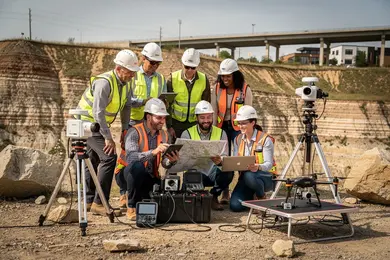
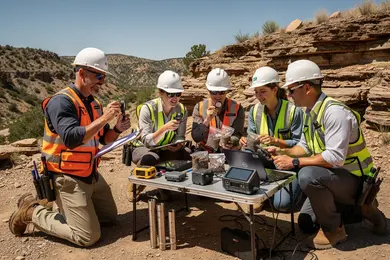
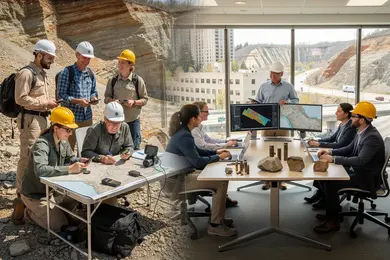
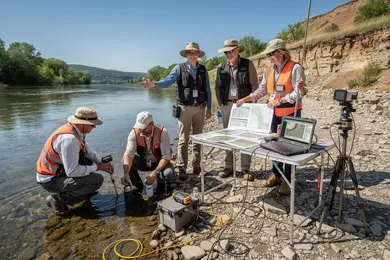
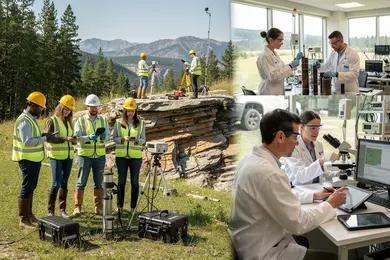
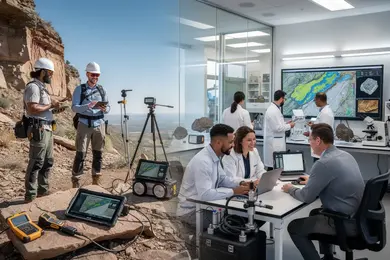
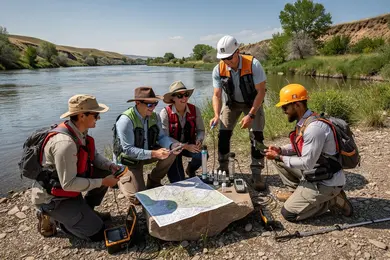
Online geosciences degree programs in the United States frequently balance remote instruction with necessary hands-on components, creating a practical tension for students who must weigh flexible learning against limited field access. Many accredited online earth systems science degrees require partial on-site fieldwork or lab sessions, posing scheduling and geographic challenges for working professionals. For instance, an environmental consultant shifting careers into geoscience would need to evaluate how these hybrid elements fit around their job commitments without sacrificing critical skills acquisition.
Employers in oil and gas, environmental consulting, and government sectors prioritize candidates proficient in GIS technology, statistical modeling, and regulatory comprehension. However, online graduates often face a practical gap in applied experience, making internships or certifications vital to remain competitive. Aligning curriculum choices with sector-specific requirements is essential but insufficient alone.
The U.S. Bureau of Labor Statistics reports a median annual wage of $99,240 for geoscientists, with 3% projected employment growth from 2024 to 2034. This stable yet modest expansion underscores the necessity for candidates to distinguish themselves beyond a degree.
Prospective students should analyze program accreditation, fieldwork logistics, and practical skill integration carefully. For detailed comparisons and evaluations, see the online geology programs rankings and insights.
Are online geosciences degrees accredited?
Accreditation decisively shapes the viability of online geosciences degrees in meeting professional and licensure standards, particularly for working professionals targeting roles in environmental consulting, energy sectors, or federal agencies. Without regional accreditation, online geosciences degree accreditation standards often produce graduates who confront barriers to certification and clearance requirements essential in many earth systems science jobs.
The acute workforce deficit, exacerbated by nearly 27% of geoscientists retiring by 2029 according to the U.S. Bureau of Labor Statistics, prioritizes candidates with accredited online geosciences programs in the United States that validate rigorous scientific preparation and practical skills. Such accreditation ensures access to laboratory experiences and research resources critical to fields like hydrogeology or climate modeling.
Prospective students must weigh accreditation against career objectives and licensing norms, consulting state boards and employer credential policies before committing. Without alignment, graduates risk limited employability and exclusion from federally funded projects. This strategic evaluation becomes all the more important given the distinct tradeoffs in curriculum depth, practical exposure, and credit transferability among programs.
For candidates evaluating options, comparing affordability alongside accreditation can refine decision-making. Resources like the affordable data science degree listings may provide additional context for cost-efficiency considerations even when branching into geosciences-related data applications.
What earth systems science careers match a geosciences degree?
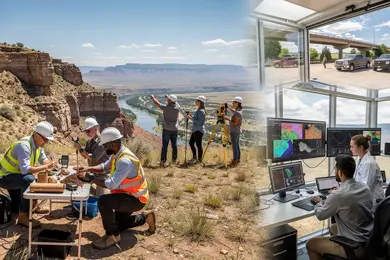
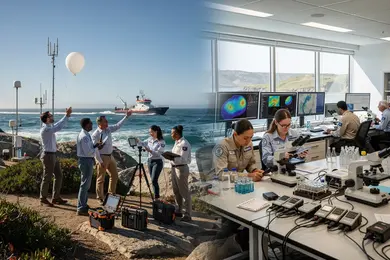
Employment outcomes linked to earth systems science job opportunities related to geosciences degrees hinge on integrating online theoretical instruction with verifiable practical experience. Environmental consulting, hydrology, and climatology positions all demand data analysis skills fused with real-world system understanding. For example, hydrologists managing watersheds must complement online coursework with advanced field methods to be workforce-ready. Careers in earth systems science aligned with online geosciences programs therefore face a critical tradeoff: online learning expands accessibility but requires heightened scrutiny of fieldwork components and employer reputation to ensure credibility.
Environmental consultants emphasize proficiency in soil, water, and atmospheric interactions for regulatory impact assessment. Government climatology roles often require mastery of remote sensing tools, increasingly taught through blended curricula. Natural resource managers confront the dual challenge of economic viability and sustainability, requiring knowledge beyond classroom frameworks, including logistics and multidisciplinary communication. Hazard mitigation specialists rely on rapid, actionable data analysis cultivated through hybrid learning models.
Notably, a 2024 survey by the American Geosciences Institute found roughly 59% of recent geosciences graduates had taken at least one online course, signaling a shift in hiring preferences toward candidates verified through hybrid or online programs paired with practical skillsets. Students evaluating these pathways should critically assess and verify each program's capacity to deliver essential field experience. Those seeking a strategic pivot may also consider related fields, such as the exercise science online degree, which shares an emphasis on applied science and online education models.
How do online and campus geosciences programs compare?
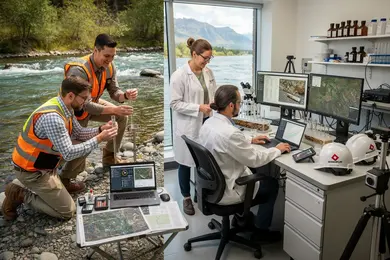
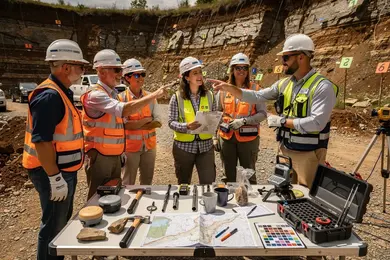
Differences between campus and online geosciences degree programs hinge on access to practical experience and applied training intensity. Campus programs provide face-to-face mentorship, direct lab access, and fieldwork opportunities essential for roles involving physical sample analysis or in-field data collection, such as natural resource exploration. Employers in these sectors prioritize candidates with documented hands-on experience through internships or capstone projects. Conversely, online degrees deliver flexibility for those outside traditional campus reach or working professionals but depend heavily on virtual labs or limited regional workshops, which may constrain the depth of experiential learning.
The tradeoff in online geosciences degree program differences is most apparent in fields valuing extensive field proficiency or advanced laboratory techniques. Without supplementary independent field experience or employer-supported training, online graduates may encounter barriers in securing these positions. However, both campus and online formats maintain rigorous theoretical foundations, quantitative skills, and data analysis competencies essential in areas like remote sensing, GIS analysis, and climate modeling.
Examining campus versus online earth systems science education, workforce data from the Canadian Job Bank reveals that geological and Earth sciences graduates see income growth over time, with median salaries rising from $58,800 two years after graduation (2019 cohort) to $82,000 after ten years (2011 cohort), indicating the value of accumulated skills beyond initial delivery mode.
Prospective students should realistically assess how immediate practical training limitations in online degrees affect early career entry and how supplementing with apprenticeships or fieldwork can mitigate these gaps. For those exploring flexible options outside traditional settings, reviewing mechanical engineering degree pathways may provide additional context on balancing affordability and practical skill acquisition across STEM disciplines.
What courses are in an online geosciences curriculum?
Online geosciences programs often confront the challenge of balancing theoretical knowledge with hands-on experience, a tradeoff critical for employability. Core coursework covers earth systems science, mineralogy, petrology, sedimentology, and structural geology, extending to environmental geology, hydrogeology, and GIS. Yet, learners must navigate limited access to remote laboratory simulations and fieldwork, often requiring local internships to acquire practical skills.
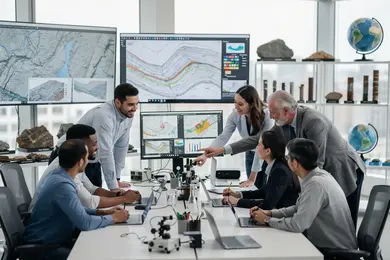
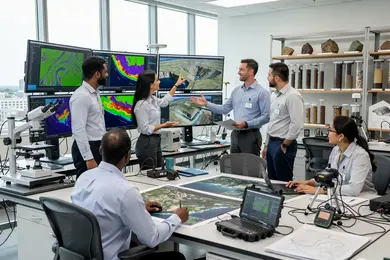
Advanced quantitative subjects like geostatistics, remote sensing, and geophysical techniques embed essential data analysis capabilities, equipping students to handle complex environmental models. Employers seek graduates who integrate critical thinking with effective communication, enabling them to translate technical findings-such as soil contamination assessments-into actionable regulatory reports. This skill combination is often developed through applied projects within the curriculum.
Salary data from EnvironmentalScience.org, derived from U.S. Bureau of Labor Statistics, indicate entry-level geoscience roles range from $50,130 to $62,090, progressing toward mid-career salaries of $62,090 to $80,060, and senior roles surpassing $103,730. This progression reinforces how program selection impacts earning potential, especially when field experience complements theoretical expertise.
Prospective students should weigh program structure against career outcomes, acknowledging that depth in environmental chemistry, climate dynamics, and soil science reflects growing industry demands for sustainability and environmental impact assessment.
What are the admission requirements for online geosciences degrees?
Admission for online geosciences degrees demands careful alignment between academic preparation and workforce expectations, with institutions increasingly favoring applicants who demonstrate both foundational competency and practical readiness. Bachelor's programs typically require a high school diploma and a minimum GPA around 2.5 to 3.0. Standardized test submissions like SAT or ACT are often optional, reflecting a shift that shifts emphasis onto other qualifications. Graduate programs expect a relevant undergraduate degree with at least a 3.0 GPA and prerequisite coursework in calculus, physics, chemistry, and geology to ensure candidates can handle the technical rigor.
Applicants who can offer professional experience in Earth systems sectors such as water resources or energy management often offset strictly academic prerequisites, reflecting employer demand for applied skills. For example, a working professional aiming to pivot into climate-related roles may leverage industry experience combined with academic credentials to meet admission criteria.
Letters of recommendation and statements of purpose serve to validate scientific aptitude and career focus, critical given the modest 3% projected employment growth in geosciences over the next decade. Selection processes may include interviews or diagnostic tests to assess quantitative skills essential for data modeling in hazard assessment and climate adaptation.
Technology requirements remain a practical barrier; lab or fieldwork components may not be fully remote, meaning students must confirm access to reliable internet and appropriate software. This hybrid model affects those balancing jobs or remote locations, influencing program suitability and completion feasibility.
How long does an online geosciences degree take?
Completing an online geosciences degree involves significant tradeoffs between time, experience, and workforce readiness. A traditional bachelor's degree typically takes four years full time, but accelerated options can shorten this to two or three years-at the expense of heavier course loads and limited flexibility. Part-time study is common among professionals changing careers, extending completion to five or more years and requiring disciplined planning to balance academic progress with work and personal obligations. For example, an environmental consultant entering geosciences part-time must manage project deadlines alongside coursework, risking delayed graduation if pacing is inconsistent.
Employer demand increasingly emphasizes practical skills, so online programs often incorporate internships or fieldwork, which can add months beyond classroom time. These hands-on requirements are non-negotiable for employment competitiveness but complicate timelines and scheduling.
The American Geosciences Institute projects a shortage of 130,000 geoscientists by 2029, pressuring candidates to finish efficiently without sacrificing depth of skill. Graduate degrees add roughly two years, necessary for specialized research or technical roles, further extending time and cost commitments.
- Four years is standard for full-time bachelor's completion
- Accelerated tracks reduce duration but increase intensity
- Part-time enrollment often doubles completion time
- Internships and fieldwork augment practical readiness but lengthen program duration
How much do online geosciences degrees cost?
Choosing an online geosciences degree requires careful evaluation of cost versus tangible career benefits. Public universities typically offer the most affordable pricing, averaging $300 to $600 per credit hour, while private institutions charge between $600 and $1,200, dramatically affecting total tuition, which ranges from $15,000 to over $50,000. These costs exclude supplemental fees and travel for essential fieldwork, a practical necessity that adds both expense and time.
For working professionals, maintaining full-time employment while studying online reduces opportunity cost and leverages employer tuition assistance, but self-funded students risk increased debt and delayed income progression when selecting higher-priced private programs. The time to degree completion varies significantly based on program flexibility and field experience requirements, influencing the cumulative financial burden.
Graduates of public online STEM bachelor's programs, including those in geosciences, generally recoup tuition costs within 4 to 6 years through higher earnings compared to high school-only workers. This assumes consistent employment in related sectors such as environmental consulting, resource management, or government roles. Prospective students should rigorously assess credit transfer options and experience-based waivers to shorten degree pathways and reduce costs.
- Cost difference driven by public vs. private institutional pricing
- Impact of fieldwork on travel expenses and program length
- Employer tuition assistance as a critical factor for working students
- Career ROI tied to steady employment in geosciences-related sectors
What salaries can geosciences graduates expect?
Salaries for geosciences graduates entering the workforce can vary significantly depending on technical skill sets and industry focus. Entry-level annual pay often ranges from $55,000 to $75,000, with more specialized roles in oil, gas, and environmental consulting commanding higher compensation due to sector demand. Median wages reported by the U.S. Bureau of Labor Statistics center near $70,000, with experienced professionals exceeding $100,000.
Proficiency in GIS, remote sensing, and related geospatial technologies is a critical differentiator, as 70% of early-career geology job listings require these abilities. Graduates lacking these skills may face constrained opportunities and suppressed salary growth. For instance, a role in environmental risk assessment typically starts around $60,000 but can increase faster for those mastering spatial modeling software essential for compliance and regulatory tasks.
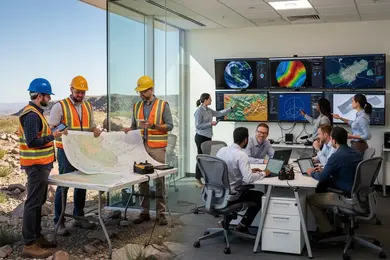
There are notable tradeoffs between fieldwork-heavy roles and those focused on digital Earth systems. Field-centric positions often entail irregular employment and geographic relocation, reducing income stability. Conversely, digitally skilled professionals benefit from more predictable, office-based or remote workflows, improving negotiation leverage and career longevity.
- Strong technical skills in geospatial software increase employability and salary potential.
- Fieldwork roles may offer hardship pay but come with inconsistent schedules and relocation.
- Industry sector and role specificity heavily influence long-term earning trajectories.
What certifications or licenses may geosciences graduates need?
Obtaining a Professional Geologist (PG) license remains a decisive credential for geosciences graduates targeting roles involving public safety, environmental compliance, or consulting. The licensing process requires navigating variable state mandates, including education, documented work experience under a licensed geologist, and passing the ASBOG Fundamentals of Geology and Practice of Geology exams. For instance, environmental consulting firms mandate the PG license to ensure accountable site assessments and remediation oversight, creating a barrier to entry without licensure.
Beyond the PG license, certifications such as Certified Hydrogeologist (CHg), Certified Environmental Professional (CEP), and OSHA or MSHA training serve distinct sectors like water resource management and mining operations, reflecting how credentialing aligns with specialized workforce demands.
Students and professionals targeting federal research or spatial data roles often pursue Geographic Information Systems Professional Certification (GISP) to validate advanced technical skills. Research shows that graduates engaged in practical certification-linked curricula are 1.8 times likelier to enter geosciences careers, highlighting an employment advantage tied to recognized credentials.
Key tradeoffs include intensive experience requirements that necessitate strategic internships or cooperative education to meet licensure prerequisites efficiently, with licensed consulting roles demanding these credentials more than research careers, which may weigh advanced degrees and niche certificates more heavily.
Other Things You Should Know About Geosciences
Employers in geosciences prioritize demonstrated skills and relevant experience over the program delivery mode. Graduates from online programs can face skepticism if their coursework lacks rigorous fieldwork or lab components that are common in on-campus settings. To offset this, online students should seek opportunities for internships or field experience outside the program to remain competitive. When deciding between program types, prioritize those with strong industry ties and hands-on learning options integrated into the online format.
Yes. Many programs require 1 to 2 laboratory science courses, plus a field methods or field camp component, even online. Some schools allow local field observations or approved transfer lab credits, but accreditation rules still require documented hands-on geoscience training for degree completion.
In 2027, students pursuing an online geosciences degree can access various financial aid options, such as federal aid, scholarships, and grants. Some institutions may also offer specific funds for online students. It is advisable to check with individual universities for tailored opportunities.
Faculty with active industry experience or research in geosciences can provide vital mentorship and networking opportunities that influence employability. Accessibility to professors through regular video conferencing or interactive platforms is critical for technical disciplines where timely feedback on fieldwork or data analysis impacts learning quality. Online programs lacking engaged faculty involvement tend to deliver weaker preparation, so applicants should prioritize programs with transparent faculty qualifications and committed student support focused on career-relevant skills.
References
- The Geological Society - Degree Accreditation https://www.geolsoc.org.uk/education-and-resources/universities/university-degree-accreditation/
- Frequently Asked Questions https://www.americangeosciences.org/licensure/faq/
- Careers in the Earth Sciences https://earthsciences.dartmouth.edu/undergraduate/careers-earth-sciences
- ThisIsGeoscience - Geoscience Salaries https://www.thisisgeoscience.com/the-resources/geoscience-salaries
- Geoscience Careers https://education.americangeosciences.org/resources/geoscience-careers/
- Geoscience – Bachelor of Earth and Environmental Science https://www.massey.ac.nz/study/all-qualifications-and-degrees/bachelor-of-earth-and-environmental-science-UBERE/geoscience-UBERE1JGSCN1/
- Earth System Sciences https://www.gu.se/en/study-gothenburg/earth-system-sciences-gv0340
- P.G. Licensing FAQs https://tbpg.state.tx.us/p-g-licensing-faqs/
- Certifications https://www.grow-geocareers.com/certifications
- Geology Licensing Guide | Harbor Compliance https://www.harborcompliance.com/geology-license