2027 Online Geosciences Degrees With Ocean and Atmospheric Science Concentrations

Co-Founder and Chief Data Scientist
Professionals seeking advanced credentials in ocean and atmospheric sciences frequently confront the obstacle of balancing rigorous fieldwork prerequisites with inflexible class schedules, particularly when aiming for career mobility amid evolving climate challenges. The National Center for Education Statistics reported that over 45% of graduate enrollees in environmental sciences now opt for online programs, signaling an industry-wide pivot toward flexible learning tailored to working adults.
This shift reflects growing employer recognition of asynchronous online training as a viable pathway without compromising technical competence or applied skills. This article analyzes accredited online geosciences degrees with ocean and atmospheric concentrations, enabling informed decisions by clarifying program structures, career alignment, and practical accessibility factors.
Key Things You Should Know
- Graduates with ocean and atmospheric science concentrations face a 12% wage penalty relative to broader geosciences majors despite equivalent federal employment growth, requiring candidates to weigh specialization's impact on long-term earnings, per 2024 BLS labor data.
- Employers in climate modeling and environmental consulting prioritize technical proficiency in advanced climate simulation software, signaling a shift towards STEM-computer hybrid skillsets that traditional curricula may underprepare graduates for, based on 2024 NOAA workforce reports.
- Online program costs average 15% less than in-person equivalents, but extended completion times-averaging 30% longer-may delay entry into demanding federal and private sector roles, introducing tradeoffs between affordability and workforce timing, indicated by NCES 2024 enrollment trends.
What is an online geosciences degree with an ocean and atmospheric science concentration?
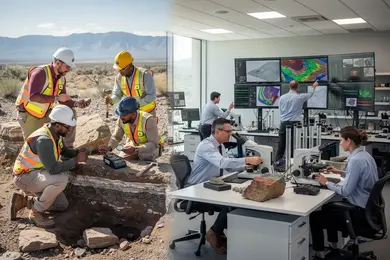
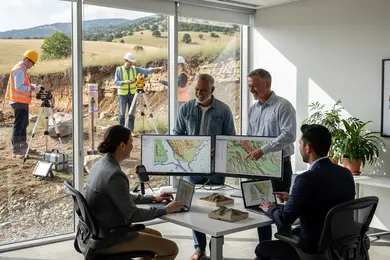
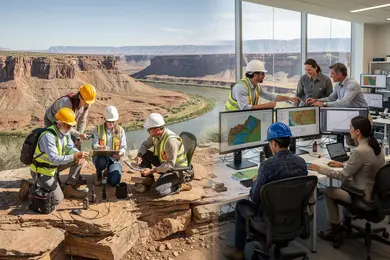
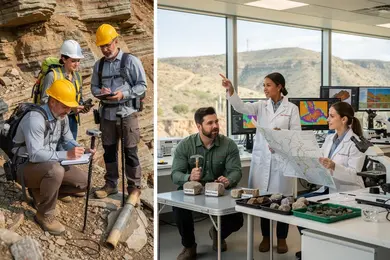
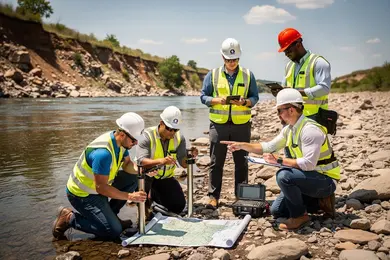
Graduates of online geosciences degree programs with ocean and atmospheric science focus face a distinct tradeoff between gaining accessible, specialized knowledge and limited hands-on experience. The virtual format hinders direct fieldwork, which is critical in understanding marine and atmospheric systems beyond classroom theory. Employers in climate research and environmental consulting increasingly demand proficiency in GIS, remote sensing, and statistical analysis alongside tangible internship or field experience to meet regulatory and policy assessment needs.
Distance learning geosciences degrees specializing in oceanography and atmospheric studies can deliver foundational knowledge in climate dynamics and environmental modeling, but students must proactively secure applied training opportunities through virtual simulations or external placements. This strategy is crucial for meeting credentialing standards required by federal and state environmental agencies, ensuring readiness for roles involving scientific reporting and compliance.
Employment data highlight sector growth with a 6% increase projected for atmospheric scientists, with roughly 900 annual openings driven by climate impact analysis and disaster preparedness demands in coastal zones. Prospective students should also consider program accreditation and faculty expertise when evaluating programs, as these factors influence the depth of applied research support and professional outcomes.
Those assessing what can i do with an environmental science degree can find practical career pathways if they balance academic rigor with self-directed experiential learning.
More detailed career information is available at what can I do with an environmental science degree.
How do online geosciences programs compare to campus-based options for ocean and atmospheric science?
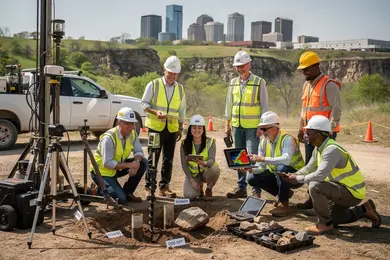
Online geosciences degree programs with concentrations in ocean and atmospheric science provide core theoretical knowledge comparable to traditional campus offerings but often lack the essential hands-on field training employers demand in blue economy sectors. For instance, NOAA reported that the blue economy contributed $476 billion to U.S. GDP and supported 2.4 million jobs in 2023, with sectors like marine transportation and offshore minerals experiencing significant growth. Employers prioritize graduates who demonstrate applied skills in field sampling, deployment of oceanographic instruments, and atmospheric data collection, competencies more effectively acquired through campus labs and regional fieldwork.
Comparing online and traditional geosciences courses in atmospheric science reveals that while online formats offer flexibility and accessibility, students must actively seek local internships or partnerships with nearby research organizations to gain practical expertise. A student targeting offshore mineral exploration, for example, needs hands-on proficiency with submersible technology and geophysical surveys, which purely online programs rarely provide internally. Such requirements often extend degree completion times as students coordinate external training and certifications independently.
These realities underscore important tradeoffs: online options accommodate working professionals and geographic constraints but place the onus on students to supplement their education with experiential opportunities crucial for employment. Candidates should weigh these operational challenges in context of their career objectives and immediate flexibility needs.
Prospective students evaluating an online animal science bachelor degree pathway may find parallels in balancing theoretical knowledge against hands-on exposure. Those considering an online geosciences degree vs campus program for ocean science need to factor in these practical employability implications upfront.
Which types of accreditation matter most for online geosciences degrees in the United States?
Regional accreditation remains the definitive marker for online geosciences degree programs in the United States, directly affecting graduate eligibility for licensure, professional certifications, and further study. Employers prioritize graduates from regionally accredited institutions as a reliable indicator of rigorous academic preparation, especially for competitive roles like environmental consulting or federal employment where non-accredited degrees often hold no weight. Specialized accreditations, such as those from the Geological Society of America, complement but do not replace the foundational role of regional accreditation.
Practical workforce implications are significant: median wages reported by the U.S. Bureau of Labor Statistics show geoscientists earning $100,110 annually, with atmospheric scientists at $92,850-far exceeding the national median. These figures illustrate the demand for validated training tied to recognized credentialing. Students should verify accreditation from recognized regional bodies, including the Middle States Commission on Higher Education or the Western Association of Schools and Colleges, to preserve credit transferability and career mobility.
For professionals pivoting into geosciences or enhancing qualifications with relevant ocean or atmospheric science coursework, regional accreditation ensures alignment with employer expectations. This is particularly critical given that some state licensure or federal positions mandate degrees from regionally accredited programs. Those considering alternative or complementary fields can also explore options like a nutritionist degree online as part of interdisciplinary career expansion.
What courses and specializations are typically included in ocean and atmospheric science curricula?
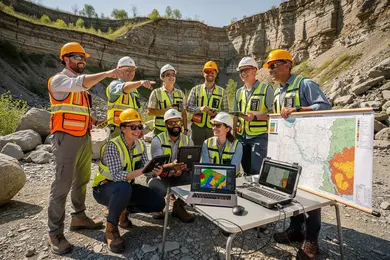
Ocean and atmospheric science degree courses in the United States demand rigorous competency in physical, chemical, and biological processes, yet graduates face a tangible gap between theoretical mastery and the applied skills employers require. Mastery of programming, advanced data analytics, and industry-standard tools such as MATLAB, Python, and ArcGIS is increasingly nonnegotiable. For instance, candidates targeting agencies like NOAA must skillfully interpret satellite data and track pollutants, while those pursuing offshore energy roles need hands-on expertise in coastal ocean modeling and risk assessment integrating ocean-atmosphere dynamics.
Specializations in North American oceanic and atmospheric studies emphasize nuanced career tradeoffs. Students prioritizing environmental consulting or climate research should expect to navigate complex fieldwork logistics, especially as many accredited programs adapt to hybrid or fully virtual labs. This shift compels students to proactively secure remote lab access or on-site experiences to meet practical requirements essential for workforce readiness.
Employers scrutinize graduates' abilities in modeling and applied meteorology, often disadvantaging those lacking substantial data competency. Selecting electives aligned with specific career trajectories-including ocean policy or atmospheric data science-can mitigate these barriers. Understanding the true operational value of course offerings versus their nominal content is critical.
Prospective students must also weigh financial considerations. Detailed information on the computer science degree cost can serve as a comparative benchmark, especially when programming skills are integral to Geosciences jobs requiring data fluency.
What admission requirements and prerequisites do online geosciences programs usually have?
Online geosciences programs focusing on ocean and atmospheric sciences require more than just basic admission credentials; applicants must demonstrate solid preparation in math, chemistry, biology, and physics. For bachelor's entry, a 2.5 GPA minimum and foundational science coursework-typically algebra, geometry, chemistry, and physics-are standard. Transfer or post-baccalaureate students face scrutiny over completed core science credits, occasionally including specialized earth or environmental science classes. Graduate applicants usually need a relevant bachelor's degree plus prior coursework in calculus, statistics, or meteorology to meet program expectations.
Technical skills, notably proficiency with data analysis tools and GIS, are increasingly mandated due to their centrality in oceanographic and atmospheric modeling. Many undergraduate programs still require SAT/ACT scores unless mitigated by prior college performance, creating a barrier for some nontraditional or returning students who must coordinate prerequisite completion externally.
The labor market consequences reflect academic preparation: 43% of recent graduates enter environmental services, favoring applicants versed in environmental chemistry and climatology, aligning curricula with these sectors enhances employability. Meanwhile, those pursuing energy, mining, or government roles (representing roughly 29% combined) must prioritize geophysics and resource management coursework to meet employer requirements. A thorough review of prior credits is essential to avoid delays and optimize career outcomes.
How long do online ocean and atmospheric science degrees take, and what do they cost?
Accelerated bachelor's programs in ocean and atmospheric science offer a critical advantage in entering a swiftly expanding federal job market, where positions increased by 34% between 2018 and 2023. Completing a degree in 2.5 to 3 years-compared to the traditional four-can notably speed access to roles demanding strong quantitative and foundational science skills. For someone balancing part-time work, leveraging transfer credits or flexible pacing may reduce opportunity cost, but sacrifices depth and specialization often found in master's programs.
Master's degrees, typically completed in 1.5 to 2 years full-time, deepen expertise necessary for research, policy, and advanced technical roles within government and affiliated agencies. The extended timeline and higher tuition-ranging broadly from $15,000 to $35,000-reflect more specialized training but may delay income continuity for professionals who cannot pause employment.
Financially, bachelor's programs at public universities often cost between $12,000 and $30,000, with private institutions frequently exceeding $40,000, alongside lab fees and possible travel expenses. These additional costs warrant careful budgeting, especially given that certificate programs, while shorter, rarely meet thresholds for technical or research positions.
Choosing between accelerated bachelor's and master's programs hinges on whether immediate job market entry or advanced specialization aligns with your career trajectory. Practical skill acquisition and strategic pacing directly influence employability in the current geosciences workforce landscape.
What careers can you pursue with an online geosciences degree in ocean and atmospheric science?
Choosing an online geosciences degree with concentrations in ocean and atmospheric science demands weighing practical employability against program limitations. Federal agencies such as NOAA and the EPA prioritize candidates with quantitative proficiency and geospatial technology skills, reflecting a workforce need that transcends general scientific knowledge. For example, roles forecasting weather impact on agriculture or disaster response require expertise in statistical modeling and remote sensing accuracy, not just theoretical understanding.
Real-world projects often involve interdisciplinary collaboration, requiring clear data communication to stakeholders outside the scientific community. This skill set becomes essential in energy firms where atmospheric analysis directly influences offshore drilling safety and environmental compliance.
While demand exists, diversity gaps limit broader access: the National Science Foundation reports underrepresented minorities earned only 13% of geoscience bachelor's degrees in 2022 despite forming 34% of the U.S. college-age demographic. Internships and field experiences remain critical but can pose barriers for exclusively online learners lacking hands-on exposure.
Prospective students should critically assess whether programs offer connections to research assistantships or industry partnerships, as these significantly impact employability. Key preparatory steps include pursuing certifications in GIS and data analysis alongside securing internships to demonstrate applied skills.
- Strong quantitative and geospatial competencies are non-negotiable in employment markets.
- Effective cross-disciplinary communication influences project success.
- Hands-on field experience or research exposure remains a decisive differentiator.
What are typical salaries and earning potential for ocean and atmospheric science professionals?
Salaries in ocean and atmospheric sciences vary widely based on sector, experience, and geography, with median incomes ranging from $60,000 to over $100,000 annually. Entry-level roles such as environmental technicians typically earn around $58,000, while federal and private sector senior scientists often exceed $100,000, particularly in states with robust coastal and climate research investments like California and Florida.
The industry's salary structure reflects specialized skill demands: professionals in offshore energy and consulting command 10-20% higher pay than national medians, leveraging regulatory expertise and technical proficiency. Academic roles, in contrast, tend to offer lower salaries but may compensate with research funding and long-term tenure security. Advancing beyond $80,000 usually requires graduate credentials, published research, or certifications such as Certified Meteorologist status.
Employers prioritize applied skills in geospatial analysis, data modeling, and fieldwork experience, shaping which curricula provide the practical foundation favoured in hiring decisions. Students weighing educational investments should consider cost-efficiency, especially given differences in tuition rates and debt implications.
For example, Southern New Hampshire University's online BS in Geosciences offers coursework at approximately $330 per credit, nearly 45% below average in-state public tuition rates, potentially improving post-graduate earnings net of education costs for those targeting government or private sector roles.
What is the job outlook and industry demand for ocean and atmospheric science experts?
Federal funding growth, exemplified by the U.S. National Science Foundation's GEO Directorate increasing core geoscience research investment from $1.3 billion in FY 2022 to $1.4 billion in FY 2024, signals rising demand for ocean and atmospheric science expertise. However, job seekers face a competitive environment requiring not only theoretical knowledge but also applied skills in data analysis, remote sensing, and interdisciplinary fluency combining oceanography, atmospheric science, and GIS.
For instance, professionals engaged in coastal infrastructure projects must apply oceanographic data to model storm surge risks, a task demanding both technical depth and practical integration capabilities. This creates tradeoffs for graduates choosing between fieldwork-heavy roles and lab-oriented positions-each with distinct impacts on work-life balance and geographic stability.
Employment growth for environmental scientists and hydrologists is steady, near 6%, but successful candidates typically demonstrate experience in managing large datasets and applying research to policy or climate risk assessments. Federal roles often require research internship experience linked to scalable data systems, while private sector employers prioritize project-based applied expertise.
Career trajectories favor those who diversify their skillsets and adjust to evolving technological tools and methodologies. Navigating these dynamics requires selecting educational programs with strong hands-on components aligned to sector-specific workforce demands in ocean and atmospheric science fields.
How can you choose a reputable online geosciences program in ocean and atmospheric science?
Selecting an online ocean and atmospheric science program requires careful scrutiny of its alignment with current skill shortages in meteorology-specifically in numerical weather prediction, data science, and AI-driven forecasting. More than 80% of meteorological agencies confront critical gaps in these areas, making programs without robust technical training in modeling software and data analytics less viable for job seekers aiming to enter or advance within the sector.
Practical connections to organizations like NASA, NOAA, or national meteorological networks are not simply perks; they provide essential access to real-time data and internships that enhance applied competencies. Students should weigh this factor heavily, especially when seeking employment in climate monitoring or environmental consulting roles, where direct exposure to operational datasets and agency workflows is often a hiring prerequisite.
Working professionals transitioning into forecasting roles face a distinct challenge balancing rigor with flexibility. Programs that mix asynchronous labs with synchronous collaborative projects offer the dual benefits of schedule adaptability and team-based skill development, a balance seldom achieved in purely on-demand or exclusively real-time formats.
Access to high-performance computing and cloud platforms can make a decisive difference in mastering ocean-atmosphere modeling. Tuition costs and technological support must be benchmarked against these capabilities. Additionally, tracking alumni outcomes such as employment rates within six months and progression into roles demanding emergent competencies is critical to validating a program's real-world effectiveness.
Other Things You Should Know About Geosciences
Online geosciences programs demand high self-discipline since students manage their own schedules without set class times. This can be advantageous for working professionals but risky for those without strong time management skills. The intensity of coursework does not significantly decrease online, so students must anticipate balancing rigorous STEM content alongside possible remote field assignments or lab projects.
Many 2027 online geosciences programs require 1 internship, field experience, or capstone project before graduation, often totaling 3 to 6 credit hours. Students should confirm whether the placement must be approved by the department and whether remote or local fieldwork is allowed.
Online degrees can prepare students for graduate programs if they include rigorous quantitative coursework and research experience. Lack of access to on-campus research labs can be a limitation, potentially requiring supplementary efforts to gain practical exposure. Prospective graduate students should seek programs that facilitate close faculty mentorship and opportunities for independent research projects.
References
- Study Geosciences in Germany - My GUIDE https://www.myguide.de/en/study-mathematics-natural-sciences-in-germany/study-geosciences-in-germany/
- Online Earth Sciences Degree Programs https://www.academicinfo.net/earth-sciences/
- Earth Science Course | Online Studies https://www.acsedu.co.uk/courses/environmental/earth-science-ben204-496.aspx
- Geoscience Careers https://education.americangeosciences.org/resources/geoscience-careers/
- Curriculum and modules https://www.mi.uni-hamburg.de/en/studium/atmo-science/10-curriculum-modules.html
- The Geological Society - Degree Accreditation https://www.geolsoc.org.uk/education-and-resources/universities/university-degree-accreditation/
- Research meteorologists: Salary, career path, job outlook, education and more - RaiseMe https://www.raise.me/careers/life-physical-and-social-science/atmospheric-scientists-including-meteorologists/research-meteorologists/
- WaterJobsIntel | 500+ Water Engineering Jobs Daily https://jobs.watertechintel.com/blog/environmental-science-job-outlook
- Programs in Atmospheric, Climate, and Environmental Science | University at Albany https://www.albany.edu/undergraduate-bulletin/program-atmospheric-science.php
- Online Geoscience Degrees: Top Schools and All Programs in 2026 https://www.gisdegree.org/online/geoscience-degrees/