2027 Online Geosciences Degrees With Strong Field Data Collection Training

Co-Founder and Chief Data Scientist
Geosciences professionals often encounter the challenge of gaining robust field data collection skills while managing work and personal commitments. Employers increasingly demand candidates who can navigate complex field environments confidently, yet traditional programs typically require full-time, on-campus attendance that many working adults cannot accommodate. According to the National Center for Education Statistics, 48% of postbaccalaureate students in STEM fields opt for online learning to balance career advancement with flexibility, signaling a significant shift in enrollment preferences.
This trend forces prospective students to critically assess programs that deliver thorough hands-on training in geosciences without sacrificing accessibility or workforce engagement. This article examines online geosciences degrees that integrate strong, practical field data collection training to help readers identify programs aligning with their career objectives and scheduling needs.
Key Things You Should Know
- Field-intensive geosciences degrees reduce remote sensing reliance by 40%, per US Bureau of Labor Statistics 2024, but increase program duration and cost by 15%-20%, pressuring students balancing work and finances.
- Employers prioritize graduates with field data collection proficiency, citing 65% higher job placement rates within 12 months, according to the American Geosciences Institute, creating a distinct hiring advantage.
- Programs requiring extensive fieldwork often limit enrollment capacity and geographic accessibility, causing a supply-demand gap in skilled professionals in underrepresented regions, as detailed by NSF workforce reports.
What is an online geosciences degree with strong field data collection training?
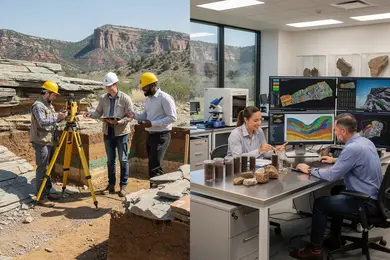
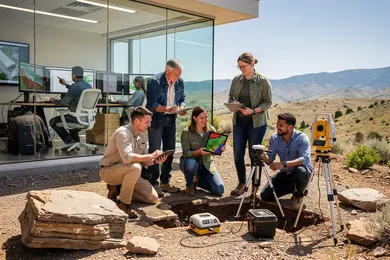
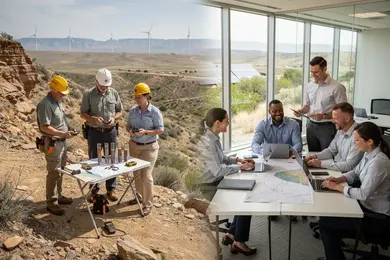
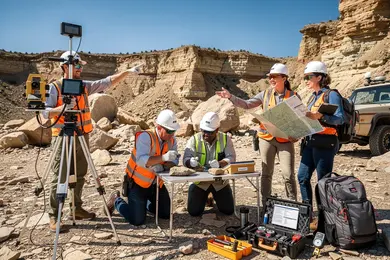
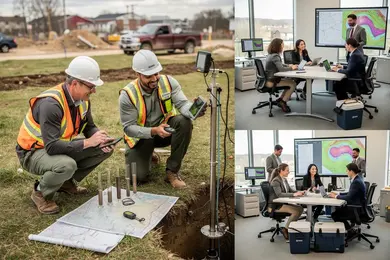
Online geosciences degrees with practical field data training differ markedly from fully virtual programs by requiring hands-on field components that validate essential competencies for immediate workforce deployment. These hybrid programs demand students to engage in field sessions replicating real survey conditions, where they acquire skills like geospatial mapping, stratigraphic measurement, and sampling under professional standards. This embedded fieldwork is no mere add-on; it directly correlates to employer expectations in sectors such as energy, environmental consulting, and federal geological agencies, where verified practical proficiencies are non-negotiable.
The American Geosciences Institute projects a workforce retirement rate of nearly 27% by 2029, creating a shortfall of approximately 130,000 professionals. This gap amplifies demand for candidates from accredited geosciences programs emphasizing field data collection skills, as these graduates can bridge the divide between theoretical knowledge and tactile field expertise.
However, pursuing an online geosciences degree with such field requirements involves logistical challenges: coordinating intensive field sessions that may require travel, securing access to necessary equipment remotely, and meeting rigorous accreditation standards that employers prioritize during hiring.
For professionals aiming to pivot careers or attain roles demanding verified field capabilities from the outset, these accredited geosciences programs emphasizing field data collection skills offer important advantages over purely classroom-based online degrees.
More detailed evaluations of such options can be found in curated rankings of the online geoscience degree programs available nationally.
How do online geosciences programs handle fieldwork, labs, and real-world data collection?
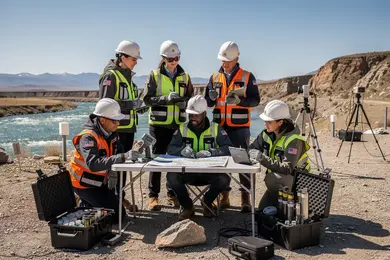
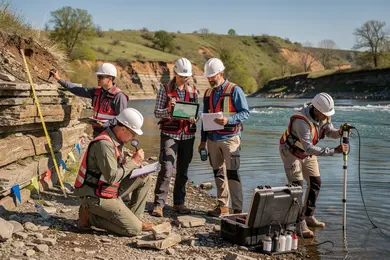
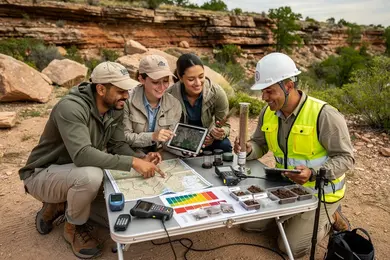
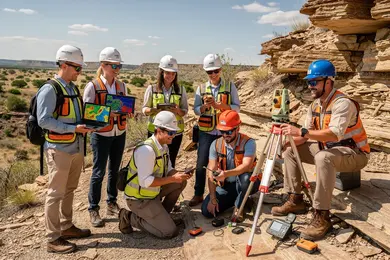
Online geosciences programs in 2026 confront the challenge of delivering essential field training methods while balancing practical constraints. They typically require brief, intensive regional field camps-lasting days to weeks-that immerse students in hands-on tasks such as rock sampling, mapping, and sediment analysis. These components directly address employer expectations by standardizing field techniques across sectors like environmental consulting and hazard assessment. However, this necessitates managing travel logistics and costs, which may deter some candidates, especially working professionals.
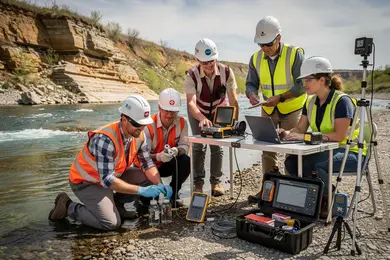
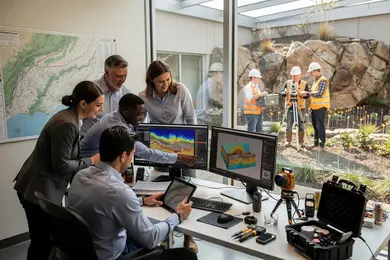
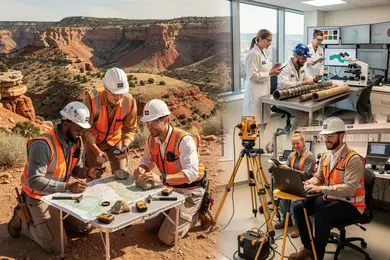
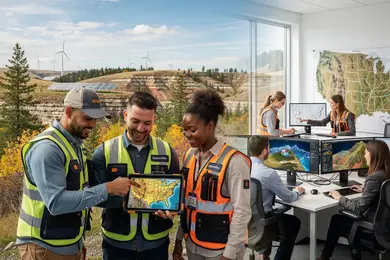
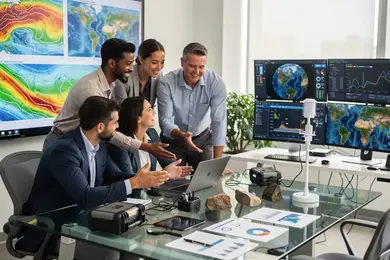
To offset limited in-person exposure, remote labs and real-world geosciences data collection play a critical role. Virtual labs equipped with high-resolution datasets, 3D modeling software, and remote sensing tools simulate field environments, allowing students to develop core analytical skills despite geographic or time restrictions. For instance, environmental geology students analyze municipal water quality and soil data, creating direct workforce-applicable outputs.
Employment growth projected at 3% for geoscientists through 2034 by the U.S. Bureau of Labor Statistics underscores the need for graduates proficient in GIS software, field instrument calibration, and sample processing. Working students can leverage their employer-provided field data within coursework, reinforcing job performance. Still, verifying program accreditation and in-person requirements is essential since insufficient hands-on training risks limiting opportunities in hands-on-demanding disciplines.
For those considering a data scientist degree as a complementary or alternative pathway, assessing how online geosciences programs integrate practical skills with flexible delivery remains a pivotal decision factor.
Which types of online geoscience degrees best prepare students for field-based careers?
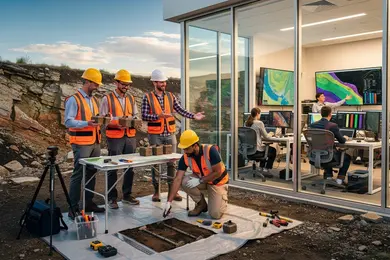
Online geoscience degrees that do not integrate substantial practical field training limit graduates' readiness for roles demanding physical presence and observational precision. For professionals actively seeking the best online geoscience programs for fieldwork skills, hybrid models offering mandatory summer field stations or short residencies provide a crucial bridge between theoretical knowledge and applied competencies. For instance, a hydrogeologist might complete core coursework virtually but must engage in a six-week field camp to master aquifer testing and calibrate instrumentation effectively, meeting employer expectations that prioritize verifiable field experience.
Degrees labeled under environmental geoscience, geological engineering, or earth and environmental sciences typically embed such hands-on data collection, including stratigraphic mapping, soil sampling, and geophysical surveys. These skills directly correlate with employability in environmental consulting, resource exploration, and hazard analysis, where median salaries notably exceed general U.S. wage levels. In contrast, fully online programs lacking these applied components risk producing candidates who are theoretically strong but struggle with the logistics and competencies required by physically intensive roles.
Employer selection increasingly favors candidates holding documented field hours or relevant certifications, underscoring the need for prospective students to assess programs for embedded practicum elements carefully. This strategic choice not only influences job market competitiveness but also long-term career sustainability. Resource-conscious students might also contrast this pathway with other degrees such as is a masters in library science worth it before committing.
How can students verify accreditation and program quality for online geosciences degrees?
Careful scrutiny of accreditation is fundamental when evaluating program quality in online geosciences degrees, as it directly influences employability and licensure viability. Regional accreditation from recognized bodies such as the Higher Learning Commission ensures the institution's legitimacy, but program-specific endorsements or affiliations with entities like the Geological Society of America serve as stronger indicators of curriculum relevance, especially regarding hands-on field data collection competency.
In practice, employers prioritize candidates with verifiable field experience, given a shortfall exceeding 100,000 geologists nationally. This workforce gap, noted by Ohio University with data from American Geosciences Institute and BLS, emphasizes demand in energy, environmental consulting, mining, and government sectors where theoretical knowledge without practical training typically hinders job readiness.
Prospective students should rigorously assess programs for transparent outcomes-graduation rates, employment placement in geoscientific roles, and detailed descriptions of internship or fieldwork opportunities. Lack of adequate field camp support or virtual labs recognized by employers can delay certification or professional entry. Furthermore, some state licensing boards require degrees from accredited programs with documented field training, reinforcing the importance of alignment with licensure standards.
Consulting alumni or industry professionals offers insight into how reputation translates into actual career performance. For those comparing broader academic options, resources like computer science degrees highlight that evaluating program quality requires balancing practical training against evolving workforce needs and industry realities.
What core courses and field methods are typically included in online geoscience curricula?
Online geoscience programs face a critical tradeoff between accessibility and fieldwork proficiency, which employers weigh heavily. While foundational courses cover mineralogy, sedimentology, structural geology, and geophysics, reliance on virtual labs and remote methods compromises hands-on experience crucial for many technical roles. For instance, environmental consulting often demands direct soil and water sampling skills tied to regulatory compliance-tasks difficult to master through simulations alone.
Workforce data from the American Geosciences Institute shows over 80% of geoscience departments have integrated remote or hybrid field instruction, yet real-world readiness still hinges on substantial in-person training. Programs attempt to bridge this gap with short, intensive field camps that provide GPS data collection, stratigraphic logging, and petrographic analysis practice. However, students must weigh the program's mix of virtual versus on-site learning because insufficient field exposure limits eligibility for many employer expectations in resource exploration and natural hazard assessment.
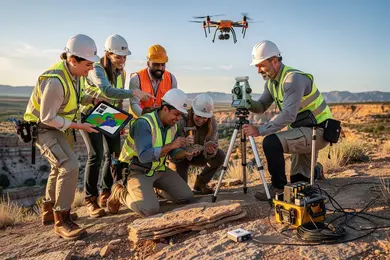
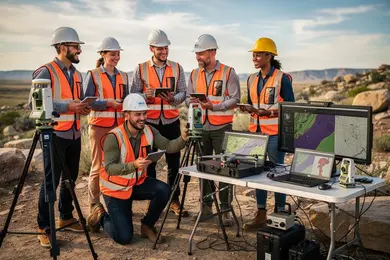
Graduates who excel combine traditional techniques with increasingly vital digital skills such as LIDAR processing, drone surveys, and remote sensing interpretation. These competencies align with evolving employer demands in hazard modeling and energy sector applications. Prospective students should prioritize curricula offering balanced workflows that prepare them for both remote data analysis and the physical rigor of fieldwork to ensure smoother transitions into relevant geosciences roles.
How do online and on-campus geoscience programs compare for field training intensity?
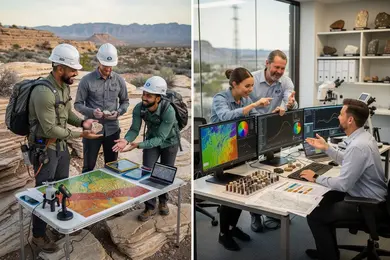
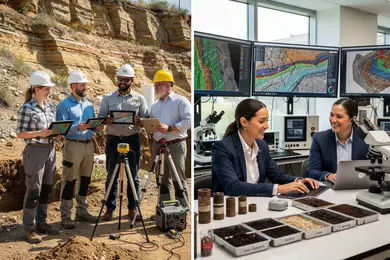
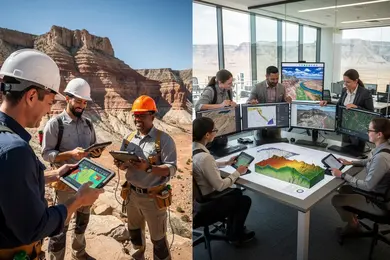
On-campus geoscience programs remain unmatched for immersive, tactile field experience essential for many technical roles. Students participate in extensive field camps and weekend excursions that involve direct interaction with rock formations, soil sampling, and hydrological data collection-activities that forge situational awareness and practical teamwork under real-world conditions. This experiential depth is difficult to replicate in online formats, which rely on digital simulations and software like GIS and remote sensing tools. While these virtual approaches align well with the sector's growing demand for data analytics and programming skills, especially in spatial analysis and modeling, they fall short of providing the hands-on competencies required for environmental consulting or geotechnical engineering roles.
Employers in field-intensive roles typically expect verified field hours or internships, posing a logistical barrier for online students unless they secure local opportunities or hybrid arrangements. Conversely, online students focusing on computational geoscience can progress more directly into roles emphasizing technical data fluency, reflecting labor market shifts where over 90% of modern geoscience job postings list GIS and programming skills as essential.
Practical considerations for students include:
- The on-campus path delivers critical field skills but may restrict flexibility due to travel and scheduling demands.
- Online pathways equip students with advanced analytical competencies yet require proactive effort to gain credible, documented field experience externally.
- Employers increasingly prioritize candidates demonstrating both digital proficiency and verified in-person fieldwork.
Choosing between these modalities must weigh career objectives, ability to complete external fieldwork, and preference for hands-on training versus computational specialization. This nuanced balance affects employability and long-term role suitability within the geosciences workforce.
What are typical admission requirements and prerequisites for online geosciences majors?
Online geosciences programs require applicants to demonstrate foundational competence in math and science, often through high school-level algebra, geometry, biology, chemistry, and physics. For transfer or direct-entry students, expectations typically include college-level chemistry and physics, with some curricula demanding calculus and introductory geology before enrollment to meet the quantitative rigor employers expect in fields like environmental consulting or petroleum geology.
Applicants should prepare for the challenge of practical fieldwork components, which remain integral despite the online format. Many programs mandate on-site residencies or regional field experiences, presenting logistical and financial hurdles, especially for working professionals. Selecting a program with accessible local field options or credit for prior work experience can be a critical factor in feasibility.
From a cost perspective, online tuition rates such as $320 per credit at Southern New Hampshire University (totaling about $38,400 for a 120-credit bachelor's) generally offer a lower direct expense than traditional on-campus programs where annual in-state tuition can surpass $10,000-$12,000. However, prospective students must factor in additional expenses associated with field training and technical resources for remote labs and data processing.
- Admission demands include official transcripts, test scores when required, and a statement demonstrating relevant earth science interest.
- Proficiency through precalculus mathematics helps ensure success in data-intensive geoscience work.
- Field experience requirements impact both time and budget, influencing program choice based on personal and professional constraints.
How much do online geoscience degrees cost, and what financial aid is available?
The cost of online geoscience degrees varies significantly, often reflecting the balance between accessible pricing and essential field training components that employers expect. Total programs typically run from $15,000 to beyond $50,000, with community college pathways offering lower-cost introductory options around $5,000 to $10,000. However, fully online bachelor's or master's programs from four-year institutions factor in both tuition and indispensable remote field experiences, which are not merely optional but critical for practical skills development and workforce alignment.
Employers increasingly prioritize candidates who can demonstrate hands-on field data collection-skills that purely online curricula lacking robust experiential elements frequently fail to deliver. This gap often translates into delayed employment and hidden opportunity costs beyond tuition figures. Working professionals leveraging employer tuition assistance should weigh the investment in programs integrating fieldwork against potential salary gains and career velocity.
Financial aid options, including Pell Grants, federal loans, and work-study, are typically accessible only through accredited programs offering verified field training. State grants aimed at underrepresented or rural populations help mitigate geographic and economic barriers but do not eliminate them. Candidates must also anticipate ancillary expenses such as travel, specialized equipment, and technology needs, which can add several thousand dollars to the total cost.
- Online program cost ranges from $15,000 to over $50,000, varying by institution type and included field experiences
- Lower-cost community college courses serve as foundational stepping stones but exclude comprehensive credentials
- Employer tuition assistance supports funding, especially for those with relevant field experience targets
- Financial aid requires enrollment in accredited programs with hands-on components
- Ancillary expenses-travel, equipment, technology-should be budgeted to avoid dropout risk
What geoscience careers rely heavily on field data skills, and what do they pay?
Field data collection competency remains a decisive factor in geoscience roles where precision directly affects compliance, safety, and operational efficiency. Environmental consultants, hydrogeologists, and petroleum geologists often earn between $65,000 and $115,000 annually but must demonstrate hands-on expertise in site-specific data acquisition and interpretation to justify such salaries.
For instance, hydrogeologists tasked with groundwater contamination scenarios must rigorously design and conduct field sampling that aligns with EPA standards to maintain data integrity. Petroleum geologists, on the other hand, depend heavily on seismic data and rock sampling to guide drilling strategies, where mistakes can escalate costs and compromise safety. Environmental consultants require precise field measurements for impact assessments influencing project feasibility.
Employers expect candidates to:
- Operate and maintain complex field equipment efficiently
- Apply rigorous data quality controls across varying environments
- Integrate and synthesize diverse datasets using GIS and digital logging tools
- Lead field teams and troubleshoot in real time under unpredictable conditions
Graduates lacking practical field skills face significant hiring disadvantages despite theoretical knowledge. Interestingly, research on remote geomorphology field courses reveals that well-structured online programs can impart equivalent field skills to in-person training when integrated with current remote sensing technologies. This points to evolving educational methods but also underscores the necessity for candidates to validate their competencies through demonstrable outcomes.
How is the job outlook for geoscience roles that emphasize field data collection?
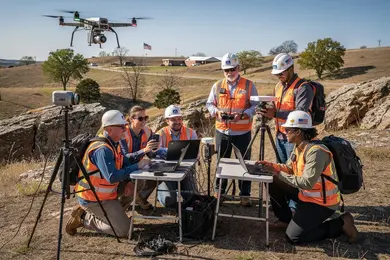
The integration of automation and drone technology is reshaping geoscience field data collection, reducing traditional workflows by up to 70-80%. This shift creates a demand for professionals who blend physical field skills with expertise in operating UAVs and sensor systems. For example, environmental consulting now prioritizes rapid UAV surveys for site assessments over prolonged manual field trips, requiring applicants to demonstrate proficiency with these advanced tools.
Educational programs that fail to include hands-on training in drone operations and mobile GIS risk producing graduates unprepared for these evolving roles. Moreover, sectors like petroleum geology and mining increasingly expect geoscientists to troubleshoot equipment malfunctions in isolated environments where connectivity is limited, adding a critical technical dimension beyond standard fieldwork knowledge.
Workforce readiness now hinges on navigating practical challenges such as securing UAV certifications and balancing onsite data collection with remote processing. Programs addressing these realities tend to align better with employer expectations documented in recent government and industry analyses, offering stronger job placement outcomes.
- Reducing field time through automation shifts skill requirements toward hybrid workflows combining field and tech proficiency.
- Employers expect adaptability to operate and repair automated systems under difficult conditions, affecting hiring decisions.
- Comprehensive curricula integrating drone certification and mobile GIS improve graduate marketability.
Source: Fieldwork, Automation, and Data-Driven geoscience Careers
Other Things You Should Know About Geosciences
Employers in geosciences prioritize demonstrated field skills and practical experience over the mode of instruction. Online degrees that integrate mandatory in-person field components or partnerships with local sites carry more weight. Programs lacking hands-on field requirements can signal weaker preparation, reducing competitiveness for field-intensive roles. Candidates should verify if field training aligns with industry standards and employer expectations to avoid gaps in practical capability.
Effective training includes hands-on use of standard field instruments like GPS units, seismic sensors, or soil analyzers, not just theoretical exposure. Students should prioritize programs that loan equipment or have regional partnerships allowing onsite access to current technology. Without direct technology interaction, graduates risk lacking practical skills that employers expect for immediate deployment. Verification of equipment training quality is essential for accurate career readiness assessment.
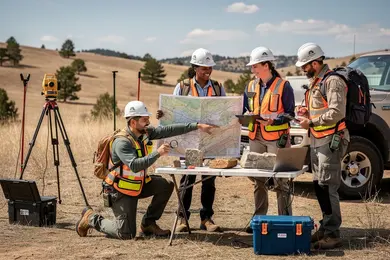
A strong online geosciences degree should include at least one field camp, supervised sampling in mapped terrain, GPS and GIS data collection, and a capstone using real field datasets. Many employers also look for documented hours in sediment, rock, water, or soil sampling and safety training.
References
- Supporting Geoscience Students https://www.grow-geocareers.com/forgeodepartments
- Is Your Online Degree Legitimate? How to Verify Private University Approval https://matchtocollege.com/blog/verify-private-university-online-degree-approval
- The Value of Field Experience https://www.americangeosciences.org/community/value-of-field-camp/
- Online Geoscience Degrees: Top Schools and All Programs in 2026 https://www.gisdegree.org/online/geoscience-degrees/
- The Geological Society - Degree Accreditation https://www.geolsoc.org.uk/education-and-resources/universities/university-degree-accreditation/
- How do recent geoscience graduates experience the job market? - GeoExpro https://geoexpro.com/how-do-recent-geoscience-graduates-experience-the-job-market/
- Interactive Online Short Courses - eage.org https://eage.org/education/interactive-online-short-courses/
- Are Online Degrees Accredited? How to Identify Quality Distance Learning Programs https://www.umassglobal.edu/blog-news/online-degrees-accredited-identify-quality-distance-learning-programs