2027 Environmental Monitoring Roles You Can Target With a Geosciences Degree

Co-Founder and Chief Data Scientist
When environmental contamination threatens a water source relied upon by millions, professionals must act immediately to assess, monitor, and mitigate damage. Geosciences graduates face sharply increasing demands to fill roles that require not only technical expertise but also the ability to navigate complex regulatory environments and evolving data technologies.
A 2024 report from the U. S. Bureau of Labor Statistics projects a 6% increase in environmental science roles over the next decade, driven by regulatory changes and climate concerns, emphasizing the need for flexible, accessible education pathways to keep pace with workforce mobility. This article identifies key environmental monitoring careers accessible with a geosciences degree and evaluates how they address current job market realities and professional advancement challenges.
Key Things You Should Know
- Federal data from 2024 reveal environmental monitoring roles requiring geosciences degrees pay on average 15% higher than related environmental technician positions, but face stiff competition as entry-level openings grew only 2% annually since 2020, indicating a talent supply-demand imbalance affecting career timing.
- Employers in energy and urban planning sectors prioritize candidates with GIS and remote sensing skills embedded in geosciences curricula, causing programs without integrated technical training to witness 30% lower job placement rates, reshaping workforce credential expectations sharply.
- Lengthy credentialing paths averaging 6 years, coupled with rising tuition costs by 8% per annum per the National Center for Education Statistics, pose significant access barriers, forcing candidates to weigh delayed income against accelerated certifications with narrower role eligibility.
What environmental monitoring jobs can you get with a geosciences degree?
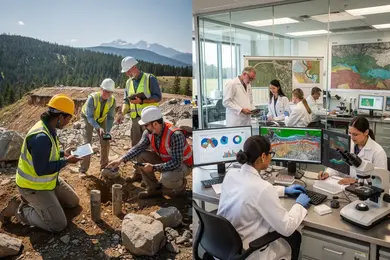
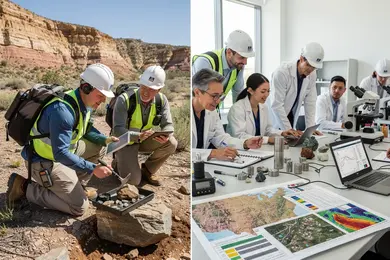
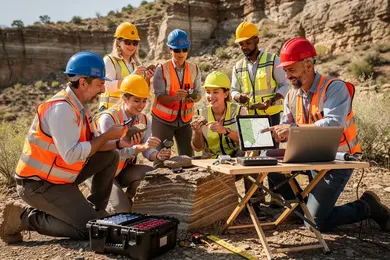
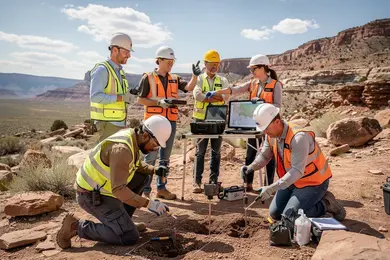
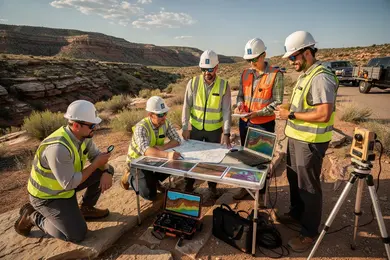
Environmental monitoring careers for geosciences graduates demand a balance between technical expertise and adaptable fieldwork skills. Roles like air quality specialist or hydrologist involve analyzing diverse environmental data-such as pollutants, soil, and water samples-to enforce regulations and inform remediation efforts. For instance, an air quality specialist operating in urban settings must navigate fluctuating emission levels while complying with EPA and state environmental laws. Employers typically seek candidates skilled in GIS, data modeling, and familiar with environmental standards.
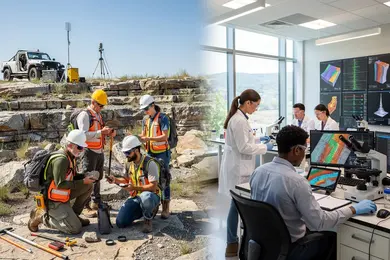
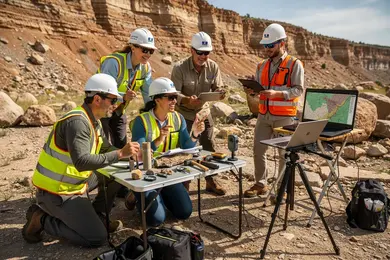
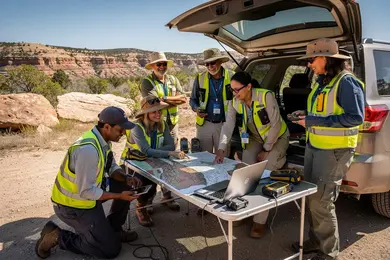
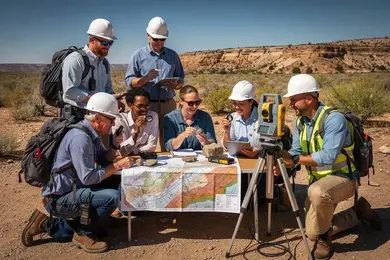
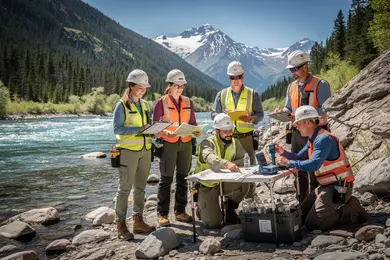
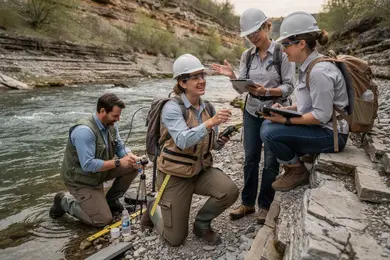
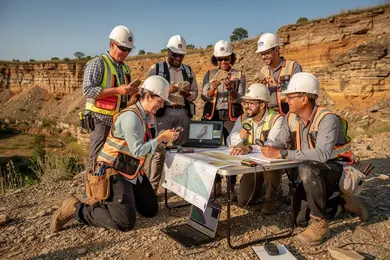
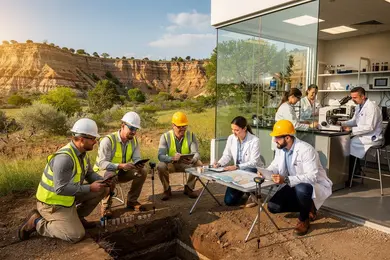
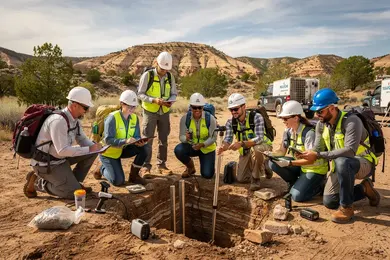
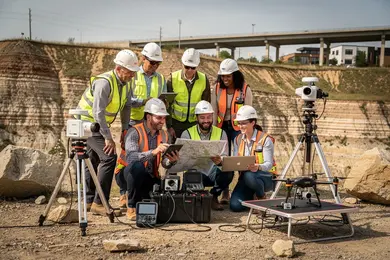
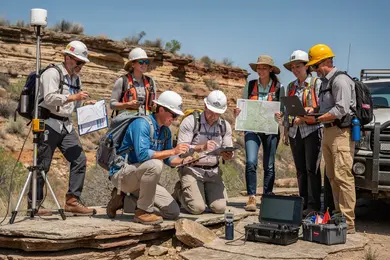
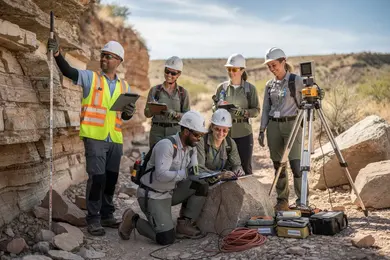
Geosciences degree jobs in environmental monitoring require significant on-site sampling and lab analysis, often under challenging conditions. The technical complexity includes interpreting large datasets and maintaining sensitive equipment outdoors. Entry positions may offer modest salaries compared to the intensity of field duties, and ongoing education is needed to address evolving regulations and technologies. Certifications in environmental management or advanced data analysis can improve prospects.
The U.S. Bureau of Labor Statistics anticipates 6% growth for environmental scientists and specialists through 2032, with demand concentrated in sectors like energy and manufacturing, where regulatory oversight is increasing. This growth reinforces the practical value of monitoring skills gained through geosciences training but highlights the necessity of aligning education with industry-specific competencies.
For professionals considering a pivot, it is useful to compare pathways such as transitioning into roles like speech language pathologist, which may require different credentials but share parallels in regulatory frameworks and specialized skill sets.
How does a geosciences degree prepare you for environmental monitoring careers?
Employers in environmental monitoring prioritize practical expertise in data integration and contamination assessment, a demand clearly met by a geosciences degree's alignment with real-world environmental challenges. Graduates who actively apply environmental monitoring skills gained from a geosciences degree stand out by merging hydrogeological knowledge with GIS and remote sensing to pinpoint contamination risks and infrastructure weaknesses-an expectation especially acute as municipal water authorities increasingly rely on these skills for EPA-compliant protocol design under financial and logistical constraints.
For example, working with real-time sensor data to track pollutant dispersal or sediment movement directly impacts water safety strategies amid growing global investments in water treatment infrastructure, projected to approach $956 billion annually by 2030. This scale of investment signals expanding opportunities for those adept at environmental data analysis and infrastructure resilience assessment.
Key technical competencies developed include:
- Advanced understanding of hydrogeological cycles and their influence on contaminant migration
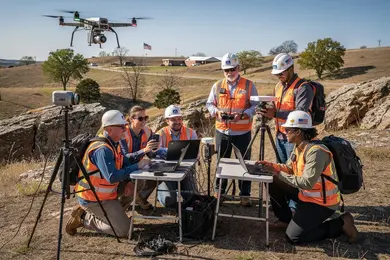
- Experience using environmental monitoring equipment and remote sensing technologies
- Data analysis and reporting with statistical software tailored to environmental datasets
However, theoretical knowledge must be coupled with practical problem-solving due to the variability of field conditions versus models. Effective communication of complex environmental data to diverse stakeholders remains essential, influencing remediation decisions and regulatory compliance. Evaluating geosciences degree career paths in environmental monitoring means weighing the rigorous interdisciplinary skills gained against job market demands for adaptable, field-ready professionals.
Prospective students can consider compensation trends and program costs by reviewing resources such as the online animal science degree salary guide to better understand economic outcomes in related environmental science fields.
What are the most in-demand environmental monitoring roles and employers today?
Demand for environmental monitoring jobs in North America is driven largely by regulatory enforcement that compels organizations to maintain strict adherence to environmental standards. For example, manufacturers facing EPA penalties must employ onsite compliance specialists who can interpret dynamic chemical emissions data against legal limits, a role requiring not only technical skill but acute regulatory knowledge. These real-world pressures prioritize candidates with applied expertise in environmental data collection and risk assessment, often obtained through geosciences degrees emphasizing field experience and regulatory frameworks.
Top employers hiring environmental monitoring specialists include government agencies like the EPA and state departments, industrial manufacturers, energy firms committed to sustainable practices, and consulting companies managing complex environmental impact assessments. These employers focus on candidates who can rapidly adjust to evolving legal requirements while delivering accurate, documented monitoring results under strict timelines.
Students pursuing geosciences paths must weigh the practical tradeoffs between fieldwork-intensive roles, which often involve exposure to challenging work environments, and office-based data analysis positions. Gaining hands-on experience through internships that replicate genuine monitoring scenarios remains essential to meet employer expectations and navigate economic constraints effectively. For professionals seeking accelerated credentialing, programs like an accelerated exercise science degree online illustrate the importance of efficient, targeted education tailored to workload and market urgency.
Which geoscience courses and skills matter most for environmental monitoring work?
Environmental monitoring courses for geosciences graduates must balance quantitative rigor with practical field skills to align with employer expectations in a competitive market. Mastery of atmospheric science, remote sensing, and GIS supports critical analyses of spatial and temporal environmental data-skills increasingly prized as the climate analytics sector grows annually by over 23%, according to McKinsey & Company. For example, proficiency in GIS is a distinct advantage for interpreting satellite imagery essential in urban planning and wildfire mitigation, while atmospheric science expertise enables modeling of air quality or extreme weather events relevant to compliance and disaster response.
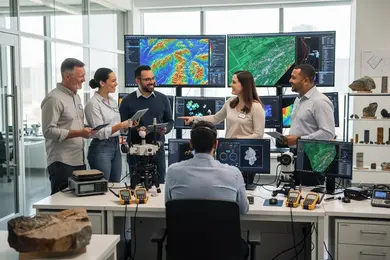
Core essential geosciences skills for environmental monitoring careers include applied statistics and data programming with languages like Python, R, or MATLAB. These competencies are mandatory for managing complex datasets and building predictive models tailored to site-specific challenges such as groundwater contamination or coastal erosion. Graduates lacking these skills often face difficulties navigating real-world data variability and miss out on roles within climate risk analytics and environmental consulting.
Field methods and geochemistry provide indispensable hands-on understanding of sampling and contaminant analysis, translating theory into reliable data quality assurance foundational to environmental remediation and ecosystem health assessment roles. However, trade-offs emerge: strong emphasis on modeling can limit field experience whereas prioritizing lab work may reduce computational proficiency valuable for automated environmental monitoring.
Students weighing program options would benefit from practical insights evident in online electrical engineering degree programs for veterans, where balancing technical skills and applied experience shapes employability outcomes.
What education level and certifications are required for common monitoring positions?
Environmental monitoring roles in geosciences increasingly demand more than a bachelor's degree to succeed, reflecting growing market complexity and regulatory demands. Entry-level positions such as remote sensing technicians commonly require a bachelor's alongside certifications like GIS Professional (GISP) or Certified Remote Sensing Technologist (CRST). These credentials demonstrate essential skills in satellite data analysis, critical as the Earth observation and geospatial analytics market is projected to more than double from about $20 billion in 2023 to over $40 billion by 2030.
Mid-career roles-such as environmental compliance analysts or geospatial data scientists-typically need master's or PhD qualifications combined with specialized certifications like Certified Environmental Professional (CEP). These positions handle complex modeling and mandatory regulatory reporting, which undergraduate preparation alone cannot satisfy. Security clearances or specific professional licenses are often required when working with sensitive environmental data in government or defense contexts.
Professionals who forgo advanced education and certification encounter stagnant growth and restricted access to projects, especially those tied to government contracts or climate initiatives. For example, geoscientists delivering EPA compliance reports must provide verifiable, certified documentation, making credentials non-negotiable. Continuous skill upgrades in software platforms like ESRI's ArcGIS or remote sensing tools remain vital to maintain competitiveness as the sector rapidly expands.

How do online geoscience programs compare with campus programs for this career path?
Online geoscience degrees offer flexibility but generally fail to replicate the intensive, hands-on training essential for environmental monitoring roles requiring fieldwork and laboratory skills. Employers in environmental consulting, a sector projected to surpass $100 billion by 2030 with steady 5-6% annual growth, expect candidates to have verified experience in environmental sampling, data analysis, and regulatory compliance-competencies best acquired through campus-based programs with direct mentorship and access to specialized equipment.
Online students face significant hurdles securing local internships or lab access, which can limit practical exposure and diminish networking opportunities critical for contaminated site remediation positions. Campus programs often integrate co-op placements and on-site projects, reducing this gap. For career pivoters managing work or family commitments, online formats offer accelerated timelines and scheduling ease but may require extended periods to accumulate necessary field experience to meet employer benchmarks.
Key employer expectations include proficiency in sampling techniques for petroleum hydrocarbons and heavy metals, as well as groundwater modeling, typically taught in mandatory labs and field exercises on campus. Prospective students should rigorously evaluate program accreditation, field component availability, and partnerships with consulting or governmental bodies, given these factors' direct impact on employability.
Long-term advancement in environmental monitoring often depends on sustained professional development and robust alumni networks, which campus-based cohorts generally facilitate more effectively than dispersed online groups.
How can you tell if a geoscience program is properly accredited and reputable?
Choosing a geoscience program without confirming accreditation from recognized bodies like the Council for Accreditation of Earth Sciences Programs (CAESP) or regional accreditors such as the Higher Learning Commission (HLC) risks missing critical applied skills employers expect. For instance, unaccredited programs often lack essential groundwater modeling or geochemical analysis training, which are increasingly important as groundwater is projected to supply about half of global drinking water by 2025, per the UNESCO World Water Development Report 2024-2025.
Evaluating faculty expertise in hydrogeology-related research and practical internship opportunities with agencies like the US Geological Survey is vital. These factors enhance a graduate's alignment with industry standards and improve employability in environmental monitoring roles, where hands-on experience greatly influences job placement.
Applicants should scrutinize graduate placement data, particularly in water resource monitoring sectors, since transparency here correlates with employer trust and stronger professional networks. Geography also matters; institutions located near critical groundwater regions tend to maintain closer industry ties and offer updated, location-specific training.
To navigate the rapidly expanding hydrogeological workforce demands, it is pragmatic to invest in accredited, research-active programs demonstrated to interface with ongoing water-quality projects. This approach mitigates the risk of gaps in competencies necessary for tackling contemporary groundwater management challenges effectively.
What are typical salaries and benefits for environmental monitoring professionals with geoscience training?
Salaries for environmental monitoring professionals with geosciences backgrounds in the U.S. vary significantly based on experience, sector, and geographic location, ranging roughly from $55,000 to over $90,000 annually. Entry-level positions at state or local agencies tend to hover around $50,000, while federal roles and private consulting firms offer higher ceilings, especially for those with specialized expertise in biodiversity monitoring-an area seeing increased urgency due to a 69% decline in vertebrate populations since 1970 as reported by the Living Planet Index.
Compensation differences reflect more than base pay; federal jobs often include superior benefits like enhanced retirement options, health insurance, and loan forgiveness, whereas private sector positions might offer higher upfront pay but less job security and fewer long-term perks. Fieldwork demands also influence pay, with geoscientists conducting remote or hazardous biodiversity surveys frequently receiving additional hazard or per diem compensation not standard in office-focused roles.
Employment in this sector requires ongoing investment in certifications such as Certified Environmental Scientist credentials, plus continual upskilling in tools like GIS and remote sensing, as employers expect proficiency in advanced data analytics and complex ecological data interpretation.
Given budget constraints in government agencies, job seekers often weigh stability against earning potential and may find research institutions or better-funded private firms more viable for competitive salaries. Targeting employers aligned with one's financial needs and lifestyle priorities is critical.
What is the job outlook for environmental monitoring careers in the United States?
Environmental monitoring careers in the United States are expanding due to stricter air and water quality regulations combined with growing public health concerns. Professionals equipped with geosciences degrees are increasingly sought after to perform specialized environmental sampling, data quality assurance, and regulatory compliance reporting. Realistically, candidates face more competition in large metropolitan areas where many graduates enter the workforce annually, making internships and technical certifications in GIS or air quality modeling important differentiators.
Federal and state agencies, like the Environmental Protection Agency, significantly increase staffing to enforce clean air acts and community right-to-know laws. Meanwhile, environmental consulting firms engage more with private industry clients needing comprehensive risk assessments, creating diverse career pathways but requiring adaptability to different employer expectations and field conditions.
Entry-level salaries generally range from $45,000 to $60,000, growing above $80,000 with experience and specialized skills such as remote sensing or toxicology analysis. Candidates should anticipate frequent retraining to keep pace with evolving monitoring technologies and data protocols. The role often demands balancing rigorous fieldwork under challenging conditions with translating technical findings into accessible reports for non-expert stakeholders - a skill critical for long-term career viability.
How should students choose between geoscience specializations focused on environmental monitoring?
Specializing in geoscience disciplines requires aligning educational choices with labor market demands, particularly where workforce projections and practical skillsets intersect. For instance, geographic information systems (GIS), cartography, and photogrammetry stand out due to a steady 5% job growth forecast and roughly 1,000 annual openings, driven by infrastructure upgrades and environmental monitoring needs.
Choosing a specialization means navigating tradeoffs between technical GIS competencies and broader environmental science knowledge. GIS-focused programs emphasize spatial data analysis, software proficiency, and regulatory awareness critical for environmental impact assessments and hazard mitigation. Meanwhile, hydrogeology or environmental geochemistry specializations demand more fieldwork and lab expertise, often aligned with regulatory compliance and contamination analysis.
Key considerations include:
- Examining curricula for practical, hands-on experience with geospatial technologies relevant to real-world environmental challenges.
- Securing internships or cooperative education placements in agencies or firms to validate applied skills and industry relevancy.
- Understanding that roles in cartography and GIS frequently offer more predictable employment compared to specialized niches with narrower demand.
- Factoring geographic variation in demand, as infrastructure development heightens needs for spatial data professionals in specific regions.
Effectively balancing depth in data-centric geospatial skills against environmental science breadth can increase employability, notably where workforce demand anticipates stable, quantifiable openings. Such strategic specialization decisions inform meaningful career pivots or advancement within the geosciences.
Other Things You Should Know About Geosciences
Employers in environmental monitoring often seek candidates who balance practical fieldwork with strong data analysis and modeling abilities. Prioritizing fieldwork provides direct exposure to real-world environmental conditions, which enhances problem-solving on-site. However, technical skills in modeling and remote sensing increasingly determine a candidate's competitiveness, especially for roles involving regulatory compliance and large-scale data projects. Candidates should evaluate programs that integrate both elements rather than focusing exclusively on one.
A broad geosciences degree offers flexibility across various sectors but may require additional certifications or on-the-job training to access environmental monitoring roles. Specialized tracks, while narrower, provide targeted skills and coursework aligned with employer needs, accelerating employability in monitoring positions. Prospective students should weigh their career focus: if environmental monitoring is the goal, a specialization reduces time to competency and enhances relevance in a competitive market.
Hazardous-waste and safety credentials are the most useful. OSHA HAZWOPER 40-hour training is widely required for field monitoring work, and some employers also ask for CPR/first aid and GIS software training. Roles involving samples or compliance may prefer EPA or state-specific water-quality credentials.
References
- 500+ Water Jobs (Updated Today) â Free to Apply https://jobs.watertechintel.com/blog/geology-major-jobs
- Top Career Paths in Monitoring and Evaluation (M&E) https://online.foundation.co.za/latest-news/top-career-paths-in-monitoring-and-evaluation-me
- Environmental Monitoring and Research | NAAEE Jobs https://jobs.naaee.org/careers/environmental-quality-and-monitoring
- How to Have a Career in Monitoring and Evaluation (M&E) with No Prior https://www.annmurraybrown.com/single-post/2017/05/23/how-to-have-a-career-in-monitoring-and-evaluation-me-with-no-prior-experience
- In-Demand Environmental Jobs You Don't Want to Miss https://lgcassociates.com/in-demand-environmental-jobs/
- Careers That Require a Certification or License https://www.columbiasouthern.edu/blog/blog-articles/2025/february/jobs-careers-require-license-certification/
- General Schedule Qualification Standards https://www.opm.gov/policy-data-oversight/classification-qualifications/general-schedule-qualification-standards/
- What coursework should I take to become a successful Applied Geoscientist? https://www.aegweb.org/index.php
- The Geological Society - Degree Accreditation https://www.geolsoc.org.uk/education-and-resources/universities/university-degree-accreditation/
- Explore where VIU is going https://socialsciences.viu.ca/geography/professional-accreditation