2027 Online Geosciences Degrees for Outdoor and Fieldwork Careers

Co-Founder and Chief Data Scientist
A field geologist tasked with leading a time-sensitive environmental impact survey often confronts a fragmented educational background that lacks practical fieldwork training, jeopardizing project outcomes and client trust. This situation grows increasingly common as working professionals seek flexible learning pathways, with recent data from the National Center for Education Statistics showing a 12% rise in adult enrollment in accredited online STEM programs since 2023.
This shift signals a growing demand for accessible, competency-based training that aligns with field realities and employer expectations, especially as employers prioritize hands-on experience alongside theoretical knowledge. This article evaluates online geosciences degrees tailored for outdoor and fieldwork careers, equipping readers to select programs that optimize career mobility and practical readiness.
Key Things You Should Know
- Over 40% of geosciences field roles require physical sample analysis and site-based skills that online degrees struggle to replicate, raising employer skepticism about purely remote training per National Science Foundation data.
- Employers report 28% higher preference for candidates from hybrid programs with mandatory field modules, influencing hiring in resource extraction and environmental consulting sectors, according to the U.S. Bureau of Labor Statistics.
- Online geosciences degrees reduce relocation costs by 35% but extend total program duration by an average 12 months due to limited lab and fieldwork scheduling, impacting accelerated career entry per 2024 Council of Graduate Schools findings.
What is an online geosciences degree and how does it prepare you for fieldwork careers?
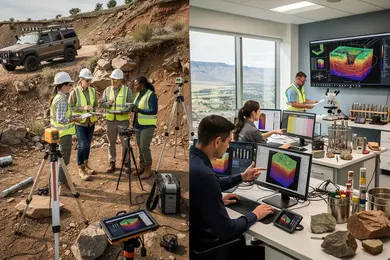
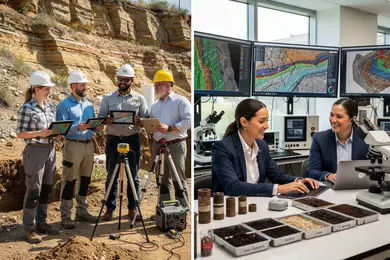
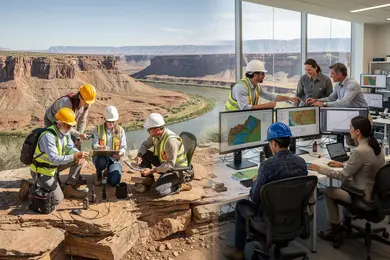
Students pursuing an online geosciences degree for fieldwork preparation face a critical tradeoff: remote coursework conveys theoretical knowledge and technical skills, but real-world field competence hinges on effectively integrating supervised, in-person experiences. Programs typically employ virtual labs, GIS software, and remote sensing simulations to build foundational abilities in geological mapping and environmental assessment. Yet, mandated hands-on internships or short on-site bootcamps are essential to validating these competencies under actual conditions.
This hybrid model targets working professionals balancing employment alongside study, but it also imposes logistical challenges such as arranging local supervision and accessing suitable field sites that satisfy program standards. Without this, graduates risk underemployment, confined to data analysis roles rather than active field positions where safety and precision are paramount. Incorporating field practicums aligned with specific regional geology is vital for students aiming at resource extraction, environmental consulting, or hazard mitigation careers.
The U.S. Bureau of Labor Statistics and American Geosciences Institute forecast growth adding nearly 17,000 positions by 2034, highlighting demand for geoscientists adept in blending remote data work with on-site investigation. Evaluating programs by their fieldwork integration, accreditation, and partnerships for verified experience is non-negotiable for credible preparation in outdoor careers. For those considering how online geosciences programs train for outdoor careers, it is prudent to explore options alongside recognized best GIS undergraduate programs that provide complementary skills in spatial analysis and field data application.
How do online geosciences programs compare to on-campus options for hands-on and outdoor learning?
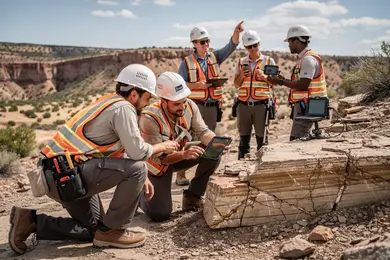
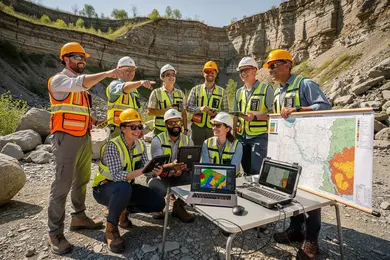
Online geosciences programs for hands-on field experience fall short of replicating the immersive, sustained outdoor and lab training embedded in campus-based degrees. Employers across environmental consulting, resource extraction, and geotechnical engineering heavily prioritize first-hand fieldwork skills-soil sampling, instrumentation use, and terrain navigation-that online curricula struggle to integrate fully. On-campus degrees typically mandate weeks-long field camps providing direct instructor supervision and real-time skill correction, which online options compensate for only through limited or optional regional fieldwork varying greatly by student location and access.
Students in online geosciences programs must often navigate logistical challenges and added costs by arranging local internships or partnerships with geological firms to obtain comparable outdoor learning experiences. This difference in field exposure can delay workforce readiness, often requiring new hires to complete extensive employer-led practical training. Given the projected 3% employment growth for geoscientists between 2024 and 2034-fueled by demand in environmental protection and sustainability-mastery of field data collection and analysis remains a decisive advantage.
A comparison of outdoor learning in online versus on-campus geosciences degrees highlights this tradeoff:Online programs provide flexibility but demand proactive, self-arranged hands-on practice.On-campus options embed field education that aligns closely with employer expectations and accelerates skill acquisition.For those eyeing a career pivot into such practical areas, supplementing online study with verified field experience is essential.
Prospective students evaluating broader online STEM options might consult research on online data science masters to understand how different disciplines address remote versus hands-on training balance.
What types of geoscience degrees can you earn online, from certificates to graduate programs?
Choosing an online geoscience degree requires weighing the intended role and career scope against educational depth and practical demands. Certificate programs quickly bolster skills like environmental monitoring or GIS mapping, aiming at technician-level positions with salaries from $50,130 to $62,090. These credentials suit those enhancing hands-on experience but don't typically enable independent field leadership.
Associate degrees create a solid base for environmental technician or geological assistant jobs but rarely unlock managerial or advanced scientific roles, which usually start near $100,000 annually. A bachelor's degree, which most employers expect for roles involving autonomous field decisions and contract oversight, situates graduates around the median salary tier. This credential delivers comprehensive outdoor systems training alongside technical reporting skills.
Master's programs in applied geology or environmental geoscience expand opportunity for field operation leadership and complex site assessment management, with salary potential from approximately $103,730 to $134,830. However, many programs mandate some in-person fieldwork, limiting fully remote study options.
Doctoral degrees focus more on academic or policy-oriented research rather than practical fieldwork, offering limited direct application for outdoor careers.
For those comparing pathways beyond geology, considering a nutritionist degree may provide distinct but complementary expertise within environmental health fields.
Accredited online geoscience education options for fieldwork careers vary considerably in time commitment, practical exposure, and salary outcomes.
What courses and field experiences are typically included in an online geosciences curriculum?
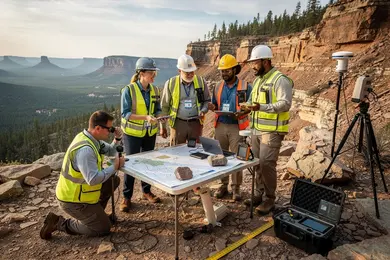
Online geosciences curricula balance essential theory with practical skills, yet their fieldwork components pose a significant challenge. Core courses cover physical geology, mineralogy, sedimentology, and geophysics, often supplemented with environmental geology and GIS applications. However, fulfilling field experience remotely requires navigating travel logistics for regional field schools, virtual labs, or intensive summer residencies, which remain crucial for developing competencies in rock identification, soil sampling, and surveying equipment use-skills prized by employers for site assessments and consulting roles.
The typical courses and practical experience in geosciences programs extend into remote sensing and GIS, equipping students for industry needs like mapping and spatial analysis vital in petroleum exploration and land-use planning. Employers expect candidates not only to grasp theory but to demonstrate hands-on proficiency with these technologies, frequently insisting on documented field experience for environmental agency hiring.
Cost is a decisive factor: an online geoscience bachelor's degree at Southern New Hampshire University charges $320 per credit hour (about $38,400 for 120 credits), contrasted with some public universities where nonresident tuition approaches $66,000-$85,000. This introduces a tradeoff between affordability and access to broader institutional resources and potentially richer field opportunities.
Prospective students should assess programs' capacity to deliver practical fieldwork while managing additional expenses and time demands. Programs with hybrid formats or local field partnerships reduce barriers, aligning better with employer expectations. For comparative context on affordability considerations, review the cost of computer science degree.
How can you verify that an online geosciences program is properly accredited and respected?
Accreditation in online geosciences programs directly affects licensure eligibility and employer acceptance, especially in fields requiring certified fieldwork like environmental consulting or geological surveying. For instance, many state licensing boards mandate degrees from regionally or nationally accredited schools to qualify for professional geologist credentials, a critical factor influencing career options in regulatory agencies or resource extraction firms.
Programmatic accreditation from entities like the Geological Society of America or the American Geosciences Institute (AGI) further validates curriculum relevance. Given AGI's recent data showing declining enrollment and degree awards, choosing programs with current content and integrated outdoor training becomes essential to stand out in a contracting job market.
Practical experience verification-on-site or hybrid field components-is a differentiator valued by employers. Prospective students should verify fieldwork requirements by reviewing academic catalogs or consulting program coordinators. Checking alumni success in securing certifications or fieldwork positions can reveal program effectiveness in meeting industry standards.
Official U.S. Department of Education databases help confirm legitimate accreditation, while caution is advised toward programs accredited solely at the state level or by non-recognized bodies, which may limit professional licensing opportunities. This vigilance avoids investing in credentials that don't satisfy technical or regulatory demands in outdoor and field-focused careers.
What are the admission requirements and application materials for online geosciences degrees?
Admission to online geosciences degrees demands more than basic qualifications; candidates must demonstrate strong competencies in math and science reflecting the technical rigor of the field. Standardized tests like the SAT or ACT remain relevant for many programs, although test-optional policies have shifted weight toward GPA and subject-specific coursework. For applicants transitioning from unrelated disciplines, applications need strategic framing-highlighting transferable skills such as data analysis or field experience-to compete effectively.
Typical submission materials include official transcripts, personal statements outlining career intent, and recommendations from science professionals. Portfolios showcasing GIS or research projects can bolster applications, especially for roles focused on environmental or geophysical specialties. Practical demands of geosciences careers necessitate physical readiness and sometimes on-site participation for fieldwork intensives or internships-elements that online formats must accommodate to maintain graduate employability.
These requirements reflect a workforce that values hands-on experience in challenging environments. Choosing a program with integrated fieldwork is necessary to avoid limiting career mobility in sectors like environmental consultancy versus resource extraction. This distinction is evident in the UK market, where 34 institutions offer varying geoscience paths, underlining the importance of aligning education with specific industry demands.
How long do online geosciences programs take and what do they cost to complete?
Choosing an online geosciences degree involves weighing extended timelines against the necessity of integrated technical and field skills. While a bachelor's typically spans four years and a master's two, part-time students often need additional time due to balancing courses with fieldwork or employment. This balance heavily influences employability since employers expect demonstrated competency in GIS, data analysis, and field methods.
Cost differences between public and private institutions translate into significant financial tradeoffs. Annual charges at public universities range from $8,000 to $18,000 for in-state students, whereas private or out-of-state tuition can reach $45,000, pushing total degree costs toward $90,000. Beyond tuition, expenses such as field equipment, GIS software, and travel for hands-on experience should factor into decisions, as these elements directly impact skill development and job market readiness.
Employers prioritize graduates with practical experience facilitated by local partnerships, field expeditions, or simulated environments. Limited field exposure can constrain opportunities in sectors like resource exploration or environmental consulting, where hands-on proficiency underpins effective performance. Graduates proficient in geospatial tools and analysis are better positioned for the projected 3% job growth through 2034, according to the U.S. Bureau of Labor Statistics.
Prospective students should critically evaluate how online geosciences programs organize fieldwork and technical training to ensure alignment with career objectives and industry expectations.
What outdoor-focused careers can you pursue with an online geosciences degree?
Choosing an online geosciences degree geared toward outdoor-focused roles demands acknowledgment of the physical and logistical challenges inherent in such careers. Positions like environmental consultant or hydrologist require extensive time onsite, where professionals perform soil and water analyses or monitor watershed conditions, employing portable geospatial tools under variable and often harsh environmental conditions. This in-field engagement often conflicts with irregular schedules, travel to remote locations, and weather unpredictability, necessitating physical endurance and comprehensive safety training.
Workforce data reveals a growing demand for geoscientists capable of balancing fieldwork with analytical office tasks. The U.S. employed 342,002 geoscientists as of April 2026, a 5% increase from the prior month, reflecting expanding opportunities that blend outdoor work with data management. Candidates prepared for hybrid roles may experience greater career flexibility, including pathways into supervisory or policy advisory positions, while field-centric professionals must maintain specialized certifications and stay current on operator qualifications for equipment-intensive tasks.
Prospective students should prioritize programs offering virtual simulations complemented by mandatory field practicums. The integration of these prepares graduates more realistically for in-field challenges and employer expectations. Emphasizing practical field methods alongside foundational theory enhances employability, especially for roles involving hazardous environments like mining or energy exploration. These tradeoffs influence career durability and adaptability in a labor market valuing both technical proficiency and operational resilience.
What are the salary ranges and job outlook for geoscience and fieldwork-based roles?
Compensation in geoscience roles tied to fieldwork diverges sharply depending on sector and experience, shaping critical career decisions. Entry-level salaries in environmental consulting or public agencies typically range $55,000 to $70,000, while veterans in petroleum geology or mineral exploration can exceed $150,000. Federal jobs, often emphasizing both research and arduous field conditions, offer median salaries near $90,000 with added stability and benefits.
Employers seek candidates proficient in GIS, remote sensing, and comfortable operating in unpredictable outdoor settings. For example, hydrologists assessing water quality must navigate logistical hurdles like remote access and seasonal timing, affecting project duration and costs. Relocation to resource-rich but remote regions may yield higher pay but demands balancing lifestyle tradeoffs and travel expenses.
Educational debt markedly influences early-career options: 83% of 2022 geosciences research doctorate recipients reported no graduate debt, yet 22% holding debt owed over $60,000. This financial burden restricts mobility and reduces feasibility of lower-paying government or nonprofit roles essential for public interest science.
When evaluating Geosciences degrees for outdoor careers, consider these factors:
- Sector-specific salary variability and experience premiums
- Essential technical skills aligned with fieldwork demands
- Geographical and lifestyle tradeoffs vis-à-vis compensation
- Impact of educational debt on career flexibility
Are licenses, certifications, or safety training required for geoscience fieldwork jobs?
Licenses and certifications in geosciences function as gatekeepers rather than mere formalities, shaping access to projects and roles across federal, state, and private sectors. For example, federal land assignments often require special safety credentials like HAZWOPER due to potential exposure to hazardous waste, which cannot be bypassed without disqualification. Similarly, a Professional Geologist (PG) license or certification from the American Institute of Professional Geologists (AIPG) typically signifies legal responsibility and technical autonomy, prerequisites for senior field or consulting positions.
In mining or petroleum-related geoscience work, additional qualifications such as OSHA compliance and confined space training address the real-world dangers inherent in these environments. Employers prioritize practical demonstration of skills in GPS use, geological mapping, and field equipment operation, often favoring verified hands-on experience over purely academic coursework.
The median salary increase of 4.5% year-over-year signals employer willingness to compensate for these necessary credentials, which enhance employability and role breadth. Candidates should anticipate both temporal and financial investments in multiple licenses and safety certifications, especially when crossing industry boundaries or targeting government contracts where compliance scrutiny is strict.
- Mandatory site-specific safety training (e.g., HAZWOPER) for contaminated sites
- Licensing requirements such as PG for legal accountability and advanced roles
- Industry-specific clearances (e.g., OSHA, confined space) for hazardous environments
- Employer validation of practical geoscience skills through field-based training
Other Things You Should Know About Geosciences
Online programs often face challenges replicating the physical and environmental conditions of fieldwork. While virtual labs and simulated exercises provide some practical training, students must seek supplemental in-person field experiences to develop endurance, equipment handling, and situational awareness required in geoscience careers. Choosing a program that partners with local field sites or integrates mandatory field camps is essential for meeting employer expectations regarding field readiness.
In 2027, employers increasingly recognize the value of skills over the degree format. Online geosciences degrees can be equally respected, especially if they include fieldwork components and practical experience that demonstrate readiness for outdoor roles.
Specializing in areas like environmental geology or remote sensing offers advantages for niche outdoor roles requiring specific expertise, while a broad curriculum provides flexibility across various fieldwork opportunities. For students targeting immediate employment in a defined sector, prioritizing specialization with field-based coursework optimizes job readiness. Those planning long-term career adaptability benefit from a balanced approach with core geosciences and elective specializations.
Most online geosciences degrees that support fieldwork careers require 1 to 2 field camps, often totaling 2 to 6 weeks, plus laboratory intensives or a practicum of 3 to 6 credit hours. Programs usually place these in summer and require department approval before enrollment.
References
- 500+ Water Jobs (Updated Today) â Free to Apply https://jobs.watertechintel.com/blog/geology-major-jobs
- Fieldwork https://www.geolsoc.org.uk/Geology-Career-Pathways/University/During-your-degree/Fieldwork.html
- Licensure of Geologists in the United States https://www.americangeosciences.org/licensure/
- Geologists: Salary, career path, job outlook, education and more - RaiseMe https://www.raise.me/careers/life-physical-and-social-science/geoscientists/geologists/
- ThisIsGeoscience - Geoscience Salaries https://www.thisisgeoscience.com/the-resources/geoscience-salaries
- Are Online Degrees Accredited? How to Identify Quality Distance Learning Programs https://www.umassglobal.edu/blog-news/online-degrees-accredited-identify-quality-distance-learning-programs
- Online Geoscience Degrees: Top Schools and All Programs in 2026 https://www.gisdegree.org/online/geoscience-degrees/
- Why is it Important to be Licensed to Practice Applied Geology? https://www.aegweb.org/index.php
- P.G. Licensing FAQs https://tbpg.state.tx.us/p-g-licensing-faqs/
- Regionally Accredited Online Colleges: What You Need to Know | Tiffin University https://go.tiffin.edu/blog/regionally-accredited-online-colleges-what-you-need-to-know/