2027 Online Geosciences Degrees With Stable Earth Science Career Alignment

Co-Founder and Chief Data Scientist
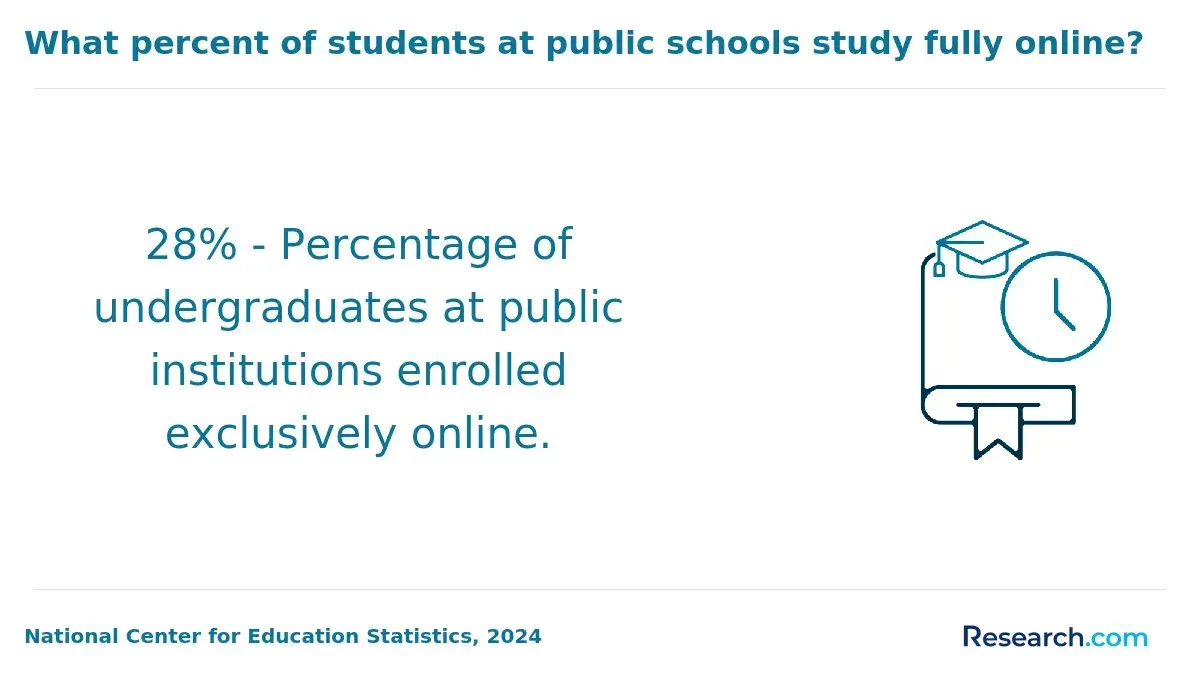
An environmental consultant balancing full-time work faces a tough dilemma: advancing in earth science often demands disruptive campus attendance, yet 63% of undergraduate students now favor online programs, according to recent National Center for Education Statistics data. This shift reveals urgent demand for flexible credentials that maintain rigorous field alignment but accommodate work schedules and geographic constraints.
Equally challenging, employers in stable sectors like energy and government increasingly expect demonstrable applied skills over generic degrees, narrowing viable pathways. This article evaluates online geosciences degree options with strong earth science career alignment, guiding prospective students in selecting programs that optimize both accessibility and workforce readiness.
Key Things You Should Know
- Online geosciences degrees in 2026 often lack fieldwork components critical for environmental and petroleum sectors, forcing graduates to offset gaps with costly internships or certification, delaying workforce entry by 6-12 months.
- US Bureau of Labor Statistics data indicates employers prioritize graduates with GIS and remote sensing expertise, creating a skills bottleneck for those from programs without integrated tech training, limiting job opportunities in resource extraction and urban planning.
- Tuition for fully online geosciences programs averages 25% lower than traditional counterparts per NCES 2024 figures, but incurred technology and software expenses, plus limited access to research networks, narrow long-term career advancement potential in academia or government roles.
What is an online geosciences degree and how does it prepare you for earth science careers?
Online geosciences degree programs for earth science careers require candidates to excel in managing remote data interpretation, virtual labs, and specialized software without the benefit of on-campus resources. This self-directed learning, including focused work on geographic information systems (GIS) applications, reflects employer expectations for proficiency in complex, location-independent analysis.
A geoscientist employed in energy exploration, for instance, may evaluate seismic data remotely across multiple sites, a necessity as fieldwork limitations increase. Employers seek evidence of hands-on competency demonstrated through project-based assessments and internship arrangements typical of reputable online programs. Students must weigh the tradeoff between flexible access to core content-such as meteorology, hydrology, and environmental analysis-and potential gaps in physical laboratory or field experiences.
Career entry points and stability mirror labor market trends, with the U.S. Bureau of Labor Statistics projecting 3% employment growth through 2034 and a median annual wage of $99,240 in May 2024. Those pursuing how an online geosciences degree prepares students for stable earth science jobs should rigorously confirm program accreditation and industry recognition to ensure market readiness. Prospective students interested in geospatial tools may also explore focused options such as a GIS degree, which complements broader geosciences training and enhances practical GIS software skills highly valued by employers.
How do online geoscience degrees compare to on-campus programs for quality and learning experience?
Online geosciences degree quality comparison reveals that while theoretical content parallels on-campus programs, the deficit in hands-on experiential learning is a critical limitation. Fieldwork, lab exercises, and immediate peer interactions embedded in on-campus settings create practical skills that employers demand for roles involving field instrumentation, geospatial analysis, or environmental assessments. For example, hydrology roles with state agencies require verifiable field experience, often embedded in traditional curricula but difficult to replicate in online settings.
Labor projections from the American Geosciences Institute forecast employment growth from 461,152 to 478,091 jobs by 2034, underscoring the ongoing demand in environmental and resource sectors where practical competence is essential. The learning experience in online versus on-campus geosciences programs notably differs in accessibility to internships and faculty-led research, which on-campus students typically leverage for smoother workforce integration. Online learners must proactively seek field opportunities, often extending program duration and costs.
Pragmatically, choices between modalities reflect tradeoffs: online programs offer flexibility for working professionals and geographic independence but require self-direction to build tangible field skills. These factors often influence hiring decisions more than institutional prestige in government, energy, and consulting sectors. Prospective candidates should assess their capacity to supplement online coursework with practical experiences to enhance employability. For professionals considering scalable advanced education, pathways like a master of data science online offer complementary skills increasingly relevant for geospatial and environmental modeling roles.
Which types of geoscience careers offer the most stable, long-term demand in earth sciences?
Long-term stability within earth science jobs primarily hinges on roles in environmental consulting, hydrogeology, and energy resource management, where regulatory demands and infrastructure needs generate steady openings. Careers in geoscience with consistent demand in North America reflect hiring patterns focused on compliance and sustainability, particularly for those able to navigate complex environmental policies or water resource challenges.
Hydrogeologists, for example, are prioritized by municipal and environmental agencies for groundwater management amid climate and urban growth pressures. Meanwhile, energy resource specialists must adapt to evolving market conditions as companies shift between fossil fuels and renewable sources, showing a variable but sustained need for expertise in these areas. Median salaries rose 4.5% from 2024 to 2025, which confirms the sector's acknowledgment of critical skills addressing today's multifaceted environmental and industrial challenges.
Job stability intensifies for professionals who combine geoscience with applied skills such as GIS or environmental policy knowledge. In contrast, graduates from narrowly specialized or research-heavy programs may face limited employment outside academia or government labs. Working professionals pursuing a career pivot should therefore seek practical training aligned with regulatory frameworks and fieldwork to meet employer expectations directly.
Understanding the practical workforce implications of educational choices can shape a more resilient career path. For instance, evaluating how is library science a good degree compares in flexibility and demand can offer valuable insights when deciding on a geoscience educational route.
What accreditation should U.S. online geoscience programs have and how can you verify it?
Regional accreditation remains the decisive benchmark for U.S. online geoscience programs, directly influencing employability and eligibility for professional licensure. For positions in environmental consulting or governmental agencies, employers will rigorously assess whether candidates' degrees meet accreditation standards from recognized bodies such as the Middle States Commission on Higher Education or the Higher Learning Commission. While program-specific accreditations from entities like the American Geosciences Institute can enhance credibility, they do not substitute for this institutional-level validation.
Prospective students evaluating Accreditation standards for U.S. online geoscience programs should consult the U.S. Department of Education's Database of Accredited Postsecondary Institutions and Programs or the Council for Higher Education Accreditation (CHEA) directories to verify status. Without recognized accreditation, candidates risk exclusion from certifications such as the Professional Geologist (PG) license, which many employers require for roles with long-term career stability and advancement.
Pricing considerations factor into decision making, particularly for mid-career professionals seeking cost-effective credential upgrades. Southern New Hampshire University's online geoscience-related bachelor's pricing at $320 per credit hour (approximately $960 per 3-credit course) exemplifies online offerings that undercut many on-campus alternatives.
In parallel fields like earth sciences, using a benchmark such as computer science degrees highlights the broader trend toward affordable online education. Those weighing how to verify accreditation for online earth science degrees in the United States must weigh these cost benefits against the rigors of accreditation verification and employer expectations.
What levels of geoscience degrees (associate, bachelor's, master's) best align with your career goals?
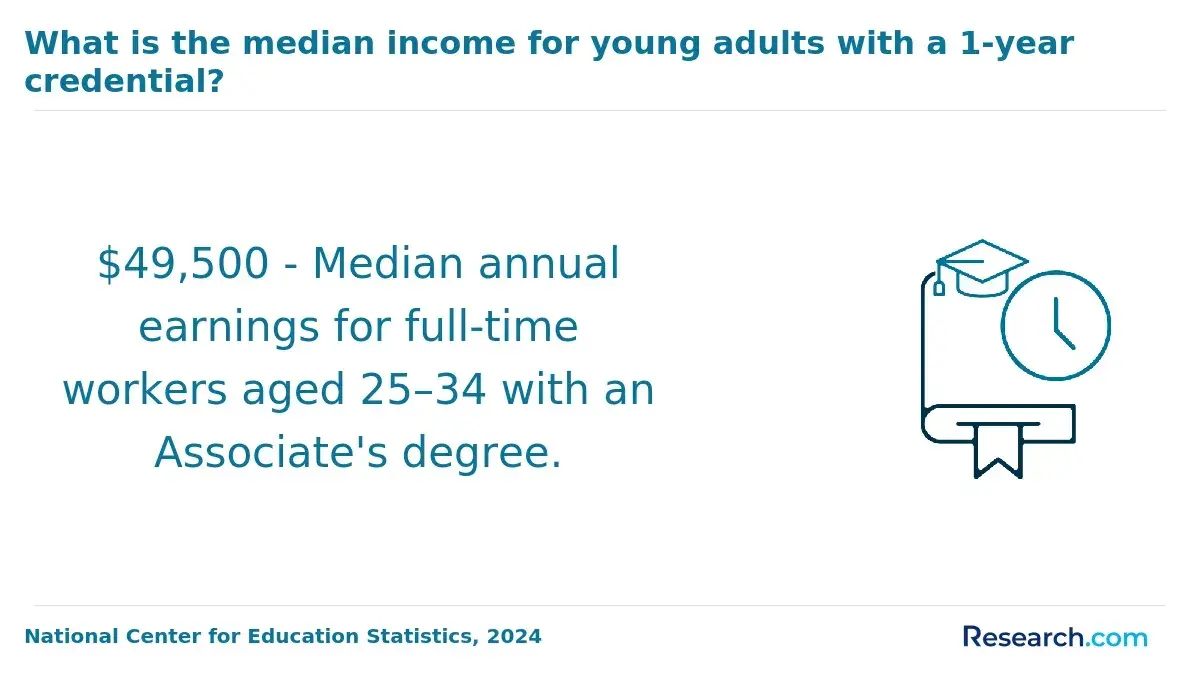
Choosing a bachelor's degree in geoscience aligns most closely with market realities, balancing employability, salary prospects, and access to professional roles. Workforce data from the American Geosciences Institute underscore a consistently low unemployment rate near 2%, indicating stable demand for candidates with at least a four-year degree. In contrast, associate degrees often lead to technician or support roles with limited promotion opportunities, as employers generally classify these qualifications as entry-level, suitable mainly for fieldwork or data collection tasks.
Master's degrees target specialized fields such as research, environmental consulting, advanced data modeling, or higher education teaching-but they require considerable time and funding. For example, a professional switching from a non-STEM background to environmental consulting can start with a bachelor's degree, which suffices for entry-level hiring, while a master's degree becomes critical for moving into project leadership or senior technical roles.
Employers expect bachelor's graduates to demonstrate practical skills in GIS, field methods, and data analysis, competencies that associate programs rarely emphasize. Conversely, master's-only candidates without applied experience may find themselves less competitive compared to bachelor's holders with solid internships. The educational pathway choice therefore rests on tradeoffs between cost, career flexibility, and practical experience, with a bachelor's degree serving as the industry's functional benchmark for most geoscience positions.
What core courses and specializations are typically included in an online geosciences curriculum?
Online geosciences degree programs prioritize foundational courses like mineralogy, petrology, sedimentology, structural geology, and geophysics due to their direct application in resource exploration and environmental roles. These core skills-encompassing data collection and spatial analysis-are vital for fields where technical proficiency significantly impacts earnings, such as the mining and oil sectors, where the 2023 mean wage reached $126,140 according to the U.S. Department of Labor and Penn State Geosciences.
Specialized electives in hydrogeology, remote sensing, and GIS tailor graduates for jobs aligned with industry demands, yet students must weigh practical limitations. Virtual labs and digital field exercises offer accessible hands-on experience but cannot fully replace traditional fieldwork, a tradeoff that online learners must navigate carefully to meet employer expectations for applied skills.
Environmental consulting pathways emphasize interdisciplinary components like soil science and pollution mitigation, fields with lower wage averages near $78,610 but rapid regulatory growth, affecting job stability. Federal roles add layers of policy and geospatial knowledge requirements, linked to $110,400 mean wages. Students targeting mining careers should focus on applied geology and resource estimation, while those eyeing environmental sectors need broader training spanning ecology and toxicology.
What are the admission requirements and application materials for online geoscience degree programs?
Admission to online geoscience degree programs is increasingly competitive due to a constrained U.S. talent pool ranging between 250,000 and 300,000 professionals. This scarcity elevates the importance of aligning an applicant's background with employer expectations that emphasize quantitative skills and hands-on experience beyond academic records. For example, candidates with calculus and earth science prerequisites coupled with demonstrated experience in lab or fieldwork simulations gain a marked advantage.
Standardized test scores like the SAT or ACT remain relevant at some institutions despite a growing test-optional trend, while transcripts must reflect mastery of critical math and science concepts. The application package itself requires deliberate construction: personal statements need to clearly connect academic and practical experience with professional objectives, and letters of recommendation should corroborate analytical aptitude and motivation. Working professionals pivoting into geosciences benefit from showcasing transferable skills from environmental science, engineering, or data analysis.
International applicants face additional hurdles such as English proficiency verification and credential evaluation, along with the need to demonstrate access to virtual lab technology. Timely submission of documents is vital to avoid missing enrollment deadlines for courses tied to workforce demand. These complexities underscore the operational realities prospective students must navigate to enter applied earth-science careers successfully.
How long do online geoscience degrees take, and what tuition, fees, and costs should you expect?
Online geoscience degrees demand careful consideration of timelines, costs, and workforce fit before enrollment. Bachelor's programs typically span 2 to 4 years, while master's degrees require 1.5 to 3 years, with part-time status and accelerated options influencing duration and workload intensity. Tuition rates differ significantly-public universities charge $300 to $700 per credit, whereas private institutions may exceed $1,200 per credit. Added to tuition are fees for labs, technology, and materials, commonly totaling $1,000 to $3,000 annually. Students funding their education independently should anticipate $15,000 to $40,000 for undergraduate and $20,000 to $50,000 for graduate degrees.
The fluctuating geoscience job market directly affects the practical value of online credentials. Between February and March 2025, U.S. geoscience employment contracted by 13%, a pattern that rewards professionals agile enough to leverage remote skills. For example, environmental consulting firms trimming onsite staff increasingly prefer candidates trained for virtual collaboration. In contrast, roles focused on mineral exploration or onsite fieldwork limit the utility of fully remote training.
Prospective students must weigh these realities against the benefits of online learning, such as eliminating commutes, while recognizing the demands of mandatory fieldwork often concentrated into weekend or summer sessions that can add costs. Without reliable employer tuition support amid sector volatility, upfront financial planning is essential to avoid unexpected setbacks.
What are the typical salaries, benefits, and advancement paths for geoscience and earth science roles?
Initial salaries for geoscience and earth science professionals in the U.S. typically fall between $55,000 and $75,000, but a clear divergence emerges based on sector and skill diversification. Energy extraction roles offer higher pay reflecting hazardous conditions and technical demands, whereas environmental consulting trades higher predictability for moderate compensation. Government and academic positions tend to start lower but provide stronger retirement and health benefits. These distinctions highlight critical tradeoffs students and professionals must weigh when aligning education with career objectives.
Career progression often hinges on specialization and cross-disciplinary expertise. For example, a field geologist focusing solely on sampling faces slower salary growth and limited advancement, while those expanding into GIS, remote sensing, or environmental regulation can achieve over 25% salary increases and faster promotions. The practical implication is clear: the value of geosciences credentials correlates strongly with the relevance and depth of technical skills combined with emerging technologies.
Employers have responded to a 5% workforce growth by enhancing benefits beyond standard health and retirement plans-adding continuing education, certifications, and in-field safety training to retain talent. Geographic factors also shape outcomes; positions tied to natural resource projects in high-growth states often yield better compensation and stability.
Are licenses, certifications, or professional memberships required or recommended in geoscience careers?
Licensure as a Professional Geologist (PG) directly determines the scope of work and legal responsibilities an individual can undertake in applied geosciences roles. Without state-specific licensure-typically requiring an accredited degree, roughly four years of validated experience, and successful completion of the ASBOG exam-a professional cannot independently approve reports or lead environmental site assessments. This limitation often restricts career trajectories in consulting and regulatory positions.
Certifications in niche areas such as GIS or environmental management are less about legal authority and more about market differentiation, equipping candidates with specialized competencies valued in industries like energy exploration or climate modeling. However, these credentials are supplements rather than substitutes for mandatory licensure when regulatory compliance is involved.
Professional memberships, such as in the Geological Society of America or the American Institute of Professional Geologists, serve as deliberate investments in ongoing education, networking, and leadership development-factors correlated with advanced roles commanding salaries between $103,730 and $134,830 based on career-stage data from EnvironmentalScience.org and the U.S. Bureau of Labor Statistics. Those without proper licensure and certifications often face stalled progression, especially when pursuing supervisory or consultant functions.
Working professionals and students must assess state-specific licensure requirements early, balancing the time and cost to meet these benchmarks against their career goals. Employers prioritize credentials not only for compliance but as proxies for technical proficiency and risk management, shaping both hiring decisions and client trust in real-world projects.
Other Things You Should Know About Geosciences
Employers in earth sciences increasingly demand specialized expertise in fields such as hydrogeology, petroleum geology, or environmental geosciences. Graduates with targeted online study tend to match job descriptions more precisely and enter the workforce with relevant skills, improving initial job placement rates. For students prioritizing stable employment and clear career paths, selecting a degree with a focus aligned to industry demand is more strategic than a broad generalist degree.
Fully online geosciences degrees limit direct access to fieldwork, lab practica, and informal peer or faculty interaction, which are critical for skill development and job referrals. Students must proactively seek internships or regional partnerships outside the program to compensate. Prioritizing programs with hybrid or local field components is advisable to build practical skills and professional networks, which significantly improves post-graduation employment outcomes.
Choose a program accredited by a U.S. Department of Education-recognized institutional accreditor. For earth science jobs and graduate school, regional accreditation is the key standard. If the degree is for engineering geology or licensure, check whether the program also meets ABET-related state requirements.
References
- Geology https://www.aims.edu/degrees-certificates/geology
- CAREERS https://earthsci.org/education/careers/geolo.html
- The Geological Society - Degree Accreditation https://www.geolsoc.org.uk/education-and-resources/universities/university-degree-accreditation/
- Why is it Important to be Licensed to Practice Applied Geology? https://www.aegweb.org/index.php
- Associate in Science, Emphasis in Geology | Estrella Mountain Community College https://www.estrellamountain.edu/degrees-certificates/science-technology-engineering-and-mathematics/associate-science-emphasis-geology-8608-as
- Professional Geologist Licensure https://www.grow-geocareers.com/licensure
- Is Your Online Degree Legitimate? How to Verify Private University Approval https://matchtocollege.com/blog/verify-private-university-online-degree-approval
- Working Geoscience https://profession.americangeosciences.org/working/
- Are Online Degrees Accredited? How to Identify Quality Distance Learning Programs https://www.umassglobal.edu/blog-news/online-degrees-accredited-identify-quality-distance-learning-programs
- Online Degree vs. Traditional: Choosing the Right Path https://beal.edu/online-degree-vs-traditional/