2027 Online Geosciences Degrees With Strong Practical Earth Science Execution Training

Co-Founder and Chief Data Scientist
Geosciences professionals increasingly face the challenge of mastering hands-on earth science techniques remotely while balancing evolving career demands and personal schedules. Reports from the National Center for Education Statistics show that 45% of college students in STEM fields now prefer online or hybrid formats, reflecting a significant shift toward flexible learning. This trend responds to the growing need for effective, practical training that fits working adults' timetables without sacrificing fieldwork competence.
As employers emphasize applied skills alongside theoretical knowledge, selecting an online geosciences degree program that delivers robust practical earth sciences execution becomes critical. This article evaluates such programs' capacity to meet real-world training needs and career advancement goals.
Key Things You Should Know
- Employers prioritize geosciences graduates with verified fieldwork proficiency; 62% of hiring managers report low confidence in remote-only training, pressuring candidates toward costly, on-site practicums despite digital learning growth.
- Tradeoff exists as students face higher debt due to extended hands-on internships averaging 4 months, which boosts employment rates by 28% but delays workforce entry, impacting long-term earnings trajectories.
- Programs integrating cutting-edge geospatial tech yield 15% greater job placement within energy and environmental sectors, signaling workforce demand shifting toward hybrid practical and computational geosciences skillsets.
What is an online geosciences degree?
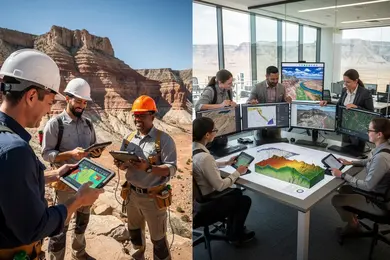
Choosing online geosciences degree programs with practical earth science training requires careful evaluation of how effectively they integrate applied skills within a remote format. While digital pathways can replicate theoretical foundations, the challenge lies in offering hands-on experience-critical for roles in hydrogeology, environmental consulting, or natural resource management. For instance, students working with simulated water sampling datasets and remote sensing tools must gain proficiency comparable to field-based peers to meet employer expectations.
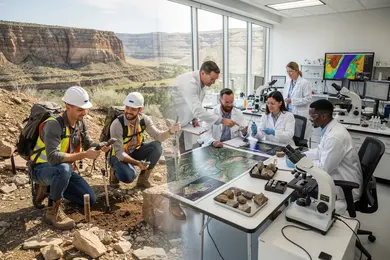
Distance learning geosciences degrees focused on hands-on earth science skills frequently supplement virtual laboratories with mandatory internships or regional field practicums, which significantly enhance job market readiness. Without these hybrid or cooperative components, students risk facing barriers to certification and professional opportunities, as many employers require demonstrated mastery of current instrumentation and data analysis techniques.
The median U.S. wage for geoscientists was $99,240, reflecting stable demand shaped by sectors like energy and hazard mitigation. However, the 3% projected employment growth favors candidates whose online education included strong practical elements, underscoring that purely theoretical programs may limit long-term career flexibility. Prospective students should scrutinize program resources, faculty expertise, and access to mentorship to mitigate the self-directed learning challenges inherent in remote study. Those seeking to align their training with market needs can benefit from reviewing the best GIS schools, as geographic information systems skills increasingly complement geosciences expertise in the workforce.
Which accredited schools offer strong practical earth science training?
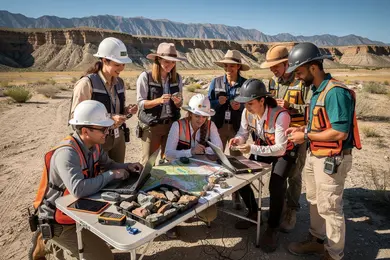
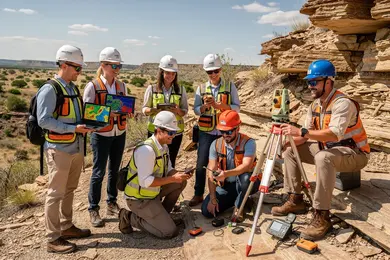
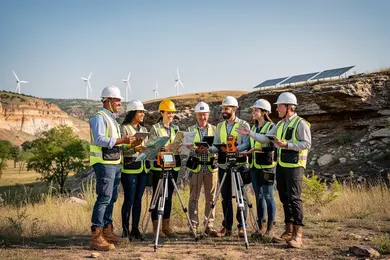
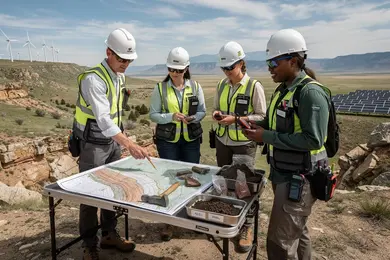
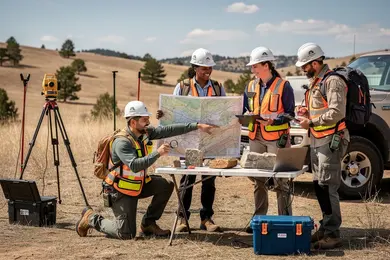
Employers across the geoscience sector consistently report a skills gap rooted in limited practical training among new graduates. Accredited institutions that offer robust hands-on earth science training-such as the University of Arizona, Colorado School of Mines, and Oregon State University-address this by integrating 4 to 8 weeks of mandatory fieldwork within their curricula. These experiences provide essential competencies in geological mapping, core sampling, and environmental assessments that are directly applicable to workforce needs.
For example, the Colorado School of Mines targets the energy sector by emphasizing subsurface modeling and mineral extraction through specialist modules paired with paid internships. In contrast, Oregon State University prepares environmental consultants via training in wetlands analysis and contamination surveys using remote sensing. The University of Arizona focuses on stakeholder communication skills critical for translating geospatial data to non-technical clients.
Students weighing these top accredited North American geosciences programs with hands-on earth science training should consider logistical challenges, including the geographic and seasonal constraints of field sites and the availability of cooperative education tied to employers. This is especially pressing for distance learners, who often rely on regionally partnered field stations to acquire necessary practical experience. Selecting a program with transparent pathways for both skill development and employer engagement is vital to overcoming documented practical competency deficits.
Prospective students should also evaluate cost-efficiency carefully. For insights into comparative tuition rates and financial planning, reviewing resources such as the accredited online animal science degree advice can offer valuable perspective, despite the discipline differences.
How do online and campus geosciences programs differ?
The primary practical distinction between campus and online geosciences programs lies in how they deliver hands-on earth science training and field experience. Campus-based education integrates continuous laboratory work, field sampling, and direct mentorship essential for developing skills like petrographic analysis and environmental assessment. These are critical competencies employers demand, especially for positions requiring immediate field readiness such as environmental consulting or mining exploration.
In contrast, online geosciences degree practical training differences often mean students must independently organize local fieldwork or depend on virtual simulations, which provide limited tactile learning. This gap can hinder early career skill development and may necessitate supplemental internships or employer-led training to bridge practical experience shortfalls.
Those evaluating campus versus online earth science education methods must carefully consider work-life balance, geographic constraints, and the intensity of fieldwork components in their programs. For example, professionals aiming for senior roles in environmental remediation-where salaries can reach $103,730 to $134,830+-need assurance their chosen curriculum supports targeted applied training to meet wage benchmarks. Entry-level salaries typically range from $50,130 to $62,090, demonstrating the measurable wage benefits tied to real-world competencies.
Ultimately, employers prioritize demonstrated applied skills backed by direct experience. Online learners benefit from proactively seeking or integrating equivalent practical opportunities alongside their studies. For prospective students juggling professional obligations, the online exercise physiology degree format illustrates the broader balancing act between flexibility and field engagement that defines many practical science degrees today.
What courses are in an online geosciences curriculum?
Online geosciences degree courses with practical field training often face the challenge of balancing theory with hands-on experience, a critical factor that shapes employability in technical roles. Without direct fieldwork, students rely on virtual labs, simulated exercises, and third-party internships to cultivate skills, but employers consistently highlight the necessity of demonstrated technical proficiency through real-world data handling and site familiarity.
Core earth science curriculum focused on hands-on geosciences skills typically covers mineralogy, stratigraphy, sedimentology, and geophysics to establish foundational knowledge. Advanced topics include GIS, remote sensing, and environmental geology, aligning skillsets with industry requirements such as resource exploration and environmental consulting. Quantitative courses like geostatistics and hydrogeology refine analytical precision, vital for sectors like energy and water management.
The gap between online delivery and employer expectations can be bridged by proactive students seeking local affiliations to supplement digital coursework, as hiring managers prioritize candidates who can translate theory into applied field solutions. Specialization tracks-ranging from petroleum geology to geohazards-offer tailored expertise but must be selected with awareness of market demand variability. The median geoscientist salary of $99,240 affirms the premium placed on these competencies over general workforce earnings. Prospective learners should also consider cost-efficiency: a library science degree program comparison at research.com can serve as a benchmark for evaluating investment value in similar online graduate degrees.
What hands-on training do online geosciences students complete?
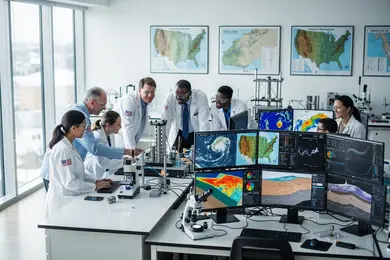
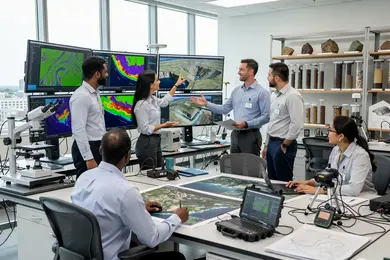
Online geosciences programs provide hands-on training primarily through virtual labs, GIS software tasks, and locally arranged fieldwork or virtual reality simulations that substitute traditional campus visits. This blend allows application of seismic data analysis or mineral exploration techniques relevant to environmental consulting or hazard mitigation roles.
However, the requirement for local supervision during field exercises presents practical challenges. Students must secure onsite oversight, which can be difficult depending on their geographic access and professional network, potentially limiting field experience quality.
Curricula emphasize mastery of industry-standard technical tools such as 3D modeling and geophysical survey interpretation, aligning with employer expectations that graduates contribute effectively from day one without needing extensive retraining.
- Internships and capstone projects often connect students with government or industry partners, offering applied experience in real-world contexts like groundwater monitoring.
- Cost remains a significant factor: many online bachelor's programs charge $200-$400 per credit, totaling $24,000-$48,000, markedly less than on-campus STEM degrees exceeding $72,000, though with potentially fewer in-person opportunities.
Prospective students must weigh affordability and flexibility against logistical constraints in training delivery and local supervision. Those targeting careers in energy or environmental sectors will benefit most from programs incorporating advanced software proficiency and verified practical experience.
What admission requirements apply to geosciences programs?
Applicants to geosciences programs face practical hurdles that often outweigh nominal entry requirements. While a high school diploma or GED is standard, the true barrier lies in prerequisite coursework-algebra, chemistry, and earth science or physics-that directly shapes readiness for specialized lab work and field research. Students lacking these foundations frequently face remedial classes that extend their time and financial investment significantly.
Testing policies have relaxed in many programs; however, highly competitive online Earth sciences offerings still leverage SAT/ACT scores selectively for scholarships or advanced standing, which can affect overall affordability and timeline for completion. Transfer applicants must navigate prerequisite verification carefully, as missing courses delay access to critical hands-on learning.
The increasing emphasis on technical competencies, including GIS and data modeling software, reflects employer demands for operational proficiency beyond theoretical knowledge. Personal statements must articulate relevant fieldwork or internships, underscoring that practical experience weighs heavily in admissions.
How long does an online geosciences degree take?
Online geosciences bachelor's programs often align with traditional four-year completion timelines, but acceleration to two or three years is possible for those transferring credits or taking heavy course loads-though this reduces flexibility and increases stress. Part-time routes, extending beyond six years, risk weakening continuity and practical skill development, which employers in environmental consulting and resource management strongly prioritize.
Critical to employability is the integration of applied training-GIS, data analysis, and field simulations-that cannot be fully replicated asynchronously. Programs lacking synchronous labs or residencies tend to produce graduates with theory-heavy resumes but insufficient hands-on competence, despite steady sector growth. Prospective students must weigh if accelerated paths sacrifice depth in specialized areas like hydrogeology or remote sensing, which increasingly shape job requirements.
For professionals balancing work and family, flexible or hybrid programs concentrating fieldwork in intensive blocks can optimize learning without compromising job retention. Hiring managers increasingly value real-world project portfolios, which can offset shorter degree durations by demonstrating applied problem-solving. Making informed choices about pacing and skill acquisition impacts readiness for roles demanding robust technical expertise amid evolving industry expectations.
How much do online geosciences degrees cost?
Online geosciences degrees come with costs that vary sharply based on institution type, residency, and program level, ranging from roughly $15,000 to over $60,000. Typically, public universities offer more affordable in-state bachelor's options, while private or out-of-state enrollments may quadruple those prices. Graduate programs begin around $20,000 and escalate with specialization and program length.
The financial equation extends beyond tuition. Geosciences education demands practical engagement through labs, fieldwork, or capstone projects. Students often face additional expenses for specialized software licenses, virtual labs, and regional travel for field experiences that are not always included in sticker prices.
From an employability perspective, practical skills aligned with employer expectations-for example, applying geoscientific methods in environmental protection or sustainable resource management-carry significant weight. Industry growth projected at 3% through 2034 implies steady demand but also elevates the value placed on applied competence.
Professionals considering program ROI must weigh scheduling flexibility alongside these experiential components. Accreditation and transparent cost breakdowns reduce financial risks. Higher upfront costs can be offset by better job placement and career mobility if programs successfully integrate practical training with market relevance.
What careers can you pursue with a geosciences degree?
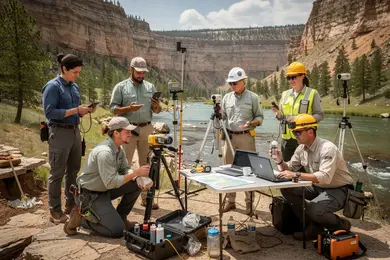
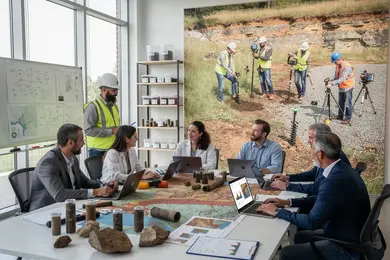
Graduates with a geosciences degree face distinct workforce realities shaped by the highly technical, location-specific nature of their employment sectors. Environmental consulting, natural resource management, energy exploration, and government roles all demand nuanced practical skills that go beyond theoretical knowledge. For instance, environmental consultants perform comprehensive soil and water analyses to satisfy stringent regulatory requirements, requiring proficiency in precise field sampling and laboratory procedures. By contrast, energy exploration roles prioritize seismic data interpretation and subsurface modeling software expertise to inform operational drilling decisions, underlining the need for strong technical competence and safety awareness on-site.
Public sector positions often entail balancing scientific monitoring with regulatory enforcement, while natural resource managers must integrate ecological data with land-use strategies to maintain sustainable extraction practices. These variations introduce trade-offs for graduates, as misalignment between training and role expectations leads to extended onboarding periods and limited advancement, particularly where regulatory compliance is central.
Employers consistently require hands-on experience with geospatial tools, fieldwork techniques, and industry-specific data analysis software. Students without direct application exposure through internships or cooperative education may struggle to meet these baseline competencies. Geographic flexibility is another critical factor; demand clusters primarily in resource-rich or federally managed regions, making relocation an often necessary step for initial entry-level roles.
Purposeful selection of geosciences programs emphasizing applied skill development through industry partnerships directly influences employability and career trajectory. Recognizing these operational realities allows prospective students and professionals to make informed decisions aligned with practical workforce demands.
What salaries and job outlook can geosciences graduates expect?
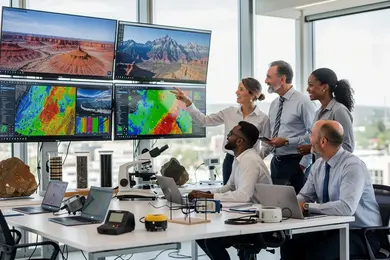
Starting salaries for geosciences graduates typically range from $60,000 to $75,000, but reaching six figures within five to seven years is increasingly contingent on specialized technical expertise rather than geological fundamentals alone. For example, a geoscientist working in climate risk assessment must combine satellite data analysis and predictive modeling with fieldwork to meet employer expectations. This evolution creates a distinct advantage for those skilled in geographic information systems (GIS), programming languages like Python or R, and machine learning applications on geospatial data.
The U.S. Bureau of Labor Statistics projects a 6% employment increase for geoscientists through 2032, slightly above the average for all occupations, but opportunities heavily favor applicants with interdisciplinary and computational proficiencies. Entry-level roles in oil and gas offer higher initial pay but face volatility tied to market shifts, whereas positions in environmental agencies and renewable energy offer steady employment and growth, albeit with more moderate starting salaries.
Prospective students should scrutinize online geosciences programs for curricula that integrate hands-on training in GIS and data science toolkits. Omitting these competencies often necessitates costly certifications post-degree, adding time and expense before entering the workforce. Prioritizing these skills aligns more closely with industry demands, accelerating placement in roles with stronger job stability and compensation trajectories.
Other Things You Should Know About Geosciences
Most 2027 online geosciences degrees require 6 to 12 laboratory credits and at least one field course, often 1 to 3 credits, completed through approved local or summer fieldwork. Programs usually ask for documented safety training and faculty verification of lab competencies before graduation.
Remote learning aligns better with geosciences specializations focused on computational modeling, remote sensing, and environmental data analysis, which rely heavily on software tools rather than hands-on fieldwork. Conversely, subfields like structural geology or sedimentology require more tactile, site-based experience. Prospective students should prioritize online programs offering strong computational and GIS training if aiming to avoid significant fieldwork challenges.
Graduates from online programs with robust practical components tend to have better employability in technical roles that demand hands-on skills and field experience. However, consulting roles often value analytical skills and project management knowledge, which many online degrees emphasize effectively. When choosing a program, students should align curriculum strengths with targeted career paths, prioritizing field-intensive programs for technical jobs and data-driven, projects-focused programs for consulting to maximize employer appeal.
References
- Online Geoscience Degrees: Top Schools and All Programs in 2026 https://www.gisdegree.org/online/geoscience-degrees/
- Apply for Graduate Studies | Earth Sciences https://www.mun.ca/earthsciences/graduate-students/apply-for-admission/
- Machine Learning applied to geosciences and mining | Training course https://www.geovariances.com/en/training/machine-learning-applied-to-geosciences-and-mining/
- ThisIsGeoscience - Geoscience Salaries https://www.thisisgeoscience.com/the-resources/geoscience-salaries
- 5. Best Practices for Instruction of Geoscience Undergraduates https://www.americangeosciences.org/change/sections/instructional_best_practices/
- Earth Sciences https://www.yukonu.ca/programs/earth-sciences
- Geoscience Careers https://education.americangeosciences.org/resources/geoscience-careers/
- How to find your career path with a geoscience degree https://www.grow-geocareers.com/
- Interactive Online Short Courses - eage.org https://eage.org/education/interactive-online-short-courses/
- What Does the Future Demand Look Like for Applied Geoscientists? https://www.aegweb.org/index.php