2027 Exercise Science Careers Most Resilient to Automation

Co-Founder and Chief Data Scientist
Exercise science students and professionals increasingly confront a volatile labor market amplified by automation's expanding footprint in healthcare and wellness sectors. Roles once relying solely on routine data analysis or standardized diagnostics now risk obsolescence, pressing candidates to identify career paths anchored in human expertise and adaptive decision-making. Recent data from the U.S. Department of Education reveals a 35% rise in adult learners enrolling in flexible, hybrid exercise science programs, signaling a shift toward accessible, career-responsive education amid evolving employer demands. Understanding which exercise science careers maintain resilience against automation enables informed choices in education and skill acquisition. This article clarifies those career trajectories to guide strategic advancement and long-term employability.
Key Things You Should Know
- Automation-resistant roles prioritize complex human biomechanics analysis, supported by 2024 NIH data showing 48% of employers require advanced interdisciplinary skills beyond standard certifications, increasing credentialing time by 20%.
- The U.S. Bureau of Labor Statistics projects a 13% growth in clinical exercise physiologists through 2030, signaling strong employer demand but requiring adaptability to evolving telehealth integration, stressing ongoing workforce reskilling.
- Programs with integrated technology and data analytics training reduce entry costs by 15% but delay graduation by an average of one semester, forcing candidates to weigh faster credential attainment against longer-term employability.
Which exercise science careers are least likely to be automated and why?
Clinical exercise physiologists and specialized rehabilitation therapists represent exercise science careers least vulnerable to automation due to their dependence on intricate human judgment and personalized patient care. These roles demand adaptive problem-solving and empathy, particularly when designing individualized exercise programs for patients with chronic illness or post-surgical recovery tasks that current technology cannot replicate safely or precisely. For example, tailoring cardiac rehabilitation requires continuous medical assessment alongside patient feedback, which resists substitution by automated protocols.
Employment growth for clinical exercise physiologists is projected at 9% from 2024 to 2034, outpacing many healthcare occupations. This trend signals employer emphasis on hands-on evaluation skills and clinical certifications that foster critical thinking and interpersonal communication. Professionals in this niche must navigate evolving healthcare regulations and extensive documentation practices not amenable to automation.
Prevention-focused exercise physiologists working with older adults or chronic condition management further illustrate why certain exercise science jobs resist automation: these careers rely heavily on motivational coaching and behavior change strategies delivered face-to-face. Practical challenges include continuous clinical education and interdisciplinary collaboration within medical teams, making these pathways demanding yet essential.
Students considering this field should evaluate the tradeoff between the rigor of clinical training and long-term job security. Those seeking flexible or remote options might explore an online degree in exercise science as a strategic step toward professional readiness in roles resistant to automation.
What degree levels in exercise science best prepare for automation-resistant roles?
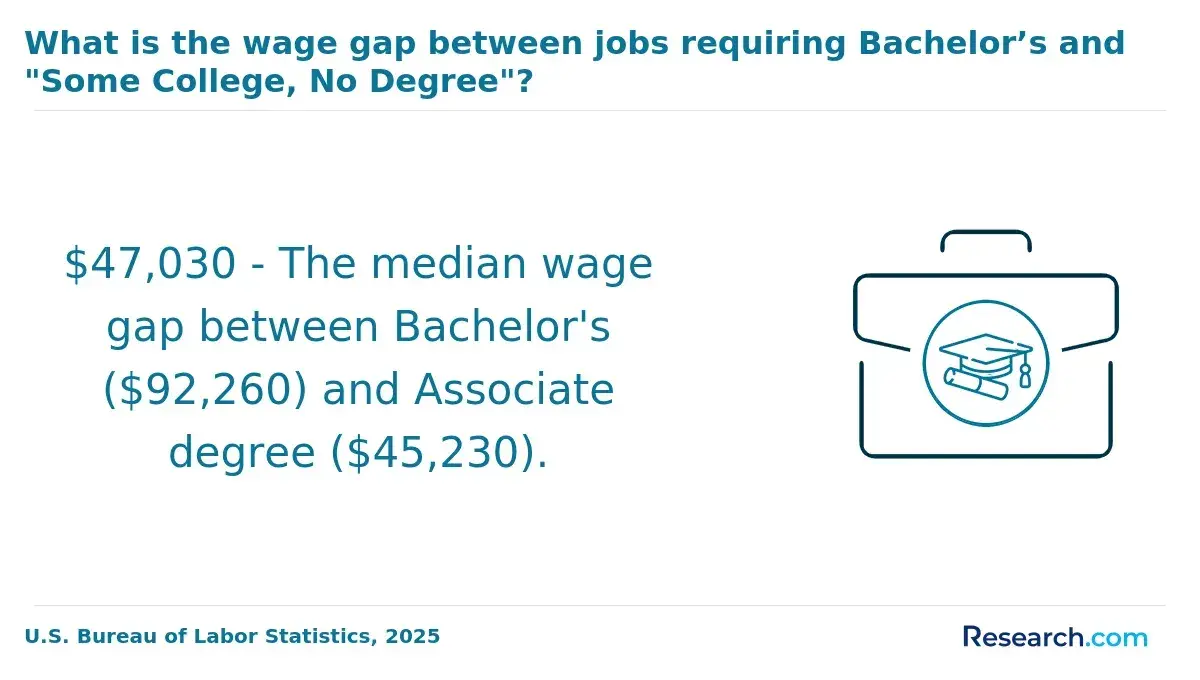
Advanced degree levels in exercise science correlate strongly with roles less vulnerable to automation, particularly in specialized clinical contexts. Associate-level credentials primarily cover routine tasks such as basic fitness instruction, which automation increasingly replaces. Employers prioritize candidates with a bachelor's or graduate degree for positions demanding advanced knowledge of human physiology, rehabilitation methods, and clinical assessment. This education translates into practical skills necessary for patient-centered decision-making and tailored interventions.
Consider cardiac rehabilitation specialists who must manage complex cardiovascular conditions. The U.S. Bureau of Labor Statistics forecasts a 13% employment increase in this healthcare sector between 2024 and 2034, projecting nearly 1.9 million new jobs. This growth reflects an aging population and chronic disease prevalence, both requiring personalized, ongoing care that resists automation. Mastery of clinical protocols, often supplemented by certifications or graduate study, secures employment resilience.
For roles in research or advanced therapy, a master's or doctoral degree is frequently required to navigate intricate data interpretation and therapeutic design. Practical experience combined with formal education strongly positions candidates against automation pressures. Conversely, entry-level roles lacking depth in exercise physiology or chronic disease management carry higher displacement risks. Prospective students should prioritize programs that emphasize clinical practice and evidence-based methods to prepare for automation-resistant careers.
Those initially exploring foundational programs can research ASN programs online as benchmarks when considering associate-level options in healthcare sciences.
Which exercise science specializations offer the strongest long-term job security?
Long-term job stability in exercise science careers depends largely on specialization in roles resistant to automation and grounded in complex human judgment. Strength and conditioning specialists benefit from sustained investment in collegiate and professional sports, with NCAA Division I athletic budgets growing nearly 46% from 2013 to 2023. Employers prioritize expertise in program design, biomechanics, and sport-specific conditioning to optimize athlete performance while mitigating injury risk-tasks that require adaptable, real-time decision-making unattainable by automated systems.
The highest demand exercise science specializations in the US also include clinical exercise physiologists, who operate within healthcare systems managing chronic disease and rehabilitation. Their ability to interpret diagnostic data and tailor exercise prescriptions involves continuous reassessment and empathetic patient care, functions not replaceable by technology. The aging population and rise in lifestyle-related illnesses forecast growth in hospitals, outpatient clinics, and long-term care environments, making this niche more resilient than general fitness roles.
Integrating wearable technologies and health data analytics into occupational settings demands a blend of technical competence and hands-on intervention. Professionals investing in advanced certifications targeting evidence-based practice increase their employability but must weigh these benefits against the time and financial commitments required. Prospective students evaluating this pathway should consider diverse options and credentialing strategies carefully.
For those comparing educational pathways, understanding program outcomes and workforce realities is essential. Resources such as best library science programs demonstrate the value of targeted accreditation and specialized curricula in enhancing career prospects.
How does technology and AI currently impact common exercise science job roles?
The impact of technology and AI on exercise science careers in the United States has concretely reshaped job roles by automating routine assessments while amplifying the necessity for specialized human judgment. Fitness professionals increasingly use AI-driven wearables and apps to gather biometric data such as heart rate, oxygen saturation, and movement patterns; yet these tools fall short of delivering the nuanced coaching required to contextualize data and influence client behavior.
Corporate wellness and health promotion roles demonstrate this shift clearly. The global corporate wellness market is expected to reach $100.8 billion by 2030, growing at a 6.96% CAGR from 2024, driven by employer investments favoring preventive health programs that blend AI analytics with human oversight. Specialists must navigate AI platforms while adapting interventions to diverse workplace cultures and demographic profiles, balancing technological efficiency with personalized care.
Automation effects on common US exercise science job roles include a division between positions emphasizing technology management and those focused on client interaction. Data privacy management and accurate interpretation of AI-generated reports remain ongoing challenges. For example, a clinical exercise physiologist may employ AI-assisted gait analysis to track rehabilitation progress, but has to override AI suggestions if patient pain or comorbidities arise, scenarios AI cannot detect independently.
Students and professionals should prioritize data literacy, behavioral science expertise, and ethical deployment of AI tools. Pathways integrating these competencies, such as pursuing a data science masters online, can enhance employability while demanding continuous learning to maintain relevance amid evolving workforce expectations.
What education, certifications, and licenses are required for resilient exercise science careers?
Positions in community health and fitness increasingly demand more than a bachelor's degree in exercise science or kinesiology; employers prioritize candidates with degrees that integrate public health or exercise physiology, especially for leadership roles. A typical bachelor's degree supplies essential knowledge in anatomy, physiology, and program design, but advancing into nonprofit or government-directed initiatives frequently requires a master's degree to navigate program complexity and stakeholder engagement.
Certification is not optional-it differentiates applicants in a crowded job market. Core credentials such as the Certified Strength and Conditioning Specialist (CSCS) remain foundational for individualized exercise programming. However, community-facing roles now favor certifications emphasizing public health, like the Certified Health Education Specialist (CHES) or the American College of Sports Medicine's (ACSM) Certified Exercise Physiologist credential. These certifications reflect shifts toward prevention-focused, population health models. Practical experience combined with such certifications directly affects employability and job retention in these evolving contexts.
Licensure varies by state but securing credentials as a licensed exercise physiologist or physical therapist increases security in clinical environments less prone to automation. For program directors, combining clinical licensure with administrative qualifications such as Certified Program Director (CPD) is increasingly necessary to fulfill governance and accountability demands tied to public funding. Projections indicate a 15% growth in public health and community health worker roles from 2024 to 2034, driven mainly by government and nonprofit sectors. This trend emphasizes the value of integrating structured public health education and relevant certifications with exercise science expertise.
How do online exercise science programs compare to campus options for hands-on training?
In exercise science education, hands-on training availability distinctly separates campus-based from online programs, critically shaping workforce readiness. Jobs like performance analysts and biomechanists demand nuanced skills in biomechanical testing, data collection, and live athlete monitoring abilities rarely cultivated through virtual labs alone.
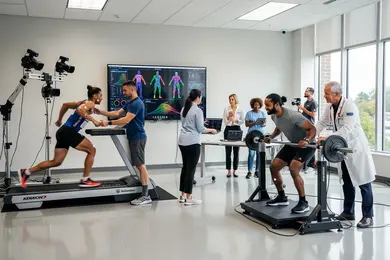
Campus programs afford direct access to sophisticated equipment such as force plates and motion capture systems under expert supervision. This structured environment not only builds technical competence but also eases connection to practicum sites, expediting transitions into data-driven roles within elite sports and research sectors. In contrast, online students often must independently locate internships to supplement simulated or remote assignments, potentially facing skill gaps that surface during employer evaluations.
Key tradeoffs include balancing online flexibility, beneficial for full-time workers or remote residents, against the challenge of securing credible, supervised hands-on experience. Decision-makers should consider that programs integrating guaranteed in-person training reduce the risk of technical deficiencies and enhance employability in a market expanding from $3.3 billion to $9.4 billion by 2030 with a 19.1% CAGR, as reported by MarketsandMarkets.
Prospective learners should explicitly assess how their chosen format supports the acquisition of applied biomechanics and physiological assessment skills essential for roles that remain resistant to automation.
What courses and skills help exercise science students stay competitive as automation grows?
Exercise science students must integrate technical proficiency with nuanced clinical judgment to remain relevant as automation reshapes healthcare roles. Foundational courses in human anatomy, biomechanics, motor control, and physiology are essential but insufficient on their own. Students who develop data literacy, especially in statistics and health informatics, and fluency with tools like motion capture software and EMG analysis, gain an advantage in interpreting complex biological data and wearable technology outputs.
For instance, physical therapy clinics increasingly utilize AI-driven gait analysis, yet effective practitioners use critical thinking to tailor interventions around individual patient context, including psychosocial factors, which technology alone cannot address.
The profession demands expanded competencies beyond lab skills, including communication, leadership, and program development. With a nearly 45% rise in kinesiology and exercise science bachelor's degrees over a decade, employers seek graduates who can design curricula, write grants, and ethically integrate technology into practice.
Students who cross-train in health data analytics or technology management while cultivating empathy and adaptive problem-solving are better positioned for resilient careers. Without balancing technical and human-centered expertise, graduates risk limiting themselves to entry-level roles vulnerable to automation-driven obsolescence.
What are typical salaries for automation-resilient exercise science careers in the United States?
The variability in salaries within automation-resilient exercise science roles stems largely from specialization and clinical involvement. For example, health coaches focusing on personalized behavior change secure early-career salaries between $50,000 and $75,000, rising past $90,000 in corporate or clinical wellness environments where complex patient interaction reduces automation risk. In contrast, exercise physiologists and clinical exercise specialists report median salaries near $61,000, but those engaged in rehabilitation or chronic disease management with certifications can surpass $80,000.
Positions emphasizing consultative and patient-facing skills withstand automation pressures better than standard fitness instruction. The health coaching field's projected 17.7% compound annual growth through 2030 supports increasing demand for customized interventions that combine motivational interviewing and digital health expertise. For instance, a corporate wellness coach leveraging data analytics might start near $55,000 but advance to $85,000, illustrating the payoff of integrating technological fluency with clinical knowledge.
The tradeoff for prospective students lies in the need for certifications and skill diversification to improve employability and salary potential. Neglecting specialization or clinical competencies risks stagnation due to AI-driven fitness tools replacing routine roles. Employers seek candidates who marry evidence-based exercise science with behavioral and digital health strategies to maintain relevance in a shifting healthcare ecosystem.
How is the job market expected to change for exercise science professionals amid automation?
Automation is reshaping exercise science employment by reducing demand for standard fitness roles while increasing need for adaptive and inclusive fitness professionals. Positions like occupational therapy assistants, with an 18% projected growth through 2032 (U.S. Bureau of Labor Statistics), illustrate this shift toward specialized, person-centered care that automation cannot replicate. For example, adaptive fitness experts collaborating with rehabilitation teams must apply nuanced clinical judgment and real-time adjustments that generic AI-driven systems cannot deliver.
Job seekers should weigh these trends carefully. Many traditional personal training roles face contraction due to automation handling routine assessments and standardized programs. Conversely, adaptive fitness techniques aligned with disabilities and chronic conditions offer more stable opportunities, especially within aging population services and therapeutic environments.
Employers now require candidates to demonstrate:
- Proficiency in customizing exercise plans for diverse physical and cognitive needs
- Effective communication skills to coordinate across healthcare professionals
- Tech literacy for integration with evolving fitness technologies
Educational programs prioritizing interdisciplinary learning and hands-on adaptive experience better position graduates for sustained viability. Automation shifts entry-level roles toward tech-enabled support but preserves human roles where complex intervention and empathy remain essential. These market realities underscore the importance of selecting exercise science pathways grounded in practical, interdisciplinary skill sets tailored to workforce demands.
How can students choose an accredited exercise science program aligned with future-proof careers?
Accredited exercise science programs that integrate AI, data analytics, and wearable technology interpretation equip students with essential skills to meet evolving employer demands. As the wearable fitness technology market is set to nearly double to $138.3 billion by 2030 (Fortune Business Insights), graduates must demonstrate proficiency in physiological data analysis and evidence-based program design. Employers prioritize candidates from programs with rigorous scientific standards and applied competencies, especially for roles in clinical settings, corporate wellness, and sports technology.
A practical consideration is the availability of partnerships or internships with healthcare systems, technology firms, or research centers specializing in biometrics and digital health. For example, a student aiming to become a wearable technology consultant in corporate wellness needs direct experience in sensor data analytics and personalized program development, which only select accredited programs provide. Additionally, verifying if the curriculum includes certifications or training beyond foundational knowledge-such as in data science tools or advanced exercise physiology-is critical, as technical expertise increasingly filters hiring decisions.
When evaluating programs, consider graduate employment outcomes in growth sectors like AI-driven rehabilitation, remote fitness monitoring, and personalized health coaching. Programs narrowly focused on traditional kinesiology may limit adaptability to technology-infused roles. Assess faculty expertise in AI or wearable tech, research opportunities on campus, and pathways for continuing education that support credential maintenance amid rapid tech evolution.
Other Things You Should Know About Exercise Science
Specialization improves resilience against automation when aligned with emerging industry demands like rehabilitation or sports performance technology. However, overly narrow expertise can limit flexibility as job roles evolve or require multidisciplinary knowledge. Graduates aiming for long-term stability should prioritize a balanced skill set that includes practical intervention skills, data interpretation, and client communication. Employers value professionals who can adapt to multiple responsibilities, so blending specialization with broad competencies offers better career security.
Yes, some do. Clinical exercise physiologists often need exercise testing or cardiac rehabilitation credentials, such as ACSM Clinical Exercise Physiologist certification, and may work under licensed healthcare supervision. Personal trainers and strength coaches usually need CPR/AED plus a nationally recognized certification, not state licensure.
Programs emphasizing experiential learning, internships, and interdisciplinary coursework produce graduates better prepared for roles that machines cannot replicate. Passive, lecture-heavy curricula often underprepare students for real-world complexity and adaptive problem-solving. Prospective students should select programs with strong employer links and compulsory hands-on training, as these factors correlate with higher employment rates in resilient career paths. Without this practical focus, graduates risk entering a workforce with limited competitive advantage against automation trends.
References
- 100 AI-Resistant Careers in 2026: Future-Proof Jobs Backed by Labor Market Data - Excel High School https://www.excelhighschool.com/blog/100-ai-resistant-careers-in-2026-future-proof-jobs-backed-by-labor-market-data/
- The most future-proof IT degree programs that won’t be replaced by AI. https://itcompare.pl/en-us/articles/68/the-most-futureproof-it-degree-programs-that-won-t-be-replaced-by-ai
- 5 tech skills you need to stay competitive in 2026 | edX https://www.edx.org/resources/5-tech-skills-to-stay-competitive-in-2025
- Online Exercise Science Degrees: Top School Review https://www.edumed.org/online-schools/exercise-science-degrees/
- Exercise Physiologist https://acsm.org/certification/get-certified/exercise-physiologist/
- AI Skills for Life and Work: Labour market and skills projections https://www.gov.uk/government/publications/ai-skills-for-life-and-work-labour-market-and-skills-projections/ai-skills-for-life-and-work-labour-market-and-skills-projections
- AI use in sports science https://www.essa.org.au/Web/Web/Resources/Articles/2025/ai-use-in-sports-science.aspx
- Skills That Will Matter Most In The Age Of Automation https://www.theemploymentlawsolicitors.co.uk/news/2026/03/07/skills/
- Online Exercise Science Program https://stmary.edu/online-programs/exercise-science.html
- The Human Advantage: How AI Is Reshaping – Not Replacing – Personal Training | ISSA https://www.issaonline.com/blogs/success-stories/the-human-advantage-how-ai-is-reshaping-not-replacing-personal