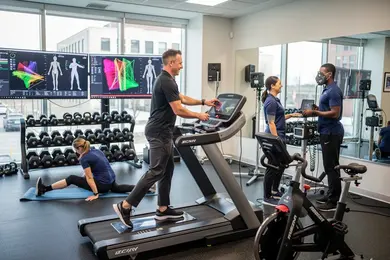
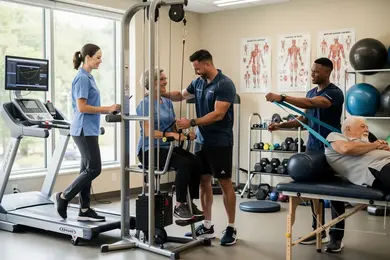
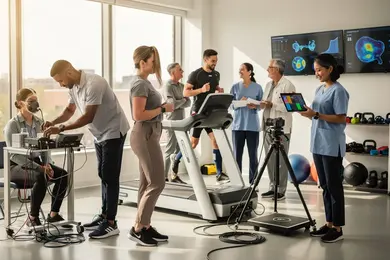
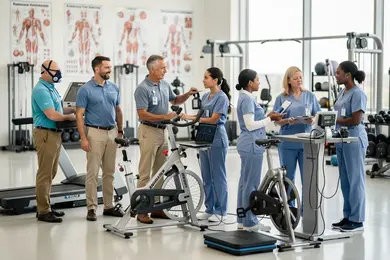
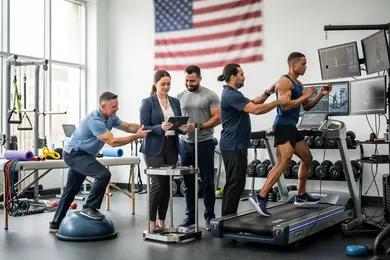
2027 Best Online Bachelor's in Exercise Science With Career-Focused Performance Projects

Co-Founder and Chief Data Scientist
Professionals seeking to pivot into exercise science often confront the paradox of advancing careers while managing inflexible schedules and geographic constraints. The National Center for Education Statistics reports a 12% surge in adult enrollment in online bachelor's programs since 2023, underscoring shifting learner priorities toward flexibility without sacrificing rigor. This trend reflects broader workforce demands for skill acquisition that fits varied timelines and professional commitments, especially as employers seek candidates with hands-on, project-based experience evidencing applied competencies.
Selecting a program blending career-focused performance projects with adaptable delivery shapes employability trajectories markedly. This article evaluates top online bachelor's options in exercise science designed to bridge theoretical knowledge with practical outcomes, enabling informed decisions aligned with career mobility and real-world applicability.
Key Things You Should Know
- Integrating performance projects increases job-readiness, yet 42% of 2024 programs limit hands-on exposure due to remote delivery constraints, delaying competence in employer-valued practical skills, according to the National Association of Colleges and Employers.
- Employers prioritize exercise science graduates with documented applied project experience; the Bureau of Labor Statistics links such candidates with a 15% higher probability of securing entry-level roles in health and fitness sectors.
- Median tuition for online bachelor's in exercise science rose 6% in 2024, outpacing inflation and extending payback periods by 9 months; this challenges cost-sensitive students seeking rapid career pivots, per NCES data.
What is an online bachelor's in exercise science and who is it best suited for?
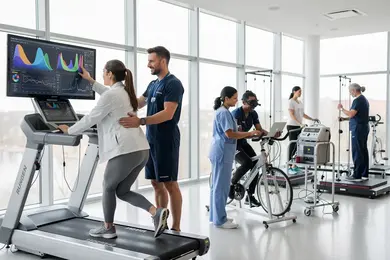
Online bachelor's degrees in exercise science demand more than just theoretical understanding; students must balance rigorous virtual coursework with self-directed practical experiences. Graduates are typically prepared for roles such as exercise physiologists or rehabilitation specialists, where applied skills in program design and exercise testing are critical. The median annual wage sits at $54,590, with the upper echelon exceeding $80,000, signaling a competitive field where practical certification and demonstrated competencies strongly influence employability.
The best students for exercise science programs often include professionals seeking asynchronous courses that align with ongoing careers, while recent high school graduates benefit from programs emphasizing academic advising and structured practicum partnerships. However, completing hands-on requirements remotely remains a challenge, making hybrid models or local clinic collaborations essential for some candidates.
Prospective enrollees must assess how closely a program's curriculum corresponds to state or employer certification criteria, as these directly impact job readiness. Those neglecting early planning around practicum access or credential pathways risk delayed or limited career progression. Evaluating accredited options ensures program legitimacy and better alignment with workforce expectations.
For a comparative overview of remote program choices and their practical suitability, reviewing analyses like the online kinesiology degree can guide strategic decisions in this specialized field.
How do online exercise science degrees compare to campus programs in quality and outcomes?
Online exercise science degree quality comparison hinges on the inclusion of rigorous, career-focused performance projects and concrete access to local internships or labs that mirror on-campus hands-on experiences. Programs lacking these elements often fall short in equipping graduates with practical skills critical to employer demands in clinical, sports, and fitness environments. For example, graduates from online programs that integrate community-based practicums demonstrate competencies in movement analysis and rehabilitation comparable to traditional campus graduates, while those relying solely on virtual simulations may struggle with real-world client interactions.
Employers prioritize candidates who show mastery of both theory and applied skills evidenced through verified internships and authentic performance projects. The U.S. Bureau of Labor Statistics projects a 19% job growth for fitness trainers and instructors from 2024 to 2034, intensifying competition and making documented practical experience a decisive factor for employability.
Career outcomes of online versus campus exercise science programs also evolve based on student circumstances: working adults might prioritize flexible learning coupled with local clinical hours, whereas recent high school graduates could favor campus programs for direct access to labs and peer collaboration. Choosing the right modality involves scrutinizing how well experiential learning and employer-aligned competencies are integrated rather than assuming one format uniformly outperforms the other.
For those evaluating pathways linked to health and fitness, resources like what can you do with an environmental studies degree offer insights into broader workforce contexts that intersect with allied health sectors.
What accreditation should an online exercise science bachelor's program have in the U.S.?
Programs lacking regional accreditation often face immediate employer skepticism, especially in healthcare roles that mandate federally recognized academic standards. For example, physical therapy assistant positions typically require prerequisite coursework from regionally accredited institutions, effectively disqualifying candidates from lesser-accredited programs. While specialized accreditation from bodies like CAAHEP or endorsements from NSCA are available, these are less frequently established for bachelor's degrees in exercise science and carry limited weight unless paired with industry-specific certifications.
Students pursuing an online exercise science program regional accreditation should weigh how institutional approval intersects with career objectives, particularly if aiming for allied health professions or certification pathways such as NSCA-CPT or ACSM. Programs with strong advisory boards or industry ties can offset the relative scarcity of programmatic accreditation by furnishing practical learning and network access.
Cost considerations also influence decisions. Tuition varies widely, typically between $250 and $650 per credit hour, leading to an overall investment of approximately $30,000 to $78,000 for a 120-credit degree. This range underscores the need to evaluate tuition relative to credential legitimacy, transferability, and subsequent job market acceptance.
In contrast to some fields, sports organizations hiring strength and conditioning coaches often prioritize demonstrated hands-on experience and current certifications over formal programmatic accreditation.
Prospective students should compare U.S. accredited exercise science bachelor's degrees carefully, balancing accreditation status, career alignment, and financial outlay to avoid costly credential challenges later. For additional context on structured educational options, consider reviewing alternatives such as a librarian degree online.
What courses, performance projects, and hands-on experiences are included in the curriculum?
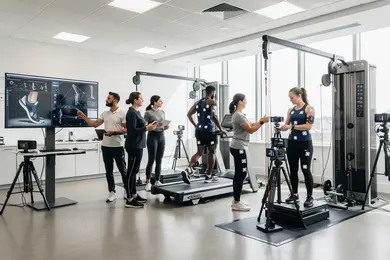
Programs offering an online bachelor's in exercise science curriculum with practical projects play a decisive role in preparing candidates for the workforce realities of clinical, fitness, and rehabilitative environments. Coursework in human anatomy, kinesiology, biomechanics, and nutrition provides essential scientific knowledge, but graduates without tangible hands-on learning experiences risk delayed employability or roles with limited scope.
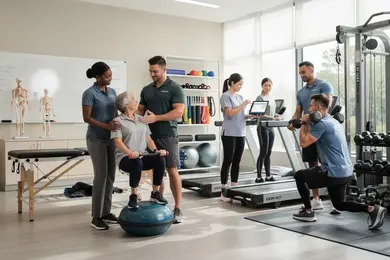
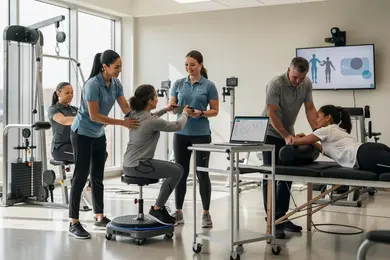
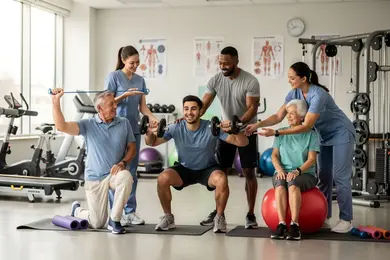
Career-focused exercise science courses and hands-on learning experiences typically include capstone projects where students design training programs tailored to specific populations such as elderly clients or injured athletes. This kind of performance project sharpens the ability to adapt protocols across diverse professional settings, a significant advantage when competing for positions that demand practitioner readiness from day one.
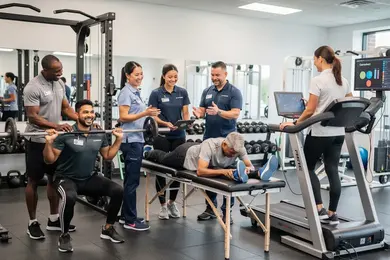
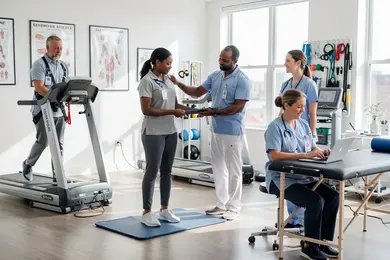
Internships or practicums remain a non-negotiable component, as employers prioritize verified applied experience in clinical or community contexts for candidates aiming at roles beyond entry level. The integration of these real-world placements ensures graduates can translate theory into measurable client outcomes under supervision, mitigating barriers to workforce entry.
Given the median annual salary of approximately $71,000 reported by Methodist University for exercise and sport science graduates, educational pathways must balance rigorous science with client-focused application. Prospective students should scrutinize program offerings not only for academic content but also for the depth and authenticity of practical project work supporting employability.
For those comparing costs as part of their decision, analyzing affordable options such as the cheapest data science degree listings can offer cost perspective, though cross-disciplinary relevance varies significantly.
What careers can you pursue with an online bachelor's in exercise science?
Choosing an online bachelor's in exercise science commits students to a multidisciplinary skill set critical for roles ranging from exercise physiologists to wellness coaches. However, the degree alone often falls short without certifications such as ACSM or NASM, which are nearly mandatory to meet employer standards in clinical or athletic environments. For example, an exercise physiologist working in rehabilitation must supplement academic knowledge with certification and hands-on patient care experience to tailor safe and effective recovery protocols.
The demand across healthcare, corporate wellness, and sports sectors centers on the integration of biomechanics, physiology, and nutrition, core subjects covered in approximately 244 sport and exercise studies programs nationwide, according to Educations.com. Yet, graduates focusing solely on theoretical coursework risk limited employability if they lack applied projects or internships that demonstrate real-world capabilities.
Those aiming for fitness management or wellness coordinator roles must consider acquiring business acumen or health promotion credentials to navigate certification requirements and state licensure complexities. Without these, eligibility for insurance reimbursement or career progression may be hindered.
Prioritizing programs with a strong emphasis on applied learning and client-facing projects improves workforce readiness. Government labor data from 2024 confirms that combining technical expertise with practical experience improves hireability and career sustainability in this field.
What is the salary potential and job outlook for exercise science graduates?
The salary range for exercise science graduates reflects clear stratification based on specialization and employer type. Clinical exercise physiologists and strength and conditioning coaches tied to professional sports or specialized rehabilitation settings can expect $45,000 to $75,000 annually, while entry-level roles in community health or fitness instruction often start near $35,000 to $40,000. Geographic location further influences earnings and opportunities, with urban centers offering more positions and faster advancement than rural regions.
Employment growth projected at approximately 9% from 2024 to 2034 outpaces many other fields, driven by demand for preventative healthcare and sports performance. However, this growth masks uneven accessibility; graduates without targeted specializations or applied experience may find advancement and job placement challenging. Those focusing on sports performance, clinical exercise physiology, or strength and conditioning generally secure better outcomes, though this often requires additional certifications and clinical internships.
Practical skills demonstrated through internships or undergraduate projects are increasingly non-negotiable for employers. Graduates lacking such experience risk career stagnation, especially in competitive markets. Online bachelor's programs that integrate applied projects can bridge this gap, improving job prospects without sacrificing program flexibility.
Key considerations for candidates:
- Specialize early to access higher salary tiers and niche roles.
- Prioritize internships or applied clinical hours to meet employer expectations.
- Evaluate program quality for career-focused experiential learning rather than generic curricula.
How long do online exercise science bachelor's programs take and what do they cost?
Choosing an online bachelor's degree in exercise science demands balancing program length, cost, and career outcomes against personal circumstances. While traditional paths require around four years, accelerated options-typically spanning two and a half to three years-can benefit those with prior credits or the ability to study year-round, though these often increase course intensity and limit work flexibility.
Tuition varies widely: public institutions charge approximately $150-$400 per credit for in-state students, with out-of-state and private schools reaching $700 or more per credit. Total costs generally range from $25,000 to $60,000, but additional expenses such as technology fees, textbooks, and mandatory in-person practicums should factor into budgeting decisions.
Admissions standards significantly affect both access and cost-efficiency. Candidates below GPA thresholds (2.5-3.0) may encounter conditional acceptance or remedial requirements, extending time and expenses. For working professionals aiming at roles like physical therapy assistance or wellness coaching, programs integrating applied performance projects and accreditation tend to align better with employer preferences, despite often higher tuition.
When evaluating options, consider:
- Longer programs may accommodate part-time work but delay workplace entry and increase total cost.
- Accelerated programs demand intense study loads, limiting employment possibilities during coursework.
- Programs with career-oriented projects enhance employability but at a potential cost premium.
These tradeoffs shape how investment in an exercise science degree translates into practical workforce readiness and long-term career mobility.
What are typical admission requirements for online exercise science degrees?
Admission to online exercise science programs hinges on more than academic credentials; applicants must demonstrate readiness to navigate rigorous science content amid real-world constraints such as work or family commitments. Most programs require a high school diploma or GED and emphasize strong foundational coursework in biology, chemistry, and algebra, typically validated through official transcripts. A GPA threshold around 2.5 to 3.0 usually reflects the minimum academic standards, though some institutions may waive standardized tests like the SAT or ACT for candidates with relevant professional experience or previous college credits.
Transfer applicants often benefit from credit acceptance up to 60 hours, critically shortening the 120-credit hour requirement that generally spans 4 to 6 years when pursued part-time. This has significant implications for working adults balancing education with employment. Additionally, supplementary materials like personal statements and recommendation letters from instructors or healthcare professionals serve to confirm motivation and aptitude, elements that increasingly influence admissions decisions given the competitive landscape.
Success in these programs demands reliable internet access and adeptness with technology due to a curriculum heavily reliant on virtual labs, video lectures, and applied projects. While professional experience in fitness or rehabilitation can strengthen an application, it rarely replaces formal prerequisites, signaling employers' expectations for solid academic grounding alongside practical skills.
Are certifications or licenses needed for exercise science and related fitness careers?
Certification requirements in exercise science careers vary sharply by role and setting, directly influencing employability and scope of practice. For instance, clinical exercise physiologists must navigate healthcare-specific credentials like the Certified Clinical Exercise Physiologist credential or state licensing, which affect institutional approval and insurance reimbursement access. Conversely, personal trainers typically need certifications such as the Certified Strength and Conditioning Specialist (CSCS) or National Academy of Sports Medicine (NASM) to satisfy workplace standards and mitigate legal risks.
Holding only a bachelor's degree often falls short of employer expectations. A common tradeoff appears in NCAA Division I strength coaching roles, where candidates must combine academic degrees with specialty certifications and extensive practical experience acquired through internships or similar applied settings.
Top online exercise science bachelor's programs integrate capstone projects or applied research that mirror industry demands, improving graduates' readiness for credentialing exams and practical application. Prospective students should budget for additional certification-related costs, including exam fees and continuing education, which are ongoing requirements post-graduation and influence long-term career mobility.
Strategically aligning one's academic program with targeted credential requirements can reduce delays in workforce entry or progression and meet hiring managers' pragmatic expectations for demonstrated competence with special populations or clinical environments.
How can you choose a reputable, career-focused online exercise science program?
Evaluating online exercise science programs demands scrutiny beyond accreditation; students must prioritize curricula that integrate applied projects reflecting workplace challenges, such as biomechanical assessments or rehabilitation planning. These practical components shape essential skills employers expect in competitive healthcare and fitness markets.
Faculty credentials matter significantly-programs led by instructors actively involved in research or clinical practice offer content aligned with evolving industry standards. Access to internships or virtual labs can bridge academic theory with workplace realities, an advantage rarely matched by fully asynchronous courses.
Employment outcomes are critical. Roles like exercise physiologists and recreational therapists face nuanced hiring conditions, where certification passage rates and relevant experience often outweigh mere degree completion. Given BLS projections estimating 7% to 13% growth in these fields through 2034, selecting a program aligned with certification prerequisites and market adaptability improves placement potential.
Technology platforms supporting interactive learning and real-time feedback are not mere conveniences but integral to mastering techniques remotely. Programs balancing synchronous sessions with flexible scheduling better simulate clinical collaboration, benefiting working professionals managing time constraints.
Prospective students should consider program length and prior credit recognition. Accelerated paths that do not sacrifice practical training may shorten time-to-employment, yet programs lacking rigorous project components risk underpreparing graduates for employer demands.
Other Things You Should Know About Exercise Science
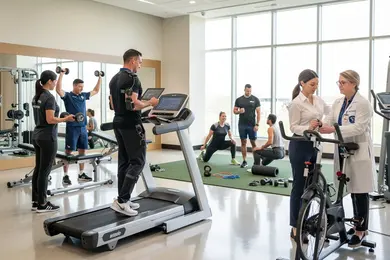
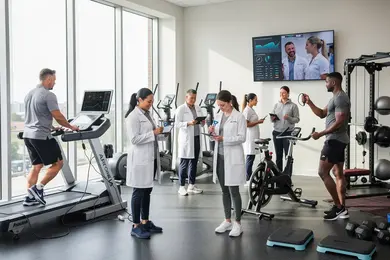
In 2027, hands-on experience is crucial in online bachelor's programs in exercise science. It enhances practical skills, allowing students to apply theoretical knowledge in real-world scenarios. Many top programs incorporate virtual simulations or local practicums to facilitate this component, ensuring graduates are well-prepared for diverse roles in the field.
Most programs require at least 8 to 12 semester hours of lab science, usually anatomy and physiology with labs, plus biology or chemistry. These courses support exercise testing, human movement analysis, and graduate-school eligibility, and they must come from an accredited institution.
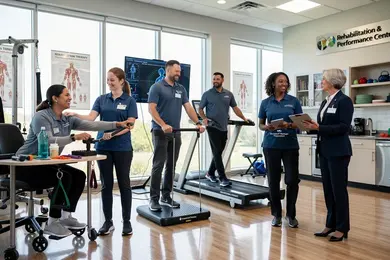
Yes, students aiming for direct workforce entry should prioritize programs requiring performance projects that simulate real job responsibilities, such as exercise testing or program design. These projects illustrate applied skills to employers and build portfolios that differentiate candidates in a crowded job market. Programs lacking this focus often produce graduates less prepared to meet industry standards immediately after graduation.
No, employer expectations vary widely by role and industry segment. Entry-level positions in fitness coaching or wellness program coordination may accept online degrees without reservations, while clinical or research-oriented roles often prefer candidates from traditional programs with extensive face-to-face training. Assess your target job's requirements to determine if supplementary certifications or in-person experiences are necessary to compensate for the online degree format.
References
- Hands-On Learning: How Doing Deepens Understanding https://www.ssis.edu.vn/knowledge-base-details/~board/knowledge-base-board/post/hands-on-learning
- 10 Types of Experiential Learning: Unlocking the Power of Hands-On Education - JUMP! Foundation Official Website https://jumpfoundation.org/10-types-of-experiential-learning-unlocking-the-power-of-hands-on-education/
- Exercise Science Degree Programs & Career Guide 2025 https://www.nutritioned.org/exercise-science-degree/
- 2026 Best Online Exercise Science Degrees https://www.onlineu.com/degrees/exercise-science
- Careers in Exercise Science – Jobs, Salaries, and Growth Opportunities https://www.pickmyuni.com/student-resources/careers-in-exercise-science-123
- Online Exercise Science Degrees: Top School Review https://www.edumed.org/online-schools/exercise-science-degrees/
- Top 10 Benefits of Hands-On Learning https://www.smartlablearning.com/benefits-of-hands-on-learning/
- Online Exercise Science Program https://stmary.edu/online-programs/exercise-science.html
- Best Exercise Science Careers - Let's Find out! https://www.ptpioneer.com/personal-training/exercise-science-careers/
- Hands-On Learning: 12 Research-Backed Activities for Every Subject https://www.structural-learning.com/post/hands-on-learning