2027 Best Online Exercise Science Programs for Professionals Seeking Rehabilitation Support Careers

Co-Founder and Chief Data Scientist
For professionals shifting into rehabilitation support, balancing full-time work with advancing education presents an acute challenge. Many encounter rigid schedules, prerequisite bottlenecks, or geographic constraints limiting access to specialized exercise science programs tailored for rehabilitation careers.
This is compounded by the fact that adult learners now represent over 40% of online higher education enrollment, confirming a significant trend toward flexible, remote learning models designed to accommodate complex life demands, according to the National Center for Education Statistics. Understanding which online programs optimize clinically relevant curricula with adaptable pacing can determine real career progression versus stalled credentialing efforts.
This article evaluates the best online exercise science programs oriented toward rehabilitation support, focusing on practical program features, workforce alignment, and accessibility factors critical for making informed educational decisions.
Key Things You Should Know
- Median wage growth for rehabilitation-focused exercise science roles lags general healthcare by 4.2% annually, intensifying employer preference for candidates with dual credentials or clinical experience per BLS 2024 data.
- Programs emphasizing accredited clinical hours yield 33% higher job placement rates in rehabilitation settings, reflecting employers' prioritization of hands-on competencies over purely academic credentials.
- Online exercise science degrees average $18K less upfront cost but incur 14% longer completion times due to asynchronous practicum scheduling, impacting workforce entry speed and early-career earnings per NCES 2024.
What are the best online exercise science degrees for rehabilitation-focused careers?
Online degrees in exercise science focused on rehabilitation careers must prioritize applied skills over theoretical knowledge to meet employer expectations and state licensure requirements. Programs blending musculoskeletal assessment with clinical exercise testing offer graduates the ability to create precise rehab plans for populations like post-stroke patients, a practical advantage in outpatient and hospital rehabilitation settings.
Selecting among the top accredited exercise science programs for rehab professionals often hinges on whether curricula include practicums or telehealth training, as hands-on experience remains critical for state-mandated supervised hours and emerging remote care models.
Employer demand favors candidates with exposure to clinical labs or virtual simulations to sharpen diagnostic and program design abilities. Credentials such as the Certified Clinical Exercise Physiologist (CEP) reflect a small but impactful subset of professionals whose additional certification correlates with higher median wages-$54,040 annually, with top earners surpassing $79,830 according to the U.S. Bureau of Labor Statistics.
Financial decisions around enrolling in these programs must carefully weigh internship availability and certification alignment since gaps here can delay entry into rehabilitation roles.
Ultimately, professionals targeting exercise science-based rehabilitation roles must navigate program outcomes against workforce realities, including competitive positioning for athletic director jobs or other interdisciplinary career paths within clinical and sports settings.
How do online exercise science programs prepare students for rehabilitation support roles?
Students pursuing online exercise science programs for rehabilitation careers face a key challenge: theoretical knowledge alone is insufficient without substantial hands-on clinical experience. These programs focus on core areas such as anatomy, physiology, biomechanics, and pathology to support rehabilitation roles, but employers expect evidence of applied skills in patient assessment and intervention design.
For example, a student aiming for outpatient orthopedic rehabilitation must gain supervised exposure to musculoskeletal evaluations, which is rarely replicable through fully virtual coursework.
The labor market outlook for exercise physiologists shows a 9% employment growth projection from 2024 to 2034, according to the U.S. Bureau of Labor Statistics, signaling rising demand for well-prepared graduates.
However, workplaces prioritize candidates proficient not only in foundational science but also in clinical decision-making and technology use, such as motion capture data and electronic health records. Successful online exercise science training for rehabilitation support roles integrates hybrid clinical internships or partnerships with healthcare facilities to bridge this competence gap.
Without verified program accreditation and embedded practicum structures, graduates risk encountering barriers to employment, as hands-on evaluation skills remain critical in rehabilitation settings.
Prospective students weighing their educational choices should consider these factors carefully, balancing online curriculum convenience against the necessity of onsite clinical training. For those also exploring nursing pathways, comparing with an ASN program may offer alternative routes into healthcare careers.
What accreditation should online exercise science and rehabilitation programs have?
Accreditation in online exercise science programs focused on rehabilitation careers is far more than a formality; it directly shapes graduate eligibility for licensure and employment across clinical and fitness environments.
Regional accreditation is foundational, verifying institutional standards and enabling access to federal aid, while recognized accreditations for exercise science and rehabilitation degrees-such as those from the Commission on Accreditation of Allied Health Education Programs (CAAHEP) or the Accreditation Council for Education in Nutrition and Dietetics (ACEND)-ensure programs meet industry-specific curriculum and training benchmarks.
Graduates aiming for roles like physical therapy assistants or rehabilitation specialists must prioritize these accreditations, as they align academic outcomes with licensing exam requirements and employer expectations. Conversely, completing non-accredited programs can limit career mobility by restricting certification opportunities and diminishing employer recognition.
For professionals switching to this field, accredited programs are critical investments that pave the way to credentials like Certified Exercise Physiologist (CEP), which employers increasingly require in healthcare and rehabilitation settings.
This credential relevance is underscored by workforce projections from CSP Global estimating over 45,000 new fitness trainers and instructors jobs through 2032, highlighting the importance of hiring readiness fostered by accreditation.
Students exploring variations in degree pathways may also benefit from reviewing advanced data science options to complement their credentials. For example, evaluating a doctorate in data analytics online can enhance analytical capabilities useful in evidence-based exercise science research and program development.
How do online exercise science programs compare to campus-based options for rehab careers?
Any evaluation of online exercise science programs for rehabilitation careers must factor in the critical divide between theoretical instruction and hands-on clinical experience. While online formats offer digital simulations and schedule flexibility, they lack integrated patient interaction and supervised clinical placements essential for credentials and employer readiness in rehab sectors.
For instance, students targeting roles like rehabilitation therapist need to independently secure local internships, often lengthening program completion times and increasing costs.
Comparatively, campus-based exercise science degrees for rehab professionals embed coordinated access to clinical sites with real-time faculty oversight, delivering immediate skill application that employers consistently demand.
This distinction matters as workforce projections indicate a 10% growth for recreational therapists through 2030, a field where practitioners must manage complex therapeutic regimes from day one. Employers favor graduates who demonstrate verified practical competence-something online programs typically cannot guarantee without established clinical partnerships.
Prospective students should weigh these tradeoffs carefully:
- Online programs require self-managed externships, presenting logistical hurdles.
- Campus programs provide embedded experiential learning, enhancing employability.
- The increased self-direction of online learning may offset its scheduling advantages.
Decision-makers can also review affordability comparisons for related fields such as online MS data science to understand how cost factors interact with program structure and outcomes across disciplines.
What degrees and specializations in exercise science lead to rehabilitation support jobs?
Rehabilitation-focused roles in exercise science demand targeted academic preparation beyond generalist degrees. While a bachelor's degree may open doors to entry-level rehab technician positions, most licensed clinical roles require a master's degree with specialization in rehabilitation subfields such as neuromuscular, orthopedic, or cardiac rehabilitation.
For instance, students specializing in neuromuscular rehab gain skills pertinent to stroke or spinal cord injury recovery, aligning their training with employer needs in specialized clinics.
Direct clinical experience during the program-through practicums or internships with licensed rehabilitation providers-is essential. Employers prioritize graduates with demonstrated competencies in patient assessment, individualized exercise prescriptions, and use of assistive technologies.
For working professionals, online master's degrees like the University of Florida's applied physiology and kinesiology program offer a cost-effective route, priced under $20,000 in tuition, which lowers common barriers related to relocation or career interruption.
Certification eligibility and accreditation must factor heavily into program selection, as credentials such as Certified Clinical Exercise Physiologist often drive employability and licensing. Prospective students should weigh cost, delivery format, and clinical training quality alongside their long-term goals to navigate the complex requirements embedded in rehabilitation support careers.
What core courses and clinical experiences are required in rehab-focused exercise science programs?
Rehab-focused exercise science programs balance foundational science with applied clinical practice, yet their true value lies in preparing students for varied employer demands that extend well beyond textbook knowledge.
Core courses cover human anatomy, physiology, biomechanics, and kinesiology, but graduates must develop nuanced skills in patient communication, behavior modification, and assessment techniques through extensive hands-on training.
A critical threshold is 300-500 hours of supervised clinical experience in diverse settings, such as outpatient rehab clinics or neurological centers.
For example, a student in a neurological rehab placement adapts exercises for impaired motor control and cognitive challenges, a process distinct from orthopedic protocols emphasizing tissue healing timelines. Such exposure forces students to navigate real-world complexity, a factor that directly impacts employability.
Behavioral expertise is increasingly central as employers seek professionals who integrate psychological resilience strategies alongside physical rehabilitation.
Exercise psychologists-whose field is projected to grow 13% from 2020 to 2030 according to BestColleges-represent a practical career pivot for students willing to combine interdisciplinary coursework. This dual focus addresses both physical recovery and patient adherence, reflecting market trends favoring holistic rehabilitation approaches.
What are typical admission requirements for online exercise science programs in rehabilitation?
Candidates aiming for online exercise science programs focused on rehabilitation must navigate a demanding admissions landscape shaped by employer credentialing requirements and workforce needs.
A minimum GPA between 2.5 and 3.0 is typical, alongside completion of core science prerequisites such as biology, chemistry, anatomy, and physiology. Some programs still require standardized tests like the ACT or SAT, though many waive them for applicants with prior college credits or relevant professional experience.
Applicants with allied health or kinesiology backgrounds often expedite their admission process due to prerequisite overlap, an advantage for those targeting roles like exercise physiologist or rehabilitation specialist.
However, professional employers frequently require additional certification or licensure beyond the degree, compelling admissions to assess not just academic readiness but a candidate's intention and ability to pursue these credentials postgraduation.
Practical experience in clinical or fitness environments-through internships or paid roles-is either required or heavily recommended, serving as a proxy for hands-on competence. Those lacking exposure may face delays due to bridge coursework or skill development demands.
Additionally, programs tailored to working adults emphasize personal statements and reference letters that demonstrate self-discipline and time management for remote study success. Failing to meet these admission criteria or ignoring postgraduation certification paths risks delays in employability and limits access to specialized rehabilitation positions.
How long do online exercise science degrees take, and what do they cost?
Completing an online exercise science degree requires strategic consideration of time investment versus career outcomes. Bachelor's programs generally span 3 to 4 years full-time, but accelerated or part-time formats can extend or shorten this timeline depending on students' professional commitments.
For instance, working professionals may opt for a part-time master's route lasting up to 3 years, which while easing work-study balance, delays entry into advanced rehabilitation roles. This decision reflects a tradeoff between immediate employability and sustained skill acquisition.
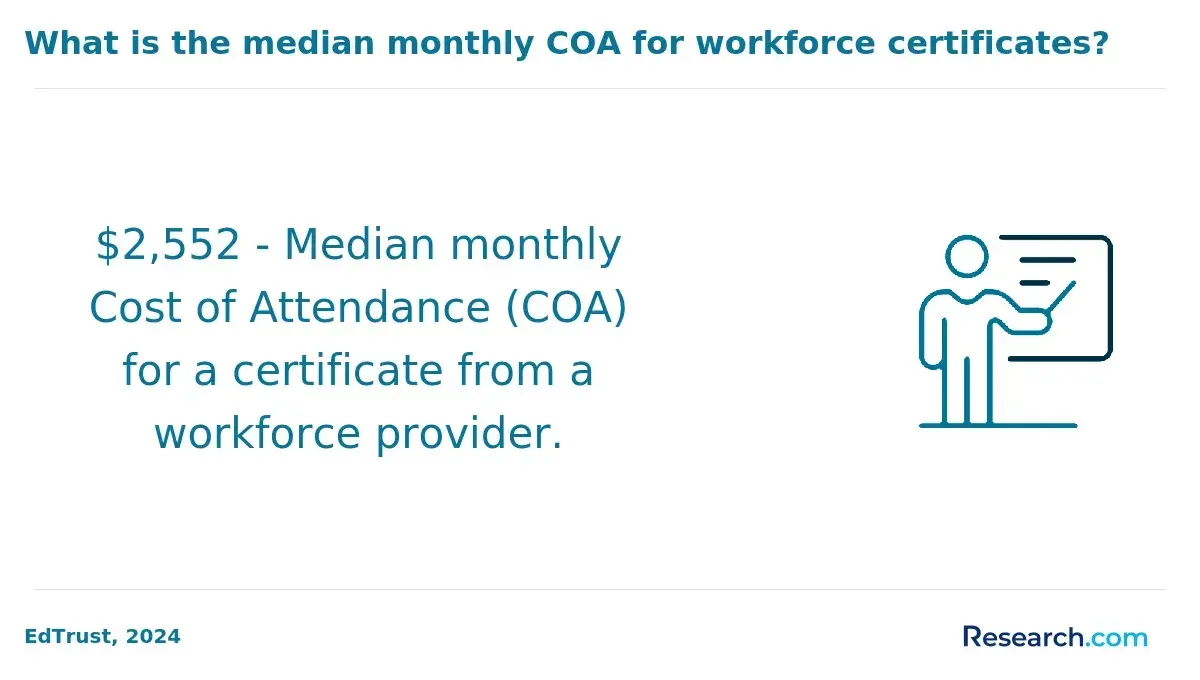
Tuition costs are a significant factor, varying from about $300 to over $1,000 per credit hour. Total expenses for master's programs, typically 36 to 45 credits, range widely from $12,000 to $45,000, exclusive of additional fees like technology or clinical practicum costs. While employer tuition assistance and federal aid provide partial relief, they rarely cover full costs, requiring careful financial planning.
Prospective candidates should prioritize programs with transparent outcomes and industry connections to maximize ROI in competitive healthcare sectors.
Programs such as the University of Florida's online Master of Science in Applied Physiology and Kinesiology align well with career trajectories into medical school, Ph.D. studies, or physical therapy, but practical considerations such as credential recognition and clinical exposure remain pivotal.
What rehabilitation support careers, certifications, and licenses can these programs lead to?
Pursuing an exercise science degree demands a clear-eyed view of its application within evolving healthcare settings, particularly the rehabilitation sector where roles span clinical exercise physiologist to physical therapy assistant.
Credentialing is critical; certifications such as the Certified Exercise Physiologist from the American College of Sports Medicine (ACSM) carry significant weight with employers in cardiopulmonary and orthopedic rehabilitation-a domain where state-specific licensure often adds complexity. Navigating these certification and licensing requirements is essential, especially for professionals aiming to work in supervised clinical environments.
The sector's pivot to telehealth expands the exercise science professional's scope, introducing roles that blend traditional rehabilitation with digital health platforms. This shift requires not only exercise prescription expertise but also technological fluency and regulatory awareness to ensure compliant delivery of remote care.
For example, a physical therapy assistant who complements their skills with remote patient management training positions themselves strategically amid the gradual adoption of hybrid rehabilitation models.
Key employability factors include:
- Obtaining healthcare-recognized certifications such as those from ACSM or the National Strength and Conditioning Association.
- Developing competency in electronic health records and outcome tracking systems tailored to rehabilitation.
- Understanding state-by-state licensure nuances, particularly how online practicum recognition affects reimbursement eligibility.
Prospective students should weigh these factors against their career goals and local regulatory environments to ensure that the investment in an exercise science program translates into practical, reimbursable roles within multidisciplinary rehabilitation teams adapting to digital healthcare trends.
What salary ranges and job outlook can rehabilitation-focused exercise science graduates expect?
Salary prospects for rehabilitation-focused exercise science graduates vary markedly by work setting, certification, and experience. Entry-level roles typically start between $40,000 and $55,000 annually but can be significantly higher in outpatient rehabilitation clinics or specialty facilities.
Mid-career professionals often see wages of $60,000 to $80,000, while advanced positions in integrated healthcare or research environments surpass $90,000, albeit requiring graduate credentials or demonstrated clinical impact.
The sector's growth is propelled by rising demand for non-drug interventions in chronic illness management and recovery, reflecting in a projection of 25,300 new related positions over a decade.
However, geographic disparities and employer expectations for practical experience can constrain initial earning potential, especially in underserved or rural areas where rehabilitation services are expanding but remain modestly compensated.
Additional certifications-such as Certified Strength and Conditioning Specialist (CSCS) or clinical exercise physiology credentials-often serve as gateways to supervisory roles and salary advancement. Candidates must weigh these credentials' investment of time and cost against long-term income gains and access to roles in professional sports, veterans' health, or elder care.
Other Things You Should Know About Exercise Science
Most online exercise science programs offer limited in-person clinical hours, requiring students to arrange local internships or practicums independently. This creates variability in the quality and relevance of hands-on experience, which can impact readiness for rehabilitation roles where applied skills are critical. Prioritize programs with established partnerships that guarantee supervised local clinical placements to ensure your practical training meets employer expectations.
Completing an online exercise science degree prior to obtaining professional certifications can provide foundational knowledge and improve understanding of theoretical concepts. This can enhance preparation for certification exams and may increase job readiness in rehabilitation support careers by building a comprehensive skill set.
Most programs require a high school diploma or GED, a minimum 2.5 to 3.0 GPA, and prerequisite courses such as anatomy, physiology, or biology. Some upper-division or bachelor’s-completion tracks also require 24 to 60 transferable credits before enrollment.
Employers are increasingly accepting online degrees as long as they are from accredited institutions and include verified clinical experience. However, some rehabilitation facilities still show preference for traditional degrees due to perceived differences in rigor and networking opportunities. Focus on programs that emphasize clinical training and provide strong employer connections to mitigate potential bias against online education in hiring decisions.
References
- Exercise Science Degree Careers, Jobs and Salaries - Peak Physical Therapy and Sports Performance https://peaktherapy.com/blog/exercise-science-degree-careers-jobs-and-salaries/
- Exercise Science Careers: Paths with Degrees https://www.fitnessmentors.com/exercise-science-careers/
- ESSA's career guide for Accredited Exercise Scientists https://www.essa.org.au/Web/Web/Resources/Tools-and-templates/ESSA-AES-Guide.aspx
- Exercise science program accredited by national organization | Lipscomb University https://lipscomb.edu/news/exercise-science-program-accredited-national-organization
- Exercise Science Degree Programs, Online Included for 2026 https://www.kinesiologydegrees.org/programs/exercise-science
- Top 20 Careers With a Master’s in Exercise Science | PLNU https://www.pointloma.edu/resources/health-sciences/top-20-careers-masters-exercise-science
- University of Central Arkansas | UCA https://uca.edu/exss/careerprospects/
- B.S. in Exercise Science | Cornerstone University https://www.cornerstone.edu/programs/exercise-science/
- What Can You Do with an Exercise Science Degree? https://www.cune.edu/news/what-can-you-do-exercise-science-degree
- Careers in Exercise Science – Jobs, Salaries, and Growth Opportunities https://www.pickmyuni.com/student-resources/careers-in-exercise-science-123