2027 Best Online Bachelor's in Exercise Science With Strength and Conditioning Coursework

Co-Founder and Chief Data Scientist
Professionals aiming to specialize in strength and conditioning increasingly face the challenge of balancing rigorous, hands-on training requirements with inflexible traditional program schedules. This friction is more than inconvenience; it delays certification and limits career mobility in a field where timely credentialing can be the difference between employment and stagnation.
Recent data from the National Center for Education Statistics shows over 60% growth in online bachelor's enrollment among working adults since 2020, reflecting a demand for flexible, accredited pathways that integrate applied coursework without sacrificing academic rigor.
This article evaluates top online bachelor's programs offering strength and conditioning coursework, highlighting practical considerations for students navigating these critical trade-offs to maximize career impact efficiently.
Key Things You Should Know
- Accreditation inconsistencies in online bachelor's in exercise science with strength and conditioning coursework introduce credential recognition gaps-affecting state licensure eligibility and employer acceptance per 2024 Department of Education data.
- Employers increasingly prioritize program-integrated internships and applied strength conditioning labs; programs lacking these reduce graduate job placement rates by 15% in allied health and sports rehabilitation sectors, reported by the National Strength and Conditioning Association.
- Extended program durations caused by asynchronous curricula raise total tuition costs by up to 20%, limiting access for working adults and delaying workforce entry, per recent insights from the Council for Higher Education Accreditation.
What is an online bachelor's in exercise science with strength and conditioning?
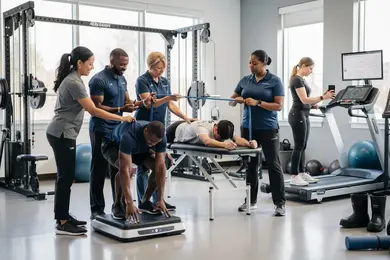
Online bachelor's degree programs in exercise science with strength and conditioning specialization offer a focused curriculum that integrates human physiology, biomechanics, and athletic training, forging competencies essential for workforce readiness.
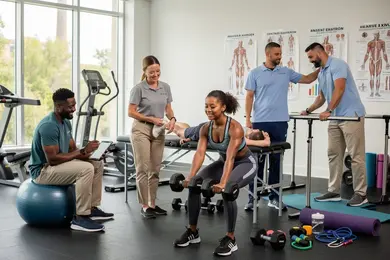
Graduates are expected to translate theoretical knowledge into applied skills such as exercise prescription and injury prevention, which requires engaging in practical experiences often secured through structured internships or remote labs. These experiential components are critical, as employers prioritize demonstrated proficiency over passive academic exposure.
Different career trajectories demand distinct specializations: aspiring collegiate strength and conditioning coaches must master periodization and sport-specific training, whereas clinical practitioners focus on cardiovascular rehabilitation and metabolic health management.
The challenge for students in accredited online exercise science programs with strength and conditioning coursework lies in coordinating these practical components within their local contexts to meet certification requirements like the Certified Strength and Conditioning Specialist (CSCS) credential.
Employment opportunities span sports organizations, rehabilitation facilities, military fitness programs, and corporate wellness sectors, but success depends on navigating program quality, industry connections, and flexible practicum options. Notably, exercise physiologists face a 13% job growth outlook through 2030, outpacing many fields, reflecting tangible demand despite practical entry barriers.
Prospective students interested in these dynamics can study exercise science online through pathways calibrated for professional readiness and strategic skill application.
How does an online exercise science degree compare to campus-based programs?
Choosing between an online exercise science degree vs campus programs hinges on how students address the essential hands-on training demanded by strength and conditioning coursework in online exercise science programs.
While digital platforms can effectively deliver anatomy, physiology, and kinesiology knowledge, the crux of professional readiness lies in securing supervised internships, lab work, and direct client experiences-elements often more accessible in campus settings.
For example, a working professional pursuing an online degree might arrange weekend practicums at local gyms to fulfill practical requirements, which campus students typically complete through institutional partnerships and on-site labs.
Employers place a premium on applied experience and relevant certifications, meaning online learners must proactively seek accredited local externships to remain competitive.
The median annual salary for exercise physiologists stands at $50,280, emphasizing that educational flexibility should not come at the expense of experiential depth. Campus programs often offer smoother integration into research, faculty mentorship, and targeted career services, accelerating workforce entry.
Those interested in alternative healthcare pathways might compare options such as online associate nursing programs, which similarly balance flexibility with clinical practicum mandates. Ultimately, success with an online exercise science education depends on strategic planning to secure local practical exposure that matches the market readiness of campus-trained peers.
Which accredited schools offer online exercise science degrees with strength and conditioning?
Online exercise science degrees that include strength and conditioning coursework increasingly reflect employer demand for practical expertise in athletic performance and injury prevention.
Well-regarded programs from public and private universities like the University of Florida and Arizona State University integrate NSCA-aligned content, sharpening graduates' readiness for roles as trainers, coaches, or rehabilitation specialists. However, purely theoretical curricula without blended lab simulations or onsite practicums may limit graduates' applied competencies in competitive job markets.
For example, professionals aiming for certification such as the CSCS credential should prioritize programs with clear postgraduation pathways and clinical practicum options to differentiate themselves.
Licensing requirements fluctuate by state and specialty, making program selection a consequential decision for workforce entry and mobility. Budget-conscious students must balance tuition variability, especially between in-state and out-of-state rates, with the institution's reputation and support services to ensure a sound return on investment.
The fitness training field's projected 14% growth underscores the value of degrees rooted in contemporary research on neuromuscular adaptation and periodization. Collaborative internships tied to local sports teams or fitness centers provide tangible experience and help bridge education with employment outcomes.
Prospective students also benefit from consulting academic advisors early to navigate course sequencing, which mitigates graduation delays for adult learners balancing multiple priorities.
Students comparing exercise science pathways should also explore related disciplines such as the library science masters for strategic career pivots or interdisciplinary roles within health and wellness sectors.
What coursework and concentrations focus on strength and conditioning in these programs?
Programs featuring exercise science strength and conditioning coursework focus on applied biomechanics, neuromuscular adaptations, and sport-specific protocols tailored to real-world performance and injury prevention.
Such coursework equips students with skills in periodization, progressive overload, and exercise prescription customized to diverse populations, aligning closely with employer expectations for data-driven and evidence-based coaching.
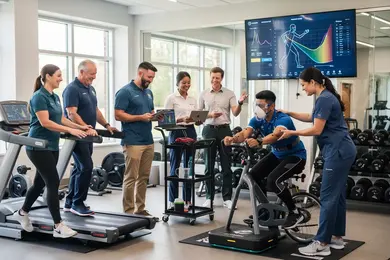
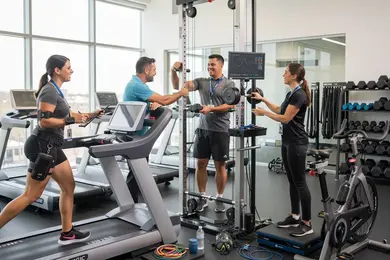
Strength and conditioning concentrations in bachelor's programs often incorporate laboratory techniques like VO2 max testing, lactate threshold measurement, and electromyography. These provide practical insights into muscular recruitment and energy system demands essential for roles in collegiate athletics and clinical rehabilitation.
Graduates frequently gain certifications aligned with National Strength and Conditioning Association (NSCA) standards, improving competitiveness for team sport preparation and therapeutic exercise management positions.
Practical tradeoffs include navigating remote internships and mastery of complex assessment tools without consistent hands-on exposure. Employers value candidates who can design workload progression plans that optimize recovery and performance timing, a critical skill when balancing hypertrophy phases in off-season training against in-season demands.
The average salary for a BS in Exercise & Sport Science is around $71,000 annually, reflecting specialized market demand. Prospective students should evaluate program offerings carefully, prioritizing those with strong employer networks and clear pathways to certification preparation. For a broader perspective on affordable program options beyond exercise science, consider reviewing MLIS programs.
What are typical admission requirements for online exercise science bachelor's programs?
Admission to bachelor's programs in exercise science that emphasize strength and conditioning requires more than just meeting baseline academic thresholds; applicants must demonstrate proficiency in science and math to manage the rigor of subjects such as anatomy and biomechanics.
Most programs require a minimum GPA between 2.5 and 3.0, with official transcripts showing completion of biology, chemistry, and algebra. Although standardized test scores like the SAT or ACT are becoming less mandatory, some institutions still use them for a comprehensive view of preparedness.
For professionals already working in health or fitness roles, leveraging prior college credit or relevant certifications can expedite degree completion and reduce costs, which typically hover around $420 per credit hour in online formats as reported by CSP Global Online. This pathway is particularly practical for those transitioning into clinical exercise physiology or strength coaching within institutional or commercial settings.
Nontraditional students face additional procedural demands such as residency verification and prerequisite validation, often handled separately from the main application.
Reliable internet access and digital literacy are non-negotiable for successful engagement with online platforms, while maintaining consistent communication with admissions staff helps avoid delays caused by incomplete documentation. These operational factors critically impact both enrollment timing and workforce transitions.
How long do these online programs take, and what do they cost?
Enrolling in an online bachelor's program in exercise science with strength and conditioning coursework mandates careful evaluation of both time and cost implications, especially given the wide range of credit requirements.
For example, Eastern Oregon University's 180-credit program at $329 per credit demands nearly $59,220 solely for tuition, while other institutions may require 120 credits at lower per-credit rates, significantly affecting the total financial investment.
Students balancing full-time work should weigh how practicum hours and clinical requirements affect their schedules, as accelerated formats risk insufficient practical exposure crucial for roles such as strength and conditioning coach.
Employers expect graduates to have both solid theoretical knowledge and hands-on experience; compressed timelines can undermine readiness and competitive positioning in the job market.
Strategic financial planning is key. Tuition models vary between per-credit pricing and flat term rates, which influence cost efficiency based on course load intensity. Additional expenses for certifications like CSCS, often required in this field, are typically separate from tuition and must be factored into total career preparation costs.
Prospective students should analyze total credits, tuition per credit, and the financial impact of certification requirements to realistically assess return on investment and align educational choices with expected workforce outcomes.
What certifications in strength and conditioning can this degree help you earn?
Choosing an online bachelor's in exercise science program focused on strength and conditioning often comes down to balancing credential value against time and resource investment. The Certified Strength and Conditioning Specialist (CSCS) credential from the National Strength and Conditioning Association (NSCA) remains a top-tier qualification favored by employers in professional sports and collegiate settings. However, earning CSCS demands extensive study and practical experience.
Alternatively, certifications like the Certified Personal Trainer (CPT) from the National Academy of Sports Medicine (NASM) or the American College of Sports Medicine (ACSM) present less rigorous entry points but usually channel graduates into individual fitness roles with comparatively limited earning potential.
Graduates aiming for clinical or rehabilitation environments may consider the Certified Exercise Physiologist (EP-C) from ACSM, which emphasizes exercise testing and medical knowledge. Specialized credentials such as the Tactical Strength and Conditioning Facilitator (TSAC-F) target niche areas like military and first responder training but require focused commitment.
In practical terms, selecting a certification impacts employability, earning capacity, and professional trajectory. For example, a graduate targeting a collegiate strength coach role should prioritize CSCS despite its challenges, whereas professionals aiming for personal training might prefer CPT for quicker market entry. Additionally, all certifications require continuing education and periodic renewal, affecting long-term planning and costs.
What careers can you pursue with an exercise science degree in strength and conditioning?
A degree in exercise science with a focus on strength and conditioning sets a foundation for careers such as strength and conditioning coaches, athletic trainers, and exercise physiologists-but each path demands distinct qualifications and carries different workforce implications.
Strength and conditioning coaches often enter competitive sports environments, requiring practical experience and credentialing like the CSCS certification to access Division I programs or professional teams. This combination of formal education and certification can extend time and financial investment beyond the bachelor's degree.
Athletic trainers rely on exercise science knowledge primarily for injury prevention and rehabilitation but typically must pursue additional licensure and specialized degrees, limiting direct entry from exercise science alone. Meanwhile, exercise physiologists tend toward clinical or wellness sectors, offering steadier but generally lower-paying roles that emphasize chronic disease management and rehabilitation.
Job prospects are complicated by the proliferation of sport and exercise studies programs nationwide, leading to high candidate saturation. Entry-level roles in under-resourced high schools or youth sports often present low wages and minimal advancement, making deliberate credentialing and network-building essential.
Supplemental training in business or management may be necessary for private sector positions such as corporate wellness coordinators or fitness directors. Graduates should weigh credential costs, internship requirements, and sector-specific career trajectories carefully to avoid stagnation.
What salary ranges and job outlook can graduates expect in strength and conditioning roles?
Salary outcomes for strength and conditioning graduates in the U.S. vary widely based on credentials, work setting, and experience, with entry-level positions typically paying between $40,000 and $50,000 and mid-career roles ranging from $55,000 to $75,000.
Institutional employers generally reward candidates holding a bachelor's degree in exercise science combined with certifications from respected organizations, which can substantially affect both initial offers and promotion trajectories.
Workforce conditions reveal notable differences: collegiate sports programs offer higher financial rewards and job security but demand advanced certifications and proven athletic experience.
Conversely, positions in rehabilitation clinics or corporate wellness often start lower in pay and present limited advancement, frequently competing with candidates possessing graduate degrees or specialty credentials.
Online exercise science degrees have become more common, enabling professionals to reskill without relocation. However, prospective students must critically assess program accreditation and employer recognition to ensure wage and employment gains justify tuition costs.
Practical career planning involves supplementing academic qualifications with industry credentials and networking to navigate an increasingly credential-sensitive marketplace.
How can you choose a reputable online exercise science program that meets your goals?
Choosing an online exercise science program demands scrutiny beyond accreditation; alignment with industry certifications like those by the National Strength and Conditioning Association (NSCA) effectively predicts graduate readiness for competitive roles.
For example, a graduate aiming for a collegiate strength coaching position faces preferences for candidates whose coursework integrates hands-on applied biomechanics and physiology alongside strength training theory. Programs that insufficiently incorporate experiential labs risk producing entrants less prepared for immediate workforce demands.
Admissions policies granting flexibility-such as waiving SAT/ACT requirements-expand access but may correlate with weaker employer perceptions in selective sectors. Candidates pursuing certification or licensure should verify that prerequisite courses and practicum fulfill specific certifying body criteria, as gaps can cause costly career delays.
Degree completion speed and part-time availability influence practical feasibility for students balancing work and study; however, hastened timelines should not compromise exposure to essential clinical or athletic settings. Programs with solid alumni employment in strength coaching or rehabilitation roles typically reflect stronger industry networks and credible curriculum relevance.
Technology facilitating synchronous learning, virtual labs, and meaningful peer interaction has clear implications for skill acquisition and employment competitiveness. Cost-efficiency is paramount-online programs embedding unnecessary general education burdens dilute focus and ROI for students targeting strength and conditioning roles with applied, certification-ready content.
Other Things You Should Know About Exercise Science
While hands-on experience is highly beneficial, many online programs integrate virtual labs and simulations to bridge the gap. These methods, combined with internships, ensure that students gain the practical skills needed for success in the strength and conditioning field, even if pursued online.
The workload for online programs is often similar to traditional ones but requires greater self-discipline. Students must manage time effectively to balance asynchronous lectures with practical assignments and projects. Those juggling work or family should prioritize programs with flexible pacing and robust academic support to succeed without compromising learning quality.
Some online programs align closely with certification requirements, but not all do. Evaluate whether the curriculum covers the depth of anatomy, physiology, and program design tested in major certifications. Programs with integrated exam prep resources or direct faculty mentorship should be prioritized to increase your certification success and employer credibility.
Most programs require 1 year of college-level biology with lab, 1 semester of chemistry, anatomy and physiology, and college algebra or statistics before upper-division study. Many also expect a minimum 2.0 to 2.5 GPA and completed prerequisite grades of C or better before admission.
References
- Strength & Conditioning Coach Salary: What to Expect https://ironcoaching.app/blog/strength-and-conditioning-coach-salary
- Academy’s Bachelor’s Degree in Strength and Conditioning Recognized by Learn.org | United States Sports University https://restore-ussa-edu.mystagingwebsite.com/news/academys-bachelors-degree-in-strength-and-conditioning-recognized-by-learn-org/
- 2026 Best Online Exercise Science Degrees https://www.onlineu.com/degrees/exercise-science
- Exercise Science (Strength & Conditioning) | Academics | Southern Arkansas University https://web.saumag.edu/academics/program/exercise-science-strength/
- Online Exercise Science Program https://stmary.edu/online-programs/exercise-science.html
- Program: Exercise and Nutrition Science, Strength and Conditioning, B.S. - University of Montevallo https://bulletin.montevallo.edu/preview_program.php
- Exercise science: What exactly is it? https://www.scienceforsport.com/exercise-science/
- Bachelor of Science in Strength & Conditioning - Setanta Institute UK https://www.setanta.co.uk/our-courses/bachelor-of-science-in-strength-conditioning/
- Strength and Conditioning Salary Guidelines | IUSCA https://www.iusca.org/salary-guidelines
- CSCS Certification | Certified Strength & Conditioning Specialist https://www.nsca.com/certification/cscs/