2027 Personal Training Roles You Can Target With an Exercise Science Degree

Co-Founder and Chief Data Scientist
Many aspiring professionals face a critical bottleneck when targeting personal training roles with an exercise science degree due to fragmented credentialing requirements and employers valuing hands-on certifications over academic backgrounds alone.
Navigating this landscape intensifies as more programs shift online, with over 30% of exercise science enrollments now occurring via remote or hybrid formats, according to the National Center for Education Statistics. This change offers accessibility but challenges skill acquisition consistency and employer perceptions of readiness. Understanding which personal training roles align best with varying educational routes and industry expectations can determine career trajectory and earnings potential.
This article identifies key personal training positions suited to exercise science graduates and clarifies strategic pathways for leveraging that degree to enter or advance within this competitive field.
Key Things You Should Know
- Graduates with exercise science degrees face a median entry salary 15% lower than allied health roles, pressuring candidates to choose extended certifications versus immediate workforce entry, per 2024 Bureau of Labor Statistics data.
- Employers prioritize candidates with integrated biomechanical and data analysis skills, aligning with a 27% surge in demand for tech-savvy trainers from industry workforce reports, reshaping hiring criteria beyond traditional certifications.
- Degree program length and cost represent a strategic barrier, with average tuition reaching $35,000 annually, prompting many to weigh accelerated certificates' tradeoffs against deeper clinical expertise needed in senior roles.
What personal training careers can you pursue with an exercise science degree?
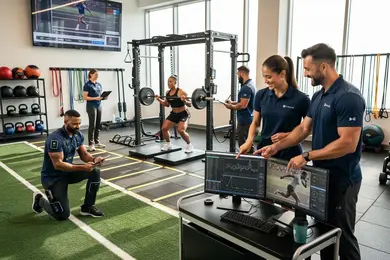
Pursuing personal training careers with an exercise science degree opens access to more specialized roles beyond typical fitness coaching, but success hinges on credentialing and skills application. For example, strength and conditioning coach positions in collegiate or professional sports demand deep biomechanical insight and injury prevention capabilities that go well beyond basic certification.
Similarly, corporate wellness coordinators integrate physical activity into chronic disease management programs, requiring knowledge that crosses over into health strategy and workplace culture.
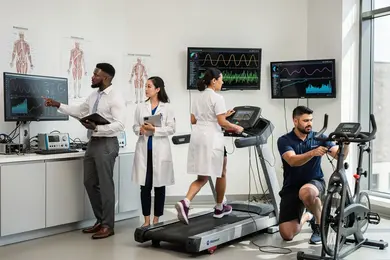
Clinically oriented personal training careers with an exercise science degree often involve rehabilitation for patients post-cardiac events or those managing diabetes. These roles emphasize interdisciplinary collaboration and a firm grasp of physiology and recovery principles, distinguishing them from general fitness instructing. Youth fitness specialists also rely on tailored programming that balances physical development with injury risk reduction, addressing the nuanced demands of younger populations.
Real-world employment data reveals a median wage around $46,180 for fitness trainers and aerobics instructors, with the top 10% earning over $82,050. This disparity illustrates how combining an exercise science degree career options in personal training with specialized certifications-such as corrective exercise or nutrition consulting-can markedly increase income and client opportunities.
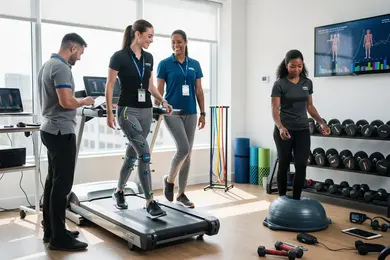
Employers now expect practical competencies in data-driven program design, progress tracking, and tech integration like wearable devices.
Without targeted credentials alongside an exercise science degree, many graduates face limited upward mobility, often confined to entry-level positions.
Navigating certification and state licensure requirements is therefore critical for sustainable career development. Those evaluating their path may find value in programs emphasizing applied skills, which can be explored through resources like exercise science degree online.
How does an exercise science degree prepare you for certified personal trainer roles?
An exercise science degree extends beyond basic certification by equipping trainers with expertise in human physiology, biomechanics, and nutrition critical for tailored programming. Employers favor graduates for their capacity to interpret complex movement patterns, administer precise fitness assessments, and implement evidence-based interventions, distinguishing them significantly from trainers holding only minimal certifications.
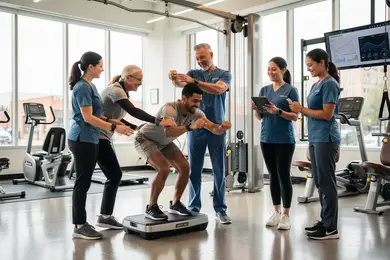
This distinction matters in diverse settings, from commercial gyms to rehabilitation centers where collaboration with physical therapists enhances client outcomes.
Graduates develop skills in data collection and analysis essential for client progression monitoring and dynamic training adjustments, underpinning client retention and professional credibility. For example, a trainer with this background working in a rehabilitation-focused gym can leverage interdisciplinary approaches, thereby expanding employment opportunities.
Incorporating business acumen and digital literacy is increasingly necessary as online and remote personal training markets expand rapidly. In the UK, online personal trainers reportedly earn around £57,179 annually managing about 30 clients, emphasizing the importance of virtual coaching and digital marketing skills, as noted in CREATE Fitness' 2024 expert review. Trainers lacking these digital competencies face stagnation in competitive markets.
Licensure and certification frameworks often require a formal academic foundation, making an exercise science education a practical prerequisite in many states and specializations. Yet, bridging theory with client-facing pragmatism remains a challenge, necessitating internships or mentorships for skill refinement.
Students evaluating growth paths should consider sports degrees online as flexible options aligned with industry demands, integrating how an exercise science degree builds certified personal trainer skills and the benefits of an exercise science education for personal training certification.
What certifications do personal trainers with exercise science degrees typically need?
Certification is the defining factor that determines employability for personal trainers with an exercise science degree in the US. Nationally recognized credentials accredited by the National Commission for Certifying Agencies (NCCA)-such as those from the National Strength and Conditioning Association (NSCA), American College of Sports Medicine (ACSM), or National Academy of Sports Medicine (NASM)-validate expertise in exercise physiology, program design, and client safety.
These certifications align closely with employer expectations across gyms, clinical settings, and corporate wellness programs, and often represent minimum qualifications rather than optional credentials.
For corporate wellness/fitness coaches, a distinct set of qualifications is necessary to compete in a segment growing at a 7% compound annual rate between 2024 and 2030. Employers typically require personal training certification combined with specialized credentials in workplace health, ergonomics, or preventive care, including CPR/AED certification.
Tailored certifications targeting older adults, chronic disease management, or stress reduction techniques enhance placement likelihood in this competitive niche.
Anticipate a 6- to 12-month preparation window with costs between $400 and $1,200 per certification exam, plus ongoing continuing education every two to four years. Practical internships linked to degree programs remain a valuable differentiator in building marketable skills and networks.
Those overlooking personal trainer certifications for exercise science graduates in the US risk diminished job prospects within a saturated fitness labor market.
Prospective students balancing cost and credential value may also research affordable degree options to optimize return on investment, for example by considering the cheapest online computer science degree as a comparative academic path offering diverse career mobility outside traditional exercise science roles.
What are the main personal training roles and specializations you can target?
The personal training roles accessible with an exercise science degree present contrasting operational realities that critically shape career prospects. Strength and conditioning coaching demands a nuanced command of biomechanics and sport-specific conditioning, often paired with certifications to meet employer expectations.
Salaries here range broadly from $40,000 to $80,000, fluctuating with team budgets and contract variability, particularly in collegiate or professional sports. This variability underscores the importance of aligning certifications directly with career targets.
Clinical exercise physiology, addressing chronic disease management through therapeutic exercise, carries distinct workforce implications: practitioners must navigate medical collaborations and certifications that limit independent practice flexibility. These specialized roles are distinguished by their integration into healthcare teams rather than commercial fitness settings.
Additional certification pathways refine market positioning-for example, corrective exercise focusing on rehabilitation and youth fitness trainers prioritizing safe developmental protocols. Lifestyle and wellness coaching, increasingly prominent, intersects behavioral and nutritional guidance but relies heavily on soft skills and market differentiation.
Given these nuances, evaluating certified personal trainer career paths in the United States requires recognizing that broad credentials rarely suffice without targeted, specialized certifications tied to real-world demand and employer requirements. Regional labor market conditions and certification costs further complicate these pathways.
Prospective students should also consider degree alternatives; for example, a library science degree may offer more predictable educational costs and career outcomes in another field.
Specialized personal training certifications with an exercise science degree are best pursued with clear operational goals rather than a generic approach to credentialing.
How do salaries compare for personal trainers with and without an exercise science degree?
Personal trainers holding an exercise science degree command notably higher salaries than their counterparts without this academic background. Data from the U.S. Bureau of Labor Statistics, as cited by Gwynedd Mercy University, show clinical exercise physiologists earning a median annual income of $58,160, with top professionals surpassing $79,830. By contrast, trainers lacking these credentials typically see median pay near $40,000, often constrained by limited advancement opportunities.
This discrepancy arises from the specialized knowledge exercise science graduates possess-such as anatomy, physiology, and clinical exercise prescription-that employers in medical fitness and hospital-affiliated settings require. Trainers without this foundation often find themselves restricted to standard roles in commercial gyms, where pay scales and career progression are relatively fixed.
Choosing an exercise science degree aligns with entry into roles demanding documented scientific and clinical expertise, like clinical exercise physiologist or corporate wellness specialist. This pathway facilitates meeting licensing and credentialing benchmarks tied to higher salaries.
Students and professionals weighing this choice should consider:
- The upfront financial and time investment in exercise science education.
- How such qualifications open doors to positions with greater job security and income potential.
- The practical limitations of relying solely on certifications or experience when targeting specialized or clinical roles.
What is the job outlook for personal training careers for exercise science graduates?
Employment prospects for graduates targeting personal training careers within exercise science vary significantly based on specialization and work setting.
Exercise physiologists, especially those integrated into cardiac rehabilitation or medical fitness, face a robust 10% growth rate through 2033 with around 1,600 annual openings, as reported by the U.S. Bureau of Labor Statistics via Marshall University. This demand is propelled by demographic trends of an aging population needing medically supervised fitness interventions.
Outside of specialized clinical roles, general personal trainers encounter stiffer competition, often requiring additional certifications or niche expertise to build a reliable client base or secure institutional positions. Regional labor market dynamics and employer expectations for verifiable credentials and documented client progress also weigh heavily on employment stability.
For professionals focused on cardiac rehab, the practical advantage lies in clearer career pathways and heightened job security due to the clinical nature of the work. Employers in hospital or outpatient settings prioritize credentials linked to medical fitness far more than conventional fitness certifications, representing a substantial tradeoff in terms of investment of time and money for credentialing.
Graduates must evaluate local labor markets carefully, balancing the cost-benefit of specialized certifications against the relative volatility of general personal training. Choosing a path within cardiac rehabilitation often means aligning with healthcare standards and sustainability of employment, while broader personal training may require entrepreneurial skill and ongoing credential upgrades.
What exercise science coursework is most relevant to personal training roles?
Mastering anatomy, physiology, and kinesiology forms the essential technical foundation for personal trainers, enabling precise assessment of musculoskeletal mechanics and human movement patterns. Trainers with deep knowledge of exercise physiology can customize programming around metabolic demands, a necessity when working with clients managing chronic illness or competitive athletes.
Biomechanics education further equips trainers to reduce injury risks and improve movement efficiency-skills prioritized by employers looking for versatile professionals.
Nutrition instruction embedded in exercise science curricula supports evidence-based client guidance on diet-exercise interplay while respecting professional boundaries.
Training in behavior change and health psychology addresses the surge in demand for health and lifestyle coaches, roles growing by over 10% in recent years according to job market analyses from Lightcast and Gwynedd Mercy University. This focus includes motivational interviewing techniques that translate scientific knowledge into long-term adherence.
Practical coursework such as exercise prescription and fitness assessments prepares candidates to apply standardized protocols critical for customizing client programs effectively. Specialized training for working with seniors, disabled individuals, or those in rehabilitation immediately broadens employability across diverse market segments.
Emphasizing programs with hands-on internships or practicums remains a pragmatic way to gain real-world experience, often outweighing certifications alone. Without these applied learning components, candidates risk lacking the multifaceted skills sought in commercial gyms, clinical, and corporate wellness settings.
How do online and campus exercise science programs differ for aspiring trainers?
Choosing between online and campus exercise science programs requires weighing how practical training shapes employability. Campus programs embed mandatory in-person labs, clinical practicum, and supervised exercise testing that align with employer demands in settings like rehabilitation clinics and collegiate athletics. These hands-on experiences often lead to structured internship placements and higher job placement rates for graduates stepping into specialized roles.
By contrast, online programs offer flexibility for working students but shift the burden of securing supervised fieldwork onto the learner, a significant challenge when certification mandates documented practical hours. Without university-facilitated internships, online students may face delays entering full-time roles due to the time and effort needed to arrange local mentorship.
Salary data shows professionals earning over $70,000 annually typically demonstrate substantial applied experience from rigorous training environments. This highlights a workforce preference for verifiable competence beyond theoretical knowledge. For example, a student working as a fitness aide pursuing strength and conditioning certification might value an online program's scheduling convenience but must critically assess support for practicum coordination to avoid entry barriers.
Key considerations include:
- Access to hands-on labs and supervised clinical practicum in campus programs.
- Flexibility in online programs counterbalanced by logistical challenges securing mentorship hours.
- Employer preference for candidates with verifiable, advanced practical experience.
- The potential for delayed workforce entry without managed practicum support.
InterviewGuy's report on salary trends reinforces the premium on applied skill demonstrated through structured internships. Prospective students should align program choice with their location, career timeline, and capacity to independently fulfill practical training requirements.
How can you evaluate accreditation and program quality in exercise science degrees?
Accreditation from recognized bodies such as the Council for Higher Education Accreditation (CHEA) or regional agencies ensures exercise science programs meet essential academic and resource standards, directly impacting graduate readiness. Equally important is alignment with industry-recognized certifications like those from the National Strength and Conditioning Association (NSCA) or the American College of Sports Medicine (ACSM), which enhance employability in competitive roles.
For positions such as fitness director or gym manager, employers typically require both accredited certification and a minimum of two years of management experience, per data from the National Council on Strength & Fitness. This creates a distinct advantage for programs incorporating practical management training or internships alongside scientific coursework.
Key indicators of program quality include graduation and job placement rates, especially regarding employment in relevant exercise science roles or management tracks. Low outcomes may reflect weak alignment with employer expectations or insufficient support for students.
Programs targeting specialized fields like rehabilitation or sports performance must include clinical practicums to meet certification and licensure prerequisites. Without this, graduates risk limited career options. Students must weigh tradeoffs among program length, cost, curriculum content, and real-world applicability when selecting a pathway.
What admission requirements and program length should you expect in exercise science?
Admission into exercise science bachelor's programs typically demands a solid foundation in biology, chemistry, and math, often accompanied by a minimum GPA around 3.0 and competitive standardized test scores.
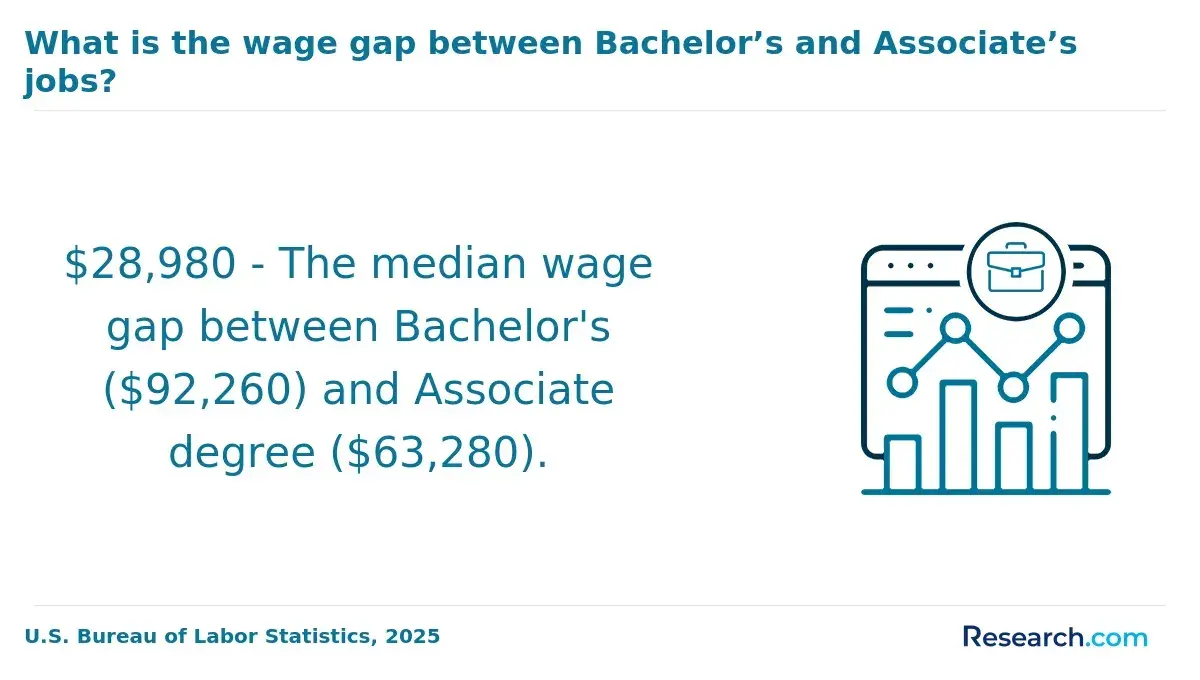
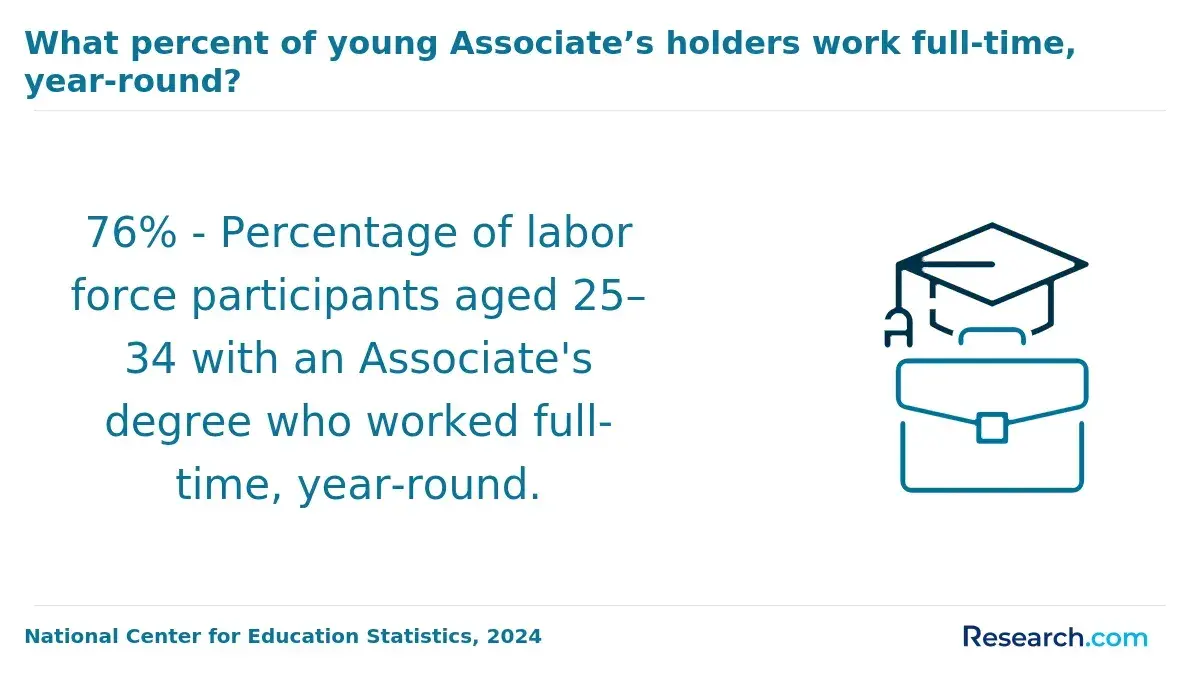
Applicants benefit from relevant extracurriculars or personal statements that demonstrate commitment to health or athletic fields. For working adults, associate degrees with transferable credits serve as common entry points but usually extend the total time to degree completion.
Traditional full-time bachelor's programs span about four years, integrating detailed coursework in anatomy, physiology, biomechanics, and nutrition alongside mandatory internships or clinical hours. Accelerated three-year tracks, while appealing for time-conscious students, require heavier course loads and may restrict employment opportunities during study.
Part-time options, often chosen by professionals shifting careers, generally double completion time unless prior credits apply, and rely heavily on self-direction to fulfill both academic and clinical requirements.
From a workforce perspective, mobile personal trainers can command £30-£50 per hour, with some generating six-figure incomes as noted in CREATE Fitness' 2026 review, highlighting how shorter certifications enable faster market entry with immediate earnings but limit advancement potential.
Conversely, a full bachelor's degree opens pathways to specialized roles like clinical exercise physiologist or research positions, underscoring a tradeoff between speed to income and long-term career versatility.
Other Things You Should Know About Exercise Science
A bachelor's degree in exercise science provides solid foundational knowledge, but in competitive job markets, it rarely suffices alone. Employers often expect practical experience, specialized certifications, and evidence of successful client outcomes. Prioritizing internships or practicum hours within your program significantly increases employability more than the degree alone.
Exercise science degrees emphasize theory and broader health sciences but can lack focused business training necessary for self-employment success. Independent trainers must supplement their education with courses in marketing, client management, and financial planning. Prioritizing additional professional development in entrepreneurial skills is critical for sustained income outside of institutional or gym environments.
Most gyms accept NCCA-accredited certifications, especially NASM-CPT, ACE CPT, ACSM CPT, and NSCA-CPT. These credentials usually require a high school diploma, CPR/AED certification, and passing a proctored exam. Some employers also favor degrees in exercise science for advanced or specialty roles.
References
- 18 Fitness Occupations to Consider for the New Year Ahead - Create https://create.fit/fitness-occupations/
- Do You Need a Degree to Be a Personal Trainer? | ISSA https://www.issaonline.com/blogs/business/do-you-need-a-degree-to-be-a-personal-trainer
- Best Exercise Science Careers - Let's Find out! https://www.ptpioneer.com/personal-training/exercise-science-careers/
- Exercise science program accredited by national organization | Lipscomb University https://lipscomb.edu/news/exercise-science-program-accredited-national-organization
- Best Personal Trainer Certification- Top 10 CPTs for 2025 https://www.fitnessmentors.com/best-personal-trainer-certification/
- Career Paths for Certified Personal Trainers https://www.nasm.org/resource-center/blog/career-paths-for-certified-personal-trainers
- Exercise Science | UW-Eau Claire https://www.uwec.edu/academics/programs/undergraduate/exercise-science
- Exercise Sciences https://www.caahep.org/committees-on-accreditation/exercise-science
- Personal fitness trainers: Salary, career path, job outlook, education and more - RaiseMe https://www.raise.me/careers/personal-care-and-service/fitness-trainers-and-instructors/personal-fitness-trainers/
- How Qualifications Affect a Personal Trainer’s Salary - eta https://etacollege.com/how-qualifications-affect-a-personal-trainers-salary/