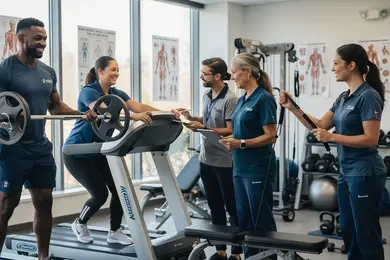
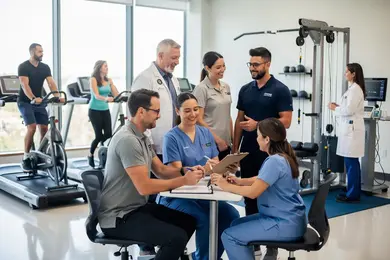
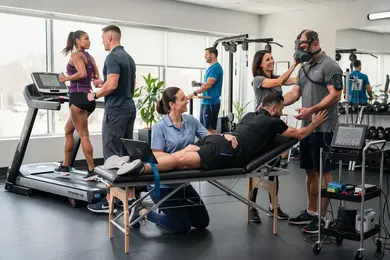
2027 Online Exercise Science Degrees With Human Performance Coursework

Co-Founder and Chief Data Scientist
Exercise science professionals aiming to integrate human performance specialization encounter a pivotal obstacle: balancing career demands with degree program accessibility and relevance. Nearly 60% of adult learners seeking degrees in health sciences prioritize flexible online formats, according to a 2024 National Center for Education Statistics report.
This shift reflects constrained schedules, geographic limitations, and the need for expedited credentialing that aligns with evolving employer expectations in sports medicine and rehabilitation sectors. Selecting programs without clear performance coursework or flexible pacing risks delayed entry into competitive niches.
This article evaluates online exercise science degrees with human performance curricula, guiding prospective students through structural differences and strategic considerations to optimize educational investment and workforce readiness.
Key Things You Should Know
- Online exercise science degrees featuring human performance coursework often omit critical in-person clinical hours, reducing eligibility for some certifications, forcing candidates to weigh accreditation tradeoffs versus flexible remote completion.
- Employers prioritize graduates with integrated data analytics and biomechanics training; programs lacking these can hinder placement in performance labs or rehab clinics, according to recent workforce surveys from the National Strength and Conditioning Association.
- Median total costs for fully online human performance tracks can exceed $40,000, delaying enrollment for adult learners balancing income loss versus upskilling timelines, per 2024 Department of Education financial aid reports.
What is an online exercise science degree with human performance coursework, and who is it for?
Choosing an online exercise science degree with human performance courses involves weighing practical training access against the flexibility benefits. Graduates must demonstrate applied competencies in biomechanics, physiology, and nutrition to meet employer demands for evidence-based, measurable interventions.
For instance, strength and conditioning coaches rely on biomechanical data analytics learned through these specialized human performance modules to tailor athlete conditioning regimens that directly influence team success and contract negotiations.
This pathway is well-suited for working professionals needing adaptable schedules and for recent graduates targeting roles such as occupational health specialists or rehabilitation coordinators. However, prospective students should critically assess programs to ensure they offer internships or practicums through established local partnerships, a key factor for skill application and certification eligibility.
Growth projections by the U.S. Bureau of Labor Statistics indicate a 14% increase in related fields over the decade, signaling robust demand but also rising competition. To stay competitive, candidates must prioritize programs integrating measurable skill development and experiential learning aligned to workforce realities.
Those researching the best online exercise science programs for human performance should consider comprehensive offerings that balance theory with practical application. Detailed comparisons are available via online degree in exercise science, providing critical insight into program quality and outcomes.
How do online exercise science programs compare to campus-based options for human performance study?
Choosing between online exercise science degrees with human performance coursework and campus programs involves critical tradeoffs tied to practical training that directly affects employability. While online formats offer scheduling flexibility, they shift the responsibility for finding supervised clinical or laboratory experiences onto students themselves.
For example, a working professional pursuing an online degree must independently arrange local practicums, which can delay graduation or reduce hands-on exposure essential for acquiring employer-valued skills.
Campus exercise science programs often integrate these internships within the curriculum, providing streamlined access to specialized equipment and in-person mentorship vital for mastering biomechanics and exercise prescription. This embedded clinical training is a significant advantage in fields demanding physical assessment expertise and direct client interaction.
Employers prioritize verified practical experience since human performance roles are physically demanding and client-facing. Graduates from fully remote programs must be proactive in securing local affiliations, a process that may extend time to certification. The labor market supports this emphasis as exercise physiologist jobs are projected to grow 13% by 2030, creating a competitive landscape where hands-on experience correlates with hiring preference.
Prospective students evaluating distance learning vs campus exercise science programs for human performance should carefully assess how each pathway supports clinical internship integration and employer networking. This evaluation is critical in aligning academic choices with workforce realities and long-term career outcomes.
For insights specific to allied health fields, research on online associate nursing programs reveals parallels in balancing remote coursework with necessary clinical practice.

Which accreditation and program quality standards matter most for online exercise science degrees?
Accreditation from bodies like the Commission on Accreditation of Allied Health Education Programs (CAAHEP) or regional agencies remains decisive for online exercise science degree regional accreditation to ensure recognition from employers and graduate programs.
Programs lacking these credentials often block graduates from licensing opportunities or advanced clinical roles, a crucial consideration when comparing pathways. For example, physical therapy aspirants must have accredited degrees to sit for licensing examinations, directly shaping their career trajectory and earning potential.
Quality standards for exercise science programs in the US emphasize current human performance curricula aligned with industry certifications and research-supported methods.
Employers seek candidates proficient in evidence-based assessment, exercise prescription, and rehabilitation protocols grounded in up-to-date data. Programs neglecting these components risk graduating students with outdated skills that diminish employability across clinical and sports performance sectors.
Practical experience is non-negotiable. Students should prioritize programs with rigorous practicum or internship requirements affiliated with reputable clinical or athletic facilities, as hands-on exposure substantially improves job placement odds and salary growth potential.
The Bureau of Labor Statistics reports physical therapists earn over $100,000 annually, illustrating workforce premiums placed on qualified exercise science professionals. Navigating these factors strategically affects long-term outcomes, especially when balancing program costs and time investment against credential validity and market demand.
Professionals contemplating academic pivots may also explore related fields such as a data science doctorate online to enhance interdisciplinary competitiveness.
What human performance courses and specializations are typically offered in online exercise science programs?
Choosing a specialization within online exercise science human performance courses directly impacts employability and workflow integration. For instance, focusing on strength and conditioning targets roles with collegiate or professional sports teams, while rehabilitation-oriented tracks align more closely with physical therapy or occupational therapy environments. This alignment ensures graduates possess nuanced skills tailored to specific labor market demands rather than generalist knowledge.
Curricula emphasize physiology, biomechanics, and motor learning with applications such as metabolic response analysis for aging adults and injury prevention protocols in workplace ergonomics. Supplementary coursework in exercise prescription and data analytics addresses employer expectations for evidence-based, measurable outcomes.
Practical experience often includes laboratory techniques and remote coaching, reflecting the growing importance of telehealth and hybrid instruction models in fitness professions. Such components position graduates to navigate evolving industry standards and technological shifts.
Real-world cost considerations can limit program accessibility. Liberty University's report of less than a 5% tuition increase over a decade and ranking in the upper affordability tier suggests that stable, cost-effective options exist, a vital factor for learners balancing education expense against post-graduate salary prospects. This practical perspective must guide decision-making more than brand recognition alone.
For professionals exploring cross-disciplinary shifts or advancing certifications, comparing curricular depth and specialization focus is critical. Those contemplating moves into related fields may also examine alternative credentials such as online PMHNP programs as complementary pathways within health sciences.
What admission requirements and prerequisite background do online exercise science degrees expect?
Applicants pursuing online exercise science degrees must navigate a mix of academic prerequisites and practical experience requirements that directly influence employability and program suitability. Most programs mandate a high school diploma or equivalent alongside coursework in biology, chemistry, anatomy, and physiology to ensure candidates can grasp complex scientific concepts quickly. This foundation supports advanced content related to human performance and health.
In addition to academics, documented experience in health or fitness environments frequently factors into admissions, particularly for programs with internships or lab components designed to satisfy certification or clinical standards. For example, a working professional with volunteer hours in physical therapy settings may leverage that background to bypass some formal prerequisites, facilitating a career pivot without redundant coursework.
Mathematical proficiency, often evidenced by courses in algebra or statistics, is integral for roles emphasizing data analysis and research methodologies in exercise science. Students focused on research careers must weigh programs' prerequisites carefully to align with certification and employment criteria.
Financial considerations are notable; widely variable tuition rates mean candidates must assess the tradeoff between cost and program recognition. For instance, Franklin University's undergraduate online tuition at $398 per credit hour serves as a practical benchmark for affordable, accredited curricula under $400 per credit hour.
How long do online exercise science programs take, and what do they cost to complete?
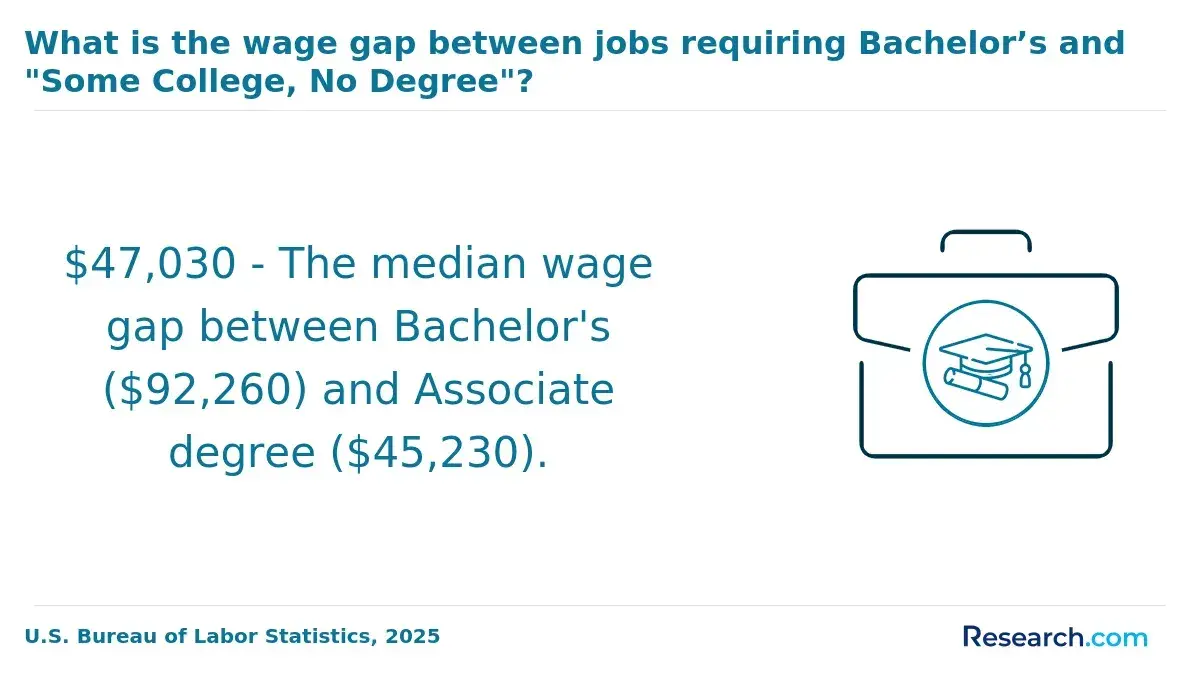
Online exercise science degrees often stretch from two to four years, influenced heavily by enrollment status and previous credits. Full-time students generally require around four years to finish 120 credit hours, but accelerated or part-time formats can shorten or lengthen this timeline substantially.
The choice between pacing options has tangible workforce consequences: a working professional juggling full-time employment might face a prolonged program duration that raises indirect costs such as lost income or extended fees to maintain student status.
Tuition varies significantly, typically falling between $30,000 and $50,000 for the complete degree. Military-affiliated students can substantially reduce out-of-pocket expenses-for example, American Public University System offers a preferred military rate of $250 per credit hour versus $360 standard, representing nearly 31% savings and thousands saved overall.
Practical elements like mandatory practicum or internship hours often complicate time-to-degree estimation, especially when factoring travel or equipment expenses. This can delay entry into the workforce or increase financial strain. Prospective students should clearly assess these requirements and available financial supports, including scholarships and employer tuition assistance, to optimize net cost and actual time invested.
Employers in fitness and health sectors tend to value demonstrated competency matched with degree completion speed, so candidates should evaluate program rigor and outcomes data rather than focusing solely on duration.
What careers can graduates with online exercise science and human performance training pursue?
Online exercise science programs with robust human performance training must deliver applied skills, particularly in physical assessment and biometric data interpretation, to meet employer demands in clinical and athletic settings.
For example, clinical exercise physiologists in cardiac rehabilitation rely on precise exercise prescriptions shaped by lab-based knowledge in exercise physiology and biomechanics. Coursework covering 17 core credits in areas like sports nutrition and statistics is essential for this hands-on competency.
Medical centers, sports organizations, and wellness programs prioritize graduates who can translate lab research into performance improvements and data-driven interventions.
Hiring trends favor candidates with substantial lab experience over those with only theoretical knowledge, as confirmed by 2024 reports from the Bureau of Labor Statistics and the National Strength and Conditioning Association. This makes program selection critical, especially considering the limited in-person practicum options in many online curricula.
Certification pathways such as Certified Exercise Physiologist (CEP) or Certified Strength and Conditioning Specialist (CSCS) often become necessary to progress into advanced roles, so students must factor these credentials into their planning. While online formats offer flexibility, they typically require supplementing with virtual labs or periodic residencies to ensure practical readiness.
Professionals aiming for roles in rehabilitation clinics or elite athletic environments should prioritize programs integrating applied labs and research methods, balancing the tradeoff between remote access and hands-on exposure to align with employer expectations and industry standards.
What salary ranges and earning potential are associated with exercise science and human performance roles?
Salary outcomes in exercise science vary sharply based on credentialing and role specialization, with industry demands shaping practical earning potential. Entry-level positions such as personal trainers usually start between $35,000 and $50,000 annually, reflecting both skill level and market saturation.
Professionals holding certifications from bodies like ACSM, NSCA, and NASM typically command higher salaries, $50,000 to $75,000, demonstrating employer preference for validated expertise.
In settings involving clinical populations or athletic performance enhancement, salaries can exceed $80,000, particularly for those with advanced certifications linked to rigorous academic preparation, such as online degrees offering multiple credential pathways.
For example, human performance specialists in collegiate or professional sports often require NSCA or ACSM certifications to access roles paying above $90,000, illustrating how credentialing gates advanced positions.
Several tradeoffs impact career progression:
- Without ongoing credential updates, salary growth plateaus despite holding degrees.
- Balancing time and financial investment for multiple certifications is essential but challenging.
- Specializing strategically in demand areas maximizes income but narrows job options.
Students and professionals must navigate credential pathways and employment demands simultaneously, making decisions that affect long-term employability. Combining an online exercise science degree with targeted professional credentials remains the most direct route to competitive compensation in diverse human performance roles.
What certifications or licenses align with exercise science degrees focused on human performance?
Certification choices after an exercise science degree significantly influence employability and career trajectory, especially when balancing clinical versus performance-focused pathways.
For graduates aiming at clinical roles, the Certified Exercise Physiologist (CEP) credential from the American College of Sports Medicine (ACSM) is often mandatory, requiring not only academic credentials but also documented clinical experience. This credential opens hospital or rehabilitation positions but demands familiarity with medical protocols and supervised practice hours, which can delay workforce entry.
Alternatively, those targeting strength and conditioning careers typically pursue the Certified Strength and Conditioning Specialist (CSCS) from the National Strength and Conditioning Association, a credential prioritized in collegiate and professional sports. While this pathway is generally more accessible, it requires maintaining networks in a competitive fitness industry to achieve higher income levels and job security.
Public health education roles represent a third functional route, supported by Certified Health Education Specialist (CHES) certification.
According to Maryville University data, health education specialists earn a median salary of $62,860, indicating stable demand in wellness programming and preventative care. Exercise physiologists, with a median salary closer to $54,860, often face varied state requirements for licensure, adding complexity to certification decisions.
Financial and temporal costs are crucial considerations. Certification exams cost between $300 and $500, with ongoing continuing education needed to maintain credentials. Graduates without certifications risk limited advancement, as employers favor candidates who combine academic knowledge with credentialed expertise immediately post-graduation.
How can students evaluate and choose a reputable online exercise science program in the U.S.?
Accreditation and curriculum relevance directly affect the professional utility of an online exercise science degree. Regional accreditation ensures recognition by employers and graduate programs, while coursework must cover core areas like exercise physiology, biomechanics, and kinesiology with applied labs. Programs lacking clinical internships or hands-on practice risk leaving graduates unprepared for roles demanding practical skills, notably in clinical or coaching careers.
Delivery format matters: research shows hybrid programs combining online theory with in-person labs offer comparable academic outcomes to traditional courses and provide crucial flexibility for working students. Fully online degrees may suit consultants needing adaptable schedules, but they should verify employer acceptance of such credentials.
Faculty expertise and industry ties influence networking and alignment with certifications such as ACSM or NSCA, key for employability in rehabilitation and performance settings. Consider the example of a physical therapy aide aiming to advance: selecting a program with internship opportunities and robust applied training directly affects job readiness and career mobility.
Additional factors impacting value include cost transparency, credit transfer policies, and program length. Accelerated tracks and clear graduate pathways enhance return on investment. Evaluating these factors together forms the foundation for selecting an online exercise science program that meets both educational rigor and real-world workforce demands.
Other Things You Should Know About Exercise Science
Online exercise science courses often have similar rigor to their campus counterparts but demand more self-discipline and time management. The asynchronous format allows flexibility but also requires students to absorb complex scientific and performance material independently, which can increase the cognitive load. Students should assess their ability to balance coursework with professional or personal obligations, as falling behind can significantly impact learning outcomes and timely graduation.
Employers increasingly accept online exercise science degrees, especially from accredited programs, but some remain cautious about candidates lacking verified practical experience. The degree alone is rarely sufficient; hands-on training, internships, and relevant certifications carry more weight in hiring decisions. Candidates should invest in complementary field experience and certifications that demonstrate applied expertise to offset any bias associated with online credentials.
For human performance careers, the degree should come from a school accredited by a U.S. Department of Education-recognized regional accreditor, such as SACSCOC, HLC, MSCHE, NECHE, WSCUC, or NWCCU. Accreditation affects graduate school eligibility, financial aid access, and employer recognition.
References
- 2026 Best Online Exercise Science Degrees https://www.onlineu.com/degrees/exercise-science
- Online Exercise Science Degrees: Top School Review https://www.edumed.org/online-schools/exercise-science-degrees/
- Exercise science program accredited by national organization | Lipscomb University https://lipscomb.edu/news/exercise-science-program-accredited-national-organization
- Exercise Sciences https://www.caahep.org/committees-on-accreditation/exercise-science
- Exercise Science Degree Careers, Jobs and Salaries - Peak Physical Therapy and Sports Performance https://peaktherapy.com/blog/exercise-science-degree-careers-jobs-and-salaries/
- Human Performance Bachelor's Degree https://northern.edu/degrees/human-performance-and-fitness-bachelors-degree
- Bachelor of Science Degree in Strength and Human Performance - Parker University https://www.parker.edu/academics/bachelor-of-science-degree-in-strength-and-human-performance/
- Exercise science: What exactly is it? https://www.scienceforsport.com/exercise-science/
- Exercise Science and Human Performance https://mcm.edu/major/exercise-science-and-human-performance/